
'My Dead Dad': Honoring a Loved One with a Unique Sendoff
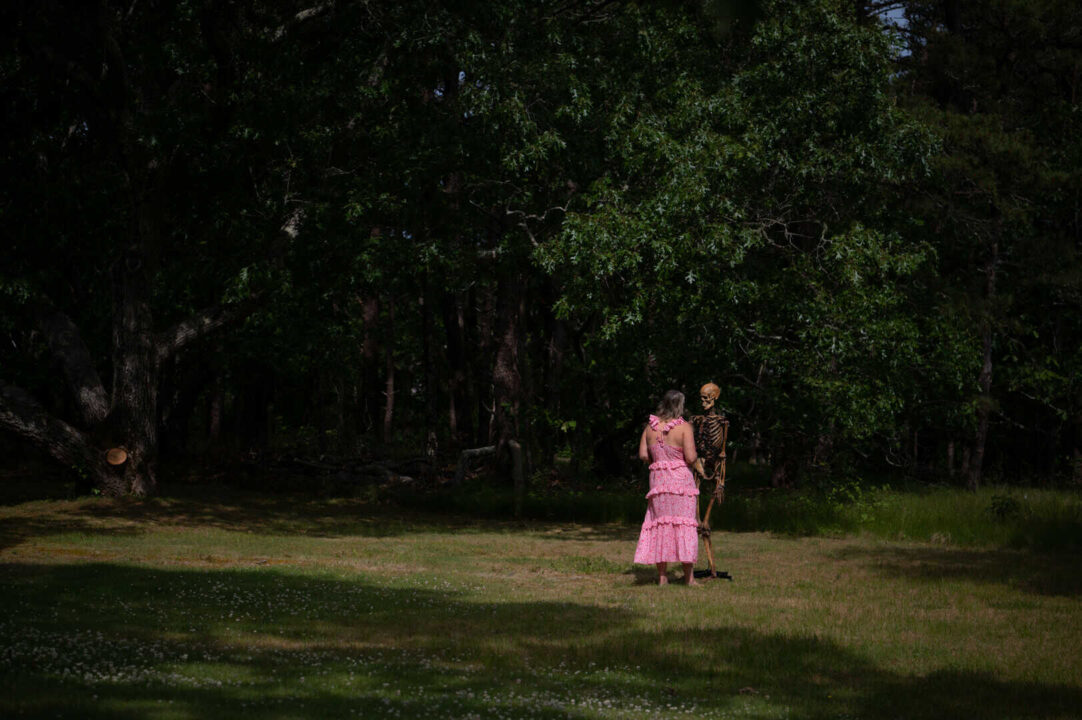
A daughter fulfills a very unique postmortem request from her father in the affecting short documentary, My Dead Dad. While the title alone may elicit the assumption that this is a somber film, directors Erik Osterholm and Abby Ellis capture the celebratory aspect of honoring a loved one, and the result is an unforgettable and touching reflection on individuality and commitment to family.
Christopher Gray was an eccentric man. A former streetscape journalist for the New York Times, Chris spent most of his time looking at old buildings in the city, usually trying to convince his daughter Olivia to accompany him. Before his untimely passing at just 66 years old, Chris had made it clear in his will that he didn't want a traditional burial or cremation. His dying wish was that his skeletal remains would be reassembled and displayed in his high school's science lab. Unconventional? Sure. Crazy? Absolutely, but that didn't stop Olivia from finding the joy and humor in following through with her late dad's final request.
The film begins at the point in the story when Olivia comes face to face, or rather, face to skull, with the skeletal remains of her dad propped up on a rolling tripod. Enlisting her aunt to accompany her, Olivia embarks on a road trip to bring her dad home, stopping at tourist spots to document the adventure with her dad one last time.
Running just 25 minutes long, My Dead Dad is a darkly comedic family drama that offers an unexpected outlook on how we view death. Olivia undergoes such a unique and uncommon experience with such grace, and the filmmaking team does a commendable job capturing this moment. The triumphant score is sure to spark an emotional flurry within the audience, as we're left to reflect on the relationships we have with the loved ones in our lives.

Kulanen Ikyo Debuts Track from Netflix's 'The Black Book'
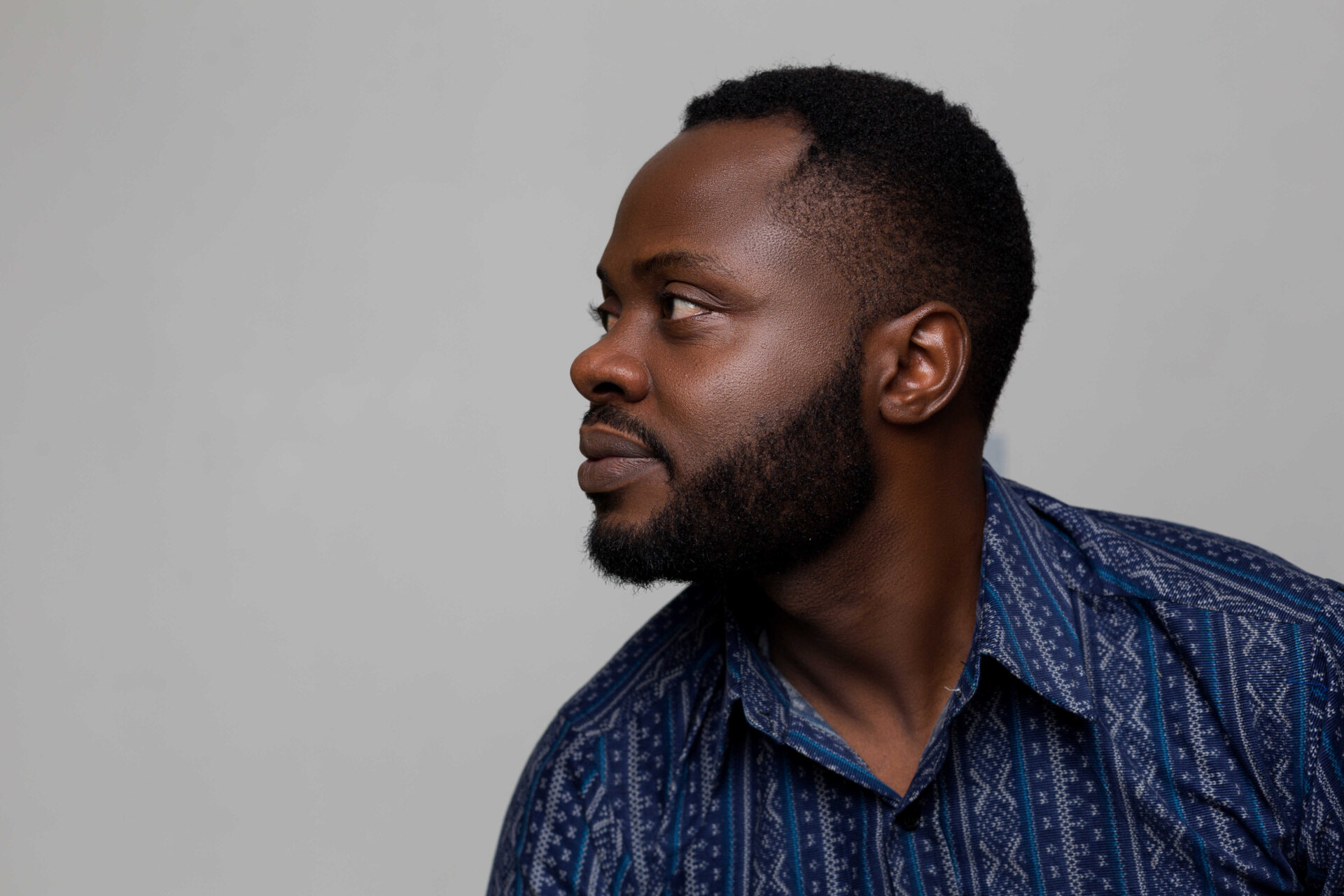
The Nigerian film The Black Book made history when it was released on Netflix in late September 2023. Within two days, it quickly reached 5.6 million views and landed at #3 on Netflix's worldwide film charts. The success was music to composer Kulanen Ikyo's ears. Known for his creativity within the burgeoning Nigerian film industry, Kulanen's experimental score is the emotional heartbeat of the film. The 33-track album is available on Friday, February 9th, on digital platforms here.
The Black Book, which is currently streaming on Netflix, is a crime thriller that details the heroic actions of a father seeking revenge. After his son is framed for kidnapping, a former gang member turned religious deacon takes justice into his own hands by fighting a corrupt police force to avenge his innocent son. According to online reports, The Black Book's $1,000,000 production budget marks the largest amount ever spent on a Nollywood (aka the Nigerian Hollywood) film.
Cinemacy is excited to premiere “Greetings Mr. Paul” from The Black Book (Original Motion Picture Soundtrack), below:
In "Greetings Mr. Paul," Kulanen draws inspiration from his Nigerian roots, crafting bold cinematic soundscapes that incorporate both African musical traditions and symphonic elements. The track starts slow before transforming into the recognizable theme of "The Battle Hymn of the Republic." A smooth electric guitar plucks the notes of the anthemic song while the larger piece begins to swell with triumphant horns and drums. It's a powerful work that reflects the tension of the story and brings it to life in stunning detail.
Says Kulanen of working on the film, "As a composer, connecting with the production team to understand the vision is essential. The director's bold proclamation in a CNN interview and the cinematographer Yinka Edward's aspiration to scale up hinted at the need for grandeur. So, I aimed for a sound that matched the narrative's magnitude - big, with resonating percussion and brass. Delving into dark tones at times aligned with the film's trajectory while embracing emotional peaks became a pivotal part of the composition."
"Collaborating with [director] Editi Effiong was genuinely intriguing." he went on to say. "Editi's desire for emotionally charged moments and raw grit in specific scenes set the tone for our exploration. Composing the score for The Black Book was both challenging and exciting. We created a score that, hopefully, complements the film's storyline and resonates with viewers even after the movie ends."
Award-winning composer Kulanen Ikyo grew up in Nigeria and always knew he wanted to make music. He would find random objects around his house, like an empty can and a wood baton, and turn them into instruments. He earned a degree in physics from the University of Jos but continued on the path of film scoring, attending the Film Scoring Academy of Europe. His past work includes contributions to critically acclaimed films such as Lionheart and October 1, which earned him the Africa Magic Viewers Choice Award in 2015.
'Earth Protectors': An Environmental Artist's Rallying Cry
What a luxury it is to "believe" in climate change. As we see in director Anne de Carbuccia's social issue documentary Earth Protectors, this global crisis shouldn't be viewed as a choice to accept, but rather a genuine threat that can't be stopped unless we first acknowledge its existence. Using art as a vessel to show both the beauty and havoc that exists in our current climate, Earth Protectors is a call to action that begs us to pay attention to the very real cries of the planet.
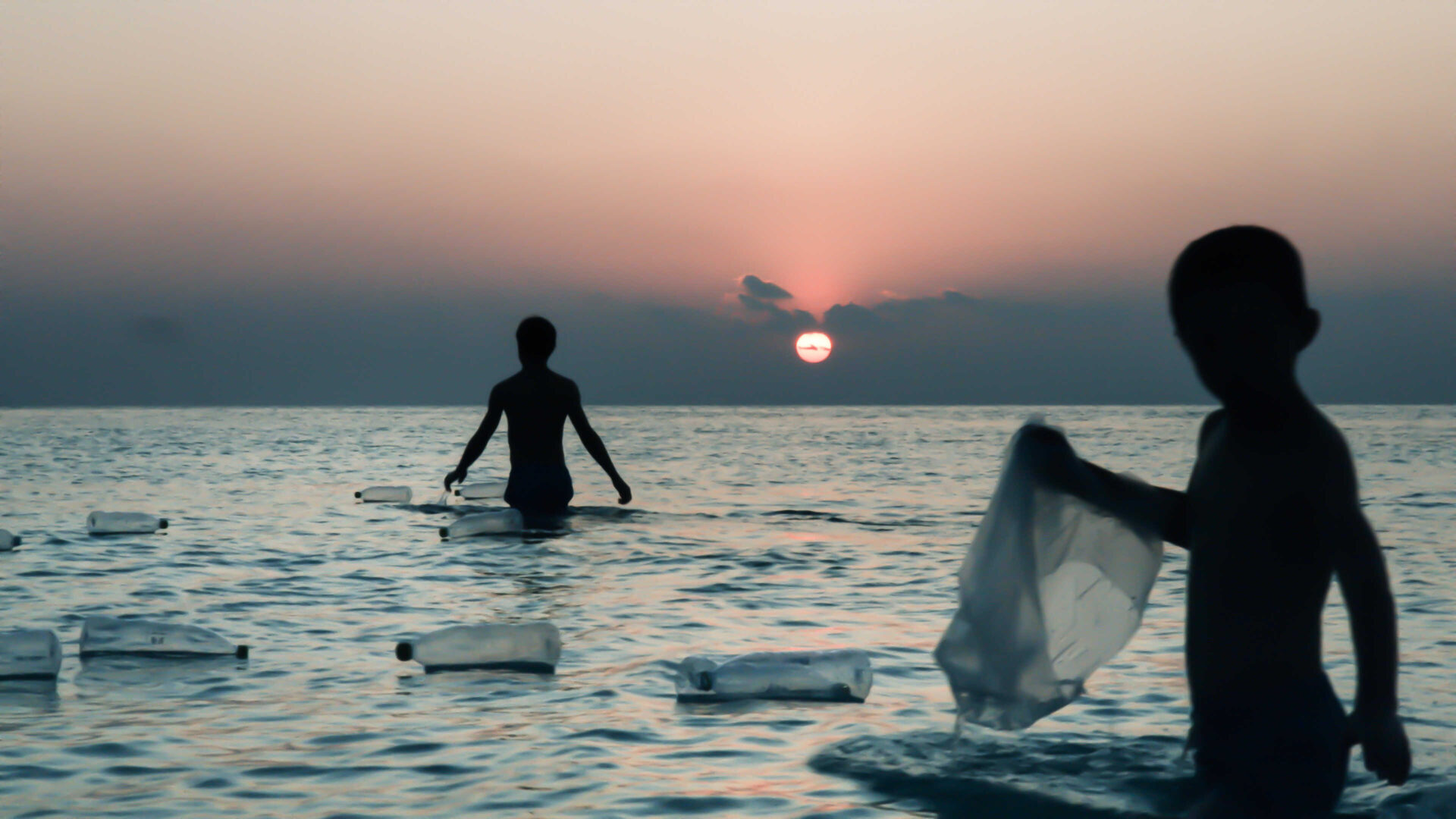
Filmmaker, artist, and activist Anne de Carbuccia travels the world to capture the effects of man-made devastation on our natural habitats. She creates what she calls "time shrines" by photographing various props, like a skull and an hourglass, resting in various environments. The photographs are harrowing and bold, serving as a reminder of what we have to lose if we don't immediately attempt to put an end to climate change. While it's interesting to see the artistic process of creating these installations, the documentary's bigger focus is geared toward the local people and communities she meets along the way. As we follow Anne through different countries, terrains, and biospheres, we're introduced to people whose livelihoods depend on protecting the planet, and get a firsthand account of their heroic efforts and commitment to saving our natural resources.
Beautiful drone shots and wall-to-wall music aid in portraying the film's gigantic scope. From the top of the Himalayas to diving at the ocean's depth, the visuals that come out of Earth Protectors are breathtaking. Equally as stunning for starkly different reasons are the miles of deforestation and tons of trash that Anne and the various film subjects comment on. "Are we going to be remembered for trash?" is one heartbreaking sentiment expressed after confirming that 8-10 million tons of garbage enter the ocean every year. Although the statistics are bleak in many circumstances, interviews with various subjects, whom Anne calls the "Earth Protectors," inspire tangible action steps that offer optimism instead of pure existential dread.
Staying true to the ethos of the film, the carbon footprint of Earth Protectors was reduced by using a skeleton crew that included only vital roles required for filming. To further combat their environmental impact, the filmmakers also pledged to complete a reforestation project. Inspiring in both their execution and proactiveness, the team behind Earth Protectors has set a glowing precedent for future filmmakers to consider.
While the subject matter is not new as far as documentary filmmaking goes, Earth Protectors is a compelling and urgent call to action that deserves as big of an audience as possible. If you liked Nat Geo's The Territory, this film is for you.
Sundance: 'Handling the Undead': This Supernatural Horror Nearly Flatlines
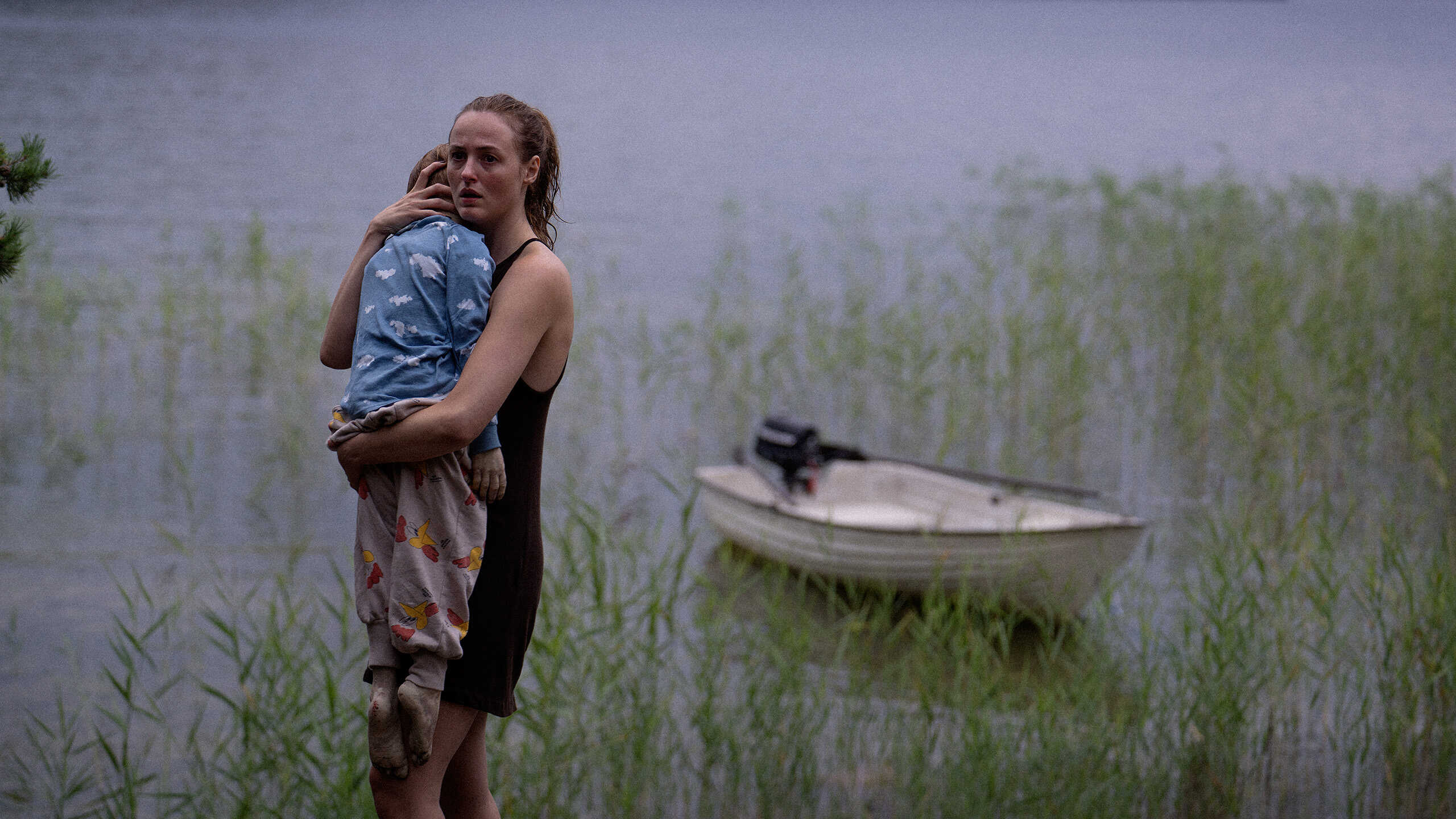
Norwegian director Thea Hvistendahl reunites former The Worst Person in the World co-stars in her feature-length directorial debut, Handling the Undead. Renate Reinsve and Anders Danielson Lie star in this visually bountiful character study that explores the liminal state between life and death. Adapted from the book of the same name by John Ajvide Lindqvist, Handling the Undead is an untraditional horror film that, unfortunately, never truly hits its stride due to prioritizing general aesthetics over character analysis.
It's summertime in Oslo, and three families go about their day as if it were any other. There is a palpable tension in the dynamic between Anna (Reinsve) and her father Mahler (Bjørn Sundquist), their coldness leads us to assume there are conversations that need to be hashed out but rather, have been avoided. In another part of town, David (Lie) and his wife Eva (Bahar Pars) prepare for a date night, leaving the kids at home for some alone time. The third simultaneous storyline we encounter is of Elisabet (Olga Damani), a single older woman who lives alone. All three families receive the shock of their lives when, unexpectedly, a supernatural event occurs and resurrects their deceased loved ones from the grave.
The supernatural horror is subtle and the reactions from those affected by the strange events are eerily quiet. It's not necessarily an awkward silence but more an act of restraint. This non-stereotypical outburst makes Handling the Undead feel more arthouse-leaning than traditional horror. Composer Peter Raeburn does a great job of filling the void with atmospheric tension in his sweeping, piercing score. Taking advantage of Oslo's beautiful landscapes and sense of organic surroundings, Handling the Undead is also a respite for the eyes. It's almost dreamlike in its ability to capture a specific mood, thanks to the phenomenal work of cinematographer Pål Ulvik Rokseth. His use of colors and shadow play adds further meaning to the bizarre situation that the three central families find themselves in, which they process with both skepticism and delusional happiness.
The film's weakness comes from the underdevelopment of every character's backstory prior to the day of the event. Seemingly an intentional dismissal by the director, it is difficult to contextualize the emotions of the characters throughout this traumatic experience because we don't know them, so we are left to assume too many things. Unfortunately, the lingering questions about who these characters are can distract from the artful construction of the world that Thea Hvistendahl has built through methodical camera movements and the strong, highly sensitive performances from the lead cast.
Despite the contextual deficiency, Handling the Undead excels in world-building. It leaves the viewer with a lingering sense of unease while artfully juxtaposing against visual beauty. Before its premiere at the Sundance Film Festival, NEON had acquired Handling the Undead and has set a theatrical release in Norway for Friday, February 8, 2024.
'Scrambled' Is a Fresh Comedy About Female Anxiety and Fertility
Now streaming on:
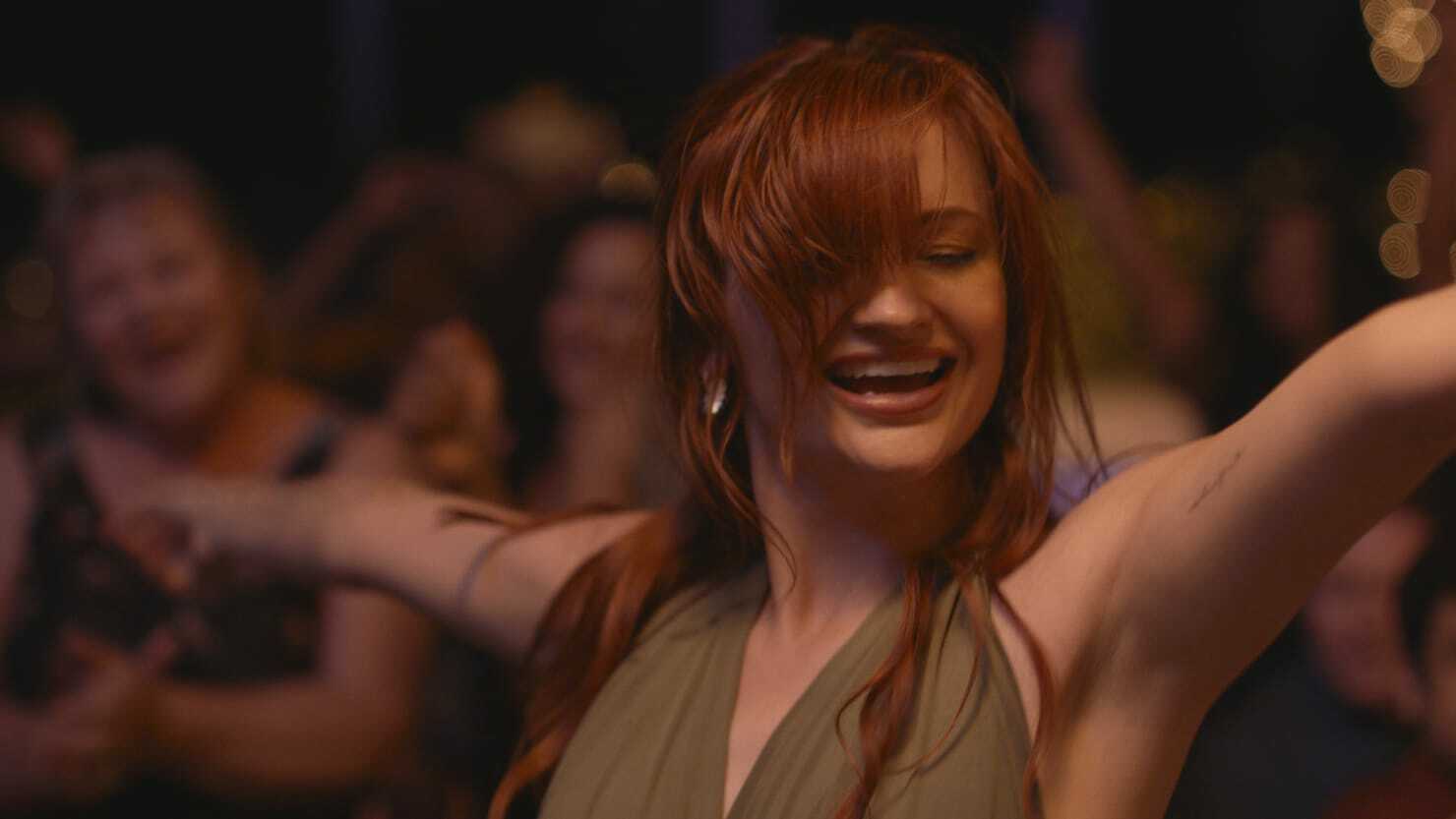
In the new comedy, Scrambled, multi-hyphenate Leah McKendrick takes the taboo out of fertility treatments. Poking fun at the pressure that single women in their mid-30s face from society to get married and start a family, Scrambled is a provocative and confident feminist film that puts the power back into the hands–or wombs–of women.
McKendrick (who also wrote and directed the film) plays Nellie, a single, 34-year-old recurring bridesmaid and aspiring celebrity jewelry designer who struggles with feelings of not-enoughness. She is at the age where all her friends are either getting married or pregnant or reaching some other traditional milestone that comes with a stereotypical relationship. Still wounded from a past breakup, Nellie's prospects in the love department are slim to none.
https://www.youtube.com/watch?v=SZ3T3Yr6B54&ab_channel=LionsgateMovies
After a one-night stand goes wrong, Nellie considers freezing her eggs to take some of the pressure off of society's imaginary timeline for single ladies. Throughout her fertility treatment, which lasts roughly a couple of weeks, Nellie embarks on a chaotic journey through emotional peaks and valleys. What follows is a comically layered personal exploration of being single, including visits from ex-boyfriends of the past, putting on faux smiles during friends' baby showers, and barely surviving family dinners when her dad asks when he can expect grandchildren.
Leah McKendrick has been candid about how the themes of Scrambled were birthed from her real-life experience, which should give audiences an even more delicate lens through which to view the film. Addressing myths, taboos, and the "danger zone" of being a woman in her mid-thirties, McKendrick dodges societal expectations and creates a truly empowering film about developing a newborn sense of ownership over her bodily autonomy.
"I don't even know if I want kids! I've seen Euphoria," is one of Nellie's many sharp comebacks that give the film its adult cheekiness. The witty script paired with the magnetism of McKendrick's performance is a winning combination. So if you're sick of conventional films about fertility and want something original from the point of view of someone who's lived it, Scrambled is for you.
1h 37m. Rated R for sexual content, nudity, language throughout, and some drug use.
Sundance: 'Daughters' Finds Joy in the Face of Heartbreak
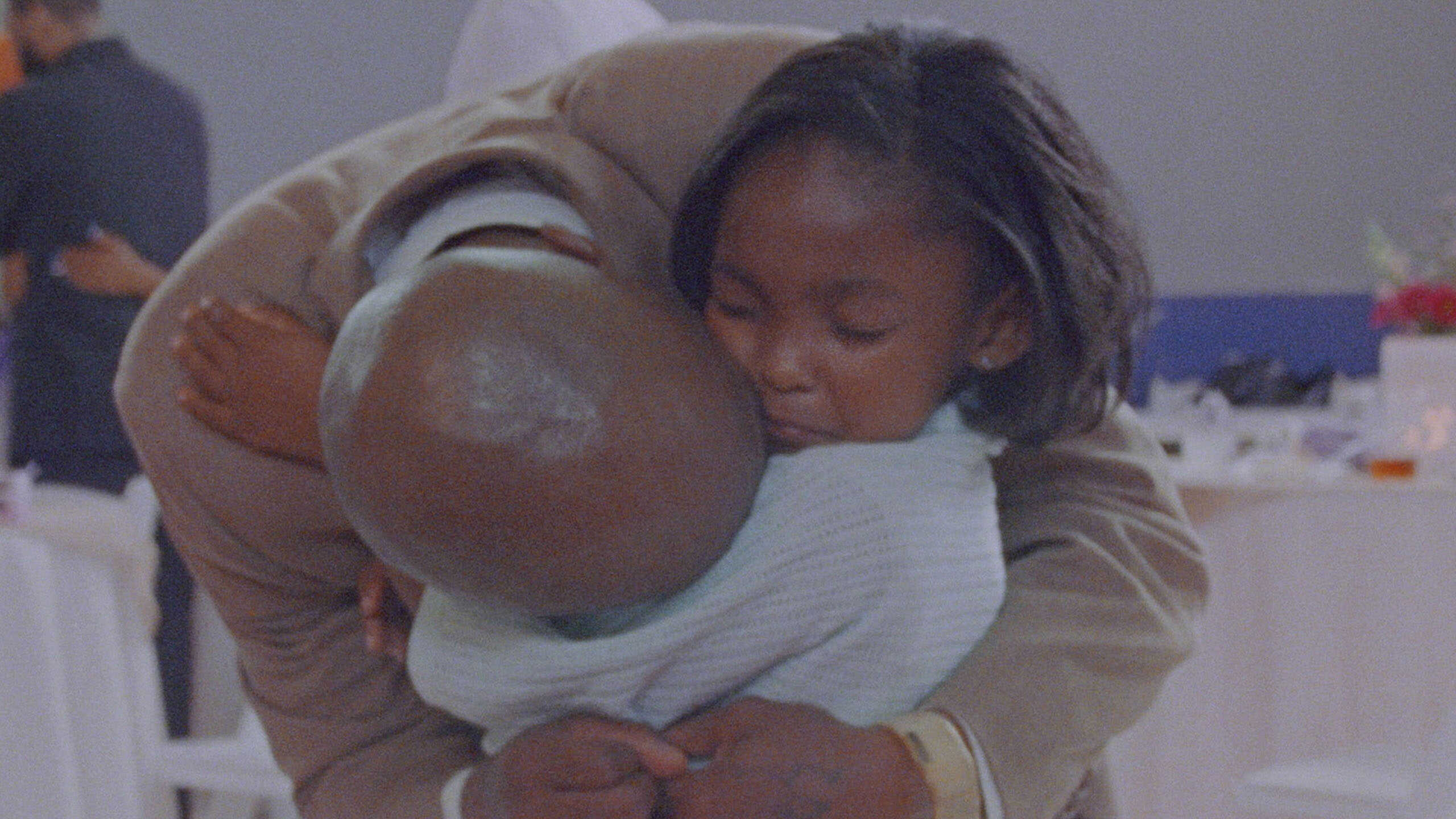
A Father-Daughter dance is a rite of passage for many young girls. I remember my first dance, a cowboy-themed event sponsored by my Brownie troop. I may have only been five or six years old, but that special memory has stuck with me all these years later. In co-directors Natalie Rae and Angela Patton's touching documentary Daughters, four young girls reunite with their incarcerated fathers as they prepare for their first Daddy-Daughter Dance, held in the gymnasium of a Washington, D.C., jail. As a viewer, be prepared to feel a wide range of emotions, from compassion and joy to heartbreak and sorrow. Daughters is a sentimental love letter to the irreplaceable bond between parent and child.
Daughters is a tenderly told observational film that follows 5-year-old Aubrey, 10-year-old Santana, 11-year-old Ja'Ana, and 15-year-old Raziah as they navigate the complex emotions of meeting their absentee fathers, face to face, for the first time in years. The "Date with Dad" program, conceived by co-director Angela Patton, has been established to connect incarcerated men with their children and allow these fathers the opportunity to re-commit their loyalty, love, and long-term devotion to their families. The men who participate in this program commit to a 10-week program, led by a life coach who specializes in fatherhood counseling. Over those 10 weeks, while their daughters are simultaneously anticipating this reunification, the men learn about the importance of stability in a child's life, and the "Date with Dad" event gives them a first step in fostering a brand new relationship.
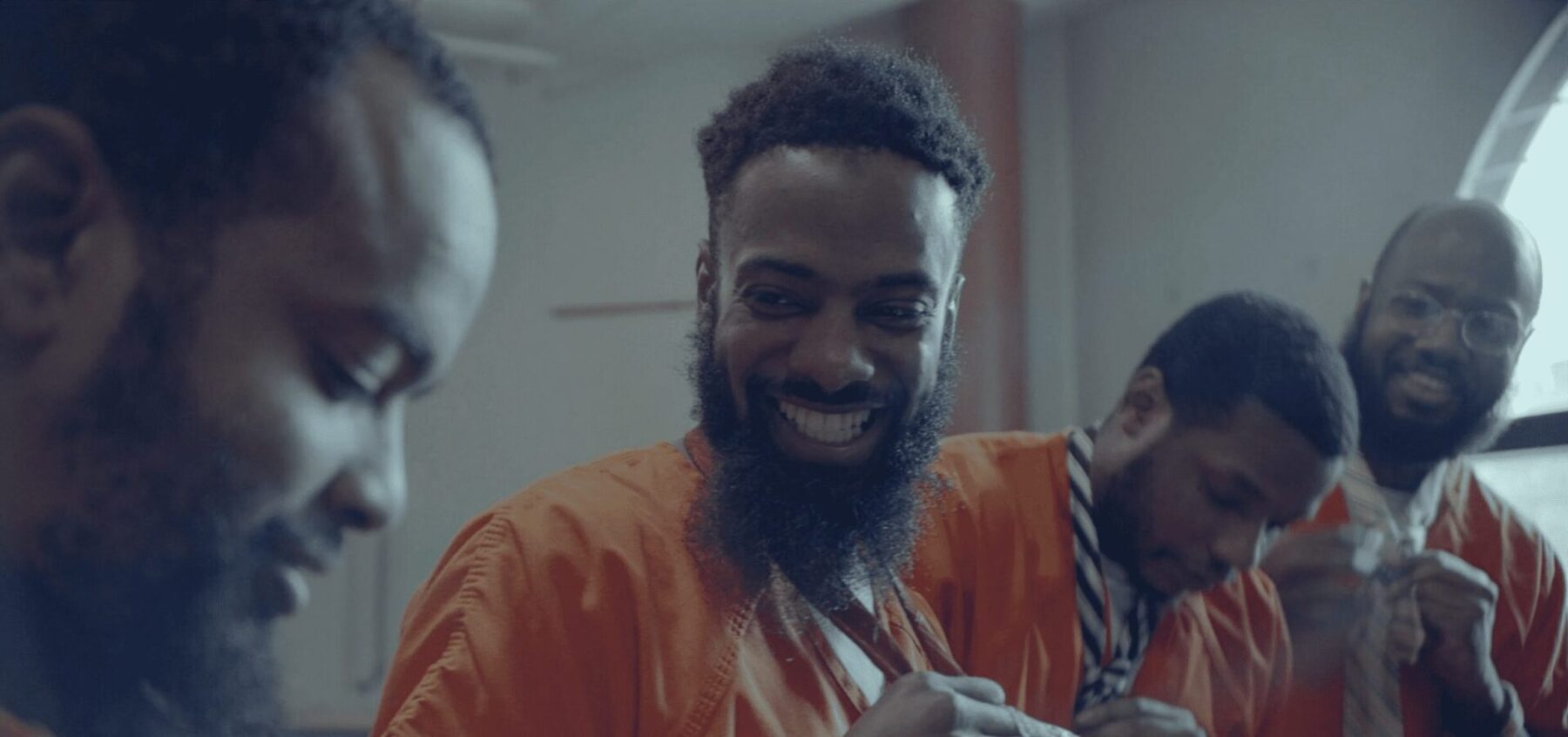
Everyone who participates in this documentary, which took over eight years to complete, deserves recognition for putting their vulnerability on full display. There are many moments throughout the film that will have you reaching for tissues, a few standouts for me include when the men trade their jumpsuits for dress suits, and relying on the older inmates to teach them how to tie a tie. Outside the prison walls, the young girls get their nails done and slip into princess-like dresses, some even embellished with little tiaras. Of course, the dance and the countdown toward saying goodbye were so emotional that I almost had to pause and collect myself. It will be a rare audience member who can get through these poignant father-daughter scenes with a dry eye.
Rae, an award-winning director with a focus on women’s rights, and Patton, the CEO of Girls For A Change, are the momentum behind capturing the Daddy Daughter Dance as they navigate this unique and intimate experience with respect and compassion. The four girls who are at the center of the film handle themselves with an empathetic maturity that is both admirable and astonishing to witness. They are wise beyond their years, some more skeptical about their father's promises, but one thing they have in common is the hope that this is the start of a life-changing evolution and that one day soon, their fathers will come home.
Shot in cinema vérité style, Daughters is a devastatingly poignant film about the importance of commitment within a family, even when the odds are stacked against you. It reveals a bittersweet reality that many families experience, complete with dynamic emotions and a quiet optimism, reminding us that love can prevail from prison walls.
Daughters won both the Festival Favorite Award and the U.S. Documentary Audience Award at the 2024 Sundance Film Festival.
Sundance: 'Skywalkers: A Love Story': Feel the Adrenaline Rush
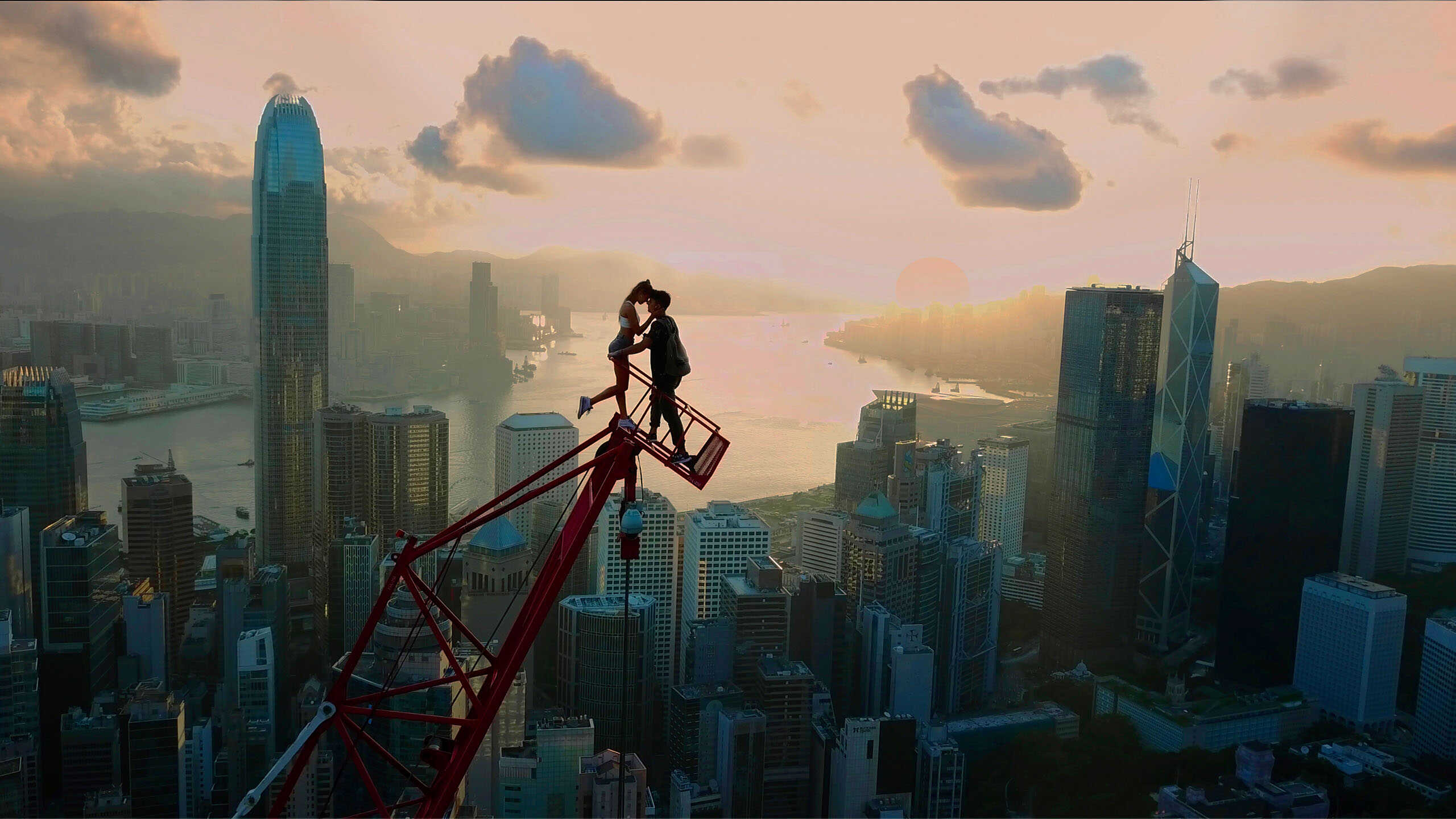
It's a bird! It's a plane! Nope, it's two Russian influencers taking selfies on some of the highest buildings in the world. In Emmy and Peabody-winning filmmaker Jeff Zimbalist's stomach-churning documentary Skywalkers: A Love Story, human perseverance and ability are pushed to jaw-dropping heights. Premiering in the U.S. Documentary Competition at the Sundance Film Festival, Zimbalist follows the careers of two daredevils who attempt to scale the tallest skyscraper in Kuala Lumpur, Malaysia, in the hopes of resuscitating their internet notoriety and building back the trust that had been dwindling within their rocky relationship. In an early acquisition from the festival, Netflix bought the distribution rights (and we're hoping that they give it the big screen experience it desperately deserves).
The premise sounds both risky and ridiculous but after watching Russian rooftoppers Angela Nikolau and Ivan Beerkus are clearly in their element as they pose and take pictures among the clouds. The beauty of this image seems to outshine the worry of how they made it happen. Angela and Ivan started as competitors in the niche community of "rooftoppers" but after an opportunity to collaborate on a brand deal presented itself, the duo quickly became inseparable.
Angela, the daughter of two circus performers, always knew that her path was going to be an unusual one. She loved using her body as expressionist art and took to Instagram to share her death-defying stunts. Ivan, in a similar fashion, much to his parent's concern, found the lawlessness of rooftopping exhilarating. Angela and Ivan's shared outlook on life as extreme athletes, learning to deal with the ever-present risk that follows them, became the building blocks for a truly special relationship. Constantly facing life-or-death situations, they understand the necessity of maintaining a strong foundation of trust if they are to make it out of these stunts alive. This culminates in one of the biggest tests of their trust, endurance, and rooftopping skills as they take on the infamous Malaysian skyscraper, despite the many roadblocks that nearly derail the attempt and sabotage their careers.
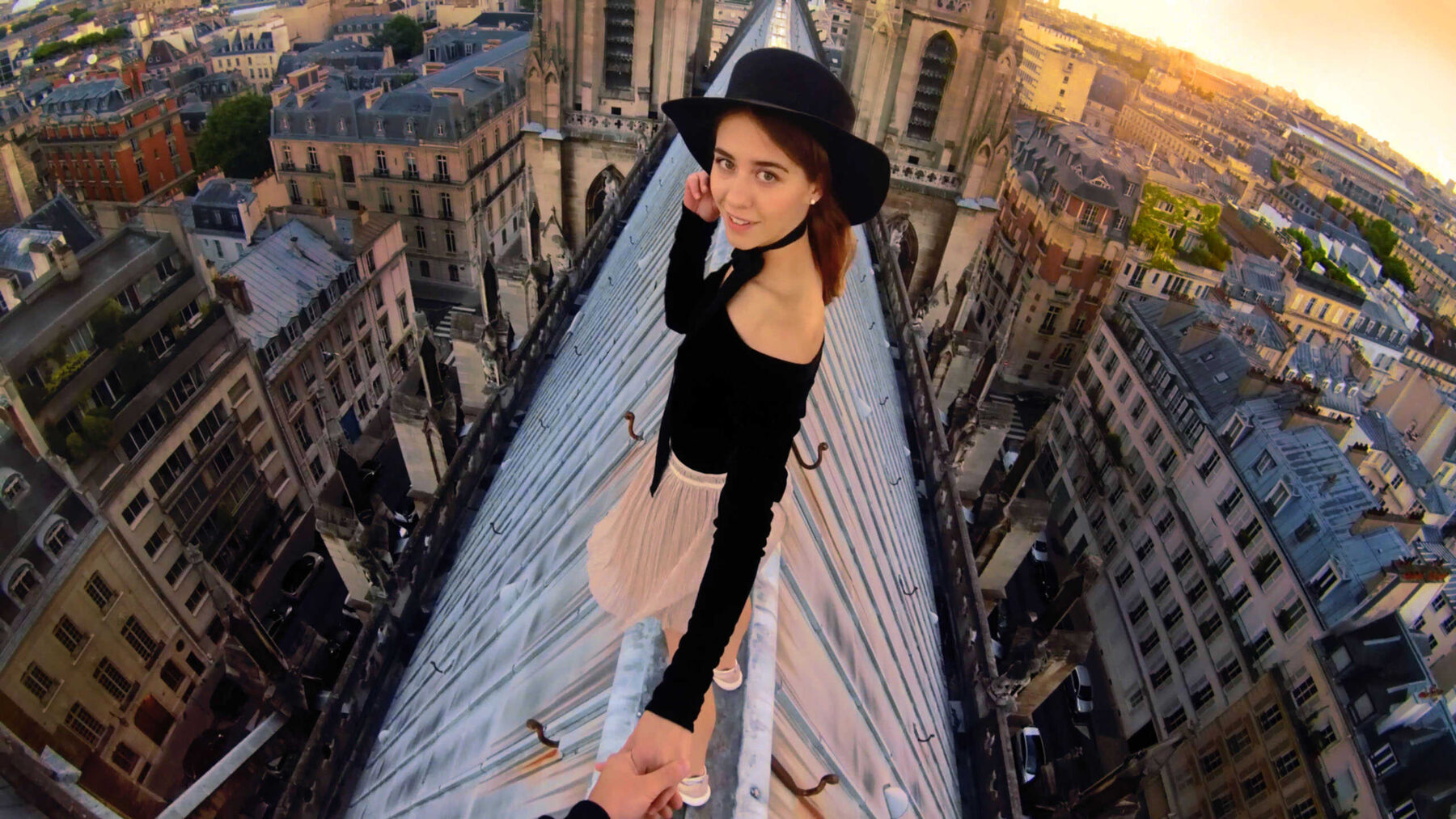
Using vertie footage shot by cinematographers Renato Borrayo Serrano and Pablo Rojas, as well as Ivan and Angela themselves, Skywalkers: A Love Story puts audiences front and center to witness one of the most daring acts ever attempted by a human being. Similar in its anxiety-inducing qualities to last year's The Deepest Breath, Skywalkers has no shortage of "Hold your breath" moments which all culminate in a heart-pounding pinnacle stunt. Those with a fear of heights would be better off skipping this film altogether, as there is more time spent in the air (sans a safety net) than on land.
The events that make up the film are all highly illegal and the film does its due diligence by placing a "Do not attempt at home" warning at the onset, but those with an adventurous side are hard-pressed to imagine the guts it would take to scale a building for some Instagram likes. The "why" may not resonate with many, but there is absolutely no denying that this film is a stunning achievement. Skywalkers: A Love Story is a mesmerizing tour de force guaranteed to give full-body chills to anyone who dares to watch it.
Skywalkers: A Love Story was nominated for the Grand Jury Prize: Documentary at the 2024 Sundance Film Festival.
'When Adam Changes': Growing Pains of a Growing Boy
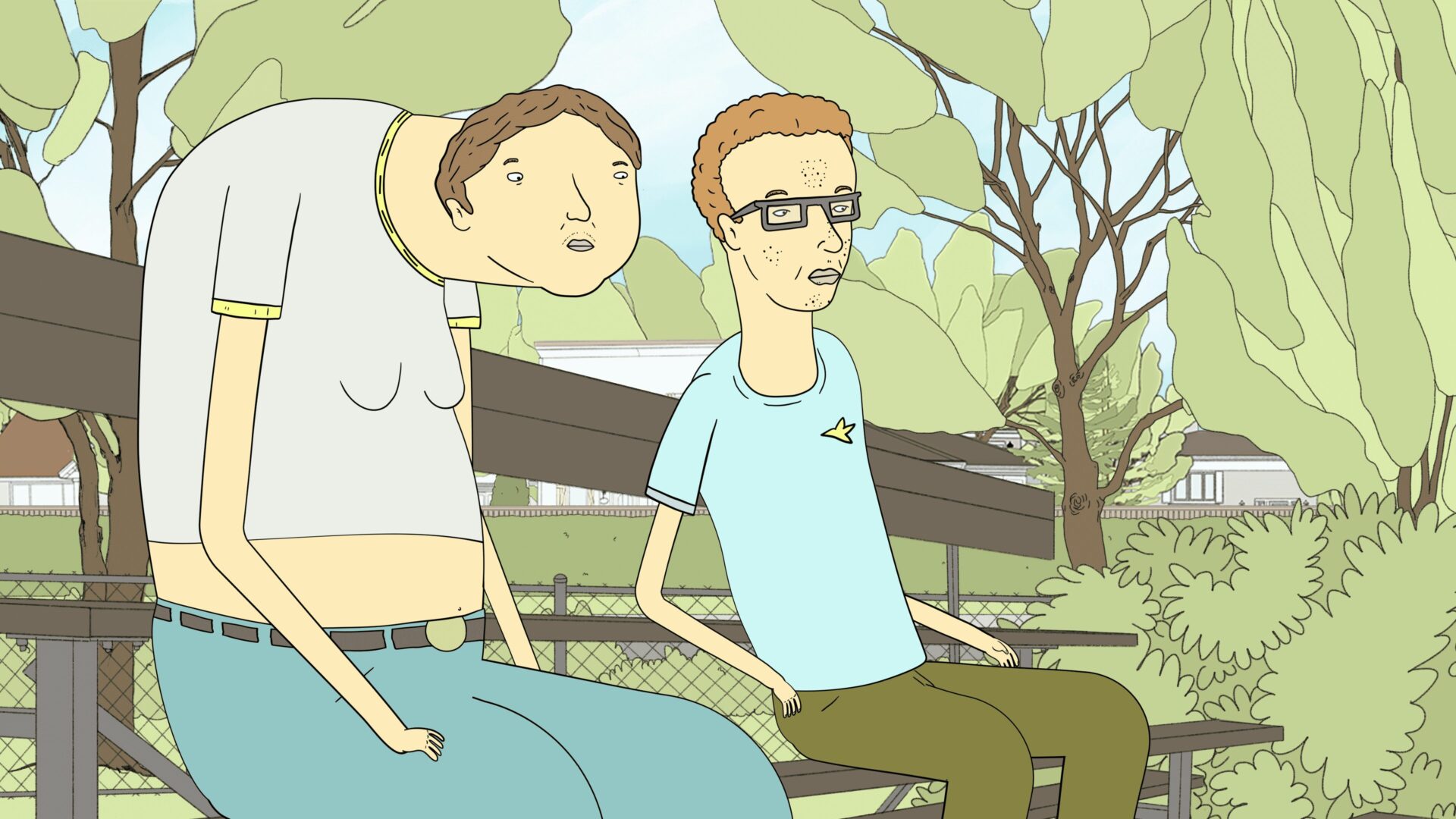
When the last words from the dying family matriarch are criticism about your body, it's understandable that it would cause some psychological damage. Unfortunately for Adam, due to his abnormally large size, he is used to being shamed, bullied, and made fun of. Yes, Grandma and her uncalled-for commentary may be gone, but Adam's insecurities remain front and center. Director Joël Vaudreuil crafts a heartfelt story about the pain and awkwardness of adolescence in his feature-length animated film When Adam Changes (Adam Change Lentement).
Adam is a boy of few words. Since childhood, he always stood out as the "fat" one, or the "slow" one, with many of the verbal quips coming from his own Grandmother. His home life is far from ideal but it thrives in comparison to his school life, where he is the target of constant body shaming by a rowdy group of teenagers. Despite being nearly twice the size of his bullies, Adam's self-confidence is non-existent. He quietly accepts his classmates' torture, which only adds to his depression and feelings of isolation and loneliness.
Using deadpan humor to talk about sensitive topics, When Adam Changes is a powerfully competent and creative feature debut by Joël Vaudreuil.
Adam is faced with a strange, singular condition: his body uncontrollably morphs and changes based on the negativity that surrounds him. If his weight is mocked, he gets bigger. If his curved spine is pointed out, his humpback becomes more prominent. Adam's body–quite literally–absorbs the hate, making him an amalgamation of all of the terrible things said. His outlet is watching action movies with a brute, Arnold Schwarzenegger-like protagonist. When the time comes to finally channel that confidence and confess his feelings to his schoolmate crush, Adam realizes that his physical appearance isn't the only difference between his bullies and himself. Adam is pure-hearted, a good kid with good intentions, while the majority of his classmates are truly rotten to the core. Not everyone refuses Adam's friendship, and those few people are the ones who allow him to feel worthy of love.
Using deadpan humor to talk about sensitive topics, When Adam Changes is a powerfully competent and creative feature debut by Joël Vaudreuil. The sincerity of the script illuminates Adam's sad reality, all we want to do is reach through the screen and give him a big hug. Drawn with such attention to detail, the minimalist animation style is engaging and impressive. The film's pace is slow and deliberate, however, my biggest critique would be that it takes too long for Adam to reach his arc. We are well over an hour into the film before he reaches a turning point, which felt very overdue by the time it actually happened.
When Adam Changes is a powerful feature debut in both execution and impact. Not only is it an entertaining watch but perhaps more importantly, it leaves us with one very poignant reminder: complimentary differences can result in strong friendships.
'The Sweet East': Welcome to the United States of Anarchy
Take a trip through the United States of Anarchy in director Sean Price Williams' latest work, The Sweet East. Part-commentary on wildly distinct American subcultures and part-gonzo coming-of-age adventure film that plays like a punk take on Alice in Wonderland, this undefinable yet confident film is an undeniable future cult favorite.
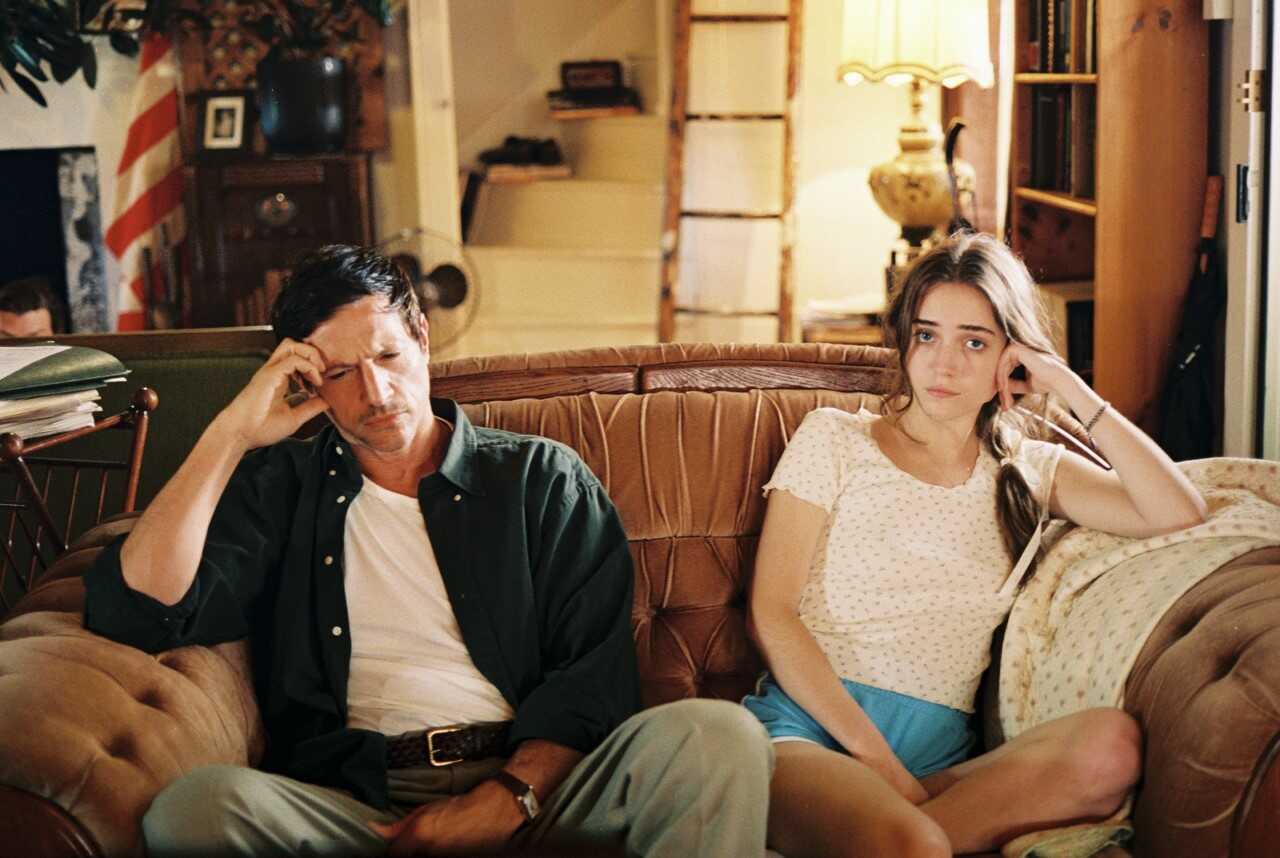
Talia Ryder stars as Lillian, a free-spirited high school student who doesn't have time for the immature antics her classmates engage in. While on a school field trip to Washington, D.C., Lillian breaks off from the group to escape the noise and heads to a local pizza shop, only to find herself in the crosshairs of a conspiracy theorist's (Andy Milonakis) violent ramblings that Pizzagate is real. Without thinking, Lillian follows a boy in a studded vest who takes her through the basement's secret passageway and out of danger. Acting as her white knight with ear gauges, he leads Lillian to his apartment and introduces her to his many roommates who all consider themselves "artivists" (both artists and activists).
Once she has enough of the communal living, Lillian wanders, phone-less and wallet-less, into a nearby forest. This is where she meets Lawrence (Simon Rex), an Alt-right Nazi sympathizer. He feels for her rough situation (being homeless in another state) and offers to take her in, no strings attached. She ends up staying at his house for weeks on end, seemingly indifferent to sleeping under his swastika comforter. She does whatever she has to do to get ahead, which includes lying, cheating, and stealing thousands of dollars from his mysterious duffle bag of cash. Now on the run from a Nazi wanna-be, she is abruptly stopped by two filmmakers, Molly (Ayo Edebiri) and Matthew (Jeremy O. Harris), who convince her to take the leading role in their film. Lillian agrees, and co-stars alongside the it-boy of the moment (Jacob Elordi), seemingly leaving the past behind her. But history never forgets, and Lillian learns the hard way that to make it in America, you may have to get a little dirty.
In a similar universe as Heaven Knows What, The Pleasure of Being Robbed, and God's Time, The Sweet East is a solid entry into the cinematic grime cannon.
Lillian, in many ways, lives out the American Dream. She started from nothing, met the right people along the way, survived by putting herself first, and eventually fell upwards. Talia embodies the role of this complex character with compassion and spice, and her performance is entirely impressive. Of course, her co-stars are equally as memorable. Newly crowned Golden Globe-winner Ayo Edebiri (The Bear, Bottoms) and Red Rocket's Simon Rex give the film an additional sense of clout and practically steal every scene they're in.
As one can safely assume at this point, The Sweet East is a frenetic joyride through the Eastern seaboard. Furthering the film's energetic disposition is the handheld cinematography by the director himself as well as the score by composer Paul Grimstad. Another nuanced but appreciated detail is the title treatment written in old English font, much like the Constitution. The difference, however, is that written inside The Sweet East's scroll is a Declaration of Chaos.
In a similar universe as Heaven Knows What, The Pleasure of Being Robbed, and God's Time, The Sweet East is a solid entry into the cinematic grime cannon.
Dabney Morris Debuts Track From 'Sometimes I Think About Dying'
Workplace romances can be exciting. Intentionally timing your coffee refill to coincide with a co-worker crush gives the break room a whole new appeal. The funny–borderline flirty–gifs you send each other on Slack that become inside jokes between the two of you. This romantic electricity would certainly make anyone look forward to clocking into their 9-5. Anyone but Fran, that is. In the indie drama Sometimes I Think About Dying, Daisy Ridley stars as an apathetic office manager who finds it easier to indulge in her morbid curiosities than engage in reality. But when an outgoing new employee is brought on board and gives Fran a glimmer of attention, the self-preservation bubble of solitude she has been encapsulated in begins to burst. Her newfound workplace crush begins crushing her intrusive thoughts.
The film, which was nominated for the Grand Jury Prize for Drama at the 2023 Sundance Film Festival, may center around the mundane aspects of Fran's daily life but the score by composer Dabney Morris is anything but drab. As if to mirror the emotional rollercoaster Fran experiences as she opens herself up to vulnerability, the soundtrack plays like a sonic amalgamation of Fran's inner thoughts. The 13-track album is available tomorrow on digital platforms, along with the limited-edition gatefold pressed on heavyweight 180g "Pacific Coast Blue" vinyl with an official CB Port Authority Memo liner notes insert.
Cinemacy is excited to premiere "Opening" from Oscilloscope Laboratories' Sometimes I Think About Dying, below:
The opening track's dreamy soundscape opens with a beautiful harp sequence that quickly becomes enveloped in a symphony of sound. The soprano strings stand in sharp contrast to the lower-registered vocals, creating a stylized waltz that feels reminiscent of a classic fairytale. The end result is a richly melodic piece that harbors the intangible feelings of desire and longing.
Speaking on the score, Dabney comments, “Early in the pre-production stage of the film, [director] Rachel Lambert approached me with an idea that we treat Astoria, OR as though it had the same escapist allure as a Hawaiian getaway. This ultimately took us down the seemingly endless rabbit hole of the often-eye-rolled-at genres of exotica and lounge. Pulling inspiration from Martin Denny, Les Baxter, Arthur Lyman, Henry Mancini, and the dreary, dull Pacific Northwest coast, we were able to imagine a score that was at once lush and enticing yet dark with a sort of romantic macabre.”
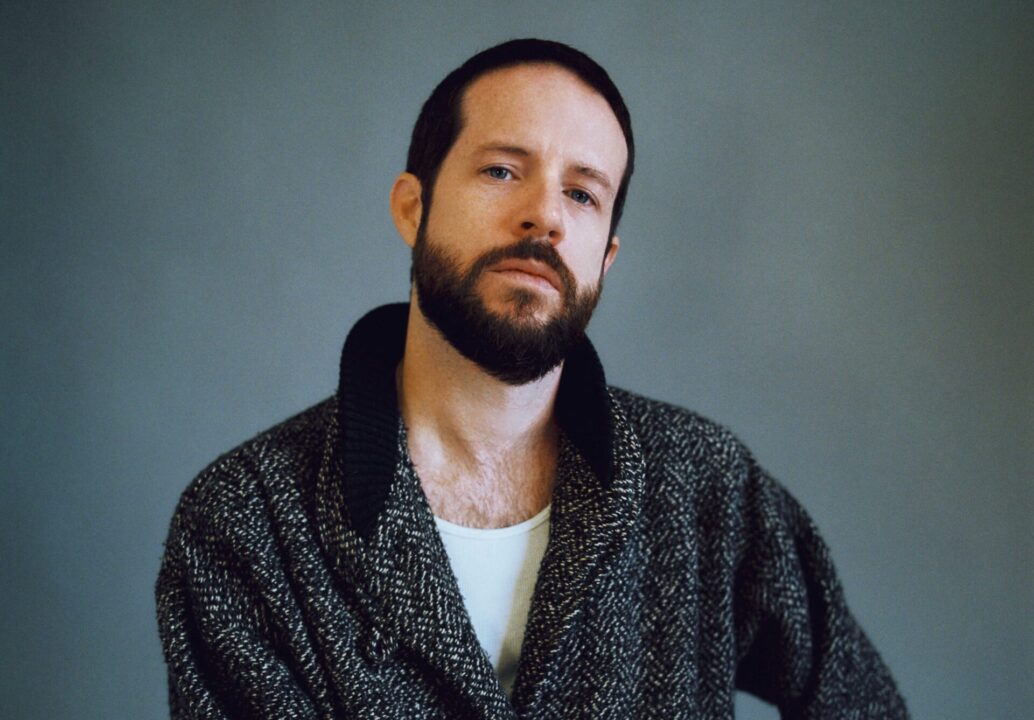
Dabney Morris is a multi-hyphenate artist based in Los Angeles. In addition to his work as a producer, arranger, and multi-instrumentalist, he is co-composing the score for the upcoming Alex Ross Perry documentary about the iconic indie-rock band, Pavement, and served as an arranger and musical director for the off-Broadway workshop production of "Slanted! Enchanted! A Pavement Musical." Dabney has written additional music for projects like AMC’s Kevin Can F*** Himself, HBO’s Heaven’s Gate: The Cult of Cults, FX’s A Teacher, and the 2022 SXSW Grand Jury Prize winner I Love My Dad. He is also the co-founder of Chamber House, a series of modern chamber music concerts hosted in intimate venues in Los Angeles.
'Miller's Girl' Shows Sapiosexual Infatuation Between Professor and Protégé
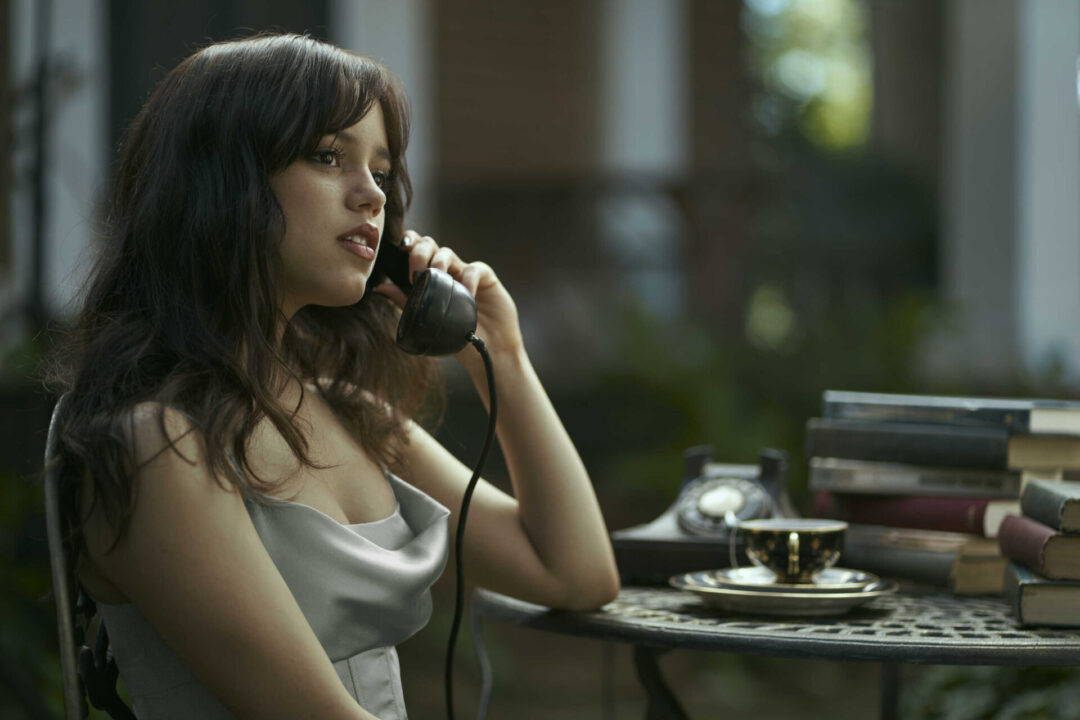
A sapiosexual high school student uses her maturity and intellect to seduce her English Literature professor in director Jade Halley Bartlett's psychological romantic thriller, Miller's Girl. A gothic story of misplaced desire, affection, and loneliness, Miller's Girl is a well-crafted attempt to show the complexity that arises when the boundaries between admiration and infatuation get blurred.
Cairo Sweet (Jenna Ortega) is a neglected teenager who has been burdened with fending for herself ever since her parents moved abroad, leaving her alone in their gaudy Victorian mansion. However, things could be worse for Cairo; after all, she is generationally wealthy, conventionally attractive, and an exceptional young writer. Writing is her means of escape and her passion for poetry and novels piques the interest of her new English teacher, Jonathan Miller (Martin Freeman).
A former novelist himself, Mr. Miller is impressed by Cairo's maturity and quickly becomes infatuated with her mystery and intellect. He acknowledges her potential and gives her a special assignment under the pretense that it will help her with her college admission portfolio. As the two deepen their bond over writing–with Cairo even reciting Mr. Miller's own work to him–a growing sense of devotion and admiration is palpable. They are getting dangerously close to crossing the line and potentially wreaking havoc in their personal lives, but this drama continues to fuel one of the willing participants in this taboo love affair.
She gives him attention, he gives her praise. It's a narcissist's dream.
Loneliness is the driving force behind why Cairo and Mr. Miller don't put an end to their unethical relationship. The insecurities in their home life–Cairo's parental abandonment, and Mr. Miller's unfulfilling marriage to his workaholic and alcoholic wife (Dagmara Domińczyk)–lead to overcompensating in the classroom. Both are smart enough to know that the age gap is inappropriate but Cairo's emotional and intellectual maturity seems to override any sense of his morality. She gives him attention, he gives her praise. It's a narcissist's dream.
Jenna Ortega takes on the role of Cairo with a commendable sense of intrigue and control, but even her onscreen appeal doesn't propel the film into "must-see" territory. Although provocative in nature given the subject matter, the forced character archetypes give Mr. Miller an overall sense of unbelievability. Unfortunately, Ortega's quick wit and fast comebacks at times feel inauthentic. Perhaps, if her deadpan delivery was downplayed, the highbrow zingers would have landed better. For his part as Mr. Miller, Martin Freeman gives a strong performance as a conflicted and confused man. The biggest disappointment in the casting realm is, shockingly, Dagmara Domińczyk, who seems glaringly miscast in the role of the sloppy, crude wife.
For those who have a soft spot for unsettling material, or found films like May December and American Beauty enjoyable, Miller's Girl offers a similar intensity but is far from an A+ execution.
Miller's Girl opens in theaters on Friday, January 26, 2024.
'Three' is Religious Horror Done Right
If the words "Based on a true story" weren't so prominent in the marketing materials, I never would have believed that Three was derived from factual circumstances. This admission gives incredible context to Emirati director Nayla Al Khaja's religious horror film, which also marks her feature-length directorial debut. Regarded as the "first female film director in the United Arab Emirates," Al Khaja displays exceptional control over every facet of the film's execution, starting with the rich color grade to the eerie soundtrack and a rousing performance from the young lead. Given all of the above, Three feels like a much bigger movie in scope than its indie peers.
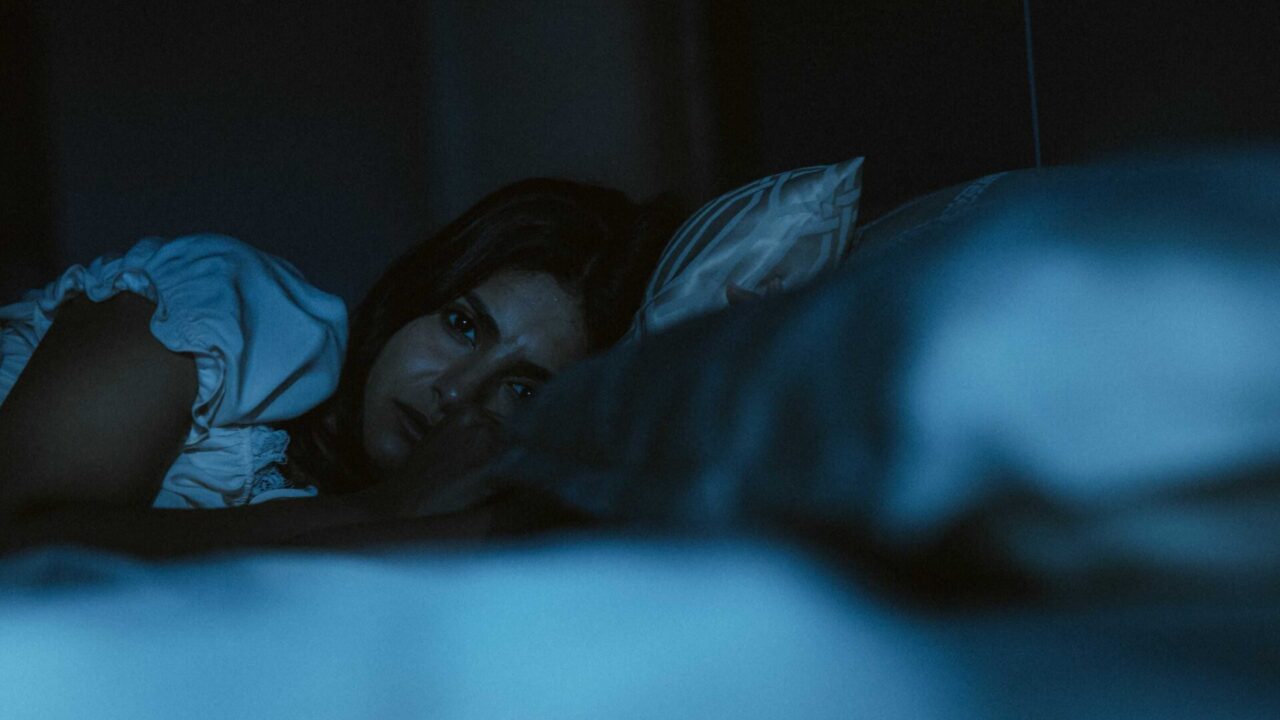
Ahmed (Saud Alzarooni) suffers from intense night terrors, which have been steadily increasing with every passing day. Much to the distraught of his mother Maryam (Faten Ahmed), Ahmed begins acting out in bizarre ways, seemingly unable to control his body. From self-harm to attacking his classmates, Maryam believes the only explanation is that Ahmed has been cursed by an evil eye. In a desperate attempt to absolve him from the evil inside, she seeks out religious leaders to perform a traditional purging of djinn spirits. When that doesn't work, Maryam turns to Western medicine and Dr. Mark Holly (Jefferson Hall). Dr. Holly empathizes with the young mother and takes it upon himself to get to the root of Ahmed's supernatural condition, however, his attempts fall short. As a non-Muslim doctor, he embraces treatments that traditionally fall outside of his comfort zone, and it becomes clear to everyone that the only thing left to try is the most invasive and extreme method of all: an Islamic exorcism.
Outside of the more traditional horror tropes that envelop many psychologically bent films, there is a freshness to Three that feels energizing and exciting. There is a similarity here between Three and A24's breakout hit of 2023, Talk To Me, in that both films are centralized on body trauma and are grounded by confident performances. However, the personal connection and authenticity that is the backbone of Three's horror make the stakes that much higher and, in turn, very unforgettable.
Fueled by a demonic score by composers Vladimir Persan and Pantawit Kiangsiri, Three seems to be the start of a promising career trajectory for filmmaker Nayla Al Khaja. Making its World Premiere at the Red Sea Film Festival in 2023, Three is a twisty ride through Eastern and Western beliefs, religious sensitivities, and the universal mystery of the absurd. Told in both English and Arabic, this cross-cultural film is a successful portrayal of the personal compromise one must make for the greater good.
'Sometimes I Think About Dying': The Beauty of Being Mundane
At the intersection of Punch Drunk Love and Office Space lies Sometimes I Think About Dying, a dark comedy about the pains of navigating corporate culture from the point of view of a socially inept millennial. Directed by Rachel Lambert, the film uses subtle humor to show how one woman (Daisy Ridley), stuck at a dead-end job, temporarily escapes the invisible chains of her cubicle by letting her mind wander into absurd territory. Anyone who has ever worked a humdrum 9-5 will be able to relate to the boredom and abandon our protagonist feels, contributing to a reflective yet hilarious watch. Making its World Premiere at the 2023 Sundance Film Festival, Sometimes I Think About Dying is finally getting its overdue theatrical release on January 26, 2024.
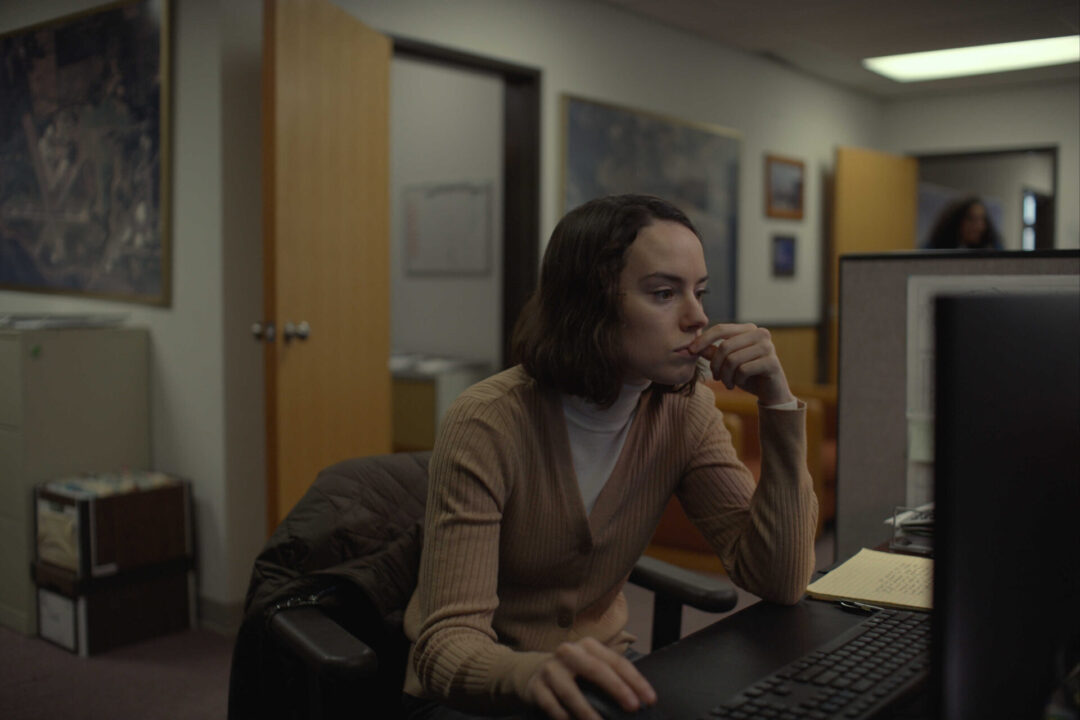
A beautiful harp sequence plays over images of a crisp, foggy morning along the Oregon coast. Idyllic in both soundscape and landscape, it seems like this place is heaven on earth. However, the beauty of the day doesn't make even a dent into Fran's (Daisy Ridley) downcast disposition, whose beige cardigan matches her workplace's beige interior. Given this visual, we can safely assume that it acts as an outward reflection of her beige life. This is not the start of her fairytale morning but rather a continuation of the circumstances of her living hell.
Fran works in a small, nondescript office with nice enough co-workers, yet she stays at arm's length and remains non-receptive to their puny invitations for small talk. New life is breathed into the office when the friendly new hire, Robert (Dave Merheje), joins the team. He voluntarily initiates contact with Fran, asking her for help with simple tasks like ordering office supplies, and doesn't give up engaging in conversation despite her lack of enthusiasm towards him. Their connection isn't instant–far from it, in fact– but over time, Robert begins to peel away Fran's protective layers and starts to understand who the real Fran is.
This isn't a traditional love story, but more of a self-love story for the emotionally challenged.
This isn't a traditional love story, but more of a self-love story for the emotionally challenged. When we first meet Fran, she is working through self-doubt and criticism by envisioning all of the different ways she could die, depicted through vivid daydreams. These surreal montages incorporate risky undertakings, like hanging from machinery and standing toe to toe with a snake. These images–visceral in nature–seem to give Fran a sense of ownership over her autonomy. She may not have control over many aspects of her life but here, in her dreams, she is the boss. The film dips into this psychological aspect but doesn't linger too long in her psyche. Rather, director Rachel Lambert uses this outlet as a means of expressing Fran's quirkiness and dissimilarity to her peers.
Sometimes I Think About Dying crafts a tender and affectionate story that hits all of the right notes with conviction. The ensemble cast is made up of mostly lesser-known actors and their mumblecore dialogue delivery is nothing short of authentic. Similar in form to Jury Duty, the ensemble cast all have their own amusing quirks, making the group feel more like an improv team than co-stars. Daisy Ridley gives a stellar performance as the apathetic Fran, teetering on the edge of pity and arrogance with such finesse. Her command over the role is impressive, reminding everyone why she deserves to remain a top-billed star.
"It's hard, isn't it? Being a person." This line of dialogue has stuck with me since viewing the film, and I think it is the perfect summation of the overall tone. Sometimes I Think About Dying is a sweet nod to the outsider. And while it's not necessarily revolutionary in its execution, it offers a cathartic release for the times when you feel like nothing more than a cog in the corporate machine.
Sometimes I Think About Dying opens on January 26, 2024, at AMC The Grove 14.
'Heaven Rain Flows Sweetly' is a Love Letter Places We Call Home
Director Shasha Li makes her directorial debut in the personal, nostalgia-rich documentary, Heaven Rain Flows Sweetly. The film is full of reminiscence about Li's childhood home and the memories made there, especially those shared with her aging grandmother. Shasha's meditative, deeply moving film acts as a video diary of her most precious images, a tangible piece of video art that can be experienced on the screen over and over again. This universal feeling of longing for the comfort of childhood is explored in great detail throughout the film's brisk 68-minute runtime.
Having always considered herself to be a nomad, Shasha's love of travel and exploration brought her from China to the US as a teenager, and while she loves the life experience she has gained throughout her journeys, she admits to growing distant from her roots both environmentally and culturally. There are similarities between her hometown and her current residence in Eugene, Oregon, with the forest air and proximity to nature being incredibly compatible. However, when the famous wildfires break out, Shasha is forced to flee. The memories of her hometown suddenly become overwhelming and Shasha feels called to revisit her past.
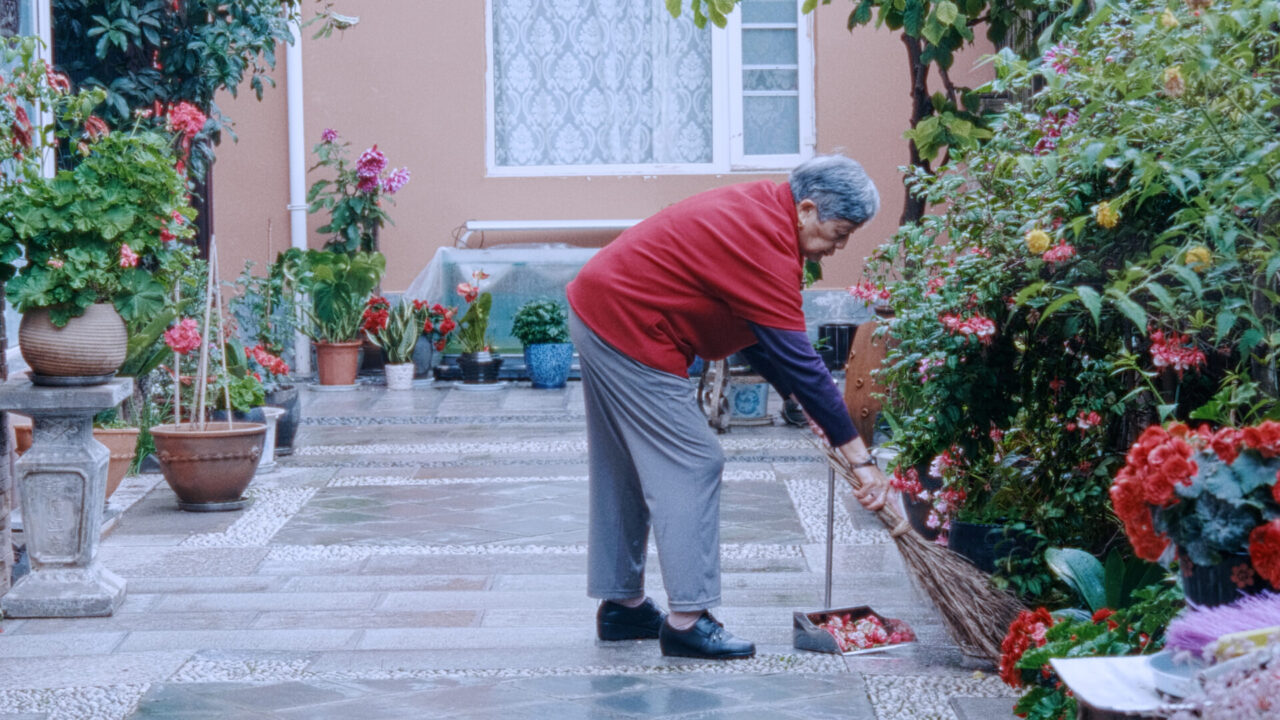
Home is where the heart is, and Heaven Rain Flows Sweetly acts as a love letter to Shasha's hometown of Lijiang, a small village in the Himalayan foothills. Through her soft-spoken narration and vibrantly captured images, Shasha transports the viewer into the picturesque community of the Nakhi tribe with their lush surroundings. It is here, away from the bustling noises and stress of the city, that those like Shasha's grandmother live in symbiosis with nature. This slow-living mentality is a reflection of the film's meditative tone. Almost dreamlike, Heaven Rain Flows Sweetly pays homage to the cultural traditions of the Nakhi people's faith and general way of life.
The film comes across as very intuitive, given how closely Shasha is to the material as the film's main subject, director, producer, cinematographer, and editor. Given that culmination, it's not surprising that this project is an extension of herself. The personal narrative structure works so well because of the amount of access and intimacy that we are privy to. Despite coming from a deeply personal place, Shasha's story is universal and the feelings of nostalgia are something we can all relate to in one way or another. As a directorial debut, Shasha Li's Heaven Rain Flows Sweetly–is an official selection of DOC NYC 2023–and a simmering, aesthetically rich knockout.
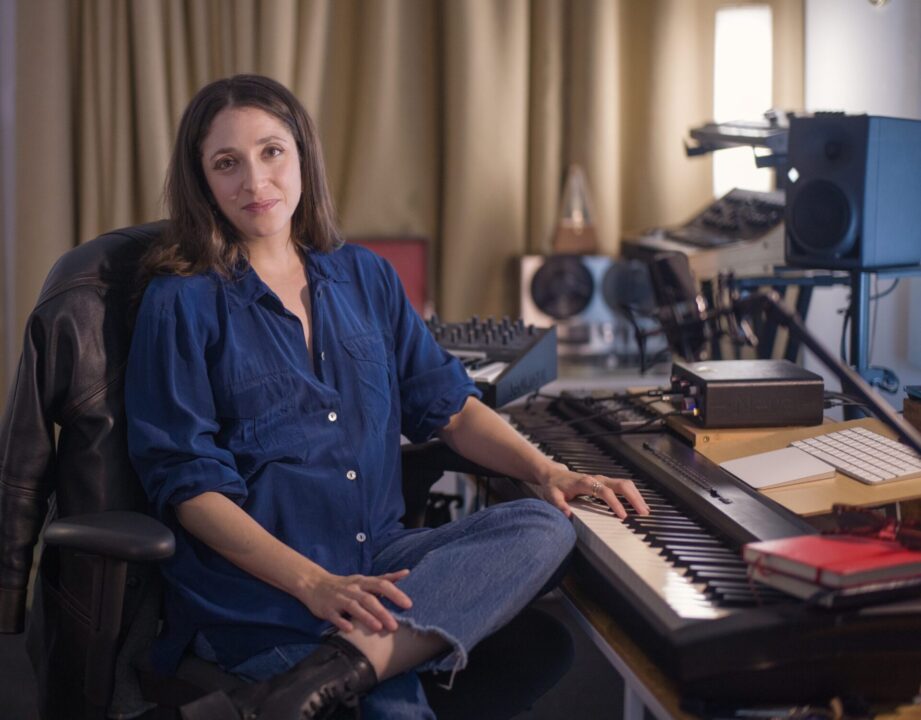
Listen to Emilie Levienaise-Farrouch's Score From 'All of Us Strangers'
In Andrew Haigh's melancholic romantic drama All of Us Strangers, the theme of connection amidst loneliness is a powerful one. Starring Andrew Scott as Adam, a semi-recluse, and Paul Mescal as Harry, his outgoing and charming neighbor, the film ethereally floats through a tapestry of big emotions, including love, loss, and empathy. The parallel storyline involves Adam revisiting his past, literally, which adds another layer of nostalgia to the film's makeup.
The performances are certainly stunning and are illuminated by award-winning composer Emilie Levienaise-Farrouch's score. Using a mixture of synths and strings, she effortlessly evokes the “texture” of memory with sound and creates a stirring symphony of feelings.
Cinemacy is excited to premiere the All of Us Strangers score sampler from Hollywood Records and Searchlight Pictures, below:
Unlike more traditional films, Levienaise-Farrouch intended to create a soundtrack that acts as the sonic equivalent of memories. To achieve this, much of the score is comprised of short, fleeting moments rather than long, pattern-based melodies. The etherealness of the music aids the film beautifully and also acts as a strong standalone piece as well.
Says Levienaise-Farrouch: “Being a part of the wonderful team who made Andrew Haigh's creative vision come to life was an immense privilege. All Of Us Strangers tells a story that is narratively so specific and yet touches on universal feelings at the core as what makes us human, the yearning for connection, acceptance, and love. It has been a joy to create a musical world that amplifies Andrew Scott's delicate performance as the lead character, Adam, and accompanies the audience on this oneiric journey. Piano, cello, violin, and synthesizers, often manipulated with effects, were utilized in an intimate, dreamlike, and warm score which I hope will bring audiences as many emotions on its own as it does within the context of the film.”
Before her work on All of Us Strangers, Emilie Levienaise-Farrouch scored the BAFTA, Golden Globe, and Oscar-nominated feature, Living, starring Bill Nighy. Prior to that, the film that first put her name on our radar was Prano Bailey-Bond's horror hit Censor (2021), released by MGM. In addition to her film scoring work, which includes Sarah Gavron's BAFTA-winning feature Rocks, and Harry Wootliff’s BAFTA-nominated debut Only You, and Nathaniel Martello White's The Strays for Netflix, she has also collaborated with visual artists Danica Dakic, Alice May Williams, and Natasha Caruana on music for video installations exhibited in London, Liverpool, and Arles, France. She has also been commissioned by multiple classical instrumentalists to compose pieces for their repertoire.
Hollywood Records and Searchlight Pictures are releasing the 18-track score album 'All of Us Strangers (Original Score)' alongside the film's theatrical release on Friday, December 22.