
'Robot Dreams' Review: When "Best Friends Forever" Has an Ending
Director Pablo Berger's Robot Dreams may be an animated film but its ability to tug at your heartstrings should not be underestimated. After a long awards campaign, which included an Academy Award nomination in 2023 for Best Animated Feature Film, Robot Dreams is finally coming to theaters in Los Angeles on June 6th. Adapted from the graphic novel Robot Dreams by Sara Varo, this beautiful cinematic interpretation is a poignant portrayal of friendship, growing up, and moving on.
From BFFs to Just a Memory
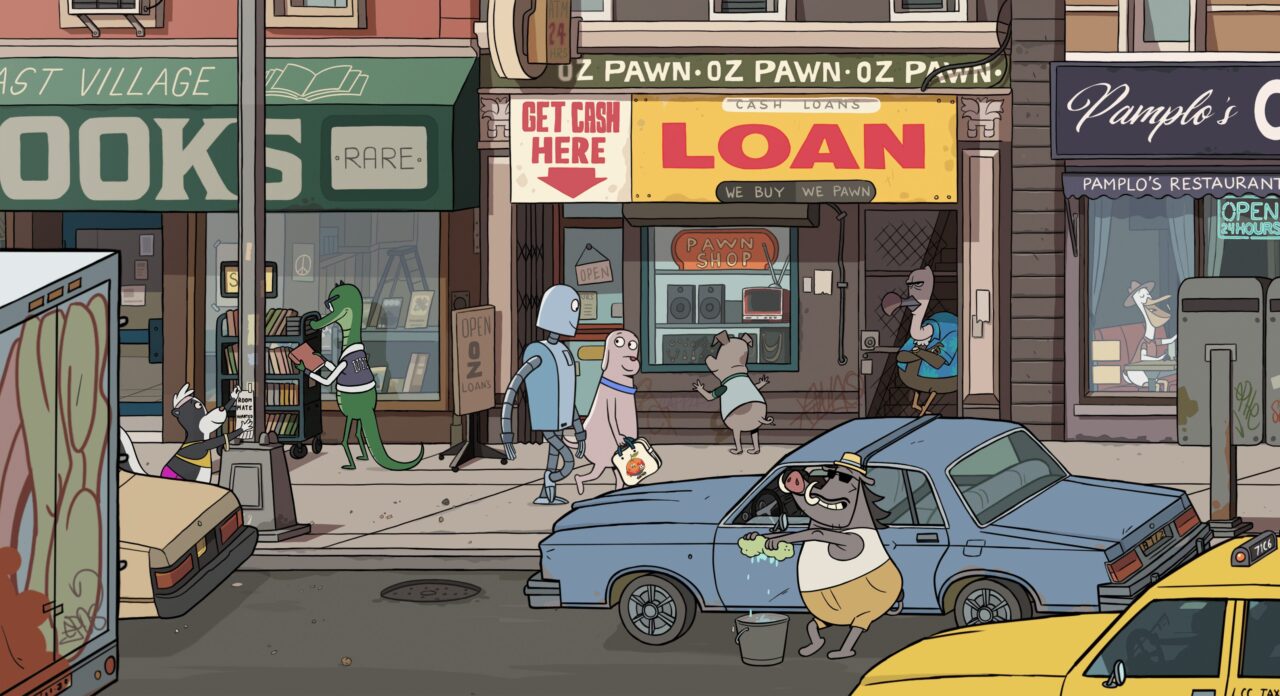
It's another typical day in 1980's New York City. Dog sits down on his couch and unboxes a TV dinner while flippantly surfing through the channels on his TV. Basking in the dim glow from the screen, Dog suddenly feels lonely. He wants–no, needs–a companion in his life. That night, he orders Robot. After a quick assembly on his living room floor, Robot comes to life, and the two misfits immediately become best friends.
There is a newfound pep in Dog's step as he walks the streets of NYC with Robot. This happiness culminates in an epic dance montage where Dog, Robot, and a posse of animal civilians dance to Earth Wind & Fire's "September." The song is reprised as a piano instrumental when the duo takes a trip to the beach, and it evokes the quintessential feeling of summer. The sun is shining, the breeze is blowing, and Dog has never been happier. That is, until Robot realizes that the salty ocean water has rusted his robotic parts in place, rendering him paralyzed. Dog is determined to get his friend off of the beach but the hurdles he faces prove to be anything but smooth sailing.
Things don't fare well for Robot either. Stuck on the beach, he is at the mercy of strangers, some of which are not so kind. Both Dog and Robot are heartbroken at their separation. As time passes, their once-solid friendship inevitably weakens. What was once a beautiful relationship starts to become a distant memory.
A Film Without Dialogue
Music is the driving force behind Robot Dreams, as there is no dialogue throughout the entire film. In addition to being a strong creative choice–that works extremely well–this also allows universal accessibility for audiences. A film without dialogue removes the barrier to entry and allows any age to connect with the material.
On one hand, Robot Dreams is a film for children. The flat-look animation is easy on the eyes with continuous clean lines, flat colors, and limited shadows. On the surface, it is fun, light-hearted fare. On the other hand, it can be argued that only adults can truly absorb the film's emotional subtleties. Robot Dreams is ultimately a meditation on being alone, together, a sentiment that empaths will have a hard time getting through the ending with dry eyes.
Takeaway
Fans of Past Lives and La La Land will feel a similar emotional connection to Robot Dreams. It is a fantasy, a whimsical animated tale, and also a surprisingly emotive story of reflection and friendship.

'Invisible Nation' Review: Taiwan's Battle for Self-Identity
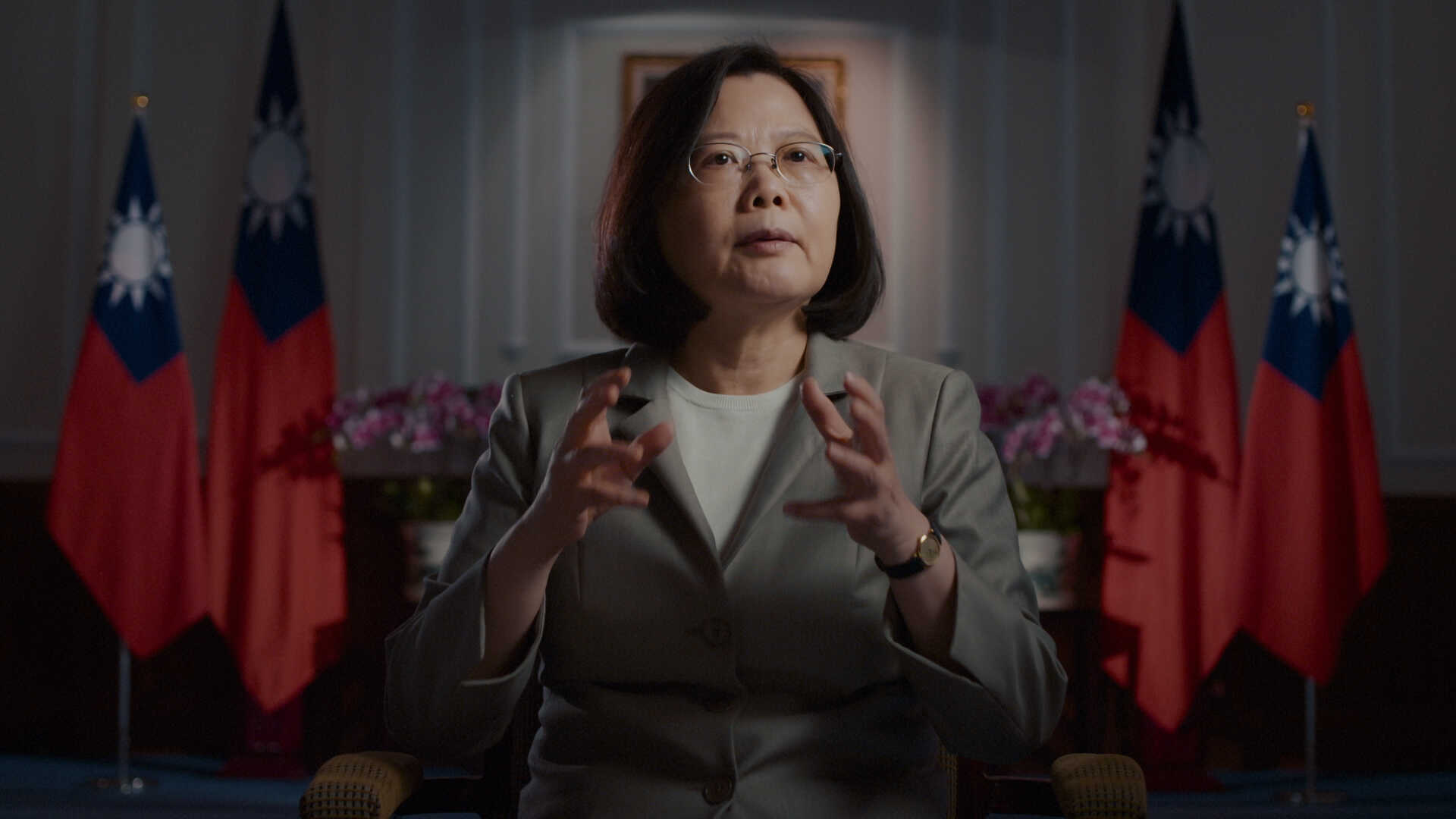
It's fitting that Invisible Nation, a documentary about perseverance, is directed by someone who carries the surname “Hope.” As if intuition led her to make this project, filmmaker Vanessa Hope crafts an empathetic and eye-opening statement that sheds light on Taiwan's struggle for self-identity and acknowledgment. Invisible Nation closely follows Tsai Ing-wen, Taiwan's first female president, as she fights for the future of Taiwan's democracy at a pivotal moment that puts her country's freedom at risk of authoritarianism.
The Political Struggle: ROC vs PRC
"China does not want the world to hear the story of Taiwan," says Tsai Ing-wen as a camera intimately captures the quiet stoicism that covers her face. It's this stark, matter-of-fact sentiment that is the catalyst for Tsai Ing-wen's political motivation to preserve Taiwan's autonomy. For decades, China has considered Taiwan part of the People's Republic of China (PRC) however, Taiwan believes itself to be an independent nation and therefore considers itself the Republic of China (ROC). The film goes deeper into the history of the division by explaining the genesis of the divide and the present-day discourse it elicits within China and Taiwan.
Watch the Invisible Nation trailer here.
At the heart of the film's urgency is the PRC's desire to eventually "unify" Taiwan with China, relinquishing Tsai Ing-wen's control as President and removing the nationality of over 23 million people who call Taiwan home. Throughout interviews with political leaders and notable figures, many project that a major political and geographical upheaval will take place in 2025. Looking at a similar fate in the war between Ukraine and Russia, President Tsai Ing-wen is doing everything in her power to keep what's happening in Ukraine from happening in Taiwan.
Keeping Taiwan in the Headlines
Invisible Nation is equal parts educational and cinematic. The storied history and uncertain future of Taiwan are captivating. Stand-out moments include the erasure that took place on the global stage. As it still stands today, Taiwan is the only member of the International Olympic Committee who is banned from using their name, singing their country's anthem, or flying their country's flag due to the People’s Republic of China's communist rule. Mainland China continues to make concerted efforts to reduce the international personality and exposure of Taiwan, which further hurts Taiwan's global and social status.
Takeaway
President Tsai Ing-wen doesn't shy away from the fact that fighting against the People's Republic of China is an uphill battle, but she knows it's a fight worth engaging in. Invisible Nation is a battle cry and powerful act of defiance that mirrors the threat of democracy everywhere. It's an urgent and necessary viewing for all.
'War and Justice': The Verité Documentary Exposing Global Crimes
Thirteen years in the making, filmmakers Marcus Vetter and Michele Gentile are finally ready to share their new documentary, War and Justice, with the world. Set to screen at the Munich International Film Festival this summer, War and Justice is a politically charged exploration of the International Criminal Court (ICC) and its importance in keeping order in an increasingly disordered world. Billed as the "first and only true-life verité thriller" about this organization, War and Justice offers unparalleled access to the inner workings of the ICC and key players on the inside.
Established in 2002, the International Criminal Court investigates and tries individuals charged with the most horrific crimes impacting the international community. Located in The Hague, Netherlands, the ICC is somewhat of a last resort, only called upon when states belonging to the Nuremberg Legacy fail to act in their own best interest. Similar to the United Nations, the ICC is a non-partisan, humanity-first organization. The crimes the ICC oversees are some of the worst offenses, including genocide, war crimes, crimes against humanity, and crimes of aggression.
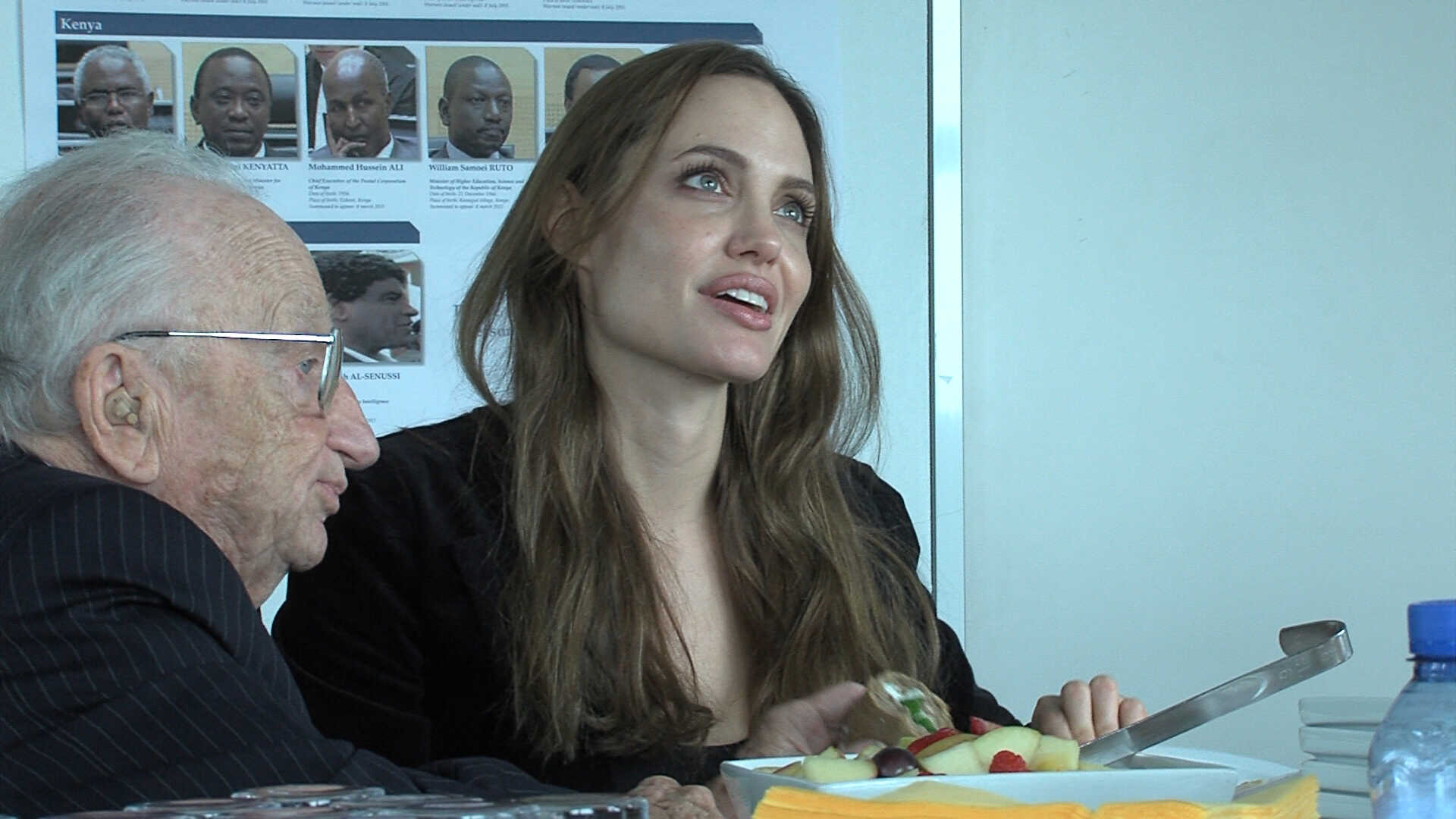
War and Justice follows three key people who have helped shape the future of the ICC: Benjamin Ferencz (prosecuting attorney of the Nuremberg Trials), Luis Moreno-Ocampo (ICC’s first prosecutor), and Karim Khan (its current prosecutor). Interviews with other notable figures, including Angelina Jolie and Julian Assange, further illustrate the worldwide support the ICC receives for their valiant work.
The film itself is a very matter-of-fact documentary, there are no bells and whistles. The archival footage of speeches from some of the most violent dictators, including Gadaffi and Putin, is horrific enough. While never exploitive for shock value, there are moments in the film that are hard to absorb. The most unsettling moment comes from Luis Moreno-Ocampo's prosecution of the Congo's unethical practices of recruiting child soldiers for their military. Harrowing footage shows militia stripping naked a young boy, who looks no older than ten, and forcing him into their vehicle. His cries are deafening and his powerlessness is heartbreaking.
War and Justice affirms that the biggest threat to our existence is "aggressive war." While the ICC cannot keep all conflicts from escalating, the documentary shows the institution's invaluable importance in keeping some semblance of worldwide order. Can justice replace war as a mechanism for resolving conflict? This is the question the film sets out to answer. And while there is no quick solution, the positive impact the ICC continues to make is a silver lining in the fight for an equitable and safer world.
'Not Him' Explores the Underbelly of Toxic Relationships
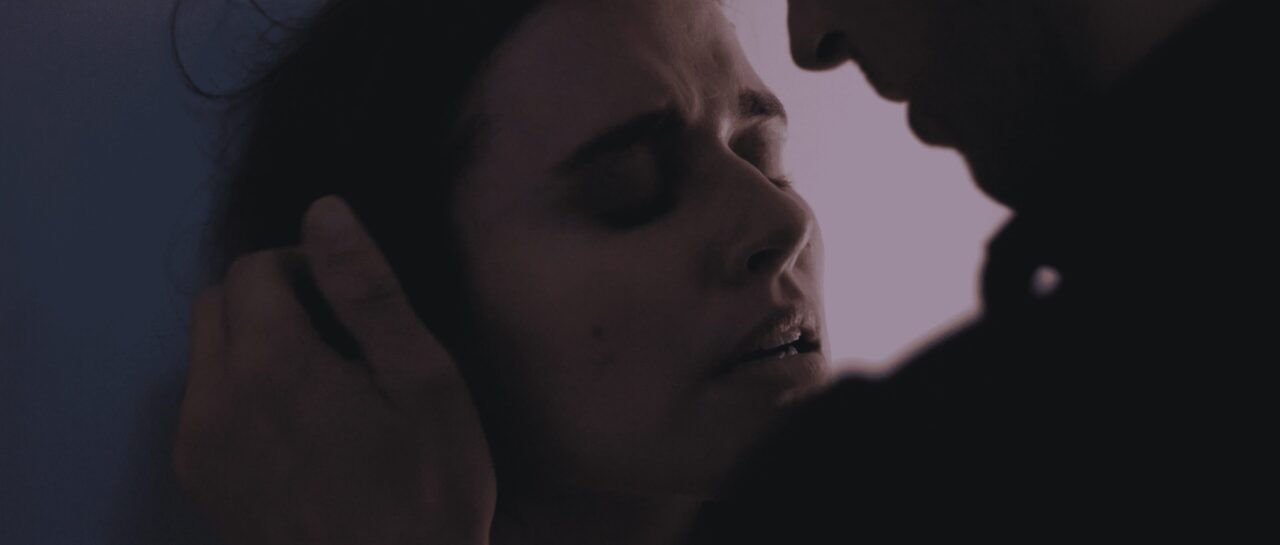
Never ignore a woman's intuition because doing so can result in serious consequences, as seen in filmmaker Sarah Young's short film Not Him. Set in a small New York apartment, a young woman finds herself in an increasingly toxic relationship with her husband and must decide whether or not to stand up for herself. Domestic violence can hide in plain sight and Not Him highlights this all-too-prevalent situation through an empathetic lens.
Michelle (Tori Ernst) has noticed that her husband John (Charlie McElveen) has been acting differently lately. One night, she wakes up in a cold sweat after she has a nightmare that her husband became possessed. However, we soon discover that her night terrors and her reality aren't that different. Michelle is convinced that there is an imposter who body-snatched her once-affectionate and caring husband. The man she sees in front of her now is a volatile and abusive menace who likes to watch Michelle suffer. It isn't until their mutual friends, Kim (Katharine Chin) and Joe (Ryan Nicholas Cooper), come over for an impromptu dinner party that Michelle works up the courage to finally leave him, once and for all.
There is a Jordan Peele similarity to Not Him, be it the uneasy tension or surreal disposition. Writer/director Sarah Young knows how to craft these "pins and needles" moments with finesse. She keeps the audience on their toes right up to the very end. Aiding in the film's suspenseful tone is the strong, surreal music by composer Luke Lotardo. Reminiscent of Philip Glass, there is a familiarity to the sound that grounds Michelle's situation, reminding the audience just how prevalent domestic violence is. The film's third act suffers from the absence of a concrete resolution, the cliffhanger feels more incomplete than an intentional "choose your own adventure" ending. However, as it stands today, Not Him would make a great spec film to aid in a subsequent feature development.
For those who are sensitive to the topic of domestic violence, Not Him can be a triggering watch. Never feeling exploitive or without an empathetic touch, Not Him explores the underbelly of the often secretive trauma that can occur within toxic relationships. Sarah Young stares this difficult topic in the face and the result is an empowering, albeit slightly unfulfilling, story about conviction and self-preservation.
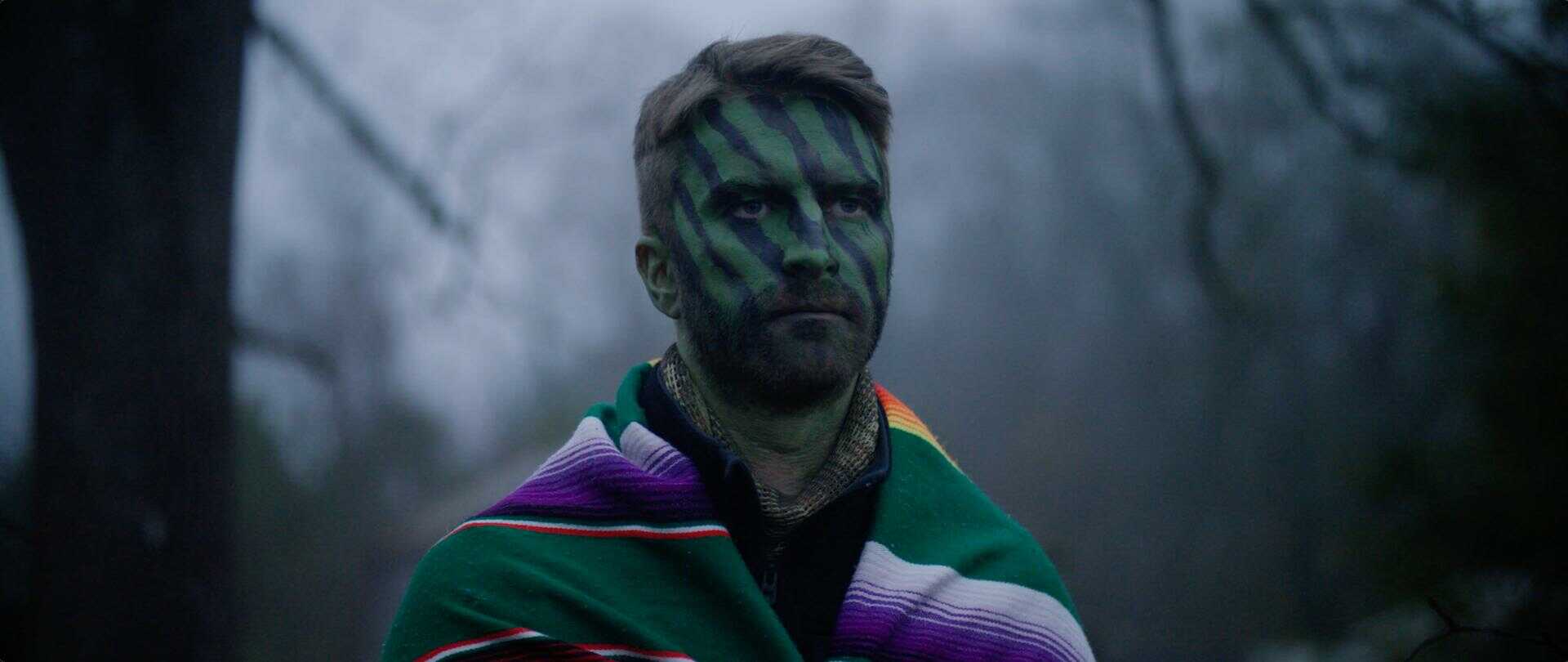
'Gunfighter Paradise' Review: God, Guns, and the American South
Emmy-winning filmmaker Jethro Waters brings his semi-autobiographical dark comedy to life in Gunfighter Paradise, a micro indie film with big ambition. Inspired by his childhood as the son of an Army veteran father and a free-spirited educator mother, Jethro was raised by a very contrarian couple. From this experience, he crafts a tight-knit, experimental film about God, guns, and the American South. Gunfighter Paradise was recently selected into the 2024 RiverRun Film Festival with more screenings taking place this weekend in North Carolina.
Starring Braz Cubas as Stoner, a camouflage-flanked hunter who never removes his face paint, the film begins just as Stoner returns home to North Carolina following the death of his mother. As he settles back into the familiar surroundings of family, he begins to have surreal dissociations, some of which include intense and erotic flashbacks and conversations with God. As he attempts to make sense of the nonsense, Stoner is also forced to deal with another unexpected turn of events: a mysterious green suitcase left to him by his Uncle, containing roughly seven million dollars. Once Stoner discovers that his mother left him hand-written riddles to decipher after her death, he becomes fixated on piecing the clues together. But he doesn't go on this unholy journey alone. Strange visitors, including a cable guy, a mummified cat, and a stone-cold killer threaten to further impact his already fragile state of mind.
Making his narrative feature film debut, Jethro Waters' Gunfighter Paradise is a poetic, trippy passage through the religious South. Baked in a strong visual style set to luscious and poetic descriptions of guns and ammo–something I never thought was possible until now–Gunfighter Paradise is gothic comedy done right. Intentionally dry dialogue delivery and an impressive score feel reminiscent of both Jim Cummings and David Lynch, two filmmakers with extremely specific and highly admirable cinematic canons.
Written, directed, shot, edited, and co-composed by Jethro Waters, Gunfighter Paradise is an equally beautiful and disturbing portrait of spiritual insanity. It offers a unique viewing experience into American psychosis and will no doubt leave a lasting impression on those who resonate with a religious upbringing.

'Billy & Molly: An Otter Love Story' Review: A Tale of Unlikely Friendship
It's a tale as old as time and yet it never fails to strike an emotional chord. National Geographic Documentary Films turns its lens on a special relationship between man and mammal in Billy & Molly: An Otter Love Story. Premiering in the Documentary Spotlight section of the SXSW Film Festival, this heartwarming doc tells the story of a married and childless man, Billy, and the unlikely paternal bond he develops with a motherless young otter, Molly. Be prepared to be awestruck by the beauty of the remote islands of Scotland, which our protagonists call home, as well as astonished by the wonder of the natural world.
Much like the Academy Award-winning documentary My Octopus Teacher, Billy & Molly: An Otter Love Story will leave a lasting impression that I'm convinced has the power to restore faith in humanity. Billy and his wife Susan live a simple life alone by the sea with their sheepdog, Jade. One day, while out on the dock near his house, Billy notices a young, malnourished otter who struggles to crack open a crab. Worried for her well-being and ability to survive on her own while so young, he takes it upon himself to feed the pup and provide her some sense of security. What unfolds in the days, weeks, and months thereafter is a love story that transcends species. With compassion and curiosity, Billy and Molly develop an unlikely relationship that ebbs and flows with joy and heartbreak and ultimately, saves them both.
As to be expected with a National Geographic-distributed film, the visuals are mesmerizing. The arctic waters crashing against the luscious green hills are truly a sight to behold. Drawing comparisons to the rolling landscape depicted in the 2022 stunner The Banshees of Inisherin, the Scottish island that Billy calls home seems to be heaven on earth. Further aiding in the location's angelic quality is the score from Scottish composer Erland Cooper. A beautiful, emotionally persuasive violin score sets the tone of the film and encapsulates the whimsicalness and delicate nature of Billy and Molly's story.
Connecting with nature and those who live in it is the central encouragement at the heart of Billy & Molly: An Otter Love Story. In learning to trust the natural order of things, Billy lets go of the false sense of control he had in his own life. Embracing the role of "surrogate father" for a young otter isn't what Billy imagined when he initially encountered Molly on the dock that day. Little did he know that a year later, he would be building an otter-sized replica house for Molly–whom he has started calling his "wee girl"–fitted with wifi and Polaroid pictures of Billy, his wife, and their dog, hanging on the wallpapered walls.
Directed by Charlie Hamilton James, Billy & Molly: An Otter Love Story is a sincere, uplifting film that offers strong takeaways for both kids and adults alike. Through its strong storytelling arcs and memorable score, Billy and Molly teach us that friendship comes in all shapes, sizes, and species.
This review originally ran on March 9, 2024 during the SXSW Film Festival.

'The Idea of You' Review: Love, Art, and Complicated Relationships

Imagine the lead singer of the hottest British boy band dedicating a love song to you while he's on stage performing for tens of thousands of fans at Coachella. It's pretty much every teen girl's dream and in Michael Showalter's romantic drama The Idea of You, this fairytale is lived out by the most unexpected person: a middle-aged single mom from Silverlake. Part escapist fantasy, part grounded love story that transcends conventional dating taboos, The Idea of You strikes all the right chords in its portrayal of two people living life on their terms.
Anne Hathaway takes command as Solène, an art gallery owner navigating through a complicated relationship with her recently divorced ex-husband, Daniel (Reid Scott), and his much younger girlfriend. Solène and Daniel share custody of their teenage daughter Izzy (Ella Rubin) and she is in the adolescent stage where she'd rather hang out with friends than her parents. Still, Izzy is ecstatic when Solène agrees to accompany her and her friends to Coachella. Making it a point to stay out of her daughter's way, Solène stumbles into the presence of Hayes (Nicholas Galitzine), the lead singer of the UK pop group August Moon. Almost immediately, Hayes is mesmerized by Solène's maturity, confidence, and ignorance of his fame. Solène, on the other hand, meets his flirty advances with politeness but it isn't until Hayes subtly dedicates a love song to her during their set that she unexpectedly begins to form a crush.
What follows is a rush of young love that spans continents, high highs and low lows. Despite their age difference and very different life circumstances, their connection is electric and undeniably authentic. However, Solène can't help but feel out of her element when she is constantly faced with Hayes' youth and mischievous behavior, especially in the form of past girlfriends and hookups. This is the most alive Solène has felt in a long time but still, she questions whether this spark is worth the personal and psychological strain that the relationship is putting on her daughter and, if she's being honest, also herself.
There is a lot to love in this Michael Showalter-directed film, especially the strong casting choices. Anne Hathaway effortlessly slips into the role of Solène, her cool-girl style and graceful aging give off icon status. The only moments I couldn't get behind were the few times she insecurely compares her body to the teenage girls she is surrounded by, because in reality, Hathaway looks better than most supermodels. Nicholas Galitzine, who plays the heartthrob Hayes, nails the Harry Styles vibe. Not only does he give a compelling performance as an infatuated young man who may or may not have mommy issues, but his musical talent is equally impressive. Singing and dancing the way he does, it's no wonder Solène fell under his spell.
Based on the acclaimed novel of the same name by Robinne Lee, The Idea of You is an irresistible story about love, art, and complicated relationships. The film premiered on the Closing Night of SXSW and was nominated for an Audience Award in the Headliner category. The Idea of You comes to Prime Video on May 2nd.
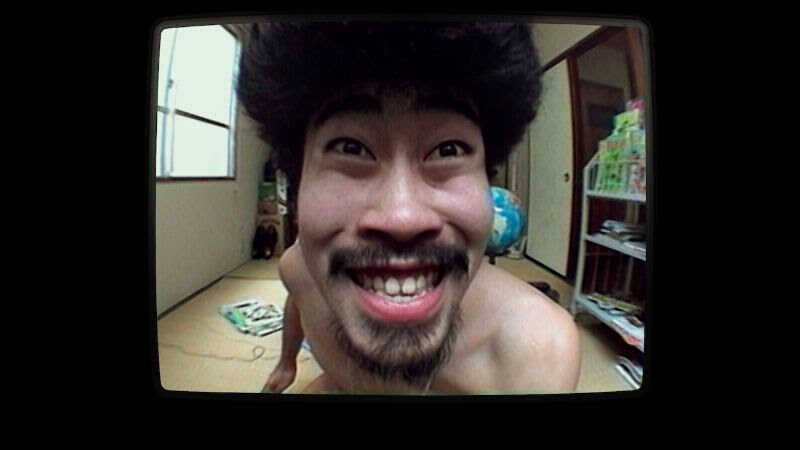
'The Contestant' Review: Tortured For Entertainment On Reality TV
Before The Truman Show became an Oscar-nominated film with undeniable cultural relevance, there was a real-life series that started it all. The year was 1998, and over 15 million people tuned in every week to watch Denpa Shonen: A Life in Prizes. This real-life Japanese reality TV show pushed the boundaries of physical and mental endurance of its single, unwitting participant. In The Contestant, directed by Clair Titley, the unethical practices that went on during this show are exposed in fascinating detail, as well as the ramifications of being tortured for entertainment.
Tomoaki Hamatsu had a difficult childhood. His family was constantly on the move and schoolyard bullies were extremely unkind, specifically pointing out his physical appearance. They called him Nasubi–which translates to "eggplant"–and poked fun at his oblong-shaped head. The name stuck, as soon Tomoaki embraced the name Nasubi, which he still goes by today. Embracing the name was both empowering and comedic, and soon Nasubi realized that comedy was a great deflection to the teasing. He decided to dedicate his life to making people laugh. However, he didn't expect to get recruited to participate in a new reality show that would have people laughing all right... for all the wrong reasons.
Trapped in a tiny apartment, naked and with nothing but stacks of magazines and hundreds of postcards, Denpa Shonen: A Life in Prizes is a human experiment that forces the contestant to survive only on the prizes he wins from magazine sweepstakes. This includes food, clothing, and entertainment. To win the game and end the experiment, the prizes must equal more than one million yen.
Nasubi was the most famous television personality in Japan without even knowing it.
A Life in Prizes coverage consisted of 24 hours of filming, 7 days a week, with two cameras, and eventually, a round-the-clock live stream was available online. Nasubi, who understandably started to lose his grip on reality from isolation and starvation, was in a constant struggle between sanity and madness. If he didn't win a sweepstake prize that day, he would go to bed hungry. On occasion, producers had to sneak into his room in the middle of the night to give him crackers so he wouldn't die from malnutrition. Audiences were obsessed with Nasubi's journey and cheered him on from the sidelines, but Nasubi had no idea he was gaining any notoriety. In fact, he didn't know he was being broadcast at all. Nasubi was the most famous television personality in Japan without even knowing it.
Through exclusive interviews with Nasubi and people close to the show, The Contestant exposes so many cracks in its foundation. For starters, Nasubi never signed a contract. The show's producer, Toshio Tsuchiya, initially persuaded Nasubi to strip naked by claiming that most of what he did wouldn't be aired. This overt manipulation tactic lowered Nasubi's initial hesitation, therefore making it easier for Toshio to control Nasubi. While not literally locked inside the apartment, Nasubi was gullible enough to go along with the inhumane antics until he won. He recounts this experience with a sense of quiet pride, despite the harsh conditions and unethical treatment, Nasubi came out on top. When all was said and done, he spent 1 year and 3 months competing in A Life in Prizes.
Nowadays, it's not uncommon to look back on various forms of entertainment of the past and see how poorly it has aged with time. Britney Spears talks about it in her memoir, specifically how cruel the press and industry were to her as she was coming of age in the spotlight. Denpa Shonen: A Life in Prizes is another one of those moments in the cultural zeitgeist that would not exist if it were pitched today, based on the sheer torment and manipulation that Nasubi was put through. The Contestant reveals, in stunning detail, how Nasubi not only survived fame and famine, but everything in between.
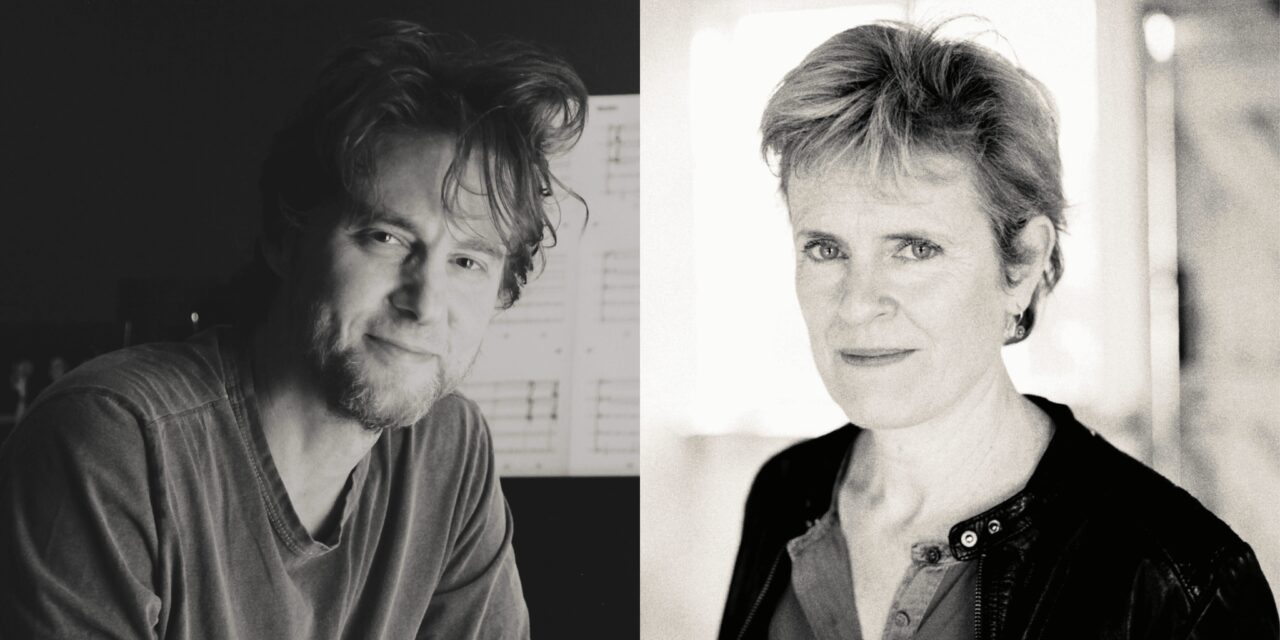
Academy Award-Winning Rachel Portman, Jon Ehrlich Drop New Score for Hulu Series
Academy and Emmy-winning composer Rachel Portman has teamed up with Emmy-nominated Jon Ehrlich on the new Hulu miniseries We Were the Lucky Ones, a World War II drama based on true events. Creating beautiful music that juxtaposes the madness of war could prove quite a difficult undertaking but Portman and Ehrlich find the balance between the light and the dark, resulting in an emotionally layered, dimensional, and effortlessly vibrant soundtrack. The 24-track album is available on digital platforms this Friday, May 3, coinciding with the series finale.
We Were the Lucky Ones portrays the Holocaust from the point of view of the Kurc family, who are of Polish Jewish descent. Starring Joey King and Logan Lerman as Halina and Addy Kurc, this sensitively told story feels eerily urgent given the state of global politics unfolding at the present moment. Based on Georgia Hunter’s New York Times bestselling novel, the television adaptation of We Were the Lucky Ones is inspired by the incredible true story of the Kurc family, who were separated at the start of WWII. The series travels with them across continents as they do everything in their power to not only reunite but survive. We Were the Lucky Ones is a tribute to the triumph of hope and love against all odds.
Cinemacy is excited to premiere a 3 Score Sampler from We Were the Lucky Ones, below:
A flurry of melodic strings accompanies each of the three tracks. The first, "Addy Rows," has an upbeat momentum that is guided by a steady piano treatment. The second, "Do As I Say," feels heavier and more forlorn. There is a sense of anticipation and unease which is heightened by high-pitched strings and the piano's minor chord progression. The final track in the sampler, titled "Passover," is airy and bright. As the name implies, it evokes feelings of warmth and unconditional love.
Says Portman and Ehrlich, “We have been through a wonderful musical collaboration together trusted with writing the music for this important, deeply moving true story. The music covers the enormous scope of the story, following the different characters with many bespoke musical themes. It blends melodic orchestral colors that underscore the humanity of our characters against a sonic palette of textures and percussive gestures that invoke the looming darkness that increasingly envelops them.”
Rachel Portman made history in 1997 when she became the first female composer to win an Academy Award, which she received for her work on Emma. She is also the first woman composer to win a Primetime Emmy Award, for her work on Bessy. She received two further Academy nominations for The Cider House Rules and Chocolat, and received her second Primetime Emmy Award last year for Julia. With over a hundred film scores to her name, Portman also ventures into stage productions, like the musical "Little House on the Prairie" and an opera "The Little Prince" for Houston Grand Opera.
Jon Ehrlich is also a highly accomplished composer with a prolific list of scoring credits to his name, which include nearly a thousand primetime television episodes and three Primetime Emmy nominations. Notable accolades include Emmy nominations for his work on House, M.D., Roar, and The Agency, as well as winning Best Music in a Feature Film at the Nashville Film Festival for Ask Me Anything. A graduate of Yale University, Jon is also a founder of Qwire, a collaborative, cloud-based, web platform that streamlines workflows across every aspect of the music-to-picture ecosystem, while managing music assets and all associated music metadata.
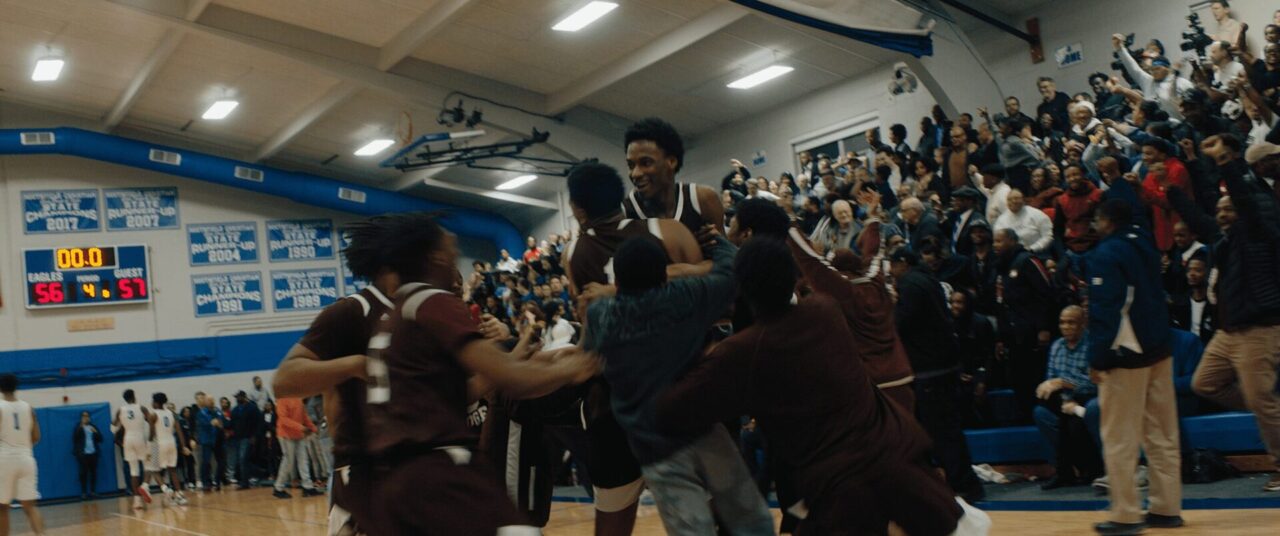
'Rouge' Documents a Detroit High School Basketball Team's Dynasty
With the NBA finals underway nationwide, the competitiveness between teams vying for the title of Champion feels heightened, now more than ever. Capturing this grit and determination on a smaller, albeit just as intense, scale is Detroit-based director Hamoody Jaafar in his documentary Rouge. Set against the backdrop of Michigan's River Rouge High School, just south of Detroit, Jaafar captures the rich dynasty of the local basketball team and the indelible mark they've left on their economically challenged, small-town community.
The film is set in the present day but the legacy of the team dates back to the 1950s when beloved basketball coach Lofton Greene led his team, the Panthers, to a record number of state championships. River Rouge High School had been racially integrated but given the time period, the Panthers found themselves playing in a league of otherwise segregated schools. This didn't stop the team from forming unbreakable bonds and lasting friendships, as a handful of former players are present in the documentary and offer interviews about their time on and off the court.
History lesson aside, the film diverts its attention to the current coach, LaMonta Stone, a former Panther himself. Almost 70 years after Lofton Greene's victorious run, Stone carries the weight of the basketball program and the larger community's reputation on his back. He is determined to deliver the school’s 15th State Championship. In the lead-up to the finals, we are introduced to some of the team's key players, including Brent Darby Jr., Ahmoni Weston, and Legend Geeter.
Fans of Netflix's Cheer or Last Chance U will find a lot to admire in Hamoody Jaafar's love letter to River Rouge basketball. If you're a sports buff and subscribe to the coaching style of Phil Jackson or John Wooden, you'll see a striking resemblance in the humble LaMonta Stone. His desire for excellence never wavers but the way in which he inspires his student-athletes to achieve it is commendable. Stone encourages teamwork and prefers a simple layup over a flamboyant slam dunk. On the court, he put minority kids in positions of authority, which gave them confidence that carried them into adulthood, and many alumni players attest that Stone's leadership shaped their future for the better.
Executive Produced by award-winning documentarian Sam Pollard (MLK/FBI, Citizen Ashe), Rouge is an uplifting coming-of-age film that speaks to not only the dreams of future NBA hopefuls but also to the power of camaraderie and community.
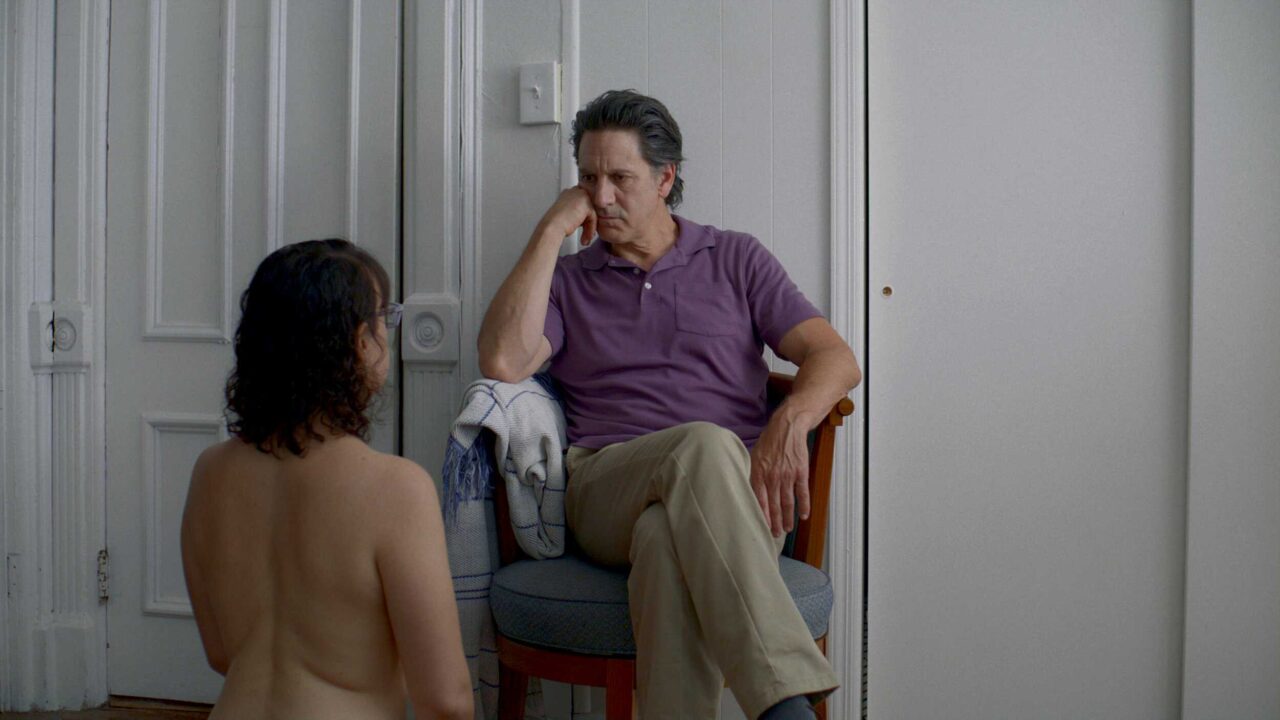
'The Feeling That the Time for Doing Something Has Passed' Is A Riotous Romp
Equal parts horrifying and hilarious, writer/director Joanna Arnow's mouthy feature debut, The Feeling That the Time for Doing Something Has Passed, is a delightfully naughty piece of cinema that is sure to make you squirm with anxiety and simultaneously burn your retinas with some rather unsavory images. Harnessing the confidence and power of a seasoned auteur, Arnow's bold point of view about a millennial navigating her way through life, love, and New York City is a refreshing respite from conventional storytelling. Provocative in all the right places, The Feeling That the Time for Doing Something Has Passed had its world premiere at the 2023 Cannes Film Festival and continued its festival run with official selections at TIFF and NYFF.
Joanna Arnow plays the protagonist Ann, a mousy 30-something whose lack of makeup and unruly hair makes her look older than she is. She's plain and unremarkable, the type of girl who would receive a congratulatory "Happy 1st Anniversary" award from her company, despite having worked there for three and a half years. Ann doesn't desire power or money in the boardroom. All she longs for is attention in the bedroom. She is almost 10 years into a "situation-ship" with Allen (Scott Cohen), a man decades her senior who treats her like an afterthought. Despite their differences–which there are a lot of–both Ann and Allen engage in BDSM, which further emphasizes the absurd humor of sex in general. Eager to please (despite rarely getting pleasure herself), Ann follows every order that is demanded of her, including bending over and spreading her backside (oh yes, it goes there).
We observe Ann's bedroom interactions like a fly on the wall. However, instead of reveling in the voyeuristic taboo of it, you are begging to get squashed by a rolled-up newspaper to escape its awkwardness. Ann is a willing participant with a half-hearted attitude as she goes through the motions, which only gets more humiliating as she meets more dominating men. These include an arrogant composer and a fetish-obsessed businessman who dresses Ann up as a pig with the direction that she can only communicate through "oinks." Her colorful private life aside, Ann's public life is much more mundane. Her Jewish family proves overbearing and difficult, every scene intentionally stirring up feelings of anxiety.
If Lena Dunham's character in Girls had a younger, less confidant sister who took the role of Maggie Gyllenhaal's character in Secretary, you would have a pretty adept comparison to Ann. Joanna Arnow's decision to star in the film, which she also wrote and directed, is the perfect (and perhaps only) choice, nailing the tone and performance expertly. Overall, The Feeling That the Time for Doing Something Has Passed feels lightweight and breathy. It's broken up into chapters that don't add or subtract from the overall structure because the film plays like loosely connected vignettes with an unconventional story arc. Executive Produced by Sean Baker (Red Rocket, The Florida Project), The Feeling That the Time for Doing Something Has Passed is an explosive discovery in indie comedy. It catapults filmmaker Joanna Arnow into the cultural zeitgeist and I can't wait to see what she does next.
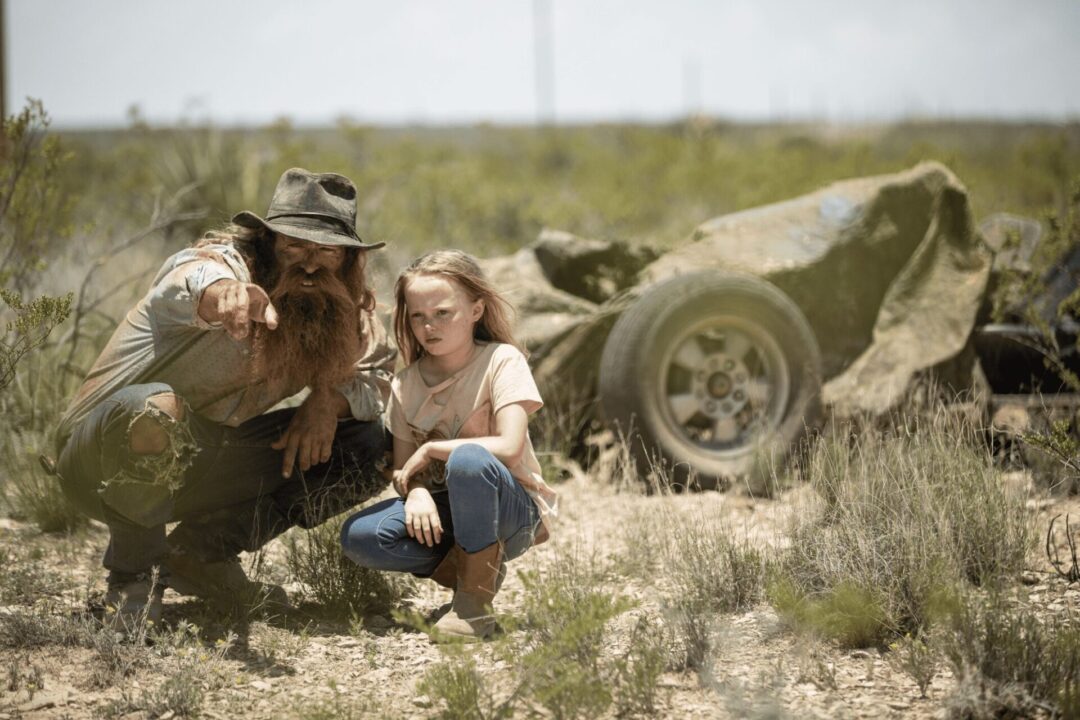
Your First Look at a Family Vacation Gone Wrong in 'The Big Bend' (Exclusive)
Writer/director Brett Wagner has witnessed every parent's nightmare and uses this unforgettable incident as fuel for his upcoming feature film, The Big Bend. Drawing on his own harrowing experience of watching his friend lose track of their child while on a family vacation in a national park, The Big Bend is a chilling tale of perseverance in the West Texas desert. Cinemacy is proud to premiere an exclusive clip of The Big Bend, below:
In the unknowable reaches of West Texas, two families meet for a long overdue reunion -- but events quickly don’t go as planned. As they explore the desert, bathe in mud, and keep a wary eye out for snakes, the dust motes of menace and unease begin to swirl around them. When crisis strikes, they have nobody to turn to but themselves. The Big Bend follows the adventure of these two families in a hauntingly dangerous environment, creating an unforgettable portrait of marriage, friendship, parenthood, and survival.
Eammon Films will open the film at Look Cinemas West 57th in NY on April 26th, at Laemmle Royal in LA on May 17th, and at Alamo Drafthouse South Lamar in Austin, TX on May 31st.

'Mexican Dream': A Tale of Heartache and Second Chances
The title of filmmaker Laura Plancarte's latest feature is aptly named Mexican Dream but it may as well have been called "Universal" Dream. Heartache, desire, love, and second chances are woven within the fabric of the human experience and because of this, Mexican Dream evokes an immediate sense of empathy and camaraderie from all who watch. Originally conceived as a straightforward documentary, Plancarte realized that to reach the optimum impact and avoid putting those involved at risk of retaliation, she would turn the doc's beginnings into a scripted feature. Echoing a similar visual uniqueness to last year's Academy Award-nominee Four Daughters, Mexican Dream defies stereotypes of the submissive Latin American woman surviving poverty by telling a heartfelt story about navigating through life's toughest challenges.
The film opens at an OB-GYN's office in Mexico where Malena (María Magdalena Reyes), or Male for short, is in the middle of a fertility appointment. Her face shows signs of defeat as she talks to the doctor post-examination. Not only does the cost of IVF come with an exorbitant price tag, but Male would also have to reverse the tube tie procedure she underwent after leaving her abusive marriage years earlier. Already a mother to three teenage children, Male never thought she would get pregnant again. Things become complicated when her new boyfriend begins expressing his desire for a child, pressuring her to perform and threatening to leave the relationship if the IVF treatment fails. Male then begins dreaming of a life with a newborn, but we have to wonder if this is truly her dream or her boyfriend's.
Male is a hard-working, single mother whose three children were forced to live with their father, her ex-husband, due to her inability to financially provide for them on her singular domestic worker salary. With no help from her ex, Male made the difficult decision to leave her children with him in the hopes that she would one day soon regain custody once she had enough stability. Building her own house brick by brick, Male envisions the family home she will be single-handedly providing for generations to come. This sensibility is lost on her eldest daughter, who only sees Male's sacrifice as a selfish act when, in reality, Male's blood, sweat, and tears are her ultimate symbol of love.
Mexican Dream highlights the universal struggles that women–regardless of what side of the border they reside–encounter on a daily basis. It's easy to see yourself in Male, her humble aspirations for a livable wage, and a roof over her head so she can reunite with her children, are the necessities of a decent human existence. And yet, for Male, these seemingly basic goals consume her whole world. Director Laura Plancarte crafts a totally absorbing vessel in which we witness Male continue to fight for what she wants. It's a slow burn at times, allowing the viewer to sit with the intimate discussions unfolding onscreen. Visually, the film is vibrant, both rich and expansive in color.
Shifting the film from non-scripted to scripted was a welcomed change for both the director and the subject, says Plancarte. "As we shifted from a documentary to a hybrid film co-written by both of us, I experienced immense joy and creative freedom, while Male found satisfaction in shaping her own representation and preserving her relationship with her teenage children." Mexican Dream was recently selected for the 2024 Hot Docs Film Festival.
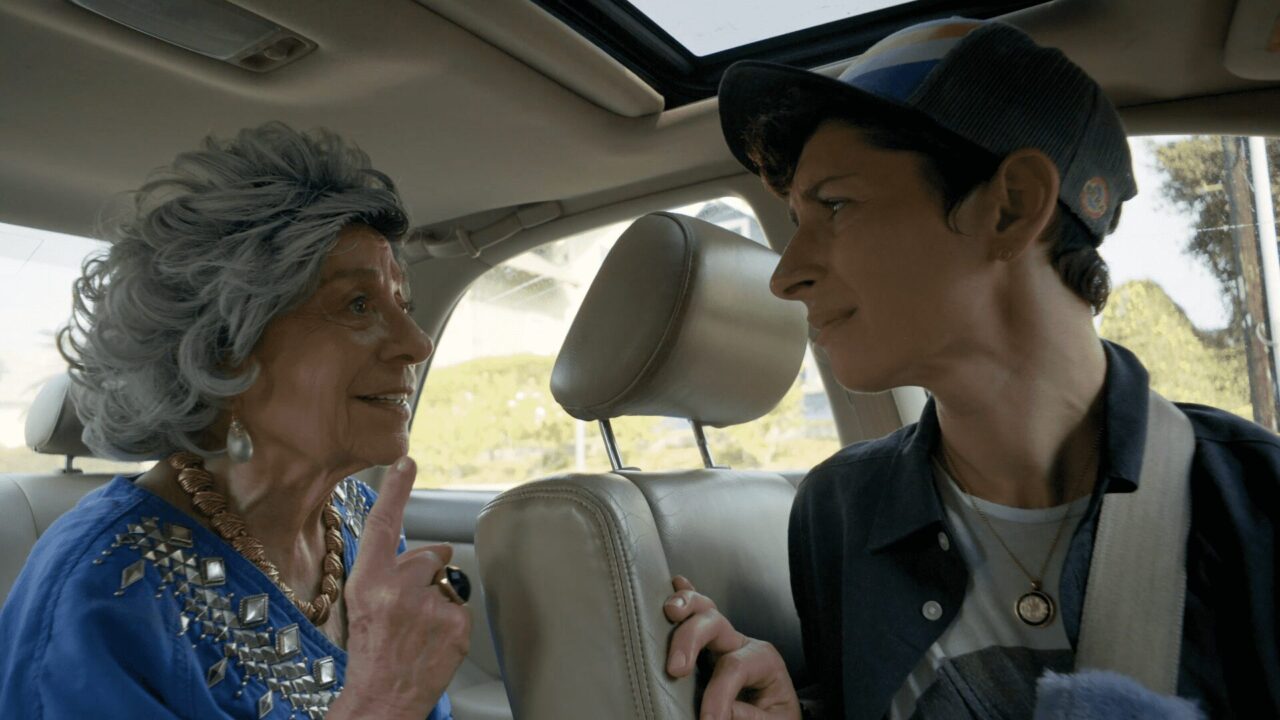
'Grandma Bruce': A Magical Comedy with Deep Commentary
From writer-director Brooke Sebold comes Grandma Bruce, a short film sprinkled with magic whose impact and wit leave a lasting impression far surpassing its 13-minute runtime. This surreal comedy is rooted in reality but offers audiences a surprising twist that will have you laughing one minute and pondering thought-provoking social issues the next.
It’s a big day for Brooke (Laura Chirinos) and Sofia (Fernanda Urrejola). On their way to meet Sofia's parents for the first time, Brooke starts to have a flare-up of anxiety. She forgets to buy the cheese–the one appetizer she was tasked to bring–and second guesses her "first look" outfit, specifically her baseball hat. Sofia isn’t concerned about the hat as much as she is about the cheese, so Brooke decides to make a solo detour and swing by the store to pick up the forgotten item.
That’s when she hears a familiar voice from the backseat of her old Lexus, whom she has named Bruce. Confused, Brooke looks in the rearview mirror and sees her charismatic Jewish Grandma (Monica Piper), a presence from beyond the grave. We then learn that Brooke inherited the car after her Grandma’s passing, which Grandma now embodies in the afterlife. Through funny and judgemental remarks that are completely unsolicited, Grandma's surprise appearance is a test for Brooke. Offering outdated advice in both life and style, Brooke still finds a way to connect with her Grandma by looking beyond the unsolicited comments about societal norms. Brooke reminds Grandma that love can be expressed in many ways, and her acceptance of Brooke's life choices would be appreciated but not required.
The writing is sharp and poignant, self-identifying as a "queerdo" and lines like “Grandmas must have hard candy and Kleenex on hand at all times” intends to stir up a sense of nostalgia. For Booke Sebold, the inspiration for the script was taken from her own life, especially the relationship with her grandmother and their shared car. Grandma Bruce encourages audiences to continue engaging in these conversations, even if they’re difficult, in an effort to normalize the very normal act of falling in love with whomever one chooses.
Grandma Bruce is full of whimsical magic while also offering a necessary perspective on conducting queer conversations within the family unit. As Brooke says herself, "Grandma Bruce is a love letter to my grandma, but it’s also about celebrating one’s choices and letting go of cultural expectations [about] life looking any particular way." The film has been selected to screen at the 2024 Oxford Film Festival.
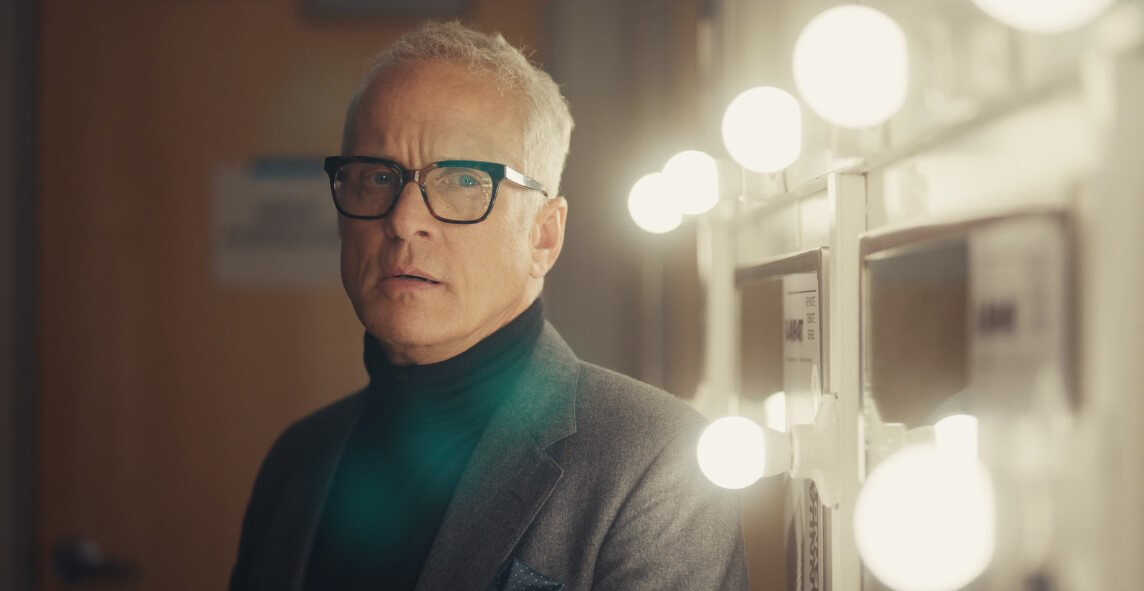
'The Way We Speak' Review: A Cautionary Tale of Obsession
A war of words unfolds as a modern cautionary tale in filmmaker Ian Ebright's tight-knit drama, The Way We Speak. Making its World Premiere at the Florida Film Festival, the film is a rich character study that centers around obsession, insecurity, and jealousy. With a script that Aaron Sorkin would likely tip his hat to, to the rivaling pressure-building tone of Rian Johnson's Knives Out, this high-intensity drama is a captivating watch, in large part due to the powerful performance by actor Patrick Fabian.
The film opens on the eve of a big keynote debate conference, where elites gather to debate each other in a dignified and intellectual manner. Simon (Patrick Fabian) is an overly confident participant, especially for being an up-and-coming writer. Surrounded by his industry peers for some time, he has been preparing for this moment–in the spotlight. However, when he receives the news that his best friend and debate opponent has suffered a cardiac arrest, his demeanor changes. Despite his friend's poor health, Simon refuses to forego the spotlight by postponing the debate, forcing the event staff to find him a replacement. Simon's wife, a renowned doctor who is also struggling with a health condition, is reluctantly supportive of his decision to keep the debate going, but also growing more apathetic as time goes by.
The next day, Simon is introduced to a young blonde writer named Sarah (Kailey Rhodes), a bestselling Christian author who will be his new debate partner. Simon, an Atheist, and Claire, a religious person, begin their opening remarks on the topic: The existence and importance of "God". Their initial debate sparks something inside Simon, leading to a jealousy-filled obsession with his new opponent, and creating a subsequent rift with his ailing wife. The more insecure Simon becomes around Sarah, the more miserable his behavior toward everyone around him.
Words can cut like a knife, and how we use them can produce very tangible results. The Way We Speak tells a heightened story about grace and forethought while simultaneously dramatizing deep-seated divisions and unresolved grief. It is a strong feature debut from writer-director Ian Ebright, who knows how to draw in an audience and capture their attention within the first minute. This being a word-saturated film, there was heavy lifting on the part of the performers who all expertly delivered strong performances. Patrick Fabian is the standout here, his embodiment of an entitled-turned-humbled man is a compelling character arc to watch. Small in scope but large in impact, The Way We Speak is a mentally and emotionally stimulating film that is definitely worth a watch.