
'And Now I Lay Me Down' Review: A Dark Comedy on Aging and Existential Dread
For an aging actress, father time is a cruel reality. The roles dry up, the phone stops ringing, and, perhaps worst of all, the public starts to forget your name. A fragile ego can only take so much. Add a looming divorce to the equation and what you have feels much like a death sentence. This downward spiral into obscurity is stylishly portrayed in writer/director Rani DeMuth's short dark comedy, And Now I Lay Me Down.
The (Not So) Fabulous Life of Celia Dalvi
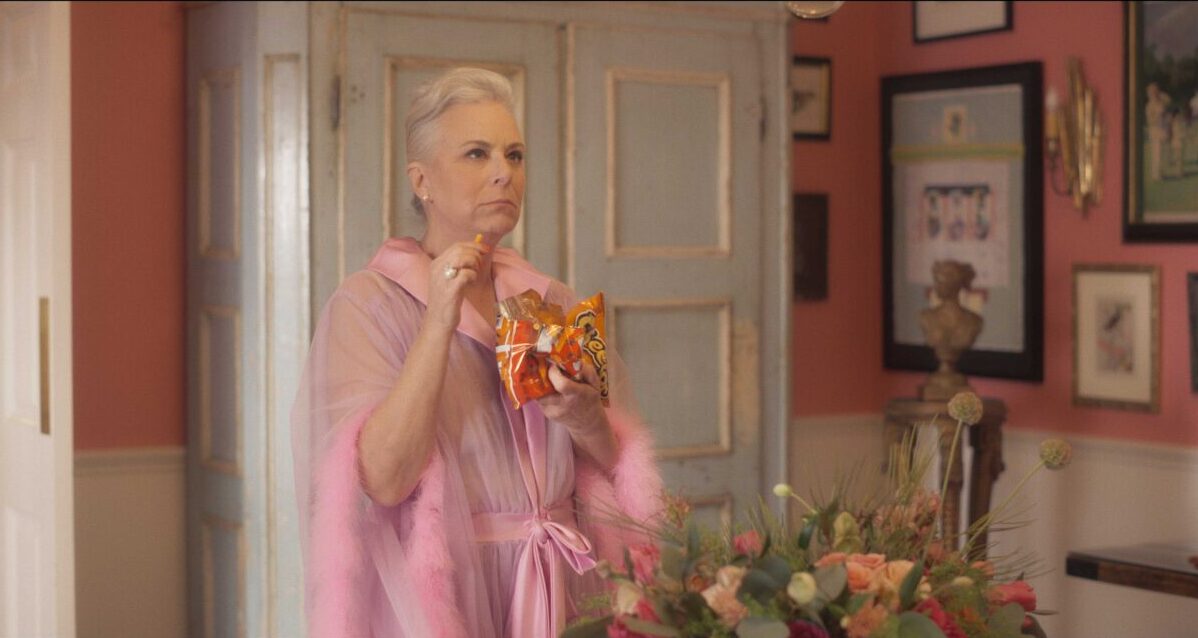
Absorbed by existential dread, the luxurious but lonely Celia Dalvi (Jane Kaczmarek) can't take it anymore. Her pending divorce seems to have been the last straw in a series of unfortunate events for Celia. The non-existent audition callbacks and growing estrangement from her daughter are all too much. This is when Celia makes a decision: she wants to be remembered for who she was, not who she is. Celia sends her staff home for the day and attempts to make it through her self-appointed "last day" on her own. No chef, no handyman, and no personal assistant... She has truly hit rock bottom.
Up to this point, the film pokes fun at its protagonist and has a cheeky air to it. It's not until Celia calls her estranged daughter and leaves her a heartfelt message that we truly begin to sympathize with her. The film captures this moment with beautiful composition and framing, allowing the scene to stand out from the rest. After making her peace, Celia puts on her most glamorous gown and jumps from the second story of her home. On her descent toward the ground, which is captured in artful slow motion, she experiences flashbacks and fantastical daydreams. It's best not to assume how the film will end because director Rani DeMuth's proven comedic timing makes for one satisfactory ending.
Fantastic Character
The story has an element of seriousness to it given the subject matter, yet overall, And Now I Lay Me Down is a lighthearted and witty film that bursts with color and glam. The character of Celia is an onscreen delight. She is the type of woman to have 20 different shades of pink nail polish while keeping her Cheetos in a locked cupboard to avoid overindulging. She is fabulous and even if she doesn't feel good, she will at least look good.
Takeaway
Backed by a beautiful score by Brad Oberhofer, And Now I Lay Me Down is the aesthetic equivalent of a modern-day Edward Scissorhands. Through her charismatically charming performance, Jane Kaczmarek reinforces her reputation as a screen icon. And from concept to execution, director Rani DeMuth proves why she is a filmmaker to keep on your radar.


'Meeting You, Meeting Me' Review: A Love Letter to Female Friendship
A peek into the complexities and camaraderie of female friendship is seen through the eyes of Lina Suh in her directorial debut Meeting You, Meeting Me. Selected to screen at the 2024 CAAMFest, this buddy dramedy tells the story of an unlikely friendship that develops between two women. Call it fate or call it luck, the women happen to enter each other's lives when each needs companionship most. They soon discover that, despite their differences, they've each made a true friend for life.
Sisterhood of the Traveling Backpack
Twenty-something-year-old Sav (Annika Foster) arrives at a house in the suburbs to pick up a travel backpack that she bought from an online marketplace. This is where she meets the seller, Simone (Sam Yim). Simone is a newly single woman who is still reeling from the effects of a divorce, and eager to get rid of the belongings that remind her of her ex-husband. Sav's bubbly personality and Simone's more morose demeanor seem like oil and water, but despite their differences, they form a sincere connection rather quickly.
After an unexpected event causes Sav to miss her transport to the airport, Simone seemingly reaches out of her comfort zone and invites Sav to stay with her until she has to leave to board an international flight. Over the next 12 or so hours, Sav and Simone experience the highs and lows of a budding friendship.
Relationship Strength isn't Measured by Length
Layered with flashbacks and time-jumping, Meeting You, Meeting Me is an honest portrait of two women at similar stages of their life, both figuring it out together. The phrase "opposites attract" seems appropriate here, although the more time we spend with Sav and Simone, the more obvious it is that they are much more similar than initially assumed. Yet, the sisterhood bond they quickly establish is tested when a misunderstanding threatens to derail their friendship. Using empathy as a vehicle for understanding both characters' actions and reactions, director Lina Suh shows how communication is the bedrock of any solid relationship.
The film touches upon the butterfly effect, in that the world is deeply interconnected, as well as the theme of meeting and moving on. The NEON film Robot Dreams also comes to mind when discussing how one person's influence can change the trajectory of your life forever. Sometimes the most impactful relationships don't necessarily have the most history.
Takeaway
Produced by Sharon Park, Meeting You, Meeting Me is a love letter to friendship, sisterhood, and the bonds made between like-minded women. The film ends with a special dedication from the director, which summarizes the film's ethos in one succinct statement: "For all the friends and sisters who carry us through our lives".
'Sing Sing' Review: An Achingly Beautiful Portrait of Rehabilitation
When I walked out of the theater after watching Sing Sing, I knew I had just witnessed the best film of 2024. All but guaranteed to be an early Oscar contender, Sing Sing is a quiet powerhouse of a film that rings loud with authenticity and heart. Based on a true story of incarcerated inmates who find purpose through a prison theater program, director Greg Kwedar crafts an incredibly absorbing and beautiful portrait that will leave you smiling through tears, much like the symbolic tragedy and comedy masks the theatre is represented by.
Dealing with Trauma Through Performing Arts
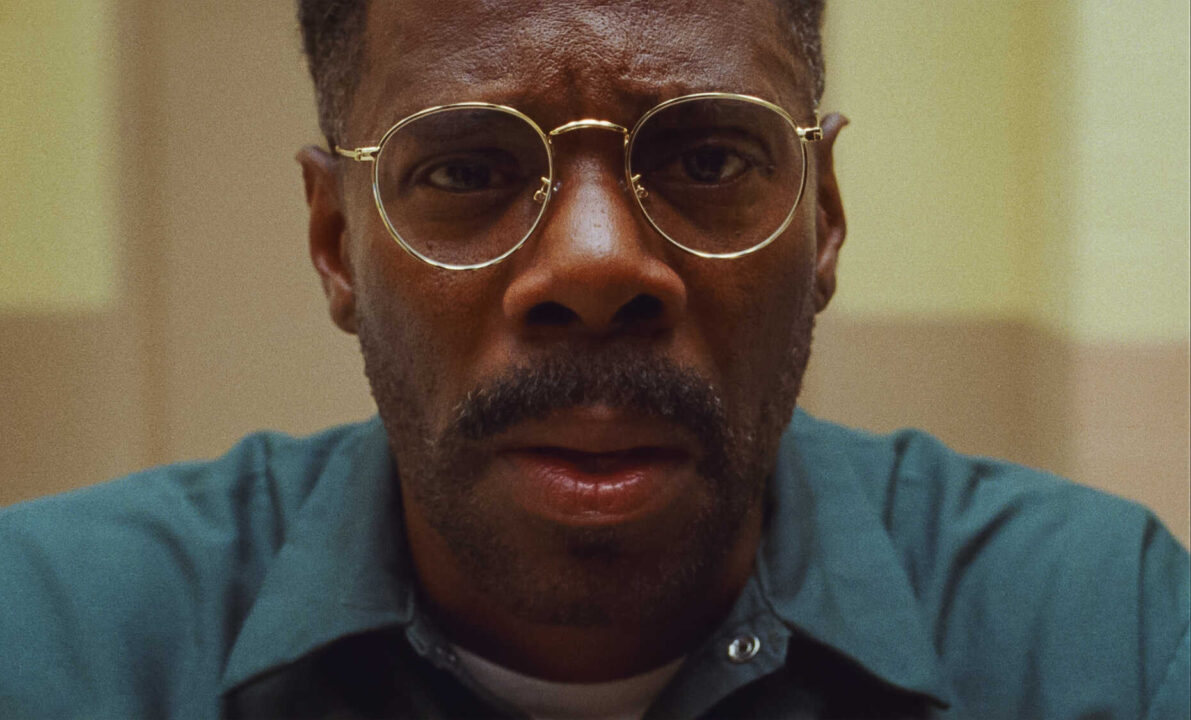
Sing Sing tells a powerful story of brotherhood set within the titular Sing Sing Maximum Security Prison in New York. Based on the real-life program Rehabilitation Through the Arts (RTA) and the people who experienced it firsthand, most of Sing Sing's cast includes formerly incarcerated actors and alumni of the program. Colman Domingo gives a rousing performance as "Divine G", a former ballet dancer serving a sentence for a crime he didn't commit. Despite his wrongful conviction, Divine G stands tall as a man of grace and goodwill. His inspirational outlook benefits the other men within the program, who learn to process their trauma through performances on stage.
The group dynamic shifts when a newcomer to the program joins the troupe. Clarence "Divine Eye" Maclin (played by the real Clarence Maclin) is skeptical about the program's decision to perform dramatic material consistently. Life in prison is dramatic enough, he eloquently and brutally states. Despite Divine G's initial hesitation to change course, the program's director Brent Buell (Paul Raci) agrees that maybe a little comedy would be good for the soul. The group works together to create an original production called "Breakin' The Mummy's Code" which ends up being a mash-up of comedy, Shakespeare, historical drama, and Freddy Krueger. The rest of the film follows the men's lead-up to their opening night performance, including emotional highs and lows, and an unexpected tragedy.
A Stunning Ensemble Cast of (Mostly) Formerly Incarcerated Actors
There are many moments throughout Sing Sing that deserve a standing ovation. It took everything in me not to start clapping in the theater. The definition of a true ensemble cast, every single person who graces the screen gives a phenomenal performance. Colman Domingo's ability to suck the air out of the room with his monologue delivery leaves the audience utterly gobsmacked. His rendition of Hamlet's famous "To Be or Not To Be" sent chills through my whole body. Equally as stunning is Clarence Maclin, who uses his background as a formerly incarcerated person to bring real-life experience to the part.
Complimenting the onscreen performances is the angelic score by composer Bryce Dessner (The National) and the London Contemporary Orchestra. The music weaves in and out of scenes so beautifully and without forcing an emotional reaction. Captured by cinematographer Pat Scola (Pig, A Quiet Place: Day 1) in stunning detail, the world of Sing Sing explodes from the screen into our hearts. Its impact resonates long after the credits stop rolling.
Takeaway
More than just a movie, Sing Sing is a testament to the transformative power of art and humanity. The message conveyed here is a universal one: healing through art isn't just possible but essential. The proof is obvious, just look at the cast of the film (85% of whom were formerly incarcerated at Sing Sing). "This wasn’t just a philosophical choice," says director Greg Kwedar, "it was a recognition of the immense talent and pathos of the alumni from RTA." Unforgettable in a myriad of ways, Sing Sing is an achingly beautiful portrait of rehabilitation.
'Longlegs' Review: An Unforgettable Living Nightmare
You know the feeling of walking into a spiderweb? The invisible strings that stick to your body immediately cause you to tense up and leave you feeling unsettled. This is the same sensation I had when watching writer/director Osgood Perkins's eerie horror film Longlegs. It's a film that is easy to get wrapped up in, offering little solace from the absolute mayhem that descends into chaos on screen. Backed by an unforgettable performance by Nicolas Cage, Longlegs stands to be the killer breakout film this summer.
Capturing a Satanic Serial Killer
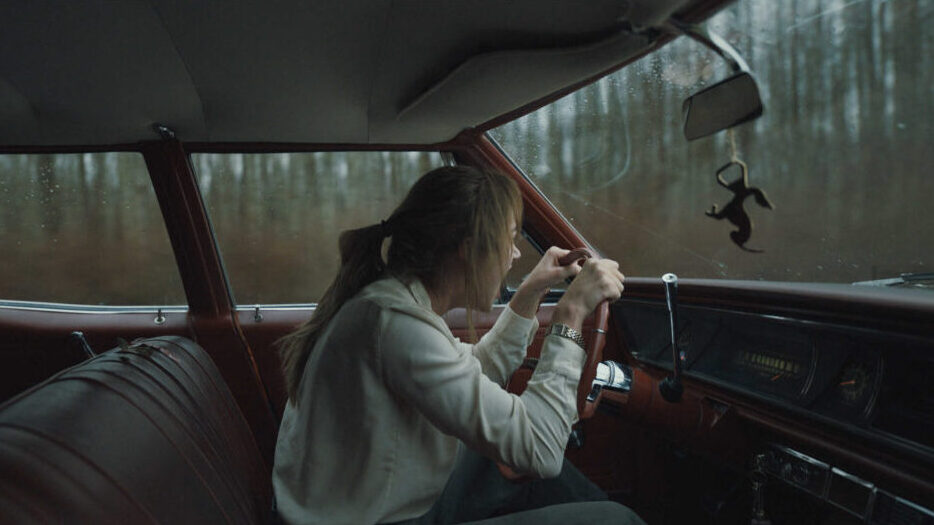
Maika Monroe plays Lee Harker, a young FBI agent who has just been assigned the case of the century. It's one that has been unsolved for decades: the Satanic Longlegs murders. Lee may be new to this position but her instincts rival that of a seasoned professional. Assigned to investigate the ongoing serial killer case along with her is veteran Agent Carter (Blair Underwood). His protectiveness and trust only encourage Lee to double down on her unique investigative methods.
In every Longlegs crime scene, a note is left, written in an abstract code that the FBI has been attempting and failing to crack. Lee notices there is a bizarre lack of additional evidence that should be left behind, including fingerprints, DNA, and entry and exit points. There is no physical evidence at all. Using this as a launching point, Lee pivots her search less toward the predictable and more toward the surreal. This is when she starts to sense the presence of the killer, who is both everywhere and nowhere. Like the aforementioned spiderweb, she becomes entangled in Longlegs' web which leads to a disturbing realization that changes the trajectory of the case.
Nicolas Cage Will Haunt Your Nightmares
The less you know about Longlegs before going into it, the better. What sets this film apart from other horror films are the subconscious ways Osgood Perkins injects suspense into every scene. The frenetic score incorporates minor string notes in conjunction with more organic sounds, like mic feedback and heartbeat pulses. The diegetic sounds crafted by the sound design team include eerie footsteps and environmental cues. Combined, they expertly build intensity throughout the film. The untraditional way in which the film was shot leans toward more arthouse horror. Jumping between aspect ratios and unconventional framing feels fresh and gives Longlegs a memorable visual aesthetic.
Now, a movie is only as good as the lead performances. In the case of Longlegs, Maika Monroe and Nicolas Cage sensationally embody the characters to make the film truly haunting. Maika's cool and calm demeanor offers a perfect juxtaposition to Nic's unhinged and unrecognizable character. Not one to shy away from a challenging or weird role, Nicolas Cage reaches a new achievement in his career as Longlegs. It is exaggerated and creepy all at once. Don't be surprised if Longlegs appears in your nightmares following the film, it's practically unavoidable.
Takeaway
Drawing inspiration from some of the greatest thrillers of modern times like Silence of the Lambs and Zodiac, Longlegs offers audiences a fresh perspective on the genre. NEON's marketing campaign–while impressive–may slightly oversell the scare factor and over-hypes the film in general but Longlegs is still a solid movie worth watching in theaters over a VOD experience. Whether or not it has the legs to be named the scariest film of the year has yet to be seen.
'The Serena Variations' Review: Exploring the High-Stakes World of Music
A musical prodigy faces insurmountable pressure from her idol in the Warren Fischer-directed short film, The Serena Variations. The film weaves through the overlapping inner thoughts of a young violin player who tries to win the adoration of her favorite orchestra conductor. Set to a sharp and dynamic soundtrack, composed by Fischer, The Serena Variations tells a story about power imbalance in the arts, the downside of desire, and the dangerous lengths one may go to achieve one's dreams.
The Unraveling of a Tortured Artist
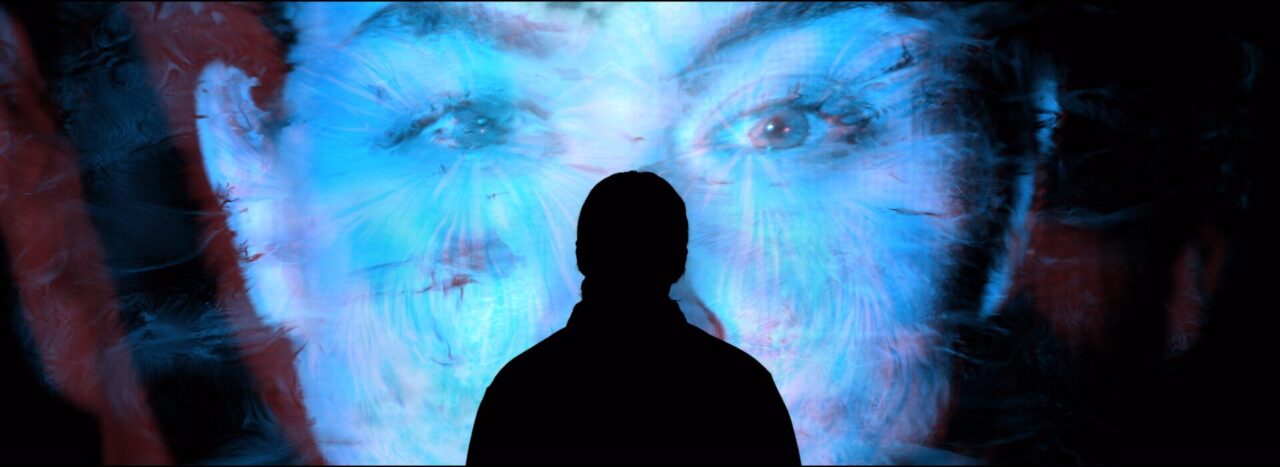
A voiceover proclaims that The Serena Variations tells a story of love. However, it's easy to see this won't be a traditional love story. The first time we see Serena (Dylan Brown), she is in the throes of a vigorous rehearsal. On stage with her violin, she repeats the teachings of her childhood, "strong elbow, loose wrist." Clearly, Serena is a perfectionist and isn't satisfied with anything less than her best.
Serena's self-confidence starts to unravel as she spends more time with her idol, Ann (Renata Friedman). A revered classical music composer, Ann sees potential in Serena but doesn't think she has what it takes to join her company. One night at a dinner party, Ann, Serena, and a few fellow musicians indulge in an elixir during an unconventional ritual, not unlike an ayahuasca ritual. This act pushes Serena toward her psychological breaking point, as she quotes the Greek tragedy Daphnis and Chloe and Italian violinist Niccolò Paganini during her spiral. From here, the film narrows in on themes of loneliness, selfishness, and the act of selling your soul to get what you want.
Experimental-Leaning Art Film
The Serena Variations is broken up into chapters, each title implying what the next scene will bring. Within this structure, director Warren Fischer explores a loose, experimental-leaning narrative constantly in flux. The film's melodramatic moments are successfully channeled into an artful release and uniquely captured through rhythmic editing and pacing.
The performances are equally mysterious and engaging. Dylan Brown embodies Serena as a tortured artist with rousing tenacity, especially given the musical demand. For a film centered around music, the score is equally impressive. The inclusion of "Spring 1" recomposed by Max Richter: Vivaldi, The Four Seasons perfectly complements the film's edginess.
Takeaway
Fans of Todd Field's Tar and Damien Chazelle's Whiplash will find a lot to enjoy in The Serena Variations. Here, the high-stakes world of the music industry is explored in riveting ways. The film has been selected to screen at the 2024 Raindance Film Festival.

'Rally Caps' Review: A Feel-Good Family Film That Shows It's OK to Cry in Baseball
Summertime in America means seemingly endless days of no school, backyard BBQs, and, most importantly, baseball. The anticipation of the upcoming season is captured through the eyes of a young boy in the heartwarming film Rally Caps, where the game of baseball acts as the catalyst for the young protagonist to learn some valuable life lessons. Based on the children's book of the same name, written by father-daughter team, Stephen J. Cutler and Jodi Michelle Cutler, director Lee Cipolla adapts the book's pages and transforms them into a charming coming-of-age tale.
Life Lessons on the Baseball Field
Academy Award nominee Judd Hirsch (The Fabelmans) has a small but memorable supporting role as Pop, a baseball enthusiast, and proud grandpa of pre-teen, Jordy (Carson Minniear). Jordy and his widowed single mom (Amy Smart) are equally obsessed baseball fans with Jordy's bedroom resembling that of a Baltimore Orioles memorabilia shop more than a functional bedroom. The film opens on the morning of the big baseball tryout, the first time Jordy will be attempting to play Little League. His excitement quickly turns into dread when he gets injured at the pitcher's mound, derailing his plans of playing on a team that summer. Discouraged and depressed, his mom and Pop believe that spending the summer with his older brother at a baseball camp will cure Jordy's blues.
Once Jordy arrives at camp, he immediately feels out of his element. The older boys sense his weakness and begin to bully him, which only makes Jordy feel more insecure. However, it's a budding friendship with his deaf bunkmate Lucas (Colten Pride) that encourages Jordy to stand strong and confident. Lucas, a catcher, is similar to Jordy in the sense that he is also recovering from Cochlear Implant surgery to address his hearing loss. Together, Jordy and Lucas form a special bond that is inclusive of other misfit kids. Jordy's new friendships and team camaraderie extend far beyond the baseball field, as he learns how to face his bullies and rediscover confidence on the baseball field and in life.
Liked The Sand Lot? Then Rally Caps is for You
Rally Caps is an independent coming-of-age story that will resonate most with kids and pre-teens, but adults will equally enjoy the film's uplifting message. Reminiscent of The Sand Lot and Field of Dreams, director Lee Cipolla incorporates a wonderful sense of nostalgia into this family-friendly story. The music montages also aid in setting the tone, which can best be described as warm, sun-soaked summer days. As familiar as the film feels in its aesthetic and structure, it also includes serious modern-day themes such as child anxiety and mental health. These key messages are incredibly sincere in their delivery and make Rally Caps not only a source of entertainment but a learning opportunity too.
Takeaway
Full of heart and supported by emotionally rich performances, Rally Caps may be the next big classic sports story. A perfect balance of comedy, sincerity, drama, and musical moments, Rally Caps may be a small indie film but it feels destined to be a much bigger experience on screen.
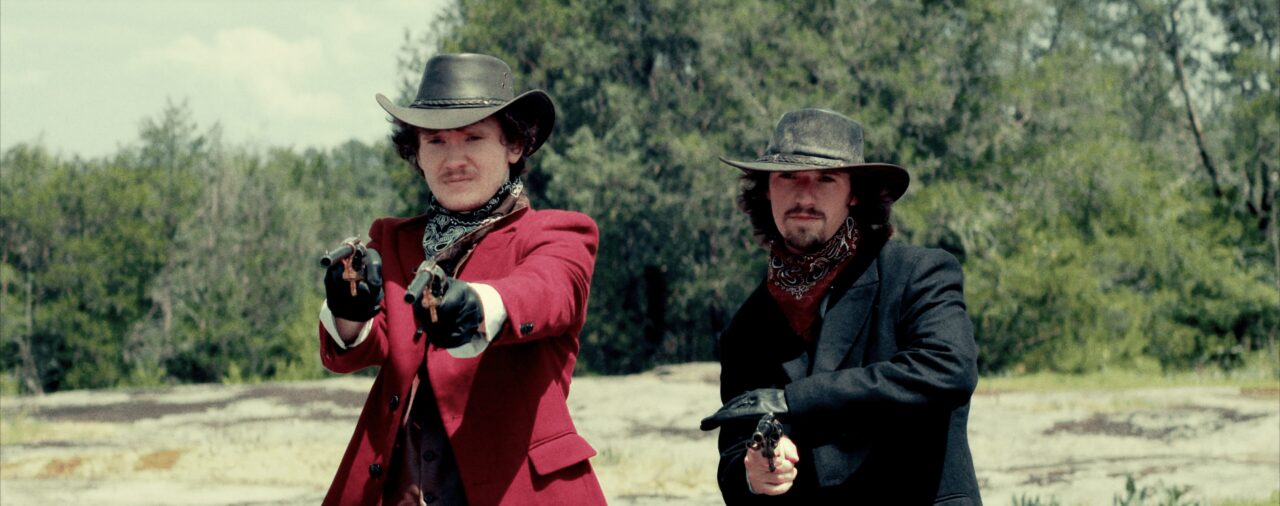
'Death After Dusk' Review: A Wildly Imaginative Western Whodunit
Director Chandler Balli took a modest $10,000 production budget and created a wildly imaginative Western whodunit in his latest feature, Death After Dusk. Set in a small town in Texas at the turn of the 19th Century, Death After Dusk tells the story of a gang of bounty hunters tasked with capturing a local serial killer. Tensions rise within the group as they narrow in on their target, second-guessing friend for foe. When everyone has a gun, and everyone is a suspect, it's hard to know who to trust.
Best Friends VS Bounty Hunters
The unlucky few who have had run-ins with Short (Addison Chapman) and Skinny (Chandler Balli)–those who had survived to tell their tale, that is–would consider the duo angels of death. Short and Skinny are experienced bounty hunters who answer the call whenever justice is to be served or, a cash reward is offered. Recently, though, Skinny experiences a sort of existential crisis and considers quitting bounty-hunting for good. His internal struggle centers around conflicting beliefs about religion, mortality, and death. Short, being the understanding friend he is, accepts Skinny's resignation. For a time, they move on with their life. Skinny gets married and enjoys a quiet life away from death's doorstep. However, his peace doesn't last long. Skinny's wife faces an untimely death which leaves Skinny heartbroken, mourning, and vengeful. He now puts his morals aside and vows to return to bounty hunting again.
Skinny's return to the business couldn't have come at a better time, as the desolate town of Buck Creek urgently needs his services. There is a murderer on the loose and he needs to be stopped. The Mayor of Buck Creek assembles a super pack of nine bounty hunters, Short and Skinny included, to capture this evil and elusive serial killer who has been tormenting residents of the town for weeks. The promise of a reward of $10k dead, and $25k alive is a huge incentive. The intention is for all the bounty hunters to work together to capture the killer, but with a life-changing amount of money on the line, it ends up being every man and woman for themselves.
If Quentin Tarantino directed Knives Out
Death After Dusk has the same energy as if Quentin Tarantino had directed Knives Out. There is no shortage of possibilities regarding motive and suspect, which makes for an interactive and fun viewing experience. Paying homage to the look of classic Western films, Death After Dusk has a distinct sepia tone and familiar cowboy-inspired score. Visually, the film excels in setting up the universe of Buck Creek, with the set design, art direction, locations, and VFX all solidly fine-tuned. The film's slick script includes comedic zingers and self-aware camera movements that set Death After Dusk apart from other modern Westerns.
Takeaway
Death After Dusk is a large-scale production that director Chandler Balli tackles with confidence and grit. From its large cast of actors to battling 100-degree heat throughout their two-week shoot, this film was no small feat. "It's a deeply personal journey," he says. "A testament to my love for filmmaking." Running nearly two hours and twenty minutes long, Death After Dusk is an action-packed murder mystery that will leave you guessing until the very end.
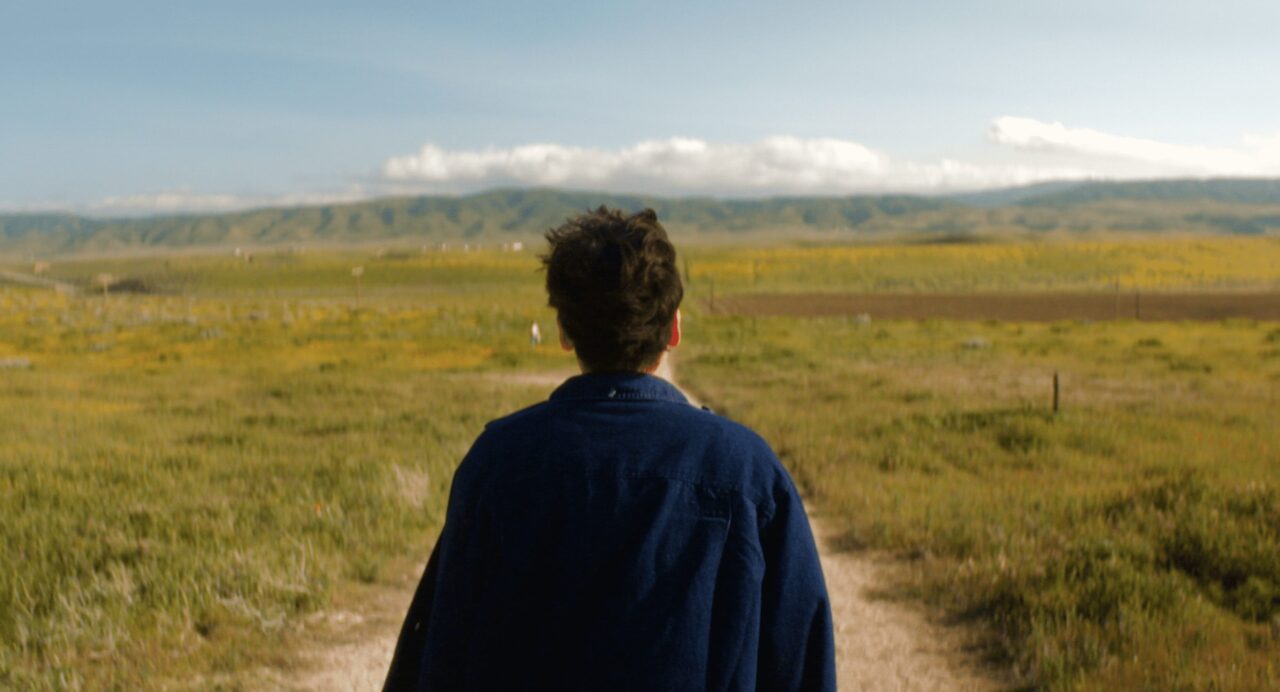
'Anywhere the Wind Blows' Review: A Second Chance at Life & Love
Jay Liu draws inspiration from his community to tell the story of an exiled, young political refugee in his directorial debut, Anywhere the Wind Blows. The writer/director, who is of Hong Kong descent and living in the United States, delicately weaves themes of oppression, queerness, and heartfelt dilemmas into the neatly packaged 18-minute short film. Anywhere the Wind Blows is a timely film that reflects the current political environment we all find ourselves in today. Using a visual medium to make a statement, Jay Liu gives audiences another perspective on the effects of political persecution.
Fleeing Hong Kong for Los Angeles
Images of frontline political conflict in Hong Kong flood Alex's (Glen Wong) mind as he walks down a busy street in Los Angeles. Hong Kong is constantly in the political activist's thoughts ever since he moved to the United States from Hong Kong two years ago to avoid political persecution. His relocation was sudden and, despite success at rebuilding his life in a new city, Alex can't help but still feel like a sense of closure is missing.
On this particular day, Alex has plans to reunite with his ex-boyfriend (Ray Kam) from Hong Kong who happened to be in town on a business trip. Two years since their breakup and Alex's move across the globe, their initial meeting is, understandably, a bit awkward. However, after a couple of vodka martinis, Alex wonders if it's possible to rewrite the past and start anew. But even if it was possible, does he dare settle for the comfort of his familiar past, or should he follow his instincts and push forward toward an uncertain yet hopeful future?
Rich Visual Storytelling
Anywhere the Wind Blows offers audiences a rich cinematic aesthetic with its strong color grade and confident cinematography. The film really comes alive during its more theatrical moments, such as the dance club that transforms into a street protest. The dreamlike sequence plays with a trancelike fluidity and feels wise beyond its years. All around, from story to execution, Anywhere the Wind Blows is an impressive output.
Takeaway
One of the film's most powerful takeaways is the graceful acceptance of second chances. Alex initially made a rushed decision to leave Hong Kong out of fear. Now, staring his ex-boyfriend in the face, Alex is confident enough to make future decisions from a place of strength. It's a good reminder that it's never too late to follow your intuition, no matter the situation.
Anywhere the Wind Blows is produced through the USC School of Cinematic Arts. The film was selected to screen at this year's American Pavilion Emerging Filmmaker Showcase at the 2024 Cannes Film Festival.
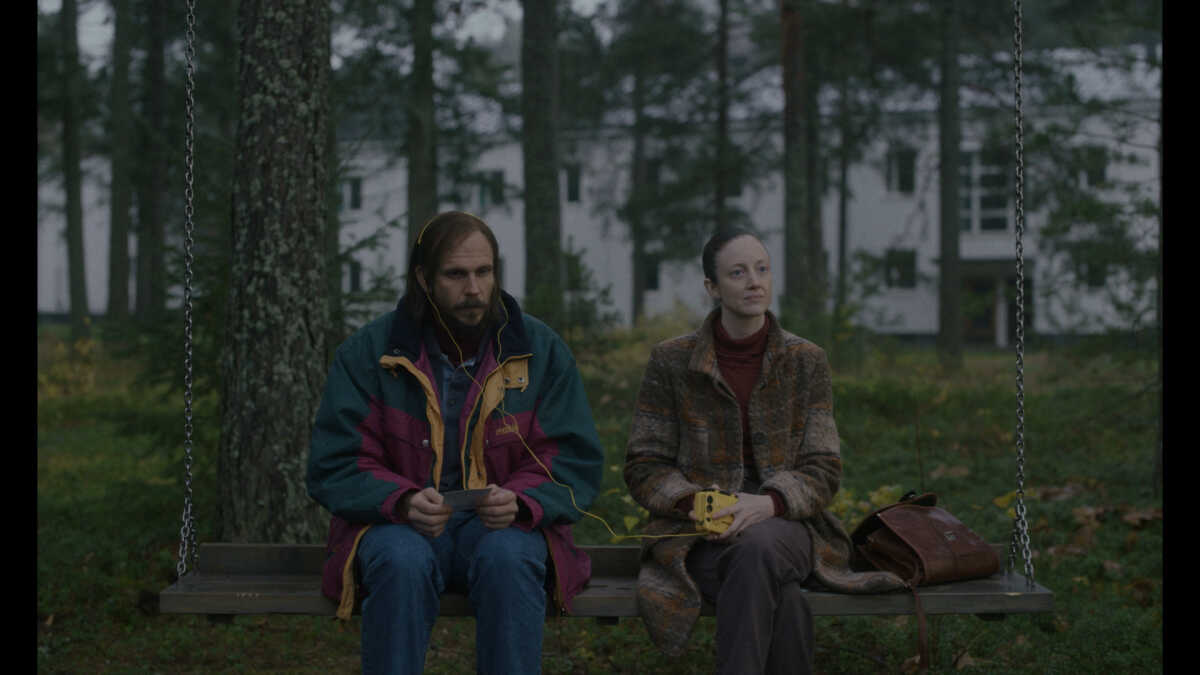
'What Remains' Review: The Harrowing Story of Sweden's Most Notorious Serial Killer
Inspired by true events, What Remains tells the harrowing story of a mentally ill Scandinavian man who confessed to, and was convicted of, more than 30 murders of young boys. Based on the life of Sweden's most notorious serial killer Thomas Quick, filmmaker Ran Huang avoids turning this emotionally fraught story into a showy spectacle. It can be argued that the true crime genre, as a whole, has become "Netflix-ified," catering to audiences who crave easily digestible, pop culture content over the more mundane reality of police investigations. What Remains is not an easy watch in any sense. It is dark, voyeuristic, and devastating. It is also an interesting meditative study of the effect trauma has on memory, and how the body keeps the score.
An Unsolved Disappearance Threatens a Massive Unraveling
Mads Lake (Gustaf Skarsgård) has been held in a Scandinavian psychiatric hospital for years after being convicted of molesting multiple young boys. Recently, though, his chance to start over and rejoin society is actually within reach. The thought both excites and terrifies him. Mads currently exists in the world as a shell of a human. He has hollow eyes and a shaky voice that barely registers above a whisper. His long, stringy hair and unkempt appearance show obvious signs of depression and defeat. His look is the epitome of a guilty man.
This is also the impression he gives his therapist Anna Rudebeck (Academy Award-nominated Andrea Riseborough) upon their first meeting. However, she can see through Mads' physical appearance as she gently digs into his past in search of the canon event that altered his life. It's not long before she discovers that Mads was sexually abused as a child by his father. Hearing this, Anna stays neutral and non-judgemental, offering patience and grace. However, Officer Soren Rank (Stellan Skarsgård) has a less lenient approach. His only goal is to get to the truth of the unsolved disappearance of a six-year-old boy that Mads may have been involved in.
Anna and Soren's opposing viewpoints sometimes lead to tense conversations, which only makes Mads' memory murky. Did he kill this boy, and the others he abused? At first, Mads is adamant he had nothing to do with this boy's disappearance. But as evidence is produced that seems to claim otherwise, Mads begins to question everything he thought he knew about himself.
A Skarsgård Family Affair
What Remains is a bold directorial debut for Ran Huang, whose only previous credit includes the 2014 short The Administration of Glory. Most notable is the deliberately slow pacing, almost leaning into director Apichatpong Weerasethakul's territory. For a high-intensity, high-stakes thriller, Ran Huang unfolds the narrative beats in What Remains with almost too much restraint. Running two hours and six minutes, a tighter edit could have offered a stronger thrill component to the story. As it currently plays, the abundance of silence dilutes the tension.
The darkness of the subject matter equally matches the film's visual aesthetic. The score, composed by Ben Frost, includes limited cues. But when the intensity of the music starts to creep in, it effectively shifts the whole mood. It's also worth pointing out that What Remains is a family affair for Sweden's royal family, the Skarsgårds. Not only does Stellan and his son Gustaf star in the film but Megan Everett-Skarsgard (Stellan's second wife and Gustaf's stepmother) co-wrote the screenplay.
Takeaway
Again, What Remains is not an easy watch, but it does offer a fascinating look at procedural psychology in action. The performances are steadfast and strong, which is to be expected with the Skarsgård family. Its darkness may be a tough sell but if you're interested in a unique approach to the overdone serial killer story, What Remains may be for you.
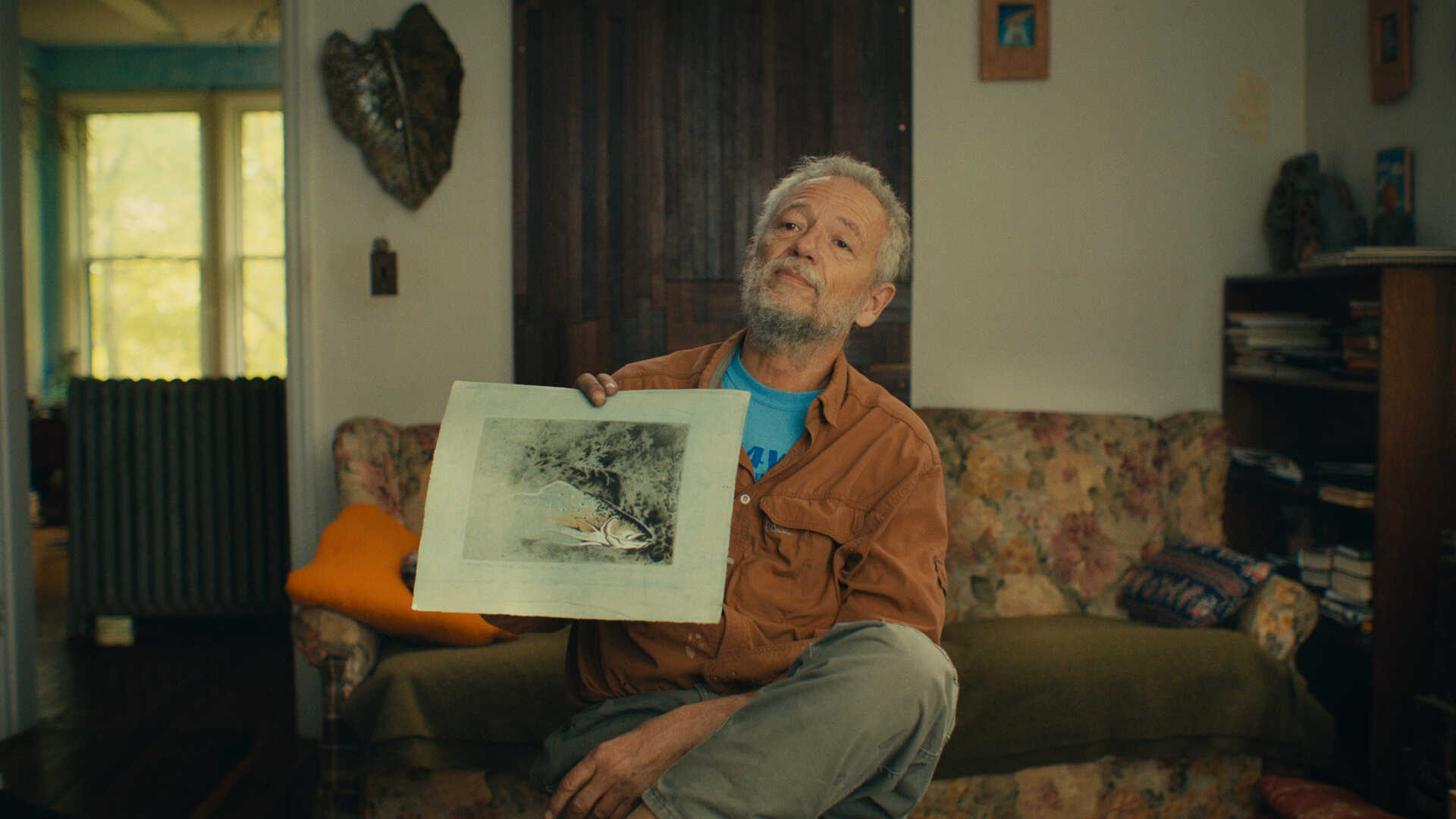
'A Two Hearted Tale' Review: The Craft Beer Revolution is Coming and it Starts With the Label
When discussing craft beer, most of the time the conversation centers around the taste and quality of the beverage. In co-directors Bret Miller and Rory McHarg's short documentary A Two Hearted Tale, they ponder a more philosophical question: What makes a good beer label? The answer, they come to, is escapism. Featuring Ladislav Hanka, the eccentric artist behind Bell's Brewery's famous label the "Two Hearted Ale", for which the documentary's name is inspired, A Two Hearted Tale explores how beer can be more than just an adult beverage but a fascinating story.
Dave Chappell famously asked for a Bell's Beer during a comedy set and pointed out its unusual label. “Why the hell did you put a fish on the label?”, he exclaimed aloud to much laughter from the crowd. It is a good question, why a fish? For the answer, the label's artist Ladislav Hanka goes into colorful detail about his storied career in animation and the early lessons from childhood that shape his art today. He also speaks to drawing–pun intended– inspiration from John Voelker, author of Trout Madness and Anatomy of a Murder, a former Supreme Court Justice who quit his job in order to live a simpler life. A running theme in his work centers around the simplicity of life, a vibe that Bell's Brewery and their signature beer label, the "Two Hearted Ale", want to align with.
Watch A Two Hearted Tale trailer here.
A Fascinating Peek into the Advertising Industry
Bell's Brewery is considered the pioneer of commissioning artists to create labels for their bottles. Unlike traditional beers like Coors or Budweiser, the "Two Hearted Ale" takes the drinker on a journey. Additional interviews with craft beer connoisseurs go into further detail about the history of the label and their plans for the future of Bell's Brewery.
A Two Hearted Tale has an edgy, contemporary feel to it, almost playing more like a piece of branded content than a traditional film. It is engaging from start to finish, both visually and narratively. Due to the abundant and intricate discussions surrounding the themes of art and design, A Two Hearted Tale also offers a fascinating peek into the advertising industry.
Takeaway
Made with compassion and genuine curiosity for the art of design, A Two Hearted Tale is a wonderful story about discovery and self-actualization. This is the start of the craft beer revolution, and Bell's Brewery is leading the charge by showing the world what a beer label is capable of.
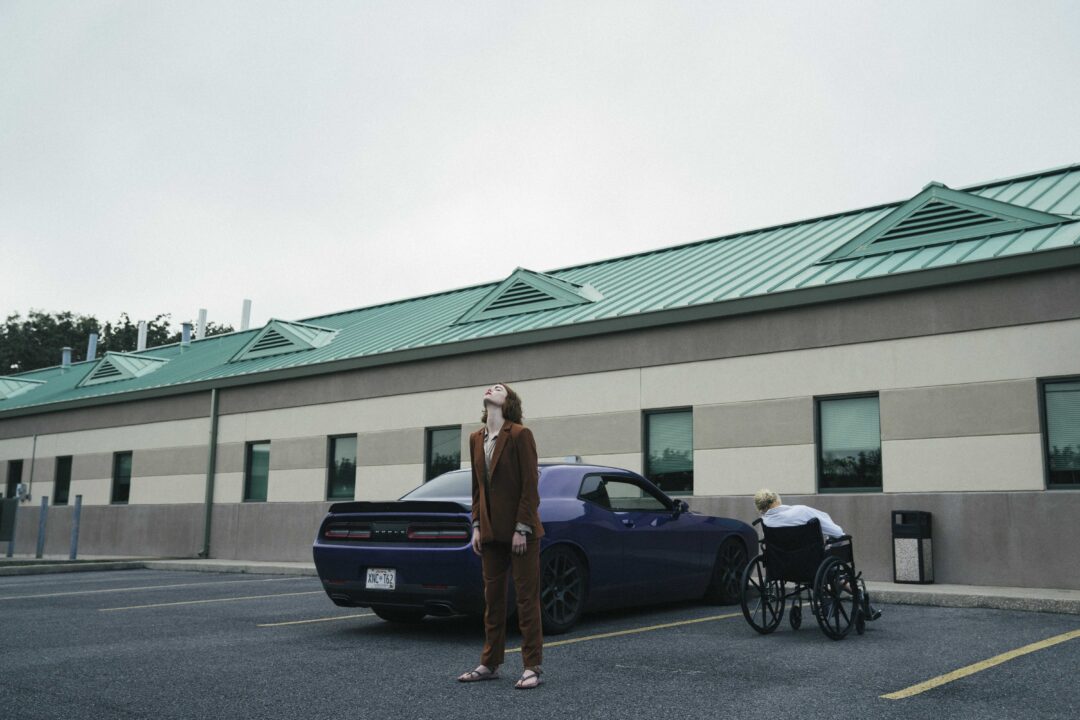
'Kinds of Kindness' Review: A Twisted Anthology of Artful Mayhem
Despite its weird and oftentimes head-scratching moments, one thing is clear: Kinds of Kindness is made by a man who absolutely loves cinema. Yorgos Lanthimos, director of my favorite film The Lobster–as well as Academy Award-winning Poor Things and The Favourite–cooks up a smorgasbord of eccentricity and kookiness in his latest work, Kinds of Kindness. It does have a lengthy runtime of 2 hours and 45 minutes but the film surprisingly breezes by with uncompromising energy. Kinds of Kindness is a film you may not completely understand, but it's surely one you will not forget.
The Less You Know, The Better
Like a gothic Wes Anderson anthology on ketamine, Kinds of Kindness is a very different movie for Lanthimos. Instead of following a traditional narrative structure, the film is broken up into three distinct short films that seem to have no correlation to each other. The cast includes Emma Stone, Jesse Plemons, Willem Dafoe, Margaret Qualley, Hong Chau, Mamoudou Athie, and Joe Alwyn (with a brief appearance by Hunter Schafer). The actors appear in each film but play different characters, completely unrelated to each other. It's quite engaging and often hilarious, much like how the cast of SNL fluidly jumps in and out of different scenes and personas.
The first in the anthology, "The Death of R.M.F.," tells the story of a wayward man (Plemons) who struggles to regain control of his life, ultimately facing the mercy of his unsympathetic boss (DaFoe). In the second film, "R.M.F. is Flying", a police officer (Plemons) is reunited with his wife (Stone) but questions whether the woman really is who she claims to be. The third film, "R.M.F. Eats a Sandwich", stars Plemons and Stone again, this time as brainwashed cult followers who are on a mission to find the next spiritual prodigy. Of all three films, the second one stands out as most in line with Lanthimos' earlier Greek "weird wave" classics. Emma Stone's physical comedy shines here, proving that her partnership with Yorgos Lanthimos continues to strike gold.
Despite the seemingly incompatible narratives, some common themes and symbols are present. The purpose of dreams, fragility of identity, sexual exploration, and vulnerability in the form of walking barefoot appear in various ways throughout the film.
Riding the Greek Weird Wave
Lanthimos and co-screenwriter Efthimis Filippou re-team with many familiar faces from their recent Oscar-winning Poor Things (I can't imagine how everyone had time to make this movie in between production and awards campaigning!). In addition to Emma Stone and Willem Dafoe, he notably enlists cinematographer Robbie Ryan, editor Yorgos Mavropsaridis, composer Jerskin Fendrix, and sound designer Johnnie Burn to help bring Kinds of Kindness to aesthetic perfection. It's worth pointing out that, unlike the sonically flamboyant score in Poor Things, Jerskin Fendrix takes a much more restrained approach here. All three films embody the same off-key, eerie piano melody, akin to if your cat started walking across a keyboard.
Yorgos Lanthimos' love affair with the craft is on full display, enough to make every cinephile giddy with excitement. There is enough of his classic styling, like signature angular framing and intense closeups, to allow fans to find comfort in the familiarity and just enough disruption to push boundaries. All that to say, Kinds of Kindness isn't exactly an "enjoyable" movie to watch, rather, it's wholly fascinating. The distinction here is specific; it's not a film I'm rushing to rewatch soon but that might be because I still can't stop thinking about it.
It's worth sharing a quote from Yorgos that opens the press notes: "Sometimes you just need to be ridiculous in order to achieve what we're trying to achieve."
Takeaway
If you take away anything from my review, let it be this: It is a long movie but don't make the mistake of leaving before the credits! While I admit that the surprise final scene didn't answer all of my lingering questions about how everything ties together, it did offer a very crucial nugget of information that made me nod my head in appreciation of the long game that Lanthimos plays all throughout Kinds of Kindness. Checkmate, Yorgos.
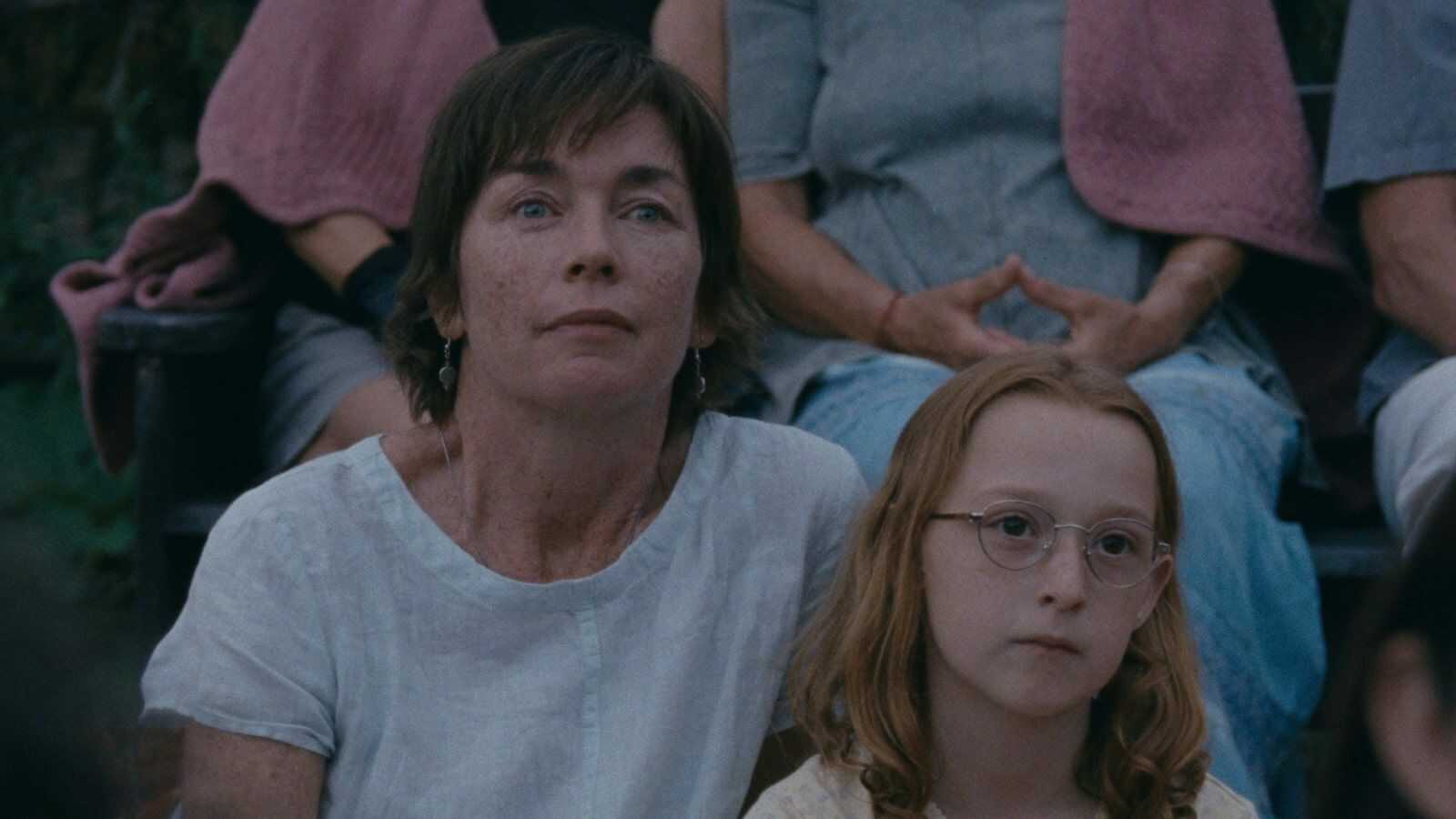
'Janet Planet' Review: A Charming Meditation on Mother (and Child) hood
Julianne Nicholson is one of those actors who, anytime you see her name in the credits, you can trust that you're likely to witness a truly great film. Janet Planet, the impressive feature debut from writer/director Annie Baker, doesn't just meet this expectation, it surpasses it. Distributed by A24, Janet Planet is a tenderly told, slice-of-life film about a middle-aged single woman and her inquisitive 11-year-old daughter who show up for each other in different ways.
Summertime and the Living's Easy
It's the summer of 1991 in rural America. Western Massachusetts to be exact. Janet (Julianne Nicholson) and her boyfriend of the moment have just picked up her daughter Lacy (Zoe Ziegler) from summer camp, weeks earlier than intended. Lacy is a self-aware, quiet kid who–anticipating that she wouldn't make friends quickly enough–drastically calls home in an attempt to avoid the embarrassment of summer camp isolation. On their way back to the family home, Lacy stares out of the backseat car window. The warm breeze blows down the highway while the radio plays a distinguishable tune. Lacy feels settled once again, knowing she is back with her mom for the rest of the summer.
The summer months play out onscreen through various relationships Janet engages in, both romantic as well as friendships. When three visitors enter Janet's orbit, and by proxy Lacy's as well, they bring out different sides of the mother/daughter duo. The way each person affects Janet and Lacy is captured with slow and steady precision. Janet camouflages into a caretaker, a lovesick romantic, and a loyal disciple depending on who she spends her time with. It becomes clear that despite lacking unwavering confidence, Janet is always just trying to do what she thinks is right. Lacy is reactionary to her mother's personality shifts, as any child would be. By the end of the summer, Lacy realizes that she is morphing into her own unique existence, independent of her mother's adult world.
The Organic World and Sound of Janet Planet
Encapsulated in warmth and earnestness, the film's best moments come as we observe Lacy letting her imagination run wild. Interpreting the world through her eyes as she attends hippie dance performances and eavesdrops on grown-up conversations, Lacy's childlike wonder and unassuming naivety hit the right sweet notes. I have a feeling Lacy and Olive from Little Miss Sunshine would have become best friends forever.
Contrary to the assumption, Janet Planet moreso follows the character development of Lacy than Janet. However, it's Julianne Nicholson who anchors the film with her quietly commanding presence. She can tell a full story through facial expressions alone. Her charisma and authenticity ring true with fierce tenacity.
The world of Janet Planet is unlike anything I've seen this year. Baker's vision for an organic, immersive experience is almost trancelike in its ability to transport audiences into the scene. Notable factors include the production design of their house in the woods, overseen by production designer Teresa Mastropierro, art director Thomas Slattery, and set designer Danica Chipman. Forgoing a traditional score in favor of mostly diegetic sounds and field recordings, the sound of Janet Planet reflects the loneliness and purity of the central characters. It's a genius choice, helmed by sound designer Paul Hsu, that tips the film into greatness.
Takeaway
Janet Planet is a deliberately slow-paced film about evolving into one's own person. The mother/daughter bond is sacred for so many, the process of finding individuality within this relationship is a universal experience. Through beautiful performances, a sensitive script, and breathtaking design, director Annie Baker crafts one of the most tender and unifying films of the summer-yet alone, the year.
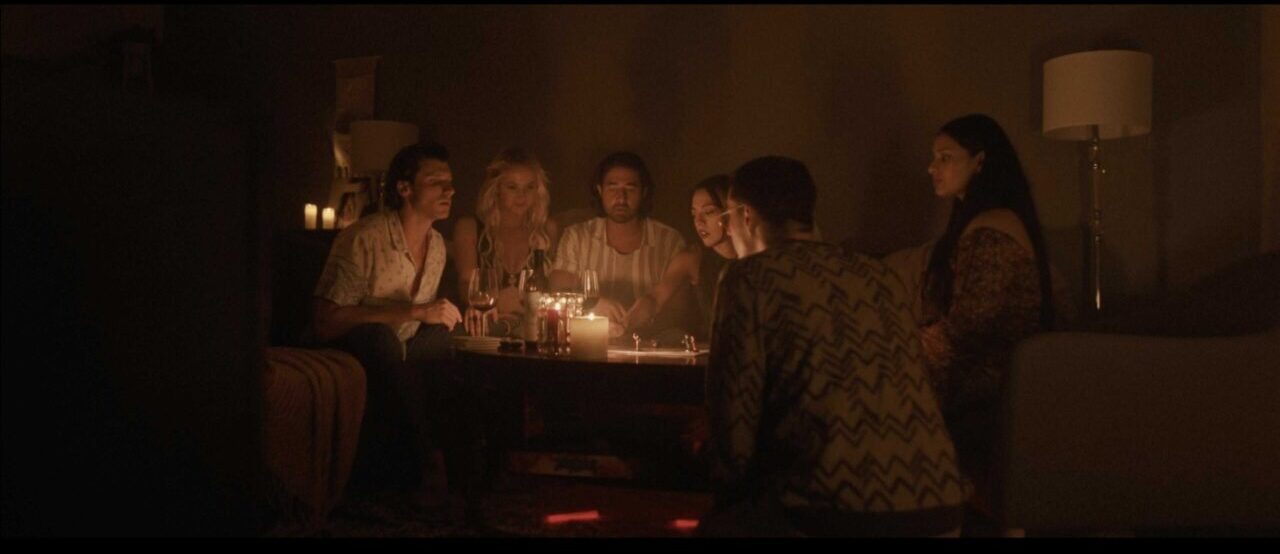
'Stupid Games' Review: Love is a Losing Game in This Indie Horror
"Play stupid games, win stupid prizes" is a phrase often used as a warning that one should heed as cautionary. Co-directors Nicolas Wendl and Dani Abraham embody this infamous adage by creating cinematic suspense in the indie horror, Stupid Games. Equal parts psychological thriller and paranormal fright film, Stupid Games is a modest yet highly executed feature that thrives off of its tight-knit cast, well-balanced screenplay, and smart use of light and shadow.
Dinner Party From Hell
It's late one night as two friends, Jaxon (Saad Rolando) and Rex (Gage Robinson), make their way over to Celeste's (Alyssa Tortomasi) apartment, Jaxon's on-again, off-again hookup buddy. Jaxon and Celeste's relationship recently went through a rough patch after she ghosted him for weeks but now she seemingly wants to make amends by inviting him and his friends over for a dinner party. Celeste is adamant that Jaxon bring two, and only two, friends with him to balance the ratio for her two roommates. When the third friend cancels en route to the party, Jaxon and Rex get desperate. Not wanting to break their promise to the girls, the guys recruit Stanley (Grant Terzakis), a man they find in the apartment building, to accompany them to the dinner party.
Once the guys arrive, Celeste, her roommate Riley (Cass Huckabay), and their friend Mia (Ashwini Ganpule) greet them. The night starts innocent enough with couples pairing off organically. Just as the group gets into lively conversation over glasses of wine, the apartment loses power. The girls assure the guys that this happens frequently and suggest they stop dinner and play board games by candlelight until the electricity turns back on.
Darkness Brings The Demons
They settle on a game that seems innocent enough. However, the guys quickly start to notice strange, unexplainable glimpses of paranormal activity throughout the apartment. Then–like a record scratch–the girls' facade suddenly strips away, uncovering their ulterior motives as the night descends into madness and witchcraft. The only way to end the chaos and break the spell is to finish the game but the question of who will make it out alive remains to be seen.
Stupid Games, written by Tanner Adams, takes place predominantly in a single location over the course of one night. This intimate setting further adds to the foreboding claustrophobia of the evening's events. The composer behind the evocative and eerie score, Darren Wonnacott, crafts heightened tension, especially during the board game scene. The film's theme, a minor-note simple melody, is darkly unsettling and completely enjoyable. Cinematographer Christian Klein uses the film's themes of darkness to his advantage as he incorporates beautiful shadow work into nearly every scene. The orange hue from the street lamps to the wax candles surrounding the interior of the apartment clearly sets the tone that audiences are in for a nighttime nightmare.
Takeaway
Similar to classics like Jumanji and Practical Magic, Stupid Games shows how evil can lurk in unexpected places. It also stands as a cautionary tale to think twice before agreeing to participate in any stupid games, or a stupid prize may be the least of your worries.

'Rebel Country' Tribeca Review: Exploring Country Music's Evolution
From Lindsay Ell to Lil Nas X, country music has gone through one incredible makeover in recent years. The long-held stereotype that the genre has previously faced of being racist, bigoted, and politically right-leaning seems to, thankfully, now be a thing of the past. It's safe to say that the tides started changing in 2019 when Lil Nas X burst onto the scene with his hit Old Town Road. Who could have guessed that a queer, black rapper would have dominated the charts and changed the trajectory of country music forever? In Rebel Country, directed by Francis Whately (David Bowie: Five Years, Dolly Parton: Here I Am), a handful of culture changers and country music artists set the record straight on the exciting state of the genre today.
Music for the Outcasts
Country music has always been a home for the outcasts, the rebels, and those who challenge the status quo. It is an outlet for creative storytelling through heartfelt lyrics and catchy chord progressions. Following in the footsteps of legendary crooner Johnny Cash, Rebel Country opens with CMT Music Award-winning musician Jelly Roll performing Folsom Prison Blues to a crowd of inmates in the prison where he used to be incarcerated. Going from criminal to celebrity is a humbling and hopeful trajectory that Jelly Roll reiterates, through his music, is possible. Not fitting into the mold is almost a requirement to be a successful country star. This sentiment is echoed by Jelly Roll, along with Blanco Brown, Breland, Lainey Wilson, Sam Williams, Lindsay Ell, and more as they share their stories of finding refuge in the country music community.
Whose Country is It?
There is no doubt that country music is far more diverse today than ever. However, that doesn't mean that the genre is free from criticism. An obvious example that the documentary explains in depth is Lil Nas X's debut Old Town Road, and how it was rescinded from appearing on the Country Billboard chart due to not being "country enough." Lil Nas X opened Pandora's box, showing that the future of country music didn't have to revolve around heterosexual, midwestern white men and women. His presence on the scene allowed Black and Mexican-American artists like Breland and Frank Ray to finally see themselves reflected in the community and feel confident pursuing their own musical ambitions.
Takeaway
Despite its progression, Rebel Country is quick to confirm that the genre's target audience is still the same. Country music still is–and always will be–music for the outsiders and misfits. After watching Rebel Country, which recently premiered in the Spotlight+ competition of the Tribeca Film Festival, it's easy to see why many believe country music is the future.
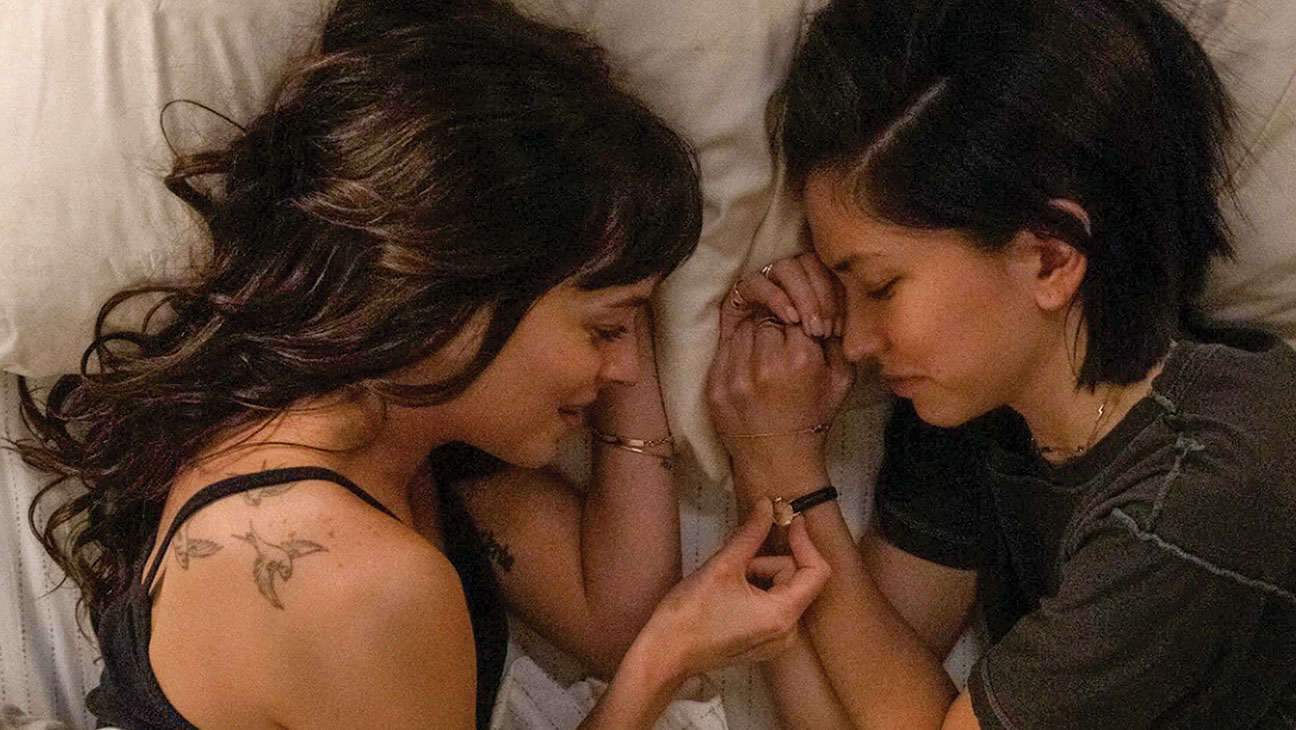
'AM I OK?' Review: Dakota Johnson Explores Her Sexuality
It's a full-circle moment for Tig Notaro and Stephanie Allynne. The real-life couple, who first met on the set of the 2013 Sundance selection In a World... return to the festival as evolved women: now married, and bringing their directorial feature debut, AM I OK?, with them.
Even if you aren't familiar with stand-up comic Tig Notaro & actor Stephanie's real-life love story, you'll find there is a lot to admire in their new film. Born out of the duo's personal vulnerabilities around self-discovery and acceptance, it's their authentic point of view that makes AM I OK? a satisfying film debut. Although a little simply conceived, AM I OK? is a tender and tonally-confidant first feature.
Finding Yourself at 32
Lucy (Dakota Johnson) and Jane (Sonoya Mizuno) are best friends. No one understands each others' lunch orders or inside jokes better than they do. The earliest hint of a strain in their relationship comes when Jane tells Lucy some unexpected news: her company has given her relocation orders and she'll be moving from Los Angeles to London in a few months.
Lucy is taken aback; she tries her best to be happy for her friend but deep down, she's terrified that their relationship will change forever. With time now ticking against them, Lucy also musters up the courage to share something she's never admitted before: she's gay.
Equally taken aback by this confession, Jane swiftly makes it her mission to help Lucy feel confident exploring her sexuality before she leaves for London. But Lucy is a bottle of anxiety, which causes her to overthink every interaction with her cute co-worker Brittany (Kiersey Clemons). Lucy is angry, frustrated, and sad. How, at 32 years old, is she just admitting this out loud now, she bemoans. Lucy's insecurities eventually take their toll on Jane, which causes a rift between the girls as the London countdown looms closer. The film ends on a slightly predictable note but the heartwarming sentiment is more than enough to have us invested up until the very end.
Shoutout to Silverlake
Sundance darling Dakota Johnson embodies the conflicted Lucy with such grace, that it's impossible not to sympathize with her struggles. Her typically quiet demeanor is stretched in unfamiliar ways, as we see her weeping in bathroom stalls and having explosive public arguments. Dakota proves that she can hit any note on the emotional spectrum. Sonoya Mizuno plays Jane with such loyalty and tough love, that we'd all be lucky to have a best friend like her.
Stylistically, notable moments include the spot-on soundtrack curated by music supervisors Randall Poster and Meghan Currier. Phoebe Bridgers' Motion Sickness and ROE's Etc Etc fit like missing puzzle pieces in its script. (It's also incredible to see many scenes take place at my favorite LA bar/restaurant, Edendale!)
Takeaway
AM I OK? is a love story about female friendship and the strength it takes to be honest with yourself. As Lucy learns through her highs and lows of self-discovery, fear shouldn't dictate the choices you make. Yes, it's scary to face rejection or disappointment but it's even more terrifying to look back on life and realize you've missed out on what you truly wanted.
This review originally ran on January 25, 2022 during the Sundance Film Festival.