
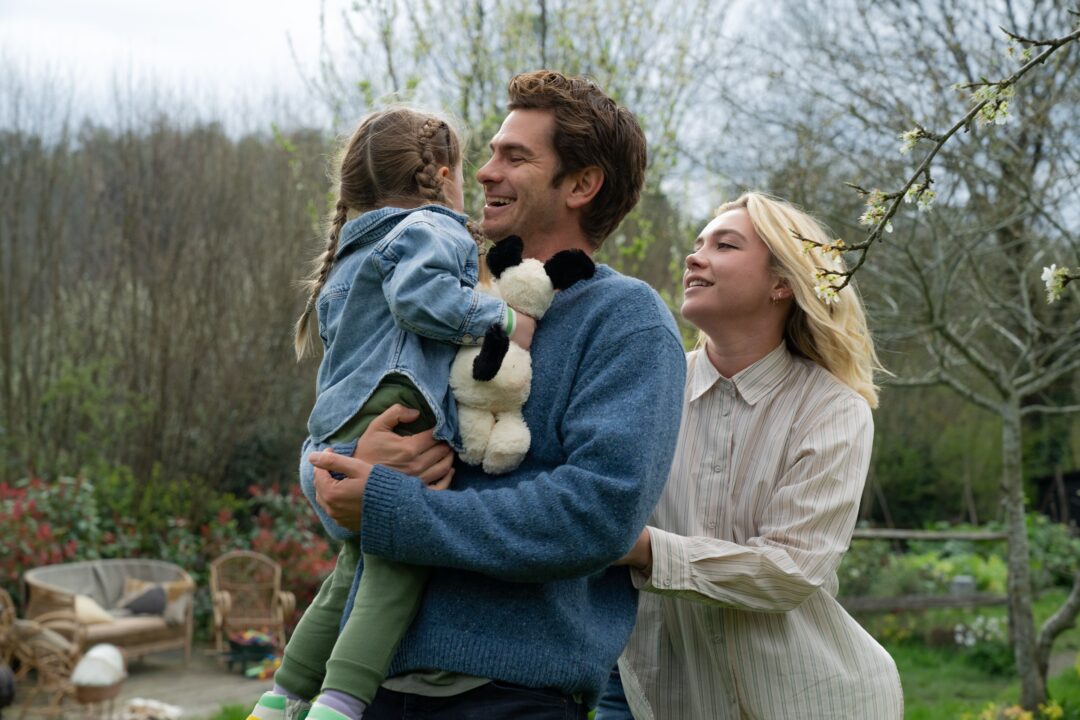
'We Live in Time' Review: An Emotional Rollercoaster for Hopeful Romantics
Falling in love comes with its fair share of risk. There are many unknowns to consider at the beginning of any relationship, including intention, longevity, and shared future goals. Statistically speaking, cultivating a successful long term relationship is a rare event! But when you meet your soul mate–your person– suddenly, the risk becomes worth taking. No challenge is too difficult when you're facing it together. In the heart-heavy drama, We Live in Time, a couple is forced to re-evaluate major life decisions after a cancer diagnosis puts an expiration date on their future.
A Love Story Takes a Devastating Turn
Directed by John Crowley (Brooklyn), We Live in Time stars Florence Pugh and Andrew Garfield as partners who attempt to make the most of their time together after receiving devastating news. Told in a non-linear structure, the film begins with Almut (Pugh) learning that her ovarian cancer has returned. This time, it has metastasized to Stage 3. Having already fought and beat cancer once, the thought of doing it all over again is exhausting. She proposes an unorthodox idea to Tobias (Garfield): what if she skips chemo and together, they make the most out of 6 really good months rather than 9 months of chemo-ridden horrible ones?
From here, the film jumps backward in time to tell each character's backstory. Almut is a professional chef and Tobias is a recent divorcee. They were never destined to cross paths until their unconventional meet-cute when Almut accidentally runs Tobias over with her car. After the pain meds wore off the sparks flew, and the unlikely couple proceeded to have a whirlwind romance.
Of course, they had their share of hard moments too. The most challenging moment comes when Tobias asks about Almut's desire for children since he sees fatherhood in his future. The question puts Almut off, and their relationship dramatically hits the brakes. But when Almut falls ill and is told by doctors that she has ovarian cancer, putting her childbearing chances near zero, she realizes that actually does want a family with Tobias one day. It's the classic you want what you suddenly can't have.
"It's OK Not to Be OK"
When the film cuts back to the present day, Almut and Tobias are raising their daughter together. Mindful that their time as a family of three is limited due to Almut's diagnosis, Tobias makes sure they prioritize quality time. Almut, however, is more compelled to work and spends hours a day preparing for an upcoming invitation-only culinary competition. Tobias is enraged, hurt, and devastated. When questioned why she prefers to spend time in a kitchen over her own family, Almut gives the most painful answer: "I can't bear the thought of being forgotten."
The passion and competitiveness that makes Almut such a talented chef are, ironically, the same qualities that threaten to disrupt her relationship. Almut has been a fighter her whole life, which is why her decision to stop fighting the cancer is so devastating.
Strong Performances Energize an Otherwise Flat Script
We Live in Time is a fairly conventional romantic drama that could have benefitted from an infusion of energetic catharsis. While the subject matter is predominately melancholy, the film attempts to lighten the mood with humor. While some of the comedic moments land, more often than not they end up falling flat. At times, the editing could have been tighter to drive home a more powerful scene. The soundtrack, scored by Bryce Dessner, also comes across as too nice and bright for the circumstances. These few but important misses do a disservice to the film that, otherwise, seemingly had awards potential.
The chemistry on-screen between Pugh and Garfield is magnetic and undeniably the film's greatest strength. From the light banter to the more physically demanding scenes, they seem to tap into each other's subconscious minds to complement each other's performance perfectly. It's almost as if, in a past life, they were actually a couple. Florence Pugh is no stranger to the culinary world. If you watch her YouTube channel "Cooking With Flo" you'll understand why she is the perfect person to play Almut. Andrew Garfield leans into more of a modern-day Hugh Grant caricature playing Tobias. He leads with goofiness and is quite passive compared to Pugh's confident Almut. However, Garfield really comes alive when he embraces Tobias' bigger emotions, as seen in the unconventional birthing scene.
Takeaway
We Live in Time is an emotional rollercoaster ripe for hopeful romantics. It has a broad appeal which is fine for the status quo but I was hoping for an edgier, more artful approach. The film's potential outshines the end result and ultimately is quite predictable. Perhaps in the hands of a different director, the film would have harnessed the much-needed energetic spark it so desperately lacks. Almut's worst fear is being forgotten and, ironically, I fear We Live in Time will be forgotten amongst the sea of titles this year too.

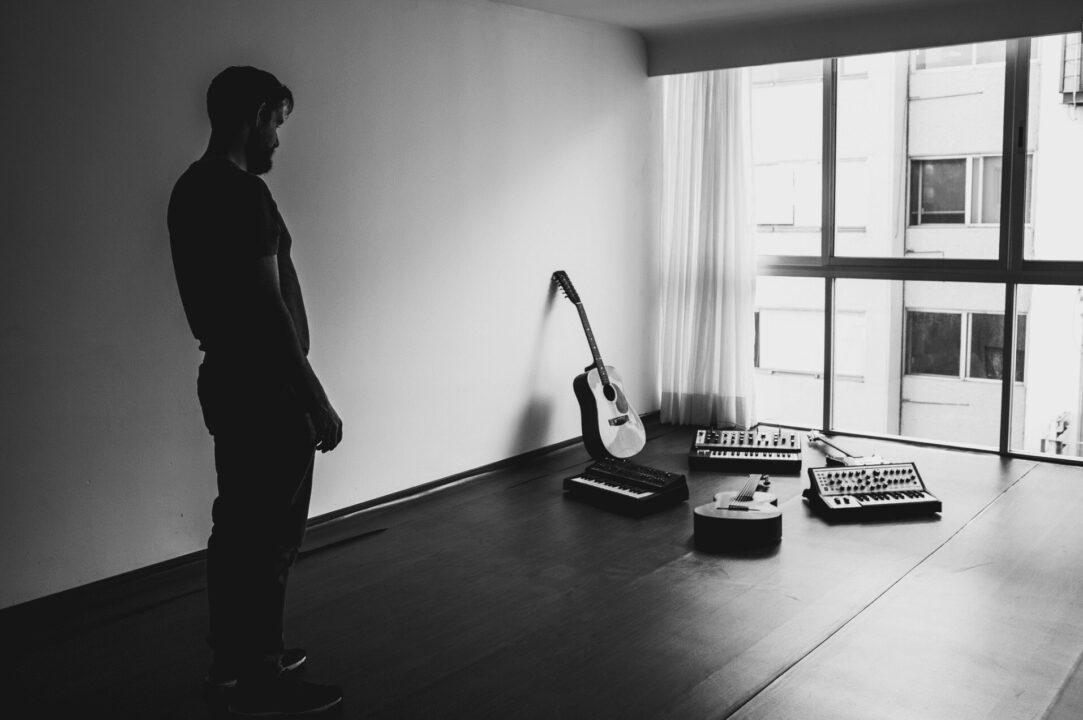
Tomás Barreiro Debuts Score from Hulu's 'La Máquina'
Composer Tomás Barreiro gives Cinemacy an early invitation to listen to his latest score for the newly-released series, La Máquina. La Máquina is a Mexican boxing drama that has already made history as Hulu's first-ever Spanish language series. Blending the familiar sounds and rhythm of Hispanic heritage music, Barreiro (La Cocina, Museo, The Good Girls) creates a standalone soundtrack that brightly evokes the spirit of Mexico. The six-episode series stars Gael García Bernal, Diego Luna, and Eiza González. It is available to watch now on Hulu (U.S.) and Disney+ (Internationally).
Hulu's First-Ever Spanish Language Series
After a devastating loss, Esteban “La Máquina” Osuna (Gael García Bernal) is at a low point in his boxing career. Lucky for him, his manager and best friend Andy Lujan (Diego Luna) is determined to get him back on top. But when a nefarious organization rears its head, the stakes of this rematch become life or death. While struggling to mount a comeback, Esteban must also juggle his demons and protect his family, including his ex-wife Irasema (Eiza González), a journalist who finds herself on a collision course with the dark side of the boxing world.
Cinemacy is excited to premiere a Score Sampler from La Máquina, below:
The sampler features three tracks that cover the series' thematic spectrum. The first track, "Llegada De Felix" has a rhythmic drum beat that sounds similar to a traditional drum circle. The song is organic and animalistic. The second track titled "No Merecia Garnar" steers away from the heaviness of the drums and instead opts for lighter strings and piano. The result evokes feelings of tingly anxiety or anticipation. The final track, "Llegan A Feria" is a more classical composition. It involves slower pacing with a more balanced orchestral tonality.
Says Barreiro of his creative intention behind the score: “La Máquina sequences needed 3 basic musical materials… hectic drums for Andy’s frenzy, a gloomy one for the mind of Esteban, and a sarcastic almost shrine-like for Andy’s mother and their shallowness. All that mixed with Latino flavors in drums, percussion, and guitars make the score for La Máquina!”
About Tomás Barreiro
Born in Mexico City, Tomás Barreiro is a multidisciplinary composer whose work spans film, TV, theater, and live performances. In 2008, he was selected by renowned composer Steve Reich as one of four finalists for the prestigious Toru Takemitsu Composition Award in Tokyo. Reich gave Barreiro his seal of approval, stating he "has a very fine ear."
With over 15 years of experience in the cinematographic medium, Barreiro has contributed to over 20 feature films, both Mexican and international productions. These films include Güeros (2014), Museo (2018), and Verde (2016). He has received accolades throughout his career including Ariel and Fénix Prizes, Berlinale, and Toronto International Film Festival. Barreiro recently expanded his career to the United States, with productions like Bad Hombres (2020) a documentary directed by Andrew Glazer. Tomás Barreiro is a member of Sistema Nacional de Creadores de Arte, a program that reunites Mexico’s most distinguished artists. He also teaches film scoring at the Panamerican University in Mexico City, and Hidalgo State’s Music School.
'Piece by Piece' Review: A One-of-a-Kind Cinematic Journey Through Color and Sound
I'll admit, I was apprehensive about watching Morgan Neville's Pharrell Williams biopic Piece by Piece. I've been a fan of Morgan's work since he blew me away with 20 Feet From Stardom, so I did not doubt his capability to construct an emotionally charged music doc. My hesitation came from questioning how Pharrell wanted his story told; doing so exclusively through GCI Legos seemed nuts. Was this going to be a piece of branded entertainment disguised as a music biopic? My thoughts continued to swirl as the lights dimmed and the movie started. Within two minutes, any shred of uncertainty was transformed into full-blown captivation. I was officially hooked.
Stunning images feel like they're tangibly leaping off the screen, despite the film not being in 3D. Combined with nonstop musical numbers, Piece by Piece is a contagiously joyful cinematic experience. It will have you toe-tapping and head-bopping for the entire runtime.
An Animated Biopic of Pharrell’s Life That Redefines the Bounds of Conventional Storytelling
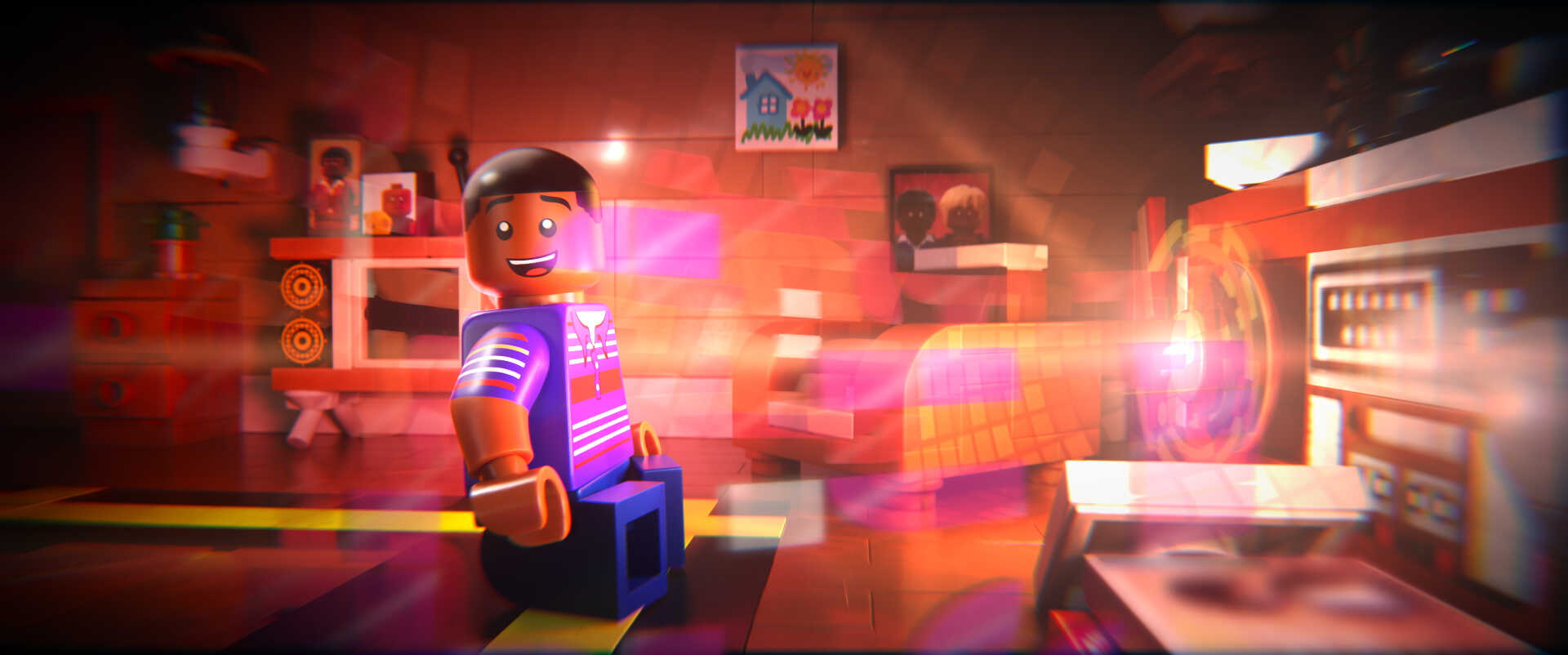
Pharrell, in Lego form, sits across from Morgan Neville, also in Lego form. They are sitting on a soundstage made entirely of, you guessed it, Legos. For as unconventional as the visual is, Piece by Piece follows familiar documentary pacing and formats. Starting with childhood ambition, Pharrell linearly reminisces through his young adulthood in The Neptunes, his rise to fame and eventual big break, and his subsequent existential crisis. This all culminates in a humble realization and gratitude for his talents and life.
If you're already familiar with the multi-hyphenate artistic wunderkind, Pharrell Williams, or have paid close attention to his career, you'll get a lot out of the intimate stories he shares about his early days in the music industry. On the off chance you've never heard Pharrell's name, I can guarantee you've heard his music. At one point in the film, a musical montage medley breaks out with all of the songs Pharrell has imprinted on. I found myself thinking "Oh yeah, Pharrell made that!". Familiar tunes include Britney Spears' "I'm a Slave 4 U", Snoop Dogg's "Drop It Like It's Hot", No Doubt's "Hella Good", and Kendrick Lamar's "Alright", plus so many more.
From playing a high school talent show with his Neptunes bandmate Chad Hugo to creating the world's biggest earworm "Happy" (from Despicable Me 2), Pharrell's talent is bar none. Music mesmerizes him and, quite literally, embodies a fantastic visual form. Pharrell experiences synesthesia and watching this play out on screen in Piece by Piece is a creative explosion of sound, color, and life.
Anyone From Anywhere Can Build Their Dreams, Brick by Brick
Director Morgan Neville's calm demeanor during their interview helps Pharrell feel at ease. This is important as they touch upon the more uncomfortable themes of imposter syndrome and uncontrollable ego. Pharrell breaks down the barrier of his celebrity as he talks candidly about The Neptunes disbanding, his insecurity masking itself as cockiness, and spreading himself too thin trying to be the best. Toward the film's end, he returns to his hometown in the projects of Virginia Beach to regain perspective. This reflection is an emotional moment that seems to get the better of Pharrell too. Although we can't physically see him begin to tear up, we hear the instability and vulnerability in his voice. That, and his Lego character's eyes begin to water.
Unconventional yet memorable, Piece by Piece acts is a return to form for Academy Award-winning filmmaker Morgan Neville. This unique Lego approach showcases the life and legacy of one of music's most prolific producers and encapsulates the kookiness that Pharrell himself embodies. The film also includes interviews (and Lego characters) of influential people in Pharrell's life, including his mom, dad, and grandma, high school classmates Missy Elliott, Timbaland, and Pusha-T, artists Jay-Z, Justin Timberlake, Madonna, and more.
Takeaway
Piece by Piece is a one-of-a-kind cinematic journey through color and sound that sparks imagination and creativity. "People just wanna feel good," says Pharrell about his music. In typical Pharrell overachiever fashion, watching Piece by Piece will not just make you feel good, it will make you want to perpetuate all the goodness you possibly can.
'I Don't Care If The World Collapses' Review: Reviving a Failing Film Shoot
A commercial shoot is interrupted when real life interferes with make-believe in director Karim Shaaban's short film, I Don't Care If the World Collapses. Inspired by true events from three years ago, Shaaban crafts a delicate conflict in which morals are tested. Taking aim at the dark side of the film industry, where making money often takes precedence over mental health, I Don't Care If the World Collapses shows the human casualties resulting from cold-hearted, capitalistic thinking.
Trying to Save a Commercial Shoot From Collapsing
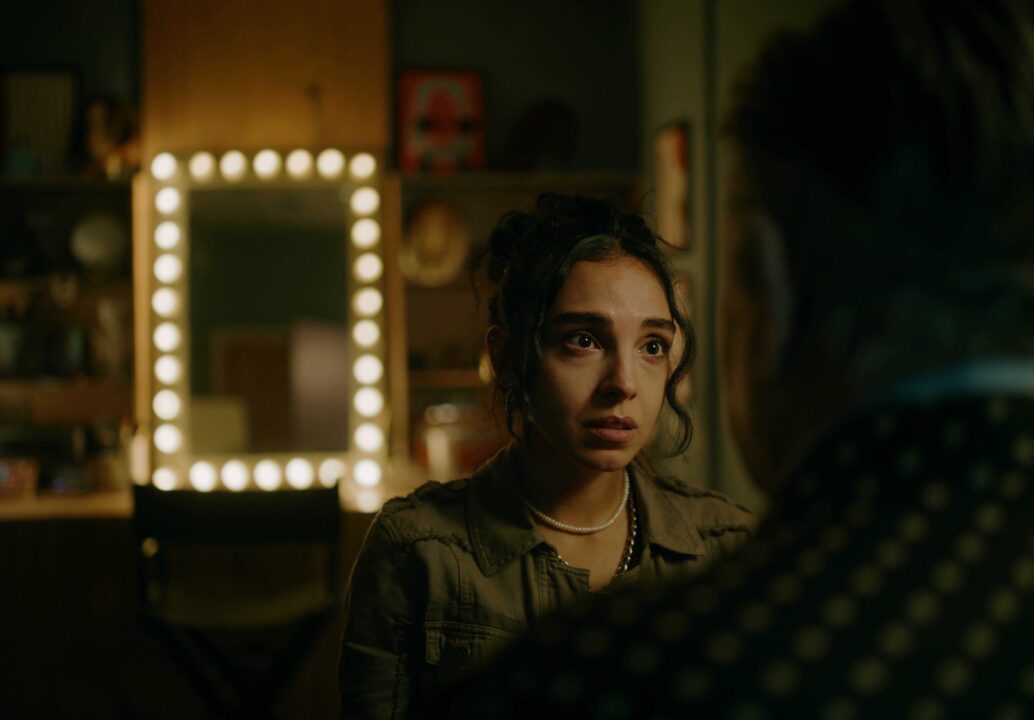
Loubina (Salma Abu Deif) arrives at her one-day commercial film shoot ready to jump into action. As the film's line producer, she is responsible for ensuring that everything runs smoothly and efficiently. Loubina sips her coffee as she chats with the lead actor (Emad Rashad), an older man who can hardly contain his excitement. He is a sweet soul and eager to please the director (Amir Salaheldin). All goes according to plan until the actor receives a life-shattering phone call and decides to leave mid-shoot, much to the director and producers' dismay.
The production manager (Emad El Tayeb) is furious, screaming that the tight deadline makes it impossible to reschedule the shoot. Plus, if they don't deliver the commercial on time, they're subject to a 10 million pound penalty. Therefore, the actor leaving the set is not an option. The actor, however, doesn't see it this way. He is going through an unexpected and tragic loss and believes empathy should take precedence over contracts. This leaves Loubina caught in the middle, torn between fulfilling her job responsibilities and convincing the actor to stay on set versus being a compassionate and decent human being and allowing him to leave.
The Grey Area of Responsibility
I Don't Care If the World Collapses is a beautifully constructed thought-provoking film about the burden of responsibility. From a craft perspective, the color grade is rich and dynamic, giving the film a dark cinematic look. The actors are choreographed in unique ways and perceived through intentionally interesting camera movements. The ensemble cast offers a gripping look at each character's perspective through their equally heartfelt performances.
Takeaway
Making its World Premiere at the 2024 Cleveland International Film Festival, I Don't Care If the World Collapses is a standout short film. Filmmaker Karim Shaaban creates a stunning and high-stakes world ripe with tension and empathy. It's an impressive film that will hopefully lead to a feature-length opportunity soon enough.
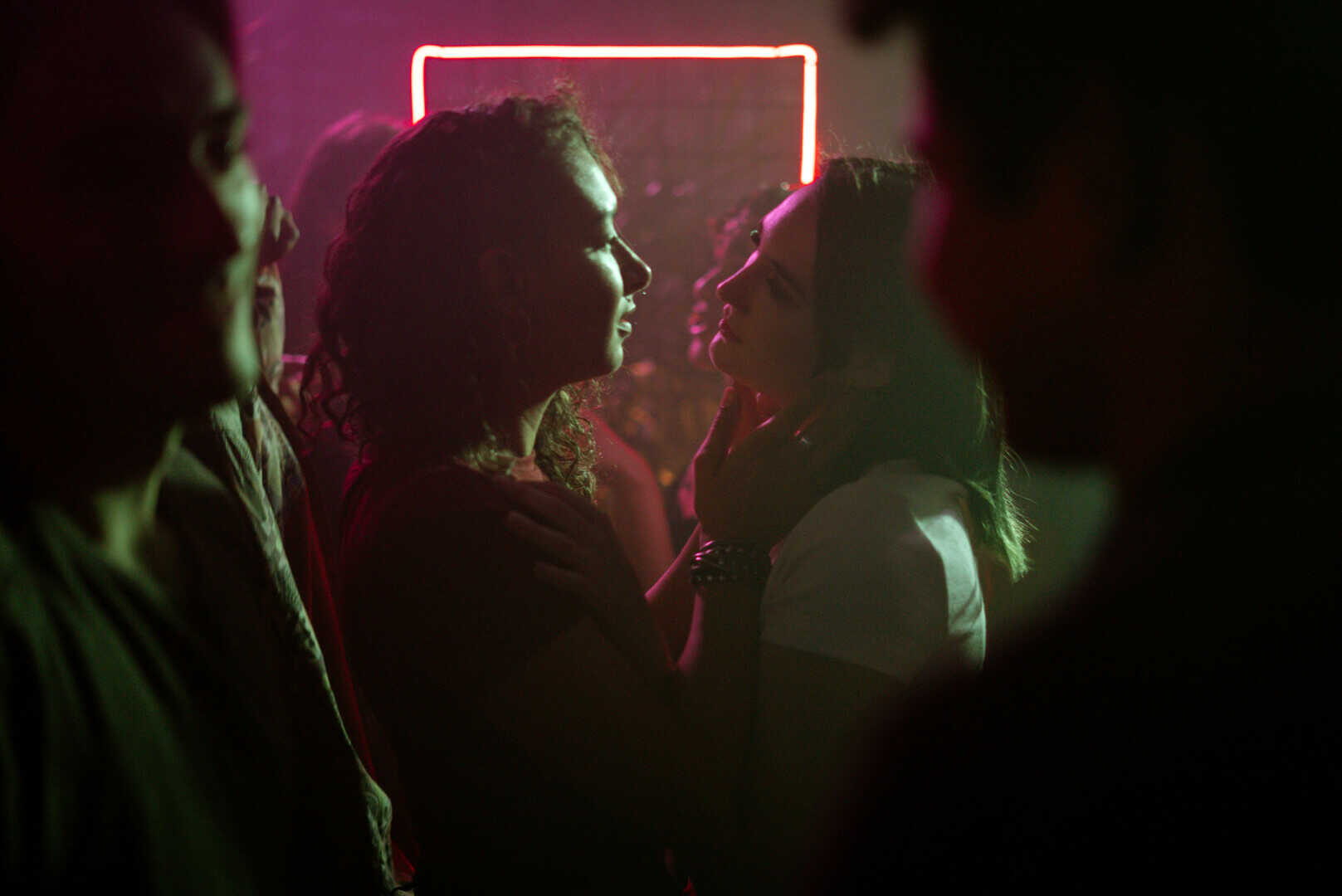
'The Low End Theory' Review: A Neo-Noir Set in LA's Music Scene
Director Francisco Ordoñez taps into the film noir genre to tell a modern-day story of hardship in The Low End Theory. Set in the Latinx and LGBTQ+ community of Los Angeles, The Low End Theory is a provocative look at the reality of desperation and the fight for survival. Co-writer and lead actor Sofia Yepes inspired the film's narrative after she shared a personal story with Ordoñez. He immediately connected with her experience and knew it had to be a film. Keeping in mind that this film has, to some degree, a true life aspect adds a layer of urgency to The Low End Theory that feels authentic.
In the Name of Love
Since returning from the armed forces and serving in Afghanistan, Raquel (Sofia Yepes) has had difficulty readjusting to society. She still carries the trauma of her experience, causing the flight or fight response in her nervous system to be overactive. Raquel works with drug dealers for some quick cash to make ends meet. However, she ultimately wants to create a sense of normalcy, and therefore, decides to focus on the next chapter of her career. She enters the music industry and finds her passion as a music producer in the low-budget hip-hop world. Her partner, Giselle (Ser Anzoategui), is loving and supportive of Raquel's quest for stability.
This music industry path is also where Raquel meets Veronica (Sidney Flanigan, Never Rarely Sometimes Always), an aspiring musician. The two women have an instant connection and sparks fly to the point where Raquel cannot ignore the sexual tension. Raquel and Veronica embark on an obsessive affair, kept secret from everyone in their circle. Veronica is a troubled woman, and Raquel sees herself reflected in Veronica's struggles. There comes a point when Veronica confesses a secret that could threaten to destroy their love affair. She admits that she owes tens of thousands of dollars to some shady people and fears for her life since she can't pay it back.
Raquel is devastated but comes up with a potential solution. She proposes stealing the money from her drug dealer boss to pay off Veronica's debts. As a plan gets set in motion, Raquel discovers more secrets that Veronica has been hiding, threatening to jeopardize both of their lives.
Leaning into the 90s aesthetic
An indie neo-noir thriller set in LA, The Low End Theory has the swagger of a 90s-era music video. At times the color composition is too dark and hard to make out. However, the film truly shines when we enter into the vibrant color palette. Artistic jump cuts add to the nostalgic aesthetic, as does the instrumental hip-hop score. The lead performances by Sofia Yepes and Sidney Flanigan are complementary of each other, with just enough edge to be truly believable. The ensemble cast pulls their weight as well, making for emotional and strong performances.
Takeaway
As an Angelino myself, it is always a trip to see the familiar L.A. landscape on screen. While this subject matter isn't the most uplifting of stories, the takeaway is a positive one. Raquel is reminded throughout the film that life has "no replays" and "no rewinds". She embraces this sentiment, as do audiences. No matter one's past, life is about moving forward. Our time is limited, and it's our responsibility to make the most of it.
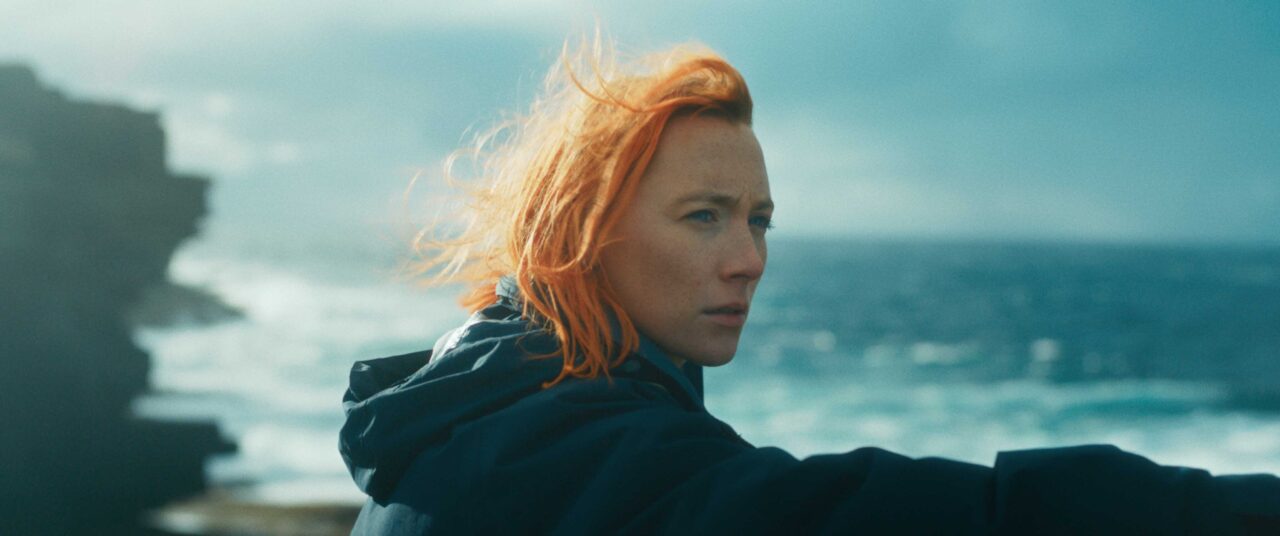
'The Outrun' Review: An Arresting Journey Toward Inner Peace in a Chaotic World
Director Nora Fingscheidt transforms Amy Liptrot's best-selling memoir into a shattering slice-of-life drama in her film adaptation of The Outrun. The story features Saoirse Ronan, who makes a transformative turn as a recovering alcoholic attempting to find her footing in a new lifestyle. Ronan commands the screen with an overwhelming display of vulnerability and grit. Making its World Premiere at the 2024 Sundance Film Festival, The Outrun is a tender story about one young woman's struggle to reach stability and find inner peace in a chaotic world.
Rock Bottom Allows For a Fresh Start
The film opens with a stunning underwater shot of seaweed flowing gracefully among the coral reef. There is a sense of tranquility below the surface, off the shores of Scotland's Orkney Islands. The remote island is a place that 29-year-old Rona (Ronan) knows well, but the sense of peace is a feeling she struggles to accept. For the past ten years, Rona has lived in London, where she fell into an unsustainable and dysfunctional lifestyle of partying and drinking. Despite having a Masters degree in Biology, Rona has been unemployed and directionless. Her life takes a dramatic downward spiral after a night out when she becomes blackout drunk and accepts a ride from a stranger. The next day, she wakes with no recollection of the previous night's events. She then discovers that she has been assaulted, and her boyfriend–fed up with her unpredictability and recklessness–has finally left.
Attempting to get her life back on track, Rona returns home to her family farm on the Orkney Islands and checks into rehab. Rona knows she's doing the right thing, but she still misses parts of her former alcohol-fueled life back in London. She flashes back to these moments often, both the good (falling in love with her boyfriend) and the bad (hiding bottles of booze around the bathroom for sneaky drinking). As much as she tries to suppress these memories, especially the details of the horrifying event that led her here, the intrusive thoughts continue to leak into Rona's present life.
It Never Gets Easy, It Just Gets Less Hard
A lot of these triggers also come from her father, who struggles with addiction himself. His toxic behavior encourages Rona to relive the worst of her childhood traumas. But through perseverance and the trust of her newfound and tight-knit sober community, Rona eventually feels confident enough to embark on her journey of recovery. Returning to Orkney is returning to true identity, and though sobriety never gets easy, it eventually gets less hard.
Stunning Visuals Offer Insight Into Rona's Inner World
At its core, The Outrun is a spiritual awakening in film format. Through stunning cinematography, DP Yunus Roy Imer immerses audiences in Rona's mystical world. The poetic visuals offer insight into her complex inner narrative. At the height of Rona's addiction, her story is lensed through handheld camerawork. These moments are shot intentionally out of focus and with a blurriness around the edge of the screen, alluding to Rona's drunken double vision. Once she reaches her family's farm, the colors that leap from the screen are jaw-droppingly stunning. The arresting visuals, including lush hills and chilling Arctic waters, ring similar to the beauty of The Banshees of Inisherin.
Throughout The Outrun, sound also plays a major role in aiding Rona's recovery journey. The final scene concludes with a mesmerizing operatic score that reveals Rona as finally in control of her life. The score, as well as natural elements like birds and wind, make for an enhanced audio-visual experience.
Takeaway
Based on the bestselling memoir by Amy Liptrot, The Outrun is a poetic and transfixing film about returning to oneself. Fans of Banshees and Aftersun will recognize a fiery spirit in Saoirse Ronan's character. Rona's story shows that sometimes, surrendering to chaos is the necessary first step. What follows is acceptance, which gives way to autonomy, and can finally result in a positive change.
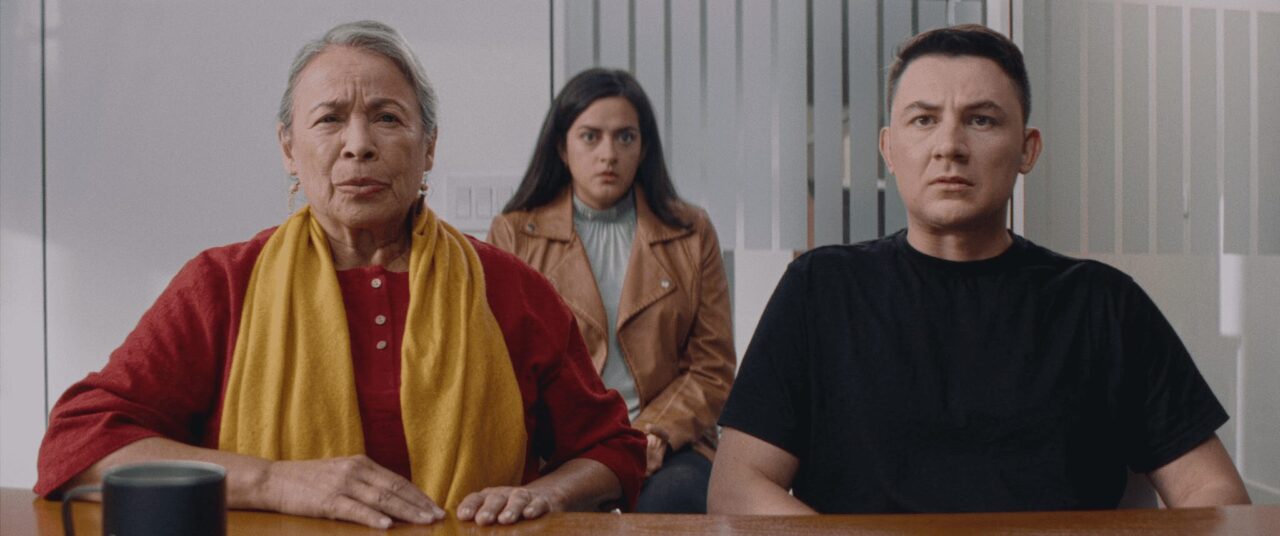
'A Little Family Drama' Review: Family Tradition Hits the Refresh Button
Family tension boils over in writer/director Nadia Zoe's character-driven dramedy, A Little Family Drama. The film tells the story of a multi-generational Mexican American family as they work through complicated dynamics with the ones they love the most. Set against an impending family reunion dinner held for the first time in the absence of the family patriarch, themes of trust, tradition, and patience are woven throughout this quick-witted indie film. A Little Family Drama is backed by heartfelt performances, making it a sweet and soulful watch for generations.
Family Tradition Hits the Refresh Button
The Sepulvedas are a proud Mexican American family whose dedication to their restaurant business dates back generations. The family patriarch aka Abuelo recently passed away, and in his absence, there has been increasing tension within the family. Things get heated as the Sepulvedas prepare for their annual family reunion dinner, an event they take very seriously given their passion for food and love of family. Matriarch Anselma (Alma Martinez) aka Abuela, clashes with her older daughter Victoria (Romi Davis) about which dish should be the final course. Victoria also engages in conflict with her adult daughter Cecelia (Diana Torres), who wants to shake up tradition and go against her mother's effort to maintain the status quo.
Another key player in this equation is Victoria's son, Matias (Ramon O. Torres), who harbors a secret that threatens to financially destroy everything. Matias is an aspiring entrepreneur who recently convinced his grandmother Anselma to take out a giant loan against the family restaurant so he could open a state-of-the-art, technologically advanced taco truck. The result was a disaster and Matias continues to default on his reimbursement plan. Anxiety-ridden, Matias knows that a foreclosure on the restaurant is imminent if he doesn't come clean to his family. Once the whole family finally sits down for dinner, the dysfunction reaches a boiling point. Uncomfortable truths are being served left and right, forcing each to reassess their role within the family dynamic.
Dinnertime Dysfunction Leads to Great Comedic Moments
A Little Family Drama is an honest portrayal of a family working through hard times. It's not always easy to disagree with a loved one, especially when their stubbornness seems impossible to rationalize. The dramatic moments are anchored by strong performances from the entire main cast. Their expression of empathy and unconditional love really grounds this film. For as intense as some scenes can be, filmmaker Nadia Zoe makes sure to punch up the humorous moments too. Poking fun at hyper-specific Mexican dishes, like pink conchas laced with weed and magic mushrooms in the vegan posole, the menu is a riot. These characters are easy to laugh along with and root for at the same time.
Takeaway
Making her feature-length directorial debut, Nadia Zoe continues to take the film through the festival circuit. Once A Little Family Drama is available to a wider audience, it's worth seeking out. The film's universal appeal and timeless themes make it a perfect watch to share with a loved one.
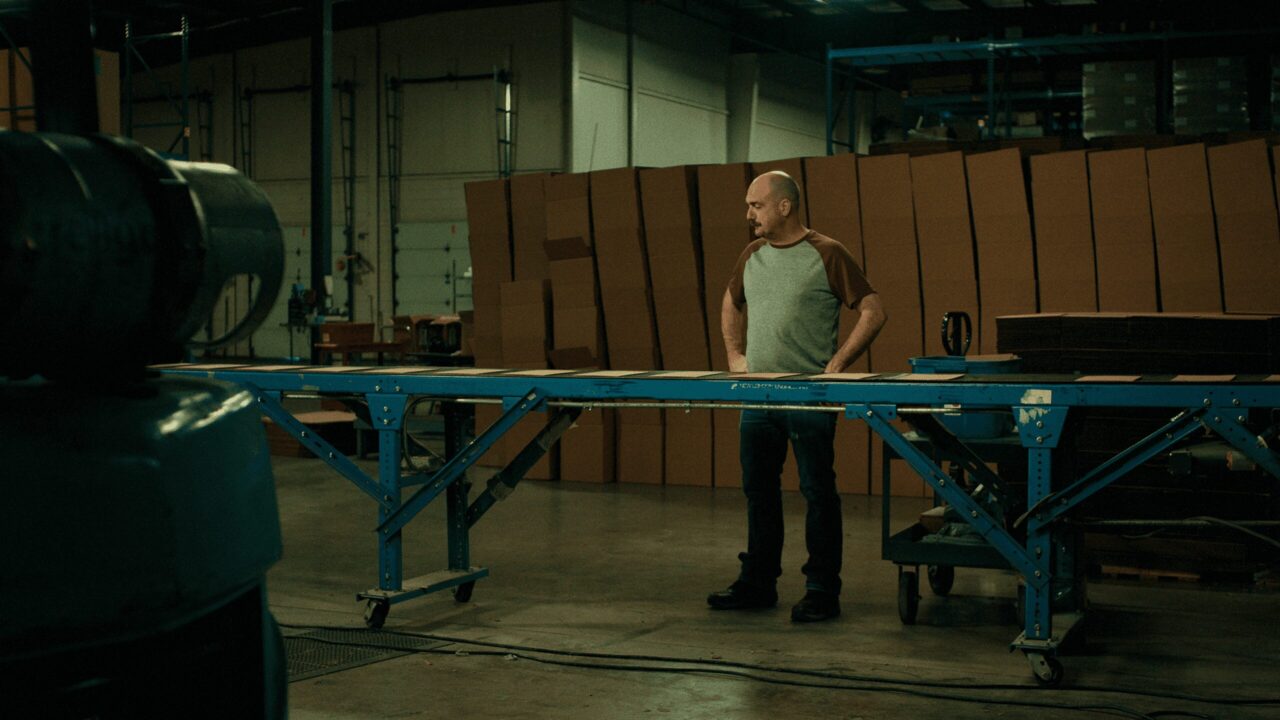
'The Dancing Monkey' Review: The Working Class Takes on the Industrial World
With the Presidential election just over 30 days away comes the relentless campaigning and heated debates between the left and right, each steadfast in the opinion that their view is the right one. However, most people would argue that the answers to these many issues are rarely black or white. When real lives are at stake, finding common ground can feel like a myriad of greyness that, at times, is hard to make sense of. This all-too-common political murkiness is dramatically displayed in writer/director Chandler Wild's The Dancing Monkey. Adapted from Eugene O'Neill's groundbreaking play 'The Hairy Ape', The Dancing Monkey is a timely feature film that encourages audiences to keep an open mind and try to approach these pending political issues from all sides.
One Man and One Vote Can Change the Future
The film takes place in middle America where most residents are proud blue-collar workers. Wayne Hughes (Paige Smith) is a man in his late 40s who has been employed at a cardboard construction factory for many years. He becomes entangled in a life-changing political crisis when his fellow linemen vote to unionize ahead of leadership's decision to cut 90% of jobs. The introduction of automated machines at the cardboard factory will deem most workers expendable, as well as having the increased efficiency to now compete with overseas companies. As luck, or misfortune, would have it, Wayne's sole vote is the deciding factor in whether or not a union will be formed.
The film plays out over one day, where Wayne is inundated with pleas from both sides of the aisle. He hears the pros and cons of unionizing from capitalists, democratic liberals, and socialists. They share compelling yet conflicting information that causes Wayne to grow even more confused as to how he will cast his vote. Throughout Wayne's overwhelming discourse, he continues to flash back to an image of a young man passed out on the floor. Who this man is remains a mystery until the film's end, when we discover that it is his recently deceased son who fell victim to another rampant American issue: a drug overdose.
The Working Class Takes on the Industrial World in This Timely Feature
The Dancing Monkey confronts uncomfortable but necessary topics that wade into the moral and ethical implications of voting for or against certain issues. Wayne is a proud American who believes his contribution as a lineman is worth far more than substituting him for a machine. "These boxes are what makes this country great," and "We built this country" are just a couple of the lines he enthusiastically repeats throughout the film. Filmmaker Chandler Wild does a terrific job taking nebulous and often hard-to-understand concepts and turning them into easily digestible scenes. As for the performances, Paige Smith is a commanding presence who serves as a sympathetic symbol for the working class.
The film's title comes from an insult by one of the women in leadership toward Wayne and his co-workers. When discussing the future of factory workers compared to the imminent industrial evolution, she claims that workers are akin to dancing monkeys, doing what they're told repeatedly without thought or agency. Although this line of thinking feels archaic and belittling, it may not be–as we see in the film–not very different from people's way of thinking.
Takeaway
The Dancing Monkey is a powerful character study of the present. It confronts the realities of being a working-class person in America and will most likely appeal to the old guard who are frustrated with the status quo. It's a timely, thought-provoking watch that is available to stream on VOD now.
'Things Will Be Different' Review: On The Run Through Space and Time
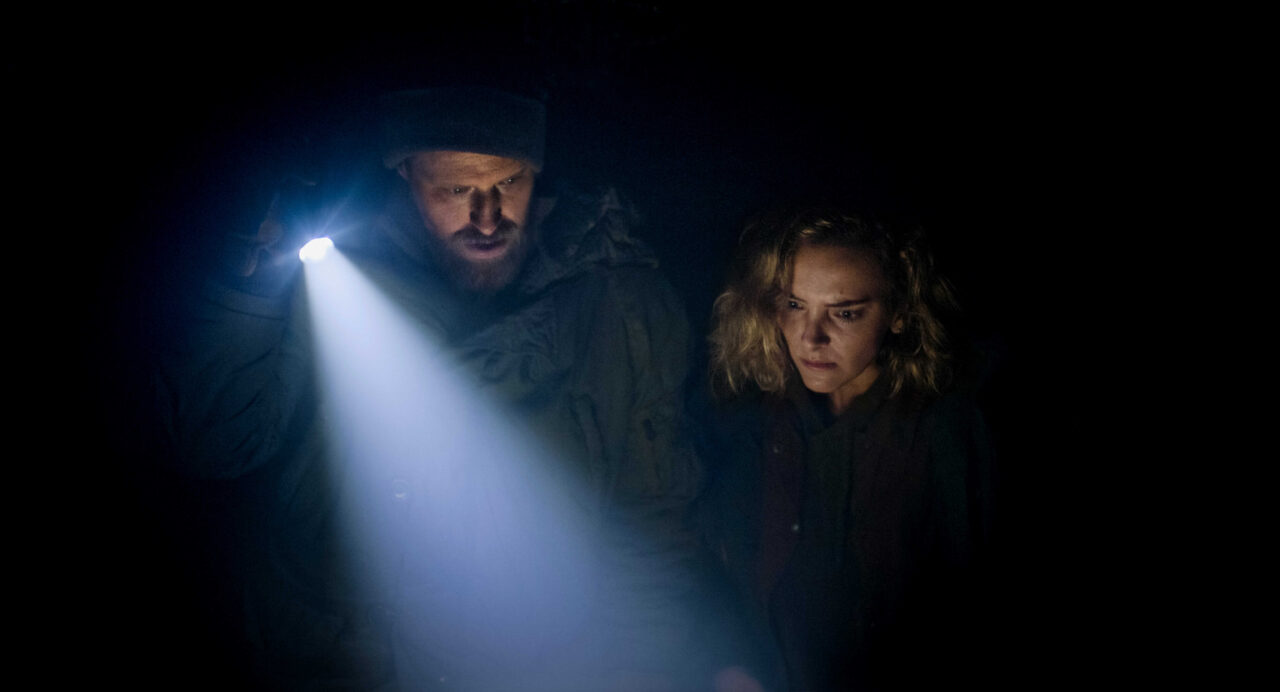
Sidney (Riley Dandy) and Joseph (Adam David Thompson) are siblings on the run from both their past and current reality in writer/director Michael Felker's upcoming sci-fi film, Things Will Be Different. Playfully pitting dark forces against each other in a game of metaphysical cat and mouse, the film is an engaging and suspenseful watch from start to finish. Achieving a tonal semblance of The Last of Us meets Back to the Future, Things Will Be Different offers a unique blend of heist drama and surreal sci-fi thriller.
A "Robbers on the Run" Drama Turns into a Time-Traveling Thriller
In order to escape the police after a robbery gone wrong, two estranged siblings concoct a plan to lay low in a farmhouse outside of town. What seems like a random location to Sidney is exactly what Joseph is looking for. Upon arriving at the location, Joseph details what makes the house so special: its ability to transport them into another dimension in time. Amused, Sidney agrees to follow Joseph's plan, which seems simple enough. They follow a series of routines before entering a dark room through a special locked door. This is where the process takes place. After re-emerging, they will find themselves in a different year. The siblings will stay for two weeks and wait for time to pass in their present until it is safe to return home without fear of persecution from the cops.
In the beginning, the plan works as it should. Joseph and Sidney spend the days drinking whiskey and exploring the farmland without a worry in the world. But it isn't long until they realize that they may not be alone in this new dimension. Just what–or who–this metaphysical farmhouse harbors is far darker than they ever expected. Trapped in this alternate reality, Joseph and Sidney are forced to face a mysterious entity that pushes their already fragile bond to its breaking point.
Backed by a Chillingly Atmospheric Score
Michael Felker crafts Things Will Be Different to have a larger-than-life story on an indie film budget. Large concept ideas are explored yet, admittedly, not always answered to audience satisfaction. Whether or not this will be a sticking point depends on your tolerance for unanswered questions. Nevertheless, the lead actors do a great job of embodying a restlessness and inquisitive nature within their characters. Adam David Thompson and Riley Dandy create a convincing sibling dynamic with their authentic quips and playful banter. Another standout is the score by Jimmy LaValle (aka The Album Leaf). His meditative and atmospheric soundscape leans into Philip Glass territory at times, which adds an exciting element to every scene.
Takeaway
Things Will Be Different is an ambitious feature debut by filmmaker Michael Felker. Throwing their support behind the film as Executive Producers are directors Justin Benson and Aaron Moorhead, whose own films tend to live in the surreal fantasy space. Nominated for Best First Genre Feature Film at the 2024 SXSW Film Festival, Things Will Be Different is commendable for its confidence in tackling the time travel genre in a fresh, new way.

'Pink Belt' Review: Changing the World One Self-Defense Class at a Time
In the documentary Pink Belt, director John McCrite shines a light on India's beloved feminist icon: Aparna Rajawat. Aparna is highly regarded as a changemaker in the city of Agra, saving the lives of young women and girls one self-defense class at a time. Having grown up in a dysfunctional household, Aparna knows firsthand just how toxic and dangerous it is to be a woman in India without the resources to protect yourself. Pink Belt follows a very special period in Aparna's life as she attempts to break the Guinness World Record for the most women trained in a self-defense lesson, to bring attention to her organization, Pink Belt Mission.
The Wonder Girl from India
Aparna is a local legend in India's sports scene. As a child, she received world attention by winning India’s national championship in martial arts. Growing up, however, she was not treated with dignity or respect. In candid interviews, she shares that the gender disparity was so apparent that she resorted to cutting her hair to pass as a boy so she could take karate lessons and learn how to defend herself. Her small frame and short haircut allowed her to experience the disparity of privileges that only males were accustomed to. As unbelievable as it sounds, Aprana admits that girls can't even fly a kite without getting in trouble.
Aprana also faced physical and sexual abuse at the hands of a cousin that went undetected for years. The inequality of the power dynamic between genders disgusted her and catalyzed her life's mission: To create a training program that would educate future generations of young girls about self-defense.
Before diving into Aparna's incredible success story of founding Pink Belt Mission, let's set the scene for what it's like to be a woman in India. Every 30 minutes, a woman is raped. Many suffer equally horrific conditions within their intimate relationships Nonconsensual sex, torture, and abuse, including acid attacks, are normalized. Aparna's mother was married off at 12 years old to her father, who was 21 years old. It was not uncommon for women to be considered property, void of personal rights. These are just some of the reasons why Aparna makes it her life's mission to insert some control into the hands of women, by teaching them self-defense skills. As feelings of empowerment grow, so does the realization that women don't have to rely on their abusers for freedom, be it financial or otherwise.
Changing the World, and Breaking Records, One Self-Defense Class at a Time
Aparna founded Pink Belt Mission to empower young women to feel confident and safe in their home country. The documentary chronicles this life-changing organization in great detail, interviewing survivors of assault and hearing their harrowing stories of violence. Filmmaker John McCrite traces the lead-up to the Pink Belt Mission's big event that could potentially gain the spotlight of worldwide attention. Aparna and over 7,000 women and girls attempt to break the Guinness World Record for the largest single group self-defense lesson. Not only does this serve as educational for the attendees, but it fulfills the mission of drawing media attention to the mission's cause.
Takeaway
Pink Belt tells a complicated story of both tragedy and inspiration. While it is a heartbreaking account of mistreatment, it is also incredibly aspirational to see women finally fighting back. Aparna Rajawat is a fascinating storyteller, allowing the audience to experience some of the most intimate moments of her life. Aparna's story is one that needed to be told, and John McCrite tells it with dignity and respect. Pink Belt also serves as a universal reminder that, while we can't change the past, we have the power to change the future.

'A Very Flattened Christmas' Review: A Wild Holiday Stoner Comedy
The holidays are typically a season of joyous celebration and time spent with loved ones. This is not the case in director Shane Wallace's stoner comedy A Very Flattened Christmas. Move over Frosty the Snowman, here comes an evil reindeer who is crushing the holiday spirit and leaving dead bodies in its tracks. The film is an obvious deviation from any traditional Christmas movie and confidently expresses its unique sense of dark humor through a solid b-horror visual style.
Madcap Holiday Horror
'Tis the season for death in this unconventional holiday thriller. Set in a rural part of America, a group of friends and co-workers at a local roadkill collection company encounter one animal they cannot rein in, and that is a camo pant-wearing, vengeful reindeer with an instinct to kill. The film opens with tension already rising between the employees, specifically Max (Key Tawn Toothman) and Rick (Jesse Bailey). Their banter escalates, but despite the foul energy it brings to the group, everyone seems to look forward to the annual company Christmas party. However, the life of a roadkill removal serviceman never stops. When duty calls to pick up animal remains on the highway, one employee agrees to squeeze in the quick trip before the party. Little did she know that a killer reindeer was waiting for her, hiding in plain sight, and ready to attack.
Dead bodies are mysteriously starting to pop up everywhere, leaving the roadkill crew in shock. Who–or what–is doing this? And why? What follows is a type of "Final Destination: Stoner Christmas" adventure that points the finger at some unsuspecting suspects.
An Unconventional Genre Film That Flips Christmas Spirit on its Head
A Very Flattened Christmas doesn't attempt to be anything other than campy and silly, and that's what makes it such a fun watch. Director Shane Wallace doesn't try too hard to pretend the killer reindeer isn't just a man in a poorly constructed reindeer mask, and that is hilarious. The performances are exaggerated and theatrical, leaning into self-satirizing and genre. It plays as if the gang from Scooby Doo were all grown up stoners (not just Shaggy). The colorful cast all have their moments to shine, with Key Tawn Toothman acting as the film's more sensible character.
Takeaway
If you're looking for an unconventional horror film that finds itself on the naughty list, A Very Flattened Christmas may be for you. It contains nudity, gore, violence, and many references to getting stoned. It's also a fever dream that has a demented reindeer playing a church organ, so there's that. And I'm not being hyperbolic when I say that this film has major cult potential.

'Cautionary Tale' Review: Art Imitates Life in This Intimate Story of Introspection
There is a common thread that runs through Cautionary Tale which is that it's never too late to follow your dreams. No one knows this better than director Christopher Zawadzki, who makes his feature-length debut with this highly emotional, music-led drama. Taking inspiration from his real-life experience living in Bangkok and befriending a local musician, the passion Zawadzki pours into this project does not go unnoticed. Set to beautifully crafted original songs, Cautionary Tale is a film worth diving into head first.
On Heartache and Healing
The film tells the story of Neil Kefalas (Ted Limpert), an American children's TV show host who struggles to regain a sense of identity after the loss of his daughter. Neil's passion for creating music died the day he lost his child, however, life goes on, and Neil is forced to make the best of an unimaginable situation. His current job, hosting the hit children's show "Cautionary Tales with Safety Sam" pays the bills but doesn't satisfy the soul. One day, the network tells Neil that a company in Bangkok recently bought the licensing rights to the show. He is expected to travel to Asia and play "Safety Sam" for a couple of weeks to familiarize their new audience with the character.
Shortly after arriving in Bangkok, Neil meets Bryce, an American expat who manages a bar. Sensing Neil's loneliness and interest in music, Bryce invites him to the bar to check out the resident house band. Instantly, Neil is impressed by a girl group cover band. He strikes up a sweet conversation with one of its members, Cherry (Napak Boonruang), and they make arrangements to meet up the next day to play music together. It's a wholesome pairing that brings out the best in each of them, and Neil becomes intoxicated by her positivity. For the first time in a long time, Neil's passion for music begins to resurface.
Zen Buddhism Offers a Fresh Start
Despite their shared love of music and budding friendship, Neil isn't forthcoming with Cherry about his tortured past. Since arriving in Bangkok, he has created a facade that his daughter is still alive and his career in the States is skyrocketing. The reality is that not only does Neil not want to be defined by his career, or lack thereof, but he is also not ready to say goodbye to his daughter. The truth seems impossible to admit until Neil begins to practice the art of Zen Buddhism and learning suffering is a part of life and unavoidable. Yet attachment only brings heartache. Most importantly, he comes to accept that nothing is forever. This new mindset gives Neil the strength to come clean about his circumstances to Cherry and Bryce, and only then are they able to build an authentic friendship.
Art Imitates Life in This Intimate Story of Introspection
Art imitates life in Cautionary Tale, as director Christopher Zawadzki drew inspiration from his time living in Bangkok. While there, he actually did become a fan of an all-girl band led by Napak Boonruang. In a full circle moment, Boonruang agreed to join the film and contribute her original music. Ted Limpert, who plays Neil, is Zawadzki's cousin. In addition to acting, he composed and performed the original score and songs, including the film's key climatic song "If You Can't Hear Me." Visually, Cautionary Tale shows off the very best of Bangkok with its natural beauty and sun-soaked afternoons.
Takeaway
The tagline of Cautionary Tale is simple, yet effective: A lesson well learned leads to a life well lived. For a feature film debut, director Christopher Zawadzki elicits a winning combination of resourcefulness and confidence. Cautionary Tale is a real joy to watch and its message of radical acceptance is a universal touchpoint.

Fantastic Fest 2024: 3 Films to Keep on Your Radar
After a week of watching boundary-pushing, bloody, and buzzy titles, Fantastic Fest wraps up today in Austin, Texas. Fantastic Fest is the largest genre film festival in the US. It showcases some of the best underground horror, sci-fi, fantasy, and action films. This festival is a special one. Every year, we are exposed to artistically-minded and thought-provoking cinema that celebrates new voices and new stories from filmmakers around the world. Kudos to the curators who continuously make Fantastic Fest a fantastic experience!
Below, check out the three films we saw and loved:
Apartment 7A
Coming to Paramount + on Friday, September 27th
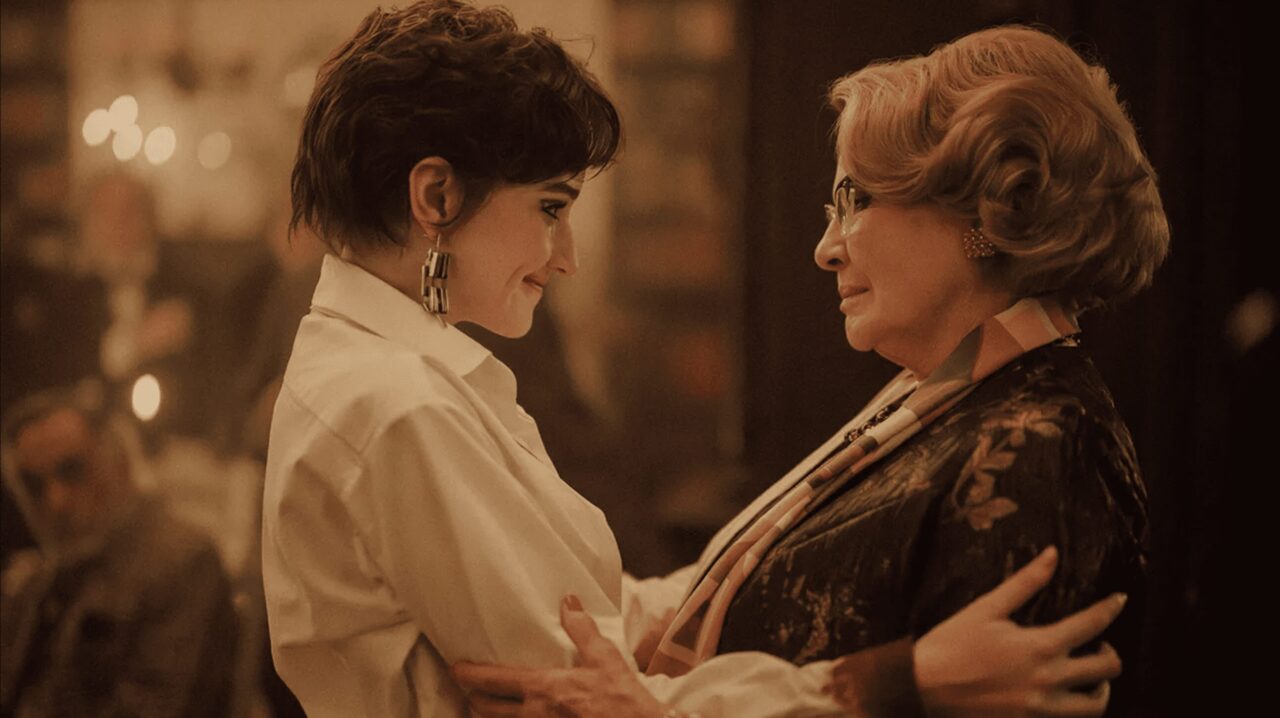
Julia Garner leads this supernatural horror film about a promising dancer who suffers a career-ending injury. After breaking her ankle in a freak accident, Terry Gionoffrio (Garner) struggles to find a purpose. Dance was her identity and without it, she feels like a hopeless has-been. Then, she runs into a strange yet endearing older couple who quickly become surrogate parental figures. Minnie (Dianne Wiest) and Roman (Kevin McNally) Castevet are a soft-spoken, overly attentive couple who take an immediate liking to Terry. They offer her the vacant apartment next door to theirs while she heals her injury.
But strange occurrences begin once Terry moves into the apartment. She discovers mystery bruises appearing on intimate parts of her body with no recollection of what caused them and experiences terrible nightmares that blur the lines between reality and fiction. Worst of all, after unexpectedly becoming pregnant, Terry realizes that dark forces linger within the walls of this apartment. However, by the time she makes this discovery, it's already too late.
Apartment 7A solidifies Julia Garner as the Scream Queen for the new generation. Her performance demands many physical challenges. In addition to the typical horror nuances like exaggerated screaming and crying, Garner also demonstrates impressive tap and vaudeville performances. The story starts strong as a typical psychological horror film but takes a questionable turn nearly a third of the way through when it pivots to a "Hail Satan" level of religious horror. This bait and switch feels like a forced curveball and doesn't quite stick the landing. The ending, however, is redeeming and goes out with a bang that is sure to satisfy even the skeptics.

The Spirit of Halloweentown
Halloween is celebrated 365 days a year in the small Oregon town of St. Helens. Those familiar with the 1990s Disney Channel film Halloweentown may recognize the iconic streets that served as the backdrop to the cult classic. St. Helens residents are proud to continue serving this legacy, as seen in the documentary The Spirit of Halloweentown. Filmmakers Bradford Thomason and Brett Whitcomb (Jasper Mall, Butterfly in the Sky) descend on this picturesque town four weeks prior to its most beloved holiday, to interview the residents who have passionately embraced the Halloween spirit. Through colorful interviews conducted as a day in the life of various St. Helens residents, The Spirit of Halloween is an awkward and charming character study of the people who bring Halloween magic to life.
Enlisting a Danny Elfman-inspired score evokes a sense of lighthearted spookiness. It serves the film well, especially as Thomason and Whitcomb interview different St. Helens locals, including a dancer, a ghost hunter, and a new restaurant owner. At times, the film feels like a Tim & Eric skit due to the subjects' discomfort in being on camera, as well as various situations the filmmakers find themselves in. While a majority of the film is dedicated to the town's unwavering holiday spirit, the filmmakers also witness small-town drama. Examples include a patron who leaves a negative restaurant review on Facebook and a ghost hunter who believes he can locate the spirit of a young boy.
The Spirit of Halloweentown is a fun watch for this time of year. If you're in the Halloween spirit or want to relive it throughout the year, you won't want to miss The Spirit of Halloweentown.

A Fermenting Woman
Imagine The Bear was a disturbing, slow-burning thriller and you'll have a good idea of what to expect in A Fermenting Woman. Running 24 minutes long, the film follows a visionary chef and master fermenter Marielle Lau (Sook-Yin Lee) who navigates pending unemployment by the new owners of her restaurant. Desperate to save her job, Marielle develops a new dish with an unusual ingredient that she hopes will save her from the chopping block. The ingredient may be organic, but it's bloody disgusting.
The secret? Marielle's menstrual blood. She mixes it in the meat and fermented vegetables, and then eagerly awaits the reaction from a colleague. His comment, "funkier than expected", sent chills down my body. A Fermenting Woman is not for the weak of stomach. Things get even more grotesque as the jar she stores her menstrual blood in gives birth to a creature that resembles a steak with a beating heart. Convinced that this is the dish that will save her career, she serves it to the restaurant's new owners.
Directed by Priscilla Galvez, A Fermenting Woman is a bold and truly unforgettable film. It plays in the same cinematic universe as the early Yorgos Lanthimos film Dogtooth. Galvez's use of framing, and her direction for the score and sound design, are the key elements that stand out in this wildly weird short film. If you can stomach it, definitely seek out A Fermenting Woman.
'Saturday Night' Review: This Comedy of Errors Deserves a Standing Ovation
In his latest film Saturday Night, director Jason Reitman reminds us why we should all want to stay in on the weekends. Re-tracing the chaotic hour and a half before the live airing of NBC's inaugural episode of SNL, Saturday Night is a full-throttle, non-stop whiplash of hilarity and hijinks. Be prepared to laugh so hard it hurts as you relive one of TV's most historic and hectic nights.
The Countdown to a Riotous Revolution
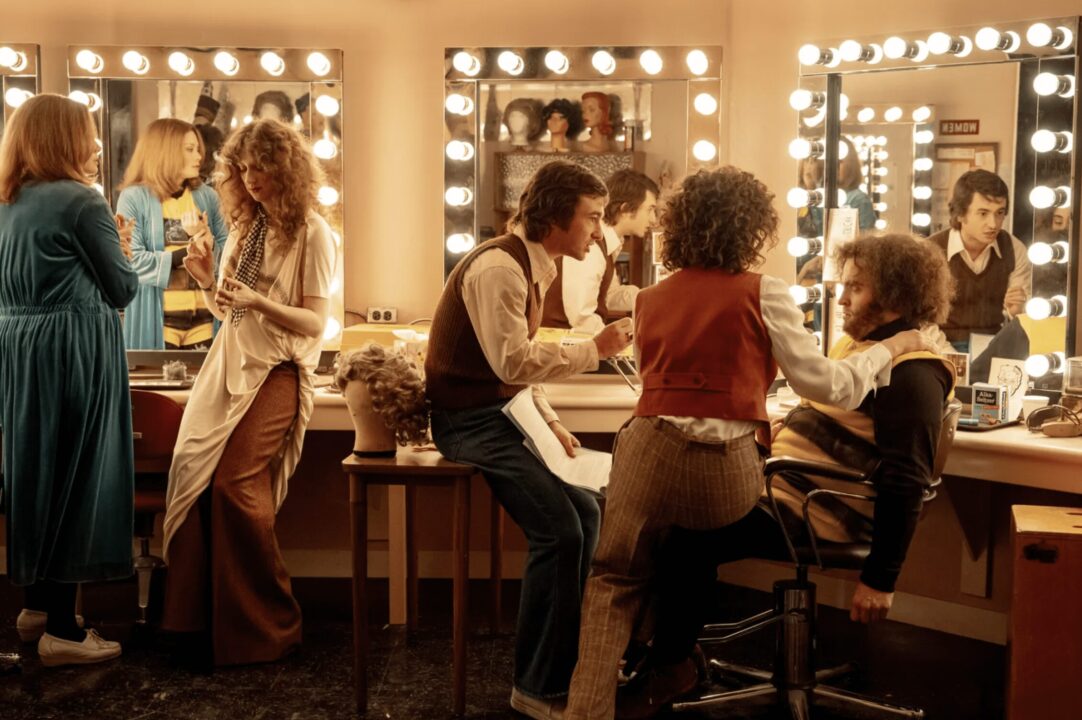
Nearly 50 years ago, a young group of misfit comedians and writers changed the trajectory of television forever. Saturday Night begins at 10:00 pm, when Lorne Michaels (Gabriel LaBelle) arrives at 30 Rockefeller Center for the final dress rehearsal of his new show. Immediately, chaos envelops him. There's a llama in the loading bay, John Belushi still hasn't signed his contract, the stagehands are stoned, scripts are being neutered by the NBC compliance officer, and the lighting director just quit. To put it mildly, it's a disaster.
To top it off, the cast is out of control. The combined untamed energy of Chevy Chase (Cory Michael Smith), Dan Aykroyd (Dylan O'Brien), Gilda Radner (Ella Hunt), Jane Curtin (Kim Matula), Laraine Newman (Emily Fairn), Garrett Morris (Lamorne Morris) and John Belushi (Matt Wood) is enough to make Lorne combust with anxiety. But there is not enough time to panic. With NBC executive David Tebet (Willem Dafoe) expecting perfection and rival funnyman Johnny Carson (voiced by Jeff Witzke) expecting failure, Lorne Michaels can only do one thing: trust his instincts. And right now, his instincts are telling him that this ragtag troupe of performers will somehow be able to pull it all together just before the clock strikes 11:30 pm.
Pitch Perfect Casting Brings This Biopic to Life
An accurate recounting of true events, Saturday Night is a phenomenal showcase of cinematic symbiosis firing on all cylinders. This historical biopic is not a deep dive into any particular character, not even creator and showrunner Lorne Michaels. Saturday Night is a true ensemble comedy that runs like a well-oiled, coked-up machine. Sure, the hyperbolic moments are exaggerated, but then again, so was the real-time activity taking place in Studio 8H of 30 Rock.
The film's biggest selling point is, without a doubt, the cast. When taking notes during the screening, there were multiple points when I hurriedly jotted down "SPOT ON" when commenting on Gilda's hairstyle, Belushi's eyebrows, and Chevy's tonal inflection. How casting director John Papsidera found these up-and-coming actors who can fully (and I mean fully) embody these comedy legends is nothing short of a perfect match. In addition to the main SNL cast, notable standouts include Nicholas Braun's portrayal of both Andy Kaufman and Jim Henson, Rachel Sennott as Rosie Shuster, and Nicholas Podany as Billy Crystal.
Set to an electrifyingly uptempo and jazzy score by Jon Batiste, who also has a cameo role as the show's first musical guest Billy Preston, the soundtrack is a key component to Saturday Night's identity. It's no surprise that the score is heavily influenced by the SNL stage band. The music's bright saxophone and larger-than-life percussion act as the film's heartbeat throughout. The artisanship in front of and behind the camera is on full display here. The incredible casting and the zingy one-liners are outstanding achievements that make this film an unmissable watch.
Takeaway
"What kind of name is Saturday Night?" the puzzled NBC executive asks Lorne Michaels, noting the seemingly bland choice for the series title. However, director Jason Reitman is more keen on answering a different question: What kind of feeling is Saturday Night? Saturday Night is an homage to the spirit of creating art for art's sake and a testament to the freedom of expression. Despite the SNL we know today feeling lightyears away from the scrappy, turbulent, and drug-riddled frenzy it originated as, it continues to remain a place for the misfits to call home. And as an SNL fan let me tell you, there's no place like home.
'Bananahead' Review: An Aspiring Actor Falls Into a Stylish Fever Dream
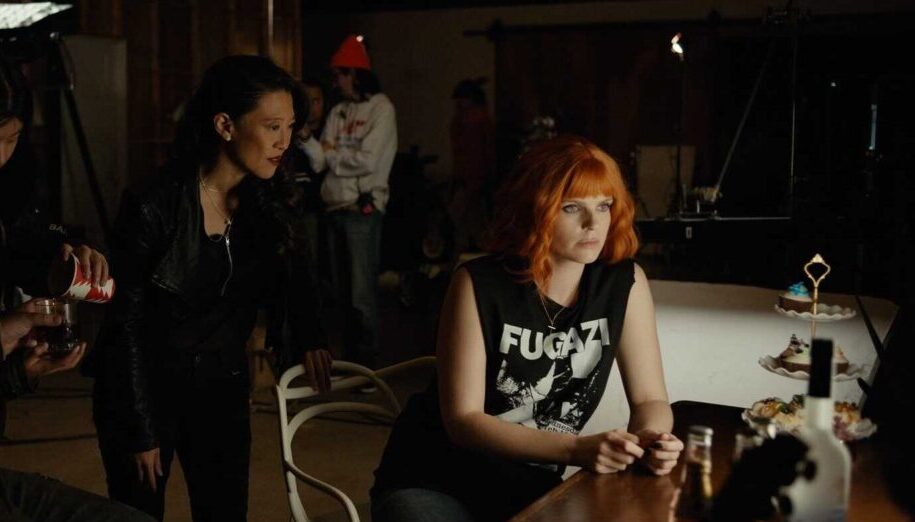
An aspiring actor ends up starring in her own living nightmare in the horror short film, Bananahead. Selected to screen at the 2024 HollyShorts Film Festival, Bananahead comes from the mind of writer-director Christopher Greenslate. Inspired by personal conversations he had when meeting lead actor Sally Maersk, Greenslate tackles the theme of toxic expectations, a prevalent occurrence within the pressure cooker in the Hollywood film industry.
Following in Her Mother's Mysterious Footsteps
Andi Sanger (Maersk) is an aspiring actor whose reputation precedes her. The daughter of a famous author who mysteriously disappeared two years ago, Andi understands that, while she may get attention from her last name, her talent is what will ultimately book her roles. Luckily, there is one upcoming audition she knows she will nail. It's the lead in the film "Bananahead", a feature adaptation of her late mother's bestselling book.
Andi's audition comes at a busy time in her life. She is also in the middle of renovating her grandmother's house, which she has recently moved into with her boyfriend. One night, Andi stumbles upon a mysterious room that seems to turn her manifestations of fame and stardom into reality. This room is a fantasyland that plays out her deepest desires. Andi watches in awe, as she witnesses the life she's dreamed about. But then, she wakes up.
Life continues to go on as normal. That is, until Andi starts having bizarre night terrors and unexplainable sickness. When she initially entered the mysterious room, Andi was amazed that she could see her future playing out in front of her. But she soon realizes that by unlocking this dream scenario, she has also unlocked a haunting legacy, a psychodrama wherein she's the lead, and also may not survive.
A Stylish, 24-Minute Psychological Horror Film
Bananahead is an ambitious psychological horror film that does the most with its runtime and leading actor. Sally Maersk takes on many different roles and her performance is charged and captivating in each one. From a craft perspective, deciding to transition from square 1:1 framing to horizontal 16:9, once Andi enters the mysterious room, is a creative choice that serves the story well. At the same time Andi enters this new dimension, so does the audience. Director Christopher Greenslate also plays around with color in fresh ways. The mysterious room enlists pastel hues of orange and pink pastels while the moments on the "Bananahead" film set are captured in black and white.
Takeaway
A stylish fever dream inspired by common experiences between creatives, Bananahead is a cautionary tale about chasing fame and the expectations of one's legacy.