

'The Birds Who Fear Death' Review: Spotlighting Local Indigenous Struggles
Two brothers set out to reclaim what they believe is their rightful inheritance in filmmaker Sanjay Patel's The Birds Who Fear Death. Visually impressive, the film spotlights the side effects of prioritizing economic wealth over quality of life. Patel's thought-provoking drama also offers an urgent perspective on the ongoing eco-crisis caused by corporate greed. The Birds Who Fear Death already stands strong with 20 award nominations after its World Premiere at the 2024 Calgary International Film Festival.
"Dearly Departed Asshole"
Adam (Adam Beach) and Ryan (Simon Baker) are not shy about the fact that they want their sick father to die. Once he does, they expect an inheritance that will hopefully solve all of their problems. It's a perfect plan. However, once he passes away, the brothers are shocked to discover they've been left out of the will. Instead of contributing to generational wealth, their father privately gave their inheritance to a rural 1st Nation community called BIRD. "Screws us in life, screws us in death!" they proclaim angrily. Adam and Ryan threaten to contest the will but are swiftly met with roadblocks and red tape. They believe that the only way to get "their" money back is by talking to the chief of BIRD and convince him to split the inheritance with them 50/50.
Upon arriving at the BIRD community, their presence isn't exactly celebrated. Many blame their father, who was a prominent Indigenous businessman, for the disruption and ongoing health crisis within the community. Cancer and other chronic health issues are a direct result of some of their father's shady business dealings primarily with the oil & gas industry. After speaking with BIRD's Chief Ed (Graham Greene), Adam and Ryan realize their father acted selfishly. His decision to funnel money back into the community is now seen as an act of repentance. It's blood money, not an act of goodwill. This discovery sends Adam and Ryan into a spiral. They frantically start questioning everything they thought they knew about their dad.
Spotlighting Local Indigenous Struggles
The Birds Who Fear Death playfully dips into the dark comedy genre for moments of emotional brevity. The relationship between Adam and Ryan includes playful banter reminiscent of a Cheech and Chong skit. More striking, though, is the film's ability to mirror an eco-thriller. Sanjay Patel does a fantastic job of showing, not telling, the audience, these stark facts. If we continue to blindly fuel these industries and allow them to destroy more native land, we risk the loss of irreplaceable natural wonders.
Takeaway
A good journey contains many layers, as does The Birds Who Fear Death. The film is an exploration of human fragility and empathy in a world often driven by corporate greed and selfishness. "Having worked in the Oil & Gas sector for over 20 years," Patel says, "I witnessed firsthand the relentless and often unethical pursuit of wealth. [This led] to ruin, disaster, and the collapse of ecosystems. This film is a powerful visual exploration of universal themes like love, faith, greed, and man’s conflict with nature, told through the lens of local Indigenous struggles."


'A Time of Reflections' Review: A Passion Project That Sparks Joy
Filmmaker Matthew Paris has an important message to share. It's simple, yet honest: Everyone deserves a break. The experimental short film, A Time of Reflections, is Paris' plea to the overworked and underpaid people in our society to stop and smell the roses. A true one-man band, Paris takes on the role of director, screenwriter, and actor in this humble indie short.
One Man's Introspective Journey To Gratitude
Through a confident and compelling voiceover, an unnamed man (Matthew Paris) abruptly decides to leave the isolation of his home. Spending his days and nights working and living in one location has taken a toll on his motivation, so he decides to get some fresh air and change his surroundings. He jumps into his truck with no destination in mind, just chasing a feeling. Driving around his neighborhood, he finds a newfound appreciation for life's unpredictable journey. On his exploration, he encounters and praises the sun, trees, and roads. They all remind him that the finer things in life often exist right outside of your comfort zone. This perspective reinvigorates him as he experiences a reawakening of sorts. He returns home refreshed, renewed, and ready to get back to work.
A Passion Project Made by, and Starring, Matthew Paris
Using footage seemingly captured entirely by Paris, the film acts as a therapeutic message to those struggling with burnout and identity. It's clear that this is a passion project made on a limited (or potentially non-existent) budget. Because of this, some of the elements feel stretched. At times, the music starts and abruptly ends which can feel a bit disjointed. Visually, the film forgoes color correction, giving the overall aesthetic a more organic feeling. However, A Time of Reflections does offer audiences a few moments of serenity through its poetic script.
Takeaway
With a brief runtime of three minutes and thirty-nine seconds, director Matthew Paris' film reminds us that life is short and that it's never too late to practice gratitude.
'Nightcap' Review: A Young Man Terrorized by Job Interview Anxiety
Writer/director Cody MacDonald shows how internalized paranoia can lead to real-life consequences in the ultra-indie short film, Nightcap. Running a little over six minutes long, Nightcap uses one man's pre-job interview anxiety and personifies it as a tangible night terror.
Job Interview Anxiety Unlocked
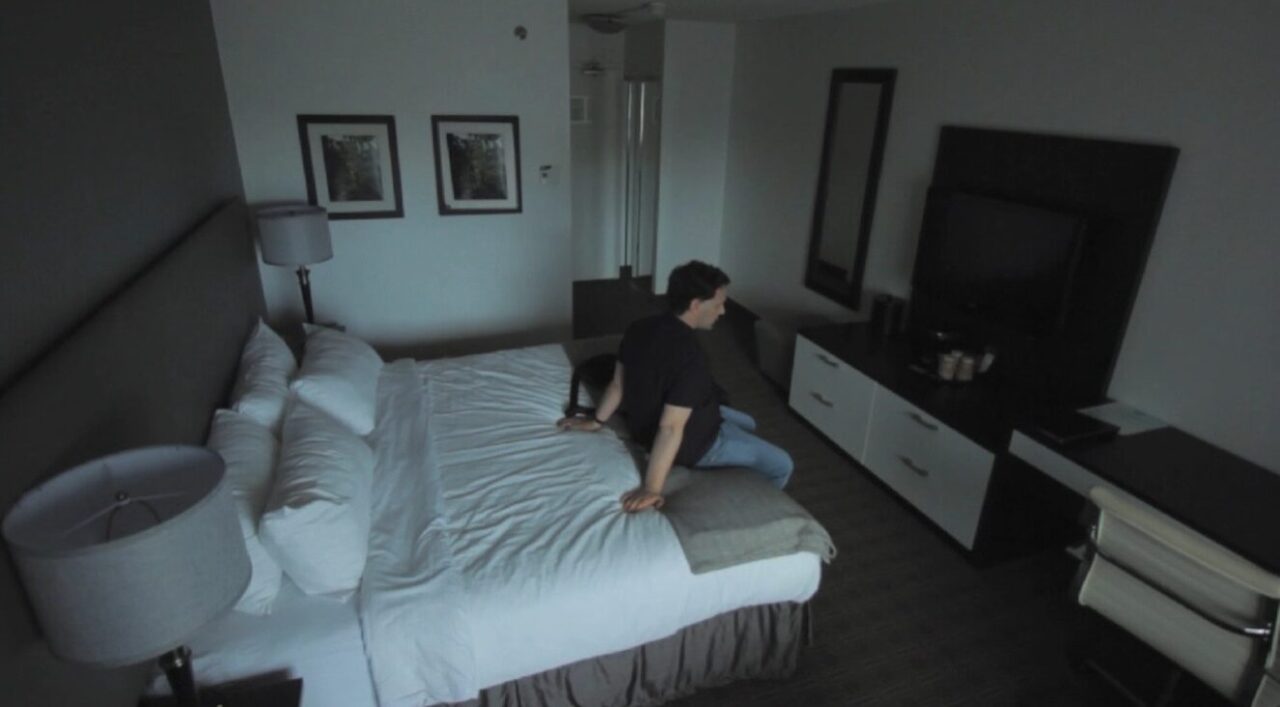
The night before a big interview at an impressive company, Gus (Michael Lake) begins to panic. He had traveled out of town for this opportunity, which only adds to his mounting stress. Despite words of encouragement from his girlfriend, whom he talks to briefly on the phone once settled into his hotel room, Gus's lack of confidence continues to grow. He struggles to fall asleep that night, knowing what is to come in the morning.
Just as he is about to drift off, he senses a figure in the corner of the room. The film shifts sonic gears and the score turns into a fun bass chord progression as the figure becomes more in focus. This mystery man startles Gus who frantically turns on the light from his bedside table, when suddenly, in the blink of an eye, the figure vanishes. Was it all in Gus's head? Is the hotel haunted? These questions are never fully answered but hypothesizing the outcome is almost half the fun.
Doing a Lot With a Little
Nightcap shows how a clever filmmaker can do a lot with limited resources. Shot mostly in a single location, the film's claustrophobic tendencies add a sense of urgency to the protagonist's existential dread. The film also does a solid job of playing with sound, both in the score and effects. It is heavily reliant on music to convey feelings through different storytelling beats.
Takeaway
For a debut film, MacDonald shows promise as a budding filmmaker. Sure the technical components of the film could have been stronger. The script could have given the audience more resolution at the end, and the performance could have been a little more lively. But MacDonald does the best he can with what limited resources he has, making Nightcap a brief, yet true, indie film experience.

'September 5' Review: Reliving an Olympic Nightmare
A retelling of the horrific events that claimed the lives of eleven Israeli athletes during the 1972 Munich Olympics, September 5 is an adrenaline-inducing thriller that feels eerily relevant given today's political turmoil. Directed by Tim Fehlbaum, September 5 was among the highlighted titles at AFI FEST. The film made its World Premiere at the Venice Film Festival where it was nominated for, but ultimately lost, the Audience Award. September 5 is being distributed by Paramount with a limited release date scheduled for November 27, before a nationwide release later in December.
What Happens
Starring Peter Sarsgaard and John Magaro, September 5 takes audiences into the control room of ABC studios on the fateful day that changed live broadcasting forever. It was supposed to be just a typical morning for the ABC sports crew who were gearing up for another 12+ hours of covering the Olympics. However, everything changed when the newly hired German interpreter, Gladys Deist (Georgina Rich), deciphers through chaotic messages, that several Israeli athletes and coaches were taken hostage.
Eight members of the Palestinian militant organization, Black September, infiltrated the Olympic Village in a highly orchestrated attack targeted toward Israeli athletes. In the blink of an eye, the ABC crew abandoned their typical sports broadcasting routine and transformed into an impromptu breaking news station, led by Geoffrey Mason (Magaro) and Roone Arledge (Sarsgaard).
Takeaway
September 5 relies heavily on incorporating archival footage from the station's actual 1972 broadcast. It is both stunning and heartbreaking to relive these moments, knowing full well that these events changed the course of history. To that end, part of me believes that September 5 would have been even stronger as a documentary film, as opposed to a "Hollywood-ified" historical thriller. Director Tim Fehlbaum's control-room drama feels a bit too slick at times, with characters effortlessly getting from point A to point B without much struggle (I highly doubt the individuals who actually worked the newsroom that day had a similar experience). However, September 5 keeps an energetic pace throughout and is an easy film to get caught up in for an hour and a half.
'Blood Dried Hands' Review: A New Take on the Conventional Genre Film
The spooky season may be over but filmmaker Jason Vandygriff proves it's never too late to indulge in a good thriller. A new take on the conventional genre film, Blood Dried Hands offers a unique perspective inside the mind of a serial killer who begins to battle with his own conscience. Blood Dried Hands marks Vandygriff's directorial debut, but don't make the mistake of expecting an inherently novice production. It's quite the opposite, in fact. Vandygriff brings unmatched authenticity to the film by incorporating past experiences from his 15 years in Texas law enforcement.
A Serial Killer Suffers From Growing Empathy
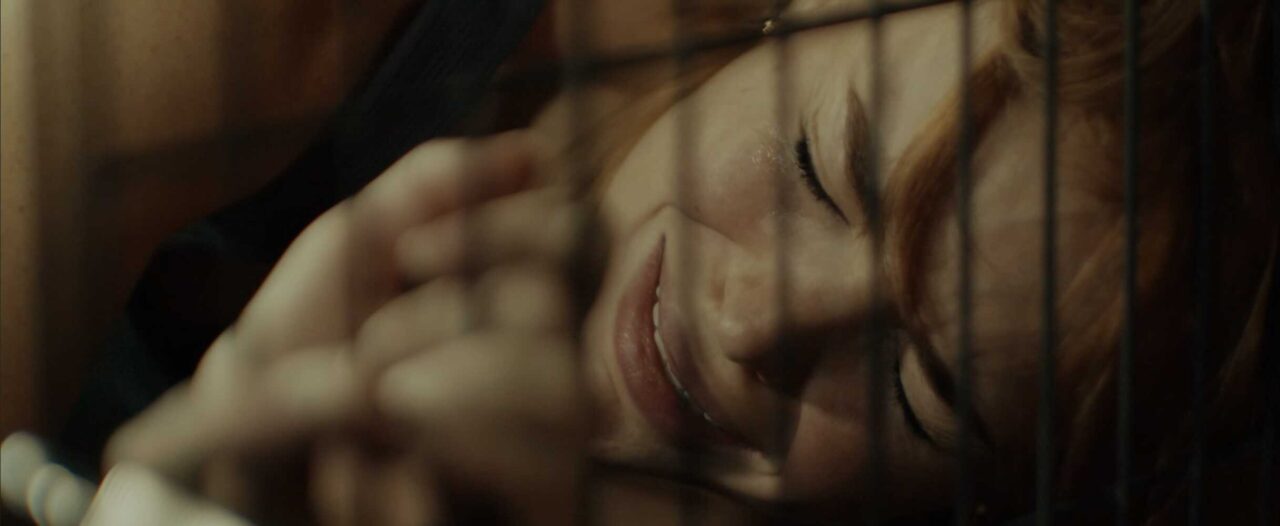
There are two types of people on this earth: Predator and Prey. Hayden Carey (Chance Gibbs), however, is a combination of both. He is a conventionally attractive man who appears to have it all, but deep down is battling serious demons. When we first meet Hayden, he is in the process of murdering an innocent woman and discarding her body in the woods. "The screaming eventually stops," he says, "but the sound still echoes." Despite his atrocious actions, Hayden reveals that he also has a sensitive side. His uncontrollable killing spree not only affects the victims of his crimes, but the mental anguish is ruining his life as well. It isn't until he kidnaps a local young woman, and confesses his desire to kill himself, that we truly see how far gone Hayden is.
All the while, Sgt. Investigator Edi Sharp (Micha Marie Stevens), is hot on Hayden's trail. The local detective is desperate to save his latest victim before reaching her deadly fate. Much like the scene in The Silence of the Lambs where Clarice visits Lecter in prison, Sgt. Sharp visits a man named Finley Rawls (director Jason Vandygriff), who she hopes can guide her in the right direction before it's too late. Rawls is the most prolific child murderer in Texas' state history and Sgt. Sharp is hopeful that he may provide insight into the mind of this killer.
An Awards-Circuit Darling
Blood Dried Hands holds an impressive awards record with 102 wins and 15 nominations. Jason Vandygriff impressively pulls off the responsibility of not only writing and directing but also starring in his first feature film. His performance as Finley Rawls steals the scene every time. Vandygriff's performance evokes the personalities of some of cinema's most memorable villains like Anthony Hopkins' "Hannibal Lecter", Danny DeVito's "Penguin", and even Nicolas Cage's "Longlegs". Chance Gibbs and Micha Marie Stevens equally carry their weight as they find themselves stuck in the classic cat-and-mouse chase.
Takeaway
If you're looking for a highly dramatic serial killer thriller told from a unique perspective, Blood Dried Hands is for you. In a similar vein as Mindhunter, The Silence of the Lambs, and True Detective, Blood Dried Hands is an impressive independent production that will have you wrapped in suspense until the very end.
'American Meltdown' Review: A Fun Joyride Into Homegrown Anarchy
Filmmaker Andrew Adams' riotous 'coming-of-rage' story about a millennial woman trying to make it in America is the indie movie of the moment. A funny yet topical take on the desperation some people revert to when they feel they've been slighted by the system, American Meltdown is a fun joyride into homegrown anarchy.
A Millenial Coming-of-Rage Story
Olivia Walker (Jacki Von Preysing) has a career as an interior designer, or at least she did, up until an hour ago when she was fired by her company. Instead of hiring her after the standard 90-day probation period, the company she worked for cites labor union rules as the reason they need to temporarily let her go. Exploiting a loophole in the policy, they mention that they can't afford to provide her benefits as a full-time employee, so she'll have to find work elsewhere. This news shakes Olivia to her core, as she's already struggling to pay rent. That night, Olivia returns home to find her house has been broken into and valuables have been stolen. Out of a job, broke, and afraid to sleep in her own bed, Olivia admits her defeat to the universe.
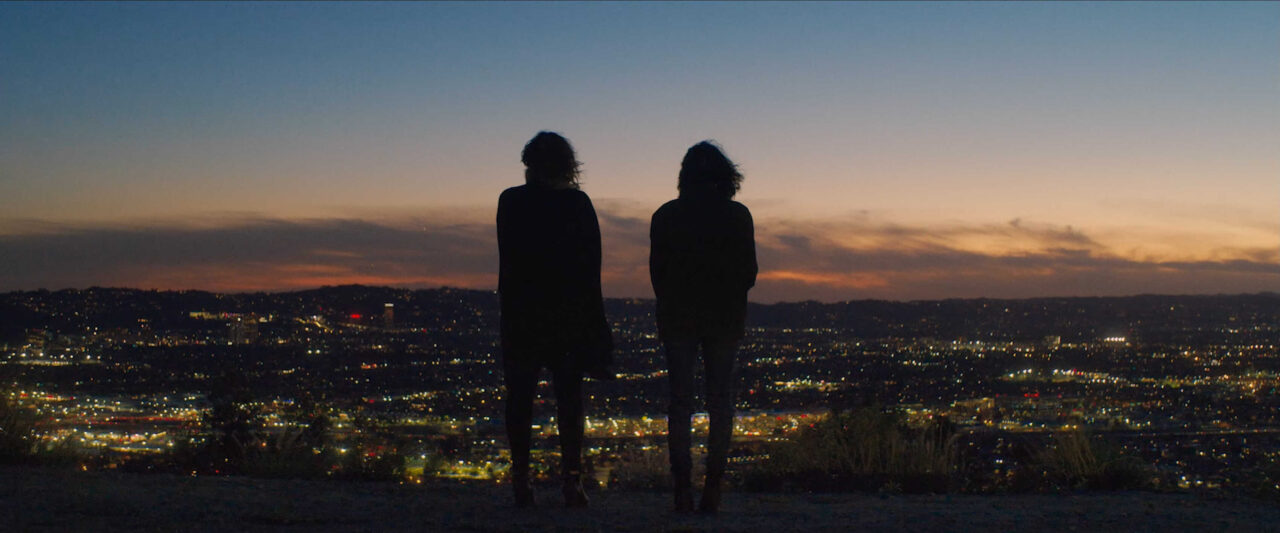
Upon hitting her rock bottom, Olivia wanders to the beach to decompress. Here she meets Mari (Nicolette Sweeney), a spirited pickpocket who opens Olivia's eyes to an alternative way of life. Mari describes herself as "self-employed". Her line of "work" consists of committing petty crimes and stealing from the rich. She claims it's the only way to survive in America. At first, Olivia is horrified but soon begins to see this injustice from Mari's perspective. It's not long before Olivia invites Mari to stay with her at her house, and the two women begin to fall deep into a life of crime.
A Middle Finger to the Man
In American Meltdown, writer/director Andrew Adams crafts a heartfelt and introspective conversation about the state of the millennial struggle today. Using humor, this dramedy also acts as a cathartic big middle finger to "the man". The performances by Jacki Von Preysing and Nicolette Sweeney are so in sync as partners in crime; they act like raccoons in human form, scavenging and cheating the system to hilarious results. The score is another standout element. Composer Jason Martin Castillo infuses jazzy elements underneath pivot scenes to highlight the stress and anxiety of Olivia's growing out-of-control situation.
Takeaway
American Meltdown is the definition of a true independent film. This micro indie was self-funded by Adams for roughly $70,000, paid for by savings, loans, and debt. His passion and dedication in bringing this story to life gives the film a humanistic quality. With Adams' thumbprint all over the screen, the result is an authentically funny and creatively apt feature film.
'Sunflower Girl' Review: A Heartwarming Story Detailing a Shared Human Experience
Filmmaker Holly M. Kaplan crafts a pivotal story of childhood angst and discovery in her new short film, Sunflower Girl. Running a swift 13 minutes long, the film uses every precious frame to its full potential. Starring Malea Emma Tjandrawidjaja from A24's After Yang, Sunflower Girl has been selected to screen at the 2024 Woodstock Film Festival.
Growing Up is a Shared Human Experience
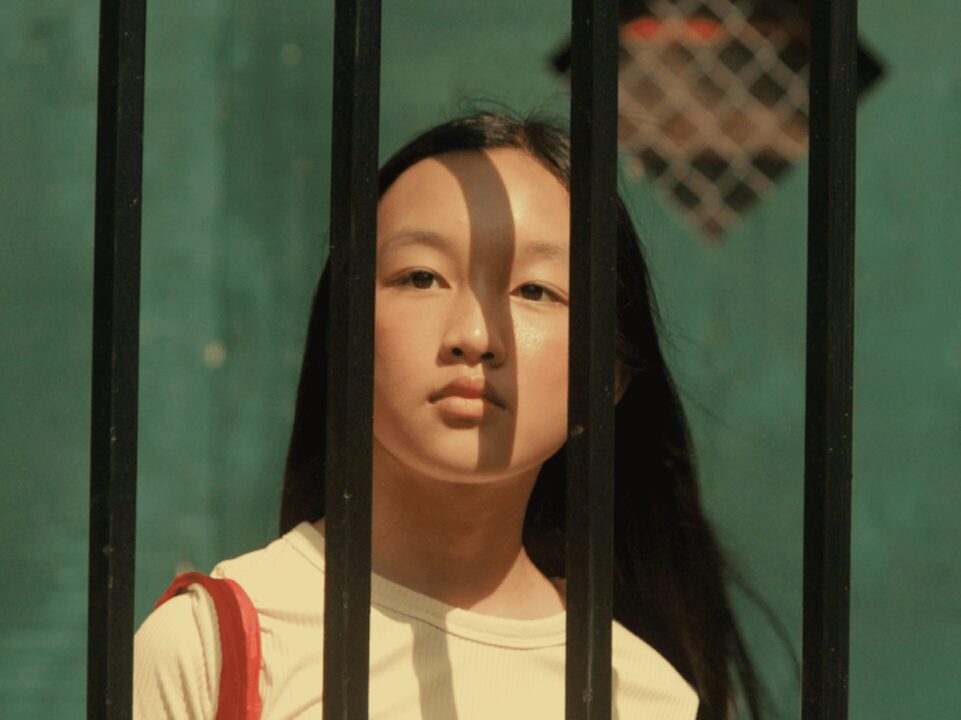
Rosie, a 13-year-old Chinese-American girl, is at the point in her life where her parents are embarrassing, her sibling is a nuisance, and being different is socially unacceptable. She's not overtly disregarding her heritage but she actively avoids using her Chinese birth name, which translates to "sunflower", and instead, opts for an American moniker, Rosie. After visiting her mom at her family's dry cleaning establishment, Rosie expresses–through voiceover– that she often pretends to be someone else.
Rosie engages her mom in a brief obligatory chat before she decides to ditch her and hang out with her teenage crush and his best friend. The trio rides their skateboards through the streets of New York, and all the while, Rosie attempts to play it cool and assimilate into this lifestyle. While hanging with the boys at a skatepark, Rosie sees her younger sister approach. Initially embarrassed, she tries to downplay her presence. However, when her crush's friend puts Rosie's sister in a potentially dangerous situation, she is forced to choose between her sister's safety, or putting her at risk by continuing to ignore her, with the hopes of impressing her crush. At this moment, Rosie realizes it's exhausting trying to be someone you're not, and family will always come first.
Your Family is Your Strength and Your Weakness
There is one line in particular that stands out the most: Your family is your strength and your weakness. Sunflower Girl does an effective job of crafting a tight story that both acknowledges the pains of growing up while also offering a sympathetic reminder that family will always have your back. Director Holly M. Kaplan captures this universal moment in time with such grace and sincerity, made even more impactful by the ukulele song that runs during the end credits.
Takeaway
In addition to being a heartwarming story of family ties, Sunflower Girl also serves as a reminder that sometimes, the simplest message is the strongest. Says Kaplan, "When writing Sunflower Girl, I drew direct inspiration by tapping into my past, as a child growing up in New York City and my family history as immigrants from Hong Kong who owned a Chinese laundry storefront in Brooklyn in the 1970s. With an uptick in stories of discrimination and violence against Asians in the US since the COVID-19 pandemic, I felt moved to tell an uplifting and personal coming-of-age story that explores the universal experience of young love and growing pains without showcasing hate or violence."

'Sunflower' Review: A Gripping Drama Based on Horrific True Events
In the film industry, there is an adage that is referenced time and time again: "Write what you know". This is all but guaranteed to generate a story that is compelling and unique to a filmmaker's individual perspective. Director Mateusz Balcerek takes this guidance to heart in his short film Sunflower (Słonecznik). Inspired by the true story of the director’s grandmother, Danuta Górecka, Balcerek’s short film is a moving portrait of survival against all odds.
A Child Trapped in the Violence of War
Sunflower tells the harrowing story of perseverance despite atrocity. The protagonist is a young girl named Danuta, who lives with her family in a war-torn country. It's the height of the conflict and avoiding harm's way has become her daily routine. To create some sense of normalcy, Danuta's grandfather encourages the family to play a game of "hide and seek" whenever soldiers from the opposition invade their home. Without the soldiers present, Danuta engages in activities that any normal young girl enjoys, specifically coloring pictures of sunflowers with the crayons her grandfather gave her.
One night, soldiers make an unexpected appearance at the family's residence and it turns catastrophic. Panicked, Danuta's grandfather urgently tells her to begin the game of hide and seek. This time, their game is a matter of life and death. Danuta hides under the bed, out of sight of the soldiers. Her grandfather, however, isn't so lucky. Shots ring out and Danuta sees her grandfather fall to the floor.
A Drama Based on Horrific True Events
For as traumatic as this story is, filmmaker Mateusz Balcerek's approach to telling it is undeniably beautiful. Special attention should be paid to the lighting, where a single table lamp is a literal and figurative symbol of illumination and hope. The young actress who plays Danuta radiates brightness and innocence. Despite experiencing tragedy at such a young age, her outlook on life is inspirational. Danuta is the embodiment of a literal sunflower, which is a recurring image throughout the film's 16-minute runtime. The sunflower reminds her of happier times, connecting her with her lost loved ones. Danuta's memories are the only thing the soldiers can't take from her.
Takeaway
Sunflower serves as a symbol of survival. Having qualified for the 2025 Academy Awards, Sunflower marks a monumental achievement for director Mateusz Balcerek, who wears his heart on his sleeve with this film. "This year marks the 80th anniversary of a pivotal event that profoundly influenced my family, particularly the life of my grandmother – Danuta Gorecka. Her vivid recollections of hiding under her bed as a 4-year-old child, paralyzed by fear, while three bullets claimed her grandfather's life, continually echo in my mind."
'Conclave' Review: Succession For the Religious Sect
A conspiracy thriller set during one of the world's most secretive religious events, Conclave will have you murmuring "Oh my God" under your breath. Director Edward Berger's latest feature, starring bonafide thespians Ralph Fiennes and Stanley Tucci, is an electrifying and visually stunning tour de force, whose suspense only intensifies as the story unfolds. Based on the acclaimed novel by author Robert Harris, Conclave crafts a fine-tuned story full of suspense and intrigue.
Inside a Closely Guarded Ritual That Goes Back Centuries
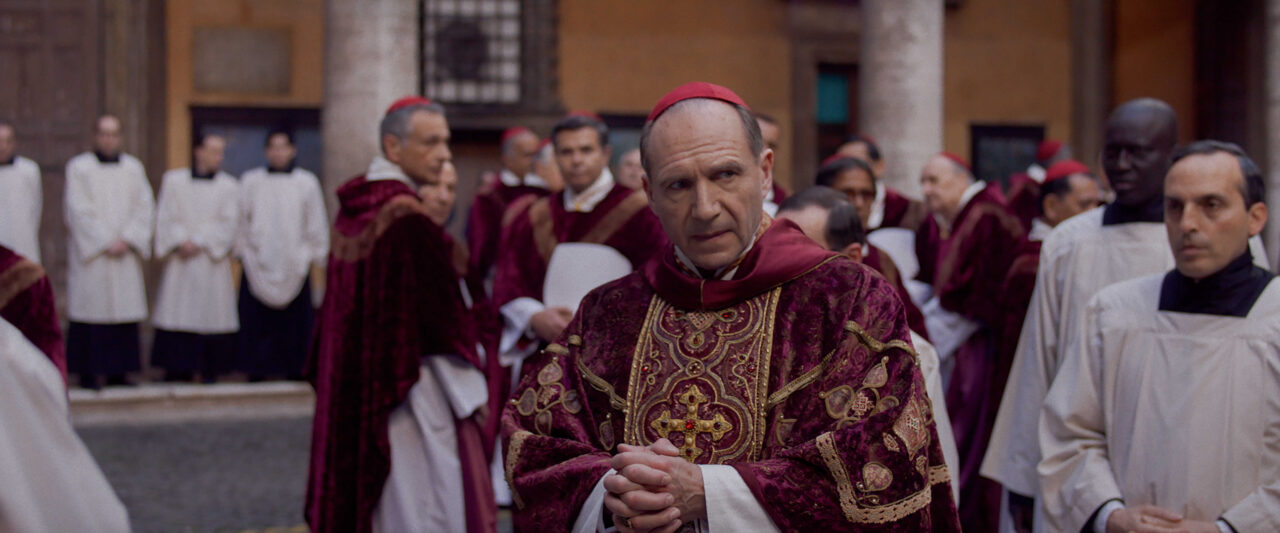
Conclave takes the audience into the secretive inner workings of the Roman Catholic church, one that common folk have never seen... until now. Following the unexpected death of the beloved Pope, Cardinal Lawrence (Fiennes) is tasked with wrangling the College of Cardinals to gather at the Vatican to begin the conclave. This private process will result in the election of a new pontiff. Members travel worldwide to participate in the institution's longstanding and historic tradition, which is purposefully kept hidden from the public eye. As the Dean of the College of Cardinals, Cardinal Lawrence knows this is a historic moment. It will define a new era for the Church and set a precedent for the future, so whoever is elected Pope must be thoroughly vetted.
Cardinal Lawrence, although a strong candidate for the position, insists that he has no desire to be Pope. This opens up the election to members, with a few frontrunners quickly gaining traction. Cardinal Bellini (Stanley Tucci) of the Vatican, Trembley of Montreal (John Lithgow), Tedesco of Venice (Sergio Castellitto), and Adeyemi of Nigeria (Lucian Msamati) attempt to convince the majority of members why they deserve the holy position. Each hopeful brings with them a different agenda. Cardinal Bellini is more forward-thinking and progressive while Cardinal Tedesco romanticizes more conservative propaganda. Not surprisingly, the conclave is politically charged and fraught with conflicting ideologies. However, once a dark horse is introduced into the fold, Cardinal Benítez of Kabul (Carlos Diehz), the energy inside the Vatican undeniably changes.
The Pollution of Power and the Conclave of Secrets
Cardinal Benítez is a soft-spoken man who goes nearly unrecognized at first. At first, his presence concerns Cardinal Lawrence because his arrival is unannounced. Once the wayward Cardinal declares his interest in assuming the role of Pope, a few members of the congregation begin to suspect something is awry. Behind the locked doors of the Sistine Chapel, Cardinal Lawrence suddenly finds himself at the center of a conspiracy that could not only disrupt the conclave but dismantle the very foundation of the Catholic Church.
https://open.spotify.com/album/450n3LTCuhmCsuUJiSo66N?si=yBGvu3-2TvqHigUJW07ntw
A Striking Production, In Front of and Behind the Camera
Conclave is not only a staggering political thriller, it is also a stunning visual achievement. The moment the Cardinals descend onto the Vatican wearing their blood-red robes is the moment my eyes grew wide just trying to take it all in. It's easy to feel the weight of the film's richness and depth. Every frame could be a painting. The script is equally as strong. For as sharp and cunning as it plays, Conclave is unexpectedly funny in certain moments. As the Cardinals ponder over electing a leader, one member proclaims that the candidates may not be ideal so they need to vote for the "least worst option". This line hit harder given the political climate right now, and had the audience in stitches. It can be hard to toe the line between serious grounded drama and dark comedy but screenwriter Peter Straughan does so with finesse.
There is another moment in the film that garnered an audible response from me, and it comes from Cardinal Benítez's powerful monologue toward the film's end. The Cardinals have all gathered in an auditorium during a tense time of decision-making. Two leaders with starkly differing opinions give steadfast soliloquies that appease their supporters. However, it is Cardinal Benítez's speech that sent chills down my spine. It is one of the most comprehensive, picturesque moments I've witnessed in a film all year. The camera framing, lighting, performance, and all-around delivery are perfect and remain etched in my brain weeks later.
Takeaway
From the esteemed casting to the perfect score by Volker Bertelmann, Conclave is absolutely not to be missed. Filmmaker Edward Berger is no stranger to bringing stories of epic proportions to life. His last film, All Quiet on the Western Front, was nominated for Best Adapted Screenplay at the 2023 Academy Awards. Given its gravity and impressiveness, Conclave should earn him another trip to the Oscars.
'Memoir of a Snail' Review: A Misfit Finds Peace in This Stunning Stopmotion Drama
The epidemic of loneliness and isolation is devastatingly realized in director Adam Elliot's animated feature Memoir of a Snail. The stunning stop-motion drama, which won the "Cristal Award" for Best Feature at the Annecy Film Festival, expertly blends coming-of-age angst and bittersweet melancholy. Sarah Snook of Succession fame voices the film's main character Grace Pudel, while Kodi Smit-McPhee (The Power of the Dog) voices her twin brother, Gilbert.
A Melancholic Misfit Finds Joy Through an Unconventional Relationship
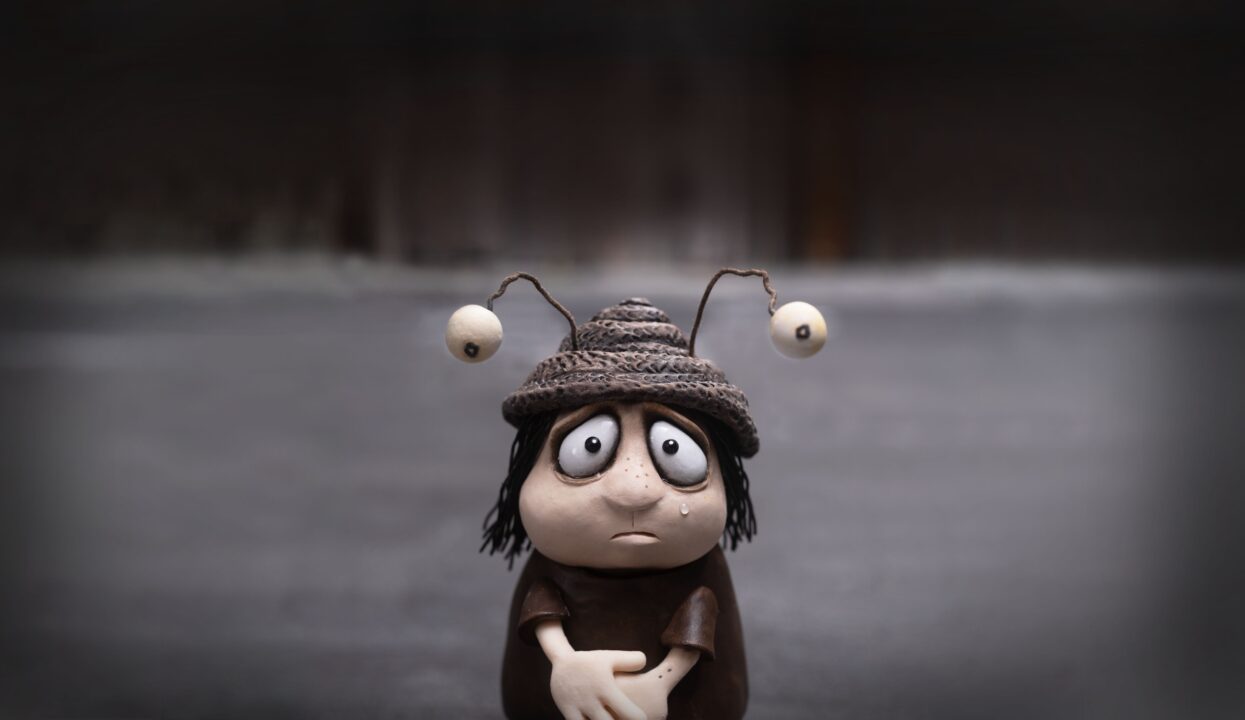
Latching onto our heartstrings in the unique way that animated films can, Memoir of a Snail is a bittersweet story about acknowledging and overcoming loneliness, bullying, and grief. Taking place in the 1970s, Grace Pudel (Snook) unloads her life story onto a garden snail called Sylvia. The snail is, after all, her only friend, as Grace has always considered herself an outsider. Moving through the world as a shadow of herself, Grace is a lonely misfit with a passion for collecting snails, both alive and ornamental. Her only stable relationship is with her twin brother Gilbert (Smit-McPhee). But when their parent dies unexpectedly, Grace and Gilbert are forced into state-run foster care and, devastatingly, become placed with separate families.
Grace slips further into her depression and existential dread. Her foster parents are weird and she misses her brother so much that it hurts. However, the faintest of silver linings appear when Grace meets the eccentric, Cuban cigar-smoking older woman Pinky (Jacki Weaver). They are opposites, no doubt, but Grace is immediately transfixed by Pinky's optimism and lust for life. The two form an unlikely friendship, each learning the life lessons they need most. But perhaps the hardest lesson of all is letting go, which Grace has experienced more intensely than any young person should. It never gets easier but through her time spent with Pinky, Grace becomes better at finding joy in the small things. Her new motto becomes: "Life can only be understood backwards, but we have to live it forwards".
Handmade Props and Stopmotion Animation Brings Grace's Story to Life
Academy Award-winning animation writer and director Adam Elliot crafts an evocative and tender story with strong universal appeal. Memoir of a Snail is a poignant and surprisingly humorous look at some of life's most vulnerable moments. There were a handful of moments when I caught myself laughing out loud, as well as wiping away tears. Empaths, this is your warning that you will feel many feelings.
The production is an incredible feat as well. A team of artists spent almost a year making the 7,000 objects needed to tell the story. Further bringing the characters to life is an incredible ensemble cast. Each with their distinct voice, it's apparent that they put everything into this little story with a big heart. The script includes many specific details about navigating through grief, it almost feels as if we are reading Elliot's private diary. The score, created with vocals from the Australian Chamber Orchestra, is another standout for its commanding presence.
Takeaway
Memoir of a Snail is a one-of-a-kind film that can evoke new emotions with every watch. Its dark and gothic aesthetic encases a soft and bittersweet story that will undoubtedly stir up sentimental feelings of childhood. Be prepared to laugh, cry, and reminisce all at once.
'The American Question' Review: How to Get Democracy Back on Track
There are less than three weeks until a pivotal election decision has the potential to upend our democracy as we know it. In the coming days, those on both the right and left are digging in their heels and fighting ruthlessly for what they believe is the best path forward for our country. Director James Kicklighter takes a wide-lens approach to this divisive historical moment in his eye-opening documentary, The American Question. At a time when it seems we are becoming further divided as opposed to united, Kicklighter aims to explore the roots of American polarization and find solutions for a harmonious and symbiotic path forward.
With Great "Hyperpowers" Comes Great Responsibility
The film begins with a brief history lesson offered by Amy Chua, a Yale Law professor and one of Time’s 100 most influential people. She is incredibly well-spoken as she explains how, centuries ago, empires succeeded through a practice of tolerance. Distrust between a government and its citizens was a telltale sign of imminent decline. As we take stock of our current political predicament, it's obvious that we've collectively fallen off track. Where there used to be trust has now been overshadowed by skepticism and outright hatred. The American Question dates this obvious shift in divisiveness back to the 2016 election. That's not to say that politics wasn't an ugly game before, but post-2016, there seemed to be a visible shift toward outright hatred of the opposing party.
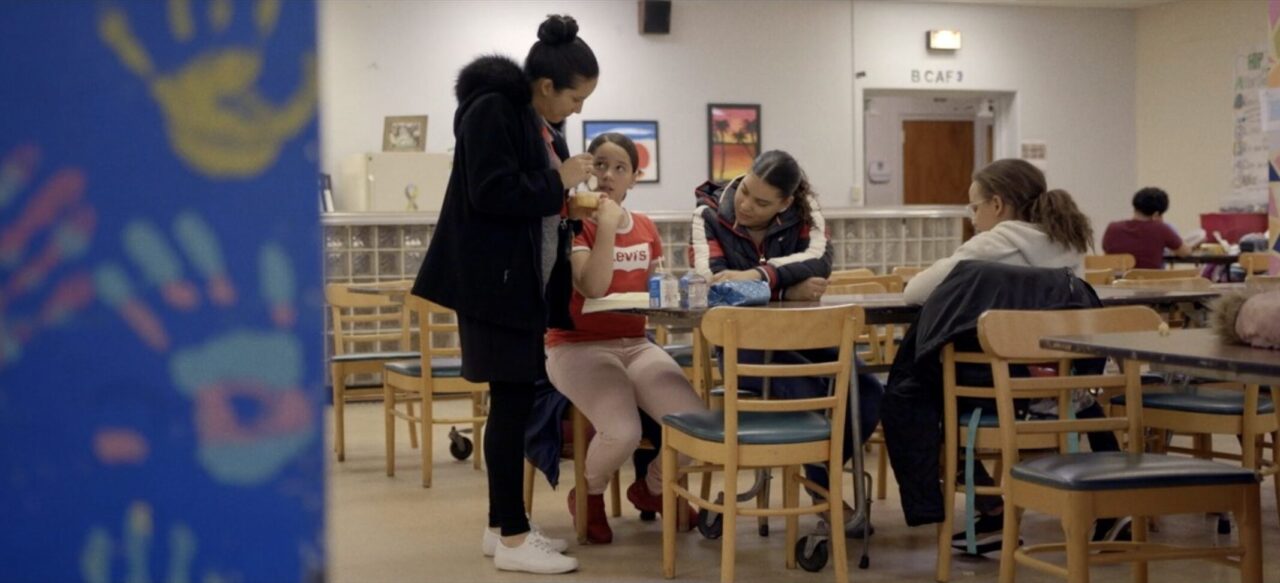
How did the overarching trust we once had in our process so dramatically erode the relationship between citizens and government? This is the question that the central narrator of the film, Guy Seemann, is attempting to answer. Guy is a political analyst who moved back to the United States after spending years in Israel. He speaks with scholars, educators, political figures, and average citizens across the country to gain their perspective on the present moment. Regardless of what side of the aisle they identify with, they ironically all have the same conclusion: we should be open-minded enough to understand that people will think differently than you. If only everyone could practice what they preach.
Engaging Beyond Your Bubble
Another way out of this metaphorical sinkhole our country is currently experiencing is listening to other people's points of view. Too often, we're quick to dismiss those who have a differing opinion. As the interviewees point out, this leads to narrow-mindedness which gives way to resentment and can ultimately breed hatred. An interesting parallel is made in the film that claims when people feel threatened, they revert to tribalism, and to avoid this, we all need to be better listeners. We don't need to necessarily agree, but we need to be open-minded enough to at least listen.
How to Fix America
It all comes down to stability and respect. When people feel safe, they exude goodness. Through engaging interviews with people in swing state communities in Pennsylvania and Michigan, diverse Americans share their unique experiences in this country. Director James Kicklighter aids their stories with easy-to-understand graphs and a plethora of archival footage that brings the otherwise typical "talking head" interviews to life.
Takeaway
The American Question is an enlightening, non-partisan look at an incredibly sensitive and timely issue. James Kicklighter doesn't just ask the question to create provocative soundbites. He actually leaves audiences with actionable steps to depolarize America. We are in desperate need of a better path forward, and The American Question is a great first step.
'The Waiting Game' Review: The Ongoing Drama Surrounding the ABA/NBA Merger
The 2024-2025 NBA season officially begins on Tuesday, October 22nd when the Boston Celtics go up against the New York Knicks. I usually find this time incredibly exciting as my favorite team returns to the court, dressed in sleek new jerseys and outfitted with a renewed sense of competition. However, I have a new perspective on how the NBA operates since watching director Michael Husain's expose of the organization and their treatment of a rival league dating back to the '70s. Spoiler alert- it is not pretty, or very ethical. The Waiting Game offers insight into the drama behind one of the most popular sports in the world.
The ABA Made Basketball What It Is Today
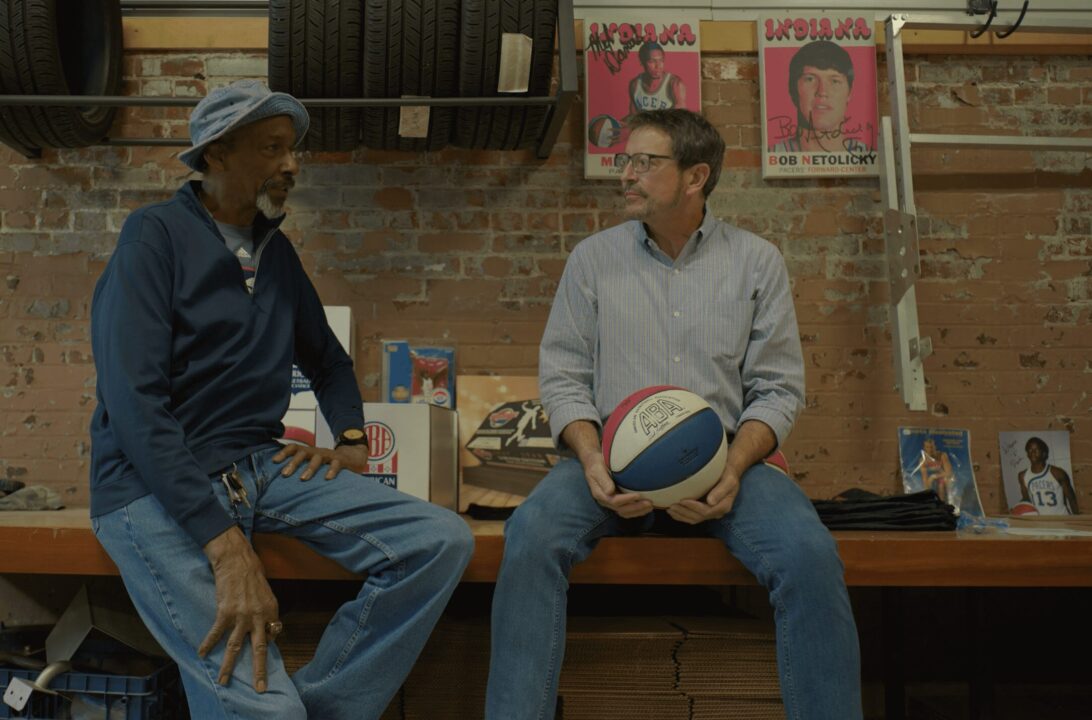
Through stunning archival footage, The Waiting Game begins by sharing the origin story of the American Basketball Association, commonly referred to as the ABA. The ABA was founded in 1967 as a more entertaining counterpart to the NBA. The NBA had become stale and corporate, lightyears away from the game we know and love today. Fans were bored and quickly losing interest in the overly regimented NBA. Seeing an opportunity to reinvigorate fans, the ABA decided to put more emphasis on the entertainment aspect of the game. This strategy resulted in changing the trajectory of the league forever.
The ABA's creative new additions included the three-point shot, slam dunk contest, and a half-time show. In short, the ABA essentially recreated the modern game of basketball as we know it. The plan worked, and spectators started filling the seats again. The ABA lasted nine years before merging with the NBA, with four of the original ABA teams existing today, the Pacers, Spurs, Nets, and Nuggets.
Capitalism Off the Court
The ABA became a shining example of an underdog success story. However, the good times didn't last long. After the 1976 ABA/NBA “merger” came a complex legal battle that ABA players are still fighting against today. The issue comes from a lack of resources and benefits that the original ABA players were guaranteed but was never delivered. Like many jobs, players in the NBA receive benefits such as retirement and healthcare. However, when the merger took place and ABA players entered into the NBA, those benefits didn't transfer. Perhaps most grotesque of all, those ABA players who–arguably–turned basketball into a multi-billion dollar industry, never saw any monetary reward. Like textbook capitalism, these players gained almost nothing from the growth and prosperity of the product they essentially created.
This is where the film's beacon of light, the small non-profit Dropping Dimes Foundation, comes into play. The foundation saw the injustice and took it upon themselves to fight the NBA for fair treatment of ABA players. The film documents the countless hours of speaking with former players to get a sense of their disappointment with the league. Their hard work paid off in 2022 when the NBA Board of Governors reached a historic agreement. They agreed to pay $24.5 million to former ABA players. Unfortunately, however, many players are still waiting for their due.
A Blend of Historical and Investigative Journalism
Making its World Premiere at the 2024 Heartland Film Festival, The Waiting Game is a powerful documentary that re-exposes the murky backstory of one of the most popular sports organizations in the world. It is an engaging look at basketball's metamorphosis over the years. The film also caters to fans who enjoy investigative journalism documentaries, especially in the vein of David vs Goliath. Interviews with renowned figures like sports commentator Bob Costas, basketball icon Julius "Dr. J" Erving, and six-time All-Star ABA player James Jones, add urgency and credibility to this mostly unknown story.
Takeaway
The Waiting Game reflects the ongoing fight for recognition, dignity, and justice for former ABA players. "How could the guys who played such a crucial role in developing the billion-dollar modern game of basketball, be in a place where they couldn’t buy medicine or pay rent?", is the pointed question asked by director Michael Husain. Whether or not you're a fan or a critic of the NBA, The Waiting Game is a must-see.
'We’re Not Done Yet' Review: The Simple Pleasure of Reconnection
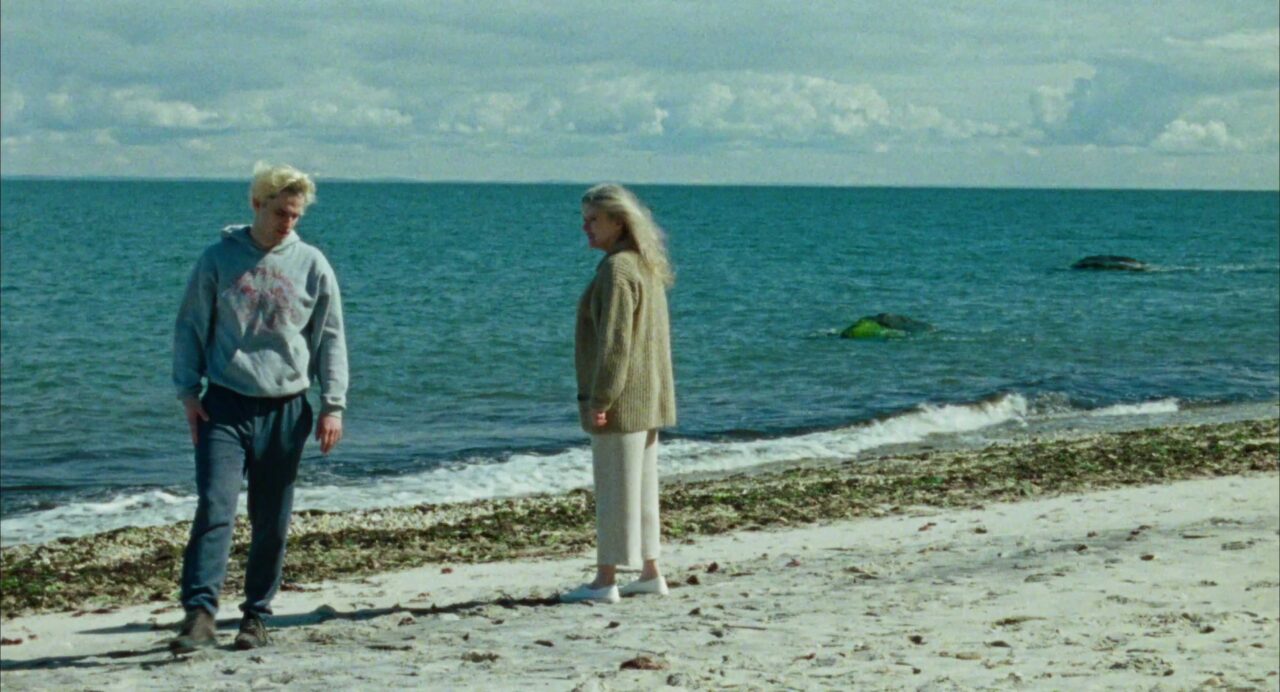
Director Joseph Longo acts alongside his mother in the redemptive short film We're Not Done Yet. Co-directed by Sofia Camargo, who shares Longo's vision for inspecting family dynamics, We're Not Done Yet is a simple yet effective look at the complex relationship between parent and child, specifically the nuance of mothers and sons. The film is 22 minutes long and will premiere at the 2024 Hamptons International Film Festival this week.
The Joy and Pain of Parenting
Alex (Joseph Longo) is visiting his mother Bettina (Barbara Sukowa) at her beach house for a weekend. They are not quite estranged, but in a typical parental fashion, Bettina is far from subtle in that she feels Alex should be visiting her more. The duo falls into a routine of morning yoga and beachfront strolls, a seemingly perfect way to reconnect and spend quality time together. However, their personalities clash when unresolved issues bubble up, forcing tension into an already tender relationship.
Bettina is an empty nester who wants to regain a sense of responsibility. She thinks adopting a child will fill the void in her life, despite her being 70 years old. She is also back on the dating scene and introduces Alex to her new boyfriend, Doug (Danny Mastrogiorgio). Alex is clearly not a fan of his mom's recent life choices and especially mocks her for wanting to adopt a child at her age. This frustration hits Alex's pain point: his lack of control, and his growing feeling of exclusion from his mother's life. From Bettina's perspective, it's never too late to live a little. Her son is an adult and out of the house, so why not date and feel wanted again? On the contrary, Alex expects Bettina to prioritize caretaking him first and foremost. He is her son after all!
Growing Up, Letting Go, and Moving On
Both express their needs in not the healthiest of ways, but ultimately, they cut the tension by returning to the ocean and taking a moment of introspection. It's here where they realize that they are both human with constantly evolving wants and needs, and their love for each other is unconditional.
A True Family Affair
We're Not Done Yet offers a humorous and touching look at this common mother-son dynamic. What sets it apart from other films that focus on similar themes is the casting of a real-life mother-son duo. Their chemistry is undeniably sharp and captures both the struggles and joys of growing up and moving on. I'm not privy to director Joseph Longo's personal family relationships, but it's fair to guess that working on this film only strengthened his bond with his mother. Another strong aesthetic choice is the color grade which gives the film the look and feel of a 1970s film.
Takeaway
A highly intimate and personal love letter about the art of reconnection, We're Not Done Yet is a powerful watch. It aims to spark conversation around family dynamics, specifically the fear of letting go and facing adulthood.
'Anora' Review: An Electrifying Odyssey Through Love, Loss, and New York City
If you want to see the best film of the year, look no further than Sean Baker's Anora. Winner of the Palme d'Or at the Cannes Film Festival, Anora follows the rise and fall of an erotic dancer named Ani. Baker's operatic love story is equally stunning and devastating as it depicts a whirlwind young romance destined to fail from the start. Not only is Anora a dazzling cinematic experience from script to screen, it also catapults lead actor Mikey Madison to stratospheric heights.
A Cinderella Story That Could Only Come From Sean Baker
Anora opens with a five-minute sequence set in a New York strip club, perfectly synched to a remix of Take That's single "Greatest Day" (looking back through my notes during the screening, I had underlined–multiple times–"hot song!"). As the song pulsates through the speakers, Russian American sex worker Ani (Mikey Madison), short for Anora, is in her element working the floor of the gentlemen's club with finesse and confidence. She may be scantily clad but what she lacks in modesty, she compensates for in charm and charisma. Ani flirts with the guests, her warm demeanor and inquisitive nature make her a natural conversationalist. It's not unusual for men to fall in love with her for the night before they inevitably return to their wives in the early morning.
On this night, Ani is set up with a young and mysterious client who specifically asks for a Russian-speaking dancer. Unbeknownst to her, this scrawny and boisterous nepo baby will change her life forever. She quite literally falls into the lap of luxury when she meets Ivan (Mark Eidelshtein), the son of a very wealthy Russian oligarch. A couple of years her junior, Ivan is immediately smitten with Ani, so much so that he convinces her to quit her job to spend time exclusively with him at his mansion in Sheepshead Bay. Hesitant at first, Ani eventually agrees. But she is a businesswoman first and foremost, so a deal is reached, prompting her to pack her bags, leave her Brooklyn apartment, and begin her new role as "girlfriend".
From Russia, With Love
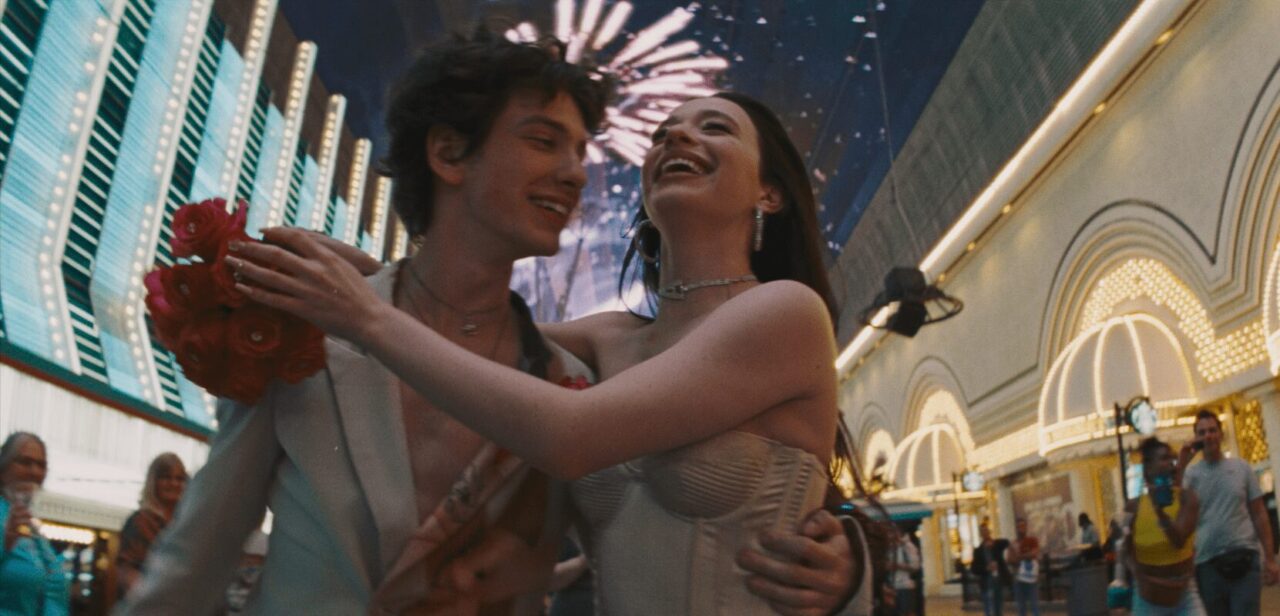
On paper, these two opposites are initially only focused on each other's superficial qualities: sex and money. However, it's not long before Ani and Ivan develop genuine feelings. This growing attachment makes Ivan's upcoming situation complicated. He eventually confesses that his Visa is expiring and he must return to Russia. However, Ivan–who is used to getting whatever he wants–proposes a solution. He can stay in America if he marries an American. Ani reads between the lines. A spur-of-the-moment decision brings them to a little white chapel in Las Vegas, where they exchange drunken "I do's". Walking down the bustling streets of Sin City, with fireworks lighting up the sky, Ani is on cloud nine. She knows it's fast and completely unexpected, but she's never been happier.
A Beautiful Dark Twisted Fantasy
The honeymoon phase doesn't last long. Once word gets back to Ivan's parents that he married a sex worker, they immediately jump on a plane to force an annulment. While they travel to New York, Ivan's parents dispatch the family guardian Toros (Karren Karagulian) to talk some sense into Ivan. From here, Ani's love story turns into complete and utter chaos. Toros and his cronies, Garnick (Vache Tovmaysan) and Igor (Yura Borisov), force their way into Ivan and Ani's life. These men look tough, act tough, and will not take no for an answer. Afraid of his family's retaliation, Ivan flees his mansion and goes MIA, leaving Ani at Toros's mercy. From here, the film unravels into a wild goose chase as the unlikely group tries to track down Ivan and bring him home.
Shooting the Film in 35mm Using Anamorphic Lenses
Ani comes from the working-class world and is understandably swept away by Ivan's wealth. She romanticizes him and his deep pockets. Much like how Dorothy in The Wizard of Oz experiences color when she enters the land of Oz, Ani's world gets brighter just being next to Ivan. To further illustrate this new dimension and worldview, Sean Baker was adamant about shooting on 35mm with anamorphic lenses. This decision, lensed by director of photography Drew Daniels, gives Anora a timeless and beautifully sculpted aesthetic style.
Takeaway
Much like its titular character, Anora is a straight-shooting, no-BS, mesmerizing odyssey that, once experienced, is impossible to forget. It's as much an exaggerated story of a sex-filled love bombing as it is an intimate look at class and access. Backed by strong performances that will make you laugh out loud and possibly shed a tear, Sean Baker once again strikes gold by telling another human-centered story that rings true with authenticity, courage, and heart. I hope he is ready to accept a lot of gold this awards season too.
'Last Party' Review: Teenagers Face an Unexpected Leveling Up
Director Nicolas Dozol presents a unique coming-of-age story in his feature-length film, Last Party. Utilizing one location for the duration of the 70-minute drama, Last Party incorporates intricate on-screen choreography and camera sleight of hand to capture a transformative night. Comprised of 28 long takes that give the illusion of a single shot, Dozol's intention has a delightfully artful result. Last Party will have its World Premiere at the Chelsea Film Festival on October 20, 2024.
Teenagers Face an Unexpected Leveling Up
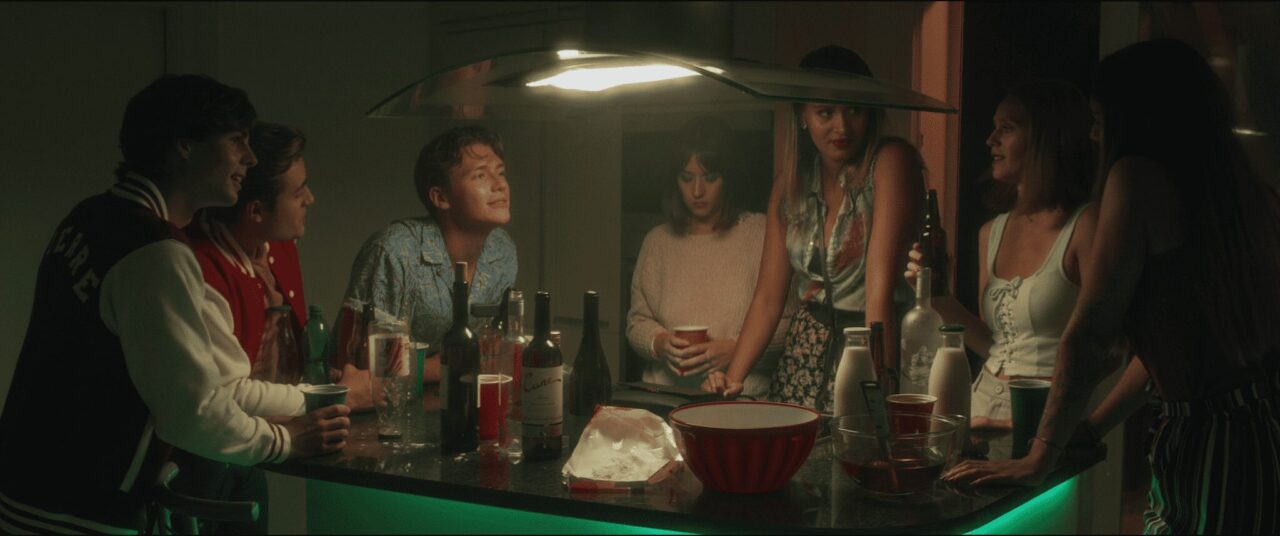
Last Party blends different cinematic genres, including mystery and drama, to tell the story of a life-changing night for four teenagers. While celebrating their recent high school graduation with classmates, they are all separately confronted with internal angst. They are suddenly faced with difficult truths and uncomfortable awakenings, which catches them off guard since they were expecting a fun-filled night of carelessness rather than a life lesson. At the film's climax, the four teens find themselves accidentally locked in a room wondering if this awful night might be their last. Ultimately, they realize that facing these unmet needs will help shape them as they embark on the next chapter of adulthood.
The Camera Conveys Emotion
Appealing to fans of Euphoria, Last Party also doesn't shy away from showing the more provocative nature of teenage liberation, including drinking, drugs, and random hookups. As the characters become more inebriated, the camera movements mimic their mental state. They too get more loose and fluid as if we the audience are experiencing their increasingly blurry state of mind. The production design succeeds in creating a party atmosphere, however, there are moments in the film that are awkwardly quiet, especially for a house party. The music, while pleasant to listen to, does a lot of the heavy lifting.
Takeaway
Last Party is not a typical coming-of-age story that has a conclusive ending. It seems director Nicolas Dozol would rather plant seeds of curiosity that give way to rumination than force-feed the audience a pre-packaged resolution. This leaves Last Party more open to interpretation. Five years in the making, with a shooting schedule of just five days, Last Party is an artful illustration of the sudden, and sometimes chaotic, transition from teenage to adulthood.