
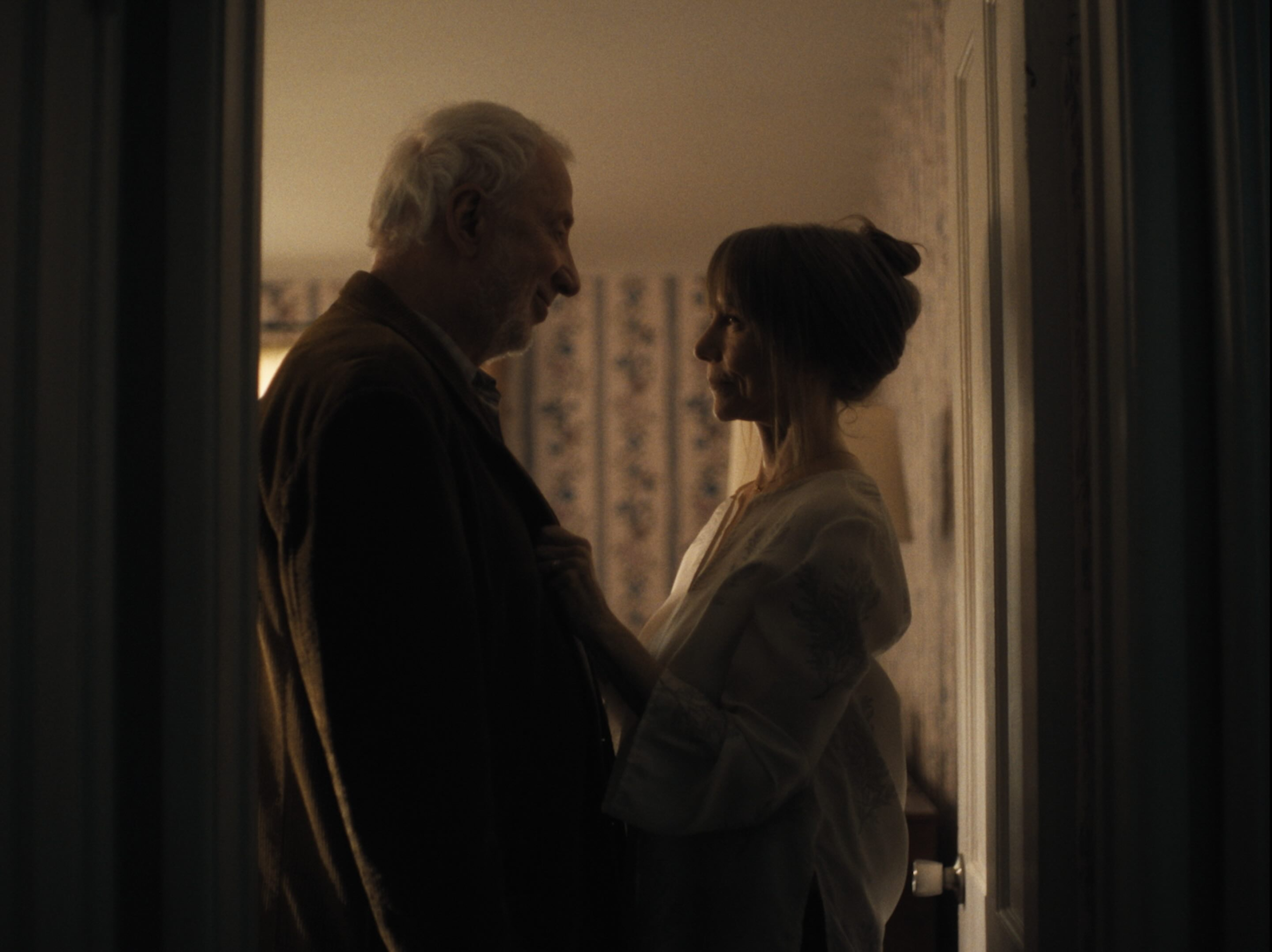
'Dance with Me' Review: Memories Fade, Music is Forever
A holocaust survivor simultaneously battles the past and present in filmmaker Nicholas Paskhover's short, Dance with Me. Running fifteen minutes long, this emotionally-charged drama explores the complicated layers of memory. Inspired by the filmmaker's personal experience, Dance With Me tells a tender story of hope and the everlasting power of music.
If Music Be the Food of Love, Play On
Sasha (Elya Baskin), a Holocaust survivor, cannot escape his past. His dementia causes him to struggle in his ability to distinguish memory from reality, including vivid flashbacks to his traumatic childhood in 1941. His wife, Anya (Laraine Newman), does her best to bring Sasha back to the present moment, but his rapidly declining condition proves challenging. Sasha's increase in confusion results in one particularly terrifying situation, when he mistakes Anya for an enemy and draws a gun in self-defense.
However, Anya is a patient woman and sees the light behind Sasha's eyes, confident that he is not lost for good. To spark his memory and bring him back to reality, Anya plays music from their past. Her idea works; cutting through the noise and confusion from his dementia, Sasha–without hesitation–begins to dance with his wife of many decades.
Watch a Teaser of Dance With Me here
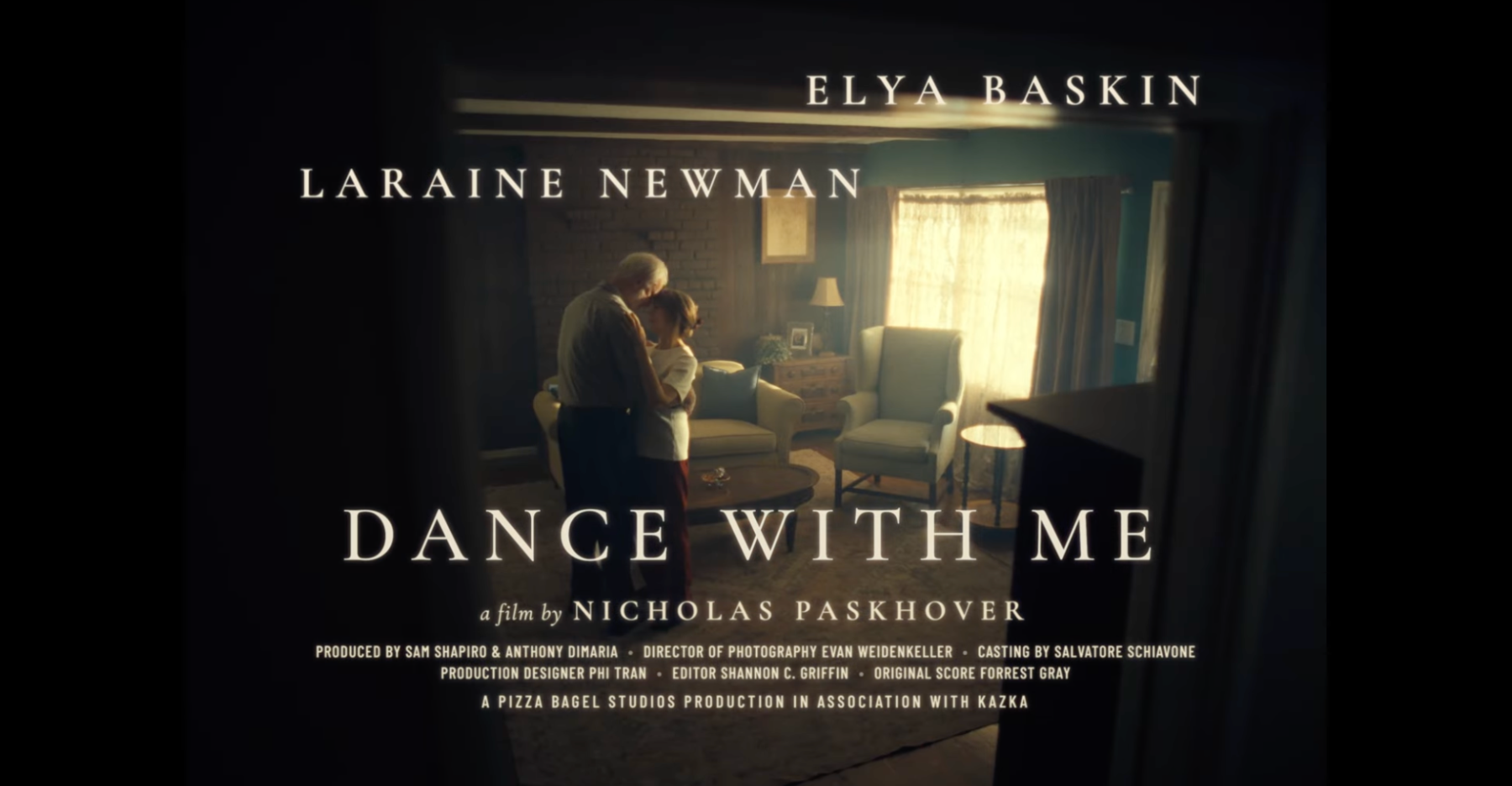
Bringing the script to life are the phenomenal performances from the co-leads. Elya Baskin evokes such a sympathetic reaction, while Laraine Newman's resilience acts as a nice counterweight. Their chemistry rings authentic and deeply real. Filmmaker Nicholas Paskhover crafts a haunting story that encourages audience introspection. Remembrance and identity are core themes that Paskhover is able to effortlessly articulate throughout the film, especially in the script. A project that is so personal to him, there is an extra layer of vulnerability that you can viscerally feel.
Director's Statement
"When my grandfather Boris was nine, he was sent to the concentration camp at Pechora, in Romanian-occupied Ukraine. He said goodbye to his mother and his sisters and never saw them again. Most of the people who died there died of hunger. He escaped with his father and his brother, and the three of them were separated soon after. He rarely talked about any of it.
The dementia brought those traumatic yet formative childhood memories back, fueling episodes and nights he'd wake up screaming. My grandmother Maya was married to him for more than fifty years. They went through so much together and my grandfather loved to spoil her rotten. When the disease took over, she had to watch him forget her while he drifted in and out of his traumatic past. I wondered what that must have been like, both for him and for her. Dance with Me became my way of honoring them both." - Nicholas Paskhover
Takeaway
Difficult subject matter often makes for compelling stories, and this is true in Dance With Me. The film recently premiered at the 2026 LA Shorts International Film Festival.

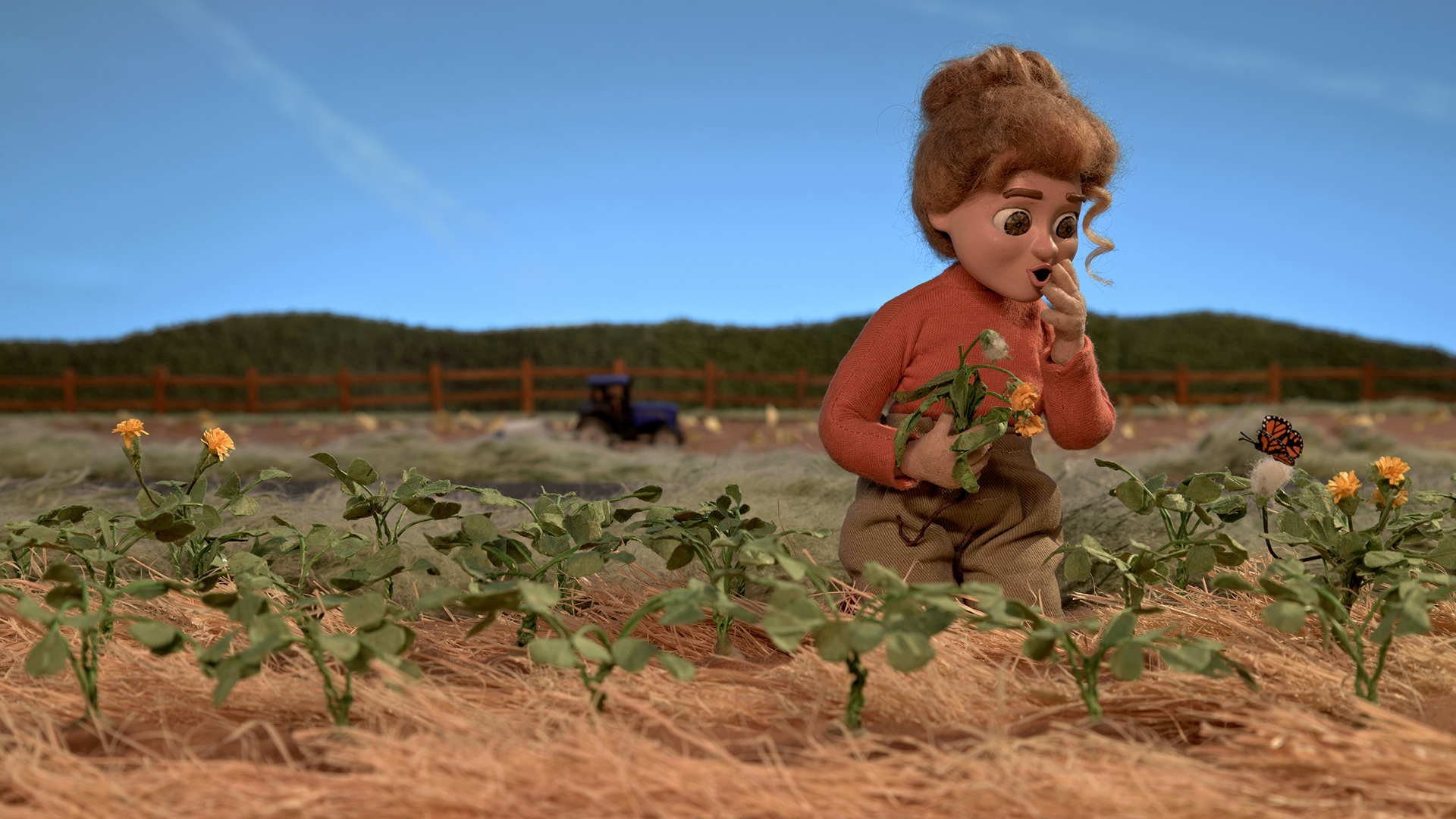
'The Farmer's Daughter' Review: Ambient Agriculture in Stunning Stop-Motion
There's a special kind of joy that comes from watching a stop-motion film. The ability to turn a laborious process into something so elegant and seamless never ceases to amaze me. Director/writer/editor/producer Melissa Bloom captures this movie magic in her stunning and eco-conscious short film, The Farmer’s Daughter.
A Love Letter to Regenerative Farming
The Farmer's Daughter uses colorful and expressive imagery to tell a universal story of hope and survival. A farmer and his daughter face a heartbreaking dilemma when their once fertile family farm stops producing harvest. The bison and birds that used to roam the vast fields are now replaced with dry roots and dead soil. With no crops to sell, and no prospects on the horizon, the farmer painstakingly decides to sell his land. However, his daughter's determination to regenerate the farm is strong. She makes little tweaks here and there until, one day, the "barren wasteland" is transformed. But with a signed contract already in place, is it too late to rescind the sale and keep their farm?
Embracing Nature, and Natural Materials
The mesmerizing production aesthetics of The Farmer's Daughter offers an instant dose of warmth and comfort. You can practically grasp the fluff on the Bison, or the dry roots in the soil. Incredibly, all the materials in the film are eco-friendly and non-toxic. Even the processes used to create the sets and characters were intentionally sustainable. This commitment to environmental standards, both on screen and off, only enhance the film's overall effectiveness. Further aiding in the overall production is the sound design, which is also quite meditative and serene. The satisfaction of hearing roots being pulled from the ground, and the sprouting of new plants and vegetables feels therapeutic.
Director's Statement
"I love how expressive and moody stop-motion can be, but for us it’s about telling inspiring and heartfelt stories for all ages. In fact, it was so fun to watch the children of our crew (as young as 2 years old!) watching the film, mesmerized by the tractors and colors. My biggest curiosity is if people can tell that the film was created with all natural and non-toxic materials and methods.
What I would love people to take away is the understanding that you can create in alignment with Nature while still holding true to your vision and making a product that is comparable to other stop-motions using standard materials." - Melissa Bloom
Takeaway
Running thirteen minutes long, The Farmer's Daughter is the very best interpretation of ambient agriculture. Hopefully, its successful use of natural materials and methods will inspire other filmmakers to embrace an eco-conscious production mindset. The short was selected to screen at the 2026 Indy Shorts Film Festival.
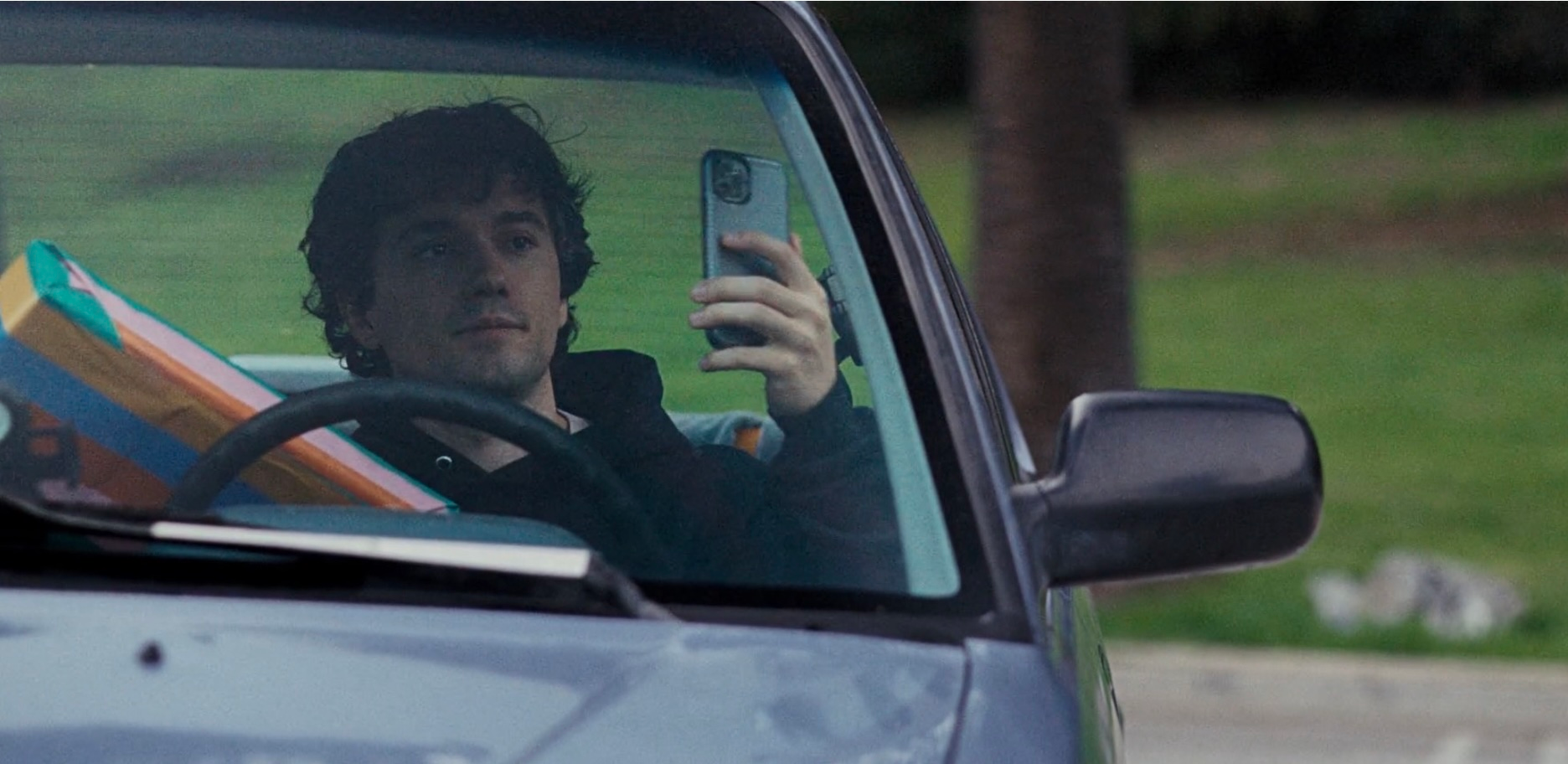
'Creators' Review: Like, Subscribe, and Stay Sane
Influencers will do anything for attention. It doesn't help that the current creator economy incentivizes people to go bigger and bolder, to the point where the line between fantasy and reality becomes blurred. Writer/director Nikolay Sysuev explores this alarming need to capitalize on trends in his short dark comedy Creators.
Like, Subscribe, and Stay Sane
Kieran, an aspiring content creator, learns the hard way that there is no fast track to fame. His YouTube channel "Kieran Does Stuff" struggles to break 100 views per upload, which is a frustrating reminder that his prank videos are clearly not resonating with his audience. Kieran's desperation for a viral hit reaches its peak when he stumbles across a video of a YouTuber saving a man from jumping off of a bridge. In a twisted way, it is this clip that fills Kieran with inspiration. He convinces himself that, if he can stage a heroic rescue, the algorithm will reward him with not only views, but most importantly, likes.
As luck would have it, Kieran finds himself in a situation where he does in fact save a man's life. Thrilled with how the optics will look, Kieran excitedly logs onto YouTube to begin creating his next post. However, he soon makes a twisted discovery that forces him to confront a dark thought: is he actually creating the content, or has he become it?
Nightstalker Aesthetic Meets Offbeat Humor
Creators' dry and offbeat humor sets the perfect tone for this interpretation of living life for social media. The script, written by Sysuev, is tight and sharp, and delicately finds the balance between a comedy and a thriller. Cinematographer Adam Leene brings the vision to life with cinematic flare, and I wouldn't be surprised if the visual references included Nightstalker, given Creators gritty and dark aesthetic. As the protagonist, Kieran, Matthew Garry is a captivating leading man.
Director's Statement
"I hope audiences have fun with it first and foremost. My goal has always been to entertain, but also to leave people with a few uncomfortable questions. We all live in a world where the line between authenticity and performance is becoming increasingly blurred, and I wanted to explore that in a way that feels funny, surprising, and hopefully a little unsettling.
More than anything, I hope the film offers a perspective that audiences haven't quite considered before. If people leave the screening still debating the characters' choices, questioning how they might have behaved themselves, or finding that certain moments linger in their minds, then I'll feel the film has done its job." - Nikolay Sysuev
Takeaway
Creators is a story that contains a prevalent emotional truth at its core, while remaining a humorous and stark observation of the influencer economy. It's this layered vulnerability that makes Creators such a compelling and fun watch. The film was selected to screen at the 2026 HollyShorts Film Festival.
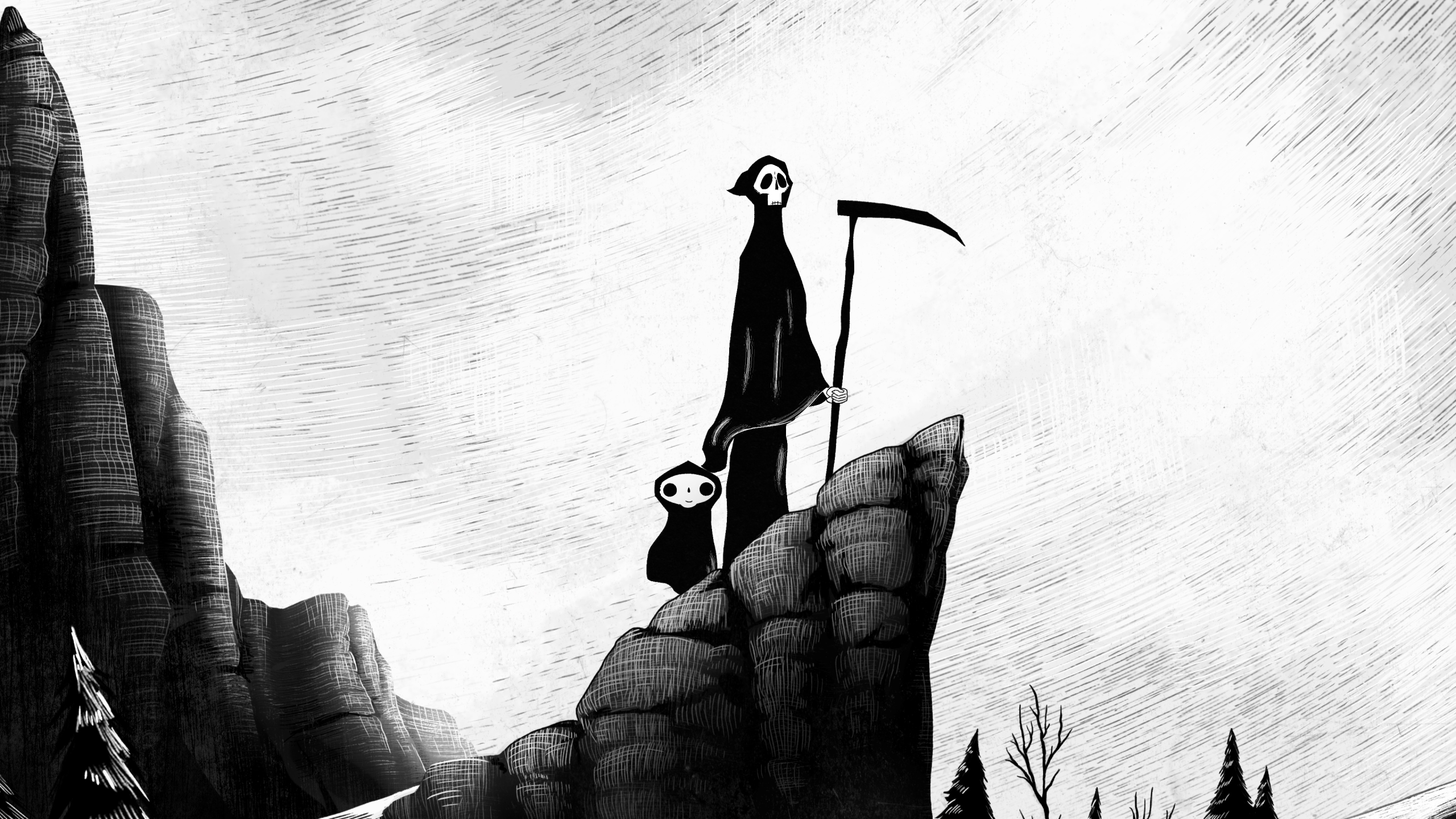
'A Little Death' Review: The Teacher Becomes the Student
Beautiful handcrafted animation is alive and well in Leto Meade and Jonathan Rockefeller's short film, A Little Death. In a world of increasing AI infiltration, the film's hand-drawn illustrations offer a breathtaking return to form. The craftsmanship is stunning and vividly transforms the source material, Nicholas Gurewitch's graphic novel "Notes on a Case of Melancholia, Or: A Little Death", into a charming dark comedy.
The Teacher Becomes the Student
It's an ordinary day for Death and his young apprentice as they attempt to collect a soul from Earthside. Their target is an older gentleman, a seemingly easy first get for Little Death. However, her inability to focus coupled with her desire to embrace living beings like plants, animals, and a specific red flower, is increasingly frustrating Death. Fed up with Little Death's behavior, Death decides to seek advice from an unlikely source: the older gentleman he is meant to collect. What transpires is an unexpected learning lesson that ultimately ends with a twist no one sees coming.
An Unexpected Vehicle for Self-Reflection
The unique storytelling of A Little Death successfully aids in its ability to act as a vehicle for self-reflection. The creative decision to forego dialogue in exchange for composer Alastair McNamara's orchestration and choir ensemble creates a very effective emotional force. Similarly, the predominantly black and white sketches are bold and eye-catching. The pop of red from the flower–the only color in the film–is intentional. It quite literally acts as a red herring.
Directors' Statement
A Little Death began with Nicholas Gurewitch’s book, whose quiet comic unease lives as much in its drawings as in its story. Although macabre in premise, we were drawn to the tenderness beneath it. Visually, the film extends Gurewitch’s graphic language. His illustrations-rendered in meticulous cross-hatching reminiscent of Edward Gorey-combine Victorian elegance with dry, understated humour. We carried that sensibility into the animation; a deliberately surreal two-dimensional world of dense pen-and-ink textures and restrained performances.
Every creative decision was made to create a tactile quality similar to the original etchings. Characters were animated traditionally by hand using custom brushes designed to emulate the textures of the book. Backgrounds combine digital work with physical printmaking; textures etched into copper and steel plates and printed on a large-scale press in Scotland before being incorporated into the environments.
Rather than simply adapting the book, our film attempts to inhabit it. Allowing this hand-drawn world of Grim Reapers to feel unmistakably human and unmistakably made by human hands." - Leto Meade, Jonathan Rockefeller
Takeaway
From start to finish, including a whimsical credit scroll, A Little Death is a delight. It's inspirational both in both story and craft. A Little Death recently made its World Premiere at the 2026 Annecy International Animation Film Festival.
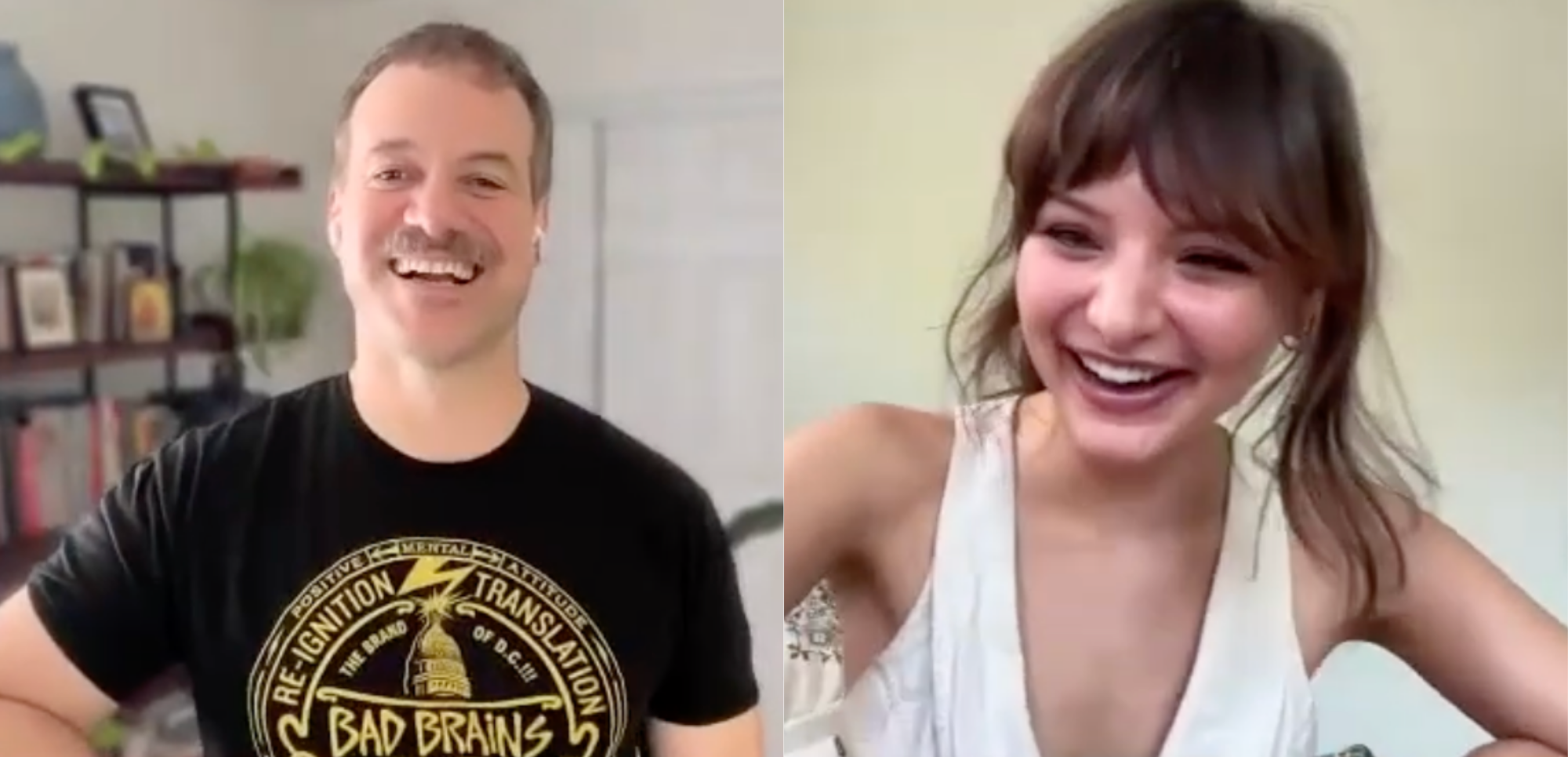
Cassady McClincy Zhang and Merlin Camozzi on 'The Snare'
I sat down with Cassady McClincy Zhang (The Walking Dead) and filmmaker Merlin Camozzi to talk about The Snare, which is now available on VOD.
In our exclusive interview (which took place ahead of the film's limited theatrical release), we spoke about how Merlin's childhood informed the writing of the script, Cass's contribution to the wardrobe and how a pair of pants transformed her character, and how "loneliness" was the key word when it came to nailing the tone of the score.
Watch our interview here.
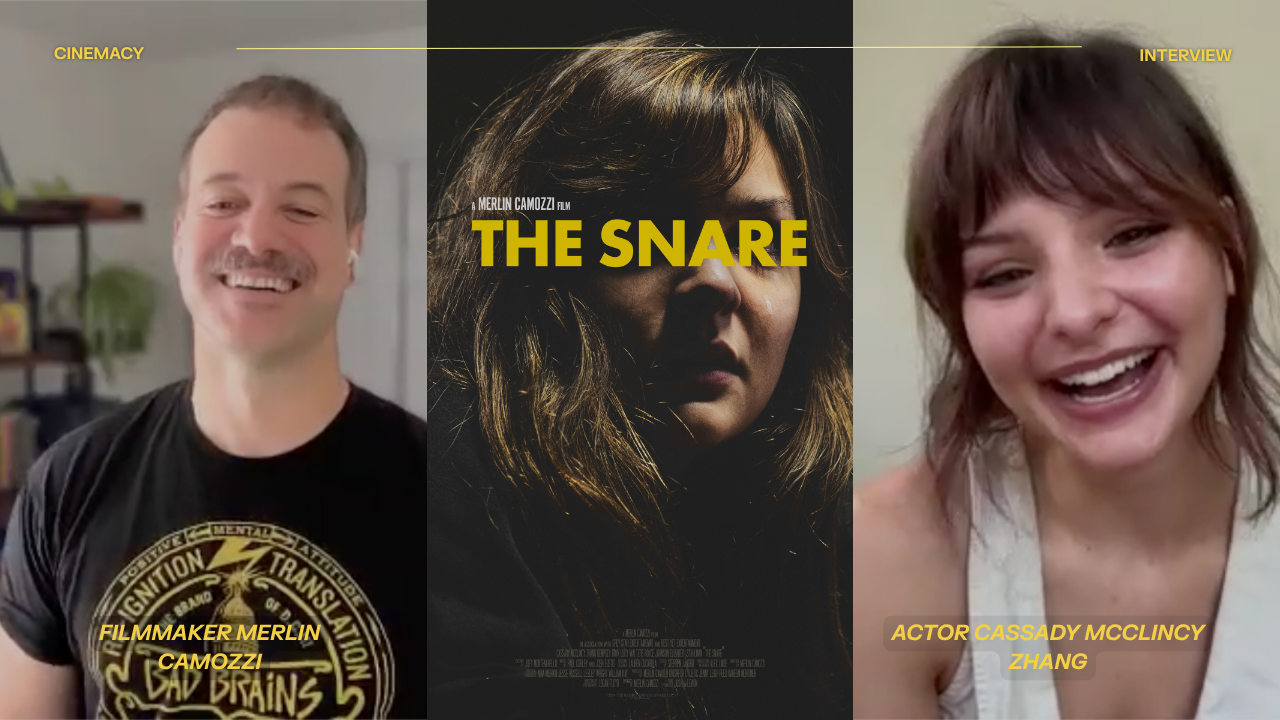
About Merlin Camozzi | Writer/Director/Producer
Merlin Camozzi is a writer and director whose work blends genre storytelling with gritty, grounded realism. Raised in rural areas and small towns across America, his perspective is shaped by a deep connection to place and to people on the margins. Merlin's films have been featured in Vice and Out Magazine, and screened at festivals around the world including Cinequest, the Brooklyn Film Festival, Telluride Horror Show, Grimmfest, Screamfest, and HollyShorts. As a commercial director, Merlin has created campaigns for brands such as Sprite, Coca-Cola, Uber, Morgan Stanley, and ARRI. He is an alumnus of the Kyoto Filmmakers Lab and was selected for the SHOOT New Directors Showcase for his work with the Brady Campaign to Prevent Gun Violence.Recently, Merlin wrote and directed COWARD, a short film produced in collaboration with Cartel Films (Val – A24; If I Go Will They Miss Me – Sundance winner). His debut feature, THE SNARE, won the Audience Award for Best Genre Film at Cinequest 2025, among other awards.
About Cassady McClincy Zhang | "Dani"
Best known for her portrayal of Lydia on THE WALKING DEAD, McClincy Zhang has recurred on Hulu’s CASTLE ROCK, while taking on guest spots on such series as OZARK, LORE, and CHICAGO MED. She also appeared in Greg Berlanti’s groundbreaking film LOVE, SIMON. McClincy Zhang stars in the upcoming drama OUT COME THE WOLVES, and is currently a series regular on CBS’s TRACKER
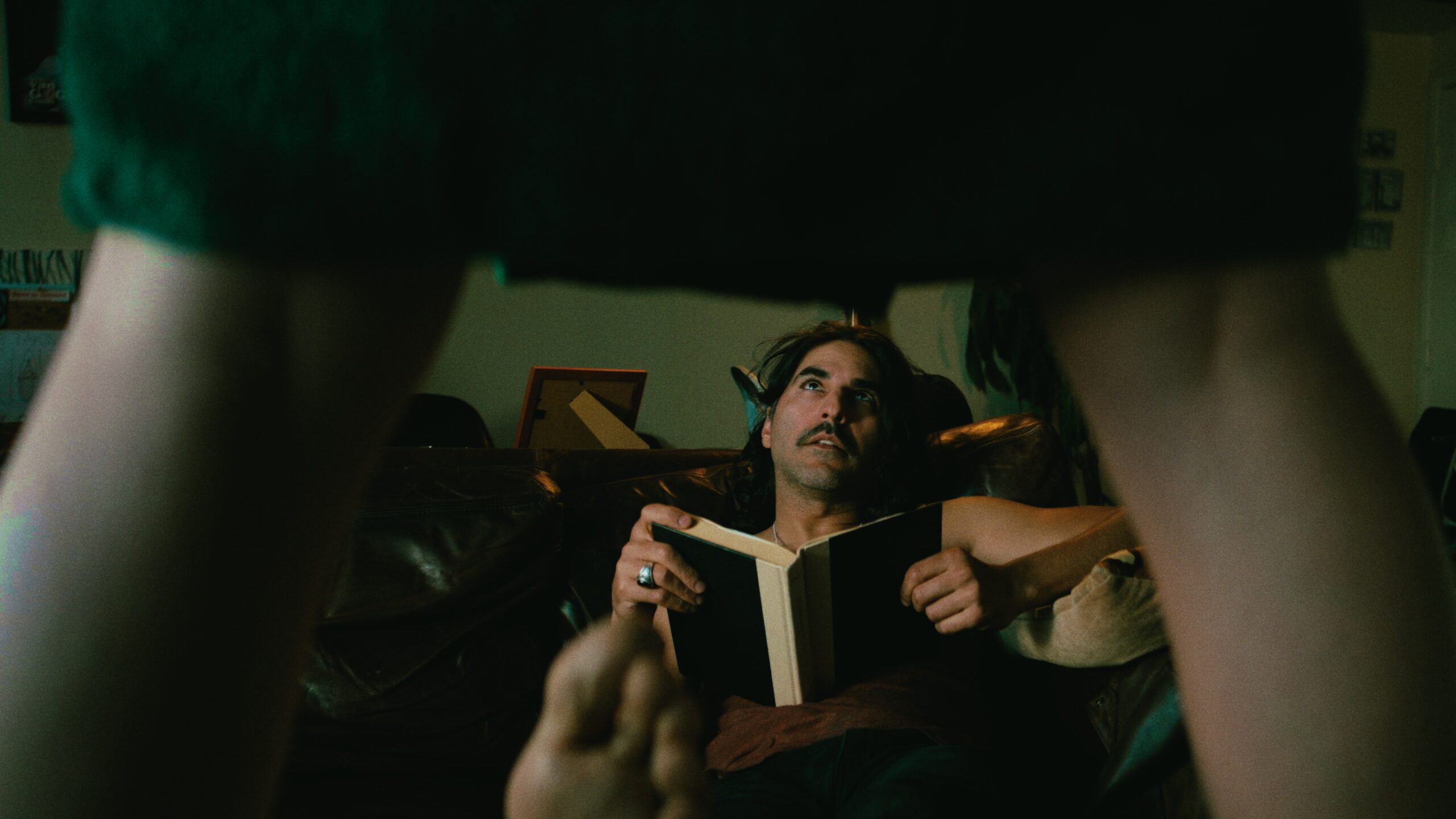
'The Turtle' Review: A Vehicle for Self-Reflection
Vulnerability is the one of the bedrocks of any solid relationship. When that foundation of trust is fractured in any way, the fallout can feel isolating. In filmmaker Joe Bongiovanni's short film The Turtle, one couple tests the limits of their partnership by pushing the boundaries of their emotional and physical connection.
When Reassurance Turns into Resentment
Tony is a blue-collar employee who desperately needs time to decompress after work. His wife, Barbara, finds it difficult to give him the space he is asking for. Her constant interruptions aren't out of spite, but rather her need for reassurance. We're not wrong to assume that this pattern has become something of a habit for Barbara, but Tony is at his breaking point. The film begins late one night; Tony is on the couch and attempting to lose himself in an acting project. It's clear that he has ambitions other than his day job. Meanwhile, Barbara's repeated attempts at connection continuously come up short. While her sentiment is loving, her timing is off. What follows is a multi-layered conflict that unveils this couples' deeper, darker dynamics.
A Vehicle for Self-Reflection
In addition to starring, Richard-John Seikaly produces this tense relationship drama, which touches on themes of emasculation, emotional conflict, and vulnerability. Shot in a single location and set over the course of one night, The Turtle's modest production contains a plethora of meaty conflicts and conversational touch points. It also acts as a vehicle for self-reflection. The character-driven narrative is led by strong performances from Seikaly and Emma Griffin. Their chemistry, as well as their heavy New York accents, are both pitch perfect.
Director's Statement
"Being a combat veteran of Afghanistan, a big push for my filmmaking has been a part of my recovery process. The Turtle is one of many films exploring my deinstitutionalization process of conforming back to becoming human. I was propelled into the civilian sector with this obligation of having to uphold a sheet of armor, economically, spiritually, and emotionally. There were times when I pushed myself to be heard, to communicate openly everything I felt, but when my ex-wife spoke to me and tried to reach me, my thoughts would burn and my body would weigh heavy with steel. I drank alcohol, threw the covers over myself, and dived headfirst into the world of acting.
I found my escape. My shell.
The Turtle is about unveiling the inner vulnerabilities we tend to hide in relationships due to social constructs. The bottling of feelings can cause isolation, depression, and a desire to be heard. This short seeks to pull the cork, take off the shell, reveal the “mush”, in a sense, and shed light on the strength and healing power of vulnerability." - Joe Bongiovanni
Takeaway
The Turtle serves as an intimate and reflective work that explores the many emotional complexities within modern relationships. It proves that, sometimes, the most empowering thing one can do is to ask for help. The Turtle has been selected to the 2026 LA Shorts International Film Festival.
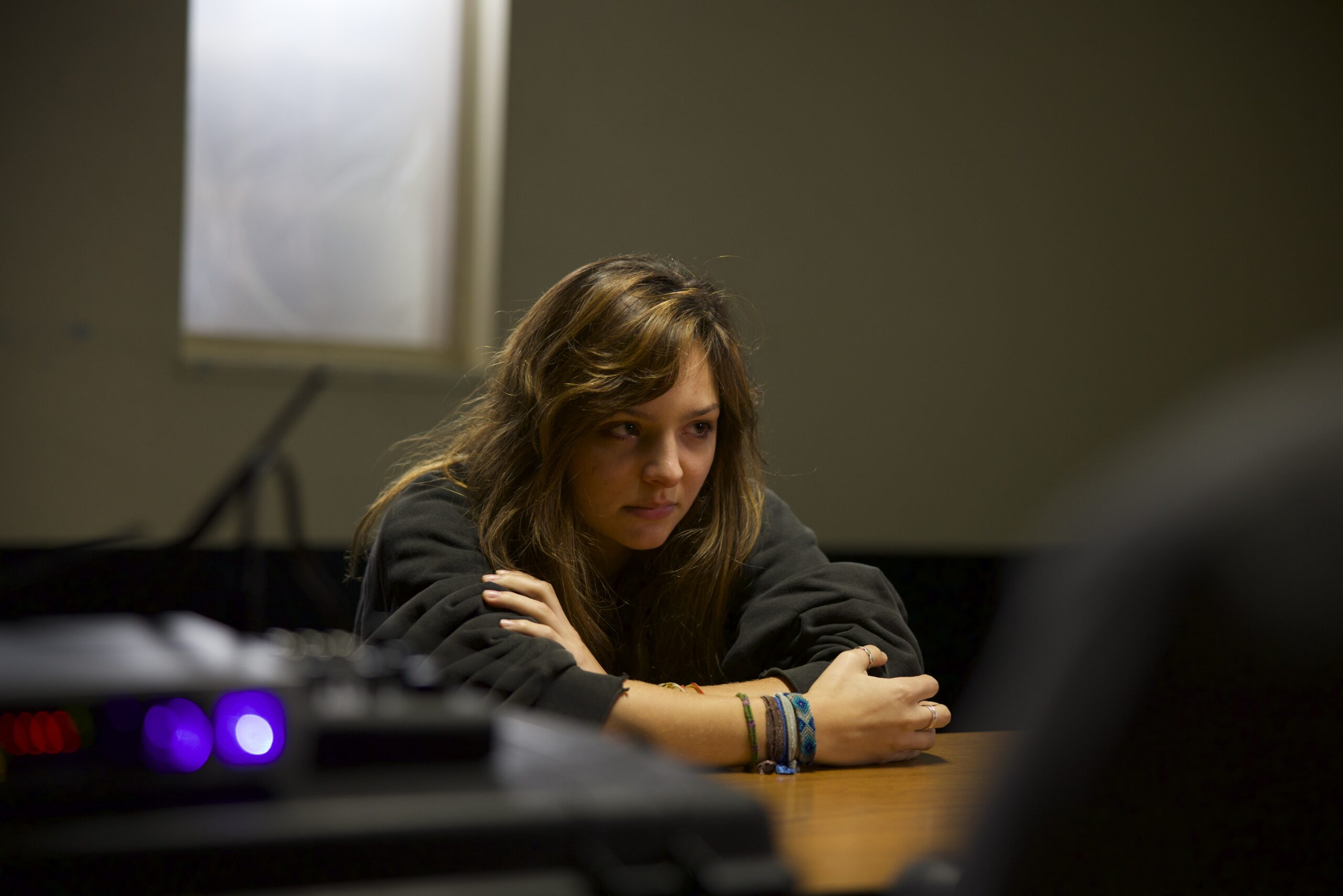
'The Snare' Review: A Gritty Portrayal of Rock Bottom
Filmmaker Merlin Camozzi crafts a gritty portrait of a teenager caught in the crosshairs of police politics in his feature debut, The Snare. The film opens with a title card informing audiences that the story that follows is based on true events. What unfolds is a gripping account of manipulation, intimidation, and the devastating consequences that can arise from one seemingly innocuous decision.
An Impossible Situation
It's the summer before Dani's (Cassady McClincy Zhang) freshman year of college. What should be a time of excited anticipation is instead overshadowed by anxiety. Enrollment fees are due, and despite her part-time job at a fast-food shop, Dani struggles to come up with the minimum required tuition deposit. Adding to her stress is her role as the de facto parental figure to her younger brother, whom she cares for while her mother works multiple jobs. Dani's level of responsibility far surpasses that of most girls her age, but she takes it all in stride. She has a good head on her shoulders and is so close to achieving the future she's worked hard to build.
Later that afternoon, Dani meets up with her crush, Marty (Dempsey Bryk). He gives her a small amount of pills intended for a party that night. Dani's infatuation with Marty is undeniable, and the feeling appears to be mutual. But their budding romance is short-lived. In what can only be described as being in the wrong place at the wrong time, Dani becomes caught up in a police altercation that exposes the pills. The police take her to the station and give her a stark ultimatum: work with them as a confidential informant or face prison time and kiss her college dreams goodbye.
Dani is suddenly facing an impossible choice. She is torn between the future she's spent years working toward and the person she's beginning to fall for. What follows is a tense, guilt-ridden internal battle as she struggles to reconcile the life she imagined for herself with the reality being imposed upon her.
A Cathartic Expression of Connection and Youth
Cassady McClincy Zhang brings Dani's overwhelming dilemma to life with a performance that is both radiant and gripping. She captures Dani's vulnerability without ever diminishing her strength, making Dani's emotional descent all the more haunting and heartbreaking. Her command of the screen is undeniable, she is without a doubt one to watch. For writer-director Merlin Camozzi, The Snare becomes a cathartic expression of connection and youth. His ability to capture the deeply imbalanced relationship between corruption and vulnerability feels disturbingly authentic. Camozzi never loses sight of the emotional consequences of this dynamic. Further deepening the film's emotional texture is the score–a beautifully ominous work created by Paul Corley and Josh Eustis.
Director's Statement
"I started thinking about the project that became The Snare around ten years ago, after reading a story in The New Yorker about teenage informants. Confidential informants are the disposable raw materials of that assembly line of drug arrests. Shockingly, in all 50 states, the minimum age requirement is only 13 years old.
Fundamentally, this was a story about young people, thrown into high-stakes situations, with no one to turn to for help. Which is to say, it was exactly the kind of story that interests me. As a filmmaker and a lawyer, it blows my mind how kids are railroaded into these situations with no oversight. And as someone who grew up on the fringes of society, it was easy to see myself in these stories.
I started making films because movies were what helped me feel connected to the world when I was a kid, trying to keep my head above water in the circumstances I existed in. They gave me a place to escape, but they also helped me better understand the world around me. My hope is that The Snare can do the same and take audiences on a real ride. I’m grateful to everyone who helped bring it to life, and excited to finally share it with audiences." - Merlin Camozzi
Takeaway
The Snare offers audiences a glimpse into a world you'd be fortunate to know nothing about. While Dani's story is fictional, it draws inspiration from the many real-life confidential informants who assist police with drug-related arrests. That reality gives the film an unsettling resonance beyond its central narrative. It also leaves us with the uncomfortable realization that one wrong decision can alter the course of an entire life.
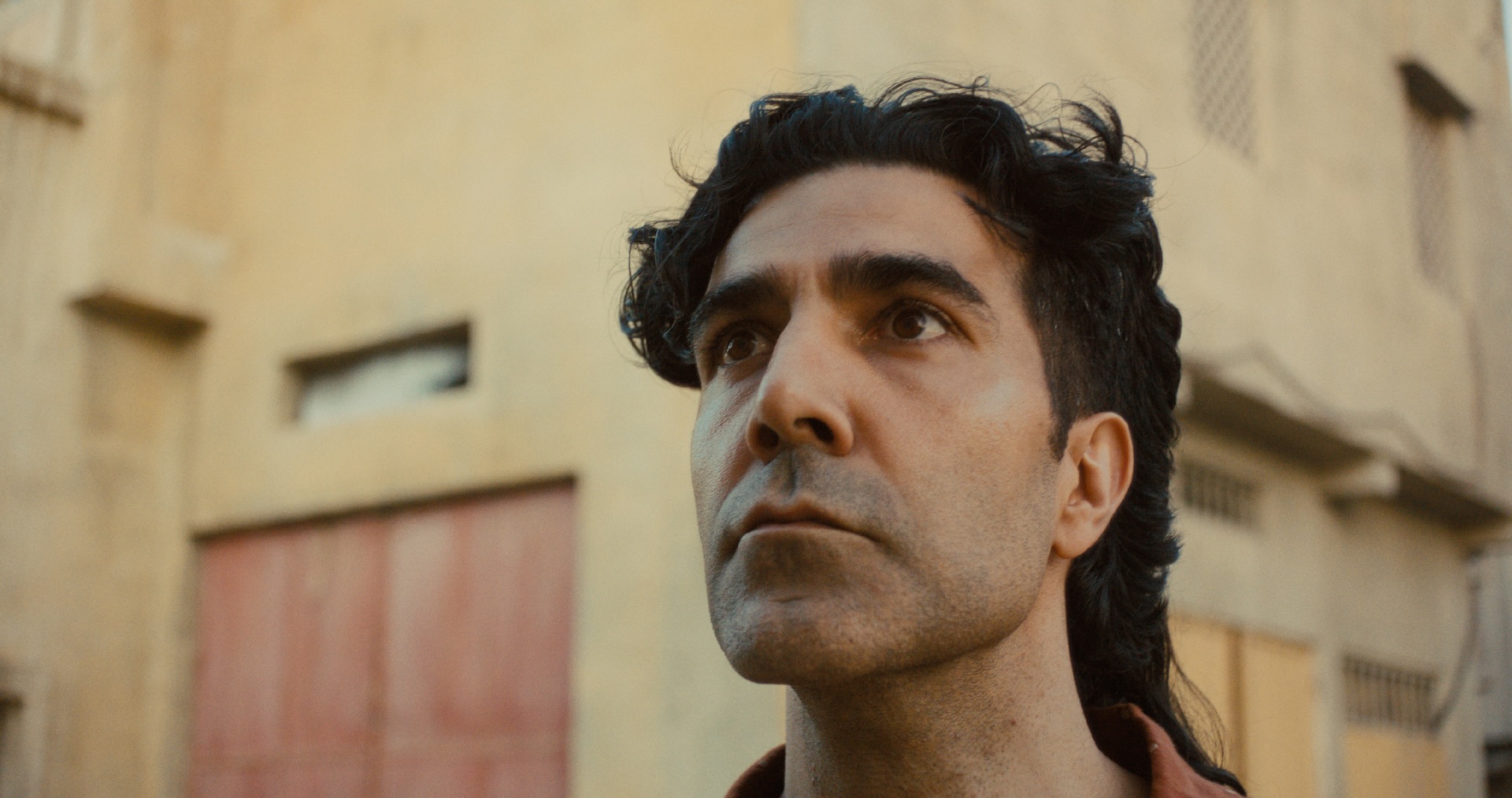
'The Last Mullet' Review: The Fight for Freedom Starts with Hair
When self-expression becomes illegal, how far will you go to preserve your identity? This is the question at the center of the filmmaker Hoj Jomehri's short film, The Last Mullet. Inspired by true events, Jomehri tackles this political statement through a comedic lens, making a lighthearted jab at a forbidden hairstyle that has very real consequences.
Hair on the Run
In 2010, the mullet was banned in Iran. The Ministry of Culture and Islamic Guidance had legal authority to make a spectacle of anyone who dared cross them by publicly chopping the mullets in the public square. Despite this, Shervin (Bobby Naderi) remains defiant in his choice to keep his luscious locks. Keeping his hair not only makes him an outlaw, but also a liability to his mother who harbors him in her home.
When we meet Shervin, he is actively evading the authorities. He runs across town with the finesse of Tom Cruise, mullet swaying in the wind. He finds temporary solace at his mother's house, but it isn't long before the police come knocking, looking for the "kid with the indecent hair". Shervin finds himself cornered; stuck between standing up for his beliefs and caving to this ridiculous law. Holding a pair of scissors in his hand, he makes the difficult yet necessary choice.
The Delightful Middle Between Silly and Serious
For such an absurdly oppressive story, filmmaker Hoj Jomehri's comedic infusions make The Last Mullet an unexpectedly fun watch. Bobby Naderi is perfectly cast as Shervin. His performance is strong, expertly toeing the line between silly and serious. The storytelling is delightfully fast-paced and cohesive. Jomehri, who also acts as the film's editor, utilizes slow motion during the chase scene to amplify the situation's dramatic and comedic elements.
Director's Statement
"I’m an Iranian-American filmmaker whose family fled the Iranian regime in the 1980s and came to America. From that distance, I’ve long observed the tension between control and identity in Iran. When I read that in 2010 the regime banned so-called “Western hairstyles”—mullets, mohawks, ponytails—I was struck by the absurdity of it. The idea that a haircut could be criminalized felt both darkly comic and deeply revealing. What happens when something as personal as your hairstyle is no longer yours to choose?
So I wrote a fictional tale about a man whose mullet makes him an outlaw — a small but stubborn refusal in the face of control. The Last Mullet is ultimately about people maintaining their identity under pressure. At a moment when Iran is once again reduced to headlines, governments, and violence, The Last Mullet is a story about the people beyond those abstractions — ordinary people with humor, pride, hairstyles, and lives of their own." - Hoj Jomehri, director
Takeaway
The Last Mullet is not only an entertaining work of historical importance. It also serves as a personal story about identity and the courage to remain yourself under pressure. The film recently had its World Premiere at the 2026 LA Shorts International Film Festival.
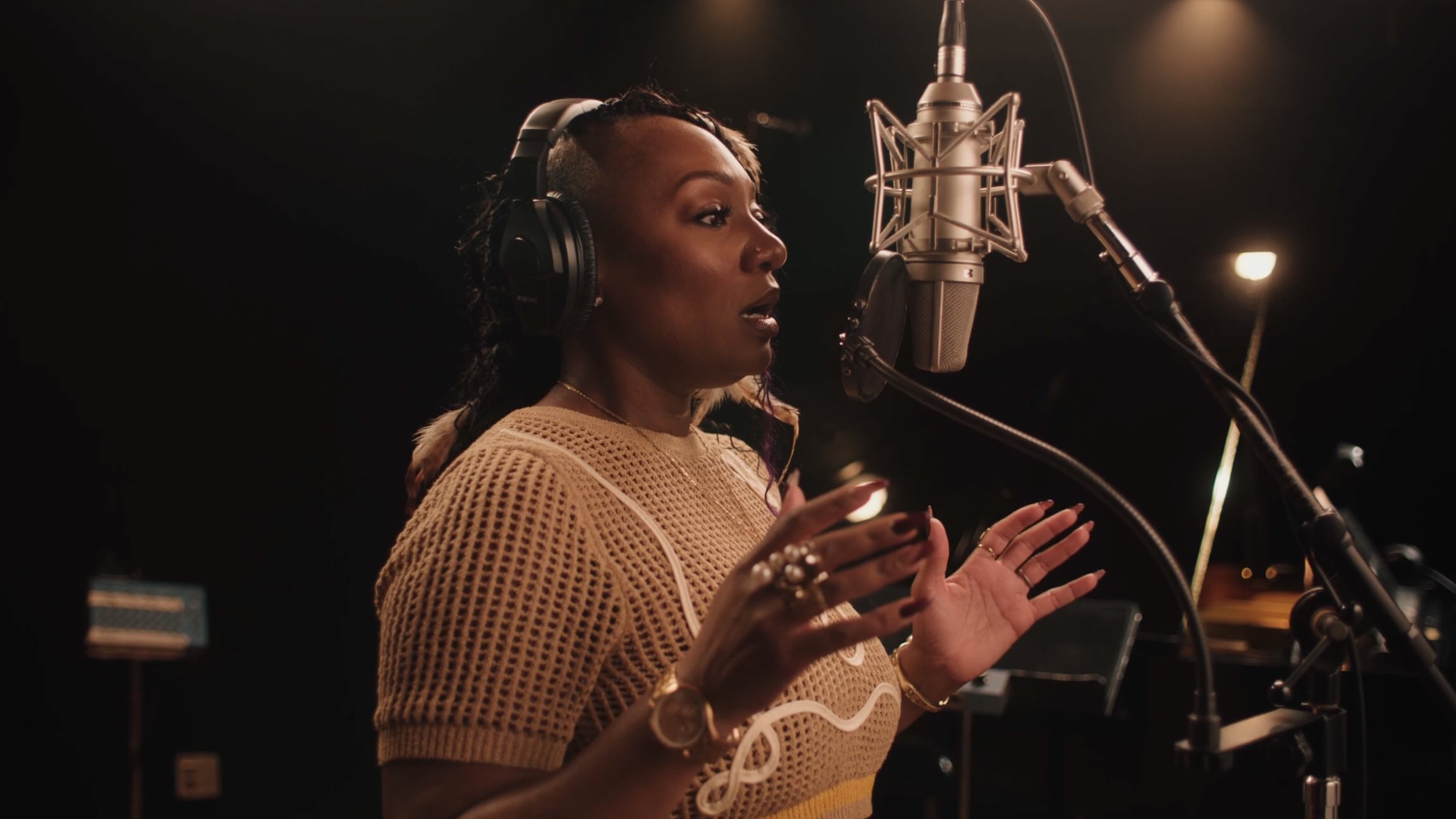
'Love Song' Review: An Old Flame Sparks New Inspiration
When a former muse re-enters the life of a successful yet vulnerable music producer, he faces an emotional pull between duty and desire. This conflict between the head and the heart is at the root of the short drama, Love Song. Written and directed by Love Nafi, Love Song shows how easily temptation can creep into unsteady relationships. It's also a cathartic reminder that not all love songs end in happily ever after.
Inspiration Strikes When You Least Expect It
Mathieu (Mohamed Williams) and his wife Tara (Simone Posey) are working through a bit of a rough patch in their relationship. Mathieu's desire to get back into the studio is stunted by Tara's reliance on him to carry more of the parental load. Working her way through law school, Tara is depending on Mathieu to care for their young daughter while she's studying. A devoted parent, Mathieu will do anything for his family, but that doesn't lessen his feelings of being creatively stifled, which increases his pent up frustration, and the belief that he'll never make another hit again.
One morning as Mathieu is dropping his daughter off at school, he runs into Belinda (Okema T. Moore), his former flame and musical muse. Both are caught off guard by the circumstances and, somewhat irrationally, decide to rekindle their creative connection. They find themselves in familiar territory–the recording studio–and quickly fall into old habits. However, they stop themselves before they do something both of them will regret. This serves as a wake up call for Mathieu, and gives him a much-needed creative spark. His encounter with Belinda becomes the catalyst for Mathieu's next hit song but, more importantly, also reminds him of his priorities. Despite his frustration at times, his family must come before anything else.
Original Songs Enhance the Film's Message
Relatable in its portrayal of complicated relationship dynamics, Love Song portrays the reality of struggles within committed partnerships. Filmmaker Love Nafi isn't afraid to explore life's messy moments and the less-than-picturesque conflicts that arise within the boundaries of a marriage. To convey these layered emotions, music is a big part of the film. Original songs written by Curtis Richardson act as the backing track to the film. The lyrics tell a story of struggle and sacrifice, with titles like "Rejection is Redirection" and "Lose Your Way" playing more like sermons than a typical score. Bringing these songs to life are lead actors Mohamed Williams and Okema T. Moore, whose chemistry is magnetic. Okema's voice is undeniably rich and mesmerizing.
Director's Statement
"What begins as a story about music and memory evolves into a meditation on gender roles and the stories we tell ourselves about who we’re expected to be. For me, this story is an offering to those carrying everything: family, dreams, identity. It poetically asks 'Can we honor our commitments and still honor ourselves?'
Love Song challenges traditional portrayals of Black love, family, and masculinity by centering emotionally complex characters rarely seen onscreen: vulnerable Black fathers, multifaceted Black women, and creatives navigating self-abandonment and radical self-love. As someone who has navigated the space between freedom and cultural expectation, this story is personal. It’s about reclaiming desire, trusting instincts, and honoring truth even when it’s messy." - Love Nafi, filmmaker
Takeaway
Love Song circumvents the tropes of a traditional love story. Rather, it immerses viewers in the emotional complexities of ambition and commitment. Love Song made its World Premiere at the 2026 American Black Film Festival.
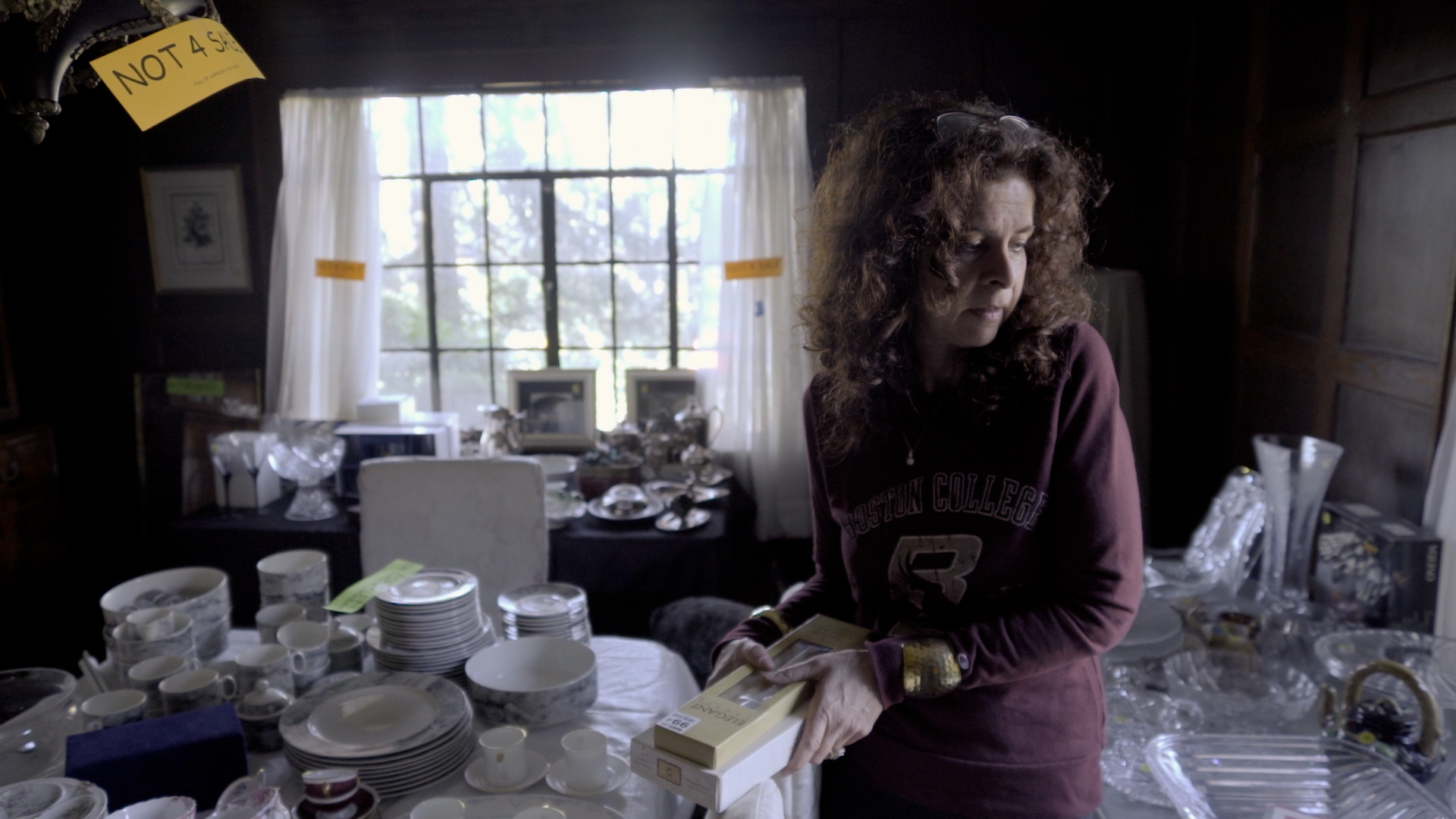
'Everything I Own' Review: Can You Save a Fractured Family?
Filmmaker Andrew Garbus bravely shares his most private moments in the achingly poignant film, Everything I Own. Combining intimate handheld interviews with over 10 years of home videos, Andrew documents the tumultuous days leading up to the sale of his familial home as a result of his parents' separation. Raw and unflinching, Everything I Own is a cinematic portrayal of the five stages of grief.
A House Divided
Often, the hardest stories to tell are the ones that hit closest to home. No pun intended, filmmaker Andrew Garbus knows this all too well. Armed with a camera and a quest for resolution, Andrew questions his parents, individually and together, about their impending divorce after nearly 30 years of marriage. Despite their honesty, their answers will never be enough to fill the hole in Andrew's heart. The sale of the family's Long Island home is the catalyst of the film, as well as a major pain point. The stability he once knew and relied on is essentially vanishing. Having already been predisposed to depression and anxiety, Andrew's increasing helplessness is devastating. To make sense of his new reality, he turns to filmmaking, to which this documentary is the result.
Everything I Own is a highly emotional watch, and one can assume quite cathartic for Andrew. Through an abundance of tears and frustrated outbursts, Andrew is eventually able to emerge on the other side with a deeper understanding. Not all of his questions get answers, but that's not the point of the film. To that end, it's important to remember that his parents aren't characters. They are real people, flaws and all, which is what makes this film such an effective watch.
Director's Statement
"The film combines intimate vérité footage, handheld interviews, and decades of home videos. Its structure mirrors my psychological journey during that week, beginning with raw, reactive encounters and gradually moving toward quieter reflection. As both director and subject, I pass the camera between my parents and myself, shifting the balance of who is observing and who is being observed. Through that process, I try to understand not only the breakdown of my parents’ marriage, but the patterns of pain, avoidance, and love that shaped all of us.
The film does not attempt to provide definitive answers. Instead, it remains inside the uncertainty of what comes afterward: whether forgiveness is possible, what healing might look like, and how a family can grieve what it has lost without denying the love that remains. In making the film, I wanted to create one final family home movie, not as a record of the family we once appeared to be, but as an honest portrait of who we were becoming, and to find some hope amid the end of an era and the beginning of an unknown new chapter." - Andrew Garbus
Takeaway
A powerful exploration of memory, fractured family dynamics, and deep pain, Everything I Own crafts a layered portrait of a complicated love. The film had its World Premiere at the 2026 San Francisco Jewish Film Festival.
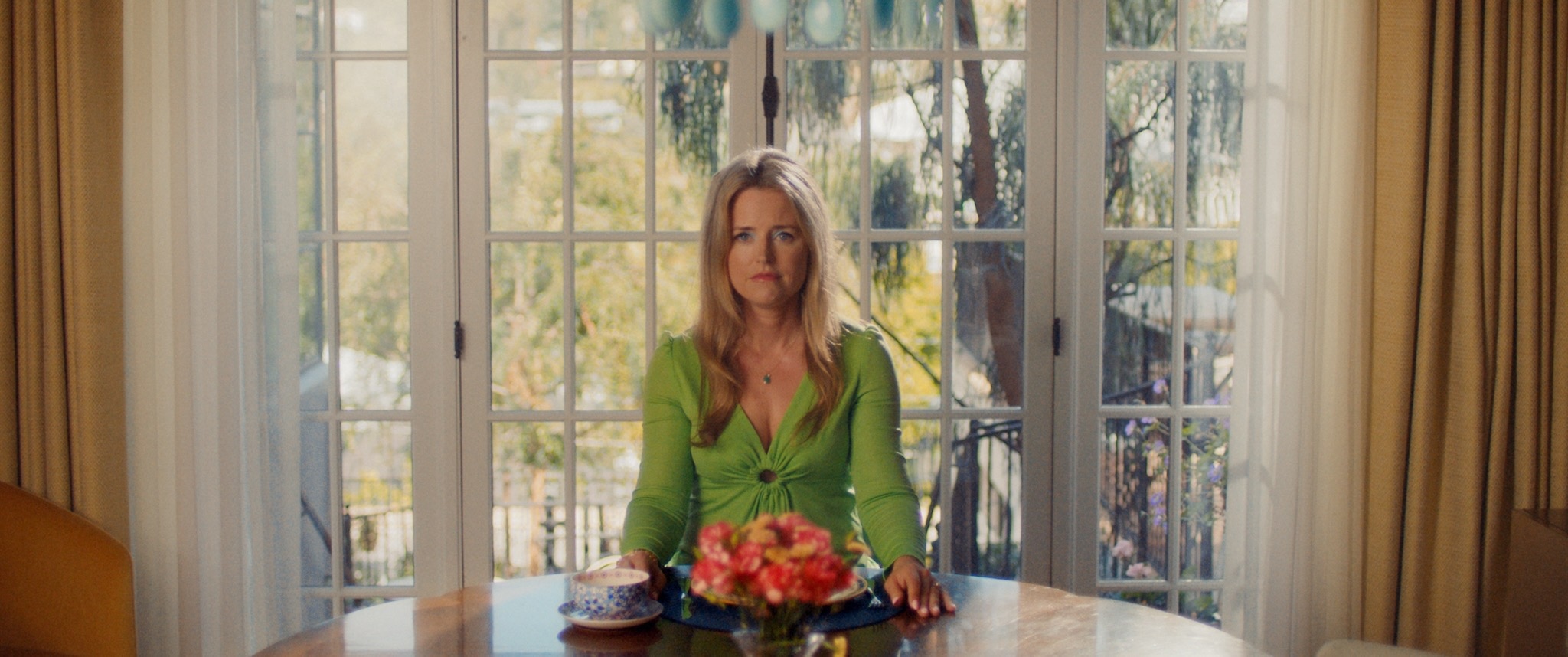
'Floored' Review: That's One Way to Face an Identity Crisis
Connecting to your root chakra is a key to empowerment, as seen in the short comedy Floored. Co-directed by Marchelle Bradanini and Emily Alpren, Floored uses witty humor to poke fun at the identity shift and sexual disconnect that former career-oriented women turned middle-aged housewives stereotypically face. A recent selection of the 2026 Indy Shorts Film Festival, this indie darling is a satirical delight.
An Aging Actress Connects with Her Primal Power
Eleanor (Trilby Glover), a former BAFTA-winning actress turned stay at home mom, now finds herself fighting for her sense of relevancy. Waking up to news in the trades that she lost the part in her husband's upcoming film, to a beautiful and young actress no less, is her last straw. Eleanor loves her three children dearly, but can't shake the feeling of dissatisfaction. She is no longer willing to live in the shadows and is determined to reconnect with her former self.
To regain her sensuality and purpose, Eleanor enlists Marla (Sheila Carrasco), a pelvic floor therapist, to uncover the source of her pain. This journey is one that's best enjoyed with friends, and so Eleanor invites her sisterhood of women friends to experience this transformational session along with her. It's not long before the crystals and gadgets are brought out to awaken these women's dormant desires. As their session comes to a close, Eleanor's newfound peace, love, and harmony persona takes a hilariously unexpected turn. It turns out, her enlightened self is far more confident expressing her true desires, even at the detriment of her unsuspecting target.
A True Hollywood Story
Co-directors Marchelle Bradanini and Emily Alpren drew on inspiration from their own lives to create the world of Floored. Both creatives and mothers, their stories echo a familiar tale that many mothers in the arts face (including myself!). Bringing this sharply-penned script to life are the equally compelling performances. Trilby Glover is a dynamic leading lady, but it's a guest role by Mara Wilson (Mrs. Doubtfire, Matilda) that steals the show. Her return to the screen is such a rarity and I wanted to soak up every second of it. The expressive and colorful costumes and intentional art direction are additional elements that ground the film in satirical suburbia.
The score is another critical facet that ties the whole film together. Composer Amy Ileen Wood lends her sonic sensibilities to the story, and the result is spot on. Fans of Fiona Apple will be thrilled to learn that Floored features one of her new songs, as Amy Ileen Wood is a longtime collaborator with the artist.
Director's Statement
"Floored explores the often brutal isolation after childbirth. We wanted to examine the loss of identity that comes with motherhood and the desperate measures to find oneself in. Ultimately, as mothers ourselves, we’ve found the answer isn’t in solitude, comparison, competition or red light therapies, but in commune with the women we never thought we’d ever identify with in the first place." - Marchelle Bradanini and Emily Alpren
Takeaway
The ending may be an exaggeration of the femme experience, but Floored's cunning execution is quite an impressive feat. I hope to see more from Marchelle Bradanini and Emily Alpren in the near future.
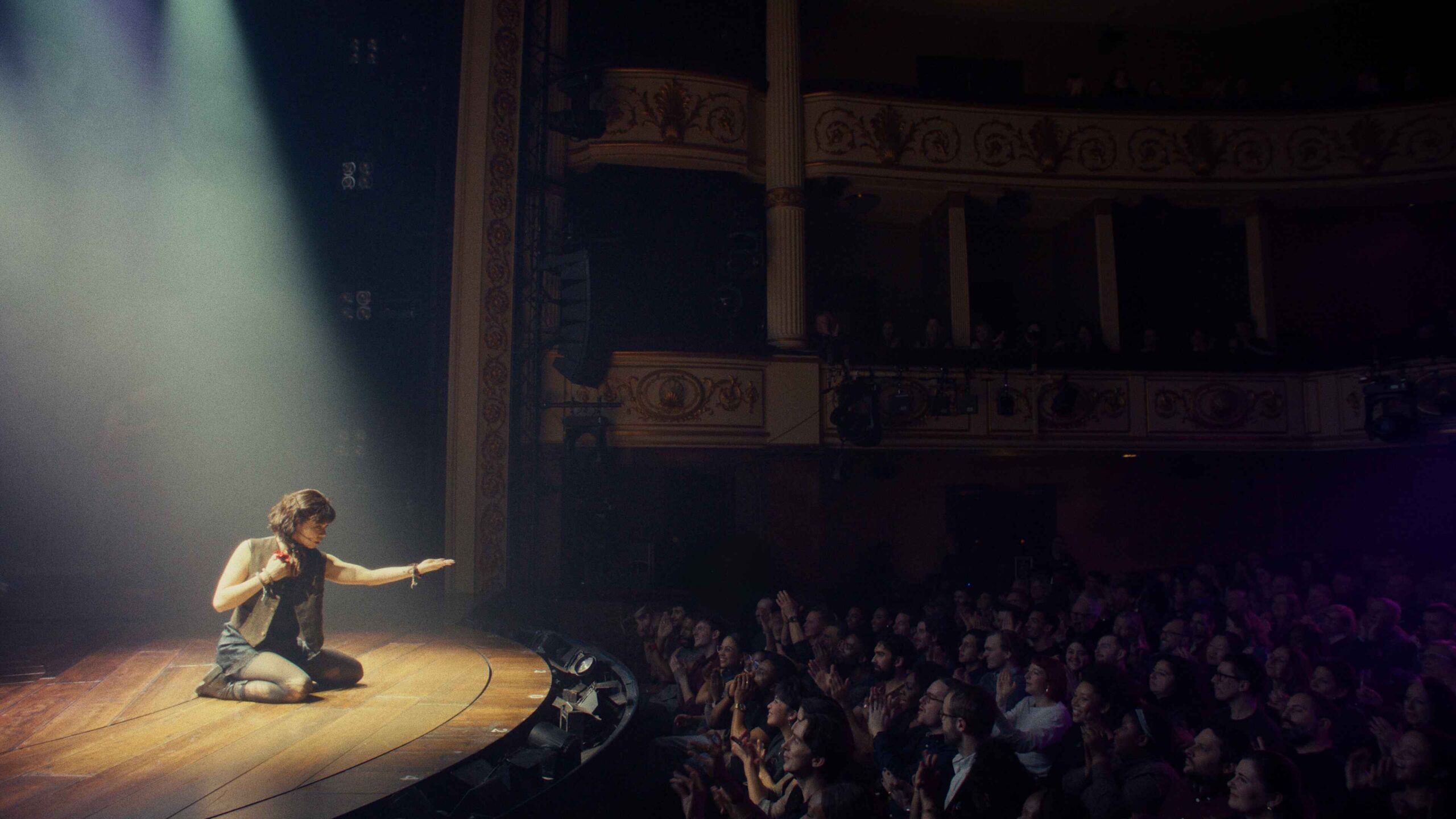
'Hadestown' Review: Broadway Comes to the Big Screen
It's a sad song. It's a tragedy. But that doesn't stop fans from flocking to see the award-winning musical, Hadestown. I have become so transfixed by this show that during its run at the Ahmanson Theater in downtown Los Angeles three years ago, I went back for a second performance. The story of an Ancient Greek myth set to modern American folk music mixed with New Orleans-inspired jazz makes Hadestown a stunning and unforgettable show. And now, the spirit of the stage play lives on in the live theater capture, Hadestown: The Musical.
A Journey to the Underworld and Back
This filmed performance features the original actors of the Broadway company, including Reeve Carney as Orpheus and Eva Noblezada as his love interest, Eurydice. Rounding out the cast is Amber Gray as Persephone, Patrick Page as Hades, and the phenomenal Andre De Shields as Hermes who, at eighty years young, is the anchor of the entire experience.
Filmed at London's West End, Hadestown follows two intertwined love stories between Orpheus and Eurydice, and Hades and Persephone. Their affective songs about love and longing are both haunting and devastatingly beautiful. Despite my familiarity with the show and knowing the ancient mythology, I once again found myself taken aback by the riveting performances. Songs like "Wait for Me (Reprise)" and "Road to Hell" sent chills down my spine, as did seeing the actors up close for the first time. Using a multi-camera setup, we are able to witness the actors' nuanced and emotive expressions, makeup, costumes, and more. This up close and personal vantage point allows the audience to fully appreciate these details, giving the cast the attention they deserve instead of getting lost on stage.
Takeaway
Like Hamilton's live capture before it, Hadestown proves that musical theater can successfully translate in a movie theater. See for yourself and catch Hadestown in theaters beginning Friday, July 24th for five nights only.
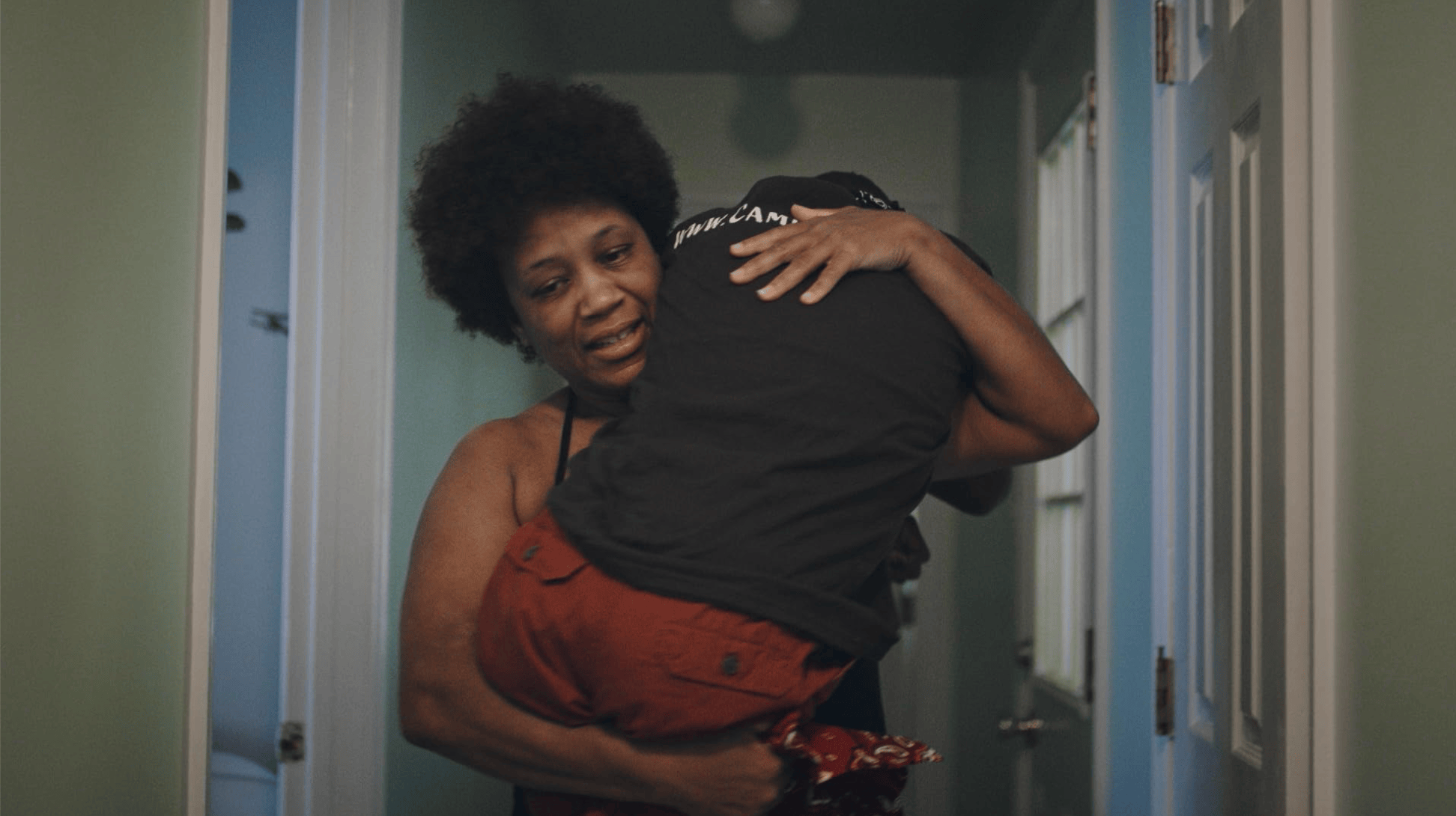
'6,000 Waiting' Review: An Empathetic Call to Action
Living your life in a constant state of "what if" is a daunting state of being. Finding the strength to keep going in the face of such uncertainty is no small feat. The short documentary 6,000 Waiting introduces us to three Georgians who are living on the cusp of a life-changing decision. Directed by Michael Joseph McDonald, 6,000 Waiting is a timely call to action that encourages a deeper look into a broken U.S. Healthcare system.
The Fight for Justice
Nick, Ben, and Noah, have something in common, aside from living with developmental disabilities. They also sit on a waiting list of over 6,000 names long hoping to receive federal assistance to aid in their care. In the state of Georgia, federal law guarantees one's right to live in their own communities rather than institutions. However, a broken system and an overwhelming number of applicants makes this expectation seem like a farfetched reality. In spite of waiting for an answer that seems to never come, the men and their loved ones continue to fight for their rights that the federal law promises them.
Not only is 6,000 Waiting an empowering character study of three strong-willed activists, it is also a sobering look at how society as a whole treats people who have a disability. From the inaccessibility of city sidewalks to lackadaisical momentum of government initiatives, filmmaker Michael Joseph McDonald makes his statement clear: this situation is inhumane. Close up and personal, Nick, Ben, and Noah's stories are told through intimate interviews with eye-catching montages and creative editing.
Director's Statement
"When 6,000 Waiting premiered in 2021, it documented the everyday realities of families navigating years-long waiting lists for community-based disability services guaranteed under the Supreme Court’s landmark Olmstead v. L.C. decision. At the time, the film asked what it means when rights recognized in law remain inaccessible in practice. Five years later, those questions have taken on renewed urgency.
In June 2026, the U.S. Department of Justice issued a legal opinion arguing that federal disability law does not require states to provide services in community settings—a departure from decades of federal interpretation of Olmstead. While the Supreme Court’s decision remains binding law, the opinion has sparked national concern among disability rights advocates about the future enforcement of one of the movement’s most significant civil rights protections.
Viewed today, 6,000 Waiting offers more than a portrait of three families navigating a broken system. It provides a deeply human window into what is at stake when the right to live in one’s own community is no longer simply a question of policy, but of whether decades of progress will continue to move forward—or begin to unravel." - Michael Joseph McDonald, director
Takeaway
Winner of the Best Short Documentary Award at the 2021 Montreal Independent Film Festival, 6,000 Waiting begs the question, "What happens when the greatest threat to a family isn’t tragedy, but waiting?"
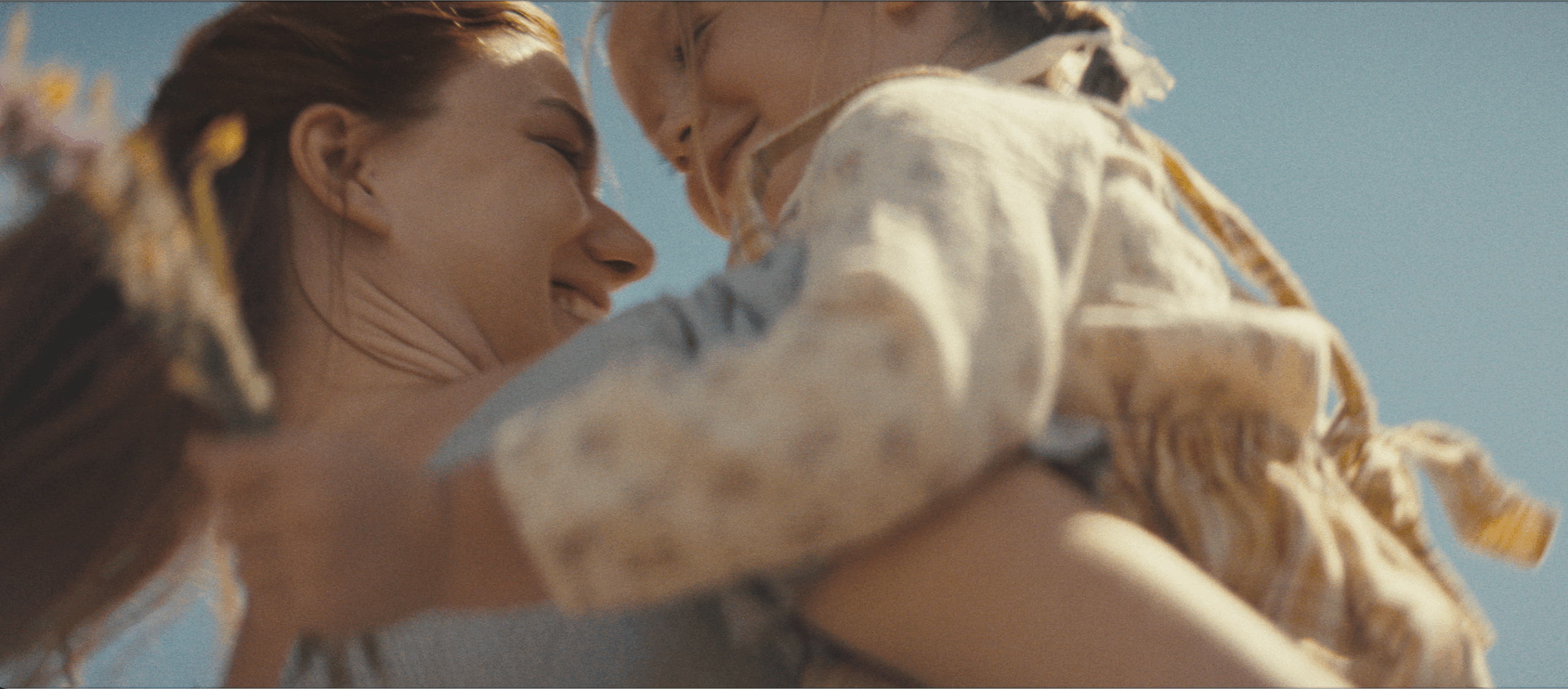
'Last Stand at Butte City' Review: A Mother's Unconditional Love
A grieving mother is torn between her head and her heart in filmmaker Natalie Schwan's Last Stand at Butte City. Facing an ultimatum that stands to disrupt her humble livelihood, this strong leading lady is determined to fight for what is hers. The result is a powerful portrait of strength and resilience.
Home is Where the Heart Is
The year is 1880 in Butte City, Montana, when 58 year-old rancher Charlotte (Kerry O’Malley) receives devastating news. After more than 30 years of a self-imposed reclusive lifestyle on her picturesque ranch, she is being forced to evacuate. The Northern Pacific Railway is laying tracks right through Charlotte's home, leaving her no choice but to pack up and move out. For weeks, she protests the company's demands, ignoring their letters to vacate and carrying on as if the impending disruption is imaginary. However, Charlotte eventually faces the harsh reality, and with it, the long-dormant traumatic experiences that tie her to the land.
Charlotte's denial stems from unresolved trauma surrounding the loss of her daughter, who is buried on the land. As she traverses her ranch, she reminisces about the simpler times. The thought of leaving those memories behind haunts her, which is why Charlotte is willing to defend her home and land at any cost. Having suppressed this painful memory for so long, Charlotte unexpectedly finds herself re-grieving her daughter's loss. Despite wanting to stay on the land to be close to her buried loved one, she realizes that her daughter will now only live on in her memory.
An Evocative, Stirring Portrait of Strength
To portray the circumstances that led to Charlotte's current state of mind, the film incorporates flashback sequences. These sequences involve her younger self, played by Jamie Lynn Richards, with her young daughter. The flashbacks aren't linear; their fluid nature acts as fleeting moments in time that will forever be etched in Charlotte's memory. Aiding the emotional resonance is the beautifully evocative score by composer Clark Rhee. The acoustic nature leans into the Western genre without becoming stereotypical. Filmmaker Natalie Schwan's vision is artfully realized; from the strong performances to the heartfelt script. Despite being only 17 minutes long, Last Stand at Butte City tells a full story.
Takeaway
Last Stand at Butte City is a story of resilience, strength, and a mother's unconditional love. The film recently premiered at the 2026 Lighthouse International Film Festival.
'Pangea' Review: Capturing the Elusive Bohemian Spirit
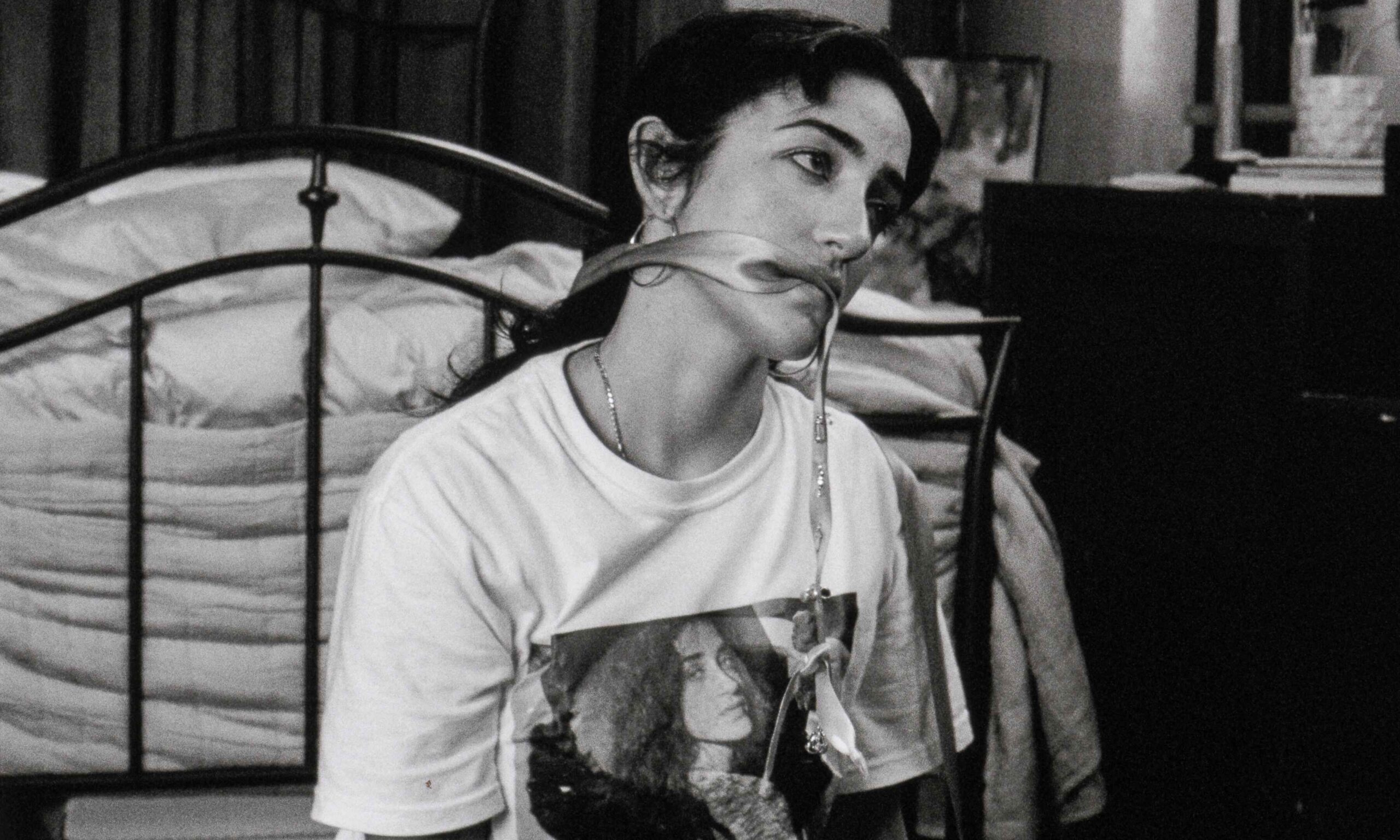
In Pangea, triple threat filmmaker Mimi Davila captures the essence of a relationship in all of its raw and radical multitudes. As director, writer, and co-star, Mimi dissects the complexities of identity, displacement, and emotional bonds through rich visual storytelling. Strong performances and stunning cinematography makes Pangea a standout short film with big impact.
Reconnection Leads to Reflection
Pangea takes place over the course of 24 hours in New York City. Rita (Davila), an artist, is visiting her ex-lover Echo (Sasha Merci), whose apartment becomes both their oasis and a stark reminder of a relationship that once was. The reunion between the two Latina women wavers between lighthearted fare, intimate conversations, and sexual release. However, their time together isn't without hiccups, as miscommunication and passive aggressive comments lead to moments of tension. Overall, their reunion is strengthened by their ability to discuss sensitive topics like race, displacement, and desires. This deepens the relationship, leading to compelling revelations and reflections.
Capturing the Elusive Bohemian Spirit
Strongly atmospheric with vivacious performances, Pangea captures an elusive bohemian spirit. This is not an easy feat, but Mimi Davila confidently engages in a black and white visual aesthetic to achieve this. The cinematography, led by Melina Valdez, is very fluid and kinetic. It mirrors the movement between the characters on screen, creating a whirlwind of energy. Certain scenes, like ones that take place in the apartment, have a specific cadence to them that feel more like a stage play than a film. I say this as a compliment; the sharp dialogue and lived-in performances feel unique for a short film.
Director's Statement
"Growing up in Miami, I was constantly surrounded by lovers and friends whose complex identities triggered similar qualms and I didn’t want to shy away from the tensions around race within the Latino community. Echo is a light-skinned Afro-Latina who doesn’t feel 'Black enough' or 'Latina enough' to fit neatly into any box. Rita is a white Latina whose perceived whiteness shifts depending on who is looking at her, never quite 'Latina enough,' never quite 'white enough.'
The two women mirror that irritation in each other, an experience ripped straight from my real life. Though their connection is turbulent, the women recognize something familiar in each other: the inherited effects of diaspora, carried not just in memory, but in the body. In that recognition, they briefly find a sense of home in one another, even if only for a moment." - Mimi Davila, writer & director
Takeaway
There is an aliveness in Pangea that feels electric and fresh, making it a memorable work. Pangea is currently on the festival circuit, recently screening at the 2026 Maryland Film Festival.