
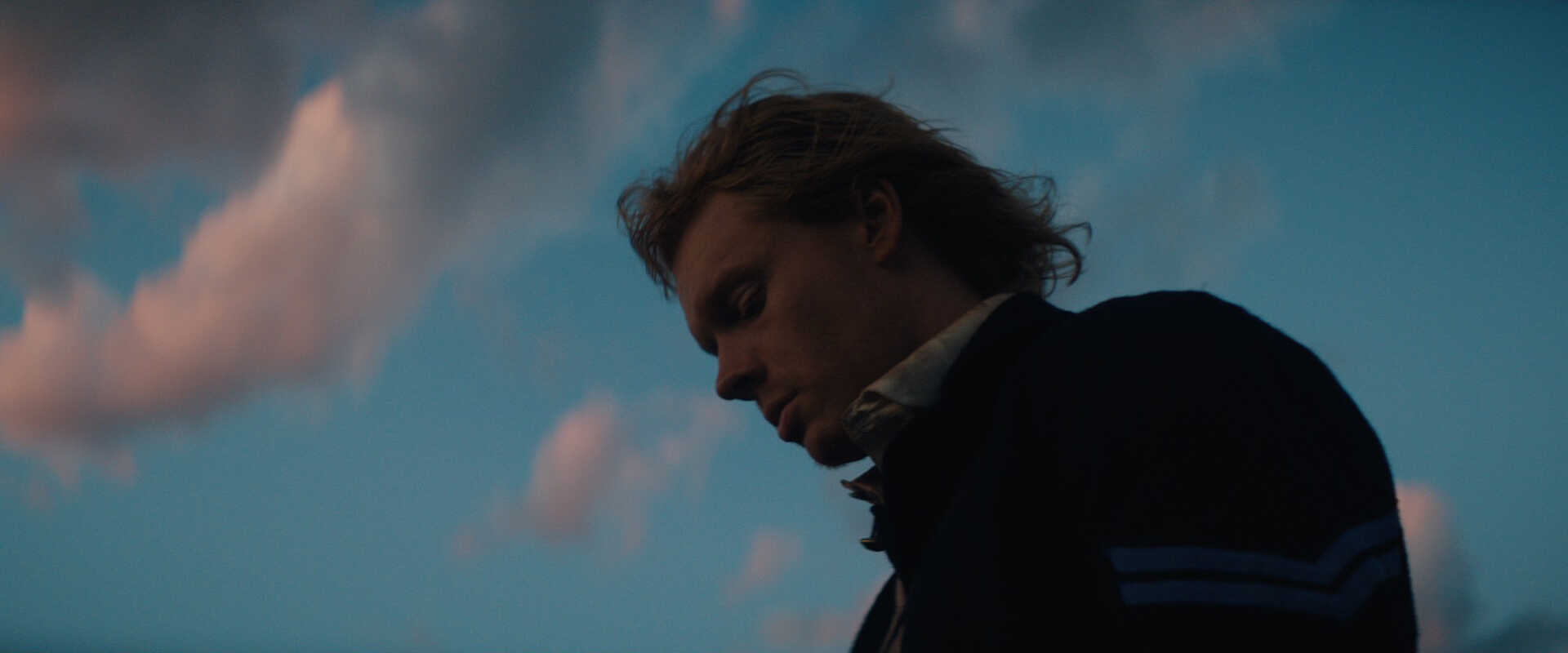
'The War Between' Explores Humanity Amidst Conflict
"If there's a place worse than hell, we are in it!". This is the desperate cry from two soldiers stranded in the Sonoran Desert amidst an unforgiving terrain, piercing sunlight, and non-existent rations in the gritty historical drama, The War Between. Conceived by award-winning Colombian-American director Deborah Correa, The War Between tells the story of an unlikely friendship between two men who started as enemies but slowly let their guards down once they realized that they're more alike than they once believed. Bittersweet and deeply moving, The War Between is a stoic yet compassionate story of survival.
Set in 1862 during the American Civil War, The War Between weaves through tough terrain and harsh elements of the south-central Arizona desert. The protagonists are two soldiers, one fighting for the North and one for the South. Corporal Israel Terry (Damian Conrad-Davis) and Private Moses Jennings (Sam Bullington) find themselves deserted by their troops and left alone to fend for themselves. Happenstance brings them face to face, and with that comes a total lack of trust toward the motivations and intentions of each other. Soon enough, they realize that in order to survive they must stick together, despite contradictory beliefs, bigotries, and self-sabotaging tendencies.
Visually, the craftsmanship is quite impressive, especially given the fact that the filmmakers only had fifteen days to shoot, which is a tight schedule indeed. The abundant use of handheld, close-up shots by cinematographer Evan Jake Cohen, succeeds in bringing the audience into the action, and the camerawork feels almost Terrence Malick-like in its composition and fluidity, lending both a mysterious and organic quality. Adding its own compelling emotional language to the film is the score by composer Dennis Dreith. Reminiscent of an Ennio Morricone Western film, Dreith's music is almost operatic in its structure and gives a sense of adventure to every scene. Of course, bringing it all to life are Damian Conrad-Davis and Sam Bullington, whose impressive performances convey the complex emotional arc that is paramount to the film's success.
The biggest surprise comes in the form of a written statement at the end of the film indicating that the production team worked with actual veterans in the cast and crew. The message states, "We believe in and support healing through art and storytelling." Onscreen and off, The War Between stands as a testament to camaraderie in the face of hardship, proving that unity, not division, is the only way through. The War Between premieres on April 7th at the Phoenix Film Festival.


In 'Simón,' A Young Asylum-Seeker Faces a Gut-Wrenching Dilemma
Over 7 million Venezuelans have fled their country in what is considered a monumental mass exodus, and some consider it the largest in the history of the Western Hemisphere. It's a shocking number that is hard to conceptualize but director Diego Vicentini narrows down the millions of stories to just one in the humanitarian drama, Simón. Speaking from his own experience of fleeing Venezuela as a teenager, Vicentini paints a complicated, emotionally taxing portrait of a young asylum-seeker who faces a war of worlds, forced to decide if the safety of the United States outweighs the guilt of leaving Venezuela.
Based on a true story, Simón stars Christian McGaffney as a young political activist and freedom fighter who is facing the consequences of going against the Venezuelan regime. When we meet Simón, he has found refuge in Miami and is trying to obtain political asylum so he is not forcibly sent back home. The chaos he left in his wake would surely make for a rough return, which he needs to avoid at all costs. However, asylum status is not an easy answer to his problems. Once you receive it, you can no longer return home, and for Simón, the thought of leaving his family, fellow activists, and life in Venezuela, is not an easy decision to make.
In Miami, Simón meets Melissa (Jana Nawartschi), a pre-law student who eagerly takes Simón's case. Their relationship eventually turns into friendship as he begins entrusting her with sensitive information about his past, including the shame and guilt he still feels about abandoning his friends. Melissa is sympathetic and determined to help Simón any way she can but as time is closing in on attaining asylum, Simón is forced to make a decision that has no easy outcome.
Interview: Diego Vicentini Knows He Can't Go Home After Making His Protest Film
Simón is a gripping activist drama that doesn't shy away from the ugly side of fighting for democracy. Director Diego Vicentini, who also wrote, produced, and edited the film, pours his heart and soul into this project and the return is tenfold- the only reason why this film is so compelling is because it is told from the point of view of someone who intimately knows this struggle. The use of archival footage of chaos and protests in Venezuela drives home the message that this is not a film made for pure entertainment but rather this is a rallying cry for freedom.
The richly saturated shots give a full-bodied, lived-in feeling. Visceral flashbacks of torture, like teeth pulling, push the limits of physical torture, and knowing this violence is rooted in reality is a difficult pill to swallow. Simón also incorporates a good amount of experimental aspects, akin to Fight Club. This inventive storytelling technique amidst the sensitive subject matter is a bold and ultimately rewarding choice.
It's been said that a camera can be an effective weapon, and Diego Vicentini is contributing to his country's ongoing fight for democracy through this powerful weapon of choice: film. At its core, Simón is a universal story about the cost of freedom, and its urgency cannot be understated.
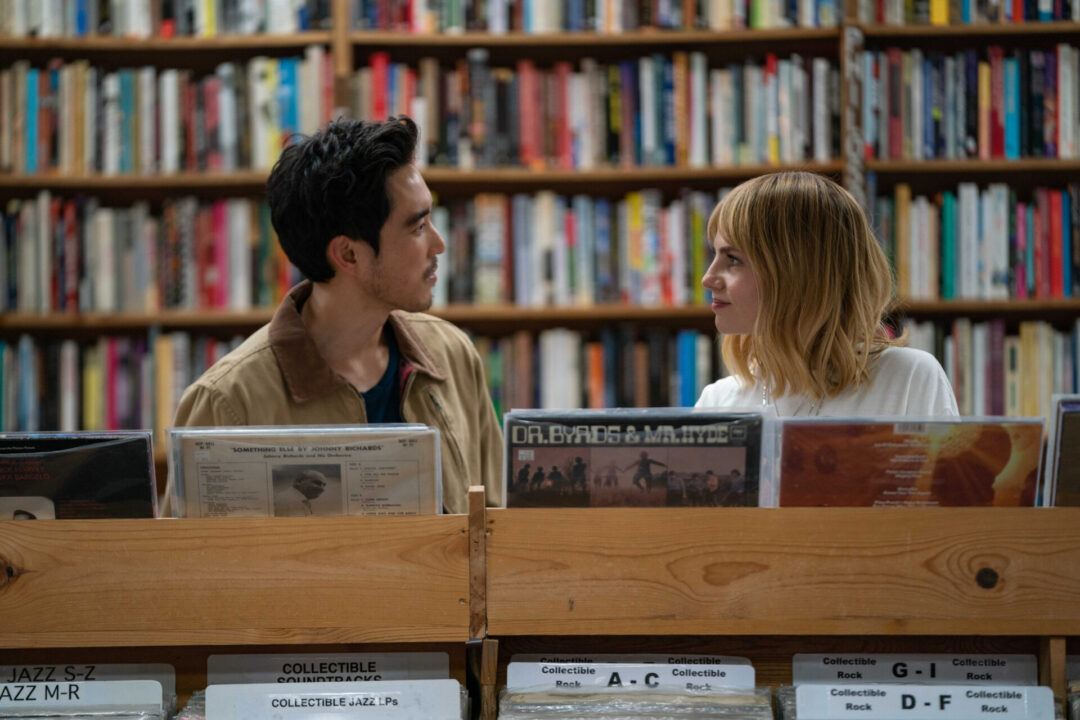
In 'The Greatest Hits,' A Heartfelt Hipster Travels Time

When it comes to recalling memories, music is one of the most powerful tools we have. The documentary Alive Inside poignantly proves this connection in Alzheimer's patients. As the disease slowly takes over one's personhood, the sudden needle drop on a beloved record from their past brings back vivid memories that their loved ones thought were previously lost to time. Almost like magic, we see music acting as a portal to alternate dimensions. In the Lucy Boynton-led romantic comedy The Greatest Hits, this music/memory connection is further examined, but this time, with a fun, sci-fi twist.
Boynton plays Harriet, a Silverlake-dwelling, newly widowed single who is mourning the death of her boyfriend Max (David Corenswet)as the second anniversary of the fatal car accident they were involved in approaches. With survivor's guilt weighing heavy, Harriet copes by playing music that reminds her of their time together. What she didn't expect, however, was that the music could literally transport her back to the moment that she and Max heard it for the very first time. Looking like the Maxell Cassette Bown Away Guy, Harriet time travels through different periods of her life with Max, reliving those precious moments over again.

Determined to return to the life she once had, Harriet goes through every one of her records–track by track–to find the song playing just moments before the fatal accident, in hopes that she can change what happens next. As Harriet lives her days with this synesthesia-type superpower, life continues to go on. She gets a job at a library, the quietest environment imaginable, and consistently wears headphones to distract from the outside noise.
She also attends grief recovery meetings, which is where she meets David (Justin H. Min), a soft-spoken, sweet man who is quite curious about her condition. The more time they spend together, the more Harriet begins opening herself to love again. There's just one problem, she still can't control her time-traveling whenever she hears a song that reminds her of Max. What develops is a twisted love triangle between Harriet, the man she once loved, and the man she is beginning to fall in love with.
This being a film about music, the jam-packed soundtrack doesn't fail to disappoint. Personal standouts include the Phoebe Bridgers cover of The Cure's "Friday I'm in Love," Jamie XX's "Loud Places," and countless songs from Roxy Music. Each track is a banger after banger, the music supervisor (who is surprisingly left off of the IMDb credits) had their work cut out for them! Adding to the sound's strength is the multi-layered score by composer Ryan Lott, perhaps best known as a member of Son Lux, the experimental band behind Everything Everywhere All At Once. As far as performances go, Lucy Boynton plays the manic pixie trope to expectation. Her comedic chops are subtle but they shine against Justin H. Min's more mellow persona.
Directed by Ned Benson, whose previous credits include The Disappearance of Eleanor Rigby trilogy (Her, Him, and Them), The Greatest Hits is a love letter (rather, "song") to music and the memories it sparks within us. The title is a bit tongue-in-cheek as we undoubtedly witness Harriet through the worst, not greatest, moments of her life. But the magic of music is overwhelming and The Greatest Hits proves that with the right song, nostalgia and heartbreak can turn into the start of a beautiful new story.
'The Greatest Hits' opens in select theaters on Friday, April 5th before landing on Hulu in April.
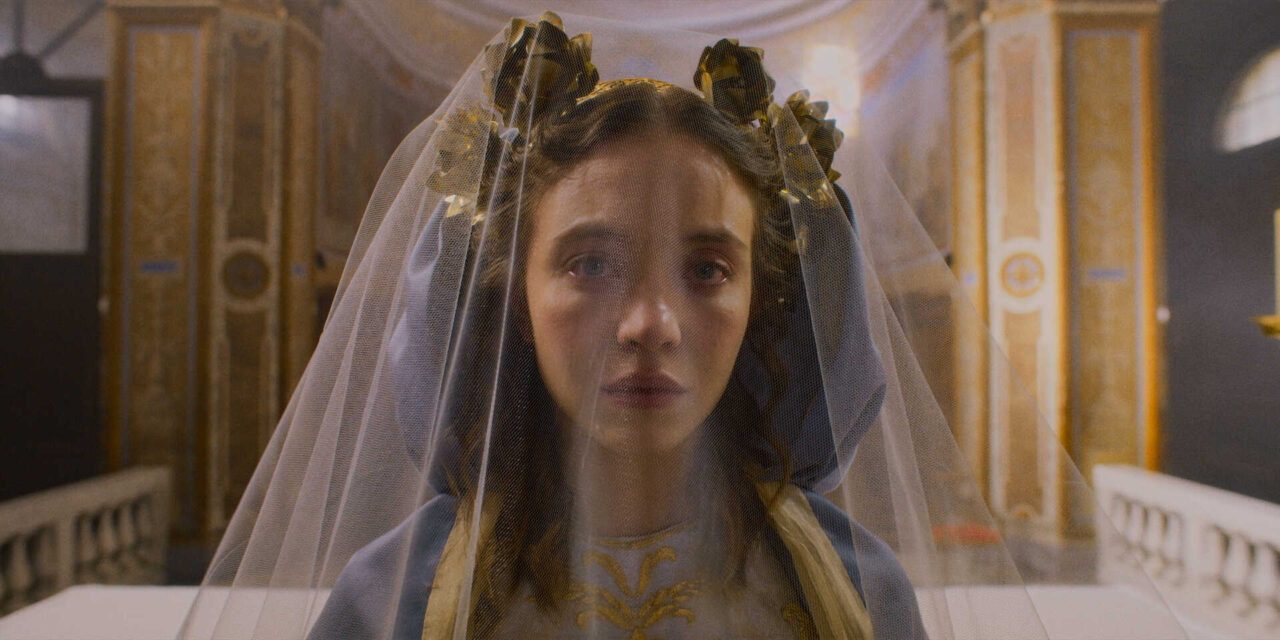
'Immaculate': All Hell Breaks Loose in This Feral Horror Flick
Sydney Sweeney gives a wickedly righteous and feral performance as a scorned nun turned rogue vigilante in the psychological horror film, Immaculate. Directed by Michael Mohan, who last collaborated with Sweeney in 2021's The Voyeurs, Immaculate may fall short when it comes to convincing plot points but still, it is without a doubt an unforgettable, heart-racing, blood-soaked visceral experience. Immaculate opens in theaters this Friday, March 22nd.
Sweeney (Euphoria, The White Lotus) plays Cecilia, a young nun who suffers a near-death experience and subsequently decides to uproot her life in America for a fresh start in Italy. With a renewed sense of optimism and faith that she will find her purpose here, she arrives at the devastatingly beautiful convent set in the remote Italian countryside. This spiritual sanctuary, with its baroque architecture and longstanding religious legacy, is where she is prepared to call home for the foreseeable future.
The language barrier aside, Cecilia receives a mostly warm welcome from the other religious residents, including Mother Superior (Dora Romano), Father Sal Tedeschi (Álvaro Morte), and the rebellious Sister Mary (Simona Tabasco). Nuns of all ages who have devoted their lives to serving the church live on the property, and Cecilia finds the sisterhood comforting. However, the angelic facade deteriorates as she begins witnessing bizarre behavior and grotesque atrocities at the hands of the women she called sisters. Once Cecilia finds herself at the center of an unexplainable circumstance–falling pregnant despite being a virgin–all hell breaks loose.
Proving that she can confidently master the spectrum of emotional and physical exertion, Sydney Sweeney gives a mesmerizing performance as Sister Cecilia. From doe-eyed novice to bad-ass avenger, Sweeney gives it her all in a way we haven't seen before. Her transformation over the film's 89-minute runtime is captivating.
Immaculate isn't without its flaws, however, especially in the script. For as strong as the first half of the film is, the plot seems to derail into goofy territory that leans more towards comedy than full-bodied horror. Suspension of disbelief isn't so much suggested as it is required here, and even then some moments come across as a parody of a campy horror flick. Sweeney and company nail the performances, every supporting role is successfully unwavering in its impact, yet Immaculate pales in comparison to similar genre films with a more solid plot.
Those looking for a fun and freaky night out will find much to enjoy in Immaculate, despite its less-than-serious storyline. Sydney Sweeney proves that she has the range–and the vocal strength–to carry a horror film and watching her slowly spiral is sinfully sadistic. Immaculate made its World Premiere at the 2024 SXSW Film Festival and was nominated for the Audience Award in the Headliners category.
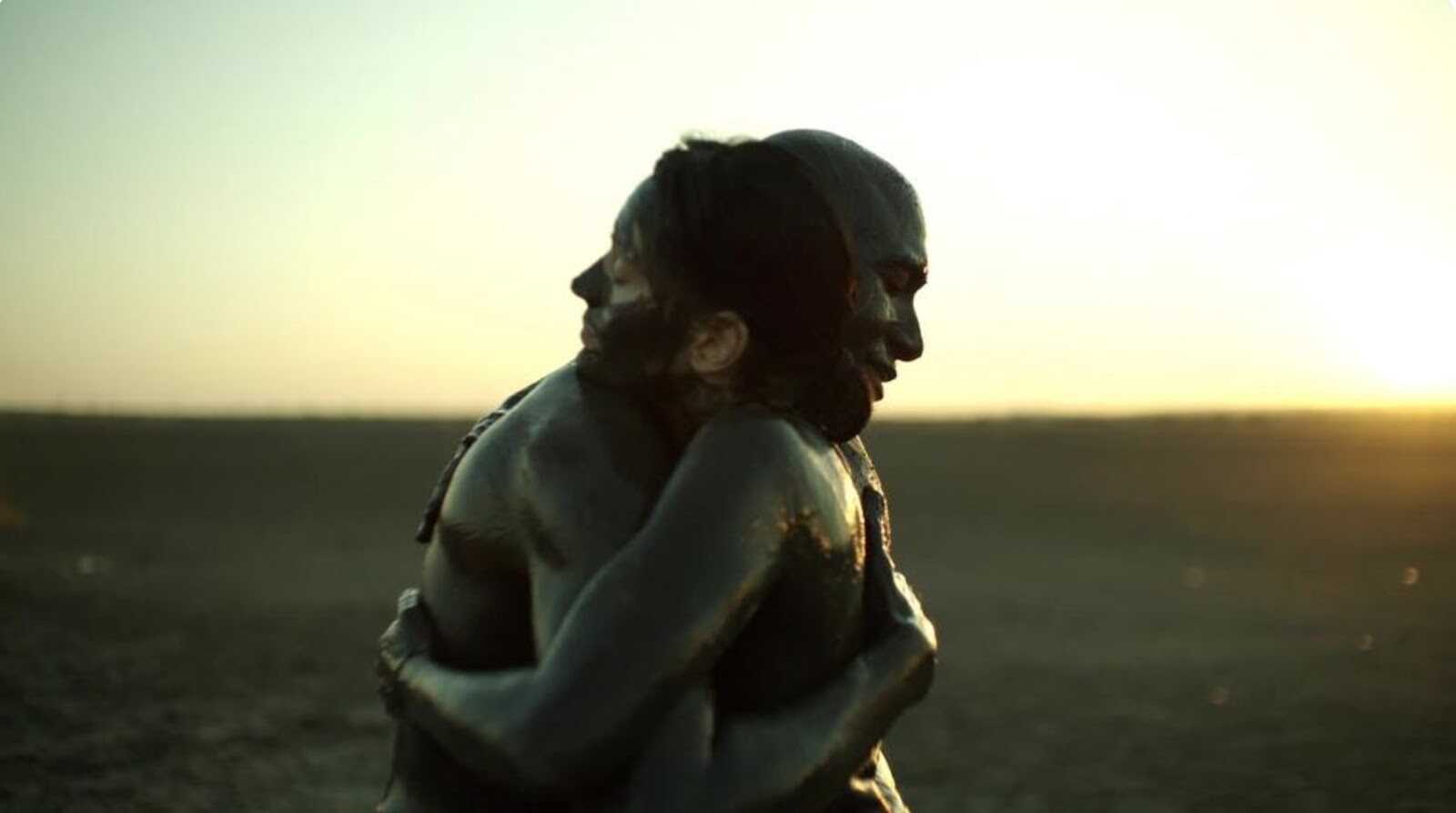
SXSW: 'The Black Sea' is a Lo-Fi Dramedy on Finding Purpose
Making its World Premiere at the SXSW Film Festival is The Black Sea, a cheeky low-fi dramedy about finding purpose and making big dreams happen in little places. The Wolfpack and Skate Kitchen filmmaker, Crystal Moselle, co-directs the feature with Derrick B Harden, the film's lead actor who is also a musician, filmmaker, and barista (which sounds random but is relevant to the film). Set in Bulgaria with no script, non-actors, and a local crew, The Black Sea is a thoroughly engaging adventure film made even more sensational by its offscreen circumstances.
A Man Searches for Home
The Black Sea charts the zany story of one charismatic man's search for home, literally and figuratively. Inspired by Derrick B. Harden’s real-life travels to Bulgaria, Khalid (Harden) struggles to make ends meet. Living in Brooklyn and having recently–and dramatically–resigned from his barista position at a local coffee shop, he is desperate to make a quick buck. After answering a Facebook ad from an older woman looking for "adult physical touch," Khalid finds himself on a one-way flight to Bulgaria to meet his sugar mama. He encounters a problem once he arrives at her small island town. Khalid is met by the woman's adult son who breaks the news that she died earlier that morning. Khalid is in shock; not only is he still broke, and notably the only Black man in town, but now he is broke and stuck in Bulgaria.
What transpires from here is a journey of self-discovery in this humble setting on the Black Sea. Khalid is the type of man who makes his own luck and doesn't wait for things to come to him. His outgoing nature is mostly well-received by the local townspeople. They embrace his cultural differences, especially his love for hip-hop and matcha. Khalid may be penniless but his spirit is not broken. At first, he couldn't wait to escape the island and return to what was familiar. As the days pass and Bulgaria continues to embrace him for who he is, Khalid rethinks where he truly considers "home."
Similar Style to Crystal Moselle's The Wolfpack
The sun-drenched visuals by cinematographer Jackson Hunt give The Black Sea a timeless quality. This perfectly complements the loose structure of the story. It is light and airy, almost bordering on docu-style filmmaking akin to Moselle's own The Wolfpack. Aiding in this aesthetic is the contemporary soundtrack by Charles Moselle, which adds lusciousness and warmth to the picture.
Takeaway
The Black Sea is a little indie that makes a big statement. Crystal Moselle and Derrick B Harden work together to create a communal sense of creativity and execution. The story of The Black Sea is simple but the way in which it is told is an inspiring feat.
'Ryuichi Sakamoto | Opus' Is a Stunning Send-Off For a Beloved Virtuoso
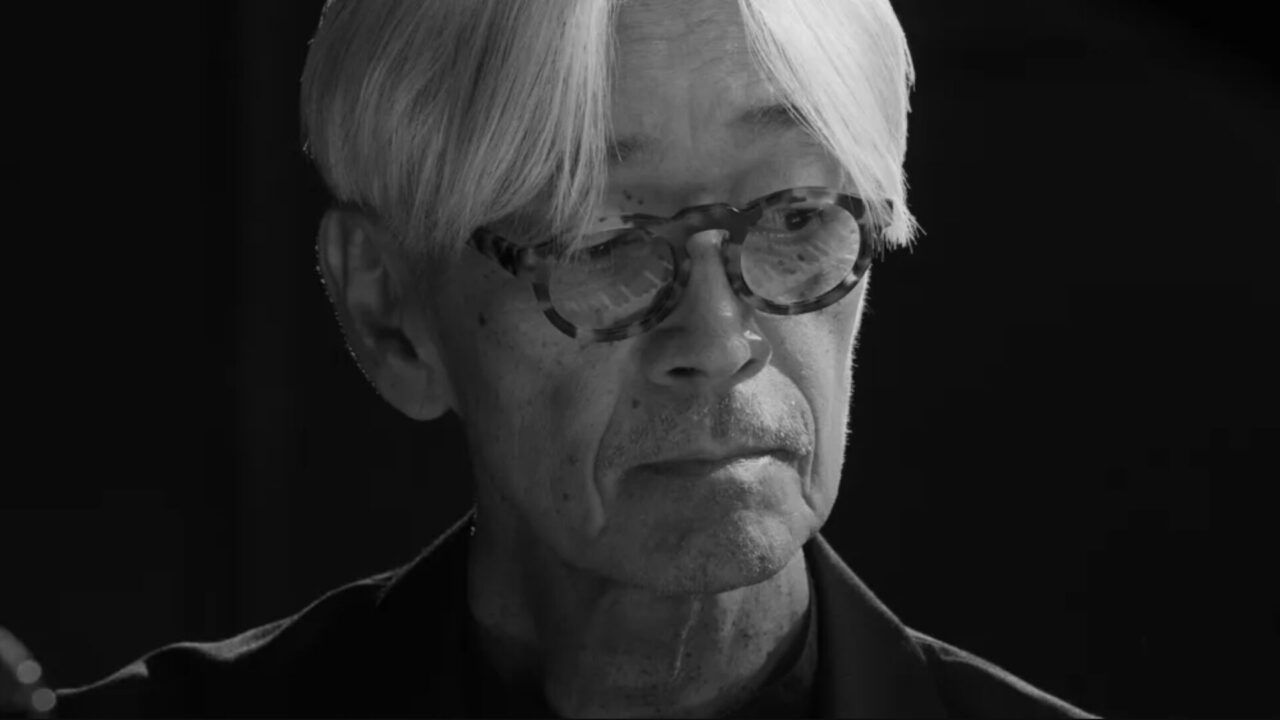
It was no surprise that Ryuichi Sakamoto had been sick for some time. The legendary composer and pianist had a semi-public battle with throat cancer in 2014, temporarily hitting pause on work engagements and creative output. The documentary Ryuichi Sakamoto: Coda, directed by Stephen Nomura Schible, elegantly captures Sakamoto's gentle return to music in 2017 after living in remission from cancer. For fans, the film offered a glimmer of hope that our maestro would live cancer-free and continue to bless us with beautiful music. But the happy ending we hoped for wasn't meant to be. The cancer came back in 2021, and Ryuichi Sakamoto died in March 2023. His final performance lives forever in Ryuichi Sakamoto | OPUS, a feature-length concerto directed by his son, Neo Sora.
It's hard to find the words to convey just how powerful OPUS is. Watching Sakamoto put what energy he had left into this performance is both heartbreaking and devastatingly beautiful. Shot in black and white with practically no spoken words, Neo Sora puts the audience front and center to be immediately swept up in the protruding elegance of the Yamaha grand's ivory keys. Sora doesn't shy away from close-ups, which is a welcomed sight. Sakamoto's signature eyeglasses are displayed in such stunning detail, as well as his soft, nimble hands and sturdily-constructed jacket.
His career-spanning final performance consists of twenty compositions, including "Lack of Love," "The Last Emperor" "The Wuthering Heights," "Aqua," and "Opus," and ends with Sakamoto's most recognizable song, "Merry Christmas, Mr. Lawrence." Tears were flowing throughout the film but this finale gutted me. I couldn't help but feel a little selfish watching him play. Here is a 71-year-old man, pushing through visible discomfort to give us, his fans, a final gift. For Sakamoto, the reason he is making this film is clear: it's because he is dying. But instead of surrendering to the illness in self-pity, Sakamoto gracefully and selflessly offers us a lyrical elegy that will withstand time. His legacy is preserved in his music and fortunately, we can revisit this moment in time when Ryuichi Sakamoto graced the world with his stunning compositions through OPUS.
The film ends with Sakamoto's favorite quote, projected on the big screen as a reminder to embrace the world as he did. It simply states, "Ars longa, vita brevis," which translates to "Art is long, life is short."
This review originally ran on November 15, 2023 as part of our AFI FEST 2023 coverage.
Ryuichi Sakamoto | OPUS is now playing in New York at Lincoln Center, with a national rollout to follow.
'When Unfettered' Challenges the Divisive Perception of AI
The topic of AI inclusion in our future-facing world can be a very divisive one. Some trust it, and others don't. Filmmaker Derek Franzese takes the side of the optimist in his short film When Unfettered, which tells the story of how AI can be of help and is not a hindrance, especially when it comes to assisting humans in times of need. Running 11 minutes long, When Unfettered has been selected to screen at the 2024 Cleveland International Film Festival.
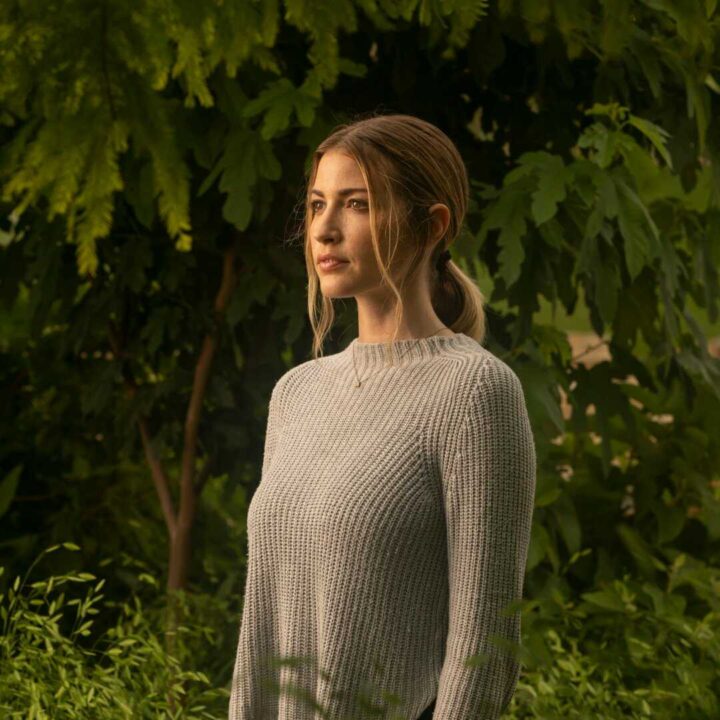
An AI caregiver called Ash (Ashley Whelan) spends her last day tending to an elderly man before he peacefully passes away. As his loved ones grieve the loss of their family member, they gracefully relieve Ash of her duties (which included typical hospice nurse to-dos). With no one to look after anymore, Ash roams the neighborhood until she stops at a park. Here, she interacts with a young special needs boy and his mom. Spending a few precious moments in the park getting to know each other, the boy and Ash ultimately give each other the biggest gift. Together, they celebrate their differences and embrace the parts that make them special.
When Unfettered has the look of a glossy commercial and captures the beauty of simplicity. Franzese crafts a vibrant world, captured by cinematographer Joe Simon, who also acts as executive producer. It's a small crew and simple story but what the filmmakers were able to achieve with what was no doubt a limited budget is commendable. Also, the decision to work with both animals and children deserves even more recognition, as we all know that isn't easy!
In the world of When Unfettered, admittedly a mouthful of a title, AI is on a mission to help the greater good. If the future unfolds the way the film intends it to, we can all rest assured that AI is nothing to fear.
SXSW: 'How To Build a Truth Engine' Examines the Vulnerability of Misinformation
Filmmaker Friedrich Moser's captivating documentary How To Build a Truth Engine boldly examines the vulnerability of how we receive and distribute information, putting into question the authenticity and intention behind "non-biased" news. Society can thrive when it uses technology for good, connecting us to cultures, ideas, and world views that we wouldn't have been privy to pre-internet. However, as Spider-Man would say, "With great power comes great responsibility," and Moser's film points out the damning repercussions of misinformation when falling into the hands of the wrong people. Executive Produced by George Clooney, How To Build a Truth Engine is a film that screams with urgency.
Landing somewhere between Herzog and Poitras in its execution, Moser crafts a visually rich documentary that, at times, feels more like a Black Mirror episode than our current reality. Interviews with key investigators from various fields of study–including technology, journalism, folklore, and neuroscience–shed light on how each subsection of society deals with the threat of disinformation. Much to my horror, but not to my surprise, the fallout teeters on the edge of catastrophe.
In the political system, lying and manipulation have become acceptable methods for pundits to push their agenda. Political figures have started turning into their own media sources, relying on their PR teams over established news outlets to deliver information. This prospect is worrisome for many reasons, as the intellectuals in the film point out, "If we lose the truth, the non-partisan information that keeps society functioning, we lose our civilization." Perhaps the most obvious example of this action was the January 6th takeover of the Capitol by right-wing conspiracy theorists. False information, fueled directly by the deliberate, ill-intended words of Donald Trump, encouraged large groups to wreak havoc on our political infrastructure as well as our code of ethics. The repercussions were not only a global embarrassment; they, unfortunately, also turned deadly.
How can people believe so many different versions of our shared reality? This is the thesis statement the film begs us to ponder. With the rise and threat of cyber attacks, echo chambers, and "fake news", How To Build a Truth Engine does offer a beacon of hope. A respite from the buildup of dread, the film documents the journalists, scientists, engineers, and other truth-seekers as they actively develop groundbreaking technology that helps to understand the human psyche. The thought is that by cracking the question of "why" we latch on and spread misinformation, we can use that insight to restore truth back to the valued forefront of a functioning society.
There is a line that one of the interviewees says that made a striking impact on me: "The best way to win a battle is not to fight it but rather create confusion in the camp of the enemy." Today, it feels like we are falling prey to this confusion, and the only way we as a society are going to overcome this looming threat is by taking a big step back and objectively reassessing how we receive and digest information. Cyber warfare has the potential to turn our society back into the Stone Age, and if that were to happen, we would never be able to recover.
Running just over two hours long, How To Build a Truth Engine is big in scope, production, and thought. Its importance can't be understated, making this a vital film to see as we consider and care for our collective future.
'How To Build a Truth Engine' is currently seeking distribution.

SXSW: 'The School of Canine Massage': A Dogumentary On Wellness
For too long, man's best friend has been left out of the wellness conversation but the Ojai School of Canine Massage is hoping to change that. In director Emma D. Miller's short "dogumentary" The School of Canine Massage, dog owners learn firsthand how valuable and beneficial it is to indulge their pets in a little doggy TLC, for both their health and relationship.
Running 11 minutes long, The School of Canine Massage is a tightly bundled piece of filmmaking. Taking place in one location, Ojai Valley Women's Club, the film opens with a canine masseuse demonstrating various movements and massage techniques on a black pug who seems to turn into putty the longer the back rub goes on. Like their human counterparts, the masseuse points out that dogs also enjoy cupping, kneading, gentle back-slapping, and prodding. Not only does this attention stimulate muscles and relieve tension and tightness, but it also strengthens the bond between owner and pet.

Sure, this borderlines SNL skit territory, but there's no denying that the massages are truly making a difference in these dogs' lives. Close-ups of satisfied pups getting head scratches would be laughable if it wasn't so cute. Pugs, poodles, corgis, and more sit contentedly in the laps of their attentive owners and quickly fall into a deep meditative state, much to the amusement and relief of their pet parents. Animal massage therapy and acupressure really work, and Emma D. Miller's exploratory documentary makes a strong case for shamelessly pampering your pet. My only critique is that I wish the film was longer, I could watch dogs getting massages for days.
'Books & Drinks': A Charming Rom-Com Set in Caribbean Paradise
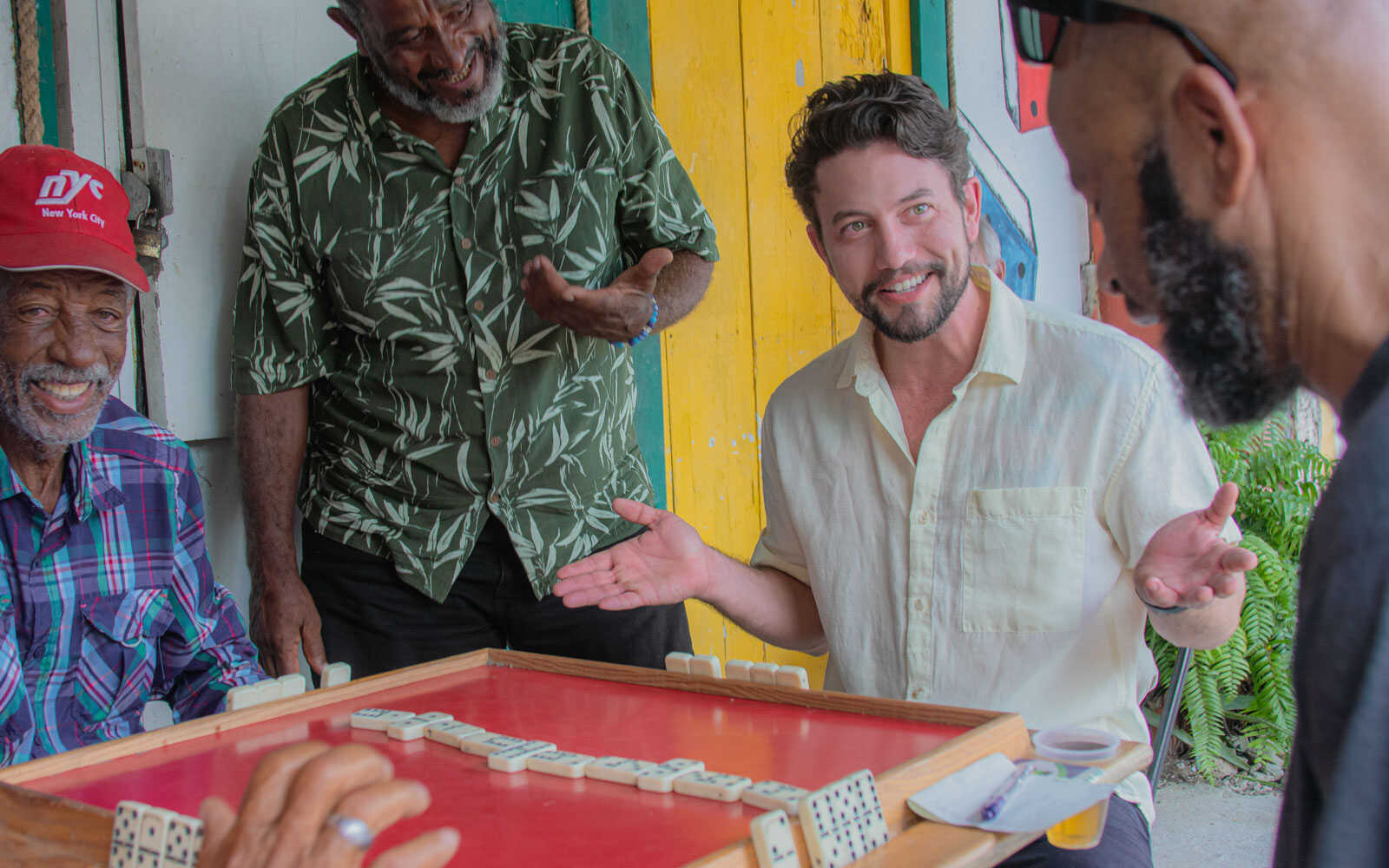
For those who want a blissful, tropically-set romantic comedy that feels like a warm hug mixed with a whiff of sunscreen, look no further than Books & Drinks. Making its World Premiere at the 2024 Santa Barbara Film Festival, Books & Drinks stars Jackson Rathbone, who you may remember as Jasper from the Twilight series, playing a charismatic bookstore owner who unexpectedly finds himself receiving a windfall of funds leading to an introspective journey toward self-realization, confidence, and joy. Books & Drinks, directed by Geoffrey Cowper, is a fun and lighthearted affair that brings out the best in its cast, and the most of its on-set location.
The next best thing to winning the lottery would be inheriting a mansion in the Caribbean. It's a dream scenario that knocks thirty-something David (Rathbone) off of his feet when he is given this unexpected news by his mother. In a somewhat hilariously dark manner, David's mom drops the bombshell that his father, who she always claimed died when David was a baby but, in reality, had just recently passed away, left David a house worth $2 million in the Dominican Republic. David has no plans to uproot his life in Brooklyn and move to the Caribbean but sees that house as a means to revive his flailing Brooklyn-based independent bookstore.
David decides, with support from his fiance Maria (Nashla Bogaert), that he will travel to the DR and sell his father's house, but upon his arrival, it becomes evident that David's dad wasn't just the mansion owner, but also a big deal in this small community. The house staff, who were close to his father, pay their condolences while also trying to seduce David so that he'll become attached and not sell the house. As it turns out, the only thing that seduces David is the realtor Rachel (Clara Lago), a beautiful, bubbly brunette who very clearly sparks David's interest.
Over a couple of weeks, David and Rachel grow close, bonding over their drive and passion for life. She encourages him not to give up on his bookstore dreams and helps him come up with clever ways to attract customers. She has the idea–which personally, sounds pretty amazing– to create signature cocktails inspired by authors like a Bloody Mary for Stephen King or an absinthe-based drink for Oscar Wilde. It's at this moment that David falls for Rachel and her generous, creative spirit. You can make an educated guess about halfway through the film as to where the story is headed, and while a few curveballs are sprinkled in, there is a predictable sweetness that feels reminiscent of comforting old-school rom-coms.
The central message in Books & Drinks is to follow one's intuition to not give up on your dreams. It's a fun way to spend 94 minutes. Plus...the mansion is total eye candy, which may or may not have enticed me to look up similar properties on Zillow, just for fun.
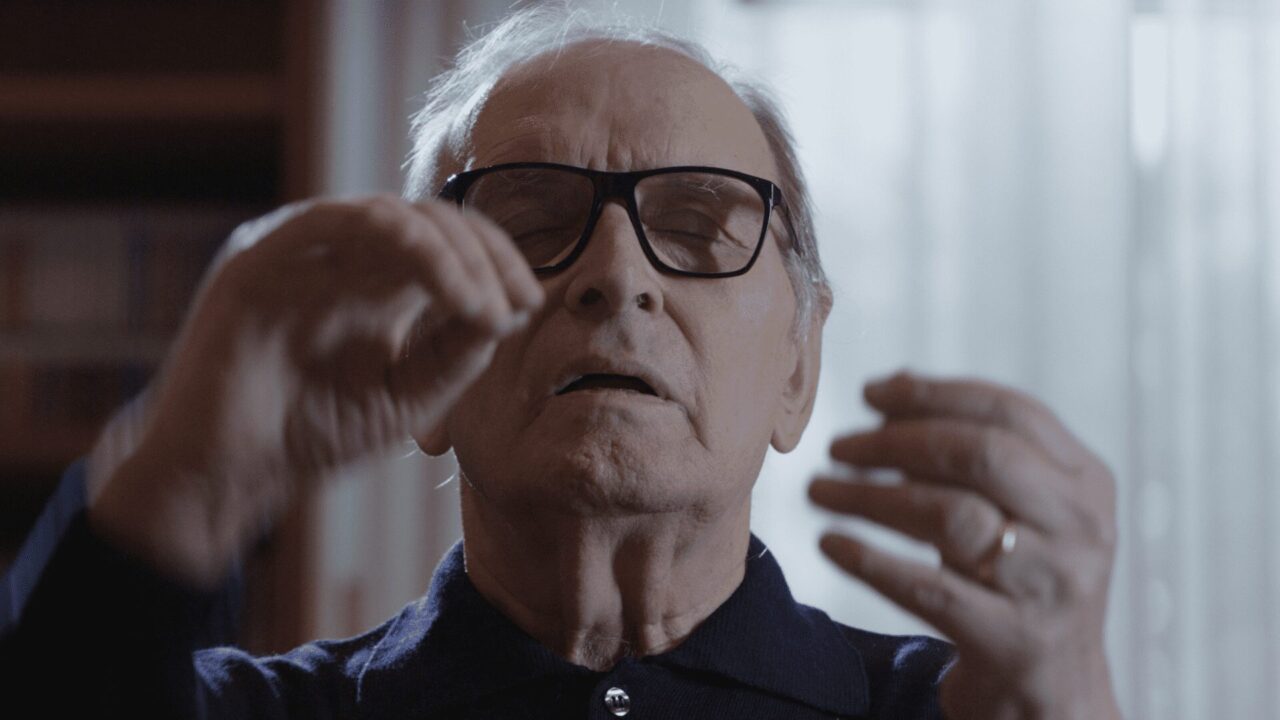
'Ennio' is a Masterpiece Fit for a Maestro
It's been said that, at the sound of the first note, you will be able to identify an Ennio Morricone score. The duality of the music's boldness and beauty is unmistakable. We also know what will follow is a rich orchestral melody that weaves in and out of emotional landscapes. The prolific composer's influence on music scores in cinema is explored in great detail through Ennio, directed by his longtime collaborator, Cinema Paradiso filmmaker, Giuseppe Tornatore. Paying tribute to one of the industry's most legendary artists, Ennio explores the maestro’s career across his iconic film scores, including The Good, The Bad, and the Ugly, Days of Heaven, A Fistful of Dollars, and his Academy Award-winning work on The Hateful Eight, among hundreds more.
I like to listen to music when I write, and sitting down to begin this review was no different. As I opened Spotify and searched for his name, I was shocked but not surprised to see that the Ennio Morricone profile receives an average of 3.3 million listeners a month. His most recognizable song, "The Ecstasy of Gold" from The Good, The Bad, and The Ugly shows that it has been streamed nearly 69 million times and counting. These numbers, while staggering, are only a snapshot of the storied career of the Italian maestro.
The documentary runs just over two hours and thirty minutes, and every frame is packed with words of admiration from Ennio's peers, including autobiographical anecdotes from Ennio himself. Fans of his music-making process will revel in the abundance of fascinating interviews with various musicians and directors who have either worked directly with him or were indelibly inspired by him. Bringing a personal component to the film, Ennio shares stories about his childhood and reminisces about wanting to be a doctor. It was his father who convinced him to study the trumpet instead. It's a scenario you don't hear too often, parents persuading their children's career path towards the arts over medicine. From there, we weave in and out of his repertoire, growing more awestruck with each passing film score.
The film itself is very traditional in its documentary format, fueled by sit-down interviews that bounce from subject to subject. The stories themselves are larger than the formulaic way in which they are told, which seems like a conscious choice by Giuseppe Tornatore to not let stylistic filmmaking choices get in the way of the heart and soul of the film. It's clear that this documentary has been in the works for a while; some interviews have a dated, public-access look to them that seems ripe for screening in a museum.
The descriptions given about Ennio Morricone range from "very serious" and "very absorbed" to "a genius" and "a marvel." Waxing poetic about their idol, some interviewees stated that "the God of music speaks through him as if he were possessed" and "His music is... eternal." Before his passing in 2020, Ennio finally won his long overdue Oscar for Quentin Tarantino's 2015 film, The Hateful Eight. At 87 years young in 2016, Ennio Morricone set a new record: the oldest recipient of an Academy Award, proving age is nothing but a number.
Ennio is now playing in Los Angeles at Laemmle Noho with a national expansion and home entertainment release to follow.
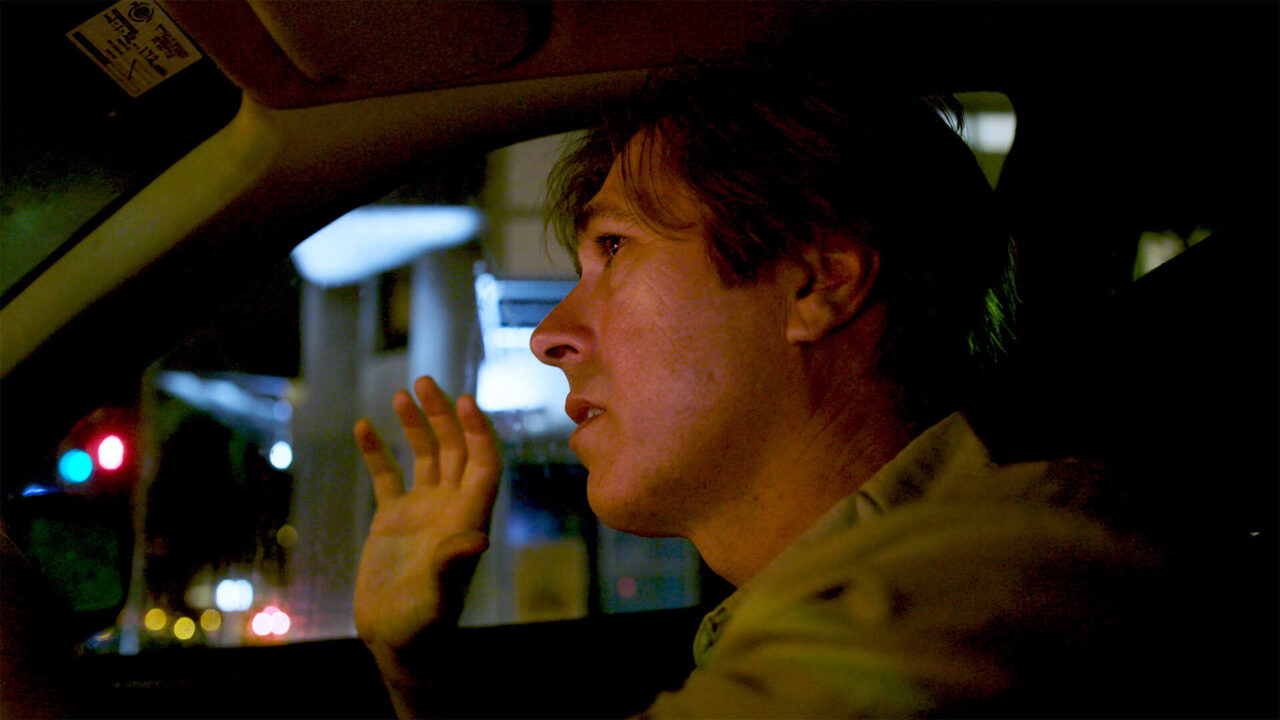
'Disconnect Me' Attempts a 30-Day Digital Detox
This is one detox that even Gwyneth Paltrow would have trouble completing. Director Alex Lykos makes a persuasive argument to cut ties with the invisible chains of your phone in his social issue documentary, Disconnect Me. Using himself as a guinea pig, Alex embarks on a 30-day experiment of being screen-free, although TV is allowed for sanity's sake. Considered by some a "necessary evil," our attachment to our iPhones has no doubt risen to unhealthy levels and Alex's attempt to break audiences of this technology's stronghold is an admirable one. However, I'll be the first to admit that as soon as the film ended, I opened up my phone to add this to my Letterboxd watchlist.
How else would a small, independent feature like Disconnect Me get any attention if the social channels that we access via phones and tablets were non-functional? Alex dually notes that while phones are more often than not a distraction in modern life, there is most definitely a time and a place for their existence. The film begins with a brief history of the iPhone and incorporates some staggering facts that had me on high alert. Disconnect Me states, through voiceover narration and simple graphics, that the average human touches their phone 2,600 times a day and averages over 6 hours of cumulative screen time. What's even more frightening, phones have reduced our attention span to 8 seconds, which is less than that of a goldfish.
Through Alex's 30-day experiment–which required his phone, laptop, and computer to be locked away in a safe, he felt the withdrawals of easy communication with his family more intensely than his desire to go on social media. He was stressed about missing important communications from his father or his wife and found that relying on an old-school rotary phone just wasn't cutting it.
Disconnect Me, which made its World Premiere at the 2024 Santa Barbara International Film Festival, has the very specific look of an MTV doc from the mid-2000s. It is not the most sophisticated in terms of style or production quality, but the story at the heart of the film is one worth celebrating. Interestingly, the film takes intentional pauses and asks audiences to scan a QR code answering various questions, like whether we believe smartphones should be banned in schools. It's a forward-thinking approach, albeit a little contradictory given the central message of the film.
It's no surprise to discover that there are negative physical and mental consequences of being preoccupied with a phone all day. The people Alex interviews confirm that their health and overall awareness dip when glued to their devices, and I'm sure in one way or another, every audience member can relate to this. Disconnect Me is a valiant exercise in exploring life outside of one's comfort zone, and it leaves a positive impact in its wake.

'The Arc of Oblivion': A Kooky Mediation on Impermanence
Two of the documentary world's most respected filmmakers, Werner Herzog and Kirsten Johnson, give their stamp of approval to Ian Cheney's expansive and rhetorical film The Arc of Oblivion. Lending their astute insights to this cinematic meditation on mindfulness, The Arc of Oblivion playfully explores the human desire for keepsakes amidst an ever-evolving world. Confronted by a question with a myriad of possible answers, Ian Cheney encourages audiences to ponder what from this world is worth saving or, even more profoundly, "Are we insane to imagine that anything can last?"
Film is a tangible medium that has been around since the Lumière brothers presented the Cinématographe in December 1895. Images are captured and stored on rolls of film or hard drives, accessible when needed. Through the medium of film, we can experience cultures, periods, and places beyond our wildest imagination. The thought of this portal getting erased is terrifying, both from an enjoyment perspective and a historical one. As a filmmaker himself, Ian has always had a fear of losing his life's work from one accidental deletion or natural disaster. In opposition to our need for preserving history, Planet Earth archives it by burying its dead, as seen in limestone layers, tree rings, and fossils. Is that the true order of how we should approach archiving– here one minute, and gone the next?
This train of thought sparks a chain of wild hypothetical theories about memories and the human desire to want to preserve a legacy. Ian draws comparisons, quite literally, to Noah from the Bible, asking what he would take with him on his arc if he existed in today's modern times. Wanting to experience this scenario from a very method perspective, Ian enlists help from his parents and neighbor to build a 10ft arc in his backyard, using wood he excavates from the neighboring forest. This act of building a backyard arc gets Ian thinking about the fragility of memories, how to cope with their impermanence, and the theory that nothing ever "goes away"– rather, that energy is placed elsewhere.
The Arc of Oblivion has a kookiness to it that feels fresh and unexplored. The incorporation of video art, stop-motion animation, interviews with top subjects (including Johnson and Herzog), and timelapse sequences gives this unconventional thought experiment a sharp edge that is both fun and poignant. Werner Herzog is the film's Executive Producer and he makes an appearance in the last 10 minutes, breaking the fourth wall in a way that feels exciting. He comments on the power of the word "Oblivion" in the film's title, calling it a blessing because we would be miserable if we remembered everything. The human mind needs to be able to forget, he states. He even goes so far as to let us in on a little secret: Herzog discards all of the unused footage that doesn't make it into his films. Never will you see an outtake, director's cut, or extended scene. If it's not in the film, it's deleted from existence.
Acting as a philosophical springboard into the discussion of a desire for permanence, The Arc of Oblivion begs us to question, in the nicest of ways, if we are beautifully insane in our efforts to continue to preserve memories, despite the natural order of disregarding them. It's a fascinating film that I hope remains in the public's consciousness for a long, long time.

'I Didn't See You There': A Vérité-Style Documentary on Disability
Winner of the 'U.S. Documentary: Directing' award at the 2022 Sundance Film Festival, Reid Davenport takes viewers on an intimate journey of self-reflection in his documentary I Didn't See You There. Reid is a disabled filmmaker who uses his strengths as a gifted storyteller to craft simplistic yet undeniably powerful commentary on society's perception of disabled people. At times the film can be difficult to watch as we witness the ignorant behavior of strangers toward Reid but those moments also serve as a compelling reminder of how much daily acts of kindness and generosity can positively impact someone.
I Didn't See You There is a vérité-style film that is fully shot from the perspective of Reid, who often rides in his motorized scooter to get from point A to point B. Using a camera mounted to his wheelchair gives audiences an unparalleled perspective on how he views the world, and how the world views him. From his vantage point, we encounter obstacles that most able-bodied commuters take for granted, like stepping over uneven cracks in the pavement or moving around cars that block the crosswalk.
Reid details his struggles to exist in a world that routinely fails to cater to his needs and gives us an uncompromising view of how society treats people with disabilities: spoiler alert, it's not great. This is not to imply that Reid considers himself a victim, in fact, quite the contrary. While visiting family, he doubles down on chasing his dreams of sustaining a career as a biographical filmmaker. His ambition far exceeds his physical restraints and he is not shy about expressing what's on his mind. With fearlessness and passion, Reid serves as an inspiration that ultimately leaves the film on an uplifting note.
What makes I Didn't See You There resonate so much isn't necessarily in the execution but the emotion it evokes (although it's sure to stir up feelings of compassion and awareness that audiences will carry with them long after the credits roll). Practically speaking, I'm curious about the decision not to use subtitles, as that would have been beneficial during some of the scenes that are difficult to understand. Overall, however, I Didn't See You There is a fascinating portrait by Reid Davenport that qualifies as essential viewing.
I Didn't See You There is coming to VOD on Tuesday, February 20th.
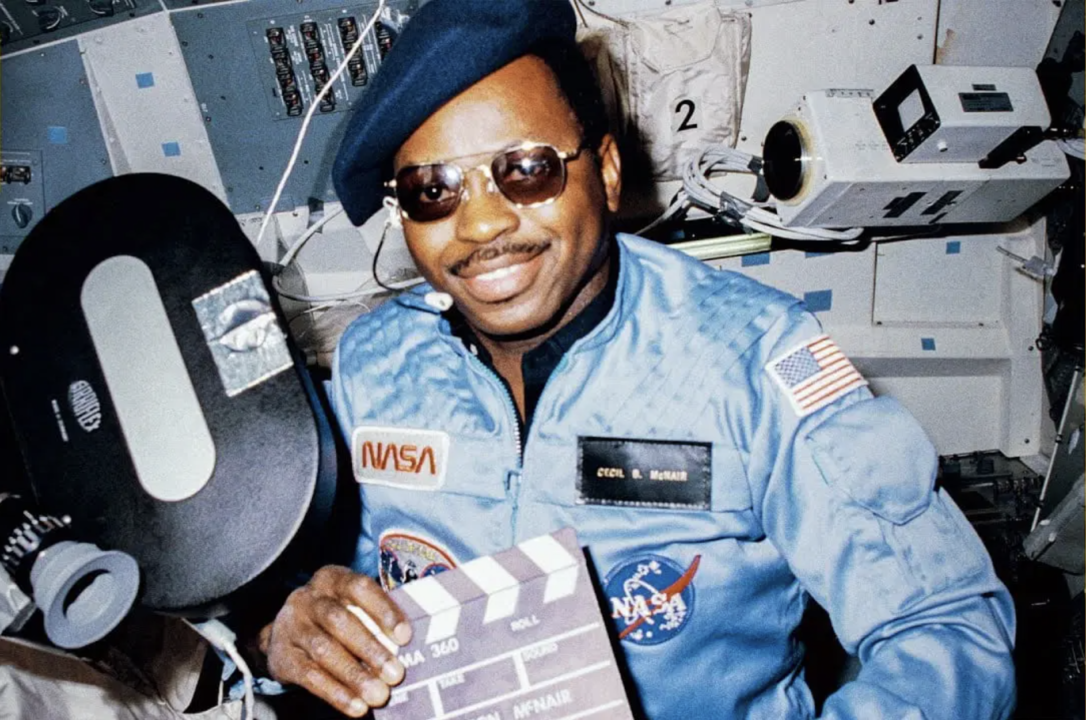
'The Space Race': A Revelatory Exploration of NASA’s Black Astronauts
From National Geographic Documentary Films comes The Space Race, a revelatory exploration into the historical accomplishments of Black NASA astronauts. Directed by Lisa Cortés (The Apollo, Little Richard) and Emmy-Award winner Diego Hurtado de Mendoza, The Space Race is a compelling portrait of the National heroes whose service, up until now, has been absent from mainstream history. Now streaming on Hulu and Disney+.
Space exploration wasn’t encouraged in ethnic communities back in the 1960s. The mindset that was birthed from racial segregation and discrimination was especially not welcoming to Black Americans looking to get into the scientific fields but that didn't stop Ed Dwight, Guion Bluford, Charles Bolden, and Victor Glover from pursuing their dreams of becoming astronauts. In an attempt to combat the social injustice at the time, President John F. Kennedy announced that Captain Edward Dwight would carry the title of the country's "First Negro Astronaut.” This news was met with both applause and criticism and, unfortunately, those who were skeptical that the optics were just smoke and mirrors were proved right. In the film, Captain Dwight frustratingly admits that he believes his hiring was for political and propaganda purposes, not moral progress. America needed a positive PR spin, and he was their chosen target.
Fast forward through decades and cultural strides, The Space Race uses archival footage and current-day interviews to show the side of history that wasn't written in textbooks. Special attention is dedicated to Ron McNair, the only Black astronaut aboard the Challenger Mission, who died along with six others when the spacecraft infamously exploded just seconds after takeoff. Regrettably, we will never know the full potential of his impact on future generations but despite his untimely passing, Ron is cited as an inspiration among his peers. Ron represented hope and ability for many people, specifically within the Black community.
The Space Race thrives when we hear the men reminisce in detail about their time spent in outer space. One describes Earth as being so small that his crew circled it every 90 minutes. Another speaks of his amazement to see the countries from that high, noting there were no lines or divides that we are accustomed to seeing on maps. If only everyone could co-exist with that mentality, that we are all equal and not bound to imaginary borders or tier systems. It's a message that extends far beyond space and one that will hopefully resonate with audiences to infinity and beyond.
This review originally ran on June 13, 2023, during the Tribeca Film Festival