
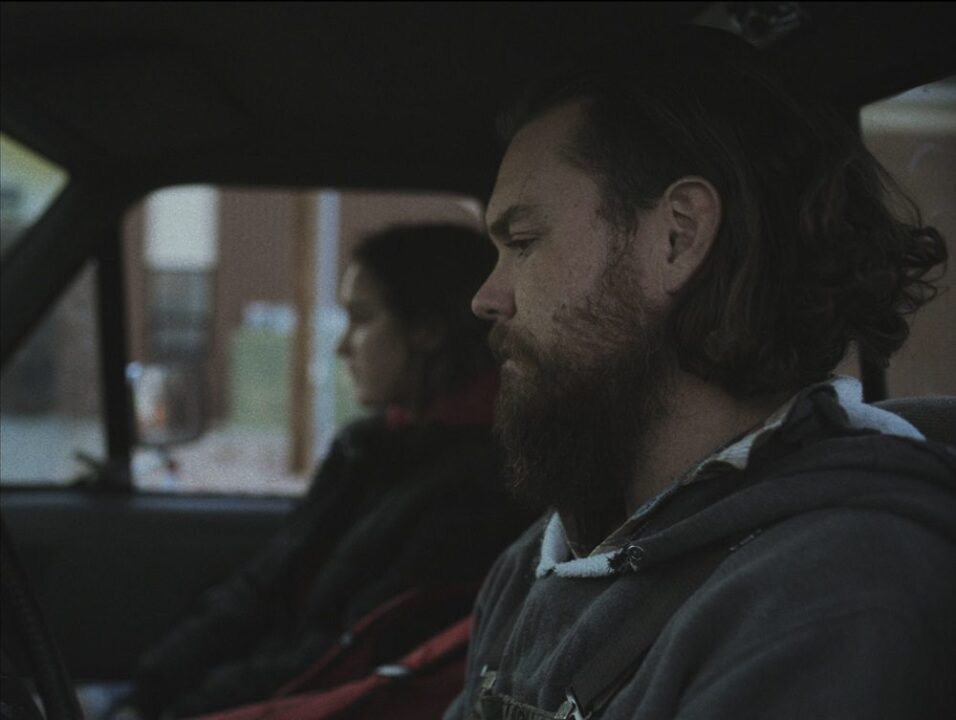
'The Killing of Two Lovers' Review: Crackles With Dread, Until it Doesn't
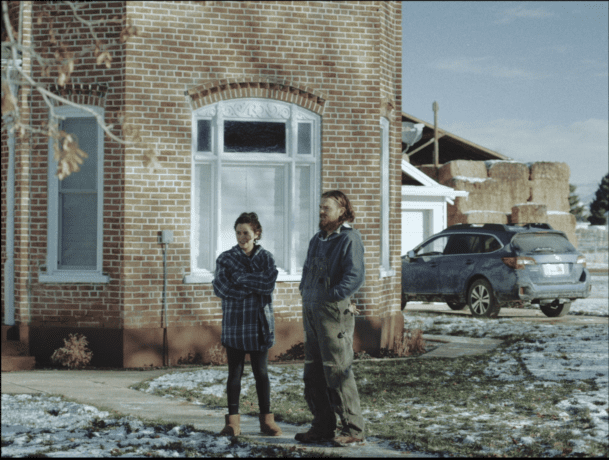
In The Killing of Two Lovers, written and directed by Robert Machoian, a middle-aged man named David (Clayne Crawford) desperately tries to keep his family of six together during an amicable separation from his wife, Nikki (Sepideh Moafi). Even though they both initially agreed they could see other people, David can't control his hurt towards his wife's new relationship and doesn't hold back in expressing his male agro-rage.
Expression
Similar to how Marriage Story felt like a personal catharsis of sorts for director Noah Baumbach, The Killing of Two Lovers feels like familiar territory to director Robert Machoian. Full of heartache and angst, this character-driven drama tells a modern story of untraditional boundaries within a relationship and the complexities that come with veering from the status quo.
The film buzzes with electricity, Clayne Crawford is a firecracker who knows exactly when to unleash his emotional load or hold back and keep his vulnerabilities close to the vest. Crawford is the breakout from this Sundance-selected film, and I'm excited to see what kind of role he takes on next.
Expression: 4 out of 5 stars
Daring
What sets this film apart from other relationship dramas is that the suspense and tension comes from what we don't see on screen, mainly due to the use (and overuse) of long takes (more later). Robert Machoian's script forces the viewer to use their imagination as to the thoughts, feelings, and emotions of the other characters in the film since we see the story unfold directly through the eyes of the protagonist David.
Although it can feel biased at times, it's an interesting directorial choice which earned Machoian a nomination for the NEXT Innovator Award at the 2021 Sundance Film Festival.
Daring: 2 out of 5 stars
Craft
Robert Machoian seems to really like the "long take" technique, as he falls back on this shooting style a little too often throughout the film. The first couple of uses are mesmerizing as we follow David running down a snow-lined street, or watch David drive his truck down the highway to catch up with his wife's new boyfriend, or watch David and his kids set off mini-rockets, or... you get the idea.
This observational aesthetic would have been more impactful if used more sparingly. Nevertheless, the scenes are gorgeous and cinematographer Oscar Ignacio Jiménez creates a boundless cinematic landscape to fall in love with, almost on par with Nomadland. The soundscape is also noteworthy; much of the film's tension comes from quick cues and eerily ambiguous sounds.
Craft: 3 out of 5 stars
Impact
For as much as The Killing of Two Lovers feels like a never-ending upward swing of emotional chaos, ultimately and unfortunately, it is met with a lackluster ending. After investing an hour and a half into this messy and complicated family, I was hoping for an ending that fit the bill. But that's life– unpredictable and sometimes: disappointing.
Impact: 2 out of 5 stars
Conclusion
While it wasn't as hard-hitting or impressionable as I had hoped, The Killing of Two Lovers is undeniably rich in its visual aesthetic. It could be argued that it has a slight case of "style over substance" syndrome, but overall it is an impressive early feature from all involved.
Watching The Killing of Two Lovers is best compared to witnessing a thunderstorm. First, the calming, almost zen-like rain begins to intensify, and the ground starts to slightly tremble with the anticipation of what's to come. A bright light flashes, catching you off-guard. Then a large crash echoes throughout the sky, causing a range of emotional instability like panic, bewilderment, or fear. And then it's over, just as quickly as it came on.
Conclusion: 3 out of 5 stars
NEON will release 'The Killing of Two Lovers' in theaters and on demand Friday, May 14th, 2021.

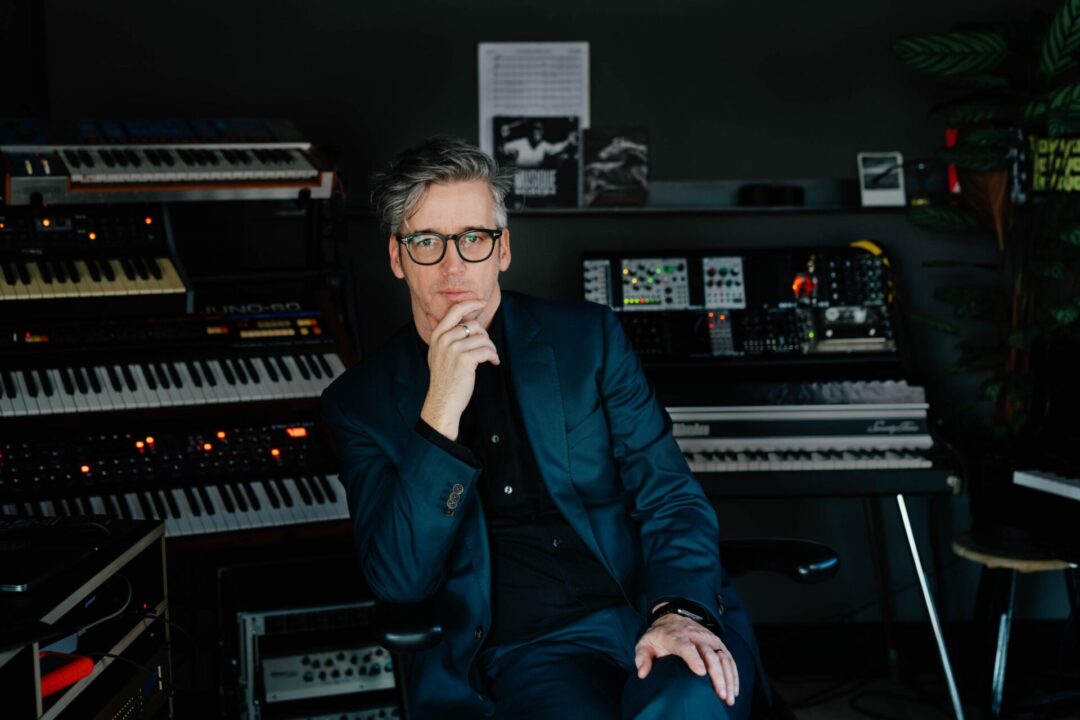
Peter Baert Premieres Track from David Oyelowo's ‘The Water Man’
The Water Man is a film of firsts for both Golden Globe, BAFTA, and Emmy-nominated actor and producer David Oyelowo, as well as Belgian-born composer and commercial sound studio founder Peter Baert.
The family adventure film marks Oyelowo's directorial debut and Baert's first foray into composing for an English-speaking, major Hollywood feature. But despite their "inexperience," when you have Oprah Winfrey serving as co-producer, it's safe to assume that both men are in good hands.
The film tells the story of Gunner (Lonnie Chavis), a young boy who sets out on a quest to save his ill mother (Rosario Dawson) by searching for a mythic figure who possesses the secret to immortality, the Water Man. He befriends a mysterious local girl, Jo (Amiah Miller), along the way and the deeper into the forest they go, the more dangerous it becomes. Their only hope for rescue is his father (David Oyelowo), who will stop at nothing to find them.
Reflecting the film's ethereal soundscape, Baert's score is a mix of classical orchestra, piano, percussion, and electronics. Leaning into the electronic/synth side, he processes certain cues, like the Water Man’s screams and sighs, through long delays, modular tools, and tape echoes to create what he calls “The Water Man Synth.” In the exclusive track "Gunner's Theme," Baert mixes fantasy-like notes with sweeping strings to create an emotionally triumphant arrangement.
On working with the first-time director, Baert shares that “David Oyelowo is such a wonderful human being and a gifted storyteller. He took a giant leap in choosing me as a composer and I felt his trust and guidance throughout the time we worked together.”
The feeling is mutual. When asked about working with Baert, Oyelowo says, “Music and sound in film have always been important to me, which is why I consider myself lucky to have met composer Peter Baert when I did. While in post-production on The Water Man, I was working with another composer and had initially cut Peter’s music in as an experiment, and it all just worked perfectly. Within a week, he flew over, sat next to me in the edit, and that's how he became my composer.”
Lakeshore Records is releasing the OST of 'The Water Man' Friday, May 7, 2021. It is available to stream and purchase here.
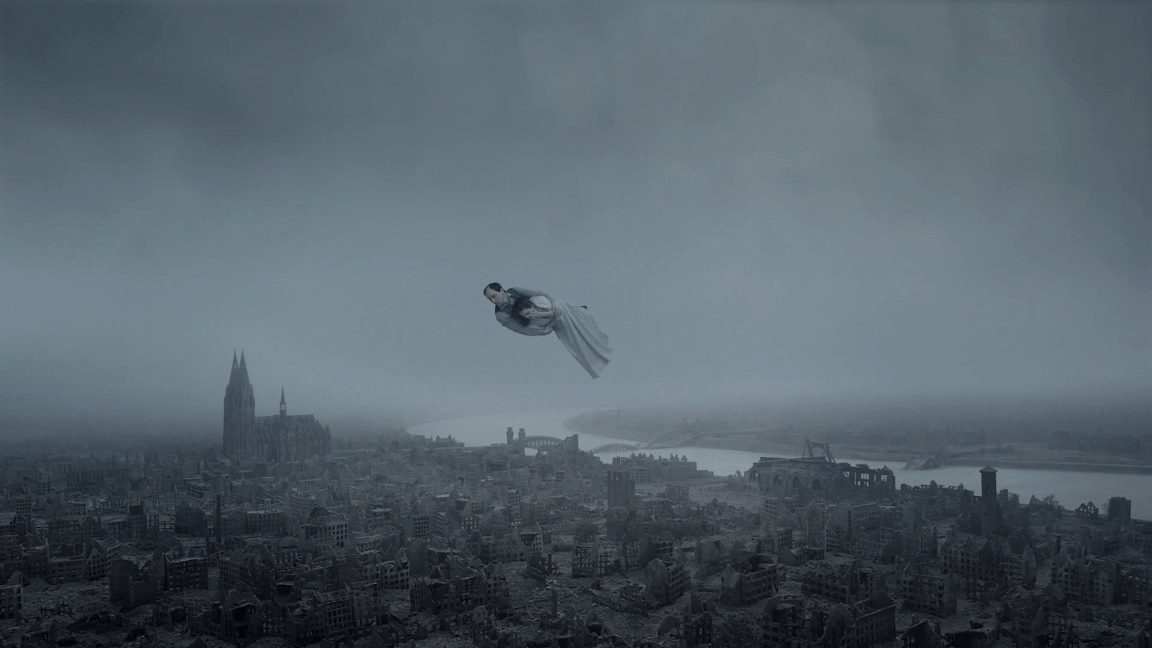
'About Endlessness' Review: A Beautiful Look at Life's Mundane Moments
Famed Swedish director Roy Andersson likes getting deep. Best known for his philosophically-charged films like A Pigeon Sat on a Branch Reflecting on Existence and A Swedish Love Story, the auteur is back with another introspective work about the mystery and mundanity of life. About Endlessness is a collection of vignettes that show the inconsequential moments of daily living – which Scandinavians make look all too beautifully depressing – and is delivered in a slow burn fashion that feels a bit too lifeless to be life-changing.
Expression
Andersson clearly has an emotionally curious nature about him, and his unique perspective at the splendor and banality of life gives About Endlessness an interesting angle. It plays much more like an art piece than a traditional narrative feature; there is no plot or main characters, just snippets of everyday, highly stylized, moments of life. Death, dancing, and questioning the existence of God all come into play here (and I'd be lying if I said I didn't relate to many of these seemingly taboo thoughts). If you want to feel less alone in your thoughts about the purpose, or lack thereof, of life, About Endlessness will reaffirm your struggle to make sense of the world isn't a singular one.
Expression: 3.5 out of 5 stars
Daring
I'd imagine Andersson went into this project knowing that his target audience would be pretty niche, like his previous films. His commitment to vision won't alienate his biggest fans, especially those who appreciate the film's slow paced nature, and may even catch the eye of those who are wanting a reprieve from the typical sensory overload type of film. About Endlessness doesn't stray too far from Andersson's past work – stylishly speaking – and so while it's not technically daring in a cinematic sense, a case can be made for the subject matter being somewhat controversial for very uptight or ignorant viewers. But let's be honest, uptight people won't have this on their radar anyway.
Daring: 2.5 out of 5 stars
Craft
The visual aesthetic of this film is beautiful, every scene looks inspired by a Renaissance painting. Staying true to his personal style, Andersson loves a long take and every vignette is comprised of just one shot. The choreography is on point as actors move in and out of frame in a tragicomical way, giving this pseudo-documentary an. The whole piece gives off Greek weird wave vibes but less "weird" and more "pondering the vulnerability of existence."
Craft: 4 out of 5 stars
Impact
For as absurdist and boundary-blurring as this film is, I personally felt underwhelmed when the screen cut to black and the credits began to roll. Maybe my expectations were too high as I sat waiting for existential enlightenment to hit me over the head, but I can't say I left the film with much of a takeaway. Unfortunately, despite its stunning cinematography and bold thematics, About Endlessness isn't a film that will stick with me long term.
Impact: 2 out of 5 stars
Conclusion
While this film won't be for everyone, there is no denying the genuine intention behind it. Especially in these times when we're slowly reemerging from our COVID-19 cocoons and re-evaluating what's important in our lives, About Endlessness offers a poignant reflection on human life in all its beauty and cruelty. Roy Andersson says it best, "The main theme of my work is the vulnerability of human beings. And I think it is a hopeful act to create something showing vulnerability. Because if you are aware of the vulnerability of existence, you can become respectful and careful of what you have."
Conclusion: 3 out of 5 stars
'About Endlessness' opens in theaters and on-demand this Friday, April 30th.

'Gunda' Review: A Wordless Film of a Mother Pig Stuns in Black and White
Extreme animals rights activist Joaquin Phoenix has teamed up with director Victor Kossakowsky and NEON to bring the arthouse film Gunda to the big screen. Taking on an executive producer role, Phoenix's passion in support of the film is clear, stating, "Kossakovsky has crafted a visceral meditation on existence that transcends the normal barriers that separate species. It is a film of profound importance and artistry.”
Shot in black and white and with no dialogue or soundtrack, Gunda chronicles the unfiltered lives of a mother pig, a flock of chickens, and a herd of cows with masterful intimacy. This observational documentary sits in a class of its own with its quietly commanding message of animal symbiosis in the natural world.
Expression
Nothing pulls at my heartstrings more than a good animal documentary that is authentic in it storytelling and not set up to create maximum emotional impact. On the contrary, Gunda's lack of any narrative whatsoever is what makes the film so devastatingly beautiful. It requires some mental stamina to sit through, at times I had to wonder if the camera was left accidentally rolling for minutes on end before any sort of action or movement appears in frame. Confident in its directorial choices and unique sensibilities, it's no surprise that Viktor Kossakowsky calls Gunda his most personal and important film he has made as a filmmaker and as a human being.
Expression: 4 out of 5 stars
Daring
Gunda is the definition of an experimental film, and I've never seen anything quite like it. It's not really comparable to the beloved David Attenborough BBC documentaries because there is no dialogue whatsoever here. It stands apart from the nature docs on Disney+ because of its drastic black & white look. Gunda's stark beauty resembles that of a high-fashion Vogue film, but instead of watching waif-like models describe what they eat in a day or give us a tour of their home, we're literally following a pig around a barn. It's not the most daring or visually stimulating film I've ever seen, but what gives Gunda its cinematic strength is the commitment to a bold aesthetic.
Daring: 3 out of 5 stars
Craft
Gunda was apparently a 25-year project for Kossakowsky, and not once did his dedication to the project, or his vision, waiver. What he's created is an innovative documentary that breaks the traditional rules of making movies, notably to never work with animals to save unnecessary headaches and stress. Any film that relies on a wild animal as its protagonist is indebted with risk, regardless if it's a documentary or not. In Gunda, Kossakowsky's entire film rests on the presence of these animals. Plus, the absence of additional music or voice overs leaves so much up to chance, and capturing that unpredictability in its raw, authentic state is the film's biggest strength. The decision to shoot in black and white was intentional for an interesting reason, and seemingly in opposition to how many filmmakers would have approached a film like this. Kossakowsky states, "I didn’t want to show cute pink piglets –and believe me, they are very cute indeed. I didn’t want to seduce the viewer in that way. It felt to me like black and white makes us focus on their soul rather than their appearance."
Craft: 3.5 out of 5 stars
Impact
Unlike some animal rights documentaries that are overly graphic and attention seeking, the message behind Gunda isn't forceful or political. It's a simple message that asks us to slow down and experience life as the animals do. Gunda asks us to meditate on the mystery of animal consciousness and think about how we contribute to their way of life. Can we do better?
Impact: 4 out of 5 stars
Conclusion
I think the best conclusion can be summarized by Paul Thomas Anderson, who so perfectly captured its essence and cinematic importance: "This is a film to take a bath in -it’s stripped to its essential elements, without any interference. It’s what we should all aspire to as filmmakers and audiences -pictures and sound put together to tell a powerful and profound story without rush.” - Paul Thomas Anderson
Conclusion: 4 out of 5 stars
93 min. ‘Gunda’ is now playing at The Landmark theater.
'Mapplethorpe: The Director's Cut' Review: This Second Take is Still Shaky
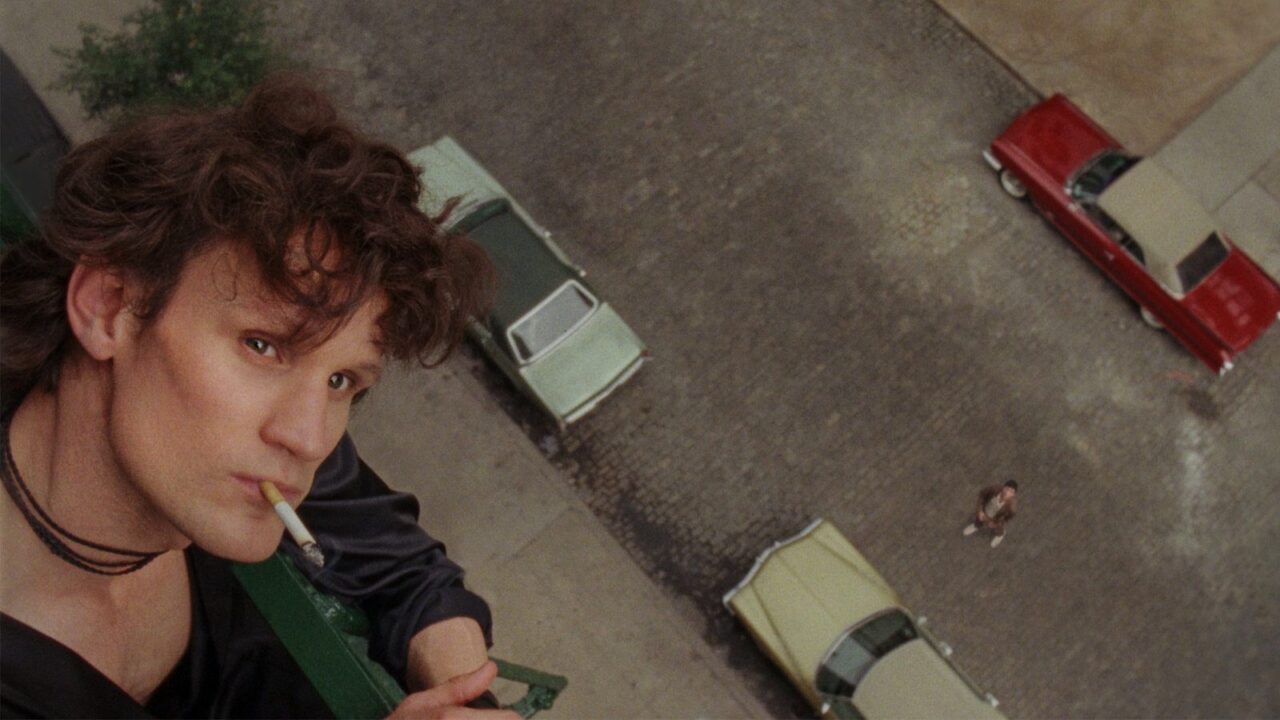
If you've ever seen a photograph taken by famed artist Robert Mapplethorpe, chances are high that it stopped you in your tracks, and for a moment, took your breath away. The stark images of naked men intertwined with each other, limbs in knots, are clearly provocative and bold–this is apparent even to the untrained eye. But it's the subtext of sexualized flowers within them that really shows off Robert's innate artistic genius. How he is able to take something so ordinary and add such deep, emotional meaning is why his is considered one of the most celebrated and controversial artists of the 20th Century.
Director Ondi Timoner attempts to breathe new life into her 2018 artist bio-pic Mapplethorpe with her new The Director's Cut (now streaming on digital platforms), featuring an all-new soundtrack and previously unseen footage of Robert’s childhood. Seeing the 2018 film's Rotten Tomatoes score may make you hesitant to invest two hours into watching this new version, and unfortunately The Director's Cut doesn't add enough to improve that thought.
Shot on both super 16mm and 8mm, we are transported to the grungy NY art scene where Robert Mapplethorpe (Matt Smith) and his partner Patti Smith (Marianne Rendón) are just getting their start. It's not long before Mapplethorpe, who has been suppressing his sexually curious nature since childhood, feels comfortable enough to embrace his authentic self. This act of self-acceptance is the catalyst for Mapplethorpe "The Artist" to thrive. So begins his journey, where he forms a relationship with powerhouse art collector Sam Wagstaff (John Benjamin Hickey), conquers the art world, and ultimately succumbs to AIDS at 42-years-old.
The film itself feels stale in comparison to its lively and flamboyant subject, which is the biggest disappointment here. The performances are risky, especially for Matt Smith who is naked in a handful of scenes, but it feels like there's a layer of Saran Wrap over the film that's keeping everything from fully expanding. What's missing is an organic fluidity–scenes feel overly scripted and rehearsed in a soap opera sense, which is a shame given the loose cannon nature of Robert's life.
If you're looking for more insight into Robert, his life, and his career, you'd have better luck with the HBO documentary Mapplethorpe: Look At The Pictures. This Director's Cut, unfortunately, proves that sometimes bigger isn't always better.
'Poly Styrene: I Am a Cliché' Review: A Tribute to a Rocker and Mother
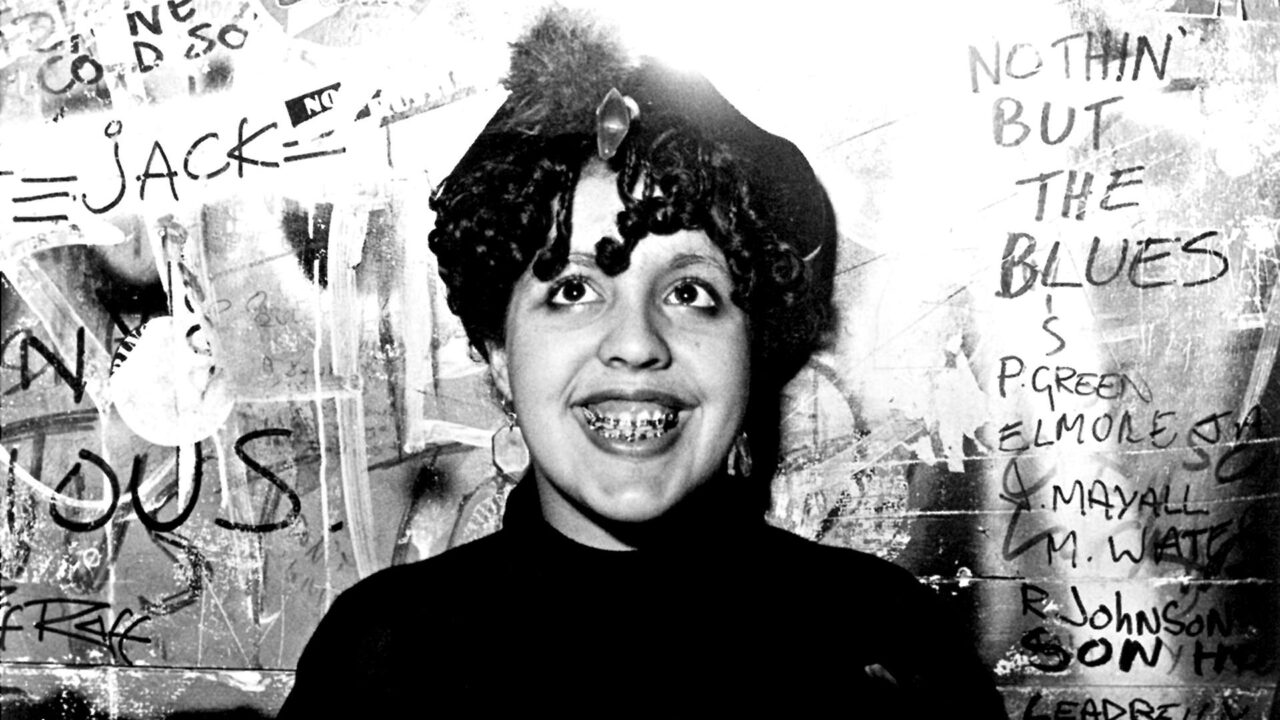
Marianne Joan Elliott-Said, aka Poly Styrene, was a British punk rock icon who is credited as one of the first mixed-race front-women in the underground music scene. But beyond that, she was also a loving mother–a role that wasn't as flashy as "rockstar," but one that she loved just as much.
In the documentary Poly Styrene: I Am a Cliché, Marianne's story is told through her diary entries, voiced by actress Ruth Negga, her daughter Celeste Bell, and some of Poly's industry peers. All pay tribute to the irreplaceable new wave punk artist who left her mark on music forever.
Poly Styrene is best known as the lead singer of the band X-ray Spex, an English punk rock band formed in 1976. As Poly Styrene: I Am a Cliché shows, growing up in London was difficult for her, who was of mixed race. She was half-English, half-Somalian, and was always categorized as "half-caste." Her rough childhood followed her throughout her adolescence and adulthood, giving her a hard edge, but to those who really knew her, Poly is described as a sensitive sponge. She absorbed everything around her both good and bad, including the success and the side effects of fame.
In 2011, Poly Styrene passed away from breast cancer. She was just 53-years-old. As the self-described caretaker of Poly's legacy, her daughter Celeste beautifully pays homage to a perfectly imperfect woman. The documentary acts as a memorial to the feminist trailblazer who proudly rocked braces, embraced her fuller figure, and shaved her head when she felt that people were paying more attention to her looks instead of her music. Directed by Celeste, Poly Styrene: I Am a Cliché is a touching tribute to a musical maven, courageous woman, and dedicated mother that will inspire you to rock out and share love.

William Basinski On Recording the Sounds of 9/11 in 'Disintegration Loops'
Everyone's lives changed on the morning of September 11th, 2001. While most of us flocked to TV screens and descended into chaos and confusion, William Basinski went up to the roof of his NYC apartment building and started filming the aftermath of the morning's catastrophic events. When his tape ran out, it was just after sunset. He took the footage and imported it into iMovie, laying it over the track he was working on at the time, which was constructed from decaying twenty-year-old tapes of his earlier music. What transpired was called "The Disintegration Loops," and it became an unintentional yet historical time capsule and masterpiece of an unforgettable moment in time.
Directed by David Wexler, the new film of the same name, Disintegration Loops, is a quick 45-minute snapshot of a complex, long-awaited resurgence from one of ambient music's most revered artists. William Basinski is best known for "The Disintegration Loops," but his repertoire extends as far back as 1998. It wasn't until Pitchfork scored The Disintegration Loops albums a perfect 10 (which is incredibly rare) for his career as an experimental ambient artist to become revered in the music industry.
Technically speaking, the pandemic filmmaking style in The Disintegration Loops is very apparent in the film, which allows us to connect to the film even more. Most, if not all, interviews take place over Zoom: the sound quality isn't perfect, but none of that matters compared to the story at hand.
This year will mark the 20th anniversary of 9/11, a reflective time for both Basinski and all Americans, no doubt. While quarantining in Los Angeles, Basinski released "Lamentations," an album that transforms operatic tragedy into abyssal beauty. Although Disintegration Loops left me wanting more in terms of its story (and Basinski interviews), I've since jumped on Spotify and listened through his numerous ambient albums to feel that sense of sonic connection. And after you check out the documentary, I highly recommend you do the same.
'Alone Together' Review: Charli XCX Makes an Album Amidst a Pandemic
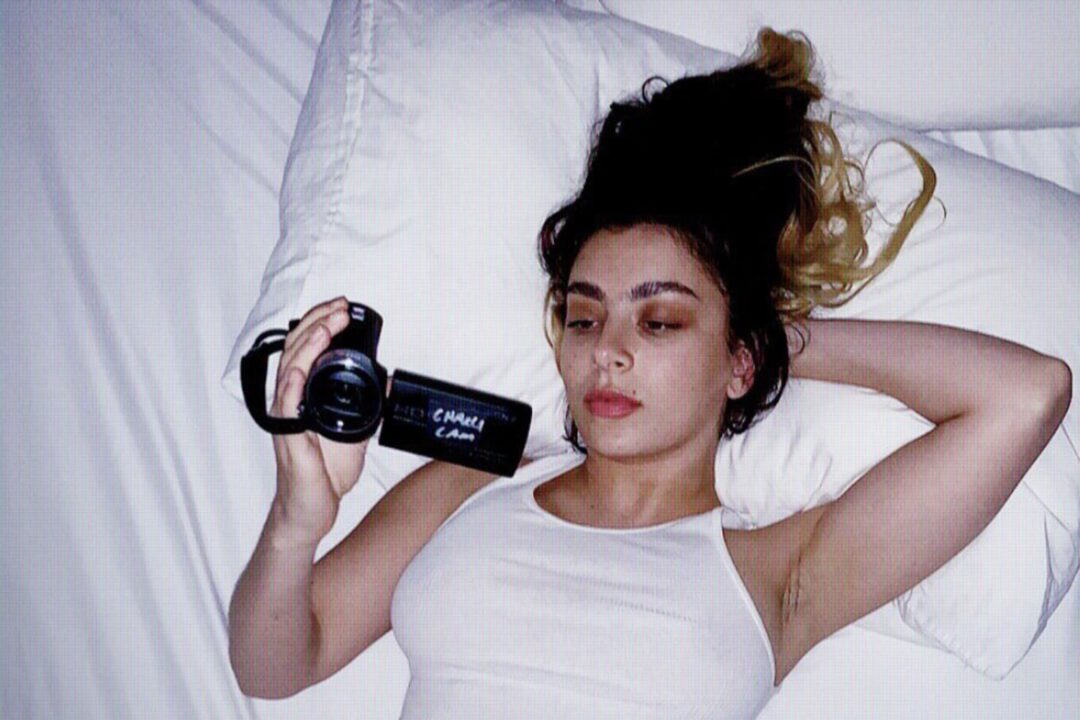
What's a pop star to do when their world tour gets canceled, and life as they know it feels like a horribly unpredictable nightmare? For Charli XCX, the only way out is through. In place of her Covid-dashed plans for 2020, Charli XCX channeled her creative energy into creating a new album, which she accomplished in quarantine and with the help of some of her biggest fans, which the new documentary Alone Together captures.
As documented in the SXSW closing night film Alone Together (directed by Bradley Bell and Pablo Jones-Soler–professionally known as Bradley & Pablo), Charli XCX adopts a total DIY approach in order to write, produce, and release an entire album and accompanying music video in a matter of weeks. Taking to social media and everyone's favorite video conference app, Zoom, Charli XCX encouraged fans to submit lyrics, artwork, and other ideas that ultimately helped bring her album "How I'm Feeling Now" to life. As the doc shows, this not only served as a way for Charli XCX to connect to the outside world when she needed it most, but it also gave her globally-reaching fan club a sense of shared purpose and belonging during a time of uncertainty and isolation.
Scored by Alex Somers (Honey Boy), the music doc uses a hybrid of mixed media to tell this far-reaching story, including Instagram, digital avatars, and self-shot footage by Charli XCX herself. This intimate documentary captures everything from the romanticizing of the early stages of quarantine to the effects it takes on her mental health (and that of many others). By sharing her vulnerability with her fans in real-time and throughout this film, the film acts as a life-raft for those who feel as if they've been wading through the physical and emotional turmoil that 2020 brought. Charli XCX proves that despite life's disappointments and hardships, music will always have the ability to connect us, and that's something COVID-19 can never cancel.

'Demi Lovato: Dancing With the Devil' Review: A Pop Star is Born Again
If the opening night showcase film at this year's SXSW film festival set out to prove anything, it's that sharing our struggles with strangers can be a cathartic and positively-affirming experience. When you're former Disney star/recovering addict/and newly "out" artist Demi Lovato, it can also be quite vulnerable and scary.
Drawing comparisons to the recent New York Times-produced documentary Framing Britney, which revealed a troubling, unacknowledged history of one of the world's most famous pop stars (Britney Spears), Demi Lovato's own story–Dancing with the Devil–sounds hauntingly similar.
Demi's catapult to stardom first launched as a child in Barney & Friends, then Disney Channel, and quickly led to deep-rooted insecurities, teenage rebellion, and addictions of many kinds. Demi candidly talks about her eating disorders, losing her virginity as a teenager in a sexual assault, and her tumultuous relationship with drugs and alcohol; it's the last topic that is covered most in-depth, and serves as the genesis behind making this film.
Dancing with the Devil shows that this wasn't Demi's first attempt at shooting a documentary to show her struggles. In fact, the initial shoot shut down in 2018 after Demi suffered a near-fatal overdose in which, as she reveals now in the doc, she was mere minutes away from dying. Removing herself from the public eye for a few years to recharge and reset (as well as rest her voice), Demi attributes 2020's forced quarantine with her family and ex-fiancé to keeping her alive. For many, 2020 was a brutal year; but as her family and close friends share in the film, it was the best thing that could have happened to Demi.
Directed by Michael D. Ratner, Dancing with the Devil joins the ranks of other docs made by former young pop culture icons who want to tell (and own) their stories, including Justin Bieber: Seasons and This is Paris. While Dancing with the Devil is itself, an engaging work, it feels as though its purpose is a thinly veiled beg for forgiveness from her peers and fans. I don't feel like it's my place to judge someone's past and their explanation as to why they did certain things, but the audience's only requirement here is to sit and listen. Demi's hope is that we allow her the chance for a fresh start, and this is her explanation as to why she deserves one.
So, the big question: is the struggle over for Demi Lovato? The film doesn't leave us with a confident answer either way, but one thing it hammers home is that the Demi who is going to reemerge in 2021 is not the same woman we've seen before. This new woman has the power to come out on top, and we should all be rooting for her much-deserved comeback.
'Demi Lovato: Dancing With the Devil' is available to stream on YouTube on Tuesday, March 23, 2021.
'Max Richter's Sleep' Review: Drift Into Serenity With This Ambient Opus
Today, Friday March 19th, is "World Sleep Day." This is one of the only oddball holidays I'd like to acknowledge not only because it's an excuse to sleep in a couple of extra minutes, but because it also marks the release of Max Richter's Sleep on MUBI.
Max Richter is a composer that I've admired for years. His beautiful, soulfully constructed compositions have scored the cinematic achievements of Ad Astra, Arrival, and Shutter Island, among others. And now, it's Max's turn to step into the spotlight as the star of his own feature film.
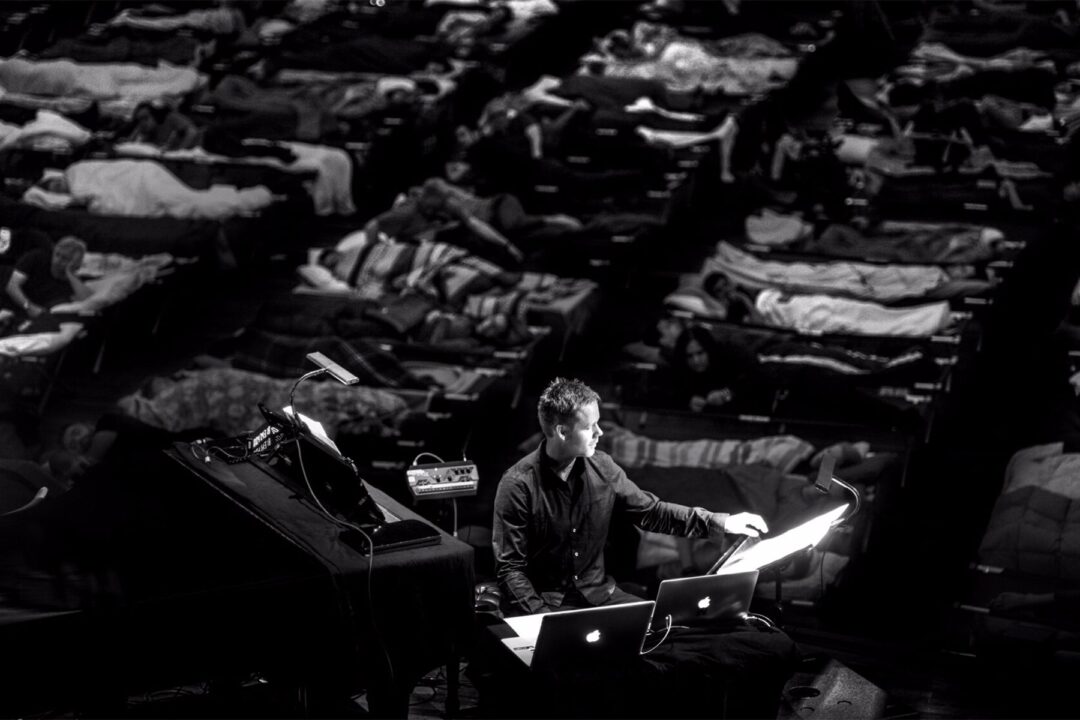
Directed by Natalie Johns, Max Richter's Sleep is an arresting look at the infamous performance of his celebrated eight-hour ambient opus "Sleep" at an open-air concert in Los Angeles. Together with his creative partner Yulia Mahr, the documentary explores the genesis of the complex piece, as well as the relationship that his fans have developed to it after spending the night under the stars while Max and company performed it live.
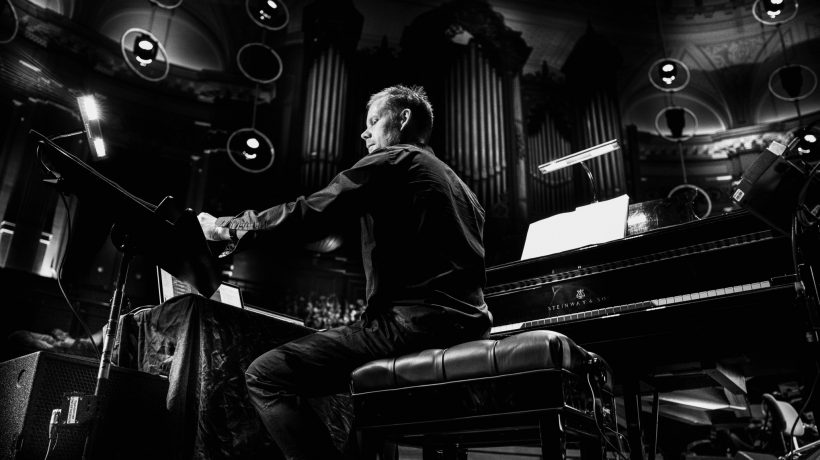
Max Richter's Sleep is not only a groundbreaking composition but also a massively overwhelming physical performance. Running eight hours long (his original performance–not the doc) the "Sleep" composition consists of 204 classical movements and was composed in consultation with American neuroscientist David Eagleman, whose input was to scientifically examine the relationship between music and the subconscious mind during sleep.
Natalie Johns precisely documents the strength that it takes to create the perfect calming atmosphere, all the while emphasizing Richter's mission statement of "stillness and meditation." As the world seems to be swinging from one disastrous news event to the next, Max Richter's Sleep aims to unite all who watch in a collective moment of musical reflection. Celebrate "World Sleep Day"–and every day after–with this spell-binding experience.
Distributed by Dogwoof, 'Max Richter's Sleep' is available to stream on MUBI on Friday, March 19, 2021.
'ON-GAKU: Our Sound' Review: For Lo-Fi Fans and Arthouse Rockers
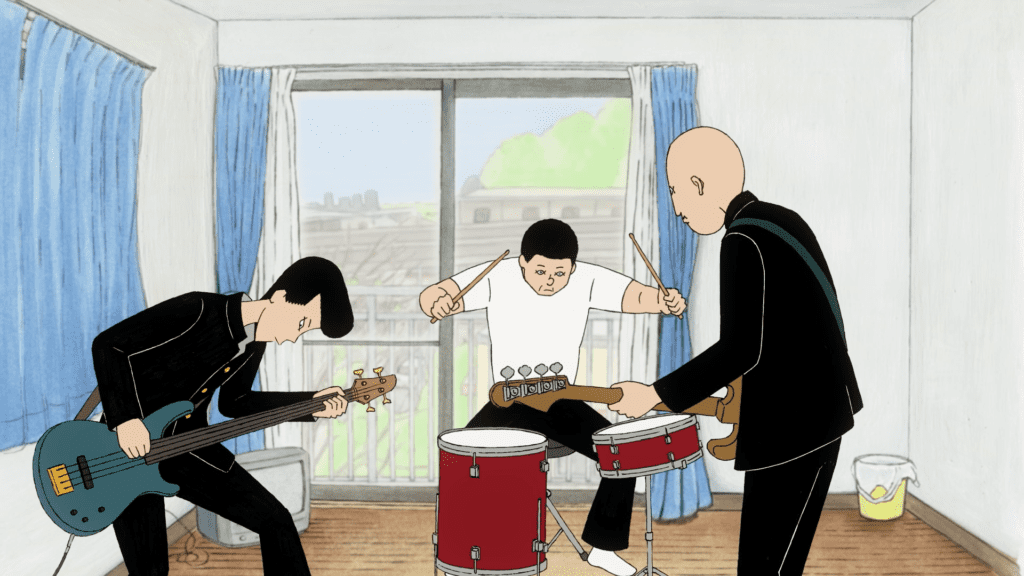
A star is born in ON-GAKU: Our Sound, the latest release from the much-loved distributor, GKids. Stuck in production for over seven years (which includes over 40,000 hand-drawn frames that were animated almost entirely by director Kenji Iwaisawa), ON-GAKU: Our Sound tells the story of teenage misfits turned rock & rollers who prove that you don't have to be talented to play music–you just have to be passionate (although, having talent definitely helps).
ON-GAKU: Our Sound centers around three friends (including one voiced by Japanese cult singer and multi-instrumentalist Shintaro Sakamoto) who, after growing tired of their rebel misfit image, decide to reinvent themselves as musicians. After strumming the same chords over and over again and beating the drums in the same tempo (clearly lacking any sort of technical skill), the trio promptly decides they're good enough to enter the town's local music festival. What follows when they hit the stage can only be described as a magical musical moment.
With a 70-minute runtime and a minimalist, scratchy 2D animation that immediately feels full of heart, ON-GAKU: Our Sound is a short and sweet watch. Those familiar with Japanese Anime and the modern manga landscape will recognize this story, which was adapted from Hiroyuki Ohashi's most popular manga release. Full of deadpan humor, a buzzy score, and a laconic style reminiscent of Jim Jarmusch, ON-GAKU: Our Sound is a fun, refreshing watch that may even inspire you to pick up a guitar yourself.
Distributed by GKIDS, 'ON-GAKU: Our Sound' is now available to rent on Apple TV+ and Amazon Prime, Blu-Ray, and DVD.

'Stray' Reflection: How To Reach Enlightenment? Live Life Like a Dog
"Human beings live artificially and hypocritically and would do well to study the dog." - Diogenes of Sinope, 360 BC
Elizabeth Lo's Stray is more than just a canine cinéma vérité documentary on the roaming street dogs of Istanbul. Sure, the premise of the film lends itself to comparisons to another one of my recent favorites (Acasa, My Home) in furthering the old adage that you can't tame a wild spirit. But Stray felt bigger than this simple message. Watching Stray (available in virtual Laemmle Theaters this Friday) is to see a pathway towards enlightenment unfold before your eyes, through the actions of very untraditional four-legged teachers.
In general, dogs possess many characteristics of the Buddha: Basic principles of Buddhism include showing unlimited compassion, living in the moment, and wanting little besides survival needs like food, water, and shelter. There are Four Noble Truths that I was taught when I studied Buddhism in college, and after watching this beautiful film, I found that dogs possess them all.
First Noble Truth (Dukkha): Life is Suffering
They say there are two universally unavoidable things in life: death and taxes. For most people, fixating on the fact that they will in fact pass away one day is not a pleasant experience, and so they numb themselves with distractions (albeit mostly positive ones). Focusing on work, creating families, and living out their passions and dreams are all outlets that provide happiness and joy. But this Noble Truth reminds us that this is all temporary. Happiness and joy are temporary, especially when we pin all of our emotional stability on materialistic possessions. This however isn't something that should burden us, as moving through life with the mindset that everything is temporary will only help us to appreciate the beauty (tragic and otherwise) of the present moment.
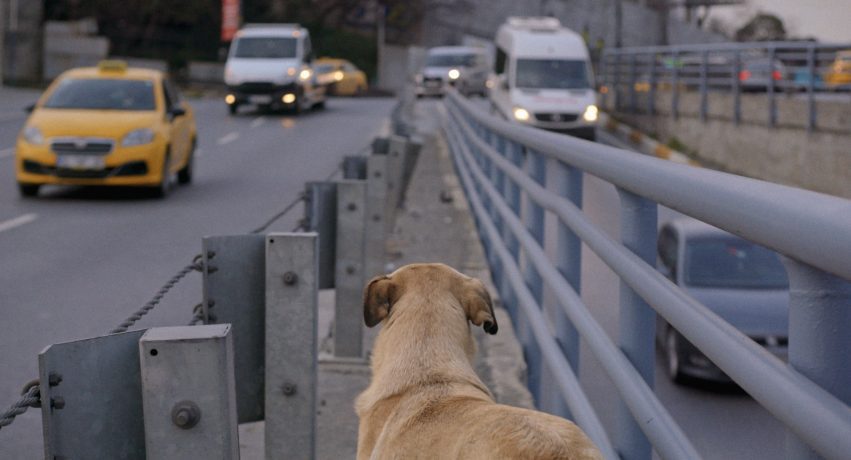
The dogs in Stray, without even knowing it, embody this Noble Truth perfectly. Of course, they don't think about their inevitable ends because I doubt their consciousness extends that far. To that end, they also don't have expectations of living a "perfect life." To dogs, basking in the sunny spot on the floor or getting a good head scratch brings contentment–and most importantly, is enough.
Second Noble Truth (Samudāya): The Origin of Suffering
To live like a dog is to want little and live in the moment. As one man states in Stray, "Nothing happens to a person who lives day to day." This mindset seems to be in direct opposition to our current culture of future planning and our unnecessary stresses of "want." This Noble Truth is fairly easy to identify in our own lives; social media, capitalism, and the media are all contributing factors that continuously tell us that we're not "enough."
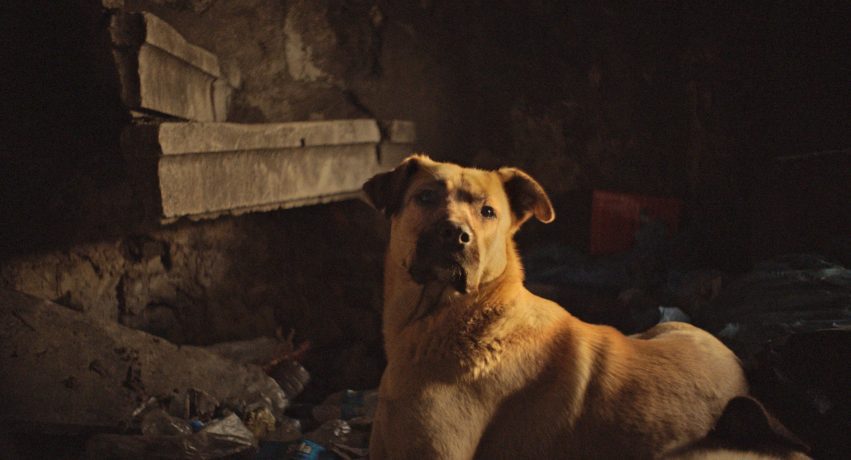
It's an endless cycle of believing that acquiring "that something" will make us happy, buying "that something," realizing "that something" didn't fix our problems, and then holding onto "that something" which becomes clutter in our physical and emotional space. As long as their basic needs are met, dogs are satisfied. Do you see how excited a dog will get when you give them a new toy? Or sneak them a piece of food from your dinner plate? The reason why they get so excited is because they never expect anything. Their lack of vices and desires allows them to avoid expectations and ultimately, any suffering at all.
Third Noble Truth (Nirodha): The Cessation of Suffering
This Noble Truth is about reaching Nirvana, which means living a life free from suffering. Another principle that isn't as comforting is the realization that, ultimately, we are all alone. Moving through life, we are lucky to bond and share love amongst family and friends, and while these relationships should be cherished, they should also be acknowledged for what they truly are: temporary. This may sound shallow and cold, but Buddhists whole-heartedly believe that the practice of unattachment–getting rid of our desire to be liberated from attachment–is the key to reaching Nirvana.

Much like the dogs in the film who move freely through various packs and environments searching for their next moment of serenity, the aspiration to live as unattached to material possessions as possible is the ultimate goal of Buddhism. "Things" will never make us happy, and the sooner we believe this, the sooner we can reach Nirvana.
Fourth Noble Truth (Magga): The Path to the Cessation of Suffering
This Noble Truth acts as a guideline on how to live an enlightened life, known in Buddhism as the "Noble Eightfold Path." Similar to The Four Agreements by Don Miguel Ruiz, these eight steps are attainable practices that consist of Right Understanding, Right Thought, Right Speech, Right Action, Right Livelihood, Right Effort, Right Mindfulness, and Right Concentration. Living in tandem with the Eightfold Path is the key to a life without suffering.

In Stray, director Elizabeth Lo intuitively (and perhaps unintentionally) shows us how dogs exhibit many admirable qualities of the Buddha. A bit of historical background: Turkey is one of the only countries that has made it illegal to euthanize or hold captive any stray dog, motivating Lo to film this documentary in Istanbul and across Turkey from 2017–2019 to capture this reality. Using street dogs as her subjects, and propelled by an evocative string score from composer Ali Helnwein, Stray is a quiet and highly-meditative depiction of conscious living and contentment in which we could all learn to live a little more freely.
Distributed by Magnolia Pictures, 'Stray' is available in virtual Laemmle Theaters on Friday, March 5, 2021.
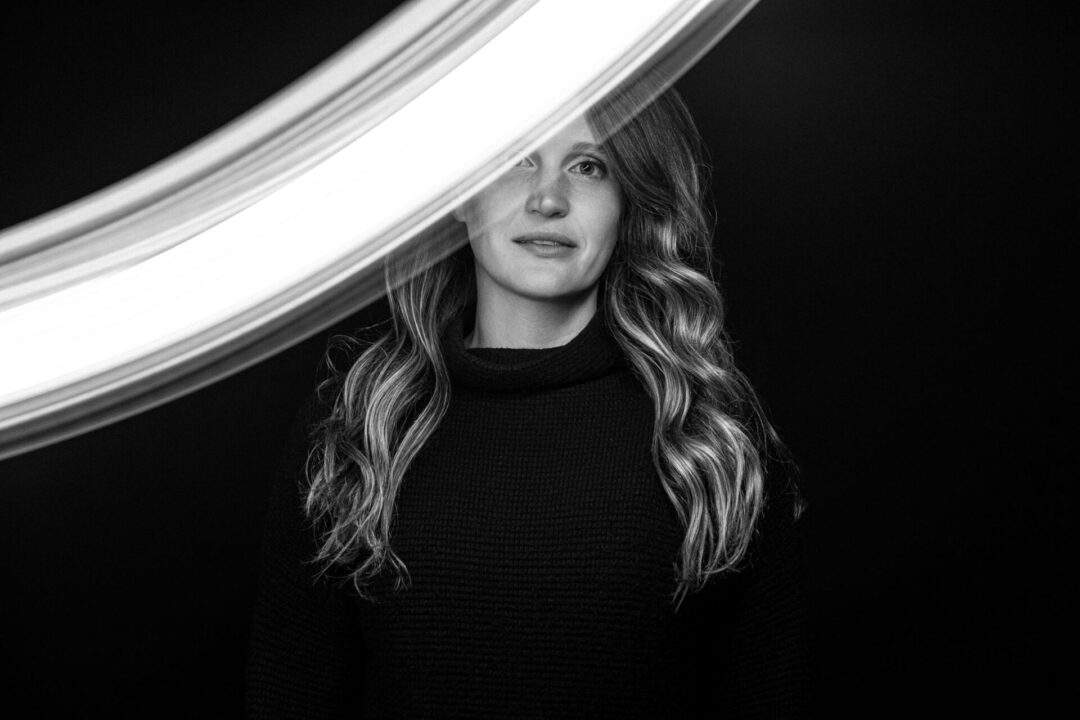
Ariel Marx Interview: 'Rebel Hearts' Composer Talks Sonic Experimentation
I had the opportunity to chat with the highly accomplished composer Ariel Marx after the world premiere of the documentary Rebel Hearts at the 2021 virtual Sundance Film Festival.
Directed by Pedro Kos, Rebel Hearts offers a look at Los Angeles's Sisters of the Immaculate Heart, the nuns who challenged the patriarchal conventions of the Catholic Church 50 years ago and are still taking a stand today.
In our exclusive interview, Ariel Marx talks about creating the dynamic and layered score in only one month, the difference between being a composer vs a musician, and the future of remote recording.
Learn more about Ariel Marx here, and stream her new album 'Luthier' here.
'Crestone' Review: SoundCloud Rappers Capture Spiritual Metamorphosis
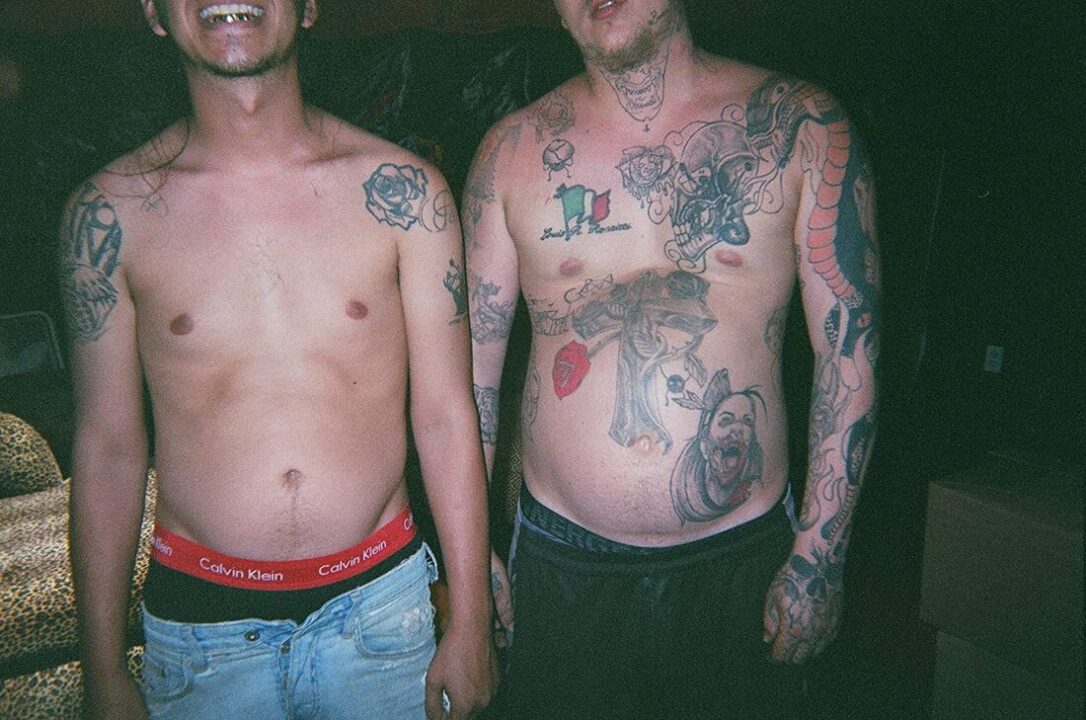
If you look up Crestone, Colorado on Google Maps, you'll find your pin surrounded by vast desert valleys, rocky mountains, and, if you look real close, clouds of weed smoke coming from a few abandoned, dilapidated shacks. This is Crestone and what might sound like isolation to the highest degree, is considered nirvana to the heavily tattooed group of twenty-something-year-old guys living out their dreams among acres of nothingness.
Set to a psychedelic score from Animal Collective, Crestone is a jivey, avant-garde look at the reality of novice Soundcloud rappers like @highmynamesryan and @champloosloppy who live and work together in the middle of the desert, hoping their big break is around the corner. The monotony of their daily lives is broken up by growing weed and making music that they post on social media, a routine that is skillfully captured by the group's old high school friend, director Marnie Ellen Hertzler.
Crestone is an exciting debut feature release from Hertzler, whose multi-media approach serves as a solid jumping ground into the depths of the human desire for friendship and fame. For eight days and nights, we're absorbed into their post-apocalyptic world, where we're equally awed by the beautiful golden hour light and horrified at the ketchup on ramen noodle dish that constitutes dinner.
Like lost boys out of a storybook, Crestone artfully blurs the lines of fact and fiction (much like social media itself), begging us to question how much we would be willing to physically pay for intangible things like "fame." More than just a profile piece on the hopeful artists of tomorrow, Crestone is a psychologically engaging thought piece about recreating ourselves and living authentically.
Distributed by Utopia, Crestone is now available to rent on Amazon Prime Video and Apple TV+.
'Jumbo' Review: An Untraditional Love Story About Unrestricted Love
When we feel a desire for someone–or something–are we brave enough to express that love, uninhibited of others’ thoughts?
And what if that something isn’t human at all? But rather, an inanimate object–or in the case of Jumbo–a towering amusement park ride?
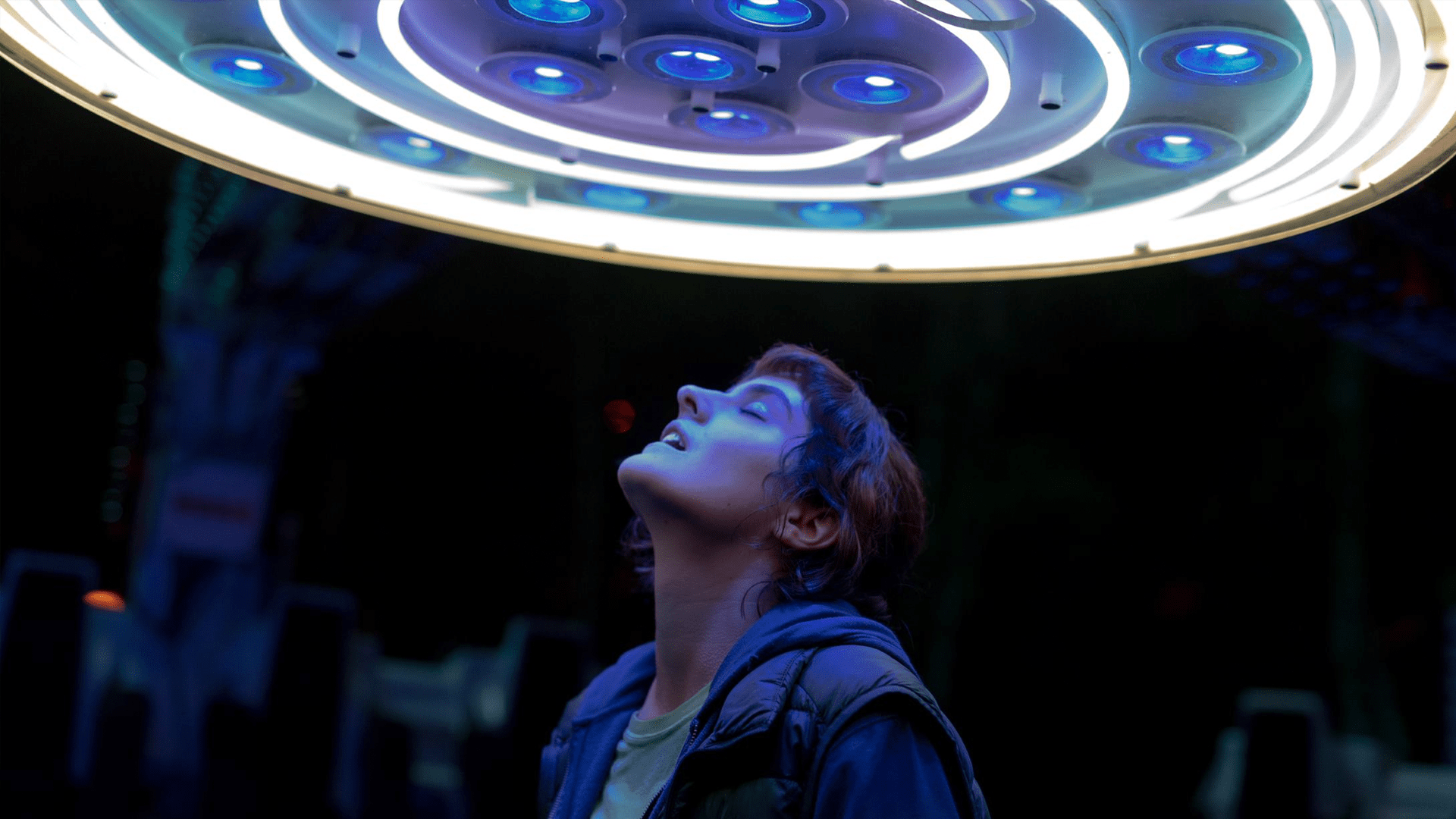
In Jumbo, Jeanne (Noémie Merlant), a shy theme park worker, falls in love with a new “attraction” and explores what love means. What’s even more fascinating about this concept is that Jumbo is in fact based on a true story. And while it may sound like a silly premise for a film, Jumbo (the pet-name that Jeanne gives to "The Move It" theme park ride) is actually–somewhat surprisingly–heartfelt, sincere, and emotionally felt.
Zoé Wittock directs the film with such compassion (and sensuality) that you really could substitute "Jumbo” with anything at all and the film would still hold strong as an involving, stimulating movie about forbidden love. But the fact that Jumbo is specifically about this sort of tilt-a-whirl attraction is what gives the film its visual identity, which Wittock uses to highlight its oscillating movement, and kaleidoscopic light design, which Jeanne is succumbed by.
Jumbo really only works because of the lead performance from Noémie Merlant (who audiences will recognize from Portrait of a Lady on Fire). She gives an incredibly vulnerable, yet sincere and committed performance as Jeanne, who we may or may not immediately recognize is suffering from mental health issues (I felt a similarity to Alison Brie’s character in Netflix’s Horse Girl).
And also of note is the committed performance of Emmanuelle Bercot as Jeanne’s mother, who also pushes herself to understand her daughter’s odd expression of love.
While Jumbo is certainly strange in its conceit, it does also show bravery in what committed, true love looks like.
Distributed by Dark Star Pictures, Jumbo is opening in virtual theaters this Friday, February 19, 2021.