

Dustin O'Halloran, Herdis Stefánsdóttir Debut 'The Essex Serpent'
Composers Dustin O’Halloran and Herdís Stefánsdóttir bring a little bit of Icelandic influence to their score for Apple TV+'s English gothic drama, The Essex Serpent. Life partners and now first-time collaborators, O’Halloran (American pianist/composer) and Stefánsdóttir (Icelandic composer) push past the stereotypical confines of a Victorian period piece by using electro acoustics and reverberating strings to create a unique, multidimensional landscape.
Their freedom to experiment with sound was encouraged by the series' director, Clio Bernard (Ali & Ava, The Selfish Giant), who was already a fan of the duo's individual work. Complimenting each other's strengths in a way that feels more intimate than most other TV scores, O’Halloran and Stefánsdóttir explored subjects like fear of the unknown, the constant conflict between science and religion, and the complexity of superstition. What results is a soundtrack that is rich in emotional depth.
Cinemacy is proud to premiere “Fata Morgana” from The Essex Serpent, below:
The Essex Serpent is based on the 2016 novel by Sarah Perry and stars Claire Danes and Tom Hiddleston. Set in 1800s England, the series follows London widow Cora Seaborne (Danes) who moves to Essex to investigate reports of a mythical serpent. She forms a surprising bond of science and skepticism with the local pastor (Hiddleston), but when tragedy strikes, locals accuse her of attracting the creature.
“This was our first collaboration together as composers," says O’Halloran and Stefánsdóttir. "Even though it was a period piece set in the late 1800s, we took a modern approach to the music and how we wrote and recorded it, accentuating the sound of the wood and bow of the strings, and we went deep into capturing the sound limits of the cello and electro-acoustic manipulation.”
O’Halloran and Stefánsdóttir both come to The Essex Serpent with their own impressive history of work. Notable recognition for O'Halloran includes writing the Emmy-winning main title theme to Amazon’s Transparent and receiving multiple nominations (Oscar, Golden Globe, and BAFTA) for the Dev Patel-starring drama Lion. Stefánsdóttir recently won the 2022 Icelandic Music Award for her score to the FX series Y: The Last Man, in addition to receiving a nomination for her score in Ry Russo-Young’s feature film, The Sun Is Also a Star.
Lakeshore Records is releasing 'The Essex Serpent' Original Series Soundtrack on Friday, June 10th.

'Neptune Frost' Is a Boldly Imagined Afrofuturist Sci-fi Musical
Where to watch: 'Neptune Frost' opens in Los Angeles this Friday. Now playing at the Quad and BAM in NYC.
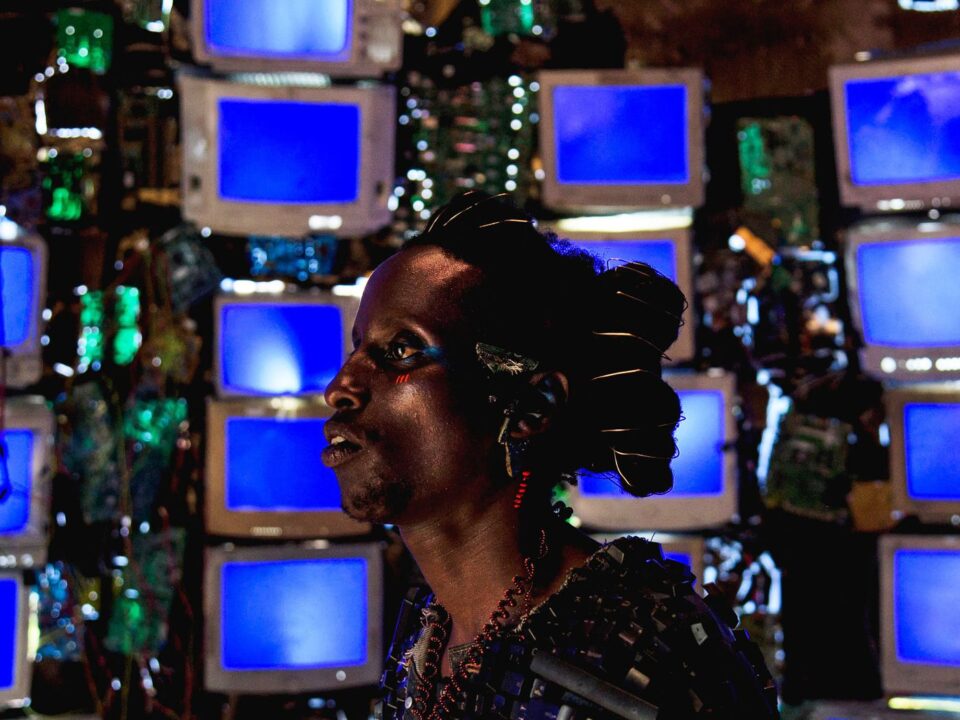
At its core, Neptune Frost is an Afrofuturist, utopian, sci-fi musical (how's that for descriptive adjectives?). Co-directors Anisia Uzeyman and multi-disciplinary artist Saul Williams create visual and tonal poetry in this electric feature film, backed by incredibly passionate performances and musical numbers. It's a boldly imagined film that requires an attentive, open-minded audience. If that is you, then keep reading, because you're in for quite a ride.
Neptune Frost is executive produced by Lin-Manuel Miranda (tick, tick...BOOM!) and Stephen Hendel (Finding Fela). The film explores themes of exploitation, corruption, and politics through mesmerizing song and dance. Set in the East African country of Burundi, the coal miners that make up the working class use music to express their frustration with the authoritarian regime while simultaneously forming a sense of community with fellow salt of the Earth folk. "There's energy in pairing" is a common saying, meaning that banding together with their community is the only way to survive.
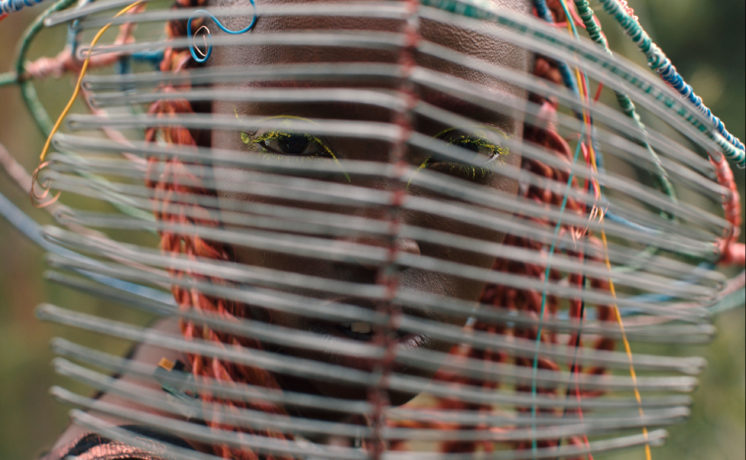
This proves true for a group of coltan miners who manage to escape and set up refuge in what can be described as an eclectic e-waste dump. Covered in technical equipment and wires, they are literally and figuratively connected to each other. However, things get thrown off course when an intersex runaway and a former coltan miner connect, resulting in a short circuit throughout the ominous "Motherboard" that is their society.
Reading between the lines (or, in this case, computer code) shows a familiar David vs Goliath tale from a futuristic, avant-garde perspective. William has his own history of creating boundary-pushing art, including publishing five books of poetry, releasing six albums, and collaborating with artists including Janelle Monae, Trent Reznor, Nas, Massive Attack, and Erykah Badu. It's no surprise that the music of Neptune Frost is absolutely dynamic and eclectic.
Beyond being an amalgamation of art, color, sound, and images, Neptune Frost also switches between Kinyarwanda, Kirundi, Swahili, French, and English languages throughout the film. Its 105-minute runtime spans entire states of being: between past and present, dream and waking life, colonized and free, male and female, memory and prescience. Its maximalist and unrestrained vision shows a world where all can live free. That's absolutely something worth singing and dancing about.
105 minutes. Distributed by Kino Lorber.

Composer Dominik Scherrer Drops Title Track from 'The Tourist'
Out of his studio in Spitalfields, London, Dominik Scherrer creates a spacious, other-worldly sound that feels far removed from any remnants of city life. The Emmy-nominated composer’s soundtrack to the six-part HBO Max series The Tourist is a sonic escape from our daily lives as he transports us to the Australian outback with slow-burning guitar melodies and layered choral vocals.
Dominik’s approach to this score was to bring the Australian desert to life, and he did so by highlighting acoustic elements like solo strings and guitars, choir, and electronically-processed percussion. Masterfully mixed, the end result is a fresh and brilliantly diverse score. The Tourist soundtrack will be released this Friday both in standard stereo and Dolby Atmos format (the latter being recommended for an optimal, fully immersive experience).
Cinemacy is thrilled to premiere “The Tourist” from The Tourist, below:
Jamie Dornan (Belfast, The Fall) stars as a nameless traveler who attempts to rebuild his life after being run off the road in a brutal car chase and, consequently, wiping his memory. Set in Australia, The Tourist is a character-driven thriller series that sees Dornan attempt to rediscover who he is. As he searches for answers about his identity, he has to contend with merciless figures from his past pursuing him.
“There are two major roles in The Tourist score," says Dominik Scherrer. "It’s almost a kind of yin and yang concept. One is the dark and brooding, unnerving one, with processed solo strings, in particular cello solos, processed vocals played through guitar amplifiers, some slowed down as well as chopped up elements. The other side is the lyrical one. I was inspired by early 19th-century hymns - I felt there was an unwritten religious tone to the script."
In addition to his TV scores, which include the Netflix/ BBC series The Serpent, Dominik also produces sound design and composition for fine art installations, most notably for artist Suki Chan. As a composer/director, he is developing a new kinetic opera for the screen called 'Hell For Leather’, which premiered at Sundance and went on to win him 10 awards.
Dubois Records is releasing the 'The Tourist' Original Soundtrack on Friday, May 20th. Pre-save here.
Karl Frid Shares Track From NEON's 'Pleasure'
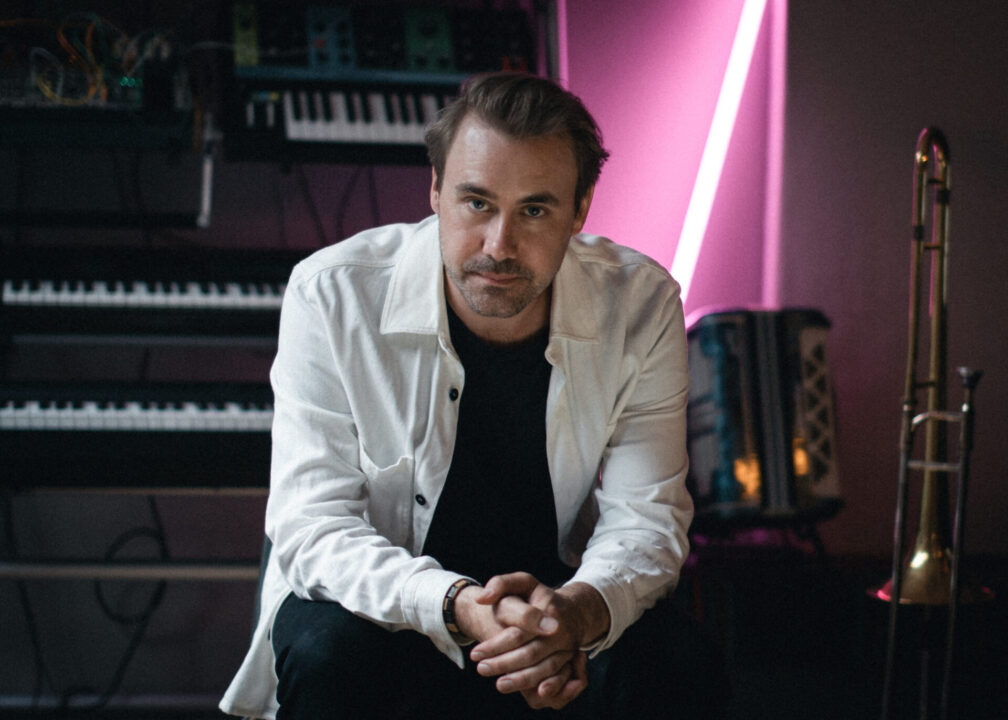
An unconventional film calls for an unconventional score. Swedish composer Karl Frid creates a genre-blending soundscape, which acts as a disruption of predictability, in director Ninja Thyberg's very NSFW film, Pleasure. One could assume a film of this sexual magnitude would include fairly stereotypical syncs–slow jams like Marvin Gaye's "Let's Get It On" or porno groove music of the 70s come to mind almost immediately. But what Frid delivers reverberates with such artistry and angelic grace, it's obvious that Pleasure offers a different and refreshing view on an industry previously dominated by men.
A choir of layered, operatic voices (vocalized by Caroline Gentele) swells into an anthemic theme song in “Una Gioia Sempre Viva”, the latest track to be released from the Original Motion Picture Score. This sacred opera juxtaposes the images of overt sexual exploration and provides an interesting contrast in perception, specifically the dichotomy in how the main character views herself vs how men and society see her.
Cinemacy is thrilled to premiere “Una Gioia Sempre Viva” from Pleasure, below:
Starring Sofia Kappel as 19-year-old aspiring porn star Bella Cherry, Pleasure is a journey into the Los Angeles porn industry through the lens of a confident young woman, who is determined to reach a level of stardom at any cost.
Karl knew that he not only wanted–but needed–to attach his name to such a bold and provocative film. He says, “The female gaze on the working conditions from within this huge industry that no one wishes to speak about, let alone even acknowledge the existence of, was as liberatingly upfront and honest as provoking. I aimed to arrive at a musical universe that was not judgmental or too revealing, a process made in close collaboration with director Ninja Thyberg. The making of the film and the score has been a long journey and I’m very excited to finally share this music with the rest of the world.”
Karl Frid brings with him an admirable and vast knowledge of music, ranging from classical and jazz to Latin, hip-hop, and pop music. Frid studied classical music, with an emphasis on trombone, at the Royal College of Music in London before studying Afro-Cuban music in Havana. He is currently a member of the Swedish Latin group Calle Real, the Swedish jazz group Platina Jazz (performing original arrangements of Japanese anime music), and was a touring member of the Swedish jazz-electronica duo Koop.
'Pleasure' opens in select theaters in New York and Los Angeles this Friday, May 13. Special Q&A events with Ninja Thyberg are planned for both Los Angeles (Nuart) and New York (Angelika) following select screenings of the film.
Milan Records is releasing the 'Pleasure' Original Motion Picture Score on Friday, May 13th. Pre-order here.
'The Innocents' Bends From Coming of Age Drama to Supernatural Thriller
Where to watch: 'The Innocents' opens this Friday, May 13 at Laemmle Royal and Laemmle's Playhouse 7.
Screenwriter Eskil Vogt is stepping out from behind his recent Oscar-nominated screenplay (The Worst Person in the World) and into the spotlight as a director for the first time since 2014. Eight years after his directorial debut Blind, Vogt's reintroduction as a multi-talented filmmaker is a bold one as he channels an atmospheric and darkly surreal coming-of-age story in the Norwegian film, The Innocents.
It's often said that babies are born good; free from bias, hatred, and general erratic impulses. In a slightly contradictory stance, Vogt himself states, "I think kids are beyond good and evil, or rather, before good and evil. But I don't think children are little angels, that people are born pure. I think children are born without any sense of empathy or morals, we have to teach them that."
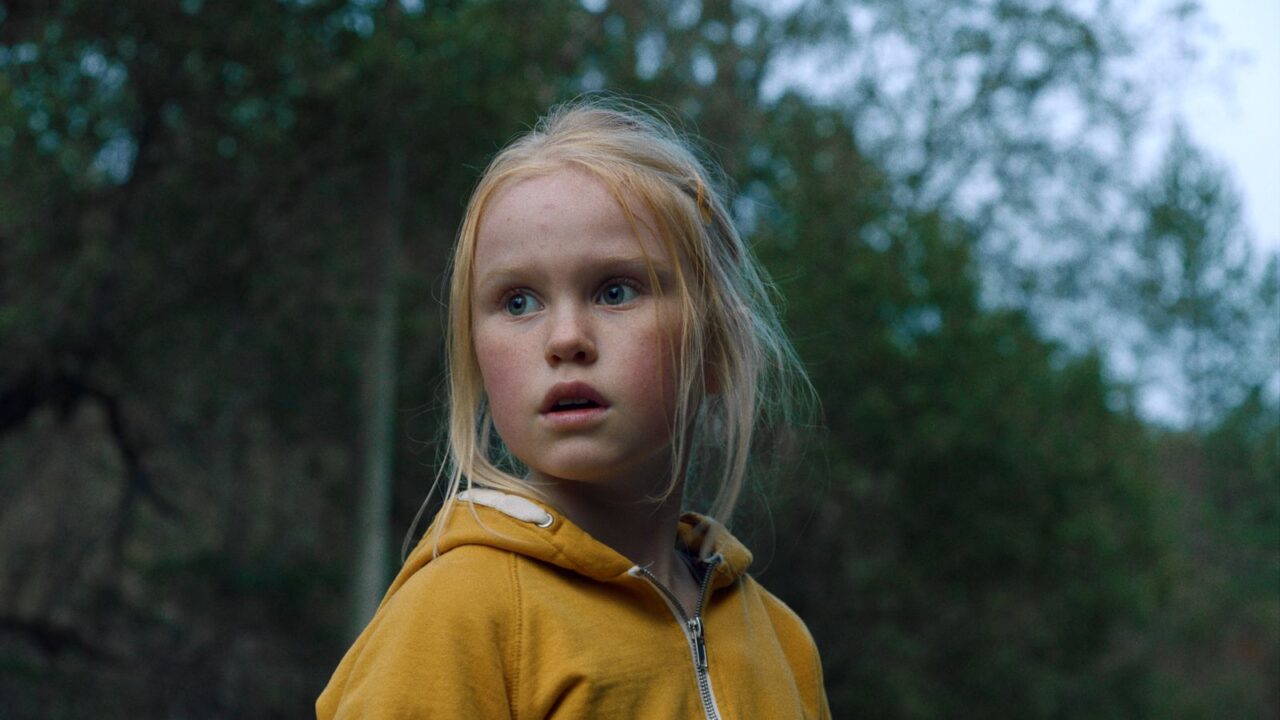
No matter where you personally lean on the spectrum, it's still alarming to witness seven-year-old Ida (Rakel Lenora Fløttum) sneakily abuse her older sister Anna (Alva Brynsmo Ramstad), who suffers from a type of "regressive autism." Unable to use words to communicate her pain–from forearm pinches to broken glass in tennis shoes–it's heartbreaking to watch Ida be so mean. But why is she acting out in the first place? One thought is her aggression is misplaced frustration at her family's decision to move into a new apartment complex, new school district, and forgoing any summer plans due to her father's hectic work schedule.
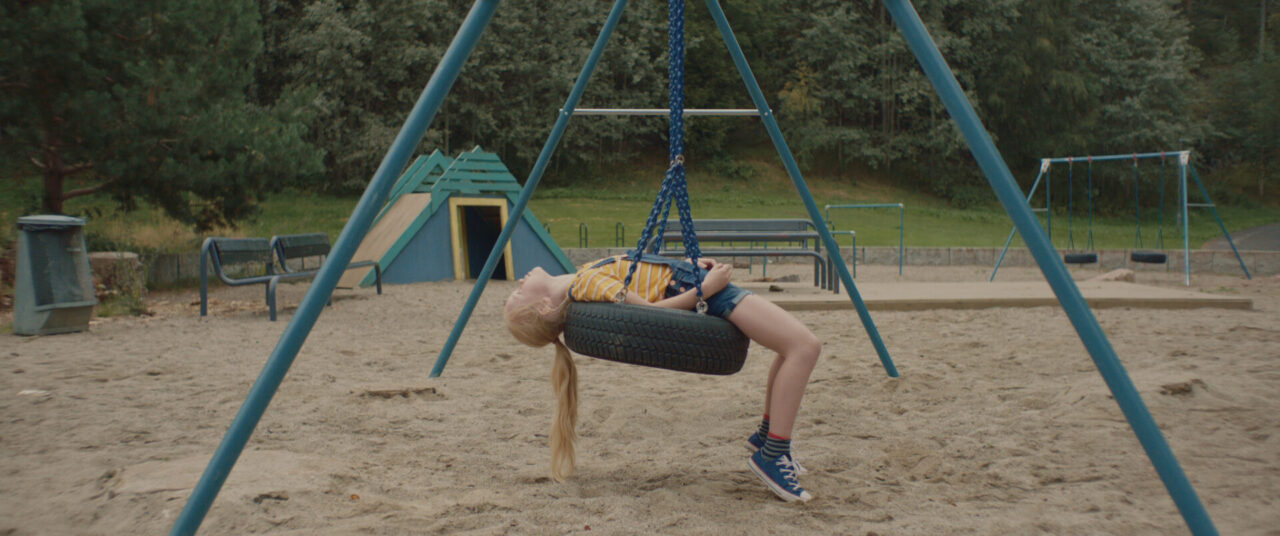
With nothing but time on her hands, curious Ida spends her sunny summer afternoons taking Anna outside, only to ditch her and explore the grounds of the apartment complex alone. This is where she meets Ben (Sam Ashraf), a boy a little older than herself. He is mysterious but troubled, as if a dark cloud looms over him constantly.
While Ida and Ben are busy making mischief, another young apartment-dwelling neighbor, Aisha (Mina Yasmin Bremseth Asheim), takes up a special friendship with Anna, seemingly able to understand what the non-verbal girl is saying. In fact, when the four of them are together, they are able to conjure up supernatural abilities that start off innocent enough but end up taking a deadly turn. It's all very suspicious.
It isn't long before the four children unite and when they do, the film seemingly shifts tone from coming-of-age drama to supernatural thriller. In a haunting display of childhood trauma being expressed by four 7–11 year-olds, The Innocents genre-bends to a disturbing degree. Beware, the animal cruelty alone is enough to make you shudder.
The Innocents isn't a traditional horror film, but more like the genre's dark and twisted cousin. Using child actors as protagonists, a minimal score, and haunting imagery, The Innocents is a hard pill to swallow but it will no doubt leave a lasting impression. Vogt–who has been a constant collaborator with filmmaker Joachim Trier–is certainly making a name for himself as a director to watch with this whiplash of a title.
1h 57m. Distributed by IFC Midnight.
https://www.youtube.com/watch?v=hm45yGSwArY&feature=youtu.be
'Montana Story' Makes Amends On The Great Plains
Our ‘Montana Story’ review was first published as part of our Toronto International Film Festival 2021 coverage.
Where to watch: 'Montana Story' opens this Friday, May 13th at the Landmark in West Los Angeles and AMC Sunset 5.
Extending an olive branch of forgiveness proves difficult when the past feels impossible to confront in Scott McGehee and David Siegel's Montana Story. A story of radical acceptance set on the vast Americana plains (with a similar aesthetic to this year's Best Picture winner Nomadland), Montana Story is a richly layered familial drama that will leave audiences thinking about the importance of making amends before it's too late.
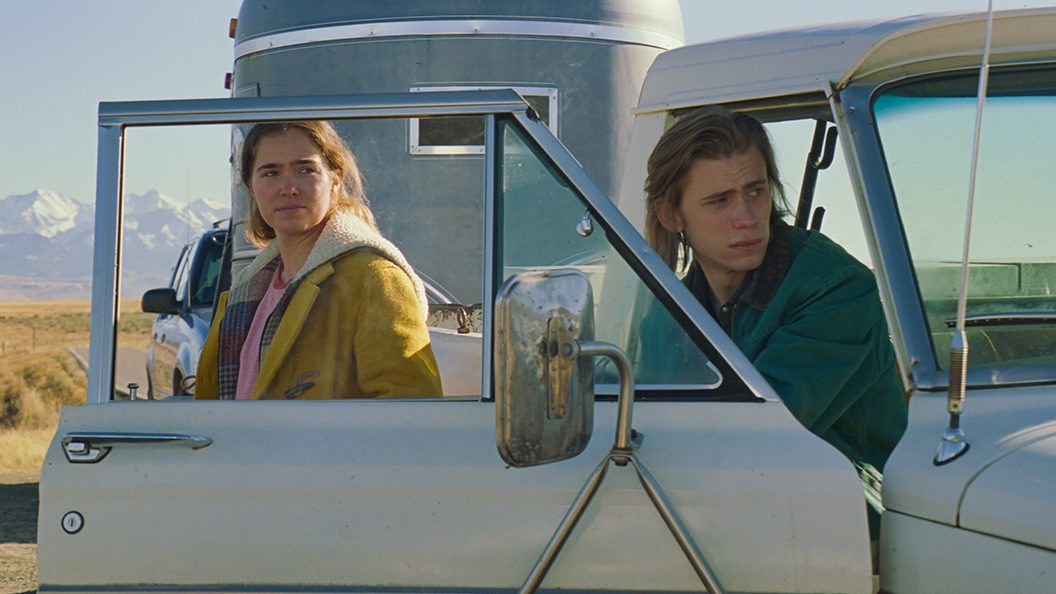
Estranged half-siblings Erin (Haley Lu Richardson) and Cal (Owen Teague) are forced to make overdue reconciliations when they end up face-to-face with one another at their family ranch to be with their dying father, with whom both have complicated relationships. The distressing circumstances of the occasion do not make for an ideal reunion; the presence of a hospice nurse (Gilbert Owuor) is hard to accept and the added stress of impending bankruptcy has Cal on edge, but the unconditional love that binds a family together proves too strong to break as brother and sister work to make amends, better late than never.
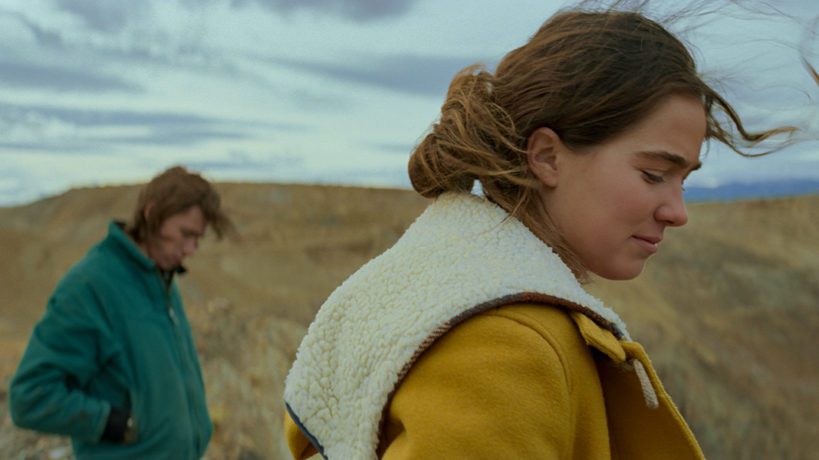
The sweeping Montana skyline is the backdrop to on-the-ground resentment and heartache and is wonderfully crafted by directors Scott McGehee and David Siegel, photographed by cinematographer Giles Nuttgens, and further illustrated through editor Isaac Hagy's keen eye for dramatic storytelling. The juxtaposition between the beautiful and ethereal nature of the environment and the gritty emotional distress of its lead actors in Teague and Richardson gives the film palpable tension. Both young actors give compelling and complex performances that will tug on your heartstrings throughout the duration of its nearly two-hour runtime and will reward you with a smile at the end.
Set to an original score by singer/songwriter Kevin Morby, Montana Story is, at its core, a film about embracing change and encouraging personal growth. Let go of the resentment that no longer serves you and focus on the beauty of life in the present moment. Because once that moment passes, we can't get it back.
In 'On the Count of Three,' Suicidal Pals Take One Last Joy Ride
Our ‘On the Count of Three’ review was first published as part of our Sundance Film Festival 2021 coverage.
Where to watch: ‘On the Count of Three’ opens this Friday, May 13th in select theaters.
Stand-up comedian Jerrod Carmichael isn't afraid to get dark and dirty in the director's chair and on-screen in his filmmaking debut On the Count of Three. Playing opposite a Robert Pattinson in Good Time-looking Christopher Abbott, the film is a tightly packaged character study that tackles sensitive subjects like mental health and suicidal thoughts while remaining slightly absurd and, at times, darkly humorous.
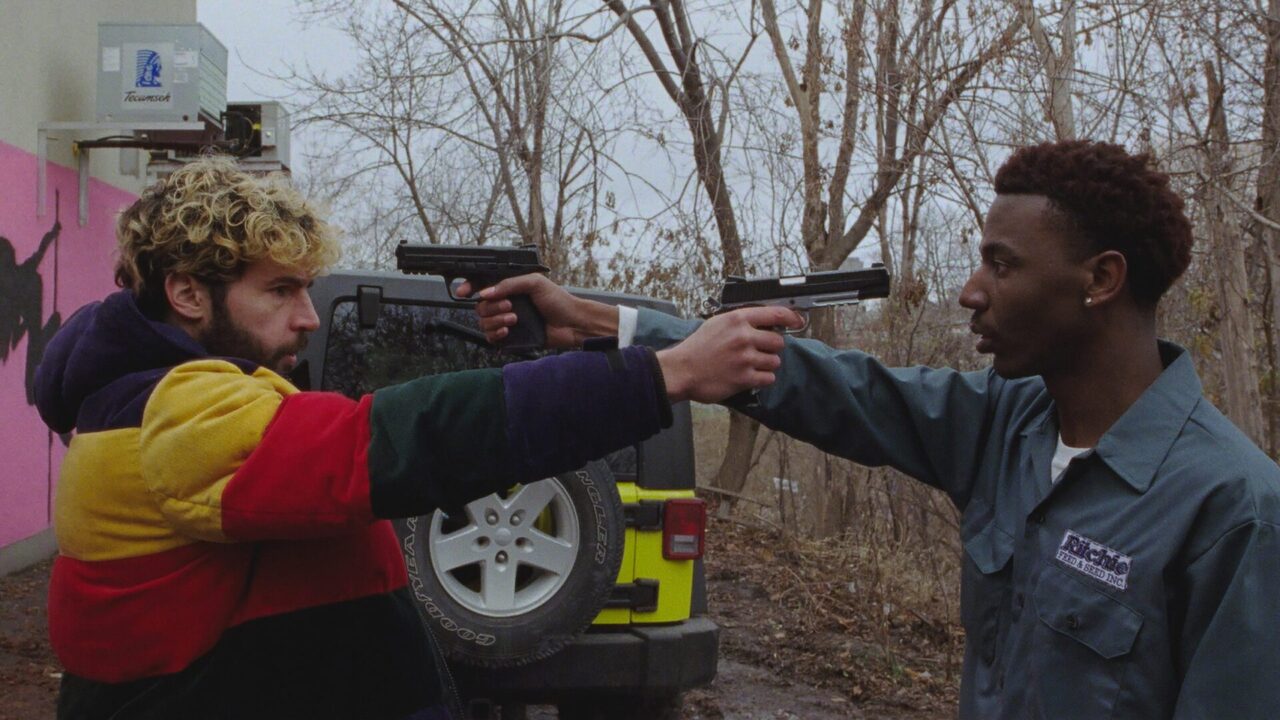
The responsibilities of being a "best friend" can have different meanings for different people. To Val (Carmichael), it means helping Kevin (Christopher Abbott) break out of an involuntary hold at a mental institution and create a suicide pact that would put them both out of their misery forever. It's definitely a notch above wearing matching heart-shaped necklaces. Intrigued by the idea, and just relieved to escape another day playing checkers with a schizophrenic, Kevin obliges, and the two make their getaway to end their lives.
Just as the boys are about to pull the trigger on each other, Kevin panics as he realizes that he wants a couple more hours to wrap up unfinished business in his personal life. Val agrees, and a "Save The Date" for their double suicide is set for later that night. Their last joyride is anything but joyous.
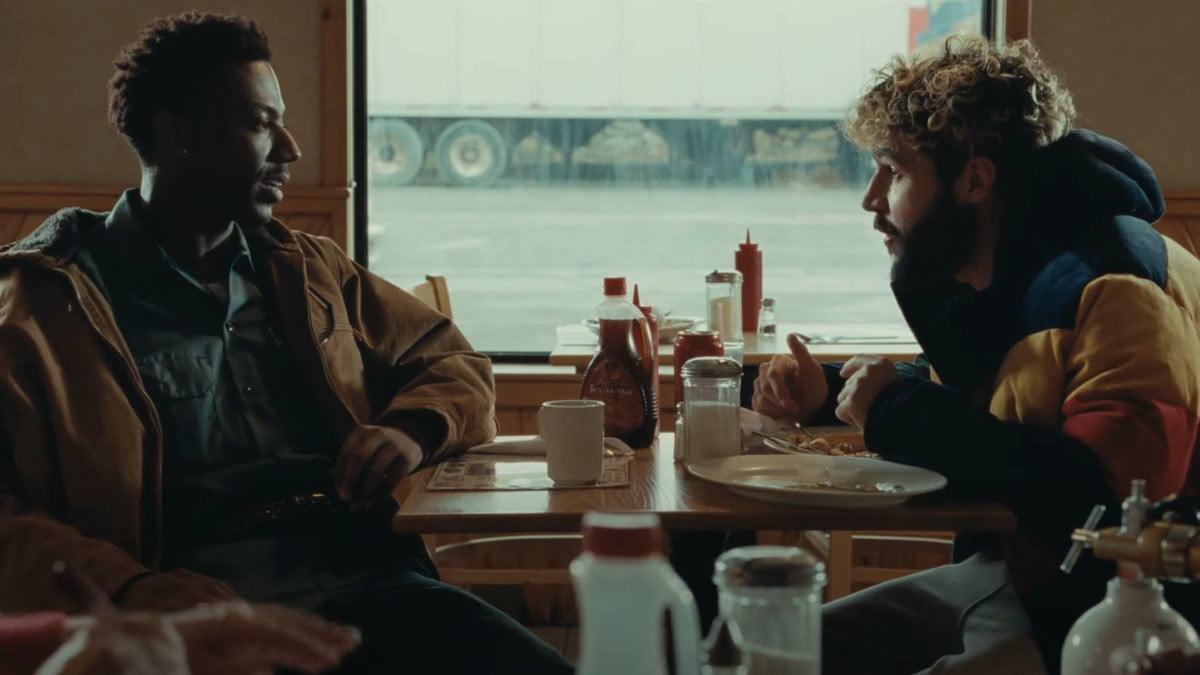
Blasting Papa Roach's Last Resort, Val and Kevin leave a trail of destruction in their wake as they visit people from their past to either make amends or kick their ass, there is no in-between. Comforted by knowing there are no repercussions for a dead person, their actions become increasingly outrageous and careless. But it's not long until Val gets disillusioned with the idea of death and starts second-guessing his own suicide pact.
With its Thelma & Louise-like shenanigans mixed with the graphicness of a David Cronenberg film, On The Count of Three is bold. It has its funny moments but don't be fooled, this film is somber as hell. Mental health issues, childhood trauma, and walking depression are just some of the heavy themes that are woven throughout.
The cinematography by Marshall Adams captures the despair and struggle the boys are feeling. Low angle shots reminiscent of a Yorgos Lanthimos picture give the feeling of uneasiness, an off-balance dynamic between actor and audience, and we can only watch and wait for the other shoe to drop. The close-ups are also profound because it was the first time I noticed Christopher Abbott has freckles.
Aided by a beautiful score from composer and frequent Arcade Fire collaborator Owen Pallett, On the Count of Three is an existential bromance that will keep you on the edge of your seat until the very end.
1h 26m. Distributed by Annapurna Pictures.
https://www.youtube.com/watch?v=q7KFDgTySuM

'The End of Medicine' Investigates Link Between Disease and Animal Consumption
Where to watch: 'The End of Medicine' is available on VOD May 10th.
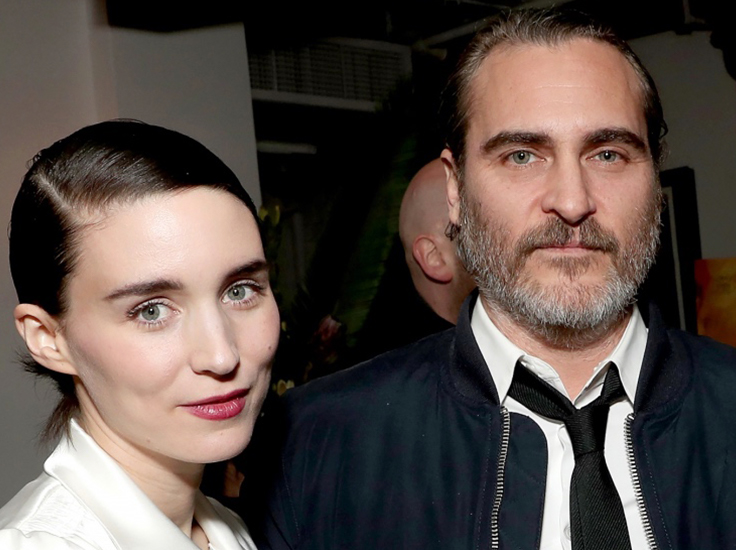
While Joaquin Phoenix and Rooney Mara have starred in many movies together, they've now teamed up to make a movie. The duo–who are as equally respected by Hollywood as they are by the animal rights community–lend their influence to a new feature-length investigative documentary called The End of Medicine. As executive producers, Phoenix and Mara team up with BAFTA-winning director Alex Lockwood (73 Cows) and producer Keegan Kuhn (Cowspiracy, What The Health) to expose a disturbing, dirty little secret that the food industry has been trying to conceal for decades.
In a swift 73 minutes, The End of Medicine draws attention to the underreported link between global disease–pandemics and antibiotic resistance included–and our (mis)use of animals. The film gets its momentum from whistleblower Dr. Alice Brough, a young vet who first grew intolerant toward the industry's "acceptable" practices of animal agriculture. As we see, Dr. Brough risks her professional career and livelihood to denounce the corruption within the industry by sharing insider information about the reality of factory farming and animal disease. Through her tears, we can clearly see how distressed she is as she talks directly to the camera, remorseful for her contributions to the industry in the past.
In typical call-to-action-type documentaries, The End of Medicine provides an overwhelming number of facts that are meant to shock the viewer into making immediate lifestyle changes. Industry insiders, government advisors, politicians, scientists, and leading doctors share unnerving statistics that at times, feel more hopeless than optimistic.
One claim that caused me to sit up a little straighter was hearing that 3 out of 4 emerging infectious diseases come from an animal source. This tends to happen because an animal's immune system is lowered when they're stressed, and they're stressed because they're so densely packed in cages in unsanitary conditions. It's easy for the animal, then, to catch an infection and spread it to the rest of their cage-mates and eventually, the humans who consume them. Not surprisingly, COVID was used as an example: We socially distance ourselves from other sick humans but are doing the exact opposite to animals. This film asks, "Why?"
The End of Medicine has one goal in mind, and that is to get its audience to think twice about consuming animal products. Ideally, Phoenix and Mara would be able to convince all of us to go completely vegan (but it may take a few more documentaries for that to happen). While the note the film ends on isn't the most optimistic in tone, aside from the standard "transform yourself to transform the world", its intentions are pure and worthwhile. Films like these are important, and if The End of Medicine causes you to pause before ordering the burger–even for a moment–then it's done its job.

In 'Anaïs in Love,' A Charming Young Parisian Falls Into a Complex Affair
Where to watch: 'Anaïs in Love' is now playing at Laemmle Theaters.
For a French romantic comedy about a thirty-something woman falling in and out of love in the City of Light, Anaïs in Love isn't as très chic as I expected. Set in Paris, the surrounding countryside, and a small, picturesque seaside town, what the film has in terms of baked-in natural aesthetic falls short when it comes to the story itself; specifically our protagonist's motivation for disrupting her life and those around her. If you're looking for a film that will transport you to a breezy, sun-soaked European destination, then Anaïs in Love will certainly satisfy that desire. Unfortunately, it doesn't offer much else.
Anaïs (Anaïs Demoustier) leads a very dysfunctional life. She can't afford her rent, she is too claustrophobic to take an elevator/enclosed transportation (leading her to bike and run everywhere), her mother is terminally ill, she is struggling to complete her school thesis, her unstable relationship with her boyfriend is on life support... and she just found out that she is 7 weeks pregnant despite being vocal about never wanting children.
With the entire world seemingly against her, Anaïs takes everything in stride. She is, for better or for worse, a free spirit with an "on to the next" attitude that doesn't allow her to sit in her grief for long. She finds distraction in her new quasi-relationship with older gentleman Daniel (Denis Podalydès) who she meets at a mutual friend's party. He is a book publisher, and their shared passion for literature is something they quickly bond over. However, Daniel is already in a committed relationship with his partner Emilie (Valeria Bruni Tedeschi), a well-respected author. Despite knowing this, Anaïs continues her affair with Daniel until she catches a glimpse of the blonde beauty and decides that it is Emilie who she wants after all.

Much like the character of Anaïs, the film is, at times, a bit messy. Movement is a central theme here, from Anaïs' constant running in scenes to emotionally skirting away from reality. However exhausting it might be to watch, it portrays Anaïs' emotional state quite well: this is a girl who doesn't know what she wants. I wish we were given more insight as to why Anaïs is as she's portrayed to be. Without any context, it feels as if "quirky" was the only personality trait she was given.
Anaïs's claustrophobic trait is an interesting one, especially when speaking metaphorically. The confines of any sort of boundary–whether it be physical walls or a metaphorical code of ethics–causes Anaïs to react like a wild dog in a cage. She pushes back much harder than she should and her actions have consequences that we, unfortunately, never see played out in the film. She cheats on her boyfriend and makes an important decision about her pregnancy, yet we never see how he deals with the news. Was he ever told? We don't know.
Despite the character development shortcomings, director Charline Bourgeois-Tacquet's Anaïs in Love is a charming, albeit manic, depiction of a complicated young woman at a crossroads in her life.
1h 38m. Distributed by Magnolia Pictures.
'Big Crow': The Native American Basketball Prodigy Who Inspired Many
When the world learned that Kobe Bryant (his daughter and friends included) had died in a tragic helicopter accident, it felt as if everything stopped. Whether you were a fan of the Lakers superstar or not, the news seemed too unfathomable to be true. How could someone so important and inspirational be claimed by a tragedy like this? The only grace that could be found in the aftermath was seeing how the world came together to celebrate his legacy and honor his life. Echoing this pattern of heroes gone too soon is the Native American basketball prodigy SuAnne Big Crow, whose unexpected passing brought a community together and new importance to the sport of basketball.
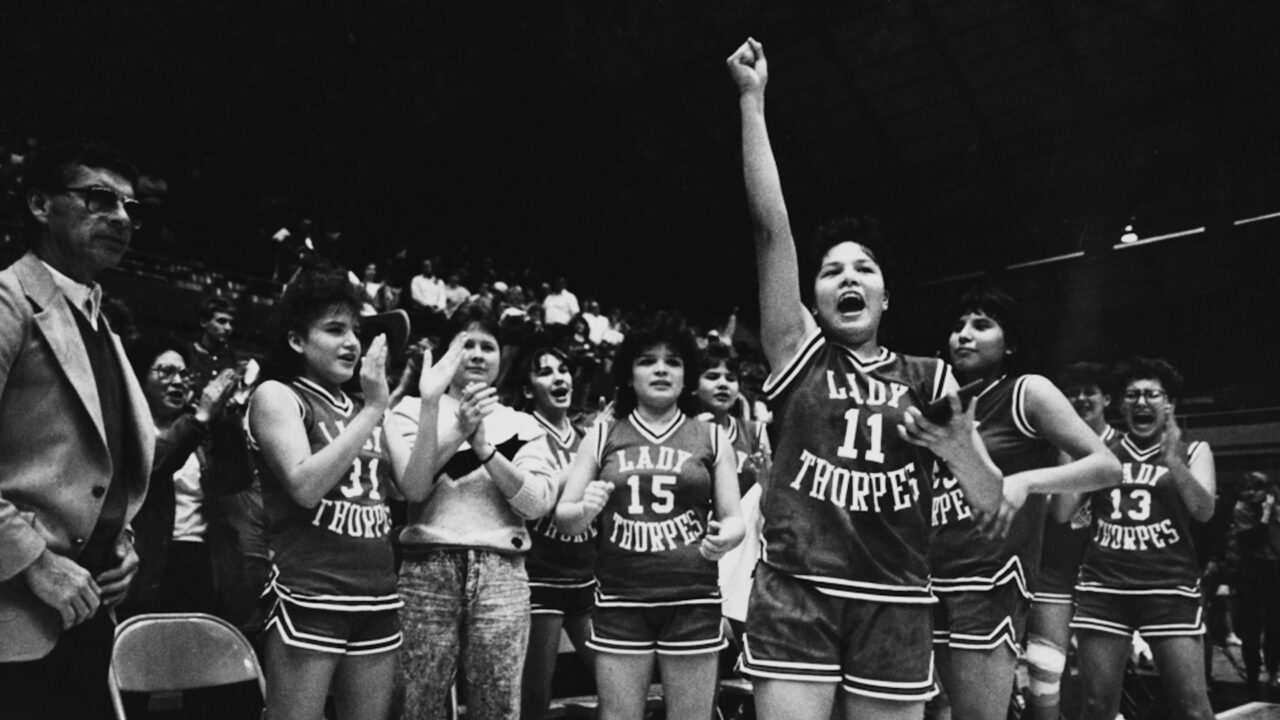
In cooperation with the Great Lakota Nation, director Kris Kaczor brings the untold story of SuAnne's legacy to a wider audience in the documentary Big Crow. In the '80s, SuAnne was a local legend in her hometown of the Pine Ridge Indian Reservation in South Dakota. SuAnne had plenty of impressive stats, including scoring 67 points in a single game and making a buzzer-beating shot to win the championship. But she was more than just a hero on the court. As the film shows, SuAnne used basketball to share a message of peace and love.

SuAnne was a vocal proponent of preserving her Lakota culture and community. Regarded as one of the poorest communities in the US, basketball was seen as a way out of poverty, substance abuse, and limiting potential. With her athletic skill, SuAnne served as a beacon of hope and possibility for all. Her star was only rising when she unexpectedly died in a car accident–tragically enough, as she was on route to a basketball event. It was devastating for all who knew her but through their tears, the community found solace in the sentiment that "The most powerful thing a leader can do for their people is give their life."
Director Kris Kaczor (who also acts as an additional camera person and the film's composer) tells a comprehensive and compelling story by sharing SuAnne's life with audiences. Big Crow gives a fascinating explanation of the history of the tribe from community elders and the Big Crow family, including descendants of tribe leader Crazy Horse. As we learn, the story of the Lakota people is one of struggle. Despite being poor in possessions, however, they are rich in their culture's legacy.
"There is so much talent in Indian athletes but they don't get recognized," says one of SuAnne's former friends. Big Crow is not only an homage to a proud Lakota woman but also an inspirational story, proving that those who dare to dream big can change the world, no matter where you come from.
'Big Crow' is currently awaiting distribution. For more information, visit https://www.bigcrowfilm.com/
https://www.youtube.com/watch?v=m4KixU_XQuk
'Hatching' Goes Full Bird Body Horror
Where to watch: ‘Hatching’ opens this Friday, April 29th, at AMC theaters.
Forget flowers and Hallmark cards this Mother's Day. In her new film, Hatching, Finnish director Hanna Bergholm turns the traditionally sweet holiday into a nightmarish conjuring with blood, body horror, and–most terrifying of all: birds. Premiering at the 2022 Sundance Film Festival, Hatching's old-fashioned camp mixed with modern-day sensibilities (think animatronic Chuck E. Cheese characters meets Black Mirror) make it a film that's hard to define. One thing is certain, though: Hatching is not for the faint of heart–or stomach.
From the outside, the quiet pre-teen gymnast Tinja (Siiri Solalinna) seems to live an enviable life in the suburbs of Finland. Her family of four is the embodiment of "Live Laugh Love." At least, that's the image her mother (Sophia Heikkilä) projects through her nauseatingly optimistic vlog ‘Lovely Everyday Life.’ But there are cracks in the superficially perfect foundation that Tinja's mother exposes when she's caught cheating on her husband with the handyman. Tinja is forced into the middle of growing family dysfunction at the hands of her mother and continues to grow distant from her family, which only gets worse when Tinja unexpectedly finds herself in a maternal role that she vows to keep secret.
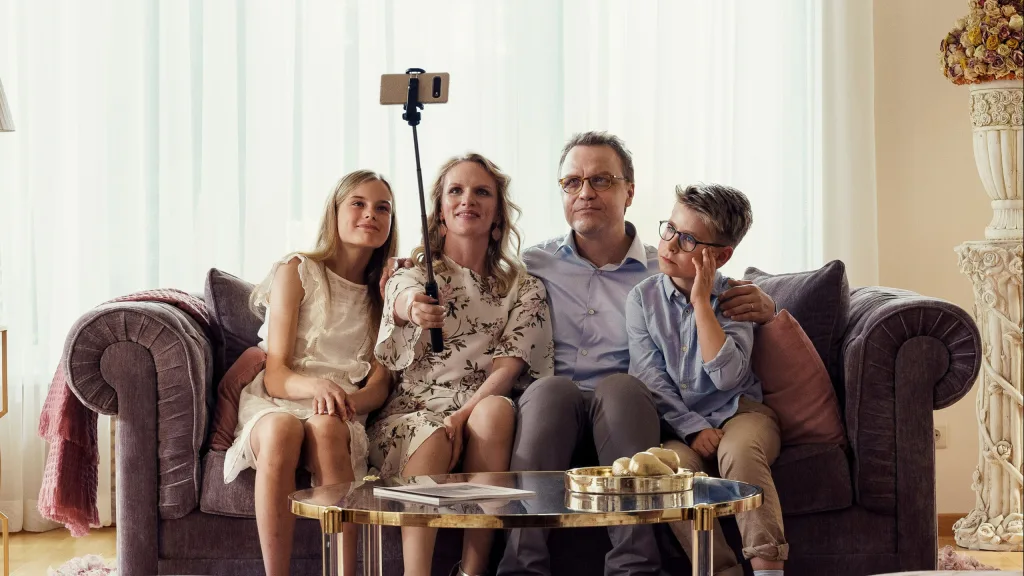
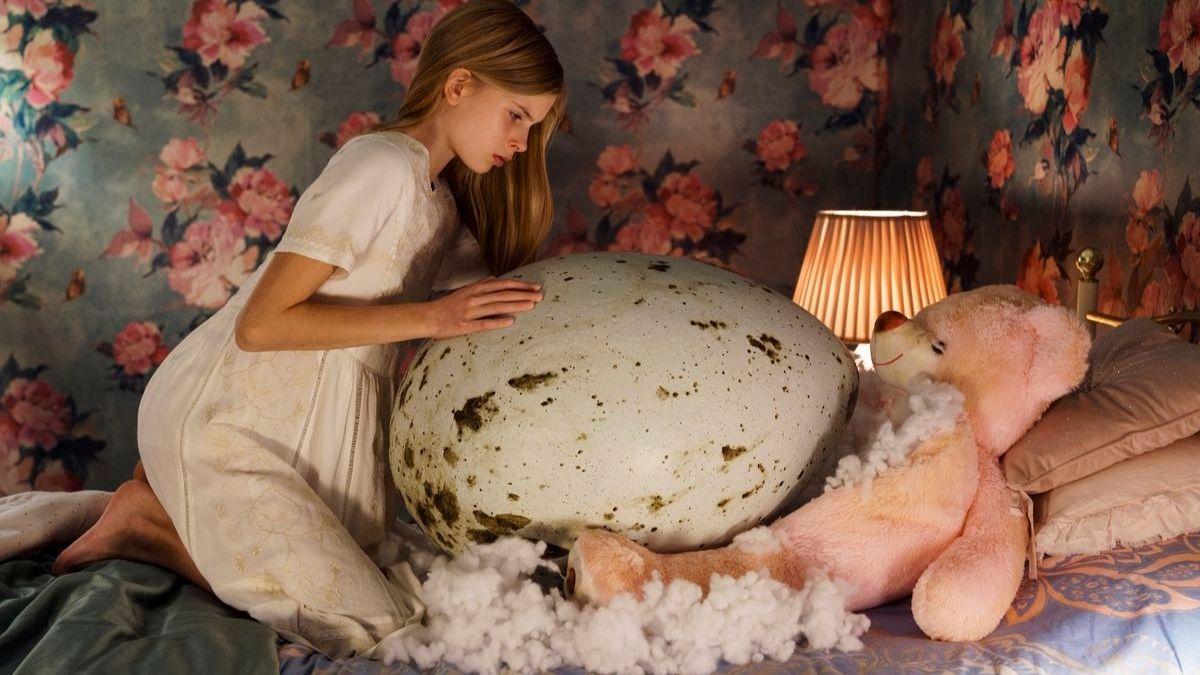
The trouble starts after Tinja stumbles upon a strangely speckled egg in the woods outside of her home. Her maternal instincts kick in and she brings the egg home, unaware that by acting as the egg's surrogate mother, she is imprinting on this creature (for better or worse). Days go by and the egg grows larger and larger until it hatches, revealing a human-sized bird creature that begins to morph into a direct reflection of Tinja herself. Hatching's uneasiness and horrific absurdity come from the increasing "life or death" stakes that Tinja begins to endure at this creature's hands–or, rather, claws.
Fans of A24's Lamb will find many plot similarities at the core of Hatching–specifically the act of personifying a young animal and forcing it into the world of humans. The comparisons stop there, though, as Hatching is much more vivid and grotesque. Blood, regurgitation, and insinuations of animal cruelty had me watching parts of this film through closed fingers.
With its gross and shocking horror, Hatching could easily be the next midnight movie worthy of cult status (it certainly has all of the right elements to be an Alamo Drafthouse darling.) I mean, when you have Gustav Hoegen listed as the "Creature Effects Supervisor"–the same man who worked as the animatronic designer for films like Star Wars and Jurassic World–you know you're in for a wonderfully weird adventure.
87 minutes. Distributed by IFC Films.
'Stanleyville' Satirizes Human Competition Through a Quirky Lens
Where to watch: 'Stanleyville' is now playing at the Laemmle NoHo 7 in North Hollywood.
What happens when you put five strangers in a room and force them to undergo a series of challenges in order to win a coveted prize? That's the question that Canadian-born writer/director Maxwell McCabe-Lokos poses in his dry, dark comedy Stanleyville. Highlighting the worst of humanity's selfish, "every man for himself" attitude, Stanleyville's absurdist tale is equally depressing as it is comically truthful.
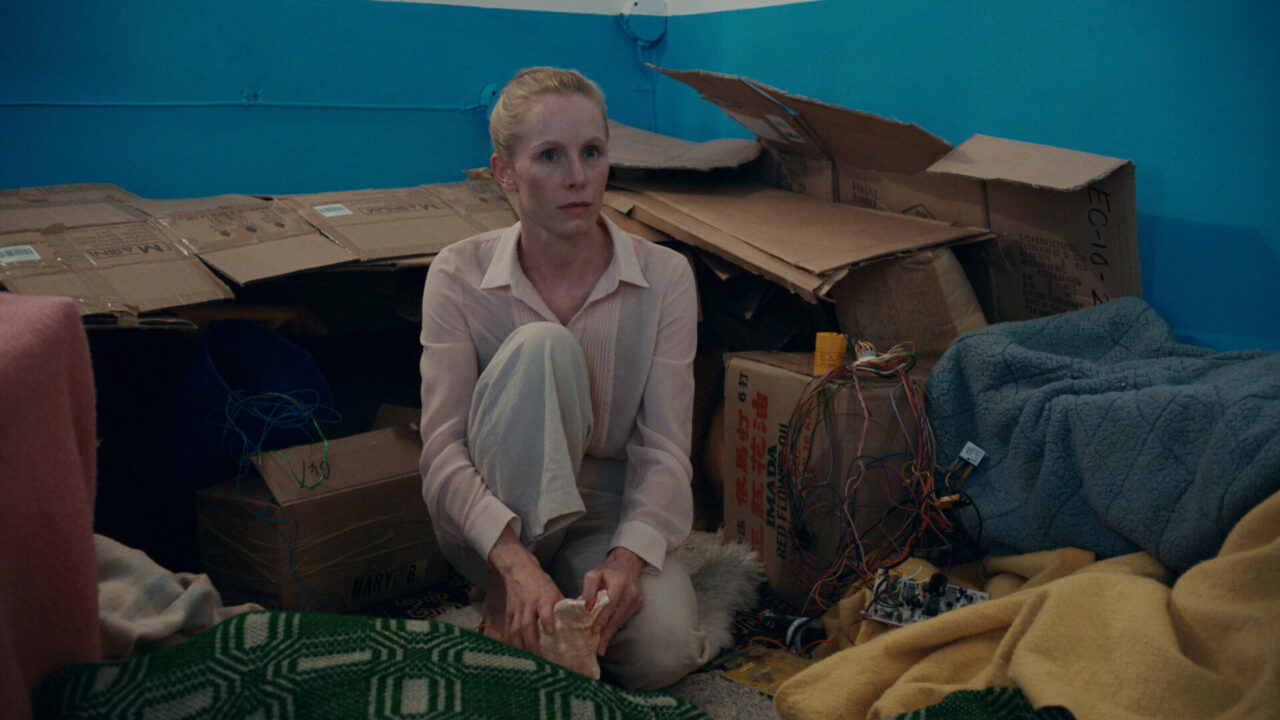
Maria Barbizan (Susanne West) is apathetic about everything in her life. Her frustrating family, that dead-end job, her overall well-being... nothing seems to matter as she dumps out the contents of her purse into a trash can and walks away from the only life she knows. This lack of passion makes Maria the perfect target for a recruiter (Julian Richings) who offers her a chance at happiness by promising total transcendence and an understanding of the meaning of life. This, plus a more tangible prize: a new orange SUV–if she agrees to take part in a contest. She has nothing to lose, so she accepts (apathetically, of course).
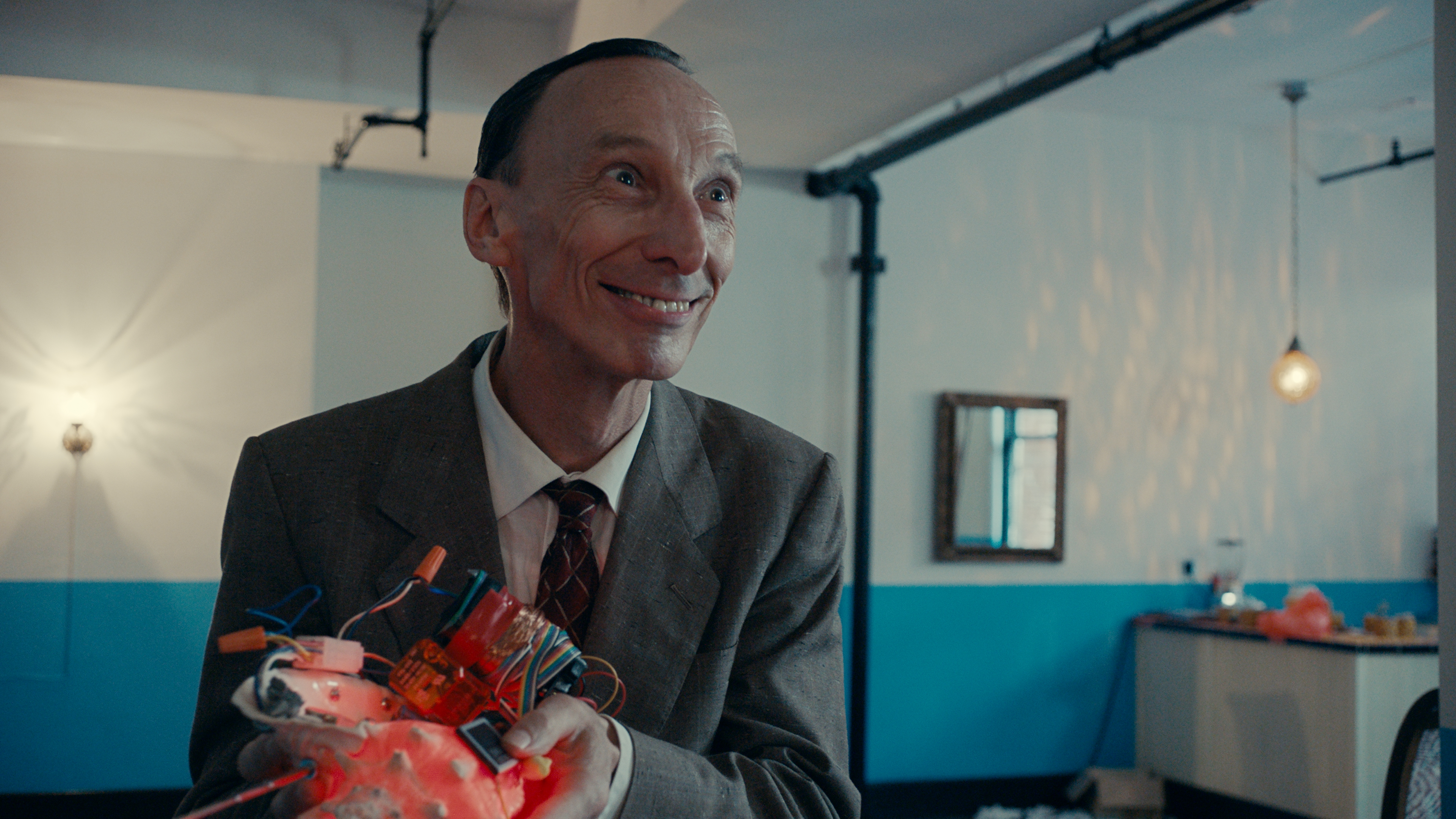
The recruiter tells Maria that she, along with four other contestants, were hand-selected to participate in this unique competition. Maria meets the other quirky contestants–one woman, three men–in a nondescript conference room. The recruiter explains the rules: win most of the eight one-minute rounds, and the car is theirs. The challenges seem innocent enough, like blowing up a balloon and writing a song. But as that shiny new car becomes substantially within their reach, the contestants turn more animalistic in their desire to win at any cost necessary.
Stanleyville has a Lord of the Flies-inspired plot that juxtaposes nicely against its muted, beige aesthetic. The mental and physical tests the contestants go through cause them to unravel more as each round passes, much to the discomfort of the audience. Yes, Stanleyville is strange, but that's the film's charm. It is intentionally weird and self-aware.
McCabe-Lokos' feature-length directorial debut acts as a not-too-unrealistic interpretation of what people will do in order to "win "(case in point: Walmart shoppers on Black Friday). Though Stanleyville's release will no doubt be intimate and its impact fairly modest, what it lacks in terms of blockbuster appeal will be met tenfold by arthouse enthusiasts who can't get enough of obscure, absurdist indie films with a unique, strange and singular vision.
89 minutes. Distributed by Oscilloscope Laboratories.
Son Lux On Creating Their Music Multiverse in 'Everything Everywhere All At Once'
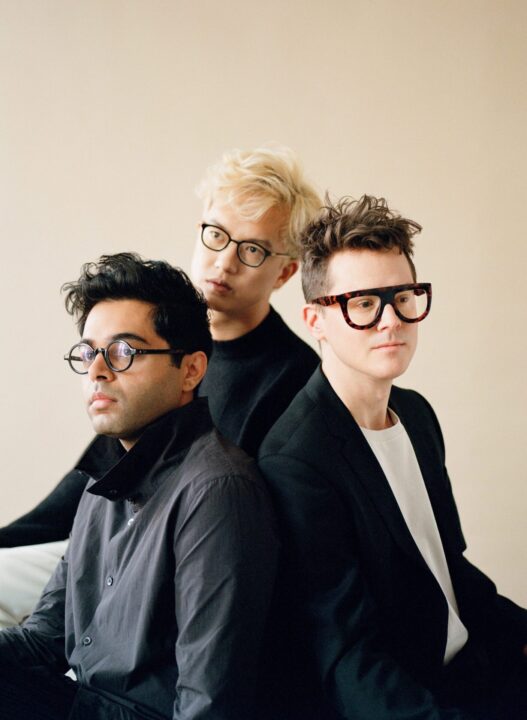
Ahead of their soundtrack release via A24 Music, Cinemacy sat down with Son Lux, the sonic masterminds that created 1 hour and 50 minutes of score (!) for the Daniels' epic 'Everything Everywhere All At Once'.
Made up of Ryan Lott, Rafiq Bhatia, and Ian Chang, they talk about seeing their dream collaboration with David Byrne come to life, their first impression of reading the script (which was initially doubled in length), and their *spoiler-free* advice you should know before watching the film, now playing in theaters.
'Marvelous and the Black Hole': Magic-Filled Friendship
Our ‘Marvelous and the Black Hole’ review was first published as part of our Sundance Film Festival 2021 coverage.
Where to watch: ‘Marvelous and the Black Hole’ opens this Friday, April 22nd, at the Laemmle Royal in West LA.
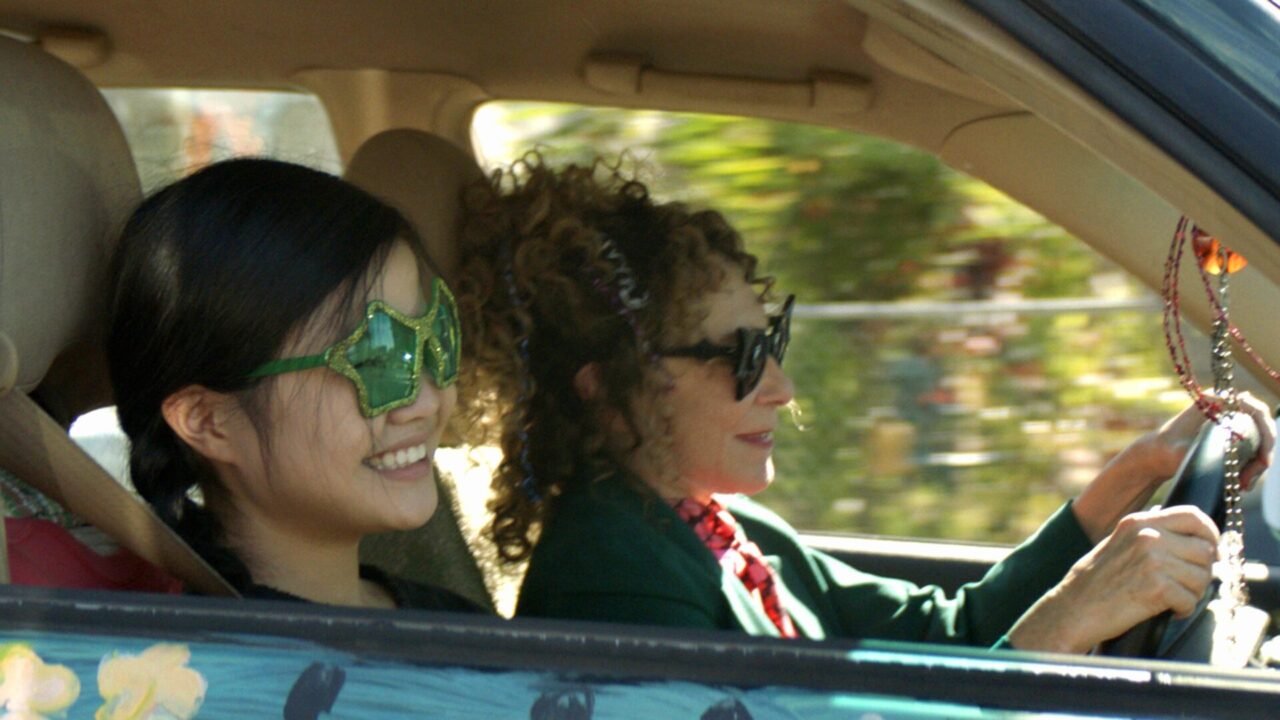
In filmmaker Kate Tsang's feel-good buddy comedy Marvelous and the Black Hole, an angsty high schooler befriends a zany children's magician and what follows is a predictable, yet charming coming of age story. It comes close to almost overdosing on its sweetness but knows when to pull back in just the right moments. There's a pureness that gives the film a sort of sparkle and even though I'm aware that the magic on screen is mostly edited "movie magic," it's spellbinding nonetheless.
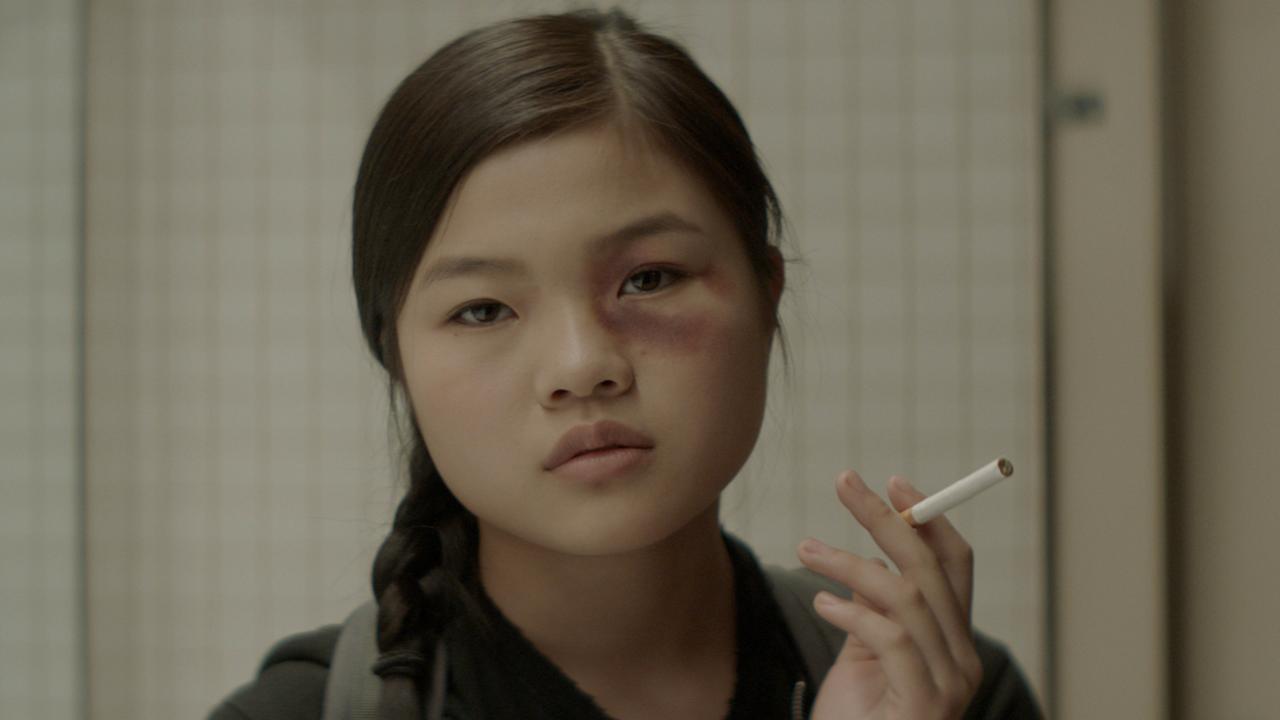
Sammy (Miya Cech) is a troubled teen who lacks ambition, willpower, and interest in anything that has to do with school. What she has in spades, however, is disdain for her recently-widowed father's new girlfriend. Taking out her frustrations on herself–quite literally getting poke & stick tattoos in her bedroom–Sammy's rut concerns her father. To keep her out of trouble, he enrolls Sammy in a summer community college class designated to help people find their passion. After a serendipitous encounter on the campus, she runs into Margot (Rhea Perlman), and little do either of them know, that they are about to enter into a life-changing friendship.
Margot's maternal instincts combined with her whimsical way of living pull Sammy out of her angsty, woe-is-me shell. At first, Sammy is reluctant to listen to any authority figure and dismisses Margot's help as annoying but soon, she discovers that Margot's magic can be used as therapy. Sleight of hand card tricks and Margot's white rabbit Sebastian all aid Sammy in her self-discovery journey.
In her debut feature film, Tsang has created an offbeat story with heart. For as textbook as the premise sounds, however, Marvelous and the Black Hole is not afraid to get dark. Grief is a narrative thread that runs through the film; how we deal with it and how we can give others hope in their darkest moments keeps the film from falling into a numbing after-school special. Its edginess is further propelled by a dark fantasy score from composer Tim Kiefer.
Lighthearted and imaginative, Marvelous and the Black Hole shows how a little magic can transform dark times into a colorful adventure.
'Petite Maman' is a Beautiful Storybook Tale of a Child's Grief
Our ‘Petite Maman’ review was first published as part of our Toronto International Film Festival 2021 coverage.
Where to watch: ‘Petite Maman’ opens this Friday, April 22nd, at the Landmark in West LA and The Grove.
Céline Sciamma returns to the big screen with an intimate portrait of a girl in mourning in Petite Maman. Scaled back in both story and scope in comparison to Sciamma's last feature, Petite Maman packs a plethora of emotional catharsis and full circle sweetness into its 72-minute runtime.
Related: 'Portrait of a Lady on Fire' Review: An Observant, Spectacular Beauty
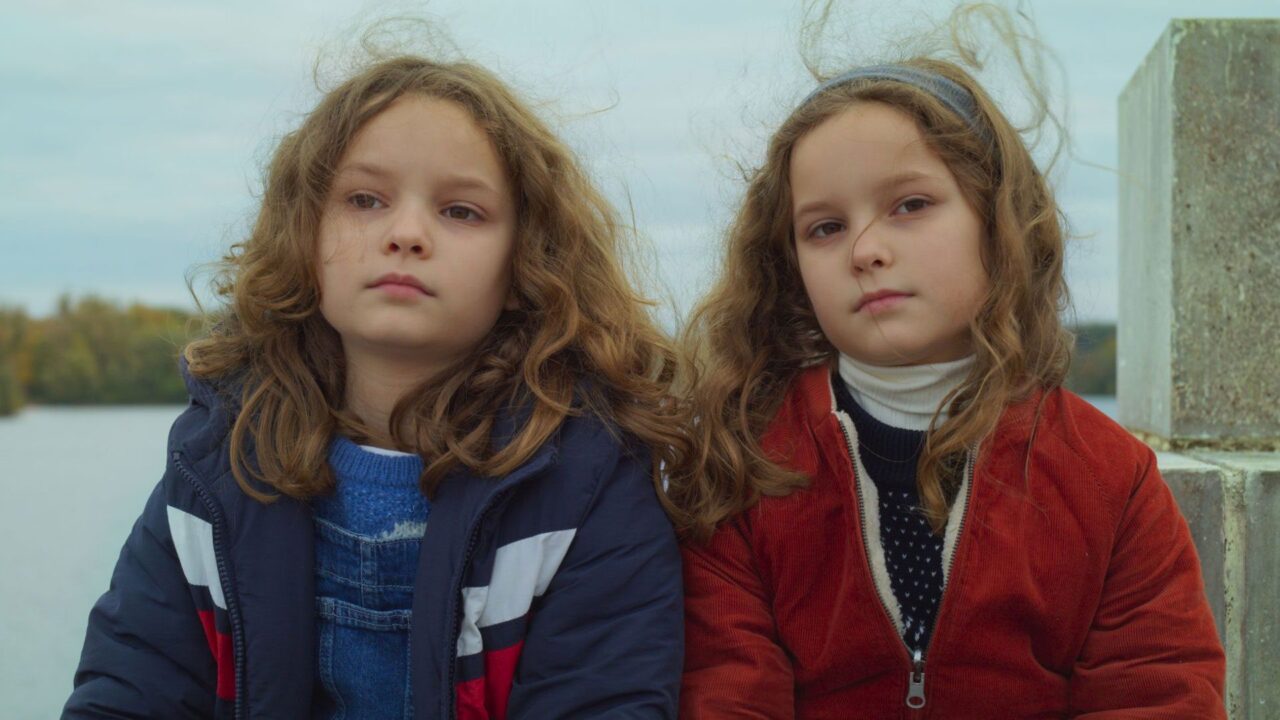
A beautiful gliding one-shot establishes the environment our 8-year-old protagonist, Nelly (Joséphine Sanz), finds herself in: a nursing home on a dreary afternoon in the French countryside. She goes room to room, politely saying "Au revoir" to the elderly women that inhabit the home, and we quickly learn that Nelly's grandmother was a resident there until recently. Packing up the grandmother's humble belongings is Nelly's mother (Nina Meurisse), whose vacant eyes express her inability to accept this new reality.
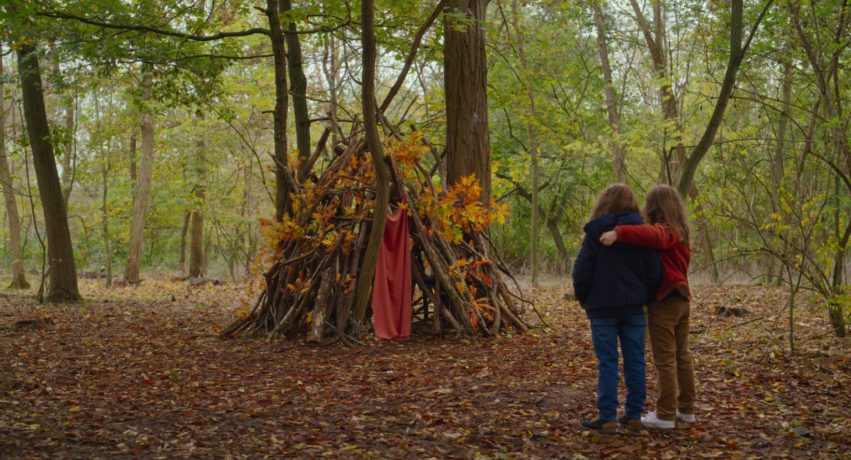
Upon returning to the family home, which Nelly's mother and father (Stéphane Varupenne) are tasked with clearing out, Nelly is free to roam throughout the untamed wilderness behind the house. Stumbling upon the fort that her mother constructed as a kid, Nelly meets another girl her age, Marion (Gabrielle Sanz). The two girls connect quickly, similar upbringings and temperaments make them fast friends but a few too many coincidences lead Nelly to question who Marion really is and soon learns that Marion's presence can offer her a sense of closure in her own life.
Is Marion real? A figment of Nelly's imagination? Or something more? Sciamma plays with these ideas early on but does a fantastic job of staying rooted in reality. Instead of leaning into the abstract sci-fi realm, she expands on the whimsicalness of childhood imagination and optimism (although the comparison to Netflix's Dark can be made whole-heartedly). Her signature themes of female companionship and emotional intimacy contribute to the film's most memorable moments, fitting nicely into her canon of highly impactful and poignant work.
Petite Maman is a beautiful story about a child's navigation through grief, told with a tenderness that quietly radiates with femininity and compassion.
72 min. Distributed by NEON.