
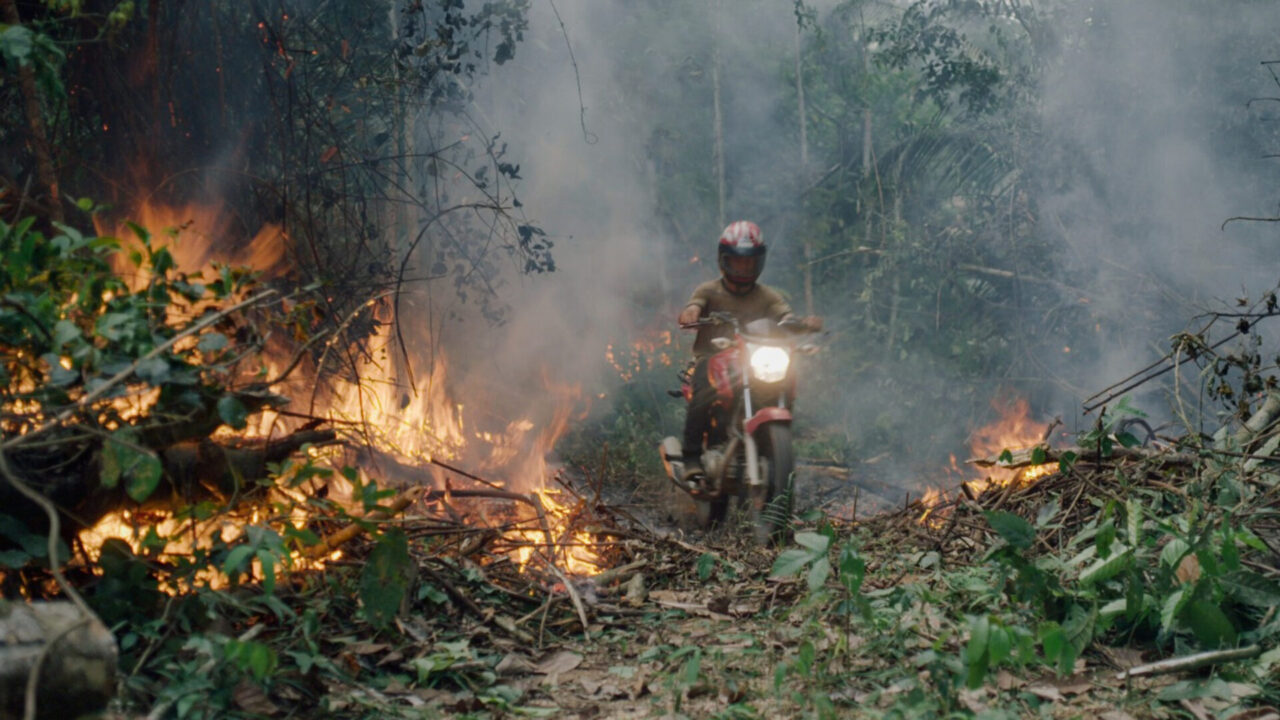
Stunning Eco-Thriller 'The Territory' Shows A Devastating Reality
This review originally ran on January 26, 2022, during the Sundance Film Festival
Where to watch: The Territory opens this Friday at the Laemmle Monica Film Center and AMC Burbank 16
Director Alex Pritz is a name you should familiarize yourself with because his film, The Territory, is one that you'll be hearing about throughout the year (it is, hands down, the strongest entry I've seen so far at this year's Sundance Film Festival). Equal parts heart-wrenching and poignant, The Territory uncovers the horrible reality and unjust hardships faced by the indigenous Uru-eu-wau-wau tribe as they fight to save their livelihood deep within the Brazilian rainforest.
The level of access that Pritz has within the tribe is paramount to telling their story. The bond of trust between the Western film crew and indigenous people is deeply felt, as evidenced by how emotionally invested we become throughout the film.
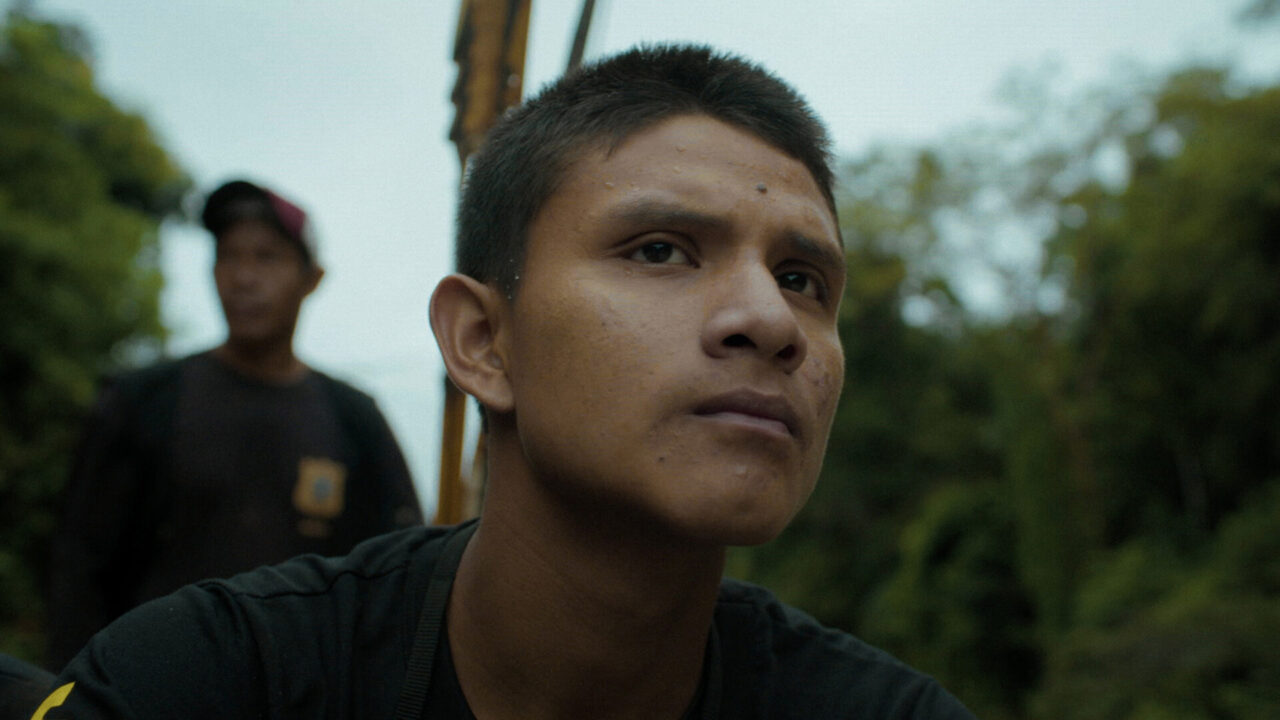
When we first meet the Uru-eu-wau-wau community, they are desperate for help. The recent public support of land-grabbing by right-wing politician President Jair Bolsonaro puts their land, their homes, and their livelihood at risk of complete collapse. Deforestation at the hands of non-Native Brazilians, who equally feel as if they have a right to claim the land for their own endeavors, is proving to have environmentally and politically devastating results.
Helping represent the Uru-eu-wau-wau community in their fight for protection is environmental activist Neidinha. Her strength is unwavering, even when faced with death threats targeted at her and her daughter. Neidinha acts as a team of one serving one purpose: preserve the rainforest to keep the Uru-eu-wau-wau community safe.
Like any good investigative work, we're also given a countering perspective on the territory debate by a man who claims the land is his livelihood, too. Sergio is a farmer who dreams of owning and operating his own plot of land. His intentions are good, he plays by the rules, but that can't be said for everyone he associates with in his newly formed fraternity called "The Association of Indigent Farmers." While Sergio understands the territory divide, other men brazenly encroach into Uru-eu-wau-wau territory, setting fire to the wildlife without care or concern.
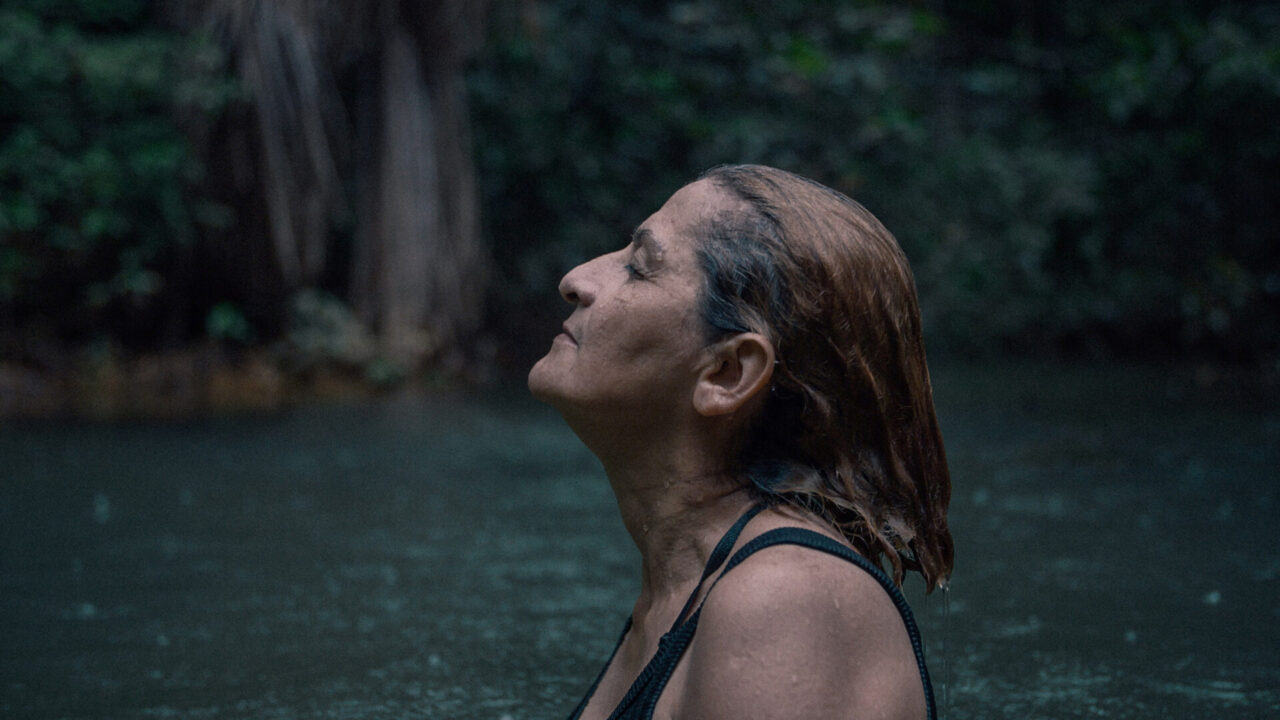
Co-produced by the Uru-eu-wau-wau community (and Darren Aronofsky, among others), The Territory is a masterful output from all involved. Staying true to Alex Pritz's participatory filmmaking model, he literally gives cameras to members in the tribe to document their experience on the frontlines, which he edits into his own footage. It's this unique, otherwise unattainable, point of view that gives the film its power, never once feeling exploitive or overdramatized.
The most powerful weapon here is the camera. Both Pritz and the Uru-eu-wau-wau community agree that the government's failure to intervene early on has caused irrevocable damage, and it is up to them to get their story told. The media attention from this story has already started to create a buzz in their native Brazil–as seen in the film–but the struggle is far from over.
The Territory, which was acquired by National Geographic during the festival, is an urgent call to action and the least we can do to raise awareness about this ongoing, deadly conflict is to talk about it, recommend it, and watch it. The future of the Uru-eu-wau-wau community, and the natural world, depends on it.
86 min.

In 'Ali & Ava,' Lonely Hearts Seek Love
This review originally ran on September 23, 2021 during TIFF.
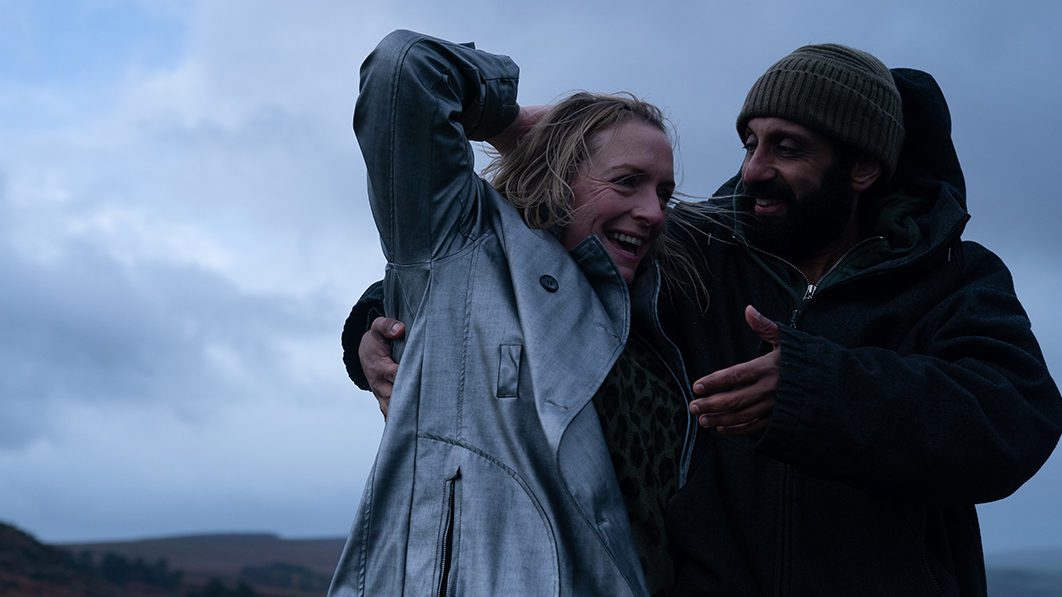
I first became aware of acclaimed English director Clio Barnard Barnard after I saw her debut narrative feature The Selfish Giant at AFI FEST in 2013. In fact, I considered it to be the breakout film of the festival that year. Her latest film, Ali & Ava, is a cinematic epiphany of what Barnard does best. A working-class, middle-aged love story birthed from loneliness, Ali & Ava brings dynamic visuals, a fiery soundtrack, and an outsider's perspective on life to the big screen.
Related: 'The Selfish Giant' Review: Clio Barnard’s First Film is a Powerhouse
The film is set in a small community in England where Ali (Adeel Akhtar) and Ava (Claire Rushbrook) co-exist. Ali is a British Pakistani small-time landlord whose connections he forges with his tenets fill the void in his life where his failing marriage used to be. Ava, a single mother of five, is a teacher at the local children's school where she feels the most fulfilled since her relationship with her adult children is strained, leaving her maternal instincts in shambles. Both with a sense of longing for something more, Ali and Ava strike up a friendship after their paths cross serendipitously.
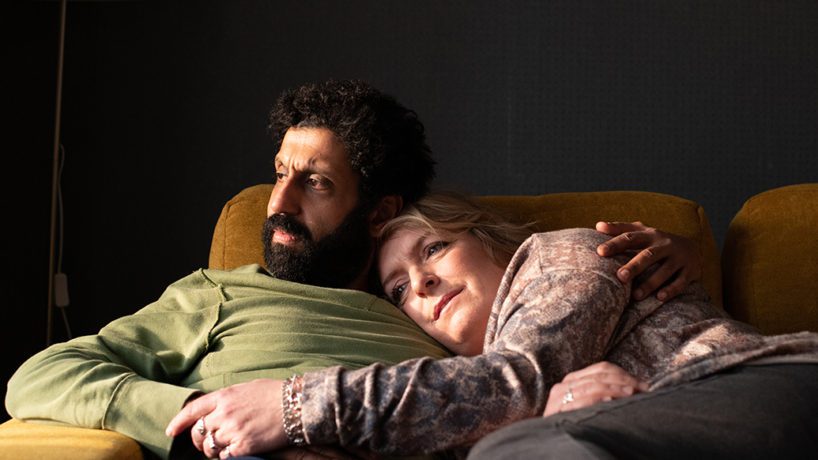
First bonding over their passion for (and extremely different tastes in) music–Ali loves the Buzzcocks, Ava prefers Bob Dylan– the lionhearted duo's connection grows deeper the more time they spend together. Both warm and sensitive people, Ali and Ava become more comfortable in expressing their most vulnerable thoughts with each other. This quickly leads both to develop strong feelings for one another, but emotionally complex and traumatic hurdles prove difficult to navigate as they pursue a romantic relationship.
As soon as I saw the opening shot of Ali & Ava, I knew this film was something special. The vibrancy, the pulsating beat, and the erratic dancing all culminated into such a powerful visual that I literally haven't stopped thinking about days later. Quite similar to how Monos has been imprinted into my brain since 2019. Stunning cinematography by Ole Bratt Birkeland and an energizing soundtrack (shoutout to Sylvan Esso's "Radio") portray a realistic depiction of two lonely English folks who just want to be seen. Supported by the fiercely affecting performances from Adeel and Claire, Ali & Ava is a truly special and untraditional love story.
'Resurrection': Rebecca Hall Unravels in Unsettling, Gripping Thriller
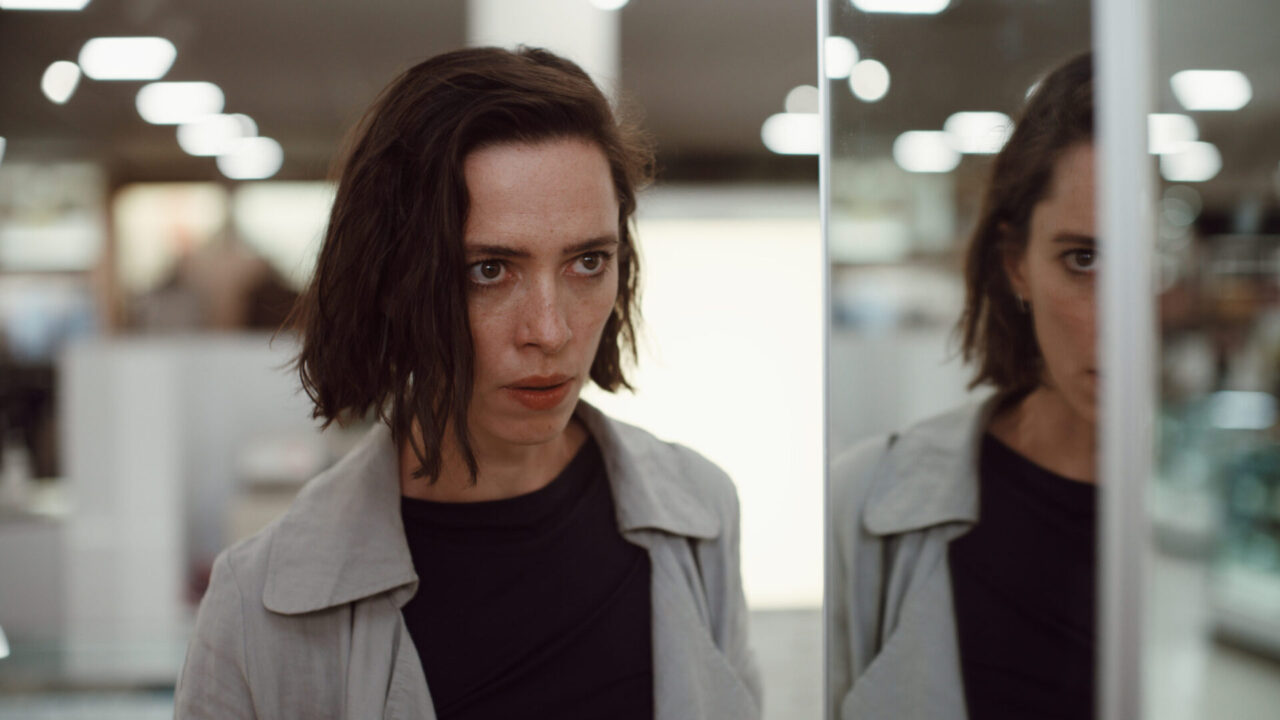
There are films that claim to be "heady psychodramas," but as soon as the title credits roll, warrant little more than an apathetic shrug. Then there are films that sneak up on you, drowning you in total cinematic dread and unease. Andrew Semans's Resurrection, starring Rebecca Hall, is the latter.
If you're looking for a movie that will give you more than the creeps and leave you shaken by the tour-de-force performances from its lead actors, then keep Resurrection on your radar.
Margaret (Rebecca Hall) is a biotech professional and single mother, and clearly has an anxious attachment to her daughter Abbie (Grace Kaufman). Margaret insists that it's just typical motherly concern, but staunchly independent Abbie is still annoyed. However, when Margaret's former partner David (Tim Roth) unexpectedly reappears in her life two decades after their last meeting, her increasing paranoia immediately disrupts her and her daughter's lives.
Why is David here? What does he want? Resurrection doesn't make these things immediately clear. The film turns into a brutal game of cat and mouse, and handheld camera movements heighten the intensity.
We soon find that Margaret isn't entirely innocent here, though. In fact, she's not the most redeemable of protagonists once we learn of David's backstory and her involvement in it. Her decision to withhold her lifelong secrets from her daughter causes confusion and growing resentment. Further, hiding this ongoing threat from her co-workers derails her performance at work. Keeping this secret is causing Margaret to slowly unravel into a pile of anxiety and fear, and Rebecca Hall does a soul-shattering job of conveying Margaret's out-of-control insanity.
The more Resurrection builds, the more David's history of physical and psychological torture is also revealed, further adding to the overall suspense. He turns into a narcissistic, controlling blackmailer right before our eyes–but this behavior is something that Margaret knew all along.
Director Andrew Semans doesn't let the audience off easy, though. The ending is both completely unhinged and totally satisfying. Resurrection is reminiscent of Titane in a myriad of ways (including its score by composer Jim Williams who recently worked on Ducournau's body horror film). But also, for reasons of unexpected (inhuman) life forms that may play a role in the story.
Dark, deranged, and wildly surreal, Resurrection is a stunning psychological thriller that lingers. Backed by gripping performances by Hall and Roth–whose dynamic is unmatched–this is one film that will be hard to shake.
'Resurrection' was acquired by IFC Films and Shudder during the Sundance Film Festival.
Kristine Froseth Lets Loose in Lena Dunham's 'Sharp Stick'
This review originally ran on January 23, 2022 during the Sundance Film Festival
It's been eleven years since Lena Dunham's directorial debut, Tiny Furniture, premiered at the Sundance Film Festival. Fans of the Girls star know that Dunham has a knack for speaking the language of "angsty (entitled?) young women" so fluently; whether or you not sympathize with their problems aside, there's no denying that Dunham's characters are constantly trying to evolve from helpless girl to independent woman. It's fitting, then, that she's back at Sundance over a decade later with Sharp Stick, a more mature coming of age story that places agency on female sexual empowerment, but still includes her signature splash of young person's angst.
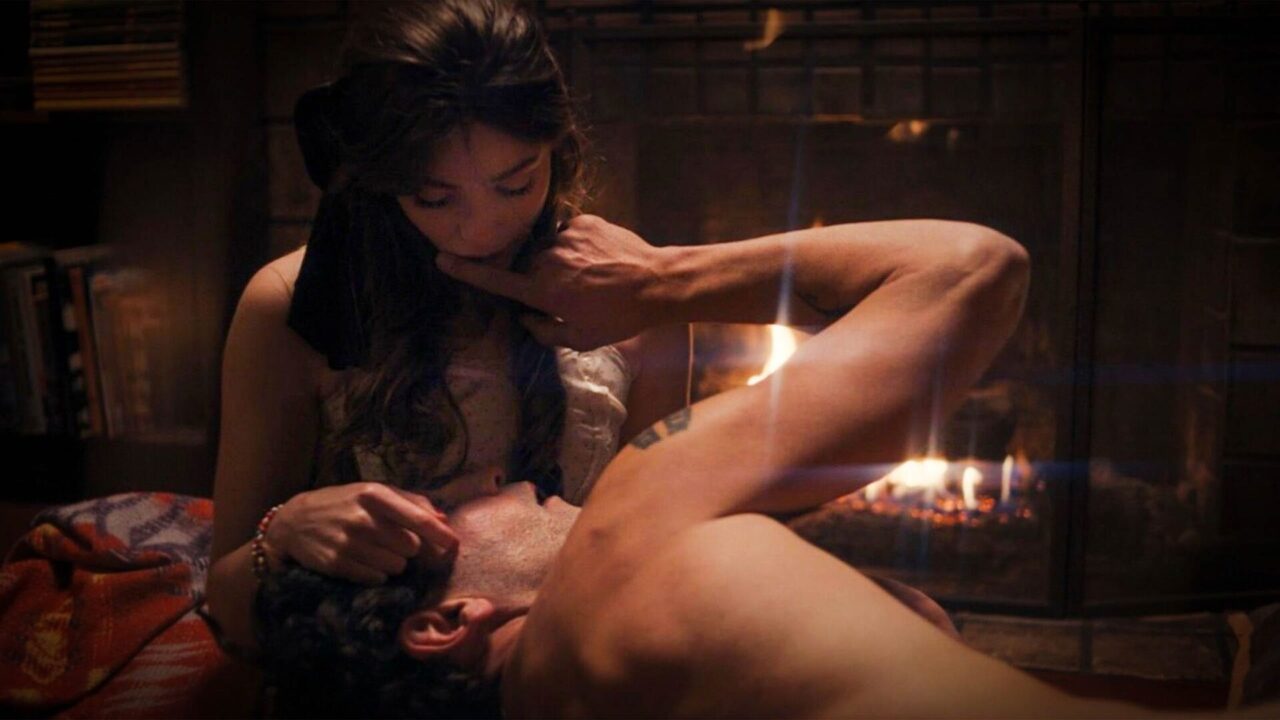
Sharp Stick takes place in Los Angeles during the pandemic, although those two points aren't completely relevant to the story. Kristine Froseth plays Sarah Jo, an overly modest and reserved 26-year-old with the emotional intelligence of a girl half her age. Sarah Jo is a "good girl" to a fault, her naivety makes her feel out of place, even in the home that she shares with her overly blunt mother (Jennifer Jason Leigh) and attention-seeking sister (Taylour Paige). Sarah Jo is respected for her maturity and thrives in her role as a special needs caretaker for her young client and his family, working mother Heather (Dunham) and her immature husband Josh (Jon Bernthal) who acts like an aged-out TikToker.
Sarah Jo may be naive but she isn't devoid of feeling, and the growing question of what she's missing out on when it comes to sexual experiences comes to a boil almost overnight. In a bold move that, quite frankly, doesn't come across as honest or believable in the slightest, our pure protagonist boldly throws herself at Josh and starts confessing that she wants him to take her virginity. What gave her the confidence all of a sudden to share her deepest darkest insecurities with this man? That's not entirely clear. Perhaps it's the lack of stable men in her life or her biological father, who's MIA. In any case, Josh ruins any shred of trust when he agrees to have sex with her (without protection, too). Both consenting to the act, neither one could have imagined what the aftermath of this decision would bring: Sarah Jo turns into an out of control, sexually obsessed submissive who quite literally wants to do everything from A (anal) to X (xenophilia).

Kristine Froseth is fully in control of Sarah Jo's budding physical exploration, her transformation taking place almost entirely from within. Her sexual liberation goes from 0-100 in over 24 hours, and while it might be hard to believe that she becomes infatuated with a porn star and signs up as a member on the website "Clitty Clitty Bang Bang," Froseth does an admirable job playing vulnerable. Jon Bernthal can't make Josh redeemable, but he's a good character to laugh at if you don't mind the second-hand embarrassment.
For as progressive and bold as Sharp Stick is, however, it's ultimately a clunky and disorienting watch that lacks a strong finale and clear takeaway. Sarah Jo's stunted maturity and arrested development make for a sympathetic character arc, but her payoff feels shortchanged. Does being sexually liberated actually make her feel more confident as a woman, or is she really just searching for acknowledgment and reassurance that she is seen, and using sex is the quickest way to get that fix?
There are some great moments sprinkled in throughout the awkward ones though, specifically the kitchen scene where Heather tries holding it together as an overworked mother, the repeating action of Sarah Jo eating big spoonfuls of vanilla yogurt (foreshadowing a more graphic act later), and the energizing soundtrack that ends on Shuga's "Stay Wild." What's also worth mentioning is the special thanks section that reads like a who's who of celebrity friends, including Taylor Swift, Zoe Kravitz, and her husband (and Sharp Stick's composer) Luis Felber. It won't be everyone's taste, but sex-positive Sharp Stick certainly will resonate with the built-in Dunham fanbase.
Distributed by Utopia. 86 minutes.
In theaters Friday, July 29th. Expands to theaters nationwide on Friday, August 5th. Available on Digital platforms August 16th.
Enis Rotthoff Shares Track From 'The Good Neighbor'
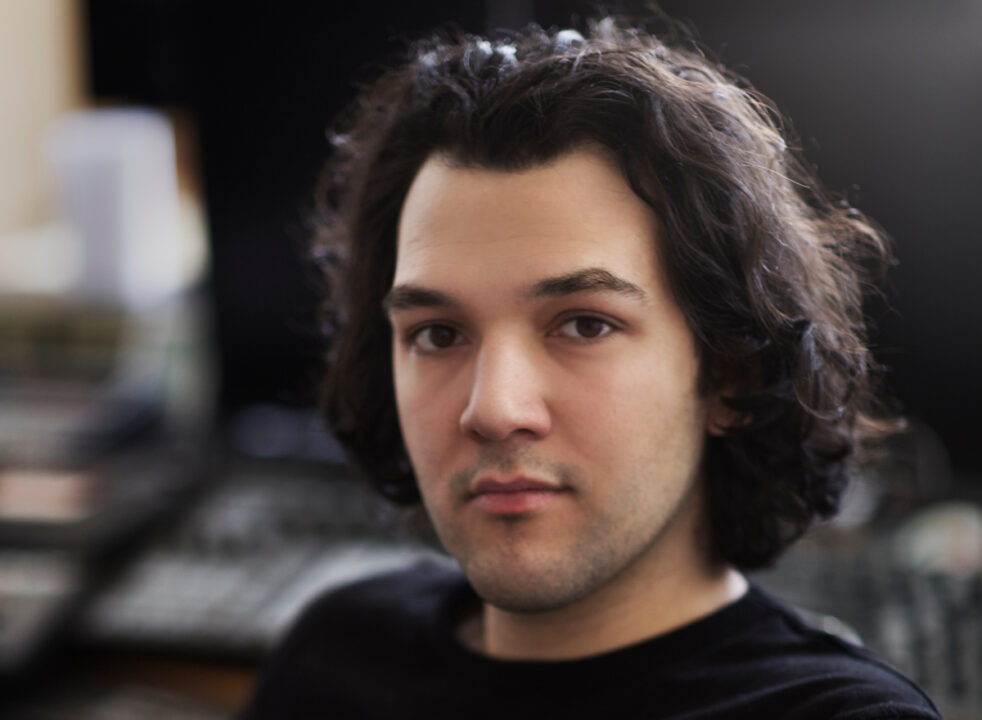
Composer Enis Rotthoff (Guns Akimbo, The Sunlit Night) is on his way to becoming one of the leading voices in the German film scoring scene. His blend of classic orchestral arrangements mixed with progressive electronics provides a unique and layered approach to how he tells a story through sound. In his latest work, Enis lends his talents to the psychological thriller The Good Neighbor, directed by Stephan Rick (The Dark Side of the Moon).
Starring Golden Globe Award winner Jonathan Rhys Meyers (The Tudors, Dracula) and Luke Kleintank (Midway, The Man in the High Castle), The Good Neighbor unfolds during a horrific evening for neighbors David (Kleintank) and Robert (Meyers) when they accidentally hit a woman on her bike with their car and flee the scene. While David is increasingly plagued by feelings of guilt, Robert shows no remorse and becomes overbearing and possessive. When David meets Vanessa (Eloise Smyth), the victim's sister, he submits to a reckless passion and underlying sense of redemption before realizing Robert will do unspeakable things to protect their secret.
Cinemacy is proud to premiere “Welcome to Riga” from The Good Neighbor, below:
Injecting retro electronic sounds with a classical 42-piece string ensemble, and showcasing solo cellist Marianna Pleszkan, the score for The Good Neighbor – specifically "Welcome to Riga" – mirrors the film's more nuanced emotional arcs. "We wanted to get into the characters' heads and musically support the development of the story as well," says Enis. "The different themes and musical atmospheres helped us structure that experience."
Named a Sundance Composers Lab Fellow in 2007, Enis has also done work for small ensembles, bigger electronic works, and large scale orchestral pieces that include both rare and electronic instruments. He has collaborated and recorded with some of the finest European Orchestras and Soloists. He has composed the music for many feature films in the US and in Europe, including Silver Tongues, Free Willy- Escape from Pirates Cove, The White Orchid, A Quiet Love, The Price, and Stereo.
Scoring Records International is releasing The Good Neighbor (Original Motion Picture Soundtrack) on Friday, July 22nd
'A Love Song' is a Subtle, Spectacular Meditation on Aloneness
This review originally ran on January 23, 2022 during the Sundance Film Festival
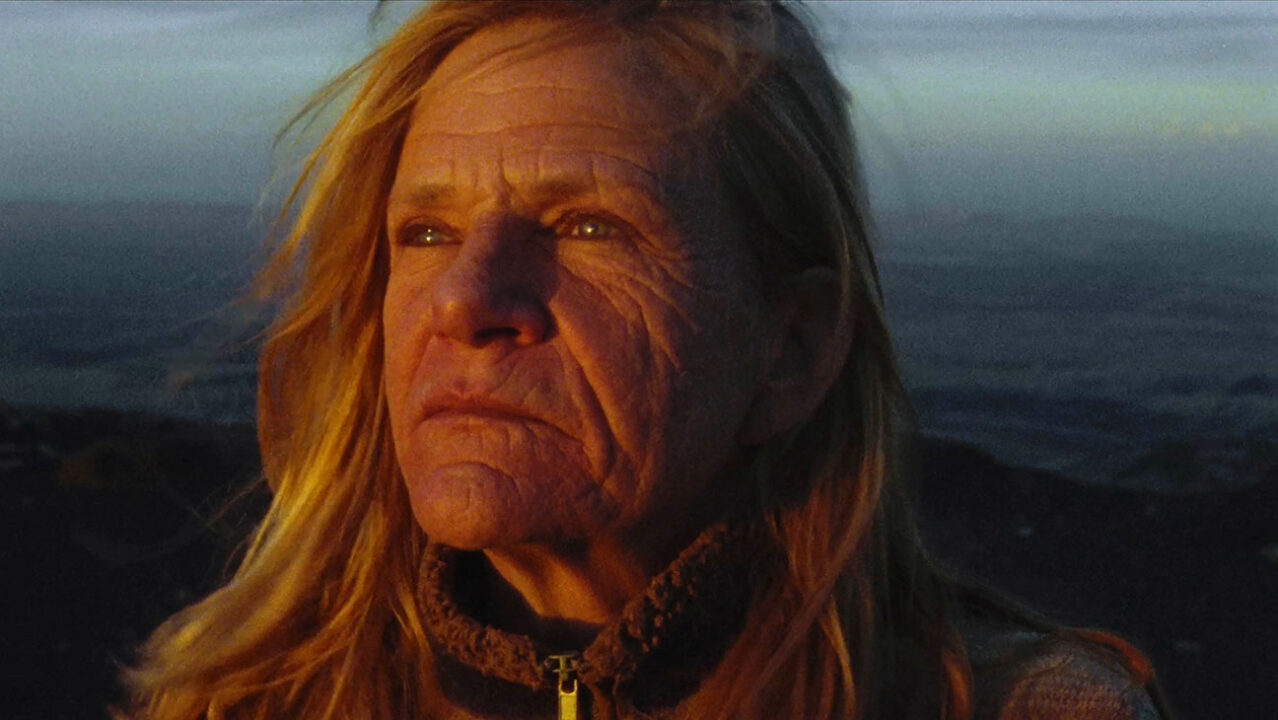
There's a difference between being alone and being lonely. The experience of being alone is a physical one and can be solved by calling a loved one or just sitting in a coffee shop, surrounded by strangers. However, the feeling of loneliness is one that hurts the deepest, usually leaving you to contemplate how you've found yourself in this situation. It's also true that you can feel both lonely and alone at the same time, perhaps the most isolating experience a human can endure. Writer/director Max Walker-Silverman points his lens at this human fragility in the beautifully meditative drama, A Love Song.
At first glance, the film's American West aesthetic and lone female protagonist echoes the 2021 Academy Award Best Picture winner Nomadland. It feels true that these stories could exist in the same timeline, but after absorbing everything the 81-minute runtime has to offer, A Love Song makes Nomadland feel hallow. A Love Song is absolutely incredible.
https://www.youtube.com/watch?v=TDIqS-p1hJs
Dale Dickey gives an unforgettable performance as Faye, a nomad and widower, who has been eagerly anticipating a visit from her childhood boyfriend Lito (Wes Studi). Living out of her camper van next to the lake, she spends her days listening to the sounds of the birds–identifying them by their distinct chirping–fishing for crawfish, and listening to country tunes on the radio. The sounds of nature soothe her mind, grounding her back to the earth when the thoughts of reconnecting with another person begin to feel overwhelming. Faye doesn't even speak until about 10 minutes into the film.
Lito, himself a widower as well, arrives at Faye's campsite and it's not long before their small talk and pleasantries turn into gentle reminiscing about the people they were when they first meet, many decades ago. They comment on how much everything – the environment and themselves included–has changed since they last saw each other.
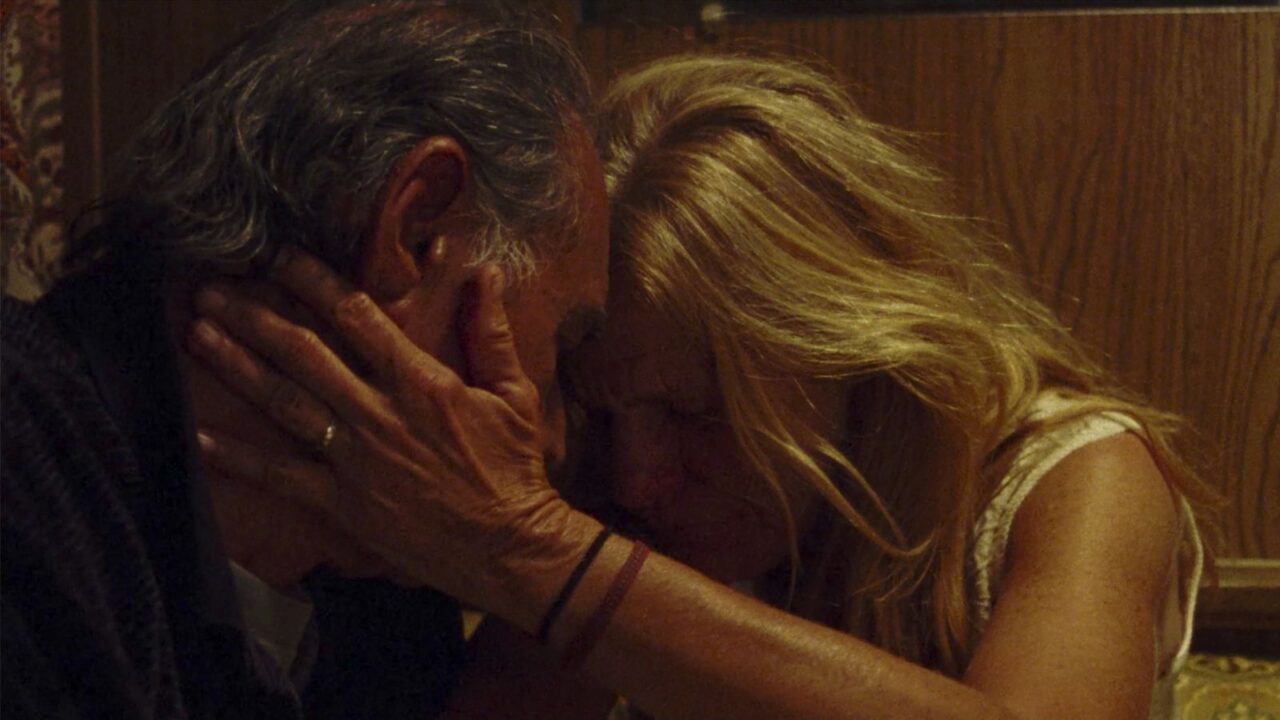
When you reach a certain age, you get to a point where you stop living for others and start living for yourself–authentically and honestly. At this stage in their lives, Faye and Lito have outgrown the need to impress and have adopted a "what you see is what you get" approach to life, which is quite refreshing to witness. It's honest, and pure, and leaves no room for regrets.
A Love Song is a bit misleading, though. Its title alone leads one to believe that this is a romance about two people falling (back) in love with each other, when in fact, that's not entirely true. Director Max Walker-Silverman crafts a love story about falling in love with yourself and your life, regardless of how unconventional and not according to plan you find yourself in any given moment.
Birthed from the film's natural purity is the sentiment that it's never too late to start living the life you want. A moment of happiness is more important than a lifetime of regret, so take the chance! Risk it all! Because as Faye so eloquently says, with this line that will haunt me for the rest of my life, "However long you get, that's long enough."
81 minutes.
'Living Wine' Gets to the Root of Organic Winemaking
Where to watch: Living Wine is releasing in theaters and watch now @ home virtual cinema on Friday, July 15, 2022
One of my favorite staycations is escaping to Temecula aka Southern California's wine country. The atmosphere, the ambiance, the chardonnay... it's hard to think of a better way to spend a long weekend. It never ceases to amaze me that the wine I'm drinking during those intimate tastings was once a small grape growing in a vineyard right outside the tasting room walls. The circle of life is really something beautiful. This sentiment–and sediment (sorry, wine joke)–is explored in the new documentary, Living Wine.
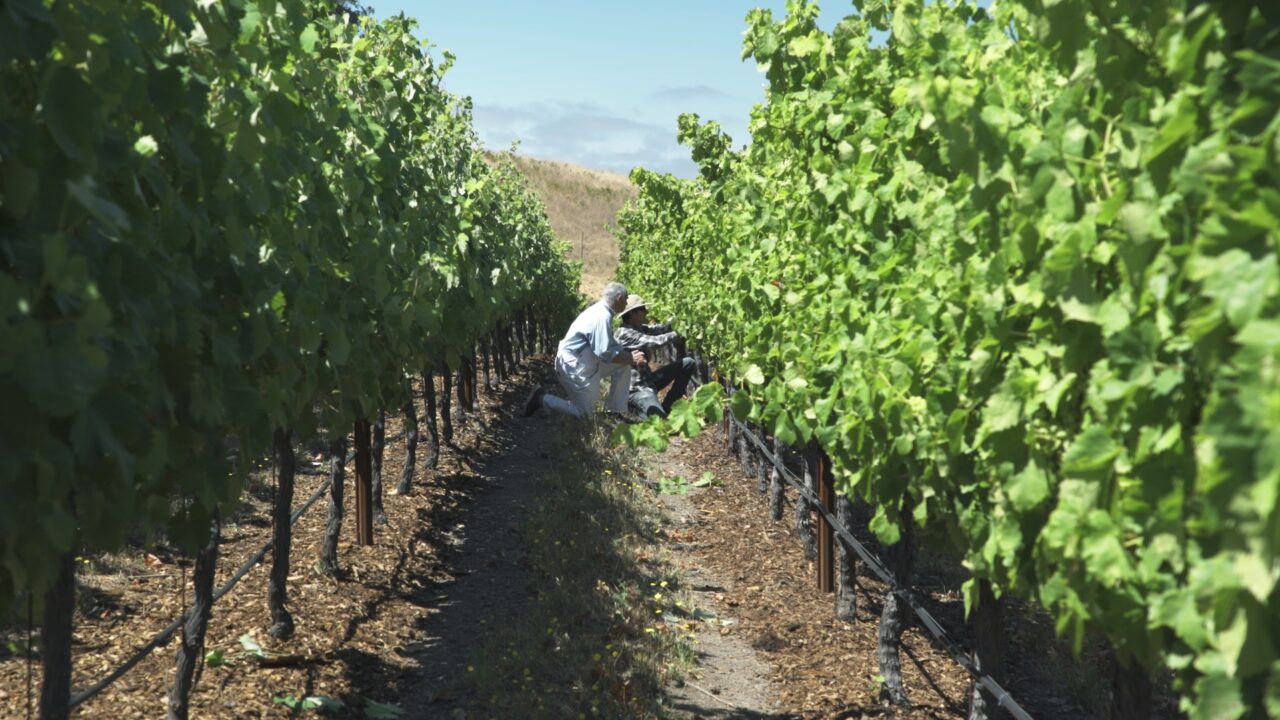
Living Wine, directed by novice filmmaker and wine enthusiast Lori Miller, is both an homage to the act of organic winemaking as well as an environmental documentary that highlights the risk our vineyards face today, including global warming, increasing wildfires, and unending drought. One thing that Miller wants to make clear is not all wine is created equal. Just because it grows in the ground doesn't mean it's organic. Calling on experience from winemakers Megan Bell of Margins Wine, Gideon Beinstock & Saron Rice of Clos Saron, Darek Trowbridge of Old World Winery and experts Elizabeth Candelario (Mad Agriculture) and Dr. Timothy LaSalle (Center for Regenerative Agriculture), Living Wine is an eye-opening journey into what it takes to go from vineyard to glass and everything in between.
The natural wine movement is about 20 years behind the natural food movement in terms of cultural awareness and accessibility. The subjects in the film passionately discuss their organic grape farming methods, which vary greatly from the methods of more conventional winemakers. Synthetic fertilizer and pesticide use are some of the biggest distinctions between what makes a wine conventional or organic. It's actually quite shocking to learn that less than 1% of the wine produced in California is all-natural, meaning that most of the wine we drink is full of additives and manipulation of flavors.
So the next time you're tempted to pick up a bottle of Decoy in grocery stores because you like the duck logo, remember that the little bit of extra effort it takes to acquire a bottle of natural wine is well worth the investment. The environment, your health, and your wine-drinking buddies will thank you.

Fire of Love
This review originally ran on January 21, 2022 during the Sundance Film Festival.
Where to Watch: Fire of Love is now playing at AMC Sunset 5
"This is Katia. This is Maurice... tomorrow will be their last day." Making its World Premiere in the U.S. Documentary competition at this year's Sundance Film Festival is Fire of Love, the incredible true story of a couple whose passion for chasing danger eventually caught up with them, but whose legacy made a lasting impact on their tight-knit community.
In an effort to show the world the strength and beauty of the misunderstood natural phenomena of volcanoes, wife and husband Katia and Maurice Krafft routinely put themselves in the path of danger. One day, they inadvertently found themselves caught in the middle of an unexpected volcanic eruption.
Although their love story ended too soon and their contribution to the scientific community feels incomplete, what they did leave behind is hundreds of hours of in-depth and deep archival footage, which director Sara Dosa weaves together fervently to create a sweeping portrait of two people passionately in love with science, nature, and each other.
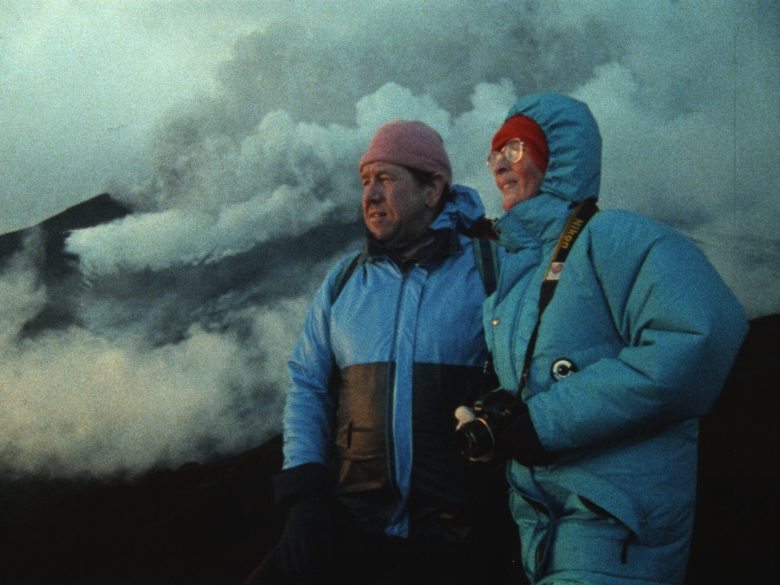
"Have you ever loved something so much, you would sacrifice your life for it?" We're left to contemplate this stirring hypothetical question as we're led through the vividly rich life of French scientists Katia and Maurice Krafft. Voiceover narration is provided by filmmaker and performance artist Miranda July, who so sensitively captures the couple's self-proclaimed "outsider" and "weirdo" personas. From their first meeting in 1966 to the very last image before their untimely death in 1991, the common thread throughout Fire of Love is the Krafft's commitment to curiosity and exploration, which overrode any sense of fear.
Katia and Maurice documented volcanoes from all over the world, capturing some of the most breathtaking images in the process. Dressed like extras from Wes Anderson's The Life Aquatic in light blue onesies and red beanies, Katia and Maurice are as goofy as they are brilliant, and were as close to soul mates as you can get (if you believe in that sort of thing). Their shared passion to educate the world on these natural wonders enabled life-saving research. It would prove to be bittersweet, as that same unwavering passion and fascination with danger ultimately led to their deaths.
In telling the Krafft's story, director Sara Dosa took inspiration from French new wave films with fun and light-hearted editing techniques (Dosa makes volcanoes and science fun!). Aesthetically, Fire of Love looks like it was pulled from a time capsule from the 70s with its retro fonts and text color, and it totally works.
If Katia and Maurice were alive today, I'd imagine they would be absolutely humbled by the attention this documentary will bring to their life's work. It encapsulates everything they sacrificed their lives for: an unfiltered look at the unmatched beauty of volcanoes and the mineral world, and how connecting with the earth can help us connect with each other, too.
93 minutes.
'Flux Gourmet' Serves a Wild, Off the Menu Culinary Experience
Where to watch: 'Flux Gourmet' is now playing at The Frida Cinema in Santa Anita and on-demand.
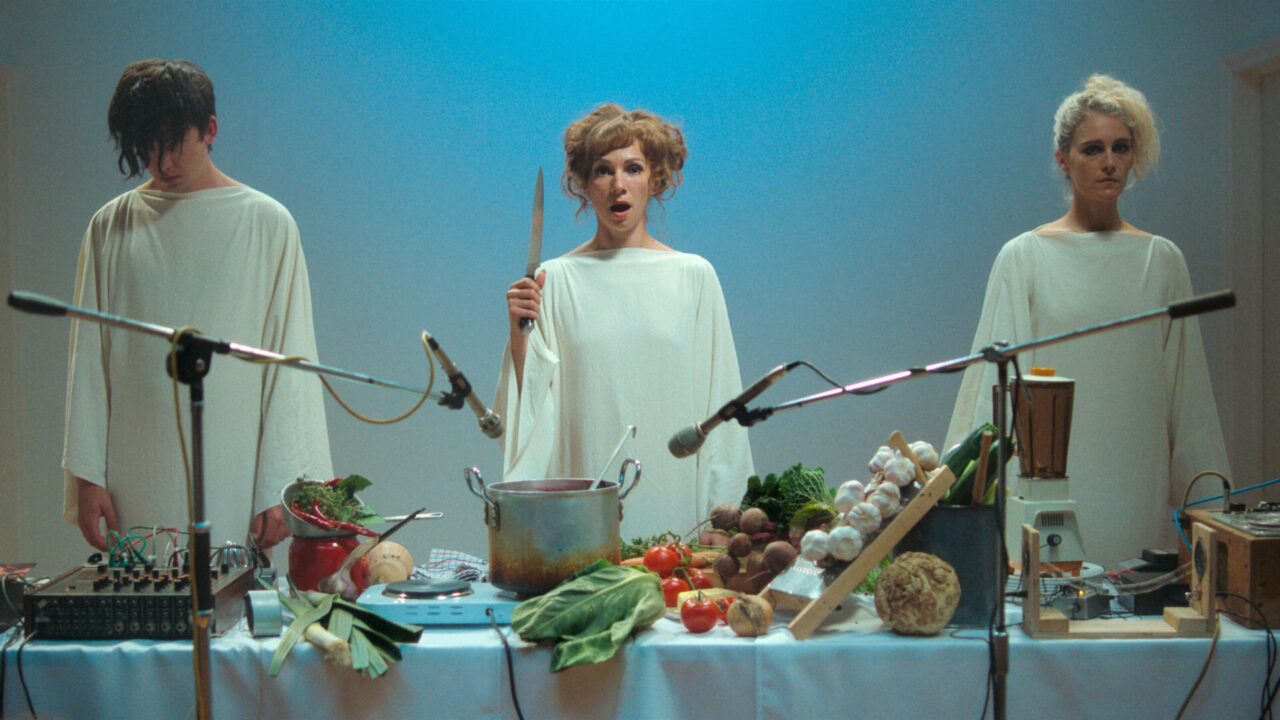
Director Peter Strickland likes to keep it weird. In his latest offering, Flux Gourmet, Strickland creates a devilishly obscure feast for both the eyes and ears. Keeping a comedic slow burn sizzling throughout its nearly 2-hour runtime, Flux Gourmet is singularly the most out-of-the-box, off the menu film I've seen this year.
Flux Gourmet tells the hilarious and horrifying story of one experimental culinary group's month-long residency at a secluded institute devoted to culinary arts, called the "Sonic Catering Institute." This isn't your typical culinary arts: this is unlike anything that exists in the real world. But in Strickland's world, culinary arts is a hybrid of performance art, experimental music, and live cooking demos. The sonic collective is made up of three artists: Elle di Elle (Fatma Mohamed), Billy Rubin (Asa Butterfield), and Lamina Propria (Ariane Labed). They are given the opportunity to experiment with and perfect their craft, which consists of creating new sounds like hooking up microphones to blenders and running them through synthesizers.
Their progress is overseen by the institute's head Jan Stevens (Gwendoline Christie), whose own insecurities with power dynamics leaks into the sonic collectives' tense relationship with each other. As tensions bubble within the immediate group, the institute's "dossierge," a man named Stones (Makis Papadimitriou), very candidly admits to the audience in VO that he is struggling to disguise his flatulence. Wrought with gastrointestinal problems, he laments in a stoic tone that holding in his farts has become a social nightmare. "The flatulence was relentless," he says in a hilariously poetic manner. "Why can one stomach be so free and another can't?" But Stone's internal pain sparks inspiration in one of the members of the collective, who convinces him to use his gas as an act in their culinary public performance.
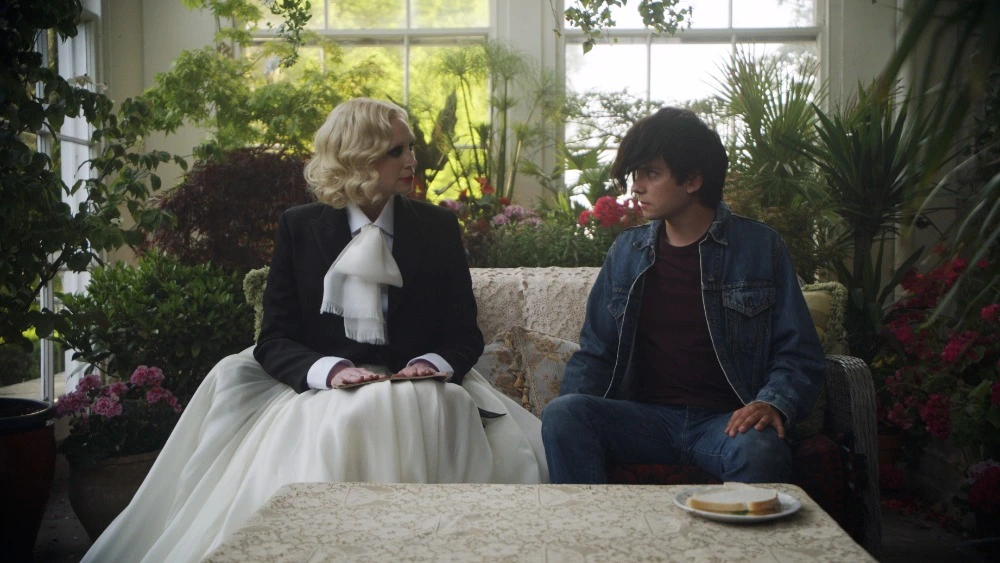
Bold, bonkers, and savagely confident, Flux Gourment feels like familiar territory when compared to his previous films, including In Fabric and The Duke of Burgundy. In addition to its striking production design and ASMR tendencies, the real strength comes from its entire ensemble cast (imagine if the Knives Out cast was even kookier). Here, every actor does a fantastic job of toeing the line between untrustworthy and sympathetic.
If NTS internet radio collaborated with everyone's favorite guilty pleasure "Master Chef," the end result would be something very similar to Flux Gourmet. Satisfying in storyline and visual aesthetic, Flux Gourmet is quite a treat for the arthouse enthusiast.
1h 51m.
'Apples': It's Man Versus Memory in This Greek Weird Wave Comedy
Where to watch: Apples is now playing in select Laemmle Theaters.
One of my favorite film genres is Greek Weird Wave. Think Dogtooth, Attenberg, and Boy Eating the Bird's Food. Christos Nikou's directorial debut is an enjoyably familiar yet excitingly unique story that slots perfectly into this niche canon. It's darkly humorous; a dry and poignant study of how memories shape identity and what happens when we lose it all.
Our protagonist is Aris (Aris Servetalis), a middle-aged man who has been hit with amnesia. Amnesic spells have been spreading all across Greece, much like a pandemic, with those infected being sent to a hospital/rehab hybrid in order to either get claimed by family members or start over and rebuild a new identity.
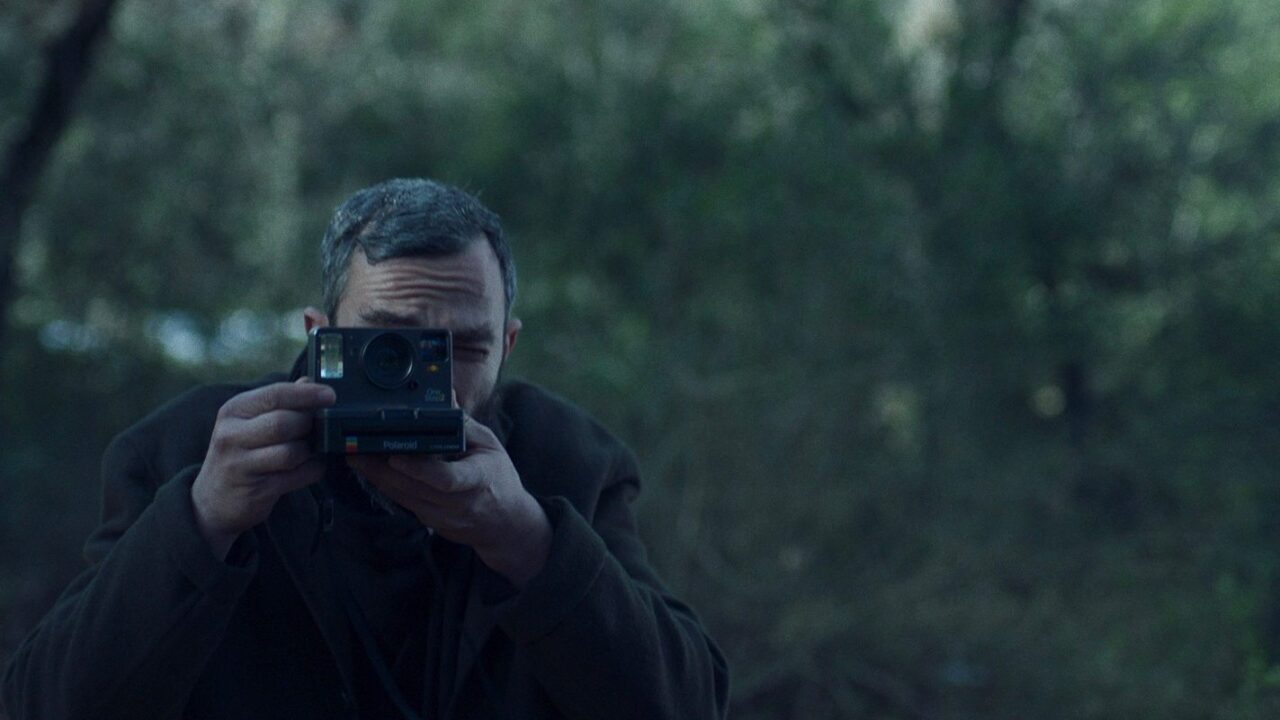
When days pass and no one comes to claim Aris, he enters the facility's "Learning How to Live" program. This program, led by two scientists–one of whom bears a striking resemblance to Colin Farrell in The Killing of a Sacred Deer– puts Aris through various memory tests and challenges, like riding a bike and going to the movies, which he is instructed to photograph as proof of completion. Aris is determined to live an everyday life again, and undergoes the tasks with relative ease. He meets a woman (Sofia Georgovasili) in the same identification program as himself during one of his outings and there seems to be a spark, simultaneously Aris's memory becomes slightly less hazy. But is this the result of his new relationship, or his heavy diet of apples?
Following in the footsteps of Greek auteurs like Yorgos Lanthimos and Athina Rachel Tsangari, Christos Nikou's sense of direction further propels the genre of "Weird Wave" forward. If you're a fan of obscure comedy, 4:3 aspect ratios, and unconventional narratives that are far from mundane, then Apples is for you.

'Marcel the Shell with Shoes On' Gives Us More of a Good Thing
Where to watch: Marcel the Shell with Shoes On opens at AMC theaters this Friday, June 24th.
In 2010, a then amateur filmmaker named Dean Fleischer-Camp uploaded a nearly three-and-a-half-minute short film called "MARCEL THE SHELL WITH SHOES ON" to YouTube. In it, a young, enthusiastic mollusk named Marcel talks to a man behind the camera (voiced by Fleischer-Camp) and invites him into his small, unique little world. Marcel shared his secret to the perfect skis (men's toenails) and what he does for fun (hang glide on a Dorito). The video quickly went viral and has racked up over 32 million views as of today. It's obvious that the people love Marcel, but as the new feature film hits theaters, the biggest question is: did we need a feature-length version of Marcel's saga as a shell?
To cut to the point: no. However, what Fleischer-Camp gives in this extended runtime of 89 minutes is more charming backstory to Marcel's life. Since the short film premiered 12 years ago, we learn that Marcel–impeccably voiced by Jenny Slate–was accidentally separated from his family in a hurried packing job by tenants of the house where they all lived. This has resulted in a pretty lonely existence in an empty house. The only family member left with Marcel is his grandmother, Nana Connie (voiced by Isabella Rossellini), who enjoys simple pleasures like gardening and watching 60 Minutes with Lesley Stahl. Another thing to note, Nana Connie was born in the garage and traveled by coat pocket all the way to the house, hence her foreign accent.
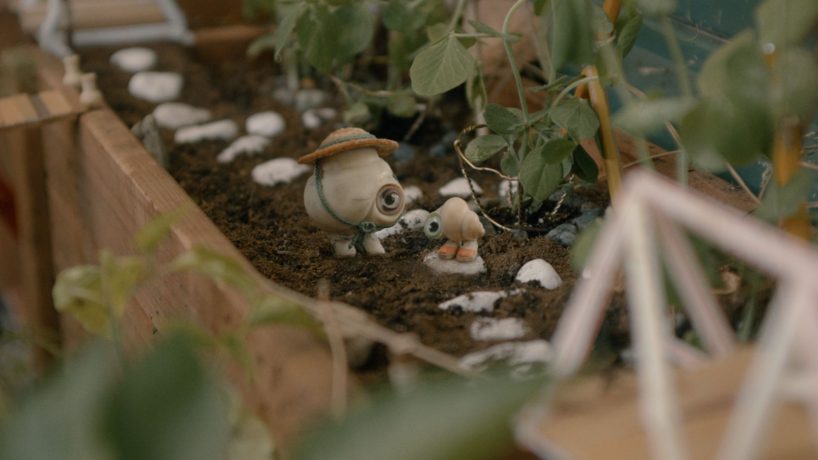
The hybrid of stop-motion/live-action is more finessed in the feature, bringing Marcel to life in a way that we've never seen before. Acknowledgment for the seamlessness of the visuals should be credited in large part to Animation Director Kirsten Lepore, whose own history of viral moments is plentiful. This, combined with the spontaneous, naturalistic approach of a real documentary, makes Marcel the Shell with Shoes On an enjoyable way to spend an hour and a half. It's really just more of a good thing.
Some jokes are recycled from the short (including the goof introduction as "Mar-shell" and the piece of lint portraying his pet dog named Alan) but there are plenty more relevant one-liners that gave way to multiple laugh-out-loud moments as well as introspective, serious ones. Marcel's relationship with his grandmother is the pinnacle of the film's emotional depth, their bond will lead you to think about the people in your life who you hold near and dear.
The music in the film is also worth highlighting. Composer Rich Vreeland aka Disasterpeace creates delicate, charming moments (in stark contrast to his other films, including A24's upcoming Bodies, Bodies, Bodies). More kudos go to music supervisor Joe Rudge (Hereditary, Blue Valentine) for including a handful of songs from one of my favorite artists, Hiroshi Yoshimura.
Marcel the Shell with Shoes On is lighthearted entertainment that aims to please. Fans of the short will get so much enjoyment out of Marcel's charming antics and chipper outlook on life and so it's hard to say that this film shouldn't exist at all. Sure, it's not the most necessary of films to hit theaters this year, but anything that brings a smile to your face is a film worth supporting.
Tribeca: 'My Love Affair With Marriage' Is a Cheeky Look at Womanhood
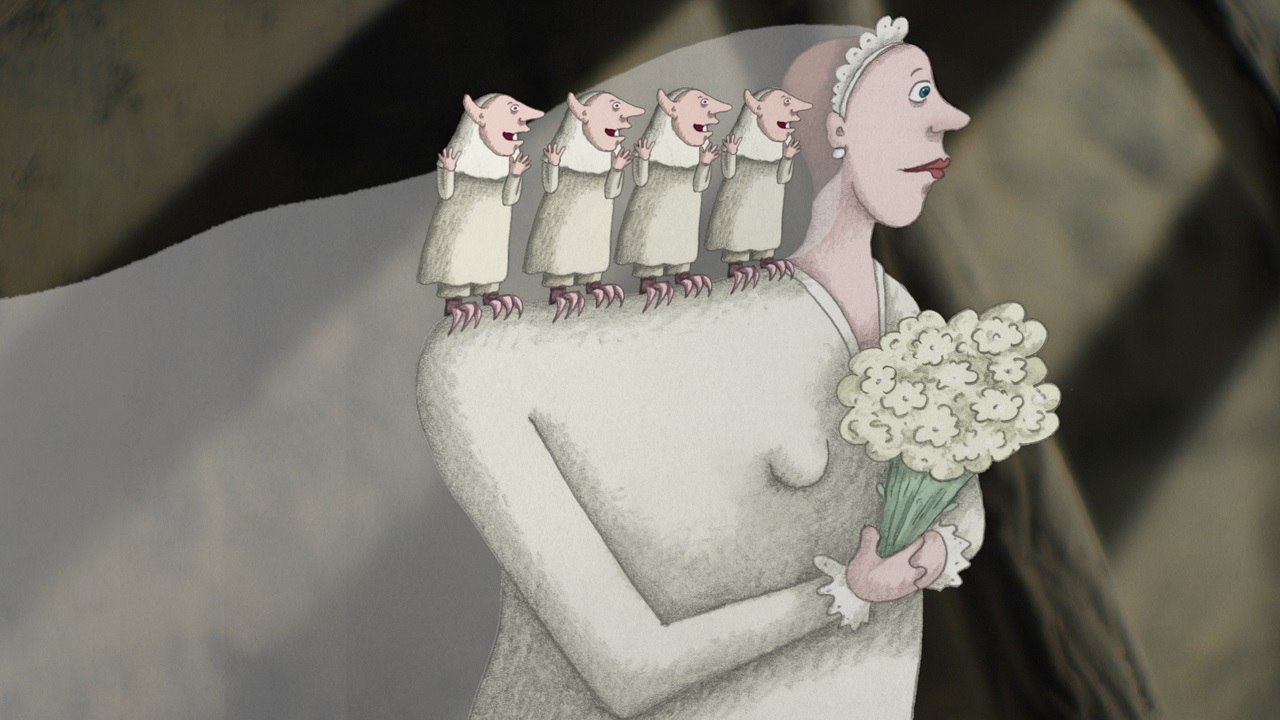
Animator Signe Baumane's mixed-media documentary My Love Affair With Marriage is as cheeky as its title suggests. Telling the story of womanhood through musical numbers and neurochemistry, this Latvian film is both a fun and unflinching look at the journey from adolescence to adulthood.
My Love Affair With Marriage is broken up into three chapters: inception, implementation, and reconsideration. Drawn in a style similar to one of my favorite books as a kid (Strega Nona), the film tells the story of Zelma as she figures out what it means to be a woman and come of age surrounded by unspoken gender rules and conformities.
A Greek choir of Latvian women acts as the devils on her shoulder as they farcically sing musical numbers like "Not a complete person without your soulmate" or "Ignorance is a girl's bliss." The older Zelma gets, the more she is confronted with the reality of being a woman. From period stains on her bed sheets to failed marriages, Zelma's journey comes with many bumps in the road.
To articulate why Zelma acts the way she does (biologically speaking), Signe Baumane incorporates "School House Rock" style education through animation. Throughout the film, we're given a detailed diagram that explains what parts of her brain are controlling her decisions, which body parts are activated during puberty, and more. Acting as a semi-autobiographical musical exploration of love, sex, romance, gender–and yes, the complications of marriage–My Love Affair With Marriage is a sophisticated cartoon that all grown-ups can enjoy.

Tribeca: In 'TÍU,' Of Monsters and Men Celebrate 10 Years Together
Ten years ago, there wasn't a day that you could turn on the radio and not hear the Icelandic indie folk/pop-rock band Of Monsters and Men's catchy pop hit, "Little Talks." It was an earworm that catapulted them to worldwide stardom. It was even featured as a playable song in Guitar Hero and Rock Band (every musician's dream, right)? Since the release of their debut (and arguably their most popular) album, 'My Head is an Animal,' Of Monsters and Men released two additional records, which contributed to their achievement of hitting one billion streams on Spotify (becoming the first Icelandic band to do so). It's been 10 years since "Little Talks," and Of Monsters and Men's iconic debut album shook up the pop culture zeitgeist, and they're looking back at their success with gratitude and nostalgia. Director Dean DeBlois captures this very special moment in time in the 48-minute short documentary, TÍU.
Set in the band's home country of Iceland, TÍU - which means "ten" in Icelandic – is a picturesque portrait set to the whimsicalness of the group's music. Following in the same format as Sigur Rós: Heima (which was also directed by DeBlois) the documentary follows Of Monsters and Men on a locals-only tour around Iceland to places that are special to them. Here, they perform "new" old songs–or, songs written before 'My Head is an Animal' dropped, but didn't make it onto the record. We watch as the group–comprised of Nanna Bryndís Hilmarsdóttir, Ragnar Þórhallsson, Brynjar Leifsson, Kristján Páll Kristjánsson, and Arnar Rósenkranz Hilmarsson–reminisce about the early days of the band and where they hope to be 10 years from now.
Throughout the various locations, we gain more insight behind the meanings of the songs. "Embrace the cuteness" is a phrase often repeated amongst themselves, with the band acknowledging they have a charming aesthetic working in their favor. Fans of Of Monsters and Men will enjoy this insider access to a group that's been predominately private. TÍU is a beautiful celebration of uplifting music, stunning landscapes, and extraordinary artists.
'Cha Cha Real Smooth': Cooper Raiff's Cha Cha Charming Comedy
Our ‘Cha Cha Real Smooth’ review was first published as part of our Sundance Film Festival 2022 coverage.
Where to watch: Now playing in select theaters and on Apple TV+ today, June 17, 2022.
Renaissance man Cooper Raiff once again proves that he can do it all–and do it all well, too. The writer-director-producer-actor's follow-up to the breakout indie hit of 2020, Shithouse, is another low-key, high reward coming-of-age comedy that effortlessly ticks every box for what makes the perfect independent film. Cha Cha Real Smooth is the total package.
Raiff plays Andrew, a 22-year-old post-college graduate who, like most young adults these days, moves back in with his parents to regroup before joining the real world. And, like most grads, Andrew feels lost. His relationship with his college sweetheart gets complicated when she moves out of the country for an extended period of time. His job prospects include working the counter at Hot Dog on a Stick rival, "Meat Sticks," and he's sharing a bedroom with his younger brother. Things could be better. But Andrew does find joy in the most unexpected of places when he chaperoned his brother at a teenage bat mitzvah.
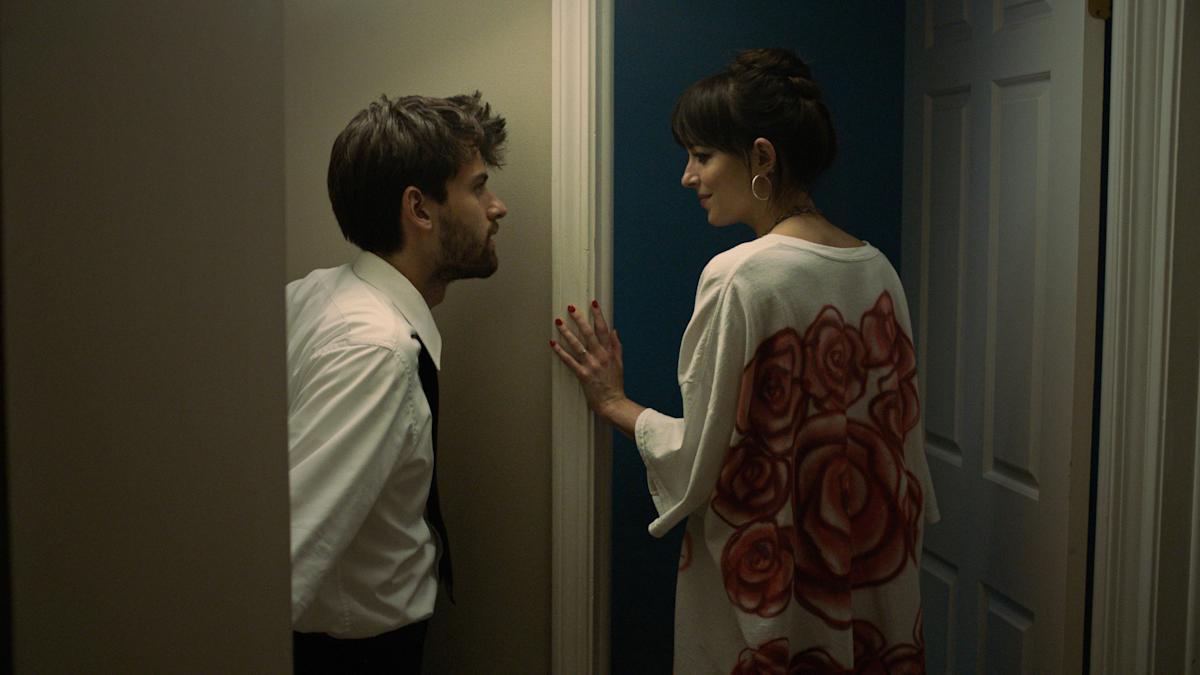
Andrew has an uncanny knack for turning any situation into a fun and lively experience. He embodies the "dance like no one's watching" attitude and revels in removing the inherent awkwardness that comes with preteen slow dancing. His enthusiasm and all-around good nature are such a draw that parents begin hiring him to be a designated party orchestrater at their children's events. Calling himself the "Jig Conductor," Andrew starts to think that maybe this humble, small-town role could be his future. Especially as he becomes infatuated with local young mother Domino (Dakota Johnson), and her autistic daughter Lola (Vanessa Burghardt)–whose names may or may not be inspired by the Kirke sisters.
This is the point in the film when Cha Cha Real Smooth evolves from coming-of-age comedy to relationship drama. Andrew is drawn to Domino's sweet soft voice, fiery spirit, and independent attitude; and like a moth to a flame, Domino can't resist Andrew's genuine charm and authenticity. The bond they create is undeniable, it's a connection that is rare for both of them. Andrew even likens her to a soul mate. That's why he is quietly devastated when Domino admits that she has a fiancée, and the relationship she's building with Andrew can't go past the friend stage.
https://www.youtube.com/watch?v=F3XyUmlRAnk&feature=emb_title
He doesn't want to lose her, and so he sticks around in whatever capacity she will have him. Domino is gentle with his vulnerable heart, and their mutual maturity allows them to write their own unconventional, platonic love story. After all, the role a soul mate plays in your life doesn't have to be romantic. A soul mate can spark personal growth and inspiration–and there's no denying that Andrew and Domino are better people for having met each other at that bat mitzvah.
Cha Cha Real Smooth is cha cha charming from start to finish. Cooper Raiff wears his heart on his sleeve and has made a feel-good movie about good people that just screams good from top to bottom. Little nuggets of wisdom about growing up are sprinkled in throughout the film, like reminding us that things that scare you are the things that will help you grow the most. Despite only being 24-years-old, I will gladly accept life advice from his films.
Behind the scenes, Cha Cha Real Smooth will make you want to throw your own party, thanks to the incredible soundtrack curated by music supervisor Rob Lowrey. Dancefloor favorites like The Show Goes On by Lupe Fiasco to Big Red Machine's swelling Forest Green are an emotional rollercoaster that we want to ride. The film is further supported by a pitch-perfect score from 1/3 of the Haim sisters, Este Haim, and Chris Stracey (worth noting that this is their film debut).
Equally sweet and endearing, Cha Cha Real Smooth is a joy to watch. Raiff's star is only getting brighter. And he deserves it.
107 minutes.
'Santos - Skin to Skin' Celebrates a Latin Jazz Artist and Afro-Caribbean Music
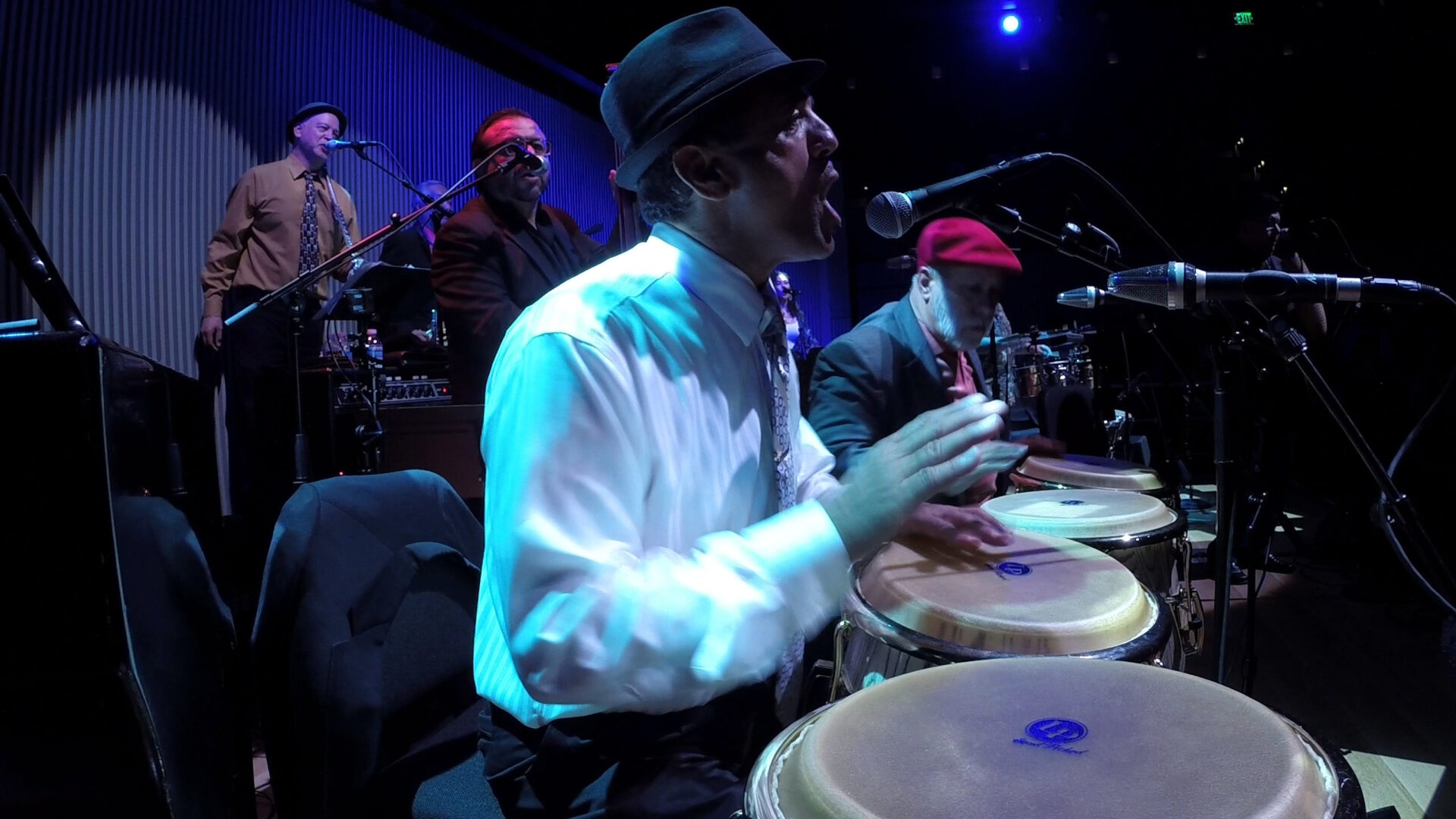
John Santos is a celebrated Latin Jazz musician, band leader, seven-time Grammy nominee, and one of the directors of the San Francisco Jazz Center. Beyond being a highly accomplished musician, he's also an academic and community and political activist who uses Afro-Latin music to educate others about his heritage and the genre's historical roots. In the lively and music-filled documentary Santos - Skin to Skin, we learn all about John Santos and his lifelong dedication to championing and celebrating music.
Sitting for the camera, as well as being followed through various parts of his life (handheld cameras allow us to follow him everywhere), Santos shares his story directly with us. As soon as he speaks–in a soft but spiritually grounded voice–you can feel his inner warmth and wisdom come through. It's amazing to hear the way John talks about music as well as life, making the connection that when he plays, he "awakens the ancestors."
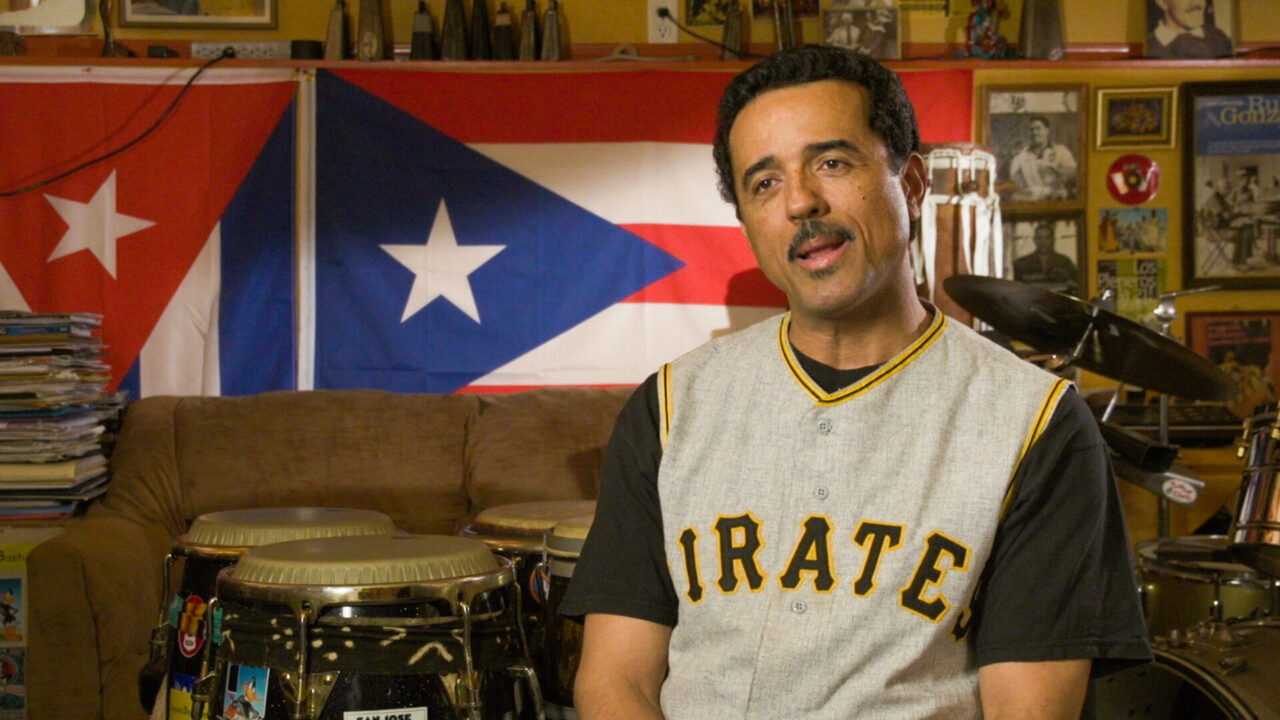
A native of Oakland, California, Santos grew up in the progressive lifestyle that the 1960s San Francisco offered, inclusive of the many races and sexual orientations that lived within his community. That, along with the legendary rock acts that rose to fame in the area (among them Janis Joplin, Jimi Hendrix, and Carlos Santana) inspired John to pursue music and art and love, learning to play the congas and timbales (even playing in Santana's band for a short stretch).
But Santos wasn't drawn towards pursuing classic rock stardom and fame. Instead, as Santos - Skin to Skin shows, he followed his curiosity of learning more about his people's musical roots: Afro-Cuban and Afro-Caribbean music. He learned about the music's connection to its peoples' history, and specifically its connection to Colonial history. Specifically, drumming–the instrument he was drawn towards–was an expression of the pain felt from oppression, slavery, and injustice.
It's powerful to hear the connection that John makes between the two types of "skin" in music: both the human body and the impact of its various skin colors, as well as the material that wraps drums. When conga players hit these drums with their hands, a beautiful and direct connection between skins occurs. Conga players channel the struggle and fight that the ancestors lived through, and are being expressed today to new audiences.
This deeply felt connection is what formed Santos not just as a musician, but also as an activist. In concerts and in classrooms, he talks about conflicts that exist in so many societies, even within the Afro-Latin music world amongst LatinX and African American groups. As Santos says, "The drums and rhythms are a beautiful blend that shows how music can unite people."

Santos' life sounds like one of pure musical magic, but we also learn about the personal pains that he endured too. We learn about the death of his young daughter at one-month-old. As his wife shares, Santos transferred his grief into music, seeking out folklore and his ancestors to better understand the relationship between life and death. It's a touching sentiment that he imparted onto his family, including a young son and daughter.
Besides learning about art, spirituality, and philosophy that Santos shares, what makes Santos - Skin to Skin such a rewarding movie is that it celebrates a figure who has done so much for the community and world without looking for personal recognition. Santos is candid in saying that his decision to forgo commercial aspirations so as to champion political issues has also left him with lesser fame and financial success. A scene of him and his family packaging up CDs into letters to send out to various press outlets reveals that he is also the person who promotes the music of his people, having devoted thousands of hours in his career to keep the Afro-Caribbean flame alive.
Santos - Skin to Skin is a celebratory portrait of John Santos, whose role in playing music is as important as his documenting it. It's how we learn "who we are," and "the basics about life." This portrait and music documentary is sure to inspire you to learn more about international music, or at the very least, to get up and dance.
75 minutes.