
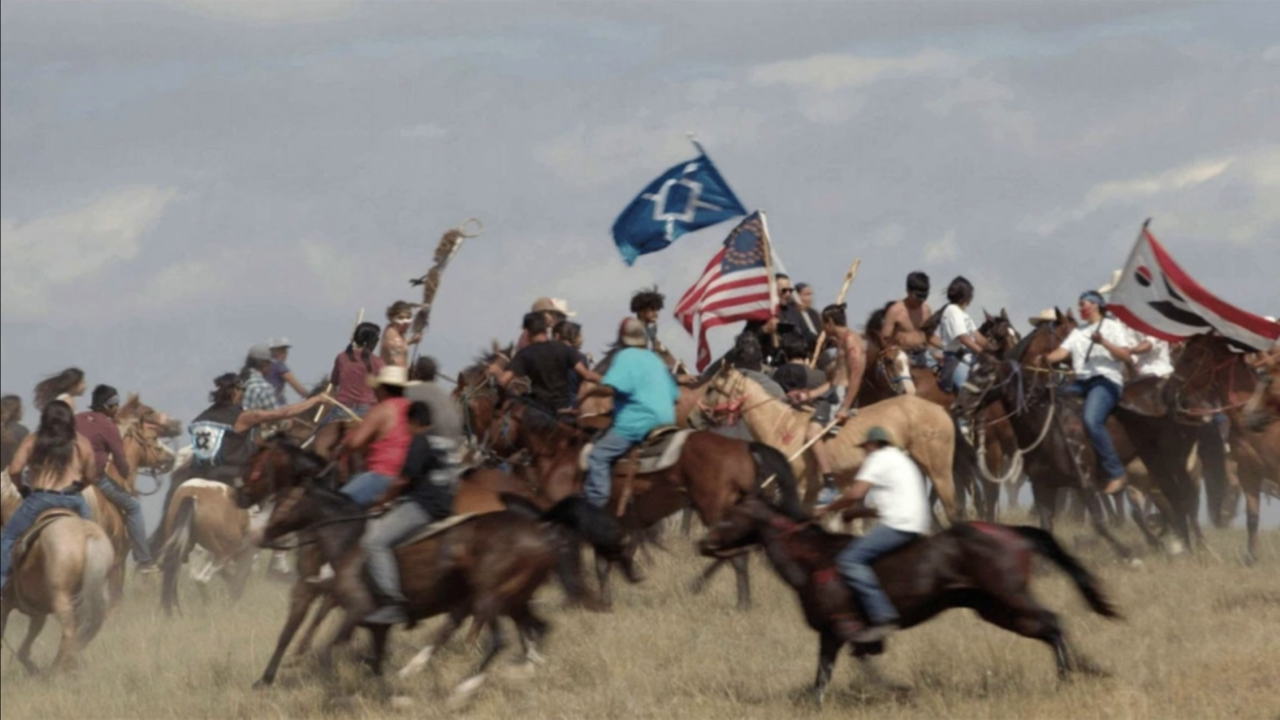
Lakota Nation vs. The United States
The Black Hills are a magnificent natural wonder that tower over the grasslands of Keystone, South Dakota. Many nationals and tourists alike make the pilgrimage to this remote area to admire one of the country's most notable monuments: Mount Rushmore. To many, the faces of Theodore Roosevelt, Abraham Lincoln, Thomas Jefferson, and George Washington etched into the mountainside stand as a symbol of freedom, opportunity, and the American Dream. For the Lakota people, however, it serves as a constant reminder of colonialism, genocide, and broken promises.
In filmmakers Jesse Short Bull and Laura Tomaselli’s timely documentary, Lakota Nation vs. The United States, new light is shed on the Lakota people’s fight to regain their sacred land and live in peace once again. Using stunning archival footage from some of America’s earliest days, we bear witness to what led to the unconstitutional takeover of the Black Hills, and gain a deeper understanding of how unfairly the government continues to treat the first inhabitants of the United States of America.
While some of what is discussed throughout the film will sound familiar from textbooks, seeing it brought to life through visuals is even more disheartening. The U.S. has dehumanized Native Americans since the first European settlers arrived in 1492, and this sentiment carried over into the early days of the entertainment business. Characterizing “Indians” in cartoons and films like The Searchers, Peter Pan, and countless others, continued to demonstrate the way Hollywood tropes made a mockery of their existence and importance to this country. In the early 1800s, government officials reneged on a treaty that guaranteed Native Americans land ownership and colonized it for themselves. Over the next hundred years, treaties were constantly drafted yet violated almost immediately.
Lakota Nation vs. The United States is built upon powerful interviews with descendants of the Lakota people who share their ancestors’ struggles through stories that have been passed down from generations. It is a sensitive matter handled with the utmost respect by the filmmakers, including co-director Jesse Short Bull whose own great-great-grandfather, Tatanka Ptchela (Short Bull), was an active witness to the conflict between the two nations in the mid and late nineteenth century. Expertly composed shots by cinematographer Kevin Phillips show the depths of beauty and magic within these sweeping landscapes. Composer Raven Chacon – the first Native American to win a Pulitzer Prize for Music – lends a quietly stirring score that amplifies the sacredness of the subject matter.
"Land is Life” for the Sioux Nation, and this is a powerful testament that is repeated by many throughout the film. Without land, there is no identity. Lakota Nation vs. The United States wasn’t made with the intent to start another conflict with the government. Instead, the filmmakers hope that through respect and recognition of wrongdoings, the future of the Black Hills will one day be returned. As of today, the Lakota people continue to push for rights to their ancestral land.
Distributed by IFC Films. Opening at Laemmle Royal on Friday, July 21st.

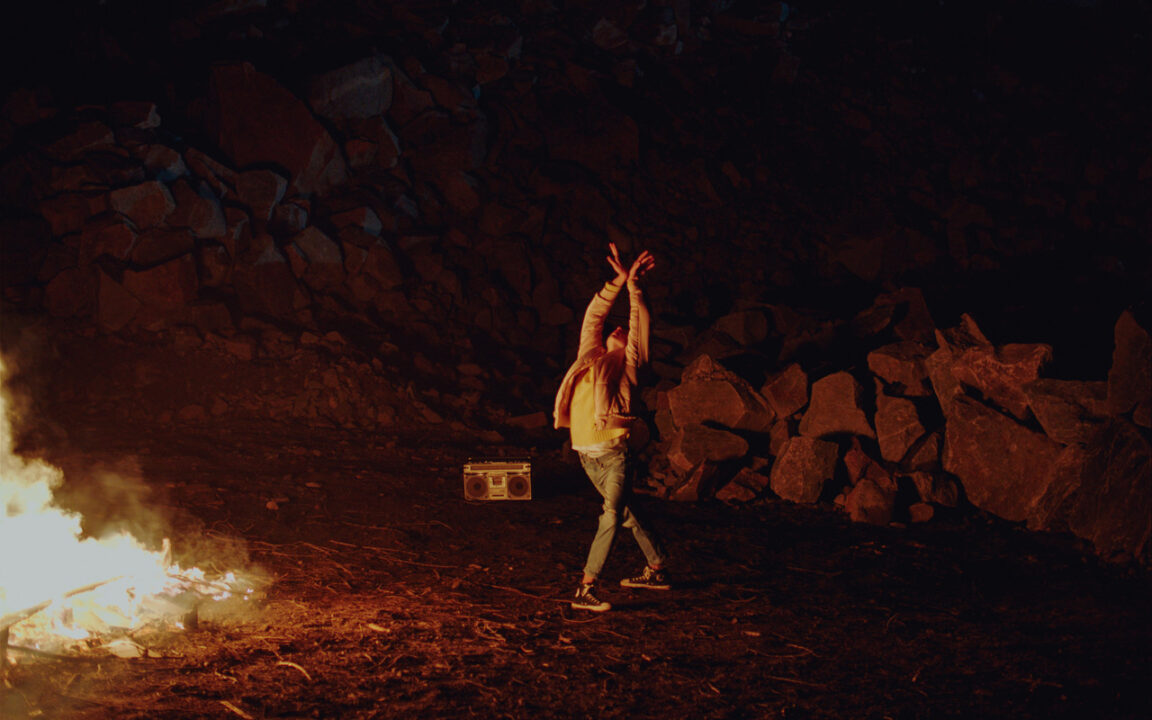
It Is In Us All
Writer/Director Antonia Campbell-Hughes's own nomadic upbringing serves as inspiration for the hero's journey in her feature film debut, It Is In Us All. Throughout this thrilling LGBTQ+ drama, Campbell-Hughes explores themes of belonging and identity, tangled up in secrecy.
The heavy fog has rolled in by the time Hamish (Cosmo Jarvis) arrives in the small Irish town of Donegal. The Londoner, whose suave appearance immediately stands out amongst the working class community, has arrived from the city to inspect a farmhouse that he received as part of an inheritance from his aunt who recently passed. Hamish didn't know her well and as a result, lacks emotional ties to the property. He has every intention of selling and returning to London quickly. As he makes his way to the house later that night, Hamish crashes head-on into a driver speeding from the opposite direction, catapulting his vehicle down the hill and leaving him for dead.
Hamish wakes in a hospital, narrowly escaping serious injuries. Unfortunately, the same can't be said for the passengers of the other vehicle. A 15-year-old boy died and his passenger, 17-year-old Evan (Rhys Mannion), sustained minor injuries. Being that Donegal is a small town, it doesn't take long for Hamish to cross paths with Evan once he is discharged. Contrary to the expected, Evan seems keen to start a friendship with Hamish. Adding to Hamish's confusion are the unexpected feelings of attachment to his aunt's property that he has developed. Feelings of legacy, belonging, and identity creep in, and what initially seemed like an easy decision has now been muddied with emotional complexity. Hamish decides to ignore his instinct and befriend the boy, as well as dive deeper into his own family history in Donegal. Conflict is never far from the surface as Hamish begins to feel the repercussions from these decisions, and is ultimately faced with gut-wrenching revelations that could impact the course of his life.
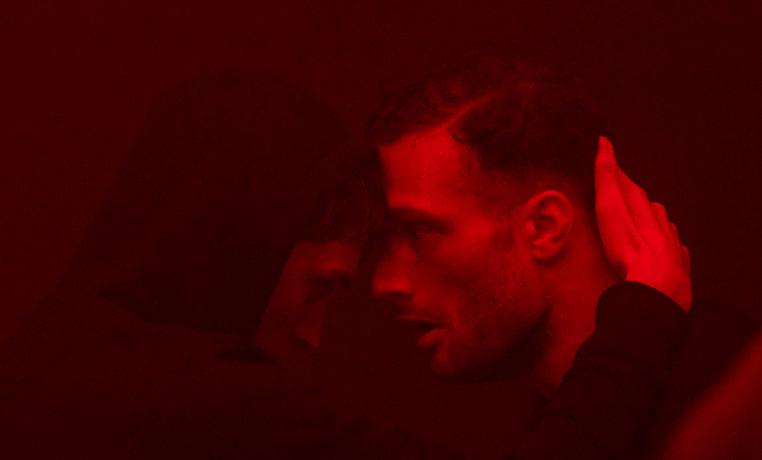
It Is In Us All hinges on the demanding physical performances of its lead and supporting actors, both exuding total trust and confidence in director Antonia Campbell-Hughes's vision. Cosmo Jarvis embodies a "Tom Hardy in Locke" sense of awareness, where his grit and quiet demeanor are tightly packaged until he is pushed to the brink and explodes with such brute force. Compositionally, the film is gorgeous. Cinematographer Piers McGrail's beautiful wide shots look reminiscent of The Banshees in Inisherin at some moments – the idyllic rolling meadows and stormy oceans create a stunning juxtaposition of vulnerable characters navigating extreme terrain. The sweeping score by Tom Furse is robust for such an intimate film, but it sounds lovely nevertheless.
In 2022, the film made its World Premiere at SXSW and won the Special Jury Award for Best Narrative Feature. It Is In Us All won the Best Cinematography award at the 2023 Irish Film and Television Awards, as well as a BIFA nomination for Cosmo Jarvis for Best Lead Performance. At its core, It Is In Us All is a story about facing harsh truths. It has a dark and moody tone that is accelerated by strong, full-bodied performances from all involved. It's quite a feat for Antonia Campbell-Hughes, her visual style is full of clarity and confidence as if she has been making films for decades – hers is a name to keep on your radar.
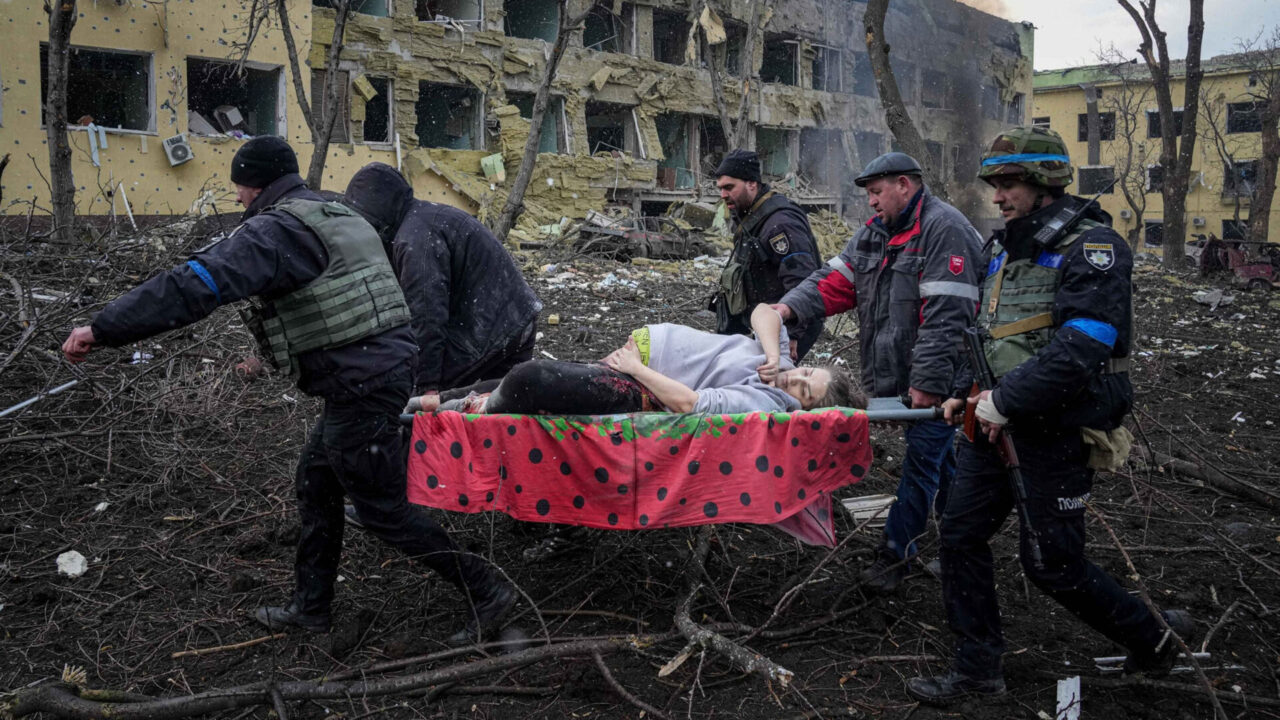
20 Days in Mariupol
A good documentary brings the viewer into a previously unknown world, introducing them to the subjects and situations from an unbiased point of view. At times, this intimate experience can prove to be a challenging watch, especially when human lives, including the filmmaker's, are at stake. 20 Days in Mariupol is a brutal and sobering time capsule of the early days of Russia's invasion of Mariupol, Ukraine's Eastern port city.
Bringing this story to the world is Pulitzer Prize-winning AP journalist and Ukrainian filmmaker Mstyslav Chernov, who is credited as the documentary's director, writer, and cinematographer. Immediately, we are transported to a ramshackle apartment building, with Russian tanks etched with the letter "Z" (signaling war) slowly encroaching into this previously quiet neighborhood. What follows is devastation of the highest degree: civilians are shot, the local hospital is under siege, and the harrowing realization that safety is fleeting.
Wearing a press badge as if it was a bulletproof vest, AP reporter Mstyslav Chernov uses a handheld camera to capture all of the events that unfold in Mariupol over the three weeks he is there. The footage he gets from being on the ground is directly sent to news outlets around the world, that is, when Russia doesn't revoke internet access and make communication with the outside world impossible. The footage from Mariupol you saw on CNN, BBC, ABC, FOX, and more was captured by Chernov.
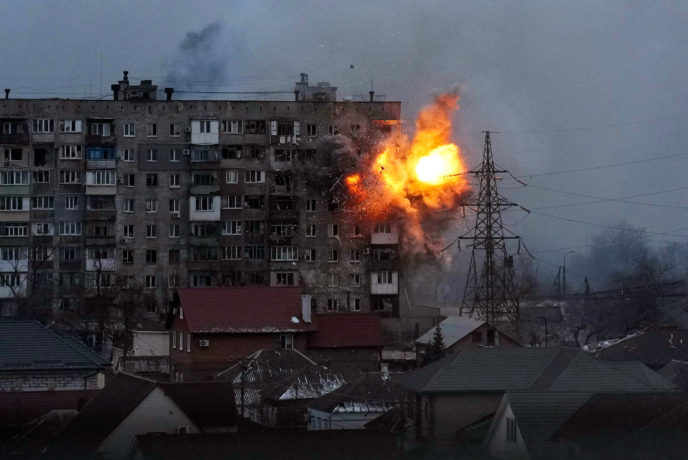
Throughout all of the chaos, Ukrainians are glad to have Chernov on site to show international news outlets the horrific nature of the war and Russia's consistent killing of civilians. Chernov's presence is invaluable, as he captures doctors frantically performing CPR on a four-year-old child who's clearly dying, a father weeping over his sixteen-year-old son's bloody body, his face so close that there's a transfer of blood on his forehead, and devastated doctors crying underneath their N95 masks. "This is painful to watch, but it must be painful to watch," says one Ukrainian police officer. This is the reality of life in Mariupol.
The filmmaking team could only withstand 20 days in the war-torn city before making a desperate decision to escape. It's horrifying to discover that the war continued for another 60+ days after the AP reporters' departure. What more destruction could Russian troops have possibly inflicted on this already depleted working-class town? One statistic displayed at the end of the film paints a stark picture of the community's fate – a confirmed 25,000 people perished, with the actual number believed to be much higher.
20 Days in Mariupol feels unlike other documentaries in that it comes across as a true "journalists' documentary". Non-fussy title cards in Helvetica font display the necessary information; given that this is a PBS Distribution, and a FRONTLINE | PBS and The Associated Press-produced film, the intellectual tone that resonates with their online profiles rings true here. The score by Jordan Dykstra is very tense and often times it can be mistaken for wailing emergency alarms.
Haunting in the most extreme of ways, 20 Days in Mariupol also signifies the resilience of the community. The doctors, first responders, military, reporters, and citizens who open up their homes to strangers, all work together to keep any semblance of optimism alive. Mstyslav Chernov and all involved in helping tell this story should be lauded for their heroism and dedication to revealing one of the most important events in history.
Distributed by PBS Distribution. Opening at Film Forum in New York on Friday, 7/14, at Laemmle Monica in Los Angeles and Roxie Theater in San Francisco next Friday, 7/21.
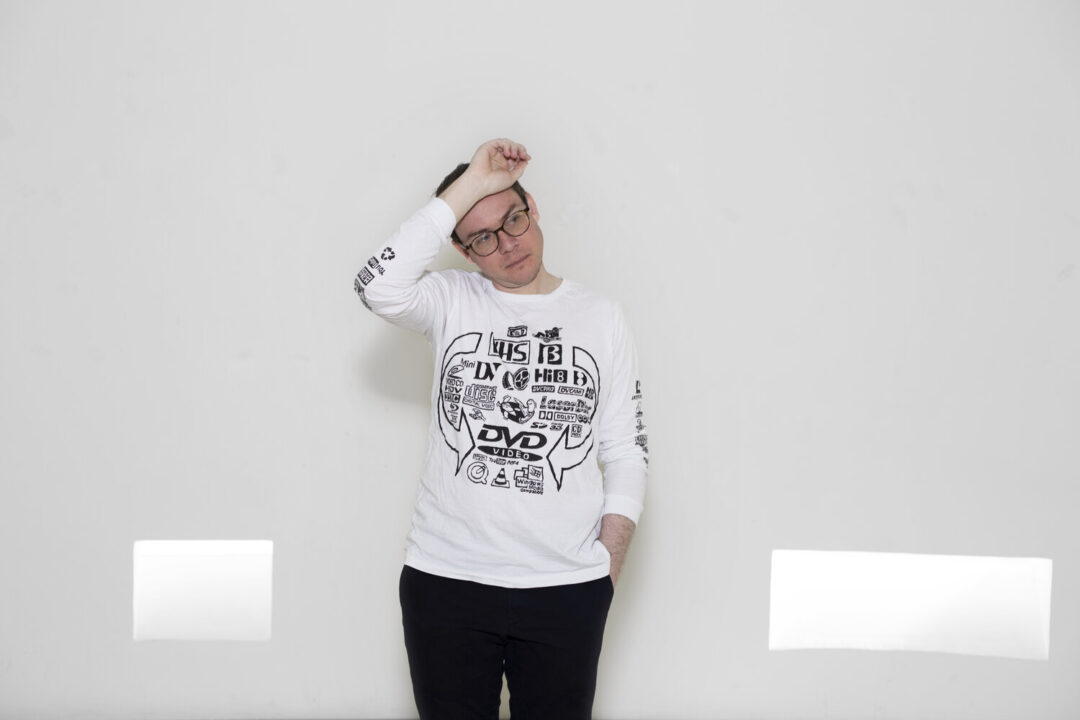
Jordan Dykstra Premieres Track From '20 Days in Mariupol'
One of the more profound and unforgettable documentaries to come out of 2023 so far is the harrowing wartime exposé, 20 Days in Mariupol. Set on the ground during the early days of the Russian invasion of Ukraine, filmmaker and Pulitzer Prize-winning AP journalist, Mstyslav Chernov, documents the uncontrollable chaos of a city falling apart, a community being destroyed, and a country forever changed. Composer Jordan Dykstra provides the sonic heartbeat to these historical moments in time through his experimental, yet grounded, score.
Winner of the 2023 Audience Award at the Sundance Film Festival in the World Cinema Documentary competition, 20 Days in Mariupol demands your attention from the start. The cries of desperation from the Ukrainian survivors act as a secondary soundtrack to Dykstra's pulsating score, furthering the feeling of dread and perpetual anxiety. No matter which way you look, it's a haunting experience.
Cinemacy is excited to premiere “Devastation Everywhere”, from PBS Distribution’s 20 Days in Mariupol, below:
It's not a coincidence that most of Dykstra's score incorporates harsh noise music that has been distorted. The disorientating nature of the sound combined with the devastating events that unfold onscreen act as a mirror to the reality of war. To achieve this sound, which can at times be confused for the drawn-out wailing of an emergency alarm, Dykstra uses digital and analog synthesizers, percussion, strings, detuned piano, and filtered noise elements. This is all in addition to the more classical string section that is carefully placed during scenes with the utmost emotion.
Says Dykstra of the track: "'Devastation Everywhere' features haunting call-to-war-like drum beats, tense siren-like synth blasts, and dissonant trumpet screams all building toward a grand finale of epic proportions. This track evokes images of painful carnage and loss, shelled homes and apartment buildings, and the utter devastation seen from every angle in Mariupol during the invasion in February 2022 — intensely documented in the film 20 Days in Mariupol.”
Jordan Dykstra is a composer and performer specializing in both film and concert music. He was an apprentice to Daníel Bjarnason, composer and conductor of the Icelandic Symphony Orchestra, in 2014. In 2018 he received his MA in Experimental Composition from Wesleyan University in Connecticut where — under the mentorship of Alvin Lucier and astrophysicist Seth Redfield — his thesis explored connections between microtonality and the cosmic distance ladder. Previous film projects include the musical noir Blow the Man Down, the satanic panic doc Hail Satan?, the psychological horror film It Comes At Night, and the Emmy Award-winning investigative documentary, Documenting Hate. He is based in Brooklyn and runs his own cottage industry label, Editions Verde.

Esme, My Love
Through the power of the mother-daughter connection, director Cory Choy's feature film debut Esme, My Love acts as a poignant meditation on life and loss. Set in the sprawling backwoods of an isolated forest, this relationship-based drama between a young mother and her terminally ill daughter captures not only the timeless beauty of all living things but also the mysterious possibilities of a life beyond Earthly existence.
Esme, My Love is told through the lens of magical realism. A gentle hum opens the film under an echoey voiceover between Hannah (Stacey Weckstein) and her young daughter, Esme (Audrey Grace Marshall). What initially seems like a somewhat spontaneous camping trip quickly becomes something more intentional. The next few days are spent hiking and camping in the woods until the pair eventually reach an abandoned farmhouse. The house, rickety and clearly left vacant for several years, is what Hannah is hoping holds the key to unlocking precious memories for Esme before it's too late.
From there, the film unravels into darker and more mysterious territory. Hannah's desperation to connect with her daughter before she loses her for good becomes more erratic and psychologically draining. Esme's more subdued nature reflects one of acceptance, even if she doesn't fully realize her condition and fate, while Hannah's distress continues to agitate Esme. Esme doesn't understand her mother's persistent pleas to recall memories and therefore grows more frustrated day by day. But Hannah will stop at nothing to make this connection with Esme one last time.
The film was completed over six years and is considered a micro-indie in every sense of the word. Some scenes were shot on an iPhone because of faulty camera equipment (but you would never be able to tell which moments). The surroundings are beautiful, color-corrected like a big studio movie, and shot with such detail. The intimate two-person cast and outdoor setting no doubt was a cost-effective choice but it also works so well for the story that director Cory Choy is trying to tell. The atmosphere feels complete when it's set against composers Stephanie Griffin and Charlotte Littlehales' mesmerizing score. The heaviness of the music–which includes violin, strings, and synth–adds to the claustrophobic nature of the situation.
In Esme, My Love, audiences bear witness to a layered spiritual horror film. It is a slow burn in a lot of ways and doesn't make the character's intentions immediately clear. Like Esme, it's easy to get confused about what is happening – what is real and what is surreal – but trust in the film's narrative journey will lead you to the other side with acknowledgment of this powerful filmmaking feat.
Biosphere
One of my favorite indie films of the last decade is the romantic dramedy The One I Love, directed by Charlie McDowell and produced by Mel Eslyn. Starring Mark Duplass and Elisabeth Moss as a couple falling out of love, the simplicity of the storyline is sprinkled with absurd moments throughout and ends with a jolt of frenetic energy from a twist in the final scene. For all of the WTF moments though, it stays grounded in reality, leading us to believe that this situation could happen to any one of us watching. This is a nearly impossible tone to achieve in an indie film, and the filmmakers made it look easy. It’s no surprise that I had high expectations going into Eslyn’s directorial debut, Biosphere–would this be my new cult favorite? The short answer: no.
In Biosphere, Eslyn (a lauded producer and President of Duplass Brothers Productions) returns to familiar territory with another unconventional “love” story about choice and reckless abandon. Mark Duplass and Sterling K. Brown are the only two actors in this incredibly intimate story about survival. Billy (Duplass), former President of the United States, and his childhood best friend Ray (Brown) are the last two men to escape from a doomed Earth (its demise unknown). They are a number of days into their isolation in a handmade personal biosphere, constructed by Ray who happens to be an incredibly gifted scientist. The biosphere was built to sustain life in perpetuity; the hydroponic garden and fish pond provided vegetables and protein, the scholarly books intended to stay sharp, and the video games were selected for fun.
Their daily routine is the same, with no cause for concern, until the last remaining female fish dies. With only two male fish left in the tank with no way to procreate, Billy and Ray begin to accept that the end is near. Starvation is inevitable. However, one of the male fish goes through an unbelievable transformation overnight, giving a glimmer of hope that survival is still possible. Life finds a way, as adaptation and evolution have proved over time. Billy and Ray are about to learn firsthand just how far the human body will go in order to survive.
Biosphere can be best described as a sci-fi buddy dark comedy. The performances from Duplass and Brown are equally balanced, their dynamic easily carries the film for its entire 1h 46m runtime. They both play into each other's comedic strengths without feeling like Dumb and Dumber. The plot, on the other hand, is out of this world, too bizarre to have any lingering feelings of “could this happen to me?” that The One I Love so expertly crafted. The problem here is the lack of an emotional hook. As a female viewer (a clarifying factor that makes more sense after you’ve seen the film), I felt like the script had more misses than hits when relating to the female experience and bodily functions. While funny at first, the evolution began to feel tired and drab. Perhaps cutting 20 minutes or so could have freshened up this already claustrophobic dramedy.
While Biosphere fell short of my expectations, the film is still an enjoyable watch for its inclusion of themes like gender, sexuality, love, and the human capacity to change and evolve. For a two-person, single-setting film, it is an impressive accomplishment. Award-winning film composers Danny Bensi and Saunder Jurriaans create a moody and tense atmosphere with a primarily vocal score, using hums with the utmost suspense. I may not have connected with Biosphere, but I applaud the unique vision and can’t wait to see what director Mel Eslyn does next.
Distributed by IFC Films. In select theaters this Friday, July 7th.
The Last Autumn
Coming to VOD and digital today is the 2019 documentary The Last Autumn, a sweeping portrait of how a family of farmers encourages slow living in the Icelandic countryside. Directed by Yrsa Roca Fannberg, the film embraces the stillness of the present by centering its story around an elder couple, Úlfar and Oddny, who fight to preserve their ancestral traditions against an environment of constant evolution.
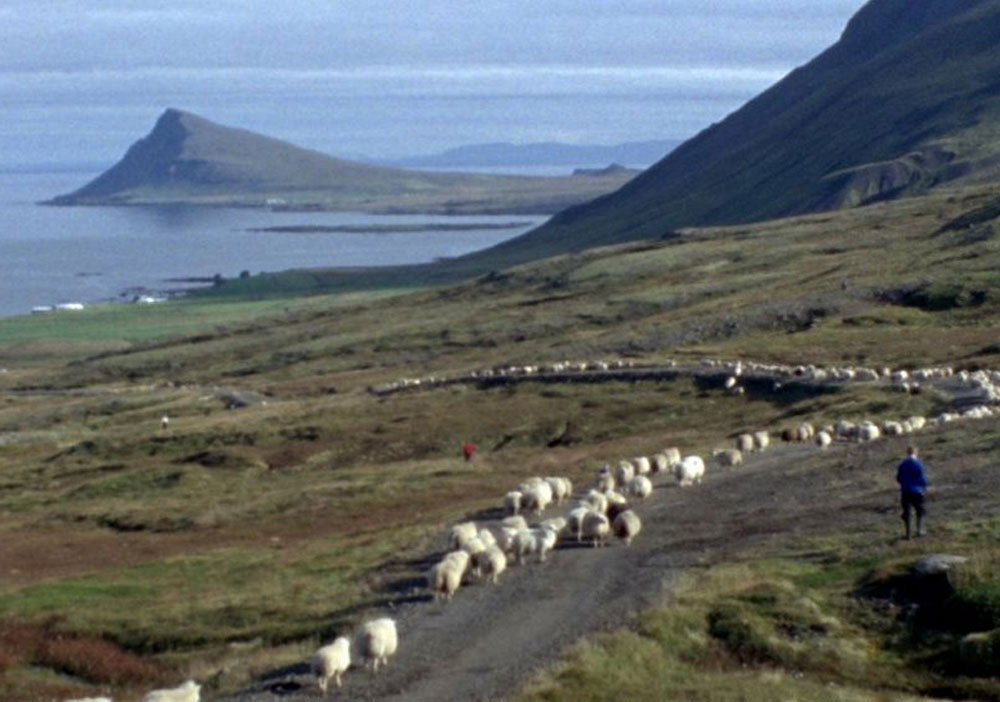
Shot on 16mm film, The Last Autumn opens in black and white before transitioning into the colorful and picturesque image of Iceland we're used to seeing. Úlfar and his wife Oddny live in the quaint seaside parish of Árneshreppur, a town in the Westfjords of northwestern Iceland. They lead a quiet life and have settled into a nice little routine tending to their lambs, ewes, and dogs.
Úlfar is the last in a long line of farmers, going as far back as the first settlers to Iceland centuries ago. When Úlfar and Oddny's grandchildren visit from the "big city" of Reykjavik (population: 139,875) to help with the seasonal sheep herding for the summer, the couple recognizes that due to their children and grandchildren's lack of interest in rural traditions and a desire to assimilate into modern society, this will be the family's last communal farming obligation. That summer marked the end of an era.
This slice-of-life observational documentary is an ode to living in harmony with nature, animals, and the seasons. It poetically shows that life is like a spiral; seasons repeat themselves and new beginnings are always on the horizon. We cannot stop or slow down time, only embrace what we have in the present moment and be grateful for it.
The Last Autumn is a mood-setting film. It's not plot or exposition-driven. Rather, it has a meditative quality that feels like a long, deep exhale, bringing a sense of rejuvenation and gratitude to the viewer after watching. Visually, it is captivating from start to finish. At times the cinematography even dips into an eerie territory. If seen out of context, the shot of the farmers herding the sheep down from the mountain could easily be mistaken for an Ari Aster film. The score by multi-instrumentalist Gyða Valtýsdóttir is deep and bassy, breathing an ethereal quality into Úlfar's poignant odyssey.
An official selection at multiple festivals including CPH: Dox, HotDocs, and a Special Jury Mention in the New Visions Competition at the Reykjavik International Film Festival, The Last Autumn is a time capsule of a simpler time and a love letter to past generations.
A Song For Imogene
A woman breaks free from the metaphorical chains of abuse in Erika Arlee’s heartfelt drama, A Song For Imogene. Set in a nondescript rural town in the South, the first-time writer/director uses the character of Cheyenne to give a voice to all of the women who have ever felt the constraints of being trapped in an emotionally abusive relationship.
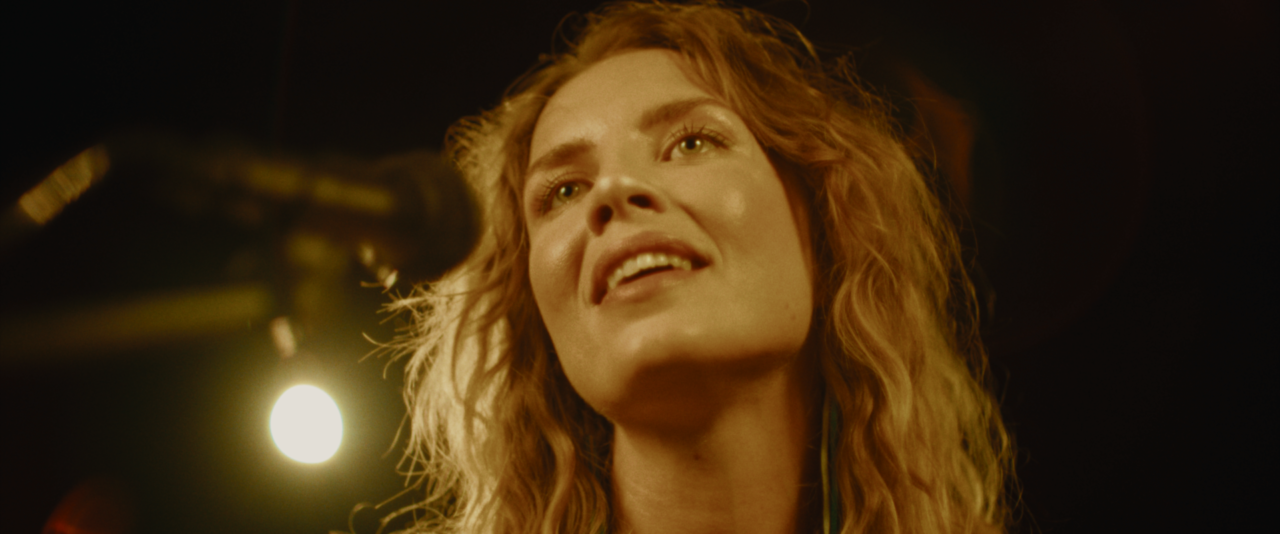
Cheyenne (Kristi Ray) is struggling. Faced with an unexpected pregnancy and a manipulative partner who has a habit of getting out his aggression at her, Cheyenne has reached her breaking point. Desperate for refuge from her chaotic environment, she returns to her childhood home where her mother still lives, who she hasn’t seen in some time. It’s clear that their relationship is contentious and the reunion is lukewarm at best. Unfortunately, Cheyenne and her mother never get the chance to properly reconnect after she unexpectedly passes away overnight. Faced with unwanted change in all aspects of her life, Cheyenne is forced to make some difficult decisions that, while challenging, enable her to begin living with conviction.
Filmmaker Erika Arlee pours her heart and personal experience into A Song for Imogene as she divulges that her past involvement in emotionally abusive relationships was part of the inspiration for the script. As therapeutic as it must have been to create, the film’s grounding central character and universal appeal keep it from feeling too nuanced. The authenticity that radiates from the screen – from the story itself to the locations, music (including a cover of 'Delta Dawn' by Tanya Tucker), and costumes – feels like a breath of fresh air.
The film is a slow burn, which adds to the authenticity of the story. Life-changing decisions typically don’t happen overnight, they are a methodical building blocks of confidence that takes time to construct before one feels ready to break free. In A Song For Imogene, we witness Cheyenne taking baby steps on her journey toward self-independence. If this film had a sequel, that’s where we would see her really take off.
A Song For Imogene, which made its World Premiere at the 2023 Bentonville Film Festival, lives in the same universe as To Leslie, the film that led to Andrea Riseborough’s Academy Award nomination. Both films show the grit and determination of a woman who is committed to changing her life for the better. Kristi Ray gives a phenomenal performance as Cheyenne, a woman on the verge of a breakdown. McKenzie Barwick, who plays Cheyenne’s estranged sister, Janelle, offers a complexity that adds necessary tension. Their dynamic feels truthful and rewarding to observe.
Female-led both in front of and behind the camera, A Song For Imogene is ultimately an optimistic tale about self-perseverance and the power of independence. Cheyenne had to lose what she thought she wanted to gain what she actually needed, and that is a powerful message that deserves attention.
Falcon Lake
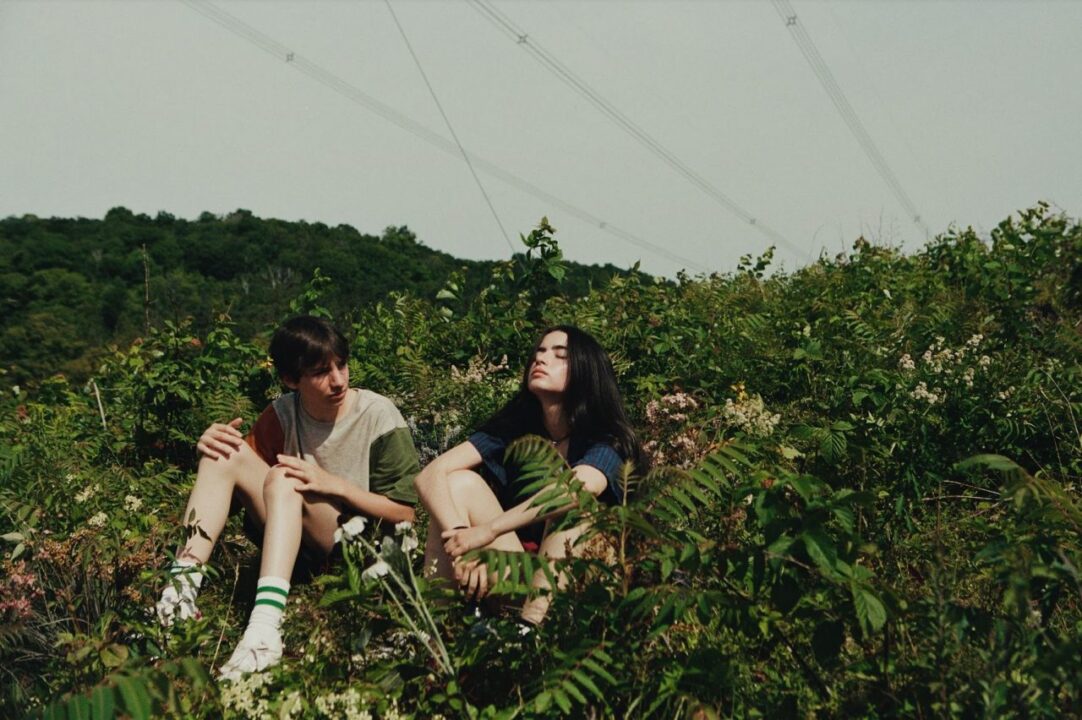
Canadian actress Charlotte Le Bon makes her feature-length directorial debut in the melancholic coming-of-age film Falcon Lake. Billed as "a love and ghost story," the film is loosely based on the 2017 graphic novel "Une Sœur (A Sister)" by French comic book artist Bastien Vivès. While not a direct adaptation, Falcon Lake emphasizes the book's theme of an adolescent's awakened desire, both in an emotional and physical sense, and creates a swirling portrait of young adulthood in its earliest stages.
Falcon Lake tells the story of Bastien (Joseph Engel), a shy teenager who spends his summer vacation at a lakehouse with his family and his parent's close friends. Set against the glistening lake and pristine wilderness of the Quebec countryside, the beauty of Bastien's surroundings is breathtaking, to say the least. However, like most boys his age, he is apathetic to the environment and would rather spend time on his Nintendo than in nature. It isn't until Bastien meets Chloé (Sara Montpetit) – the daughter of his parent's friends – that he starts coming out of his shell. She is a few years older than he – three to be exact – and also comes with a teenager's attitude. When she's tasked with watching Bastien and his younger brother while their parents rendevous at the cabin, she makes it obvious that she'd rather be doing anything else. But over time, she slowly softens up and welcomes him into her world.
Chloé has a dark sense of humor, which Bastien at first finds intimidating before becoming infatuated. Chloé ushers Bastien into young adulthood, from underage drinking at a local house party to dares that involve wading in the lake's murky water which, legend has it, is occupied by a ghost. At the height of their time together, Bastien is so quietly in love with Chloé that he would follow her anywhere she wanted. However, the audience is quick to realize that these feelings are mostly one-sided and this summer romance is most likely to end in heartbreak.
Falcon Lake is not your traditional coming-of-age film. There's a maturity here that offers a new perspective on how we view growing up and the innocence of childhood crushes. Charlotte Le Bon lenses an empathetic eye to this confusing period of life, making it easy to relate to both Bastien and Chloé. The film has an overall breezy feeling to it that delightfully makes it feel like a time capsule from the cinema of the 70s. Le Bon's decision to shoot on 16mm film gives the visual aesthetic a home video quality that encapsulates the feeling of summer. Perhaps more pointedly, the delicate score arouses a slightly ominous tone. Composer Shida Shahabi uses a combination of classical and contemporary techniques to create a dreamy soundscape for the central characters to get lost in.
A Golden Camera nominee at the 2022 Cannes Film Festival, Falcon Lake is a wholehearted and impressive feature debut. Le Bon confidently captures the indescribable significance of transitioning from childhood innocence to young adulthood eloquently and naturally. It's a bright and promising start for Le Bon and all involved.
Distributed by Yellow Veil Pictures. Now available on VOD.
The Problem of the Hero
As a storyteller, do you have the right to portray an experience other than your own? That is the overarching question in director Shaun Dozier's film The Problem of the Hero. Running just shy of 90 minutes, the film is a fictional interpretation based on a real-life event that occurred between two 20th Century literary giants, sparking a philosophical debate about personal & creative agency.
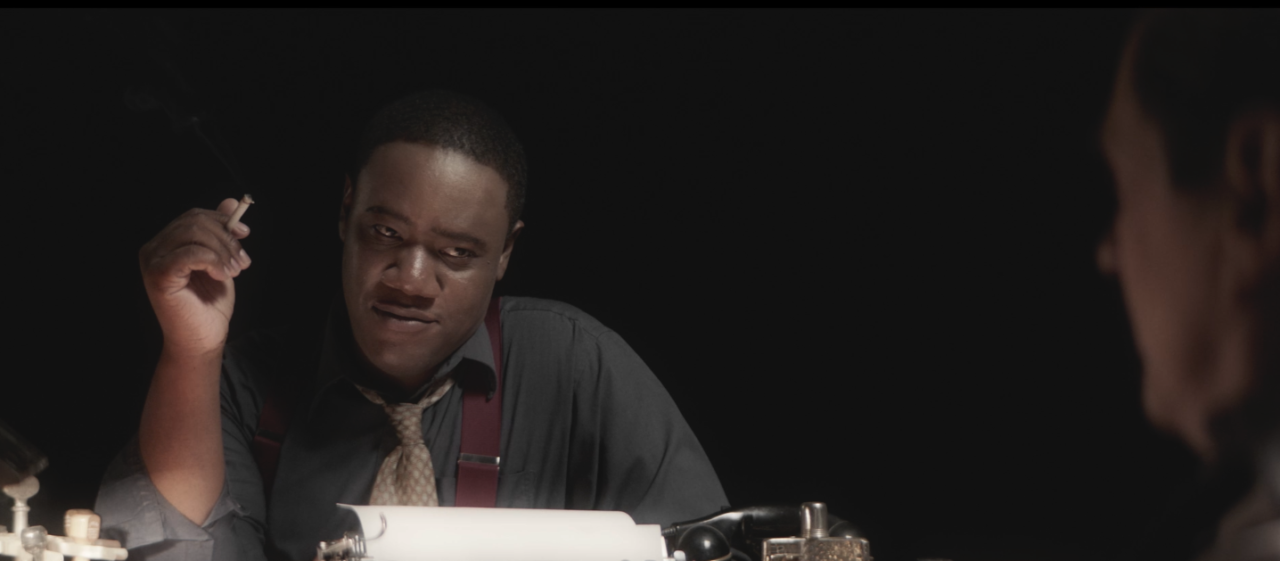
The Problem of the Hero takes place in March of 1941, at the St. James Theatre in New York. American author Richard Wright (J. Mardrice Henderson), most famously known for his best-selling novel Native Son, and Pulitzer Prize-winning playwright Paul Green (David Zum Brunnen) have been collaborating to adapt the aforementioned Native Son into a Broadway play.
However, only days before the play is set to make its debut, Richard and Paul face a disagreement on how the play should end. The difference of opinion evolves into a deeper debate over issues of race, social justice, politics, and creative expression. Despite respecting each other's points of view, the men find it hard to reach a solution, threatening to end their friendship and putting the play in jeopardy.
A couple of things are important to note here. First, Richard is a Black man, and Native Son was written partly based on his own experience growing up surrounded by racism in the American South. Paul, on the other hand, is a White man who has never personally experienced such hardships. Although he sympathizes with Richard's struggles, he cannot truly empathize.
Ironically, the story of Native Son is a meta-reflection of what is playing out on screen between Richard and Paul. The book – which is referenced throughout the film when the characters act out scenes from the play – is a story about oppression and addresses the responsibility that White people have to create space for Black people to tell their own stories.
Shaun Dozier's film is not a lighthearted affair, both thematically and visually. The cadence of the dialogue has a classic film-like quality to it with trans-American accents dominating the conversations. It is very dialogue-heavy as well, reminiscent of a stage play with intricate lines of dialogue bouncing between the characters. This non-traditional speaking style is a refreshing nod to the 1940s time period that Dozier is replicating.
Visually, The Problem of the Hero takes on a muted, slightly washed-out tone. Perhaps this is a budget-indicative choice but I believe the film could have benefitted from a sharper, more saturated color grade.
“We can only succeed as a society when we understand the things we haven’t experienced ourselves,” says Paul Green toward the film's end. This sentiment is a divisive one that is still being argued today, as seen in the discourse surrounding Peter Farrelly's Green Book, Kathryn Bigelow's Detroit, and John Singleton's 2013 Op-Ed in The Hollywood Reporter, "Can A White Director Make a Great Black Movie?". The Problem of the Hero adds another perspective to this continued conversation and offers a point of view that will get audiences thinking.

Blue Jean
We're halfway through 2023 and I can confidently say that writer/director Georgia Oakley's Blue Jean has a snug place on my forthcoming list of favorite films of the year. This indie gem–winner of the Venice Film Festival’s People’s Choice Award and four British Independent Film Awards–is not only a confident directorial debut, but an achingly resonating drama about one woman's desperation to safeguard herself when her livelihood is threatened.
In a phenomenal lead performance by BIFA-winning actress Rosy McEwen, Blue Jean captures the life of a closeted queer woman living against the backdrop of Margaret Thatcher’s conservative England. The year is 1988 and P.E. teacher Jean (McEwen) rounds up her squirrely class of high schoolers to discuss the day's topic: fight or flight. Honing in on the fact that one doesn't decide how to react, but rather this instinct is innate and unique to each of us, Jean soon faces her own fight or flight dilemma. Mounting political pressure from the right pushes a new law, Section 28, into the forefront of conversation among her colleagues, who are unaware of Jean's sexuality. The law, which is equivalent to Florida's "Don't Say Gay' bill, prohibits the "promotion of homosexuality" by local authorities, essentially intimidating all queer men and women into silence.
As the prospect of living under this proposed government regime infiltrates Jean's mind, her girlfriend, Paula (Lainey Shaw) is someone who doesn't seem too affected. With a shaved head, piercings, and a leather vest to complement her motorcycle, Paula is the definition of a woman who is not interested in anyone's opinion. This confidence scares Jean, who finds herself downplaying their relationship when out in public or caught off guard.
Jean's hidden secret is further challenged when a new student enrolls in her class. 15-year-old Lois (Lucy Halliday) is unlike the other girls, she keeps to herself and doesn't care to assimilate into the school environment. One night, at the gay nightclub Jean and her group of friends frequent often, Jean spots Lois at the bar. Terrified that Lois may out her, Jean is quick to realize that she needs to be very cautious about how she approaches Lois from here on out. It's a delicate dance between teacher and student, which culminates into a crescendo in the film's final act.
Blue Jean is a stunning and meticulously beautiful feature debut from Georgia Oakley. A debut like this feels few and far between, creating a sense of both wonderment and disbelief that such talent has been discovered. Much in the same way that Charlotte Wells' Aftersun stunned audiences with its unexpected greatness, Blue Jean deserves the same attention.
The film grain adds a layer of visual aesthetic that radiates a warm and lived-in quality. Cinematographer Victor Seguin captures a saturated moody England, playing to the shades of blue and all-over desperation of the situation. Equally as impressive as the cinematic choreography is the score by composer Chris Roe (listen to the Blue Jean OST here). The melodic scales he traverses throughout the gentle, ambient score make the music feel alive, like living art.
Blue Jean is a modern-day masterpiece, an astounding feat by all involved. Its entry into the queer cinema canon is a welcomed addition, and its impact will no doubt resonate with all who watch.
Distributed by Magnolia Pictures. Now playing in select Los Angeles theaters.
Tribeca: Smoking Tigers
Writer/Director So Young Shelly Yo makes her feature film debut with the poignant coming-of-age drama, Smoking Tigers. Set in Southern California, Yo tells a tenderly-told story about a high schooler struggling with the pressure to keep it all together. Making its World Premiere at the Tribeca Film Festival, Smoking Tigers is a touching story that will appeal to anyone who's ever felt like an outsider. Announced yesterday, Smoking Tigers won Best Performance in a U.S. Narrative Feature (Ji-Young Yoo), Best Screenplay in a U.S. Narrative Feature (So Young Shelly Yo), and the Nora Ephron Award Special Jury Mention.
Hayoung (Ji-young Yoo) is a Korean-American girl who, like most sixteen-year-olds, feels lost. As if starting at a new high school isn't enough to worry about, her home life proves to be anything but a respite from stress. She constantly plays the mediator between her estranged parents, absorbing their hurt and internalizing it in the process. Her parents are well-meaning but don't offer her the tangible support she needs during this crucial time. Her mother demands perfection and is quick to enroll Hayoung in summer college prep courses when her mock entrance exam comes back slightly less-than-perfect. Her father, goofy yet slightly removed, tries his best to keep their relationship strong, but sporadic and missed visits don't make Hayoung feel like she is a priority in his life as much as he is in hers.
The other concern that pollutes Hayoung's mind is her family's social status. She comes from a low-income family and is terrified her elite boarding school classmates will find out and won't give her a chance to reinvent herself. Her anxiety lessens when she befriends a few classmates during summer school, even sparking up a romance with one of the boys, but her concern is never far from the surface. At the end of the day, Hayoung must decide to either let go of her unwarranted shame and live authentically, or risk feeling like an unworthy imposter forever.
Smoking Tigers offers a unique perspective on the continued struggles of multi-ethnic teenage girls. At its core, it has a similar storyline to Everything Everywhere All At Once, despite it taking place in just this single universe. Hayoung and her mother operate from two different schools of thought: traditional versus modern, and have a hard time understanding each other because of their upbringings. The mother-daughter growth through hardship theme is explored heavily here and reaches a satisfying conclusion by the film's end. Although, her relationship with her father, while it doesn't lack for sweet moments, unfortunately, feels like a rushed "happily ever after" ending.
The biggest strength of director So Young Shelly Yo is her ability to simultaneously envelop the audience in warmth and grief. We feel Hayoung's pain in her attempts to be perfect for her school, her friends, her family, and her future. Creative choices in the cinematography, including staging and lighting, visually evoke the film's core themes. In one scene, Hayoung walks through her empty childhood house. When the scene opens, it's dark and she's alone, but the further she walks down the hallway and into the kitchen, the lighting emerges and a familiar family dinner setup appears right in front of her. This dreamlike sequence beautifully encapsulates nostalgia for her childhood and the seemingly perfect life she once had and wishes she could still hold on to.
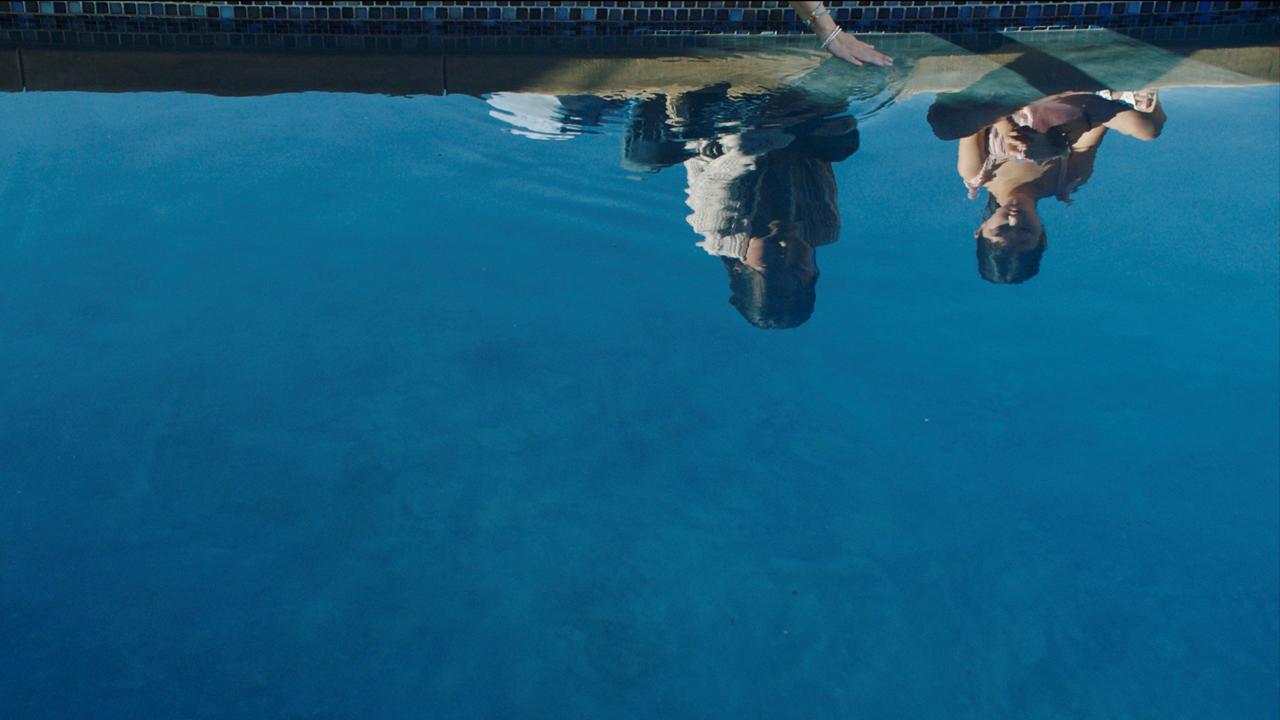
Smoking Tigers is a slow and simmering watch, and the burden that our protagonist carries throughout is deeply felt. For its heaviness, however, there is a sense of weightlessness in Masayoshi Fujita's score and Heyjin Jun's cinematography. The recurring shots of reflections from the pool, glass doors, and other surfaces, act as a cinematic introspection into our main character. The beauty that surrounds Smoking Tigers is evident, and a strong introduction for filmmaker So Young Shelly Yo.
'Smoking Tigers' is currently awaiting distribution.
Tribeca: The Graduates
At the time of writing this review, there have been over 296 mass shootings in America since the start of this year alone. The statistics are shocking, proving that gun violence is as much an everyday occurrence as brushing your teeth or putting gas in your car. Although we will never be comfortable with the number of times that headline appears as a text alert or makes front-page news, at a certain point–regrettably–it doesn't come as a surprise. The aftermath of one such tragic event is explored in writer/director Hannah Peterson's feature film The Graduates.
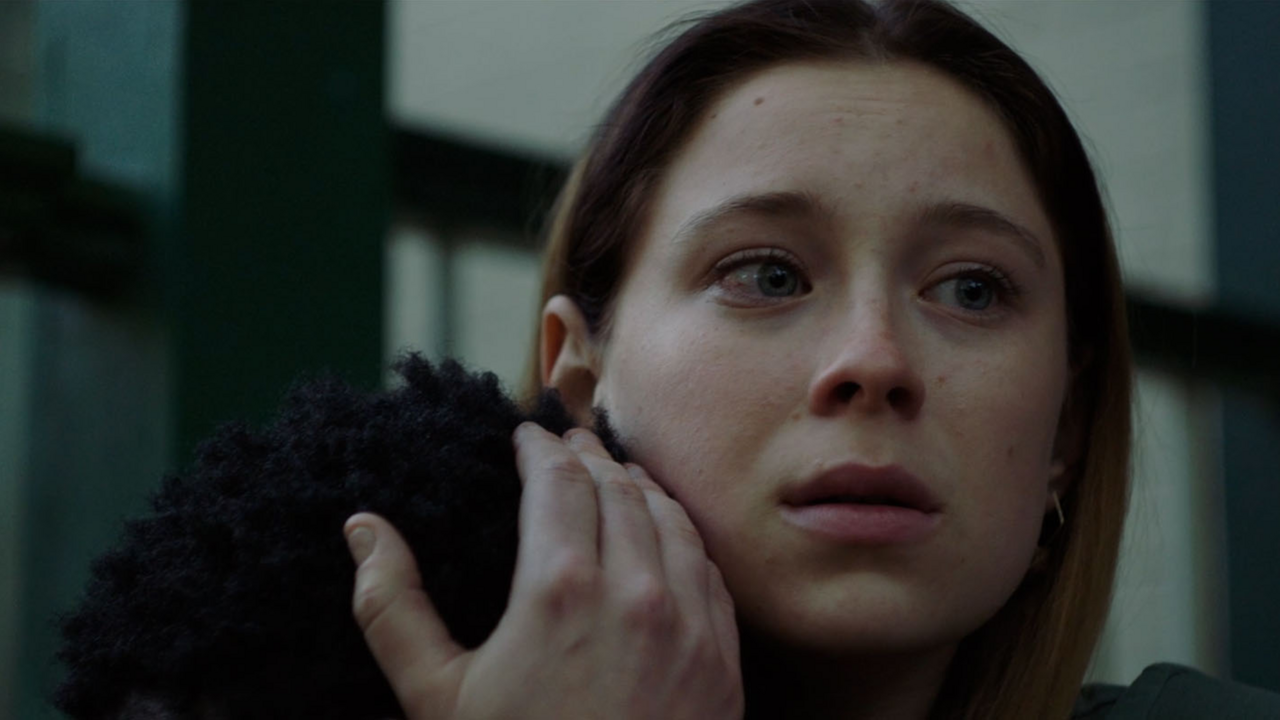
Making its World Premiere at the Tribeca Film Festival, gun violence is the quiet catalyst in The Graduates. The film follows Genevieve (Mina Sundwall) as she navigates life as a high school senior and gun violence survivor. When we meet "Gen", it is one year since a horrific shooting claimed the life of her boyfriend. She and other classmates now enter the school through metal detectors, undergo routine gun drills, and walk the haunted hallways with a looming sense of dread, sans the lockers of the deceased that are covered in loving post-it notes and in memoriam messages.
Her world has been rocked by the events, and the closer she gets to graduation, the more confused she gets. She and her classmates have already been forced to grow up too fast, their coming-of-age innocence ripped from them the second that trigger was pulled. If this is the "real world" that people look forward to post-high school, Gen wants nothing to do with it.
The Graduates is a heavy but hopeful film, helmed by strong performances from Mina Sundwall and John Cho, who plays Genevieve's boyfriend's father. Equally grieving the loss of his son yet determined to follow through with his commitment as head coach of the school's basketball team, Cho's quiet strength is executed so precisely. As he listens to voicemails left on his son's phone after his death, a bittersweet experience that reminds him of how loved his son was, emotions stir both on and off the screen. It's a real pull-at-your-heartstrings-type moment.
Hannah Peterson's decision to start the film after the shooting and refer to it only in subtle ways is a graceful way to approach such sensitive subject matter. Flashbacks allow the audience to understand who Gen was before the tragedy, and how much her life has changed since then. The Graduates leans into this style of less is more, which is a welcomed approach for any first-time filmmaker. It is not overindulgent in its outward finesse or music moments (although I personally would have loved to continue listening to Andrew Orkin's score). Rather it plays through a more atmospheric point of view. This is a story that requires respect and in that regard, The Graduates deserves an A+.
'The Graduates' is currently awaiting distribution.
Asteroid City
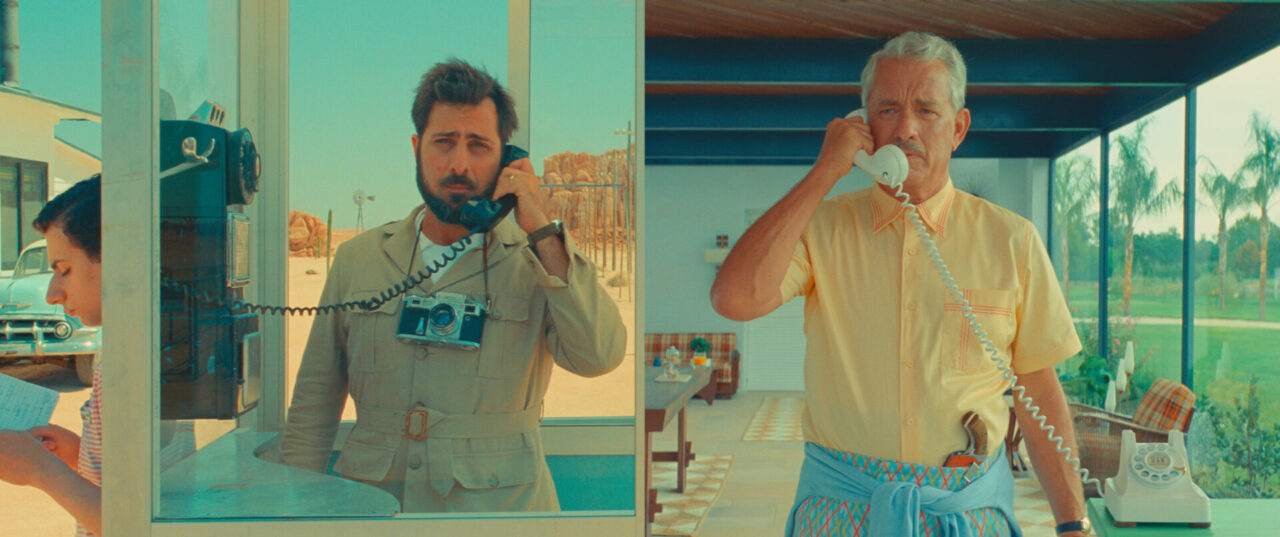
Wes Anderson’s latest film, Asteroid City, may be missing the auteur’s most repeatedly cast actor–Bill Murray–but his absence doesn’t leave too big a dent in this otherwise riotous affair. Jason Schwartzman–and to some degree, Bryan Cranston–anchor this meta-tale of a science field trip gone wrong and the controlled chaos that occurs after a small town's unexpected meet-and-greet takes place with an extraterrestrial.
Wes's quintessential quirks and styling shine in this dry desert landscape. Combined with the film’s use of a once-again perfectly-curated soundtrack, Asteroid City is one of Anderson’s more commercially accessible feature films.
Asteroid City is a nostalgic take on America's nuclear-era obsession with aliens. Set in 1955, the town of Asteroid City (population: 87) is set to hold a convention for families to congregate and celebrate their children being named Junior Stargazers. Augie Steenbeck (Schwartzman) arrives with his son Woodrow (Jake Ryan) and three daughters and quickly meets the other families attending the literal star-studded affair.
Midge Campbell (Scarlett Johansson), her daughter Dinah (Grace Edwards), and three other Space Cadet award winners and their families are also amongst the group. Their cumulative IQ is highly concentrated in this remote city, but despite being some of the smartest people in the American Southwest, no one could have guessed that what they were about to collectively witness would change their lives forever.
Of course, this being a Wes Anderson film, there is more to the story than this surface-level synopsis. The unexpected narrative choices and plot delivery throughout the film allow the audience to go inward and explore the themes that resonate with them personally. Watching the movie and mining for themes myself–both subtle and loud & clear–it is obvious to me how Anderson intentionally creates scenes with characters that have juxtaposing outlooks on love and loneliness, grief and hope, and life and death. Pick your fighter; I’m Jeff Goldblum.
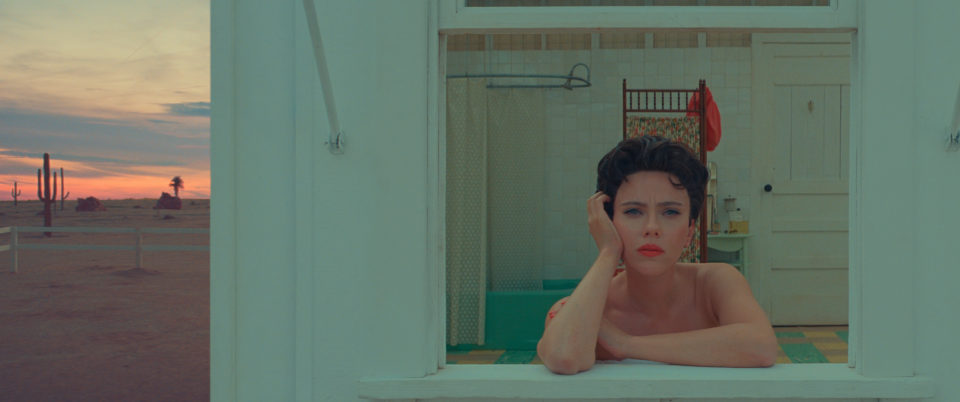
It should come as no surprise to hear that the acting is superb. As mentioned earlier, Bill Murray is missing from the typical all-star lineup, but like a classic SNL skit, nearly all returning cast members are represented (even if it’s just for a cameo). That includes Edward Norton, Jeffrey Wright, Tilda Swinton, Adrien Brody, and Tony Revolori. While not meaty enough for any one person to be a frontrunner in the awards conversation, as an ensemble, the synergy fits like a glove.
The deadpan dialogue between the characters is delightfully funny but the real humor comes from what isn’t said. A subtle look, a lack of acknowledgment, a simple sign indicating that road construction has stopped indefinitely. In addition to expectedly brilliant soundtrack curation by music supervisor Randall Poster, Alexandre Desplat's score, and costumes by Milena Canonero, special attention should be paid to the puppeteers, specifically Andy Gent (please stay through the credits to see why he deserved a shoutout).
The most spiritual in his film canon to date, Wes Anderson pokes the philosophical bear by creating Asteroid City to play as a cosmic meditation on life outside of our atmosphere. How people react to the unfamiliar–like being quarantined in a new city, adapting to the death of a loved one, or even the invention of new technology–is explored here.
One of the lines that have stuck with me, and that is a good barometer read of the film’s intention, states, “You can’t wake up if you don’t fall asleep.” Interpret it as you will, but it's no doubt Asteroid City will take you on an explorative journey of how we embrace “the other."
104 minutes. Distributed by Focus Features. Exclusive engagements in NY and LA on June 16, and in theaters everywhere on June 23.
https://youtu.be/9FXCSXuGTF4
Tribeca: Q
The thing about cults is that no one willingly joins one. It just sort of happens with time. Dependency on the leader slowly becomes a necessity, outside relationships become fraught, and one's perspective of the outside world begins to narrow. One woman's experience with a clandestine religious group is detailed in the new documentary Q, a fervent portrait of faith and how unconditional commitment has the potential to cause more harm than good.
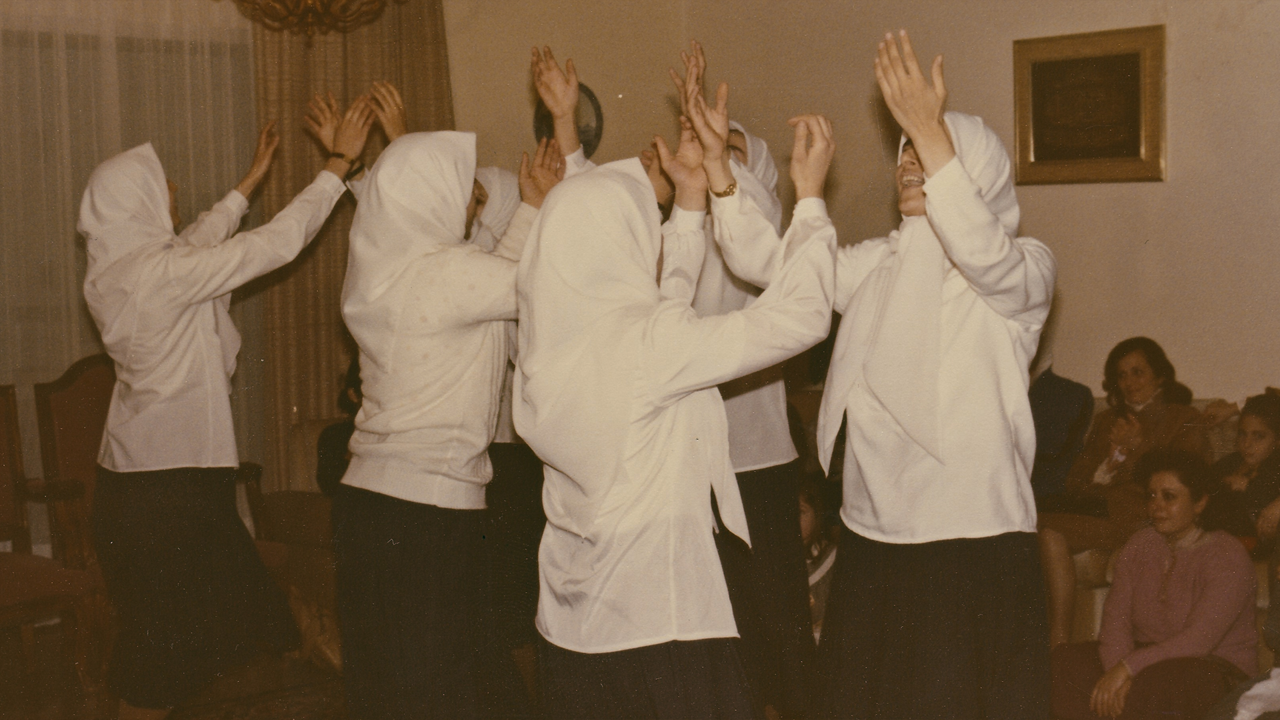
Making its World Premiere in the Documentary Competition at Tribeca Film Festival, Lebanese-American filmmaker Jude Chehab documents her mother's experience as a Muslim woman in the Qubaysiat, a secret, all-female Islamic religious order led by "Anisa." Anisa's identity is not revealed, however, her grip on Jude's mother, Hiba, is strong. Anisa requires all followers in the sisterhood to engage in full days of prayer–up to 17 hours–among other things, and Hiba dutifully obeys as much as she can.
As a wife, mother, and teacher, her time is stretched thin but she always prioritizes the Qubaysiat, much to the bewilderment of her daughter, filmmaker Jude, and the irritation of her husband. "Love is very dangerous," Hiba reminds Jude. But it's nearly impossible to decipher if Hiba is referring to her love for her husband, or her love for Anisa. After witnessing Hiba's devotion, it's hard to know who she loves more.
Visually, Q is stunning and incorporates many pops of art-film moments that juxtapose the traditional Eastern subject matter. Making her directorial debut, Jude Chehab commands the screen with a strong eye and creative storytelling methods. Archival footage of Jude as a child puts necessary context into the story, as we see Hiba's evolution from then to now. Peeking into their personal lives feels very intimate but never an invasion of privacy. The score by composer William Ryan Fritch is also phenomenal, with beautiful strings and melodic drum beats that particularly highlight moments of tension and release.
Q ultimately shows how blind devotion can cause more harm than good. Given that the documentary was made by Hiba's daughter, the film is innately told through an empathetic lens. This unique perspective is Q's biggest strength. The moments of beauty and the moments of pain are met with compassion by the director and, therefore, the audience.
"That's life. It has to end. May we have a good ending," says Hiba toward the end of the film. I think we can all agree that this is a sentiment that rings true regardless of faith. For Hiba, Jude, and their family, we are optimistic that their ending is filled with more peace.