
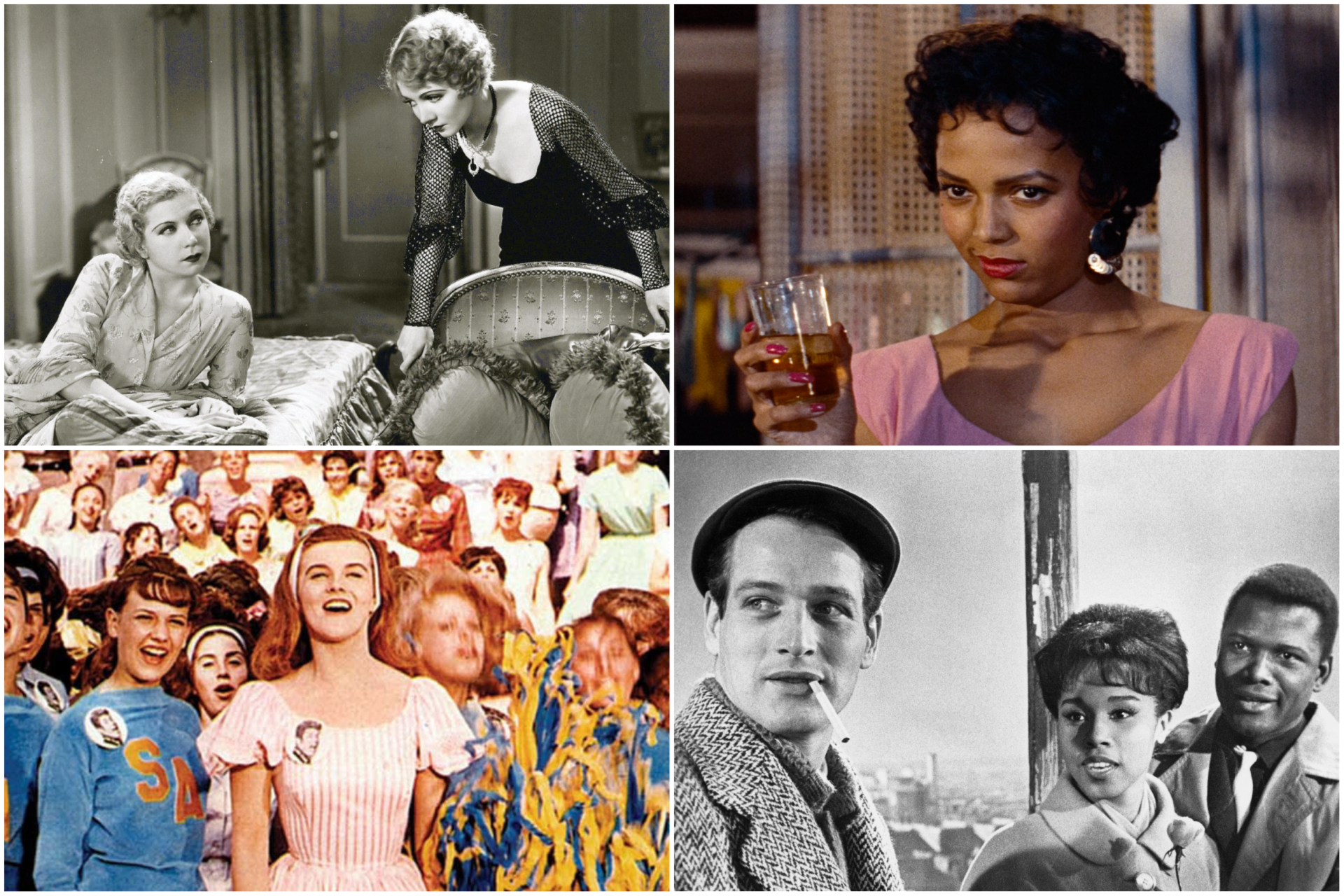
2023 TCM Classic Film Festival: What We Saw
Another TCM Classic Film Festival has come and gone, leaving behind more great memories from one of our favorite film festivals of the year. Read on to see which films writer H. Nelson Tracey saw from the festival.
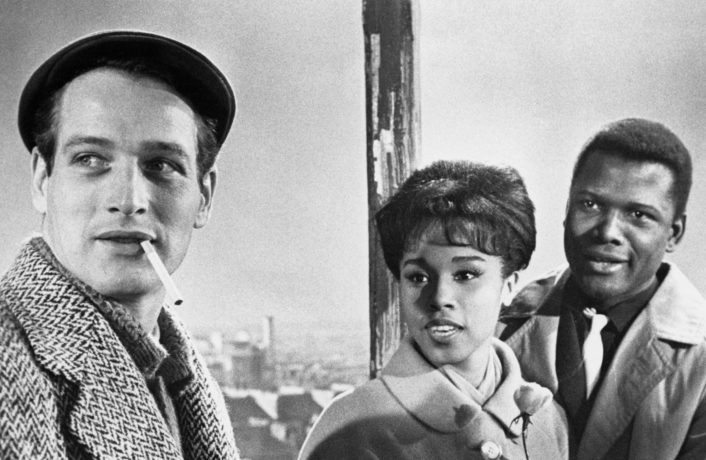
Paris Blues (1961)
Special Guest: Joie Lee (Crooklyn, Do the Right Thing) | Presented on 35mm
Paul Newman and Sidney Poitier play two jazz musicians operating a Paris nightclub who fall for a pair of American tourists (Joanne Woodward and Diahann Carroll) in this romantic music-driven drama. My favorite viewing of this year’s film festival, the class act performances of the entire ensemble of all-stars make this captivating beyond words.
This is combined with exceptional jazz music, including a performance by Louis Armstrong as a fictional version of himself! The show-stopping number features Armstrong playing alongside Newman and Poitier, which has to be seen to be believed and drew huge applause from the TCM audience. Even when jazz is scored only, the storyline builds a newfound appreciation for the sophistication of the genre; Duke Ellington received an Oscar nomination for his original score of the film.
Paris Blues has some elements that feel of its time, and some that feel notably progressive for the early 1960s. Paul Newman is given a significantly richer character arc than Sidney Poitier, and I think if this movie were to be remade (it absolutely could and should), you would swap the emphases: Newman’s character is trying to be taken seriously as a composer, not just a performer, and dealing with the infinitely relatable struggle of an artist trying to break through while not letting their life slip by chasing a dream.
Joanna Woodward, who was married to Newman in real life, represents the conflicting choice that falling in love presents and deciding between love and a dream is wholly compelling. Their chemistry is off the charts and is no doubt influenced by their real-life love - what a beautiful thing to see soulmates on celluloid.
Meanwhile, Poitier and Carroll are caught between the decision to stay in Paris, where being Black is significantly more liberating than the United States, or returning home where family is and where contributing to civil rights has a sense of vocation at the time. For a movie made still within the censorship era, Paris Blues threads this debate with remarkable deftness.
Based on a novel, one of the major changes discussed in the pre-film conversation was that the censorship of the era would not allow an interracial couple to be seen onscreen, even though such behavior would’ve been acceptable in Paris at the time, putting the romantic options into a specific pairing.
However, the movie dances around this by having early moments where it seems the couples will end up with reverse matches, which was the filmmaker’s way of nodding toward this original idea while still drawing within the lines. It creates a fascinating tension in the early flirtations between all four leads.
It’s never explained how Woodward and Carroll became friends nor why they’re traveling together: an updated version would give the women more development, but they are remarkably interesting characters even without that information.
From start to finish, Paris Blues feels like exactly the kind of classic this film festival is for: an underseen gem starring some of the best stars of all time, with an emotionally rich narrative and simultaneously timeless and timely themes.
This TCM screening was preceded by a conversation with Joie Lee, writer of Crooklyn and star of many films including Do The Right Thing. Growing up with a jazz musician father, this was a film Lee remembered well seeing on weekend television as a kid, and she gushed about the use of music and beauty of Poitier and Carroll. She said her father (Spike Lee) claimed improvisational jazz was “the highest art form” which was a perfect primer to appreciate the artistry of the film.
A few years ago when I saw Stage Door at TCMFF it completely changed my perception and empathy for actors, for the better. In some ways, I feel this film did the same for my perception and admiration for jazz music.
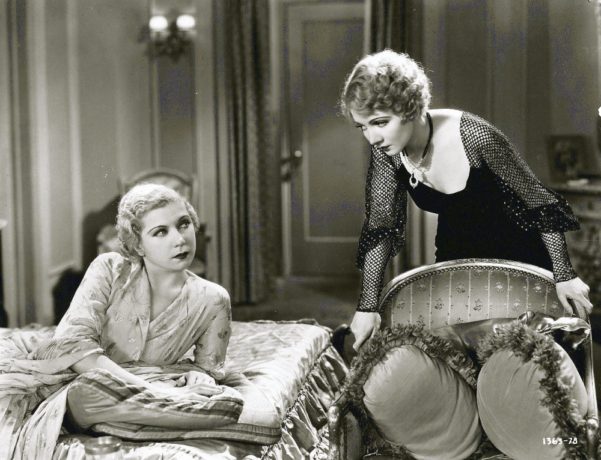
The Wiser Sex (1932)
Special Guest: historian Cari Beauchamp | Presented on 35mm
A great TCMFF experience is not complete without at least one “Pre-Code” flick. The Pre-Code Era lasted from 1927-1934 and was a brief period where the invention of sound was in place, but the strict censor laws that strangled Hollywood for over 30 years were not yet implemented.
As you can imagine, these are popular pictures for the TCM crowd: festival programmers described the “Pre-Code Bump” in attendance for every Pre-Code screening. What’s equally unique is that the films TCM brings for this are usually underseen classics that are rare or hard to find.
The Wiser Sex is certainly such: shown on a 35mm print not yet widely available, for nearly everyone in the audience this was a first-time discovery. Further proof of its obscurity: prior to this year’s festival only only 47 on IMDb had rated this title and only 8 on Letterboxd!
Film Historian Cari Beachamp gave a fantastic introduction contextualizing the many famous stars in this picture of the Golden Age: Claudette Colbert (prior to winning an Oscar), Franchot Tone (his first feature), Lilyan Tashman, and Melvyn Douglas (whose career lasted all the way until the early 1980s and netted him two Oscars).
She also talked about the damning impact the Code would have on movies, especially the roles of women in society and the rigid social norms that would have a generational impact on female autonomy. For screenings like this, the historical context is equally as powerful as the picture itself.
And how is The Wiser Sex? A two-crossing dame frames her virtuous ex as a murderer, forcing his current love interest to go undercover, uncover the plot, and reveal the true villains using nothing more than her cunning wit. It’s a job for The Wiser Sex: our heroine Claudette Colbert declares “men are stupid” and takes matters into her own hands to save the day.
It’s this type of brash talk and societal norm-breaking that make Pre-Code pictures so compelling: it makes us hyper-aware of just how strict censorship became in the United States when you see a movie that is uninhibited by it.
In addition to some risque components, there is no shortage of boozing in this film which would quickly become corked by the censors, along with extramarital sex and other so-called “deviant” behavior.
In festivals past, the rediscovered Pre-Code film Merrily We Go To Hell (1932) shortly thereafter received a Criterion release, so don’t be surprised if this movie gets added to that Collection in the coming months.
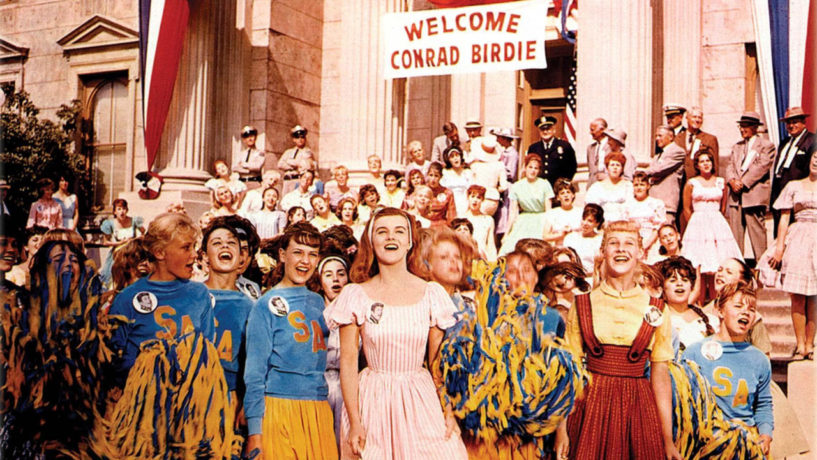
Bye Bye Birdie (1963)
Special Guest: Ann-Margret
Cinephiles broadly speaking tend to celebrate the movies of the post-censorship era in the late 1960s and early 1970s that rebelled against the more traditional fare of the decades prior and ushered in a new era of gritty and raw filmmaking that permanently changed the course of movie history.
But in the modern love of this type of cinema, it’s easy to forget to check out exactly what these movies were rebelling against the cozy, all-ages pop entertainment that was primarily made up of musicals and TV westerns. Bye Bye Birdie fits squarely into the former category. It’s a bubblegum musical that feels like the quintessential Camelot Era musical, with silly ditties making up the entire runtime and family values (by 1963’s standards) winning the day.
What’s most interesting is that the movie is very much a self-aware satire, with the titular Birdie being a very obvious stand-in for Elvis (whose manager refused to let him play himself in this movie) and the fervor of young girls obsessed with the pop star being poked fun at in this entire narrative. I can’t imagine a movie today taking something so current (it was based on Elvis’s drafting) and making it into a musical. It speaks to how these were the tentpoles of their era.
It also makes me think about how it feels like this era of history, one that I’ve spent my entire life studying through the dearth of a pop culture devoted to it, was already solidifying its narrative as it happened. When you see this after a contemporary take on the era, like 2022’s Elvis, the wild reality is the new version isn’t saying anything that wasn’t widely recognized in the time of its release.
Compared to more revered musicals like The Sound of Music or West Side Story, Bye Bye Birdie feels much less essential but in that sense is a good representation of mass media for its time. Largely, the movie hasn’t aged because its musical numbers are admittedly, not particularly catchy. The story is relatively slight: music numbers feel rather pedestrian by comparison to the bigger classics.
But there’s undeniable entertainment to be had. There is one particular number featuring Janet Leigh that has some funny phallic moments. Dick Van Dyke’s singing in the garden at night feels like a first pass at what would be iconized in Mary Poppins a few years later. But by and large, these are not exactly karaoke favorites nor resung tunes.
However, the influence of this movie can be felt in numerous ways. Watching the very opening and the dance hall number, I was reminded that Spike Lee described seeing this movie with his mother and cited it as an influence; with that, you can see how the opening directly influenced Do the Right Thing and how the dance hall number largely resembles a sequence in Malcolm X.
I have no way of proving this but the father figure of the film played by Paul Lynde seems to clearly resemble Steve Carell and I wouldn’t be surprised if Carell pulled some of his comedic stylings, particularly his earlier work, from Lynde’s hammy performance.
The film played through the roof for the audience in the TCL Chinese theater with applause after every number. Personal opinions aside, the movie looked spectacular on a crisp colorful DCP, particularly the iconic opening number.
And that brings up the last component worth highlighting: Ann Margret, the film’s young star who graced the audience with her appearance, looking thrilled to be welcomed with open arms by loving fans. I primarily know her as a 1970s actress with Oscar-nominated turns in Tommy and Carnal Knowlege. But I learned just how big she was at the start of the 1960s as a magnetic singer and soon-to-be sex icon.
In this film, she plays the teen obsessed with Birdie, and ironically, this would lead her to actually co-star with the real Elvis Presley the very next year in Viva Las Vegas. And her charisma was so strong that Elvis’s manager forced the studio to cut songs where she upstaged The King. Now that’s a director’s cut I would like to get eyes on.
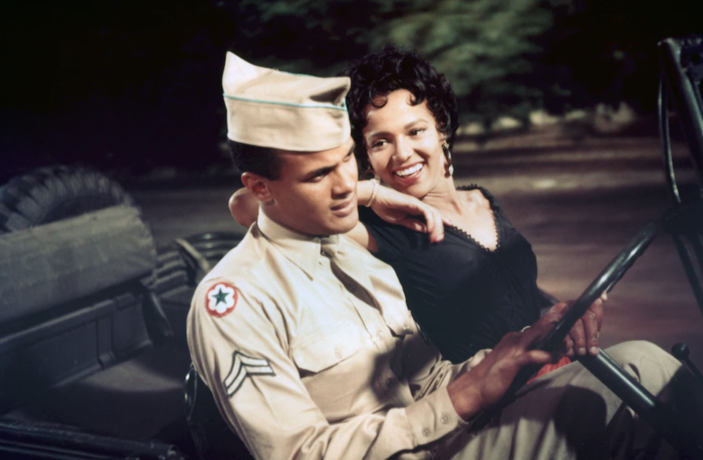
Carmen Jones (1954)
Special Guests: historian Donald Bogle, Robert Osborne award recipient, Deborah Martin Chase (producer) Louis Gossett Jr. (Oscar winner, An Officer and a Gentleman)
In a complete tonal shift from the bubblegum pop of Bye Bye Birdie comes the all-Black cast adaptation of the Opera “Carmen,” featuring a historic performance by Dorothy Dandridge, who became the first Black performer of either gender nominated for a Leading Performance Oscar, when she was nominated for Best Actress in 1954.
The movie modernizes the Carmen opera to a contemporary era but retains the grandeur of the stage music, most of which is recognizable even to those unfamiliar with the source. Looking gorgeous on Technicolor, the movie shines on the big screen and took me back to my youth of going to see Opera Colorado performances (and participating in a few, a story for another day).
It had to have been progressive and interesting for 1950s audiences to see a film of this budget and scale without a single white face on camera. Director Otto Preminger would try and replicate this success (it was a box office smash) with Porgy & Bess, but to lesser results.
I didn’t realize until after the film that none of the actors are singing themselves but are dubbed, which makes more sense in hindsight, but is an example of what was once a common technique that in a post-2012 Les Miserables world is largely frowned upon in movie musicals. While the film feels more stagey than some of the more cinematic musicals of its era, the daring performances especially from Dandrige and Harry Belafonte are undeniable.
What made this screening special was not only the film but that it was preceded by the annual Robert Osbourne Award, which goes to an individual whose lifetime contributions to film history are worth applauding (past recipients include Leonard Maltin and Martin Scorsese).
This year’s recipient was Donald Bogle, who is the premier history of African-American cinema. In a moving tribute to Bogle, TCM host Ben Mankiewicz introduced a wonderful clip reel showcasing Bogle’s career highlights. Bogle’s longtime friend, producer Deborah Martin Chase, gave a moving speech showing her love and admiration for his career and their friendship.
Then, Oscar-winning actor Louis Gossett Jr., the first Black actor to win Best Supporting Actor, made an appearance (at the age of 86) and gave a commanding speech that paid tribute to Bogle and his indelible mark; without Donald Bogle, Black Hollywood would not have been properly cataloged and many of the contributors would’ve been lost in time.
Finally, Bogle took the stage to multiple standing ovations, professed his great thanks, and introduced his favorite movie of all time, Carmen Jones. With legendary guests, enthusiastic audiences, and outstanding programming, it is moments like this that make the TCM Film Festival a truly unforgettable event year after year.

It's Hunters vs Animals in the Polish Murder-Mystery 'Spoor'
This review originally ran on November 28, 2017, during the AFI Film Festival
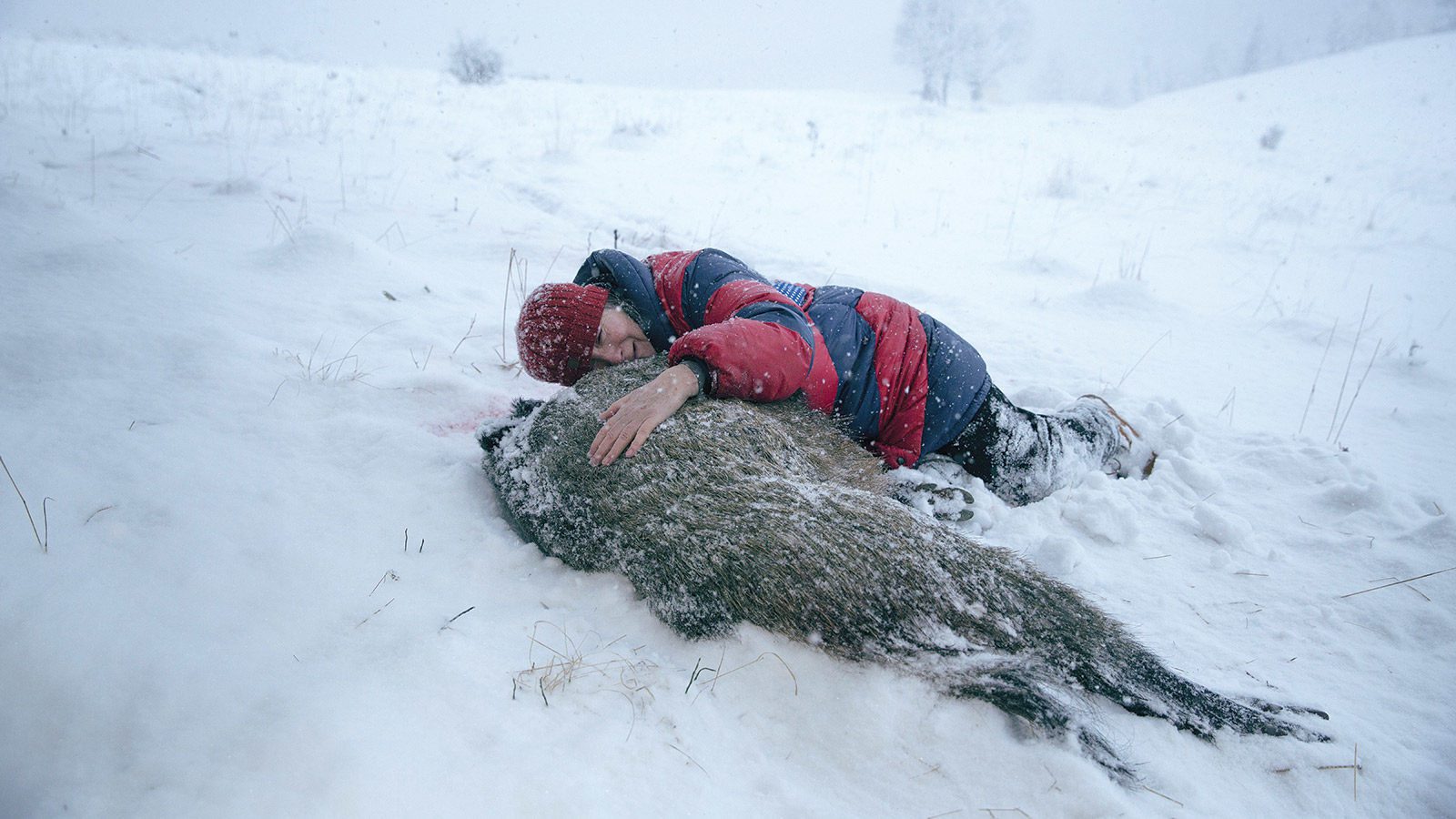
The official selection for 2017 Academy Awards consideration from Poland, Spoor, depicts a small hunting-obsessed community. One older woman (a funny, truly original Agnieszka Mandat-Grabka) decides to speak up against the disturbing atrocities committed on animals. At the same time and eerily enough, many prominent hunters in the community become the hunted themselves. It appears that the animals they kill may be retaliating, but the truth is unclear.
As an animal rights advocate myself, this film was high on my list to check out at AFI this year. Unfortunately, most of the film moves at an uncompelling pace and more often than not, failed to capture my attention. Rather than providing any new perspective on the debate of human-animal relationships, it takes the most extreme black-and-white approach to the conflict. The good guys are animal lovers, vegetarians, and would never kill an animal. The bad guys are warmongering, bloodthirsty meat-eaters. This logic creates a very easy and cohesive narrative but makes the problem so simple that any application to the much more complex real-world is impossible. It does the animal-loving community no favors.
Eventually, 'Spoor' does reveal a major twist and yet, once again, keeps the simple narrative that animal lovers are good and hunters are evil even though it is clear that there is much more moral ambiguity in this small town.
Additionally, the pace at which the film moves is unbearably slow. If it had moved at a more brisk pace, perhaps the film could have felt tense and thrilling. Instead, each of the murders is so spaced out, it isn’t hard to forget who the person is that is dying. The animals are supposedly killing these men, but even that mystery ends up being more confusing than gripping.
If Spoor does have a silver lining, it comes from the lead performance. Agnieszka Mandat-Grabka feels a bit like a batty Mrs. Weasley, an endearing maternal figure who will not be silenced by the patriarchal and archaic traditions of the town. She’s lively and engaging in most of her scenes, and I imagine with a stronger film she could have even landed buzz for her great performance. Some supporting performers get moments to shine, but ultimately the film belongs to her.
Eventually, Spoor does reveal a major twist and yet, once again, keeps the simple narrative that animal lovers are good and hunters are evil even though it is clear that there is much more moral ambiguity in this small town. I imagine there is some local subtext that as a non-Polish speaker I don’t quite understand, and yet this is a thin excuse considering I’ve seen brilliant and universal films from equally remote cultures and regions. While it may not be among my favorite selection, Spoor still represents the eclectic, international perspectives that AFI brilliantly curates every year.
Distributed by Samuel Goldwyn Films, available on VOD on Friday, January 22, 2021.
'Epicentro' Shows Us That Cuba is More Than a Tourist Playground
Quick Take: Few documentaries aim this high in their quest for symbolism, don't be surprised if you continue to hear it in the discussion as one of the best docs (and films) of 2020.
Cuba: a mythical destination with infinite allure given its off-limits reputation to Americans. What we know of it, primarily cigars and cars, indicates less of a lived-in place and more of a resort. “The last communist country, a sight to be seen” as one character describes it, in sardonic reference to the foreign tourists. Leave it to documentary filmmaker Hubert Sauper to illustrate this island in an authentic, lived-in way, and engage us in the discussion of all the topics relevant to this epicenter of culture and history, especially in relation to imperialism. What unfolds is a masterpiece of literary non-fiction.
Sauper’s previous film We Come As Friends left me with glowing praise and eventually, a slot in my Top 10 of 2015. Seeing Sauper’s next outing is a reminder of why it is so satisfying to track a director’s career: by seeing his previous film, I am primed to sit up and pay attention to the abundance of visual symbolism for which Sauper must be heralded. This follow-up is equally artistically realized, but noticeably more approachable to audiences; perhaps it is because he has a more clear structure while never straying from the vérité approach.
That said, you do not need to be familiar with the director’s previous work to enjoy this film: Sauper teaches the audience how to watch the film early on. In a short voiceover to invite audiences in, we are told the word "Cinematography" stems from the Greek words, “to write a movement.” And this is exactly what he strives to do: as his own photographer and editor, every single moving image feels deliberately captured and placed. I can only imagine there are hundreds of hours of footage because one moment after the next feels perfectly selected.
Sauper is the master of motif. Through his visuals, ideas are introduced that on their own feel ordinary, but with his context are potent. The first few minutes are packed with visuals that will all come back into the story. Smoke. Battleships. Silent films. The Moon. Cannons and explosions. Roosevelt. Pens. Ordinary objects on their own that together speak volumes on imperialism, largely due to their juxtaposition. When all the pieces of the puzzle start to connect and the subtext is revealed, it is a spectacular display of cinema at its most potent. Few documentaries aim this high in their quest for symbolism.
A few of Sauper’s visuals are recurring from his last film. Early on, we see the Earth upside down, as if a foreign exotic place. In his last film, this ties into the alien nature of colonialization (even in the title). Watching the earth during the night, specifically the bright lights of American cities, he points out how easy it is to miss Cuba because, in film, our eyes first go toward the lights. The whole film is on Cuba, but the United States permeates the island like smoke through media, technology, and even enters the hopes and dreams of Cubans.
There are more visuals I could share that blew me away over the course of viewing. I can’t bring myself to both describe their place in the movie and then elaborate on what each of them means, because here it’s a reductive exercise. Cinema at its core is a visual medium, and this is a movie where you get to absorb that and participate in determining what each visual means. Simply put, you have to see it for yourself in context.
By the middle of the film, the emphasis on visual motifs is no longer front and center, and the film becomes a character study of island inhabitants. That isn’t to say those motifs aren’t there during the character moments: what the film does so well is introduce us to these symbols, and then once we move into character focus, we can’t help but notice them all around the image. Some are more obvious than others, but the film operates like literature in that it requires our attention and our own ideas to drive the experience.
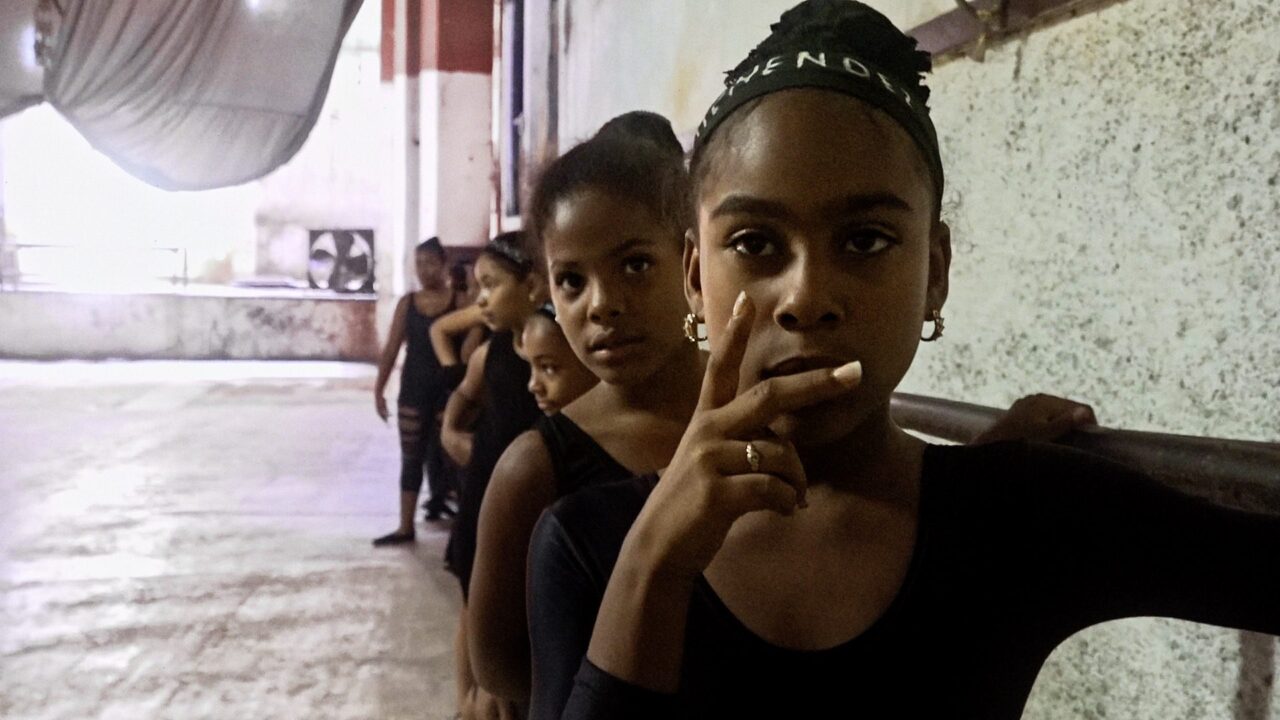
Epicentro follows a select group of Cubans, including many children, who illustrate life on an island where capitalism is an outside force, not the heartbeat. It should be stated that this is not propaganda for the island, these are human experiences rendered wonderfully ordinary, not fetishized. The film denudes the allure of Cuba as a playground for tourists. It is more than just a sight to be seen and take pictures of, it is a place of people who live, dance, and dream.
Characters in the film compare cinema to magic, especially with its origins. This film is a reminder that non-fiction films can have much more magic than we often realize when executed this well. Earlier this year, Epicentro won the Sundance Jury Prize for World Documentary. Do not be surprised if you continue to hear it in the discussion as one of the best documentaries (and films overall) of 2020.
Distributed by Kino Lorber, Epicentro is available in virtual cinemas through Kino Lorber's Kino Marquee today.
The Hidden Books and Other Details of Jordan Peele's 'Us'
Jordan Peele’s Us displays master attention to detail at a nearly unparalleled level.
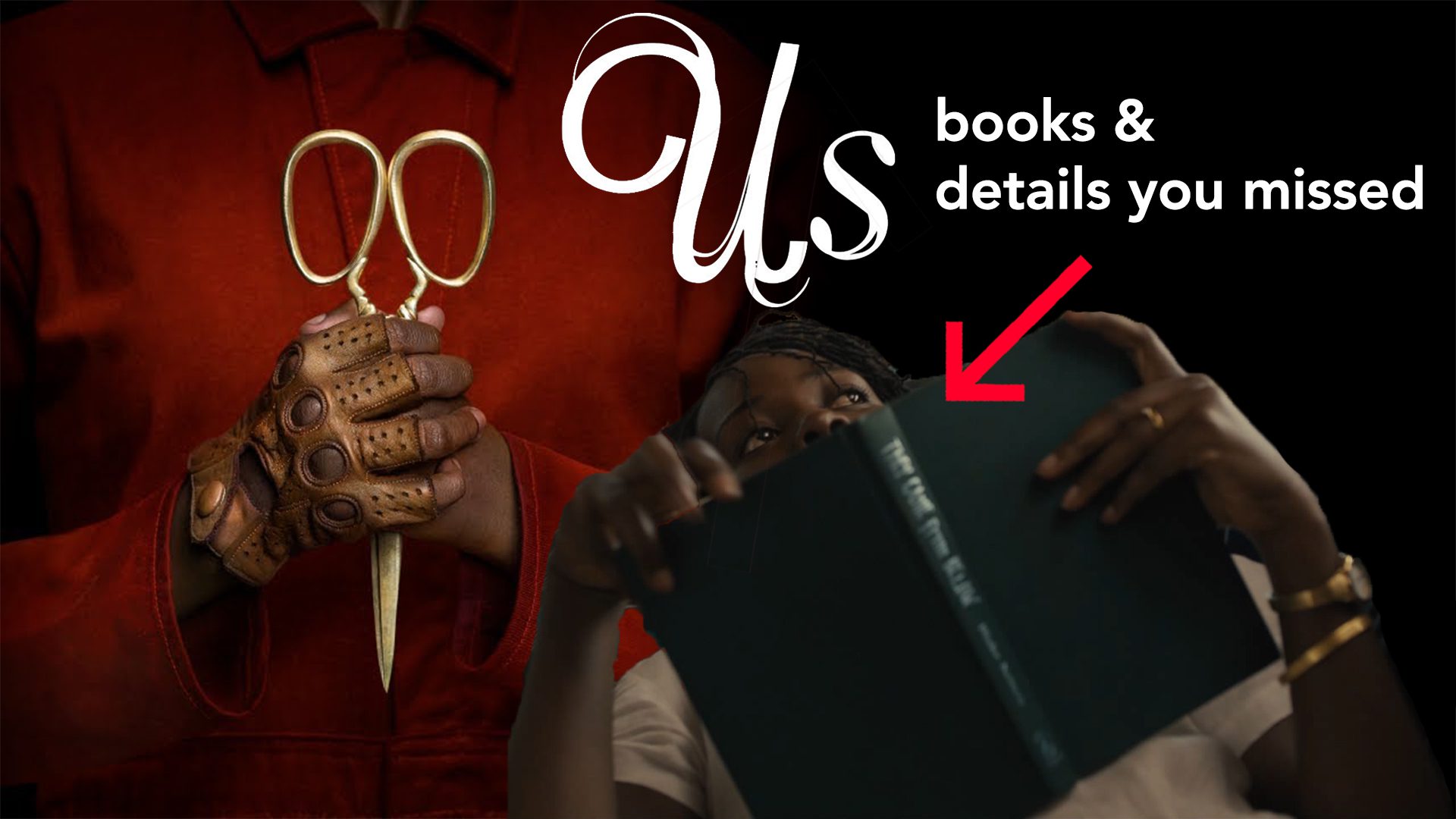
Anyone who's seen my previous videos knows that I can’t help but look for the books hidden in movies. In this case, the book choices are great examples of this film’s attention to detail and commitment to its themes.
I didn’t originally set out to find all the books in US. Compared to the previous movies I’ve highlighted in this way, (Captain Fantastic, Lady Bird, and Zodiac), I knew from first viewing there wouldn’t be the same quantity, and for good reason - most of Us involves people running for dear life, hardly any time to be reading! With that in mind, I initially intended to just highlight the cool details I noticed in Us that helped spark great conversation after going to see it.
That said, the few books I did find each had a deliberate purpose, on the same level as any other. When Adelaide is reading at the beginning, she is reading “They Come From Below” by Blake Nelson, which on first viewing may not register, but on second viewing works as a great piece of foreshadowing. That’s the only one I’ll reveal in the text, the rest you’ll have to see for yourself.
I didn’t stop there though - I also found some of Peele’s other clues and recurring visual themes. He often uses the number 11, rabbits, and the itsy bitsy spider, as further symbols in line with the overall story. I discovered even more patterns worth sharing, which are all highlighted in this 5-minute video. Enjoy!
And if you haven’t already, please subscribe to Hint of Film for more video essays analyzing and dissecting movies.
'Portrait of a Lady on Fire' Review: An Observant, Spectacular Beauty
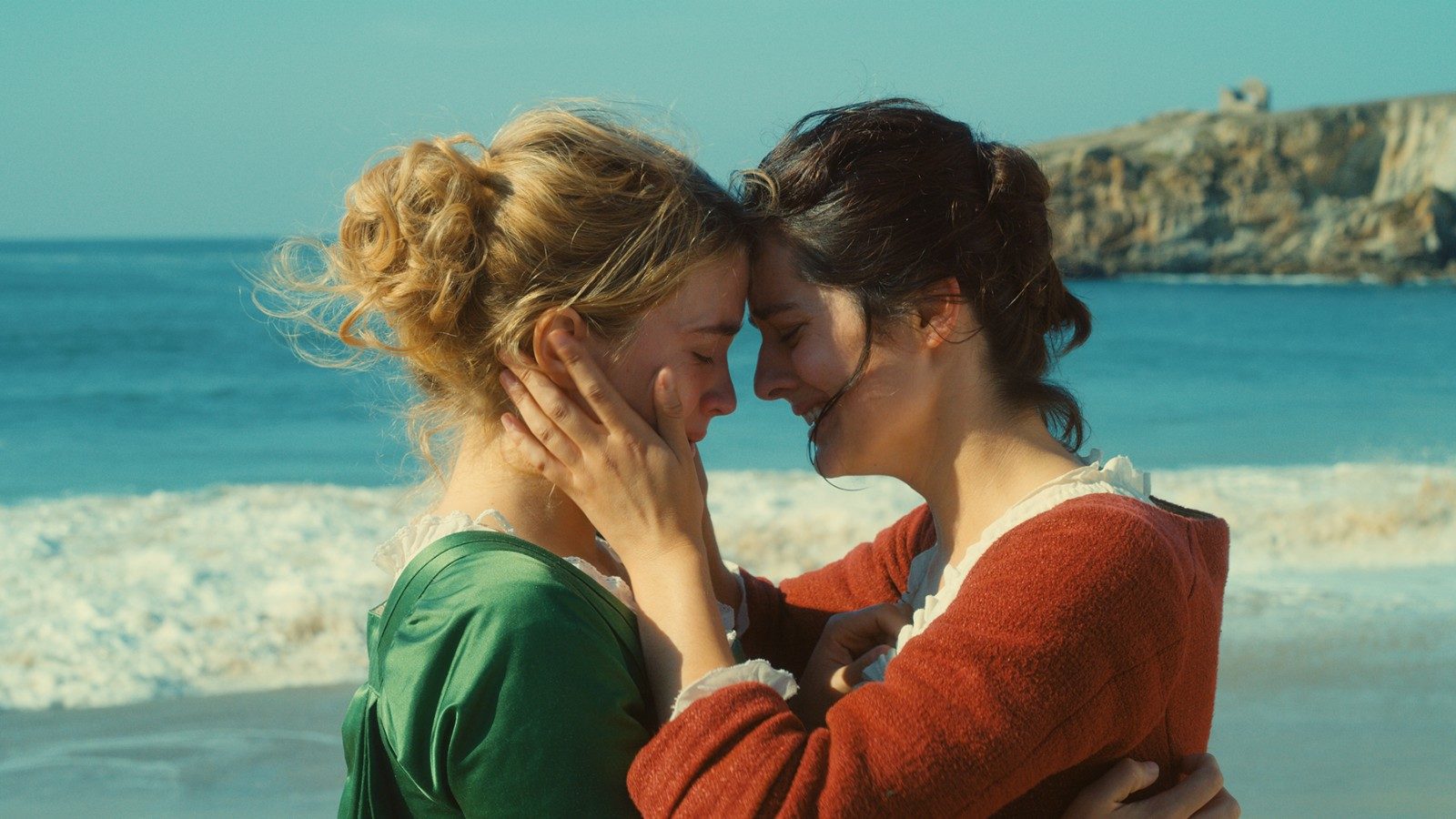
Marianne, a young female painter, is escorted to a remote French island with an impossible task: she must paint another woman, Heloise, without her knowing that she is Marianne’s muse.
Heloise is to be married, and this portrait will be what seals the future relationship. For Marianne to accomplish this, she must befriend Heloise, who has rejected this marriage and conceal the true assignment at hand. This is just the beginning of one of the most spectacular and mysterious movies of the last few years, and my current frontrunner for best film of 2019.
One of the most exciting components of Portrait is that the story invites the audience to participate in the character’s goals. We often watch characters in movies try to overcome an insurmountable obstacle, and vicariously cheer them on without having any ability to be in their shoes. In the case of this film, the protagonist is tasked with a straightforward yet challenging goal: study a woman close enough to be able to paint her accurately. With this premise and an excellently paced reveal of information, we too join in on this quest. When we see Heloise for the first time, we are also studying every possible detail; every glimpse aids us in being able to imagine what the portrait would be like. Director Céline Sciamma cleverly points us toward what to observe: her ears, her eyes, every possible detail that will help to make an accurate portrait.
Of course, this premise is merely the surface: the film runs rich with subtext and endlessly stunning layers underneath the primary conflict. The four elements of Earth, Wind, Fire, and Water each find their way into play consistently. The film essentially only has four characters, which in some interpretation could align with each element. Like great visual art, there is a clear story to be told upon first glance, but with further scrutiny, more significant themes continue to bring themselves to the forefront.
Fire is the most ostensibly visible element, especially given the title. In this pre-electricity era, nearly every shot has some fire lit, and Marianne’s arrival on the island sparks both a literal and metaphorical flame that burns through the rest of the movie. There is a visual warmth here that absorbs us for the entire runtime. And yet, I would argue, the three other elements must exist in tandem for the others to thrive, and here, they do.
I’m avoiding saying too much, other than confirming the spectacular beauty of this movie. Portrait of a Lady on Fire is one whose intrigue is best seen with a fresh set of eyes, and repeat viewers will get to savor it even further, like any great work of art we see in a gallery. Winner of Best Screenplay at this year’s Cannes Film Festival, Portrait of a Lady on Fire is a cinematic treasure to be remembered both for the end of the year, and far beyond that in film history.
'Queen & Slim': An Emotionally Charged Odyssey
Four years ago, Daniel Kaluuya was an unknown British actor whose most substantial credit was a supporting role in the Johnny English sequel.
Fast forward to today, he’s an Academy Award nominee, and more importantly, a chameleon with something new to say in each role. Perhaps now, he can even be considered a marquee headliner.
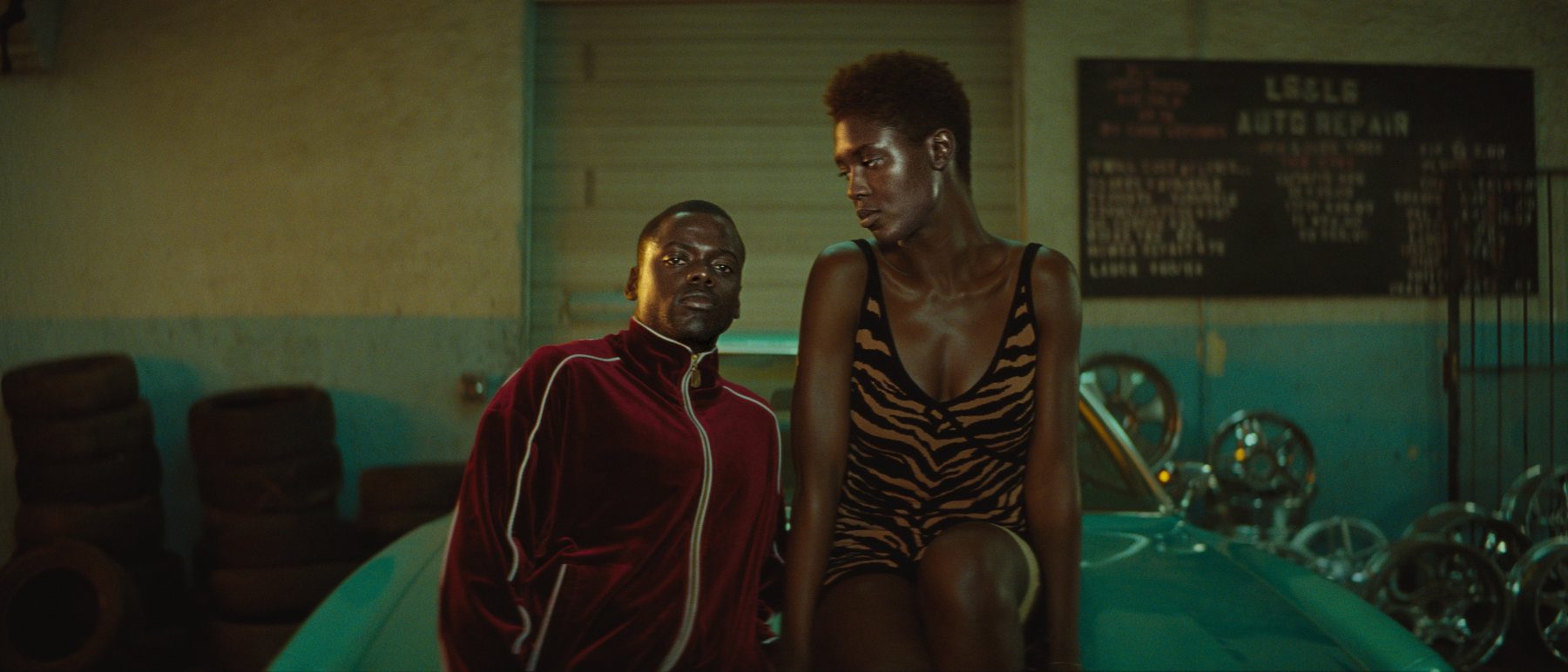
Queen & Slim continues Kaluuya’s ascent to stardom. In accompaniment with three talented women, they have created a bold new movie rare to be found from a studio release. Jodie Turner-Smith is the Queen to Kaluuya’s Slim, and a brand new face on the silver screen. Writer Lena Waithe, an established name in young Hollywood, brings us the screenplay. And director Melina Matsoukas, one of the biggest names in the music video scene, makes a grand feature film debut with this emotionally charged film of the moment. The Waithe/Matsoukas team is a stunning collaboration whose authorship is bold and unflinching, and we can all hope to see even more projects from them together in the future.
When I saw the trailer for Queen & Slim earlier this year, I was immediately excited as a Bonnie & Clyde fan for the opportunity to take the lovers on the run archetype and bring it to the present day. Seeing the homages to the 1967 film in the trailer, I put together a side-by-side comparison to Bonnie & Clyde and Queen & Slim. Take a look:
Having spent a copious amount of time scrutinizing the trailer to match edit it to Bonnie & Clyde, it shouldn't surprise you that I could not miss the first opportunity I could to see the movie. I found myself in the standby line at the world premiere, hosted by AFI FEST at the TCL Chinese Theater. The excitement for this project reverberated throughout the massive theater and the four key creatives mentioned were all on hand to usher it into the world.
From my vantage point, an interesting observation about the film is that it has plenty more to show that's not featured in the trailer. Even when the trailer does give glimpses to moments, they often unfold in unexpected ways. Queen & Slim is an odyssey in the classic sense: our two lead characters take a journey they did not sign up for, and along the way, encounter characters that shape and inform this trip, each with some interpretable subtext. This vignette approach certainly is reminiscent of Bonnie & Clyde, but also brings to mind a wide swath of other inspiration, from Homer's Odyssey to American Honey.
Many other writers will dive into the film's handling of race, police brutality, and other hot-button topical components that work their way into the narrative. I want to use this platform to dissect my favorite piece of subtext found in the film: its rich use of geography. Queen & Slim start their journey in Southern Ohio and zigzag their way across the United States. Each location is deliberately given a name and place, unlike some road movies which hide where characters are supposed to be. I counted at least five states (or areas within those states) that are given name recognition. Matsoukas has a visual style that makes even simple transition moments, like a car driving across an empty road, rich with texture and significance.
After leaving Ohio, Queen & Slim make their way South. At a certain point in the movie where the characters have to hide from the police without much notice, a visual caused something to click for me: this exodus South is somewhat of a modernized look at the Underground Railroad and the treacherous journey to freedom. In the past, runaway slaves sought freedom by escaping to the North. For Queen & Slim, the hope of freedom is found in the southernmost part of the United States. It seems that it's no coincidence the film chooses to highlight so many Southern states, with characters stopping along the way and seeking refuge in a manner reminiscent of Underground Railroad lore. The journey to freedom was also bolstered by courageous individuals who helped those along the way, even when breaking the law. At every step of the journey, Queen & Slim encounter people who have a choice: help these two and break the law, or aid in their arrest, and follow the law. Most characters pick the former, and that's what allows them to make their passage. This use of geography is an allegory I hope to dissect further, and I am especially curious to see if it's mentioned in other publications about the film.
Otherwise, there are times where the film's pace lacks the sense of urgency established by the premise. The nature of stopping along the way means that at times, the movie's momentum is slow. However, with each step comes intriguing characters and development of the two leads, so despite an occasionally meandering pace, there is plenty to be captivated by. Overall, it's a film worth seeing, for both classic movie fans looking for the Bonnie & Clyde homages, and also contemporary cinephiles looking for a roster of new talent on the climb to the top.
QUEEN & SLIM (2019)
Starring Daniel Kaluuya, Jodie Turner-Smith, Chloë Sevigny
Directed by Melina Matsoukas
Written by Lena Waithe, James Frey (story by)
Distributed by Universal Pictures. 132 minutes. In Theaters everywhere Wednesday, November 27, 2019.
AFI FEST: Showcasing The Best In Global Cinema
Another AFI FEST has come and gone, and despite an unprecedented last-minute scheduling change (The Banker being pulled as the closing night film and swapped with Marriage Story) and the decision to charge for admission, this year's festival continued to showcase the best in global cinema. The complete program included 143 titles, of which 51% were directed by women, and represented 52 countries. Below are a couple of films that stood out to us.
The Song of Names
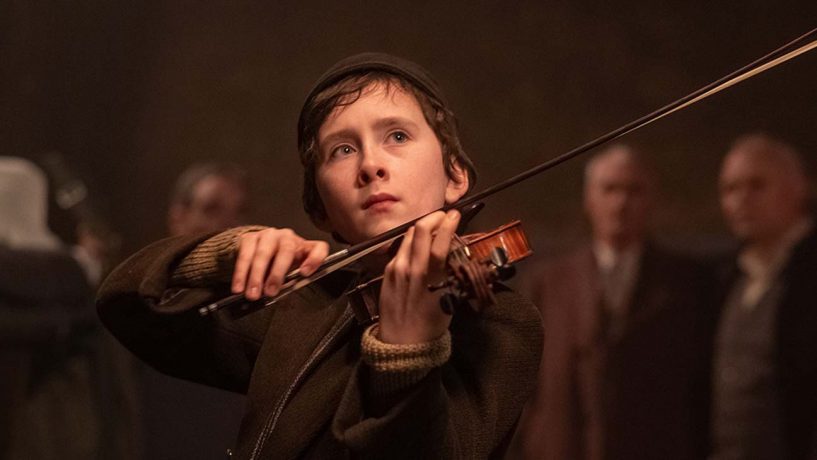
Director François Girard has become the go-to voice of music movies. Most known for his direction of the Oscar-winning film The Red Violin, Girard’s entire filmography is richly layered with a love for classical music of all types. With his latest film, The Song of Names, he is back to nearly the same scope as that film: a multi-continent, multi-generation odyssey revolving around a single piece of music.
The film centers two boys, Martin and Dovidi, each played by 3 actors over the course of the film’s nearly 40-year timeline, with the final pair being recognizable faces Tim Roth and Clive Owen respectively. Both musical students, Dovidi becomes an adopted brother of Martin’s affluent British family in an effort to maximize his talents on the violin. As time unfolds, and tragedies of World War II strike, the brothers’ relationship ebbs and flows. Ultimately, a single piece of music, (fictional though rooted in historical accuracy), known as The Song of Names, becomes central to their relationship, in unexpected ways.
Being this is a film foremost with music aficionados in mind, and centering on a fictional piece of music, the film enlists the legendary Howard Shore to compose the film’s score, and most importantly, the titular Song of Names. According to the Q&A at AFI Fest (the film’s West Coast premiere), Shore spent nearly 2 years writing this piece of music, taking extensive time to research a period-accurate style, while still adding something new that fits within the film’s story. What the song he creates is, you’ll have to see for yourself.
It’s rare that non-tentpole movies aim for such a sweeping scale, let alone achieve it effectively. You can see storytelling components that may work better in a novel, given the stretching time and also largely internal conflicts that characters face. However, I have trouble imagining a book version without being able to hear that music, which ultimately elevates the story to greater heights. The music is the star here, and aficionados will be ecstatic to watch it unfold, but even those unfamiliar will undoubtedly find plenty to appreciate here. The surrounding film is an approachable, sturdily made drama on the brink of an epic scale.
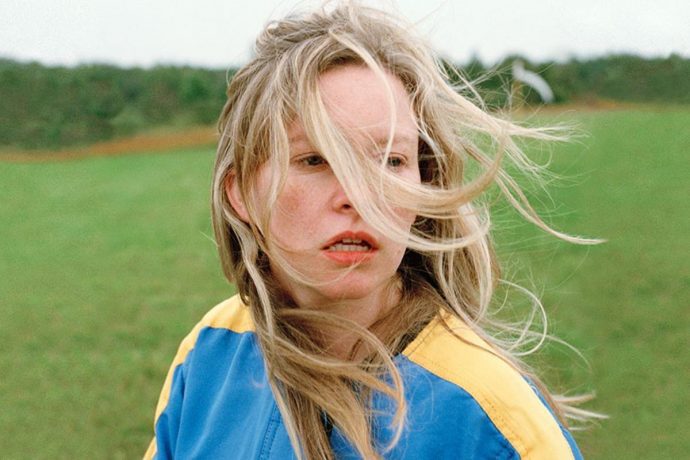
Anne at 13,000 Ft.
In the streaming era with studios clamoring for any possible way to get audiences to see their movie in the theaters (preferably on opening weekend), there is an extra emphasis added to the big-screen experience. The trailer for Ready Player One included a quote that spelled it out without any veil: “See this on the biggest screen possible.” Any cinephile I know values the experience of seeing a film in this way, and this preference is not even limited to blockbusters.
That being said, for every rule there is an exception, and with Anne at 13,000 Feet, the exact opposite recommendation is true. For those seeking out Kazik Radwanski’s latest film, I would break ranks and advise seeing this film on a small screen at home.
Within minutes, Radwanski’s signature visual style is made clear, and it’s apparent to viewers that the film will not break from its created form for the entire runtime. Every single shot is a close-up. A handful of movies have employed this style, often successfully. The brilliant Oscar winner Son of Saul comes to mind. However, while previous entries have utilized smooth motion as a means to compensate for a jarring visual approach, Anne takes no such mercy: on top of being entirely close-ups, the film is seemingly entirely handheld and shakes up the viewer Paul Greengrass-style. This gives the film an authentically independent feeling, and we get to know the protagonist Anne intimately through constantly seeing her from 6 inches away. In this sense the film is effective, but to see this on a big screen is nauseating, even for viewers with a strong stomach. There’s a clear irony laid out: in a film where the character’s primary catalyst for excitement and change is sky-diving and therefore thousands of feet away from the world, we spend our entire time seeing her less than a single foot away from us. The effect is compelling for a short duration but takes a toll on the viewer. In today’s version of things I never expected to say, I imagine seeing this at home would make for a more enjoyable experience.
As far as the story itself, the film is a loose look at a woman’s slow corrosion amidst the social pressures that surround her. Co-workers, family, friends, and her new boyfriend each play a role in this slow-motion breakdown, and it becomes clear to the viewer she is in need of help that she may never get. The result is an intimate portrayal of internal chaos, with ambiguity to let the viewer come to their own conclusions. As you can see, it’s impossible to divorce the subject from the style here. This unique approach that the filmmakers are committed to will work for some audiences. For me, I can’t help being reminded of the quote, “if every shot is a close-up, no shot is.”
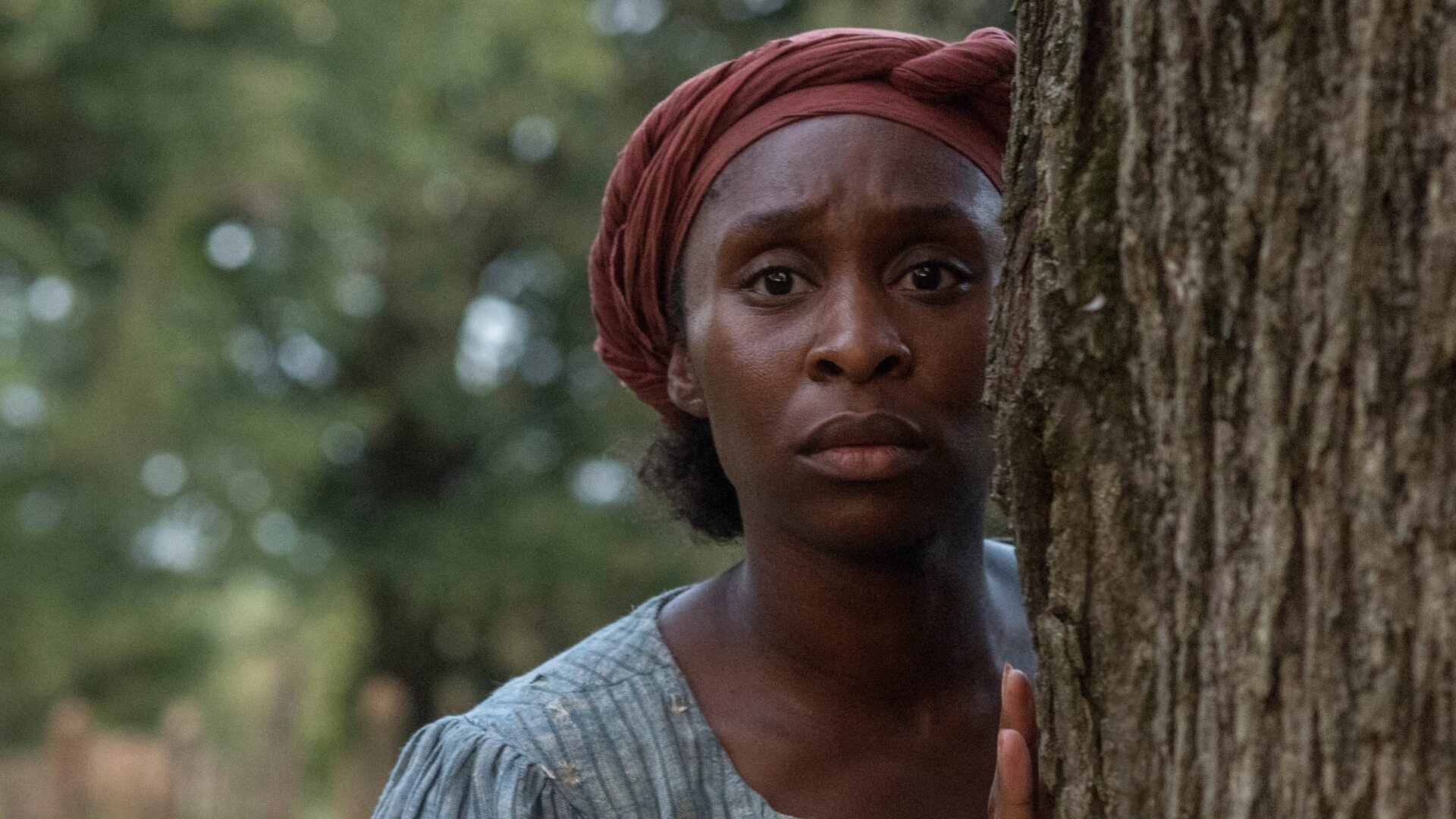
'Harriet': A Solid Biopic That Lacks Spark
There’s an unwritten rule that film critics act as though they’ve already seen everything released prior to the current moment. And yet, part of the work of film criticism is going back and finding old treasures that perhaps older critics know well, but for some of us is a new revelation. This is bolstered in LA, where restoration cinemas play classics regularly. And this was my experience this past May when the New Beverly played Kasi Lemmons’ 1997 directorial debut, Eve’s Bayou, which after seeing for the first time, I can agree is a masterstroke of filmmaking. Roger Ebert declared it the best movie of 1997, and it has the right to be remembered as a new classic.
Kasi Lemmons started out as a character actress in movies including The Silence of the Lambs and Hard Target before transitioning behind the camera. It’s no small feat to find work as a female director, even today, unfortunately; in last year’s documentary Half the Picture, Lemmons is prominently interviewed expressing the challenges of finding directing work despite being a top-tier talent and checking all the boxes with her first film.
Taking us to today, where Kasi Lemmons has directed a new feature, Harriet, it is worth getting excited to see a talented director, who for a myriad of reasons is not as prolific as some, releasing a movie about an important subject who has yet to get the cinematic treatment. Cynthia Erivo, last year’s breakout talent from Widows and Bad Times at the El Royale, gets a major star boost with the formidable role of Harriet Tubman, perhaps one of the most important historical figures of our country, and tentatively the future face of the $20 bill.
I remember the incredible stories of Harriet Tubman from my middle school history years. After escaping North to freedom herself, she led hundreds of other slaves to freedom through multiple treacherous rescue missions. The tactics she employed to pull off these dangerous journeys were so incredible it’s hard to forget once you’ve learned about it. While she isn’t featured as prominently in textbooks as US Presidents, it’s fair to say that those who know her stories rarely forget them. If you aren’t already familiar, it’s worth exploring these stories, some of which are included in the film, though many are not.
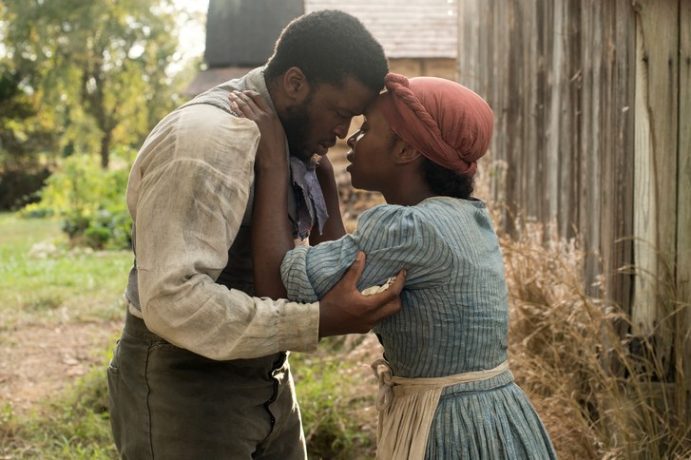
In this sense, the film Harriet feels more like an introductory course to Tubman rather than uncovering new and unique components of her larger than life story. There are more conventional biopics (even ones that have won the last few acting Oscars), but it’s still hard to view Harriet as anything but a fairly straightforward telling of a historical figure. This will work better for some audiences than others. There is a clear heroic structure in place, as we see Harriet start as a soft-spoken woman entrapped by a cruel system, make her own way to freedom, and then find the strength to lead others to a more hopeful future. The most compelling moments are Harriet’s abilities to foresee the future and the somewhat mystical ways in which she could avoid capture. However, many of the daring escape missions are frustratingly simple. Instead of showing Harriet’s full capabilities, most of the time we see her leading escape missions that make it all look a little too easy. There were numerous opportunities for escape sequences ripe for suspense and tension to be filled out further, but instead, they come across as more muted and ordinary. Perhaps I am more critical because I can recall exciting tidbits from history that could’ve propelled these moments to (nearly) Mad Max: Fury Road level suspense, and still done justice to the historical figure.
One exciting thing that Harriet achieves is bringing Harriet Tubman to life beyond a photograph in a book. Nearly every image we know pictures Tubman as being an older woman, yet in Erivo’s performance we see her personified as a young, formidable woman in her late 20s and early 30s. Costume designer Paul Tazewell creates some dazzling (yet period-appropriate) outfits that showcase Tubman as a force to be reckoned with. The costumes are one of the film’s greatest achievements and hope to see them remembered come awards season. Erivo’s performance gets a few moments to shine, though I don’t see this as a star-making performance; some of my favorite moments were the singing voice she brought to the role, which is nicely incorporated into the fabric of the story.
Overall, Harriet is a solid, albeit traditional, biography of a historical figure worthy of being remembered. There are still more dynamic stories to be told of Tubman and her counterparts, and in an era where we are seeing both conventional and groundbreaking biopics exist in tandem, I will always gravitate toward the more boundary-pushing entries. Perhaps before we got an unconventional entry of Harriet Tubman’s life, we needed to have a straightforward outing solidly crafted, and that’s what this film is. From here, I hope to see more work from Kasi Lemmons sooner than later. In the meantime, Harriet will suffice. – H. Nelson Tracey
HARRIET (2019)
Starring: Cynthia Erivo, Leslie Odom Jr., Janelle Monáe, Joe Alwyn
Directed by: Kasi Lemmons
Written by: Gregory Allen Howard, Kasi Lemmons
Distributor: Focus Features
Running time: 125 minutes
Playing: Opening this Friday in theaters everywhere
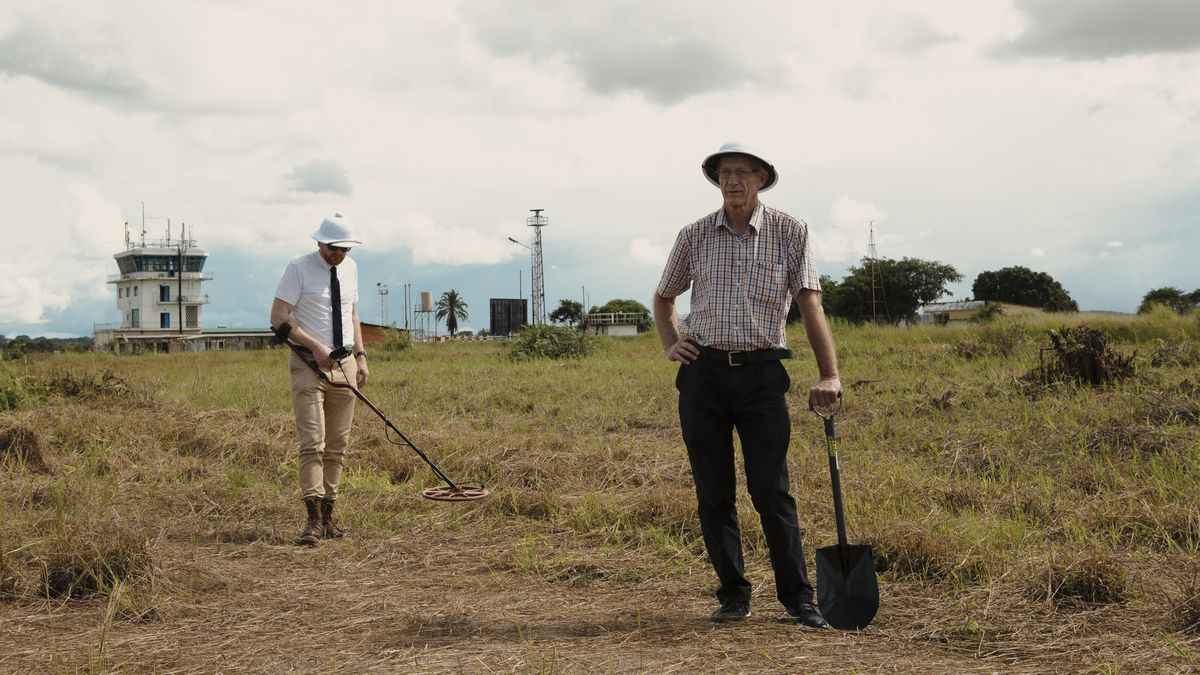
Danish Journalist Investigates a Questionable Death in 'Cold Case Hammarskjöld'
COLD CASE HAMMARSKJÖLD (2019)
Starring Mads Brügger, Göran Björkdahl, Dag Hammarskjöld
Directed by Mads Brügger
Distributed by Magnolia Pictures. 128 minutes. Now playing at Alamo Drafthouse Cinema Downtown Los Angeles and Laemmle Monica Film Center.
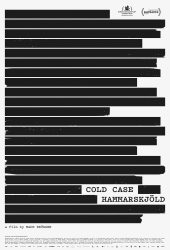
The research enthusiast in me is inspired by the tenacity in finding a story very well hidden, and dormant for over 50 years. The film enthusiast in me is inspired by how well crafted a story about such research is so well compiled. It’s a dense project, as you can imagine, and at times it doesn’t slow down for the viewer to keep up with the names of subjects and conspirators. Ultimately, though, it’s worth your time to focus and keep up with every step of the way. The role Brügger plays pays off as we get a front-row seat to the challenges and frustrations of researching such a challenging story. Not every lead is successful; the film wisely includes some false trails so that we never know if a particular moment will be fruitful or futile.
'Aquarela' is a Near-Wordless Ode to the Natural World
AQUARELA (2019)
Directed by Viktor Kossakovsky
Distributed by Sony Pictures Classics. 89 minutes. Opening 8/16 at ArcLight Hollywood and AMC Century City 15.
Perhaps the best summarization that could exist for Aquarela, Russian director Viktor Kossakovsky’s ode to the raw power of the natural world, would be “the main character is water.” If you’re looking for a documentary with sit-down interviews, talking points, statistics, narration, or some sort of direct action plan and you see Aquarela, you will be disappointed, but that’s a bit like showing up to a tearjerker and complaining there aren’t enough jokes. So for intrigued viewers, it’s best to have some preparation for the upcoming experience.
Readers may note my love experimental documentaries that push the boundaries of cinema - they appear frequently in my writing because they deserve any additional publicity for their efforts. By premise alone, Aquarela appealed to me in the same way that Jennifer Peedom’s Mountain was an immensely satisfying ode to nature. Yet after seeing Aquarela, by comparison, even Peedom’s film, rooted by Willem Dafoe’s narration and an incomparable soundtrack, feels conventional. Aquarela doesn’t hold your hand in any way - it asks you to see nature, specifically water, in all its forms and develop your own narration as the film unfolds.
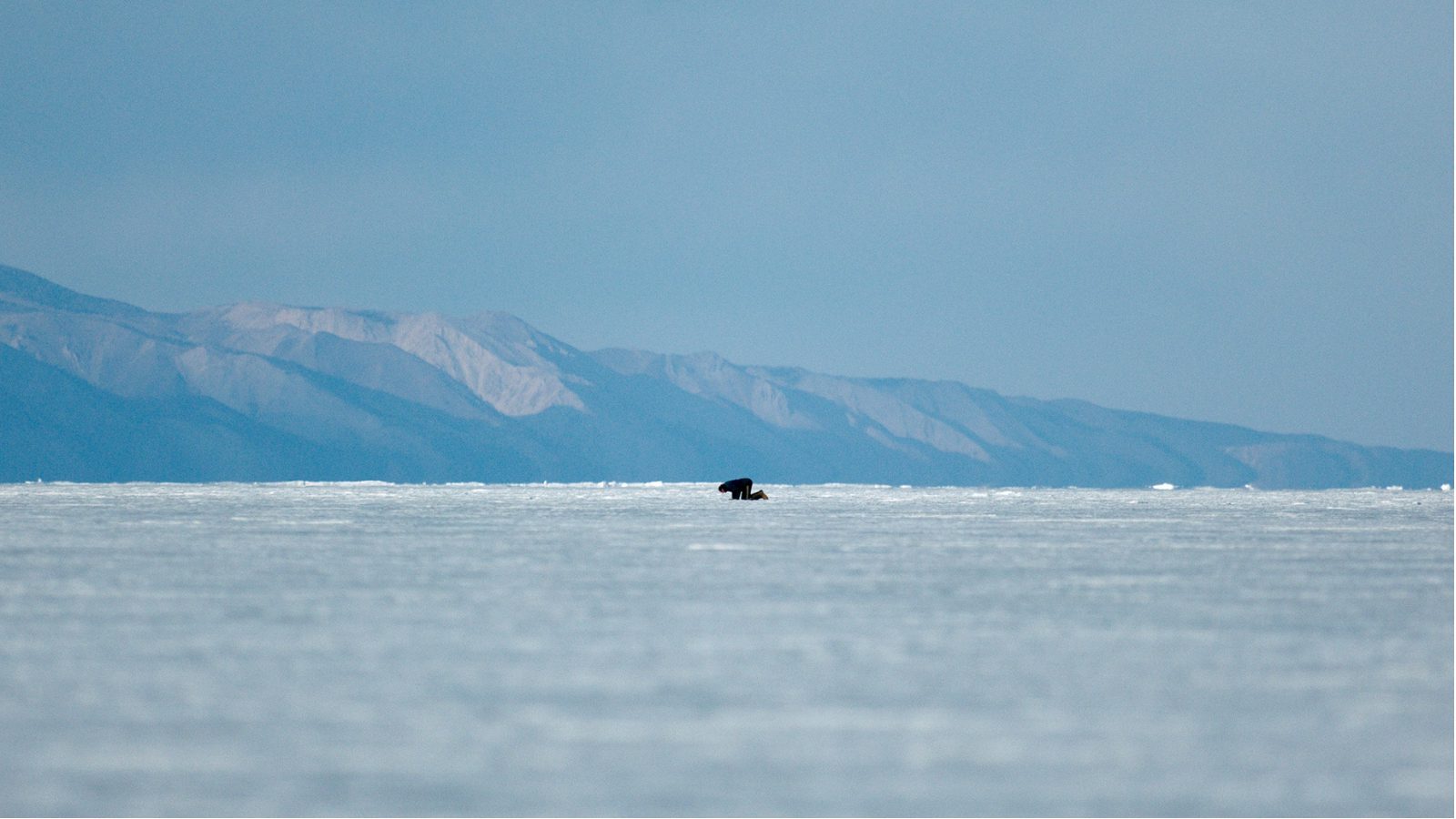
Starting with ice, the film begins in Siberia on the frozen waters of Lake Baikal. There’s a looming sense that the ice is melting faster than it should be. To its credit, the film never panders to climate change action - anyone seeing this film can decipher that climate change is an active part of any nature doc; it’s suggested in subtle, powerful ways. Extended shots of men walking around on the frozen lake, doing some sort of work, pay off into a tremendous, unbelievable sequence involving the recovery of items under the frozen surface. Without saying what the result is, it’s priceless. As a 15 minute short film, it would win the documentary Oscar (or go viral, depending on its end goal).
This is the most approachable section of the film - from there, we enter into the more alternative, experimental approaches to storytelling. We watch the numerous stages of water, fully realized in stunning, high-frame-rate footage that captures its raw power, whether as ice, waves, steam or somewhere in between the stages of liquid. It will work for some - it’s no doubt deliberate and deftly executed. Others will be alienated by its near-wordless approach. So long as you know what you’re getting into, the experience is yours to determine.
https://www.youtube.com/watch?v=3xAIuDF25kE
Catch a live performance of 'Did You Wonder Who Fired The Gun?'
In the old fashioned realm of going to the movies, checking the local newspaper for a take on film reviews was an integral step in the decision-making process for what to see. Denver film critic Howie Movshovitz recalled his proudest moment as a film critic wrote a glowing review of the Canadian film, “Strangers in Good Company,” scheduled for only a 4-day run: his review boosted the film’s success and allowed it the opportunity to play for 4 weeks.
Certainly, in the era of Rotten Tomatoes and the era of streaming (not to mention the dearth of print media), film criticism as a means to bring audiences to event cinema is rare. Therefore, when the opportunity to bring in a local audience arises, one must gather all hands on deck to ensure a suitable size audience. I have been a film enthusiast long before I wrote reviews. I’ve been on the receiving end of this recently: glowing coverage of the incomparable War and Peace from the New York Times led me and Ryan Rojas to seek out a 1-day exclusive screening at Santa Monica’s Aero Theater in March, a sold-out show that produced an encore at the Egyptian in April. In other words, when the event is right, critics can still be the ones to guide viewers to journey into independent cinema, especially for film events with limited engagement.
****
All this prelude builds to a must-attend, one-night-only, cinematic event happening in LA next Tuesday, July 23. Documentary filmmaker Travis Wilkerson performs a live rendition of his cinematic memoir Did You Wonder Who Fired the Gun? for the first (and perhaps only) time in Los Angeles.
The film, in either the live rendition or traditional format, has never been shown in theaters in the greater LA area. I know this because I had the privilege of seeing the film at Sundance Film Festival in January 2017 at its world premiere, also featuring a live performance from Travis Wilkerson, and have waited for it closely ever since. I wrote an enthusiastic review in conjunction with the other excellent films I got to see that day. The experience was so mesmerizing that afterward, I doggedly followed the film’s website and the distributor Grasshopper Films’ website, waiting for a chance to see the film again.
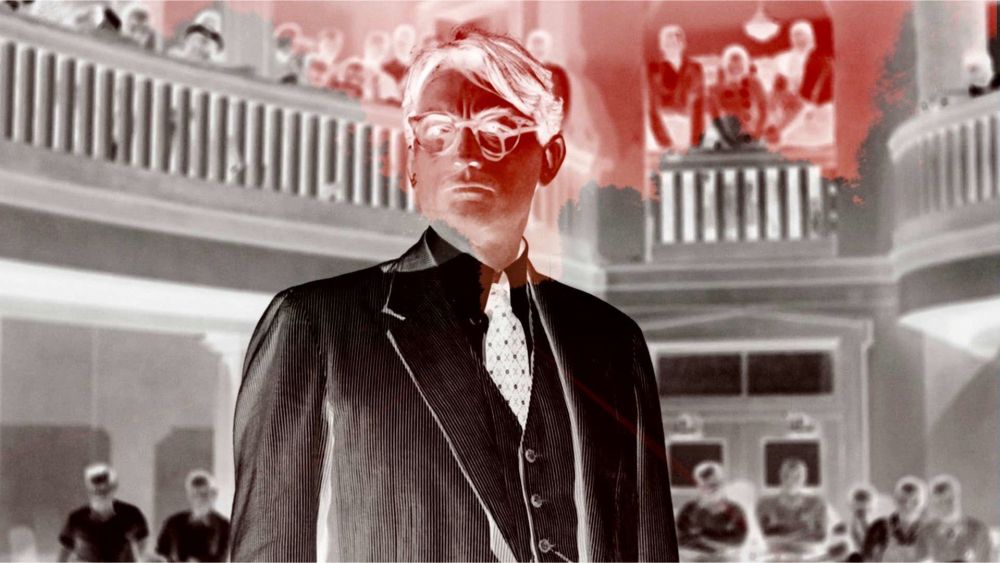
Travis Wilkerson is the writer, director, editor, and narrator of this complex, gut-wrenching exposé of his own family’s complex legacy of white power in the rural South. Wilkerson is the direct descendant of a man who was proud of the fact that he killed a black man and got away with it. With fragments of archival, Wilkerson comes to terms with the horrific racism among his own kin, and how to grapple with this as a progressive individual in the 21st century. The story unfolds like a detective novel in real-time, as Wilkerson retraces the steps of the crime which up until now had remained buried. We are taken with him on the journey through the Deep South and, in minimalist imagery, are transported to a part of the country that feels altogether foreign from anything we know in California or the West.
The live component is vital to this experience. This is Wilkerson’s story: he is an active participant in the journey, and to see him deliver it live, at times quite literally editing and sound mixing on the fly while reading raw narration of his own personal odyssey, is incomparable. In most cases, these “live” cinematic experiences are only available at premier film festivals like Sundance. To get to see this in LA is a gift of an opportunity. Adding to the stakes: the ticket itself says this may be the last time Wilkerson ever delivers the live performance. Even at the Sundance world premiere, during the Q&A, Wilkerson candidly expressed the painful nature of the subject meant he had few intentions of going around doing the show. Hence, the need for a taped version, which I have yet to see having been treated to the live showing. With this in mind, it gives extra importance to this evening next Tuesday: antithetical to most cinema, this is something that cannot be brought home or streamed on VOD after the fact. This is a one-and-done, cannot-miss moment for independent cinema enthusiasts.
As avid readers of the Los Angeles independent film scene, I invite you to join me next Tuesday for an unforgettable event.
Travis Wilkerson’s live performance of Did You Wonder Who Fired the Gun? will play next Tuesday, July 23rd, at 8:00 pm at the Velaslavasay Panorama, 1122 W 24th St, Los Angeles, CA 90007
Tickets are $12, more information available here: https://wilkerson.bpt.me/
Our Recap of the 2019 TCM Classic Film Fest 2019
The TCM Classic Film Festival is a haven for movie lovers to watch timeless films on the big screen, the way they were meant to be seen. Whether you've seen a film once, twice, or not at all, watching a classic film in a theater with fellow cinephiles is a heartwarming experience. This year, we're discussing Sgt. York, Day For Night, Goodbye Mr. Chips, Gone With The Wind, Kind Hearts and Coronets, and Marty (for a behind-the-scenes look at this year's festival, click here).
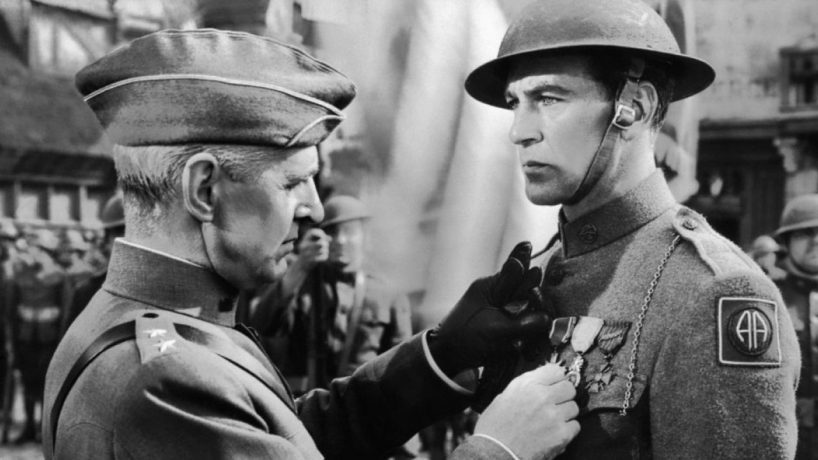
Sgt. York
A Best Picture nominee in 1941, Sgt. York was released weeks before Pearl Harbor shocked Americans to the core and proved to be the perfect picture for wartime inspiration. The titular Sergeant, played by Gary Cooper, starts out as a country bumpkin from Tennessee whose only pastimes are drinking and shooting guns. We watch a character transformation as York finds his way to religion first, then a love of country brought on by The Great War, and a call to arms he must participate in. It harkens back to a time where patriotism had a much different meaning and Americans were realizing just how much their country as a whole meant to them. It’s definitely a worthwhile watch for a socio-political perspective, and a fairly compelling look at an unexpected hero and how he came to be such.
This TCM screening was made extra special by being the inaugural screening at a brand new movie theater: The Legion Theater at Post 43, a military club on Highland Avenue with a spectacular new theater. In person was both the son and grandson of Sgt. York, who have both served in the military themselves and actively participate in sharing their father’s legacy.
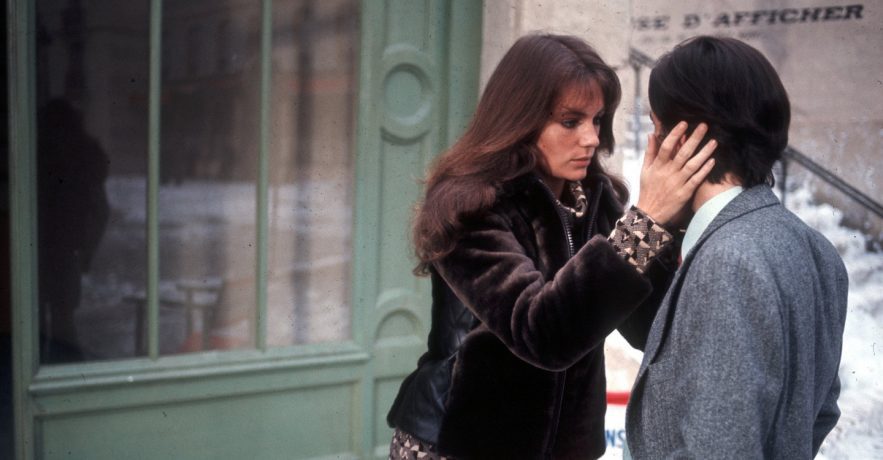
Day for Night
This 70s French movie about the making of a movie has gone on to influence dozens of similar films, both sprawling ensemble pictures as well as stories about the motion picture industry behind the scenes. If I say that it’s a movie about making movies, you can almost picture it all. Seeing Nashville in the same festival, it’s clear even Altman, the master of the ensemble, emulated similar story components that Truffaut established. Tropes I’ve seen countless times all seem to originate here: the actress who forgets her lines, the expensive sequence with a disastrous camera error, and of course lots of love affairs and passionate secrets. This movie may not have resonated with me as much given how many similar movies I’ve seen, but is nonetheless a pioneering film infused with some great French culture that affirms its place as a classic.
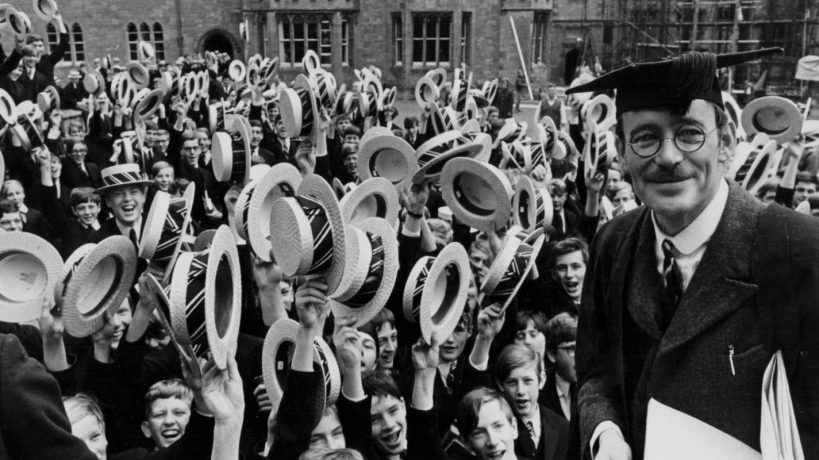
Goodbye Mr. Chips
This unabashedly sentimental film is a favorite of my dear grandma, and so I owed it to her to finally check it out at this year’s TCM festival. The titular Mr. Chips (Robert Donat in an Oscar-winning role) is an aging teacher at a boys prep academy who has been at the school so long he is its heart and soul. Generations of teaching schoolboys have made him wise and more than a tad eccentric and we see how he became such a staple of the school through flashbacks.
Goodbye Mr. Chips is comedic, tragic, and altogether heart-warming motion picture. In the film’s introduction, the speaker said to the packed audience, “you either had a Mr. Chips in your life, or you didn’t.” I was fortunate to have a few “Chips” in my formative years and suffice to say, the film is definitely a touching reminder of the great educators who helped us along the way.
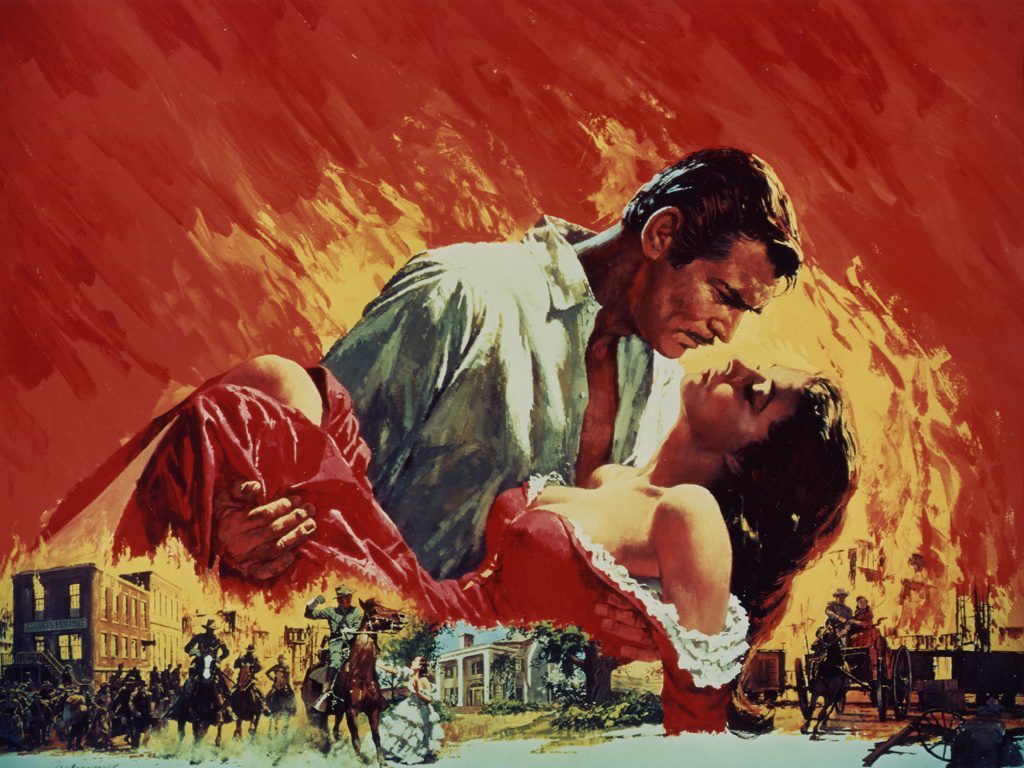
Gone with the Wind
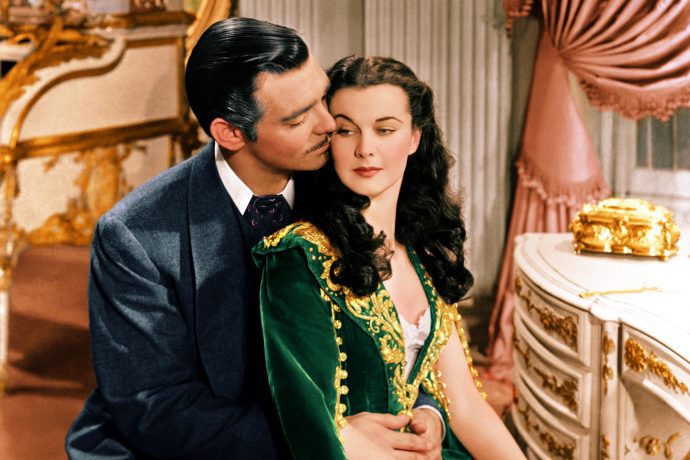
At all times, we film lovers have one movie that people are most shocked we haven’t seen. For years, that movie for me probably has been Gone With the Wind. I’m certainly glad I waited to see it: this meant I could view it on the 25th anniversary of TCM Channel, at the Chinese theater, on a spectacular print that looks as spotless as if it were made yesterday, despite being a film made 80 years ago. Sometimes, movies are worth waiting for the right opportunity to check out.
Unfortunately, the aesthetics are where my praise of this acclaimed film ends. While I knew the film took place in the South during the Civil War, I had no idea to what extent it is a shameless romanticization of the “Old South” described as a beautiful land of prosperity. From the saccharine prologue text, all the way up until intermission, it seems like every moment wants to infuse nostalgia for the era and the lifestyle of the affluent plantation owners who serve as the protagonists. (The second half is less epic but substantially less problematic). Slavery is not ignored, far worse: it is presented as a way of life with harmony and prosperity. Countless times I found myself in utter shock with the perspective through which the film repurposes American history to its own unsettling opinion, enough to warrant a direct comparison to The Birth of a Nation. Yet for some reason, the two films have aged far differently from film historians.
Ultimately there is much more to say about this film than a short review will allow for. My short takeaway is that from a modern day viewer, celebrations of this movie may need a second look. TCM Classic Film Festival hosted a conversation about the controversies associated with the film’s ornate legacy: I wish I had been able to see and hear this talk and am still hoping someone recorded it and will post online. I hold many classics near and dear to my heart. This will not be one of them. Nonetheless, I am grateful for the breadth of movies that TCM has given access to and believe that all movies, no matter how unpleasant, deserve to be made available for viewing and study.
Kind Hearts and Coronets
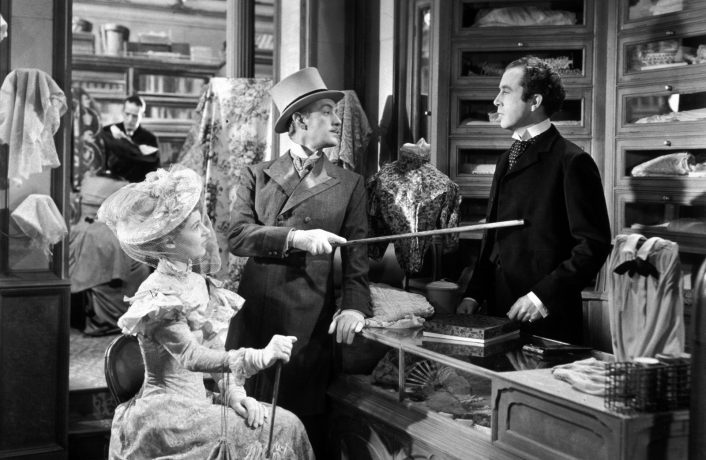
While today’s audiences may know Sir Alec Guinness best for his role as Obi-Wan Kenobi, in the mid-20th century he was a star known for his zany comedy, the likes of which included The Ladykillers, The Man in the White Suit, and this film- Kind Hearts and Coronets. The draw here is that Guinness plays 6 different roles (8 depending on how you count), each a snobbish heir to a vast fortune, and a target for murder by a cunning heir further down in the lineage. What we’re seeing is the initial seeds of what would become a staple of comedy: the multi-character routine seen here appears to be a major inspiration for Eddie Murphy and Mike Myers, among others. The film’s darkly funny plot seems to have influenced Sunset Blvd (which came out the next year) and many other comedies that deal with murder, money, and family.
In person to introduce the film was Jefferson Mays (The Ballad of Buster Scruggs, Inherent Vice), who performed the same set of 6+ roles on stage and described the countless costume changes that sometimes were only 10 seconds long! This is a fun movie and I’m sure seeing a stage version would be equally entertaining.
Marty
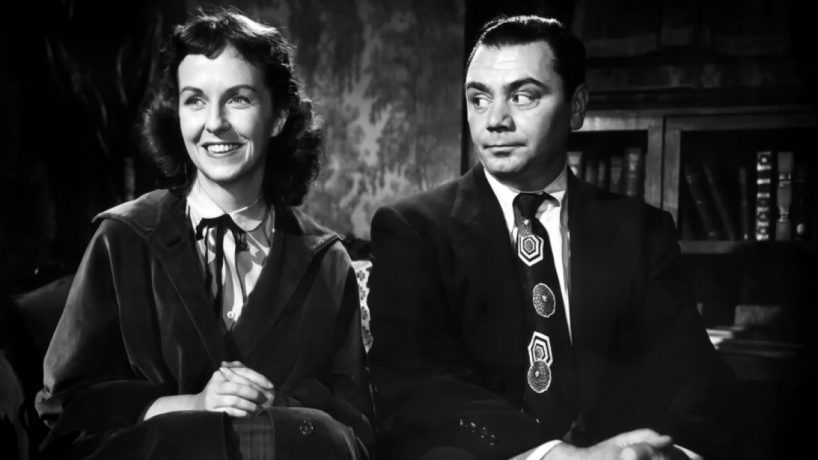
The Best Picture winner from 1955 has been earmarked by me for a while given the superlative that at just 90 minutes, it is the shortest movie ever to win the top Oscar. Contextualizing it further, in the same era that grandiose movies like Around the World in 80 Days and Ben-Hur were being celebrated by the Academy, it makes it all the more incredible that Marty, a slice of life comedy, could take home the gold.
Before it started, the woman sitting next to me asked if I had seen it before - when I said I hadn’t, she smiled and said: “Oh, you are in for a treat.” And she was right: I grinned from ear to ear for the entire duration as we follow Marty (Ernest Borgnine, in an Oscar-winning performance), a down-on-his-luck bachelor whose entire community won’t leave him alone about the fact that he’s not married. Many classic movies require a reframing, as certain elements are hard to view in today’s light. Marty requires no such thinking - the story is timeless and resonates as deeply today as it would’ve upon release. For me, this is the true definition of a classic, a new all-time favorite, and a movie that will stand the test of time for generations to come.
'Be Natural: The Untold Story of Alice Guy-Blaché' Review: The First Female Filmmaker
BE NATURAL: THE UNTOLD STORY OF ALICE GUY-BLACHÉ (2019)
Starring Alice Guy-Blaché, Jodie Foster
Directed by Pamela B. Green
Distributed by Zeitgeist Films in association with Kino Lorber. 103 minutes. Not Rated.
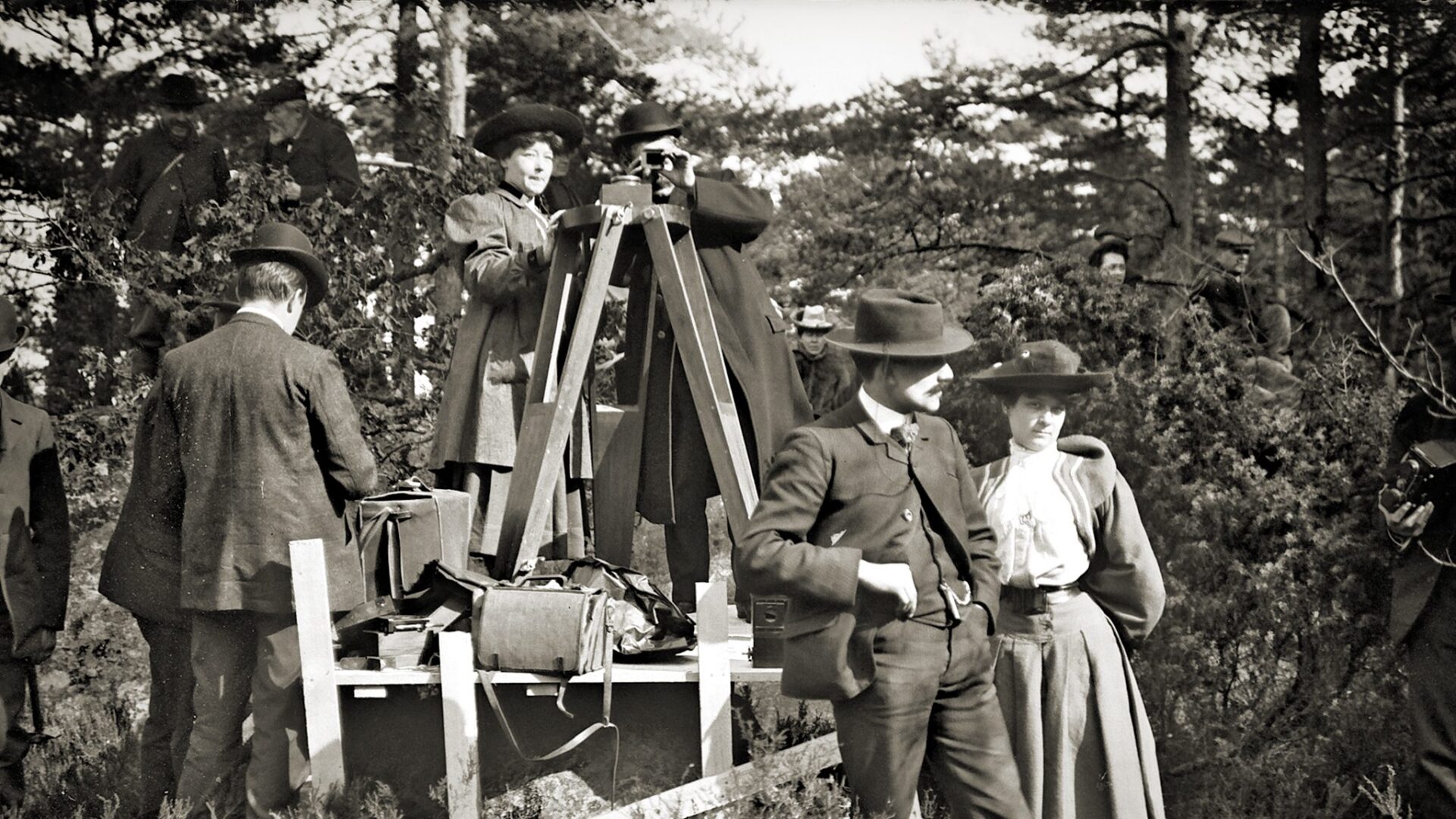
In the opening moments of Be Natural, director Pamela B. Green drops us into an animated rendering of present-day Hollywood, then visually winds back the clock of cinematic history to the late 1800s. With this stunning and impressive visual entrance into our story, the effect is twofold. First, it establishes the incredible motion graphics driven style we’re about to bask in for the film’s runtime. Green previously made title sequences for scores of big Hollywood movies, and her mastery of the motion graphics medium is in full force here. Second, on a more metaphorical level, this rewind speaks to the heart of the message: for generations, movie lovers have learned about the history of cinema as a constructed story. Perhaps, as we learn here, this story was modified to propel or diminish certain filmmakers. Who were the filmmakers that historians omitted in order to fit their agenda?
In late 1800s Paris, the same time at which the Lumiere Bros. and Georges Melies were making the first moving pictures, another filmmaker, Alice Guy-Blaché, was also writing, directing, and producing the first motion pictures. Yes, this makes Guy-Blaché the first female film director, yet before this movie, she’s never been placed in the history books as such. Using meticulous citation and multimedia evidence to back these claims, the film makes a case for not only why she was forgotten, but why she needs to be remembered.
Not only is the film a story of Guy-Blaché, but time is equally allotted for the investigative journey to tracking down all this information. These sequences are thoroughly engaging for people who do similar types of field work, and presumably for anyone who enjoys a window into the process. Had this information been compiled before, we’d already know it - therefore it’s equally valuable to know how the film came to be. It’s at times a dizzying array of interconnected intel, yet even if you can’t keep up with all of it, it plays like fireworks thanks to the aforementioned masterful graphics.
The investigation is intercut with the narrative of the findings themselves, which is the history of Guy-Blaché’s life. These sections are narrated by Jodie Foster, whose French proficiency is on full display. Pioneering examples of story structure, editing, color, sound, and other essential contributions to film innovation are clearly shown in Guy-Blaché’s body of work. A particular moment I enjoyed was how she filmed turning on a lantern: when it’s off the film cell is colored blue, then it cuts to an orange colored cell once it turns on - an early example of using the technology and editing to tell a relatable story. I would’ve liked to see more of Guy-Blaché’s work play out in full: the moments where the film allows it to do so are stunning with the surrounding context. Perhaps Kino Lorber or another specialty distributor will make Guy-Blaché’s films commercially available after this film - here’s hoping.
The end result feels like a crossover between Finding Vivian Maier and Dawson City: Frozen Time, two of my all-time favorite documentaries, each with an engaging, investigative look at history (and in the case of Dawson City, both deal with the birth of cinema). We’re at a time where it’s increasingly clear how fragmented or revised our understanding of history is, and it’s made unfortunately clear that a lot of that has to do with the patriarchal structure that continues to diminish the voices of female filmmakers. Be Natural is an imperative affirmation that female filmmakers have been making groundbreaking movies since the beginning of the medium, and should be recognized for the massive contributions they’ve added to this beloved art. Be Natural is a must-see for movie enthusiasts and will begin the amendment of film history to include Alice Guy-Blaché’s name in the highest echelon for innovating the craft.
Be Natural: The Untold Story of Alice Guy-Blaché is now playing at Laemmle's Monica Film Center.
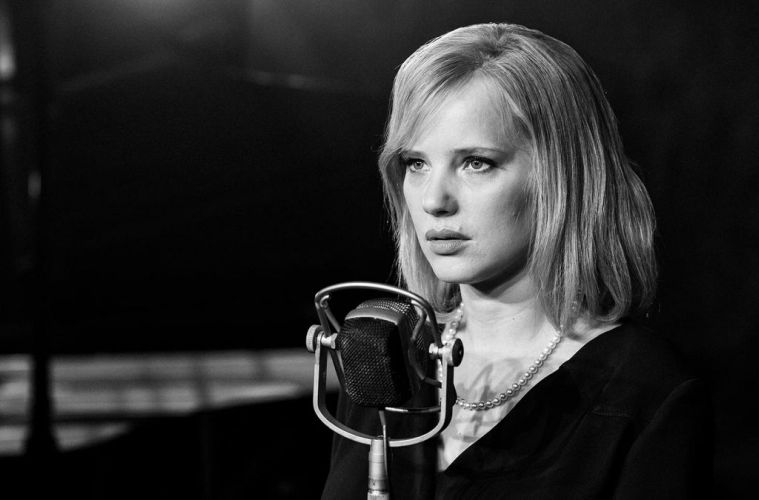
'Cold War' is a Masterful Triple Threat
There is nothing more satisfying than watching a film from a master director.
Backing up a second, I’m someone who follows directors the way people follow sports teams or, closer to home, movie stars. When I hear that Aronofsky, McQueen, Iñarritu or countless other working directors have a new movie, I’m immediately sold on seeing it without the need for trailers or marketing. And this list is ever-growing and hardly limited to the juggernaut names.
In the case of Polish director Pawel Pawlikowski, it only took one film, 2014’s Foreign Oscar winner Ida, to add him to my director’s list. Seeing Cold War wasn’t a question of if, but when. So I’ll be upfront in saying that the film lives up to its predecessor and is a brilliant companion to Pawlikowski’s previous film. For those unsold by that alone, let me further make a case for this new entry.
Opposites attract at a Polish music conservatory
Shot in a visually distinct, entirely black and white square ratio, we’re transported to 1949 Poland within seconds. The war in Europe is over, yet no less divided between East and West. Our first protagonist, Wiktor (Tomasz Kot), an accomplished musician and conductor, is part of a program seeking out peasants who can play traditional Polish music to participate in a newly formed musical conservatory. The goal is earnest preservation of national heritage yet as it grows, it faces increased pressure to be nationalistic and favor propaganda over traditional music. This tension resonates with so many countries, including our own, and by tapping into the ultra-specific it successfully creates something universal.
This is only the starting point. The 90-minute runtime is packed tight with narrative beats. The larger journey begins when Wiktor takes a liking to one of the conservatory’s brightest stars, Zula (Joanna Kulig), and despite their different roles in the conservatory, they fall passionately in love. Over the course of a few years, their love story intertwines with the European conflict at hand, and their opposite personalities make for both passion and often conflict.
The cinematography is worth the admission alone
What makes Cold War riveting is not entirely the story at hand, but the film’s delivery of material. Cinematographer Lukasz Zal (who co-shot Ida and was nominated for the cinematography Oscar), gets to use the camera as the ultimate storytelling device. Most films are lucky to have one or two unforgettable shots that get burned into the retinas. Cold War has at least a dozen. Some are like magic tricks in their simplicity or creative reveal of key information. Others are more stunningly beautiful in an Ansel Adams, magnificently black and white styling. None are mundane or incidental. I won’t spoil these wondrous photographic moments, they are worth the admission alone.
The language barrier doesn't get in the way of the music's angelic quality
The music is another powerful element that is embedded harmoniously into the story, which is unsurprising given its subjects. Most of the music is in a foreign language, giving it an angelic quality beyond the sound of mortal humankind. Not only is it graceful and pleasing to hear, but like the photography, the film uses it as a narrative device to further the story. Most of this may go over viewers heads because of the language barrier, mine included, and yet you can trust it’s all deliberate because the few songs you do recognize are perfectly implemented.
A winning combination of story, photography, and music
These combined forces of story, photography, and music are what make Cold War a must-see, especially on a big screen. Pawlikowski claims he did not set out to make another film so similar to Ida in aesthetic, and yet the two are as perfect as companion pieces as they come. They entirely stand on their own but are complementary as a pair. Whatever Pawlikowski decides to do next, consider my ticket already bought. In the meantime, I’ll be soaking up the emotional experience of Cold War for many days to come.
'Cold War' is rated R for some sexual content, nudity, and language. 88 minutes. Opening this Friday at Laemmle Royal.
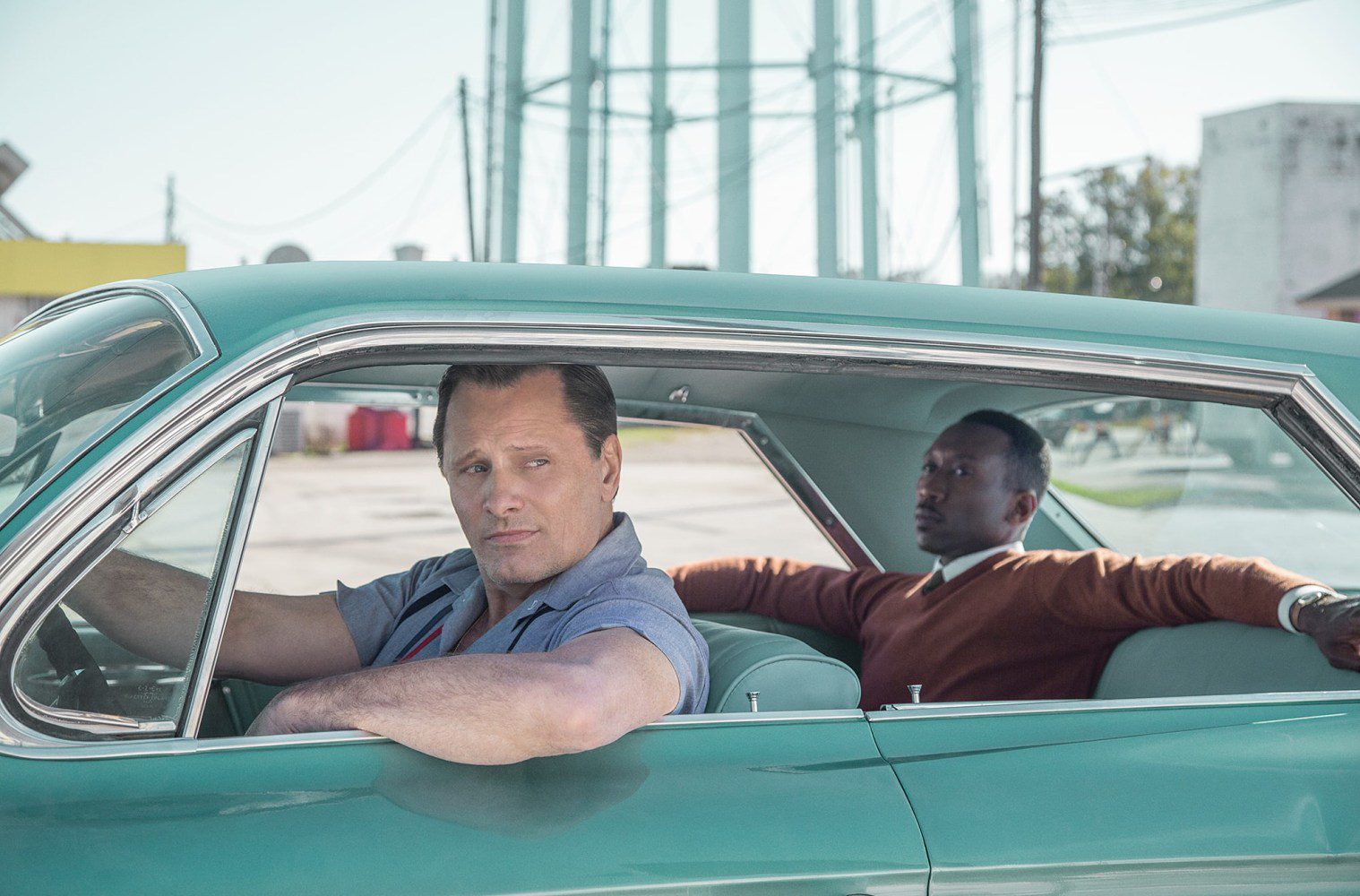
'Green Book' Review: Touring the Deep South, 1962
In turbulent times such as the present, can a movie successfully discuss racial history, while still leaving eager Christmas audiences feeling good?
Awards contender and director Peter Farrelly’s first venture into dramatic territory, Green Book, aims to answer that question. 29 years ago, Best Picture winner Driving Miss Daisy aimed to do something similar, telling the story of a black chauffeur hired to take around an old woman, resulting in a sentimental friendship. As Spike Lee will remind you any chance he gets, that film is dicey in its depiction of racial sub servitude, and so the years have not been kind to Miss Daisy. Modern audiences have realized that the same year, a more relevant and well-executed film about race was released (yes, that’s Spike Lee’s Do The Right Thing).
Many wide-appealing films about racial friendships have been released over the years, but Green Book is seemingly the first to directly revert Daisy: this time, it’s a white driver driving around a gifted black jazz pianist. Tony Lip (Viggo Mortensen, in a transformative role) is an Italian bouncer with a hint of bigotry but without a job to match his tough guy attitude. Unexpectedly, he gets a call from Dr. Don Shirley (Mahershala Ali, similarly disappearing into his role). Shirley is a high-brow man of academia, defying the crude stereotypes associated with African-Americans even today. Through the course of the film, we watch as these two misfits, each playing against the traditional role of their race, navigate the Deep South and make their own journey toward friendship.
On paper it sounds like all the boxes being checked for awards victory, right? The result may appeal to some voters, but the undeniable reality is, this is a mild movie. It’s the equivalent of something you consume with little flavor that merely qualifies as filling enough to hold you over until breakfast. With a film entirely about two characters learning to meet in the middle, and no other plot elements to sustain 130 minutes, the film rests its entire weight on Mortensen and Ali, who are up to the task but cannot make up for a lack of any other compelling elements. We skim through a series of episodes where the racial laws and relationships are tested, and these two characters have to figure out how to respond. Complex themes are addressed but never elaborated on. Why are these Southerners comfortable listening to Dr. Shirley play music and shaking his hand afterward, but still occupy a place of bigotry? How does Northern racism differ from Southern? The unanswered list is long. Even the theme of sexual orientation followed by acceptance is addressed… then skimmed over without any consequence to the story. The slow burn nature of it means the same approach is taken with nearly every development: it comes in, we sit with it for a few minutes, then move on.
And because the film is loosely based on a true story, we’re given a saccharine conclusion that feels hard to believe and a little too neat for a country that’s far from resolved its race relations.
This all goes without mentioning the questionable racial relationships that the film portrays. Indiewire and Shadow and Act have already written about its problematic portrayal of a black character as merely a vehicle to bring the white character to a more tolerant place. The overall takeaway is that because one of the writers was the son of real-life Tony Lip, and because Dr. Shirley was allegedly much more secretive about his life, we inevitably get a well-defined white character and a more ambiguous black character. As those articles mention, this comes across as irresponsible research to favor a white savior story.
Their points are valid and I’m glad to have read them before writing my own. I’ll bring up one detail that, to no surprise, is irritating. Our introduction to Dr. Shirley as a man of sophistication shows his apartment as ornate with treasures from around the world, setting the stage for him as a worldly man of culture. Guess which prop gets the most prominent screen time? Two full-size ivory tusks. Tony is clearly intimidated by them, there’s a quick joke, and Dr. Shirley nods his head as if to justify them. Anyone who reads my reviews knows ivory is an immediate red-flag issue for me, and this handling of it is unsurprisingly misinformed. Ivory, especially in this period, would undoubtedly have arrived in Dr. Shirley’s hands at the result of slave labor (not to mention the killing of an elephant). All ivory is exploitive, and the association of ivory with sophistication is downright disturbing to see in a 2018 release, and doubly insulting considering the man is African-American, as well as a pianist. Steinway, the piano brand of choice in the film, stopped using ivory for their keys in the 1950s. This brief moment, to be overlooked by most, speaks to me as ignorant and regressive.
Moving on, the depiction of music is actually a highlight of the film: Dr. Shirley plays jazz but yearns to play more classical music. Some incredible sequence of movie magic show Mahershala Ali playing piano like a maestro: it’s an understated feat in visual effects. As a Chopin fan myself I could’ve asked for more of these moments and not been unsatisfied.
Other than that, Green Book is much more of an embrace of traditional Americana than a critique. Tony Lip loves his food (watching Mortensen eat may be the most entertaining part of the movie), and the movie would rather celebrate Kentucky Fried Chicken than reflect on the brutal stereotypes associated with fried food and African-American culture. Tony’s hyper-masculine, tough guy approach to problems is aptly critiqued, yet in the end, it is celebrated (notably with a cringe-worthy moment involving a gun). And because the film is loosely based on a true story, we’re given a saccharine conclusion that feels hard to believe and a little too neat for a country that’s far from resolved its race relations.
All this to be said, Green Book is likely the safest choice of awards movies to take an entire family to this season (excluding the new Mary Poppins). Without looking closely it is harmless and inoffensive. It may wear that as a compliment, and undoubtedly this was its intention. Yet even in turbulent times, we as a collective consciousness are beyond movies with such simple views on black/white race relations. Every movie that attempts to simplify (thinking of Blind Side and The Help) may taste sweet in the present moment, but ends up having the lifespan of bubblegum and fails to teach us anything meaningful with regards to race. Green Book feels as egregious (if not more) than the other movies in this subgenre. With its awards frontrunner status in mind, it seems like this celebration is largely misguided, and should be reserved for more deftly executed and forward-thinking films, of which there are many. We’ll see how this unfolds.
'Green Book' is rated PG-13 for thematic content, language including racial epithets, smoking, some violence and suggestive material. 130 minutes. Now playing in theaters everywhere.