
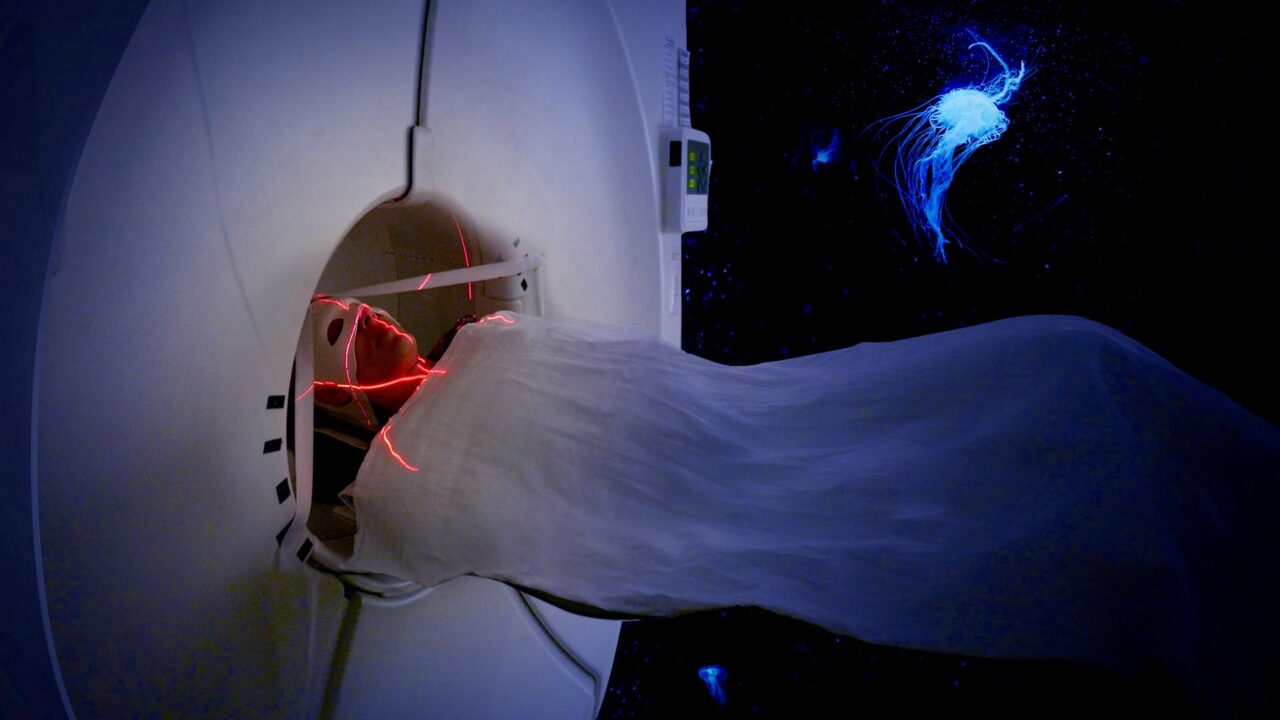
In 'Aware: Glimpses of Consciousness,' Self-Awareness Abounds
What is consciousness? Is it in all living beings? How is it that "feelings" and "emotions" are produced from just 3 pounds of grey goop (AKA brain matter)? These questions and more are posed in the fascinating documentary Aware: Glimpses of Consciousness, a scientifically and spiritually dense film that gives its audience much to consider throughout the course of its 100-minute runtime.
Investigates life's "big questions"
Constructed in a fairly standard doc structure, grounded by formal sit-down interviews, Aware follows six researchers who have devoted their lives to various aspects of answering life's "Big Questions." Scientists, environmentalists, spiritual leaders, and psilocybin advocates all provide their unique takes on why they believe consciousness is the essence of life, and the unspoken miracle it is that we're even aware of our own consciousness in the first place.
A wealth of cerebral concepts
For those who like rhetorical questions, Aware is a goldmine of head-scratchers and cerebral concepts. How are we aware that we're aware? If, at a micro level, all brains are similar, then who's to say that dogs don't have consciousness too? There are moments when we get pretty deep into the weeds (and literally, mushrooms) of interconnectedness, especially when talking about plant communication and its potential sentient nature. But directors Eric Black and Frauke Sandig keep the high brow concepts easily digestible for the average viewer.
Sure, thinking about these concepts all at once can probably provoke a mini existential crisis (so have some CBD on hand for the comedown). For those who are interested in this subject matter though, the new documentary Aware: Glimpses of Consciousness will leave you feeling like you've unlocked a cheat code for a new level of otherworldly understanding.
Distributed by Area 23A, 'Aware: Glimpses of Consciousness' is now playing at the Laemmle Monica Film Center.


'El Planeta' is a Mumblecore Gem From a New Cinematic Voice
It's worth paying attention when director Miranda July gives her stamp of approval to an up-and-coming filmmaker. "From the very first scene my heart started to pound with that feeling of discovery," says July. "A brand new, totally modern, cinematic voice!” And who is the recipient of such praise? Argentinian artist Amalia Ulman and her new film, El Planeta.
A dark comedy like Kajillionaire.
Coincidentally, El Planeta is a dark comedy that feels like a step-sister to July's own Kajillionaire. Similarly, it explores the mother-daughter dynamic set against awkward hijinks and expectation hangovers.
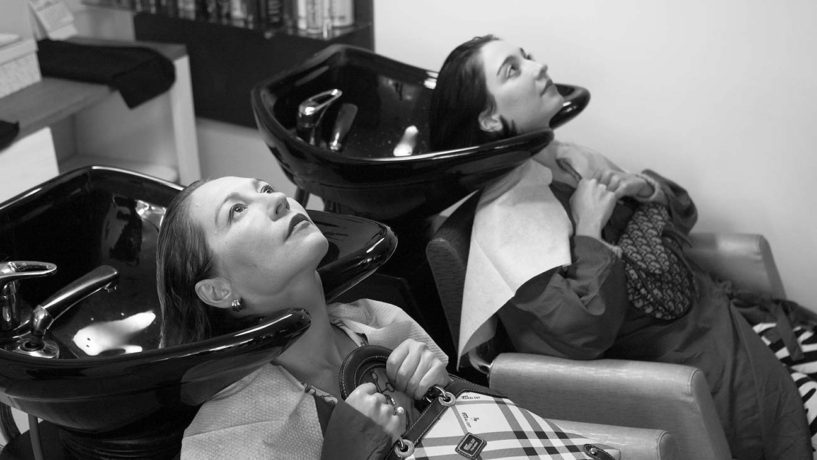
El Planeta takes place amidst the devastation of Spain's economic crisis. After the passing of her father, amateur fashion stylist Leonor (Ulman) reunites with her eccentric and unemployed mother María (played by Amalia's real-life mom, Ale Ulman). Together, the duo work through life's mundane ups and downs. They bluff and grift their way to fund their superficially extravagant lifestyle, debt and inevitable eviction always looming.
Related: 'Kajillionaire' Review: A Family of Scammers Long For Connection
An impressive debut film.
El Planeta is Amalia's debut feature film. Its premiere at the 2021 Sundance Film Festival put Amalia and her feature on track for success, albeit, predominately in the arthouse world.
Static shots and long one takes make this mumblecore darling feel like a filmed staged play, however, it never feels slighted by its simplicity. The characters make every scene come alive, which can be attributed to the film's dry comedic center. Lines like, "If I keep eating carbs I'm going to have a poor person's body" are delivered in a perfect deadpan tone.
An indie gem waiting to be discovered.
There isn’t much of a plot to talk about, though. In fact, one could argue that there is really no “point” to the film. El Planeta feels very much like a cathartic personal expression for Amalia as many of the saddening events that occur in the film are based on her own life with her mother, which includes suffering homelessness and hunger.
However, El Planeta is not an autobiography. The genuineness and authenticity of Amalia’s script and vision give the film its depth and purpose. Ultimately, I’m with Miranda July on this one. El Planeta and Amalia Ulman are indie gems just waiting to be discovered.
Distributed by Utopia, currently playing at Landmark Westwood. Available on VOD this Friday, 10/8.
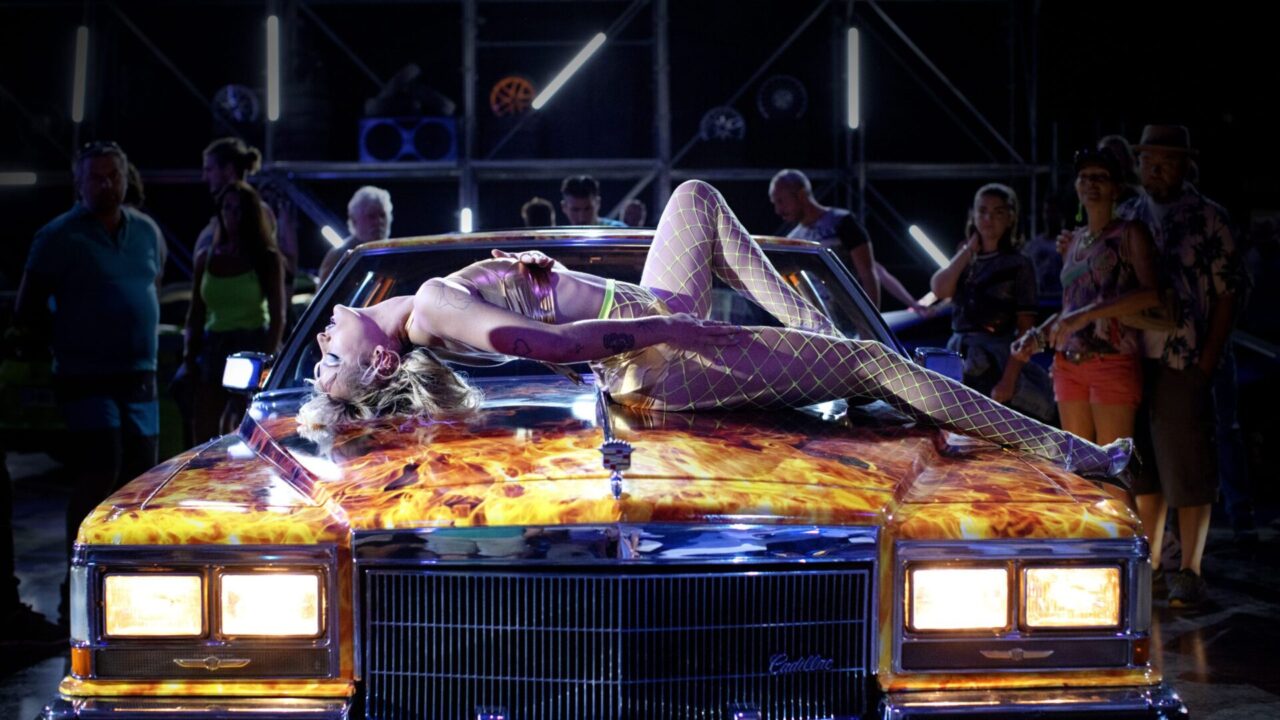
'Titane': The Most Horrifically Insane Film You'll See All Year
When a movie hits you like a ton of bricks, so much so that the whiplash you felt after leaving the theater three weeks ago still courses through your body, you know you've just witnessed something special. In that case, Titane–winner of the Palme d'Or at this year's Cannes Film Festival–is one of the most special films I've ever seen.
The visceral nature of all of French provocateur Julia Ducournau's anti-hero feminist films is nothing short of a vivid nightmare come to life (if you haven't seen her cringe-worthy film Raw yet, I give you permission to stop reading this review and start watching immediately–currently streaming on Netflix). Ducournau is a stylistic and savvy storyteller who weaves vulnerability with vengeance in a way that is so unique, I believe she is currently elevating the horror genre to be more than just blood and gore, but blood and gore *with purpose*. Tarantino wishes!
Related: ‘Raw’ Review: Campus Cannibalism Has Never Been More Cinematic
Imagine if Charlie (Milly Shapiro) from Hereditary survived that car accident, or if The Female (Scarlett Johansson) in Under The Skin continued her vigilante justice against pervy men. That's barely scratching the surface of Titane's multi-layered saturnine storyline, one rife with existential dread, unconditional love, and animalistic needs, all set to a killer score by Ducournau's past collaborator, Jim Williams.
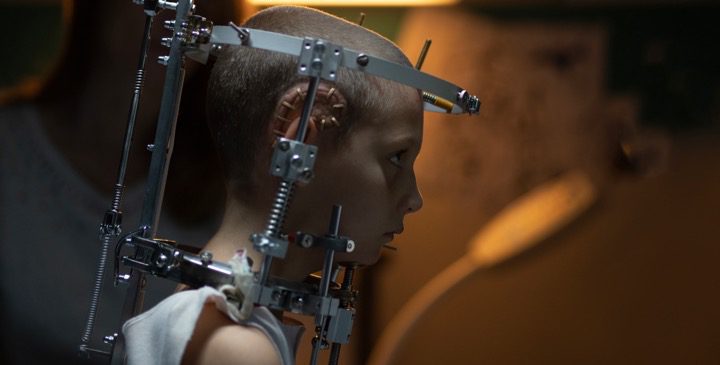
There is so much I want to say about Titane, specifically the WTF moment in the bus station bathroom, and the first encounter our protagonist Alexia (played magnificently by Agathe Rousselle) has with an overeager "fan" in her car, and that end scene! But I know the best way to experience this film is to go in completely blind and so I'll bite my tongue (but not so hard that it starts to bleed, contrary to a Ducournau act).
I can say with certainty that Titane is the most horrifically insane film you will see all year. This begs to be seen on the big screen and thankfully, it is playing in most theaters everywhere.
Distributed by NEON, 'Titane' is now playing in theaters.
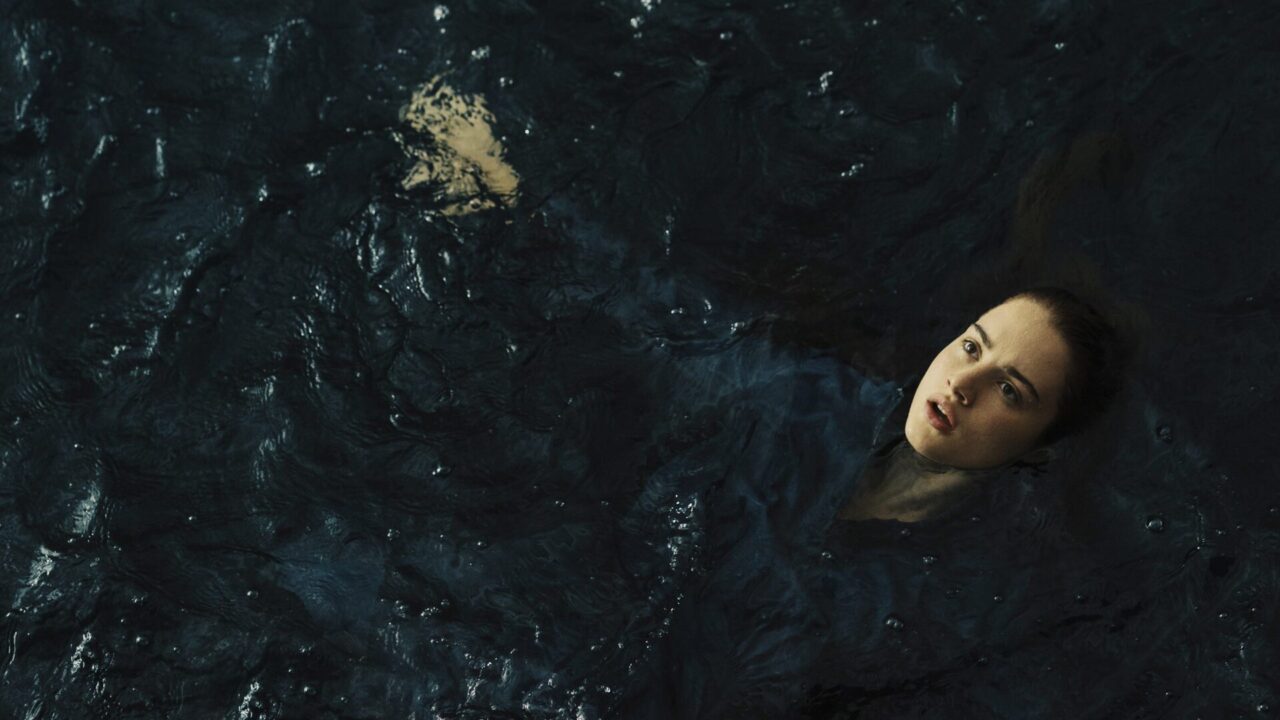
In 'Mayday,' A Badass Sisterhood of Soldiers Run The World
Our ‘Mayday' review was first published after the film’s premiere at the 2021 Sundance Film Festival.
Sisterhood reigns supreme in writer/director Karen Cinorre's action film, Mayday. Take a trip to this women-dominated fantasyland, and you'll find that pent-up rage from years of gender-based injustice is personified as WW2-era ladies as cold-blooded killers. Best described as a "feminist war film," Mayday's callousness stops just short of being a full-out "anti-men" to be a thought-provoking, female-empowering fantasy film.
For Ana (Grace Van Patten), a caterer at a small venue in town, an approaching storm acts as a daunting premonition of changes to come. Although she's (unfortunately) used to being taken advantage of by her sleazy male superiors, it's clear that she still values the friendships with the rest of her co-workers, men and women alike. On this particular stormy day, however, Ana's natural submissiveness is about to come face to face with a domineering feminist future, in which supernatural events occur that transport Ana into an alternate reality where women are in charge.
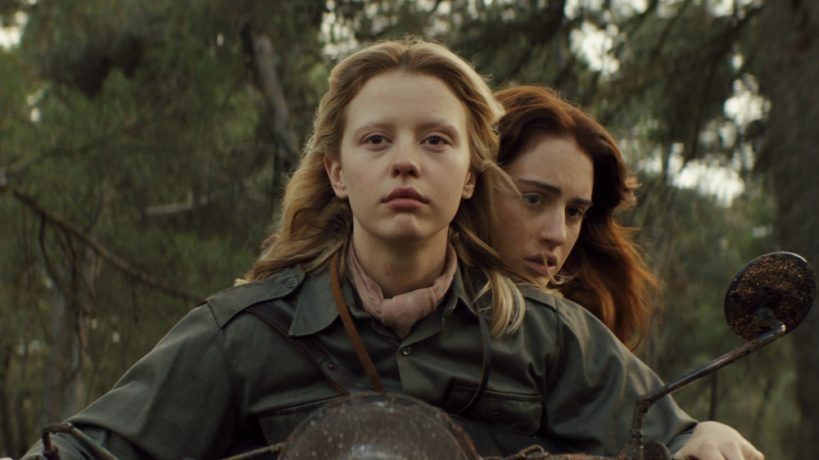
It's no coincidence that Ana is wearing a blue dress and white apron combo (much like Alice falling into Wonderland), awakening on an unfamiliar coastline. Dazed and confused, she is taken in by Marsha (Mia Goth), who acts as the white rabbit to Ana's Alice. Her memory wiped clean, Marsha provides context as to where she is: it seems that Ana's fallen into a fever dream where the patriarchy doesn't exist. Marsha introduces Ana to two more women, Gert (Soko) and Bea (Havana Rose Liu), a band of women and sorority of soldiers whose mission is to lure and kill every man who views them as a damsel in distress... AKA, all men.
It doesn't matter if you're a "good" guy or a "bad" guy in Mayday–so long as you're a guy, you're a target. It's a divisive premise that may ruffle a few feathers, but much like its badass characters, Mayday isn't interested in playing it safe. Director Karen Cinorre's bold vision is brought to life in beautiful fashion by cinematographer Sam Levy who, after working on films like Lady Bird and Frances Ha, knows a thing or two about creating a cinematic environment for strong women to thrive. Adding to the film's edginess is experimental composer Colin Stetson (Hereditary), who opens the floodgates of chaos with his chilling polyphonic sax.
With Mayday, Cinorre makes a strong statement on the roles that men and women play in society, which is further strengthened by its excellent cast. Grace Van Patten and Mia Goth give hard-hitting performances, with both an emotional and physical range on full display. And can we just say, that any film that Juliette Lewis is in, is already that much better. Mayday might not be for everyone (even I cringed at some of the one-liners that came off as a little, what I'd call "emo"), but the bigger question is well worth asking: Would the world be better with women in charge?
Distributed by Magnolia Pictures. In theaters and On Demand this Friday, October 1, 2021.
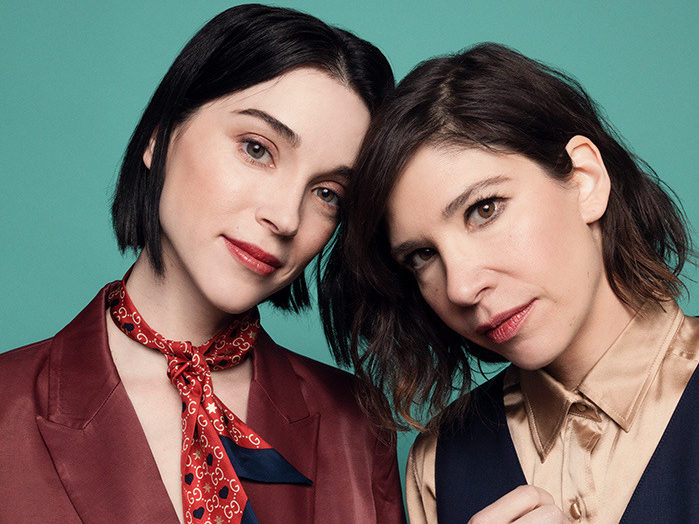
St. Vincent and Carrie Brownstein Cryptically Talk About 'The Nowhere Inn'
In perhaps the most legendary duo of all time (in our opinion), Annie Clark (aka St. Vincent) and Carrie Brownstein play themselves as they shed their onstage personas and get real in The Nowhere Inn.
Boundary-blurring and enticingly self-aware, Bill Benz’s directorial debut made its World Premiere at the 2020 Sundance Film Festival, where we caught up with the stars and filmmakers.

TIFF: 'As In Heaven' is a Visually Spellbinding Tale of Blind Faith
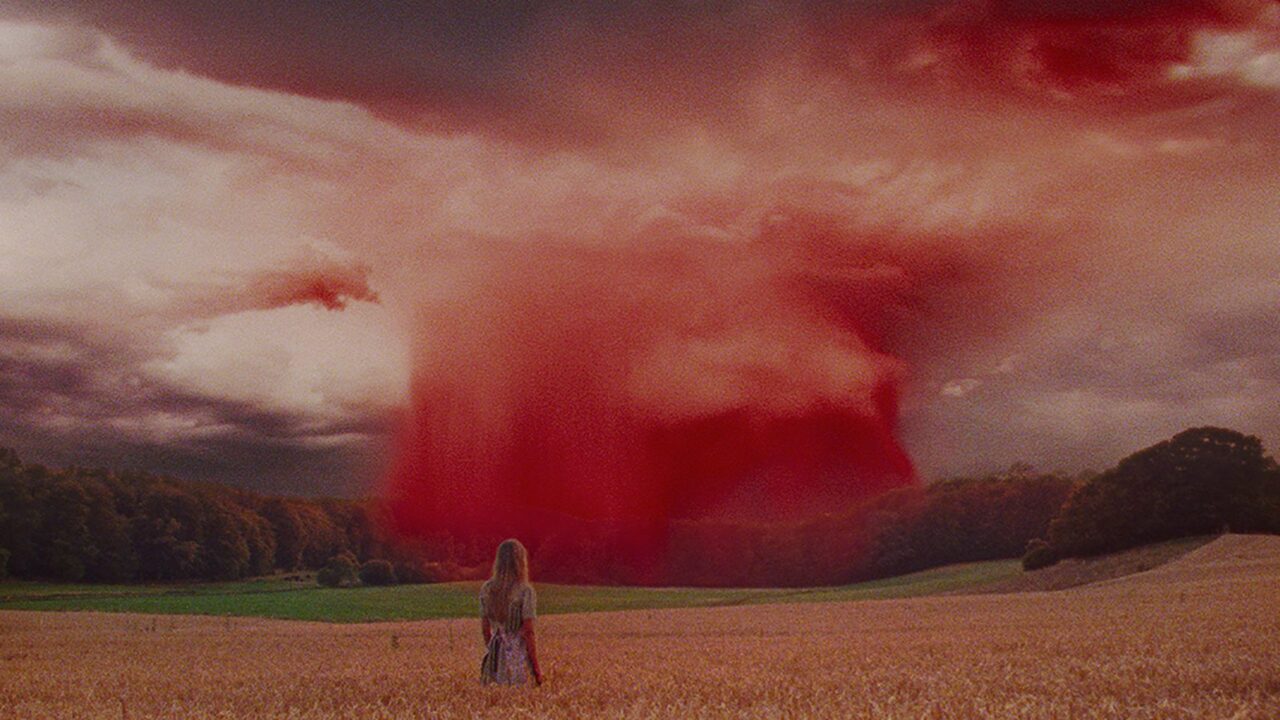
Before its screening at this year's Toronto International Film Festival, writer/director Tea Lindeburg introduced her new film as an act of love that was inspired by a novel she read in the early stages of motherhood. After completing the Danish book A Night of Death (En Dødsnat), written in 1912 by author Marie Bregendahl and based on her childhood growing up in the 1880s, Lindeburg immediately knew that she needed to turn the book into a film. The result is As in Heaven, a visually spellbinding tale of blind faith that, despite taking place in the 19th-Century, still rings true to contemporary situations today.
As in Heaven is set in a working class farming community in rural Denmark. Lise (Flora Ofelia Hofmann Lindahl) is a young, independent woman who has her sights set on leaving the farm and attending school, much to her mother's pride. Making the most of the time she has left at home, Lise embraces the responsibility of caring for her younger brothers and sisters to assist her heavily pregnant mother. This quality time with her siblings offers her the chance to reflect on her life, and what she wants out of it.
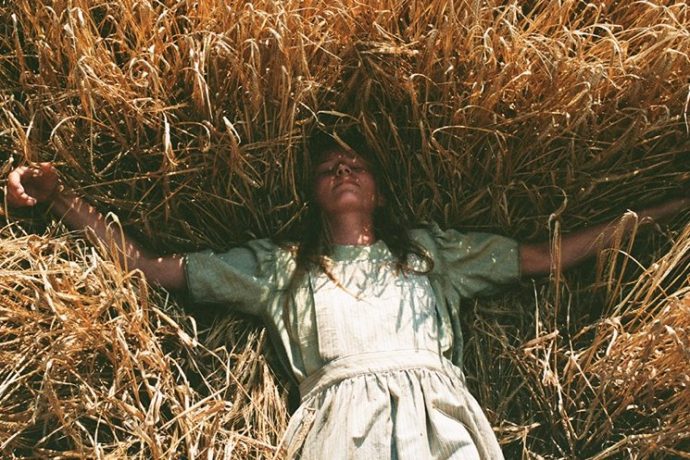
The times, being what they are–religious dogma and superstition being almost as interchangeable as truth–Lise's mother and housekeeper decide to forgo necessary prenatal care because they trust in superstitions over medicine. This confuses Lise, who feels conflicted between trusting that God will protect her mother and knowing that intervening with doctors and medical assistance is necessary for her mother's survival. Falling into a spiral of questioning everything she thought she knew, Lise's life plans–once promising and optimistic–are becoming less clear.
As in Heaven looks as if it could take place in the same universe as Robert Eggers's The VVitch. Both films have a similar spiritual theme and full of rich and organic visuals. The film grain quality of Lindeburg's piece gives it a texture that looks as if a painting on canvas has come to life. Set to a hauntingly dark score by award-winning musician/poet/writer Kristian Leth, As in Heaven is both intellectually and aesthetically engaging.
At its core, As in Heaven is a cautionary tale about the dangers of misinformation and, to a certain extent, religion. Devout believers live with a blatant acceptance that anything that happens to them is because of "God's Plan," no intervening is necessary because whatever will be, will be. That passive approach to life is not one that our protagonist chooses to live by, and I don't blame her. Lise's doubts may reflect most of the audience's feelings, but Lindeburg makes sure to not create a distinction between good versus bad, and right versus wrong. With this in mind, and at the end of her introductory message, she left the audience with a simple request, "Filmmaker's note: handle with care."
'The Year of the Everlasting Storm' Is What Pandemic Cinema Looks Like
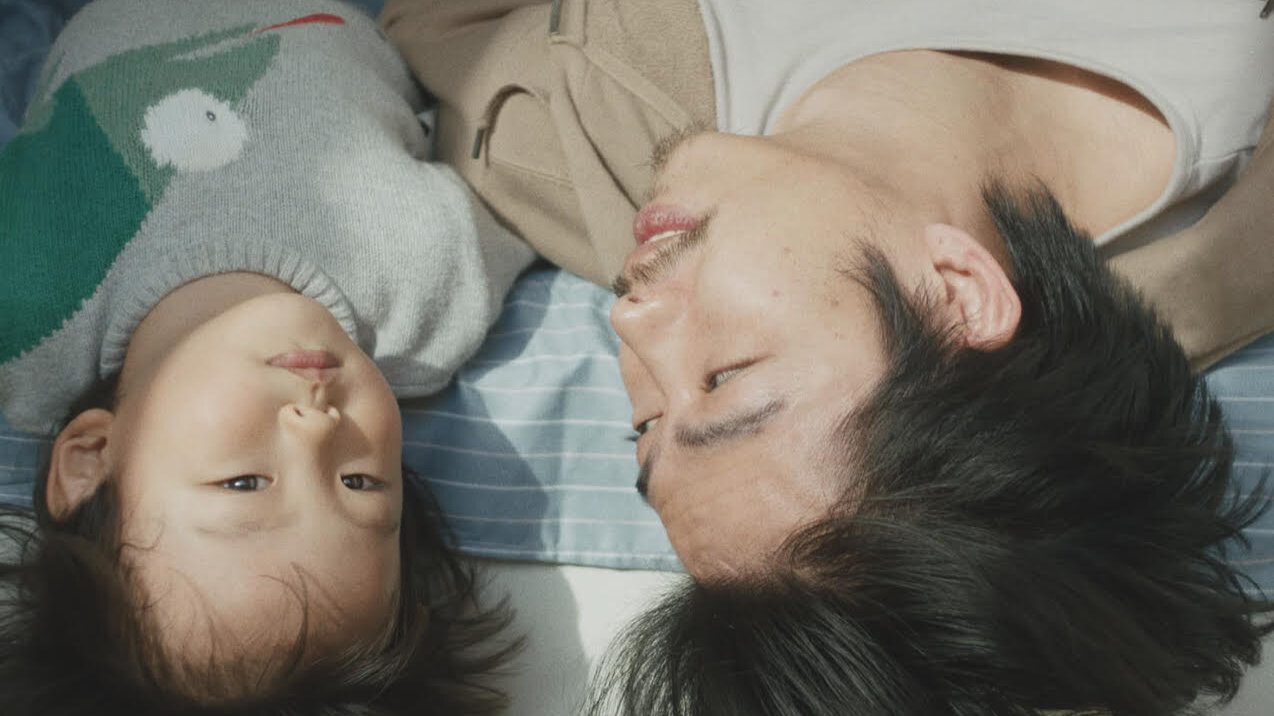
The Year of the Everlasting Storm is a collection of films from seven of contemporary cinema's most celebrated directors, whose distinct aesthetics each create various expressions that showcase how they dealt with living through a global pandemic. Equally heartfelt and unique, Jafar Panahi, Anthony Chen, Malik Vitthal, Laura Poitras, Dominga Sotomayor, David Lowery, and Apichatpong Weerasethakul each craft stories so deep and expressive in just 20 minutes, it feels as if we're getting a peek into the inner workings of their minds throughout the most chaotic of times.
The Year of the Everlasting Storm takes its name from a short poem that is presented onscreen, kicking off the anthology series in a seemingly chaptered and formulaic way (and no, it's not a callback to David Lowery's The Green Knight, where prior knowledge of the aforementioned poem is encouraged beforehand). However, of the seven films presented, no two are alike–much like the directors themselves. From Jafar Panahi's mumblecore family dramedy in Iran, to Laura Poitras's investigative political documentary in New York, The Year of the Everlasting Storm is a cinephile's smorgasbord that tells very different global stories from very different perspectives. The only underlying commonality is the pandemic production-affected restraints in which the films were made.
We all react to stress and despair in different ways. Some turn to family, others turn inward, but a majority of us all desperately want one thing: to connect. This theme of reconnection is prevalent throughout all of the films, be it in a literal sense or more abstract. David Lowery's film focuses on a woman's quest to revisit her past. Malik Vitthal's mixed media piece is centered around reclaiming his family. Anthony Chen tells a story about a struggling young couple on the verge of a marital breakdown. And Dominga Sotomayor shares a portrait of a middle-aged woman longing to play a motherly role in her daughter's life.
Perhaps the simplest entry (and my personal favorite) is the observational closing film from Thai master Apichatpong Weerasethakul. His films always stay true to the present moment and this is no different. Intricate attention to sound and his visual patience are what tie everything together. Weerasethakul is able to recenter us, bringing our thoughts back to the here and now.
The Year of the Everlasting Storm, which made its premiere at this year's Cannes Film Festival, should be enjoyed as a time capsule of modern-day life through filmmaking. Playing more like a museum gallery exhibition rather than a traditional film with plot structure or character development, this anthology series is a remarkable piece of art that transcends boundaries and creative restraints.
Distributed by NEON. Opening at the Laemmle Royal this Friday.
'Moments Like This Never Last' Review: Do You Know Dash Snow?
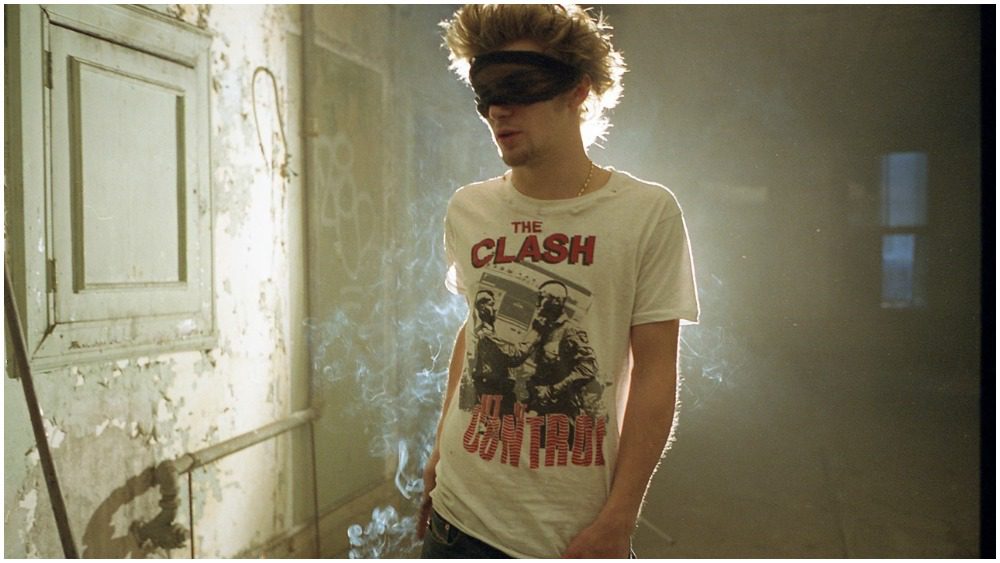
"What keeps you alive?" Iconoclast and legendary NYC artist Dash Snow struggles to find an answer. What he isn't able to articulate is all too apparent to those who knew and loved the mischievous rebel; his love for creating art, his relationships with his friends, and devotion to the city that raised him, NYC, all contributed to why Snow continued to wake up day after day, until one day, that wasn't enough anymore. As documented in director Cheryl Dunn's memoir, Moments Like This Never Last, audiences are given an intimate look into the personal life of another artist gone too soon.
Dash Snow was born Dashiell Alexander Whitney Snow and had always rejected the inherent privilege that came from being born into a wealthy family. He had nothing against his parents but wanted to find success the old-fashioned way: through hard work and dumb luck. Dash was a true student of the school of hard knocks, living his life doing dumb stuff with his equally grimy friends on the street of New York City, and creating magic in his path.
He had a polaroid camera with him wherever he went and those pictures became Dash's legacy. The energy of 2000s NYC–pre-internet–is captured with such palpable energy and Cheryl Dunn does a stellar job bringing Dash's spirit to life through his photos, home videos, and interviews with his friends and collaborators like Ryan McGinley and Larry Clark (Kids).
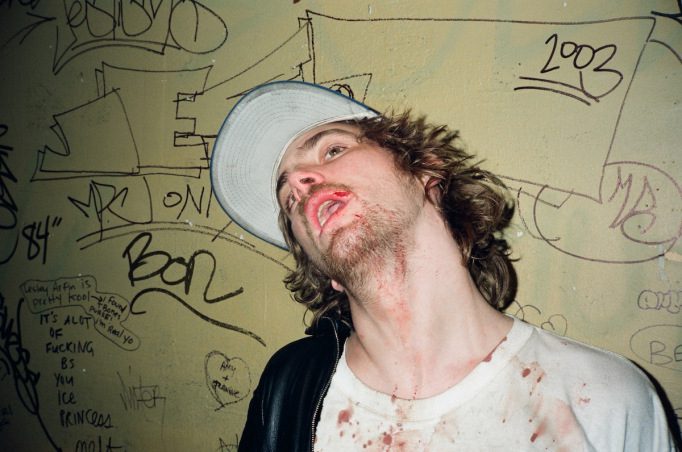
Unfortunately, there was a stronger love that overtook his passion for making art and staying sober for his girlfriend, Jade Berreau, and their young daughter, Secret, and that was drugs. There is an unspoken pressure in the art world that to succeed, you must "be crazy, and do a lot of drugs." Heroin didn't become prevalent in Dash's life until after he had some buzz to his name and that's what ended up killing him in an East Village hotel room at the age of 27.
Dash Snow was a charismatic, complicated, and outrageously talented figure who many compared to Basquiat. His signature style of politically charged graffiti and sexually explicit photos (snorting coke off an erect penis being one of his most infamous) cemented him as a legendary fixture in the post-punk revival arts scene.
Moments Like This Never Last pays tribute to the live fast lifestyle that Dash embraced. In a similar fashion, Cheryl Dunn's portrayal is a gritty labor of love that makes us feel like we knew him personally, too. Made in collaboration with VICE studios, the film also features music from LCD Soundsystem, Nick Cave with Grinderman, Cat Power, with an original score by Brian DeGraw.
Distributed by Utopia Media. Opening this Friday at Laemmle Cinemas and on VOD.