
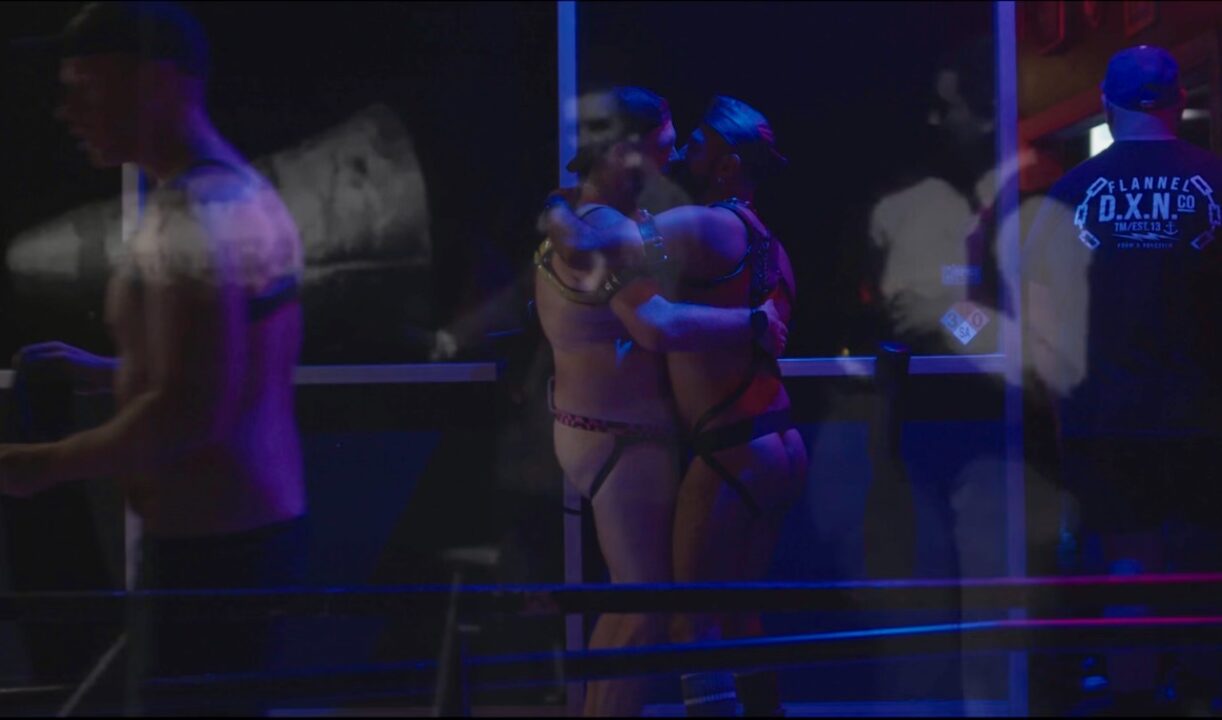
'Welcome to Tool Shed' Review: An Iconic Destination for Sex-Positivity
Palm Springs is not only known for its stunning mid-century architecture and beautiful weather but also for its thriving queer community. A staple of this scene is Tool Shed, a long-standing gay bar for the abundant LGBTQ+ crowd. Co-directors Daniel Talbott and Andrew Klaus-Vineyard explore the colorful history of this local hub in their short documentary Welcome to Tool Shed. With political tension continuing to threaten the safety of the gay community, Talbott and Klaus-Vineyard show that Tool Shed is more than just a local dive bar. It's a sanctuary.
Where the Queer Folk Congregate
If you walked into Tool Shed on any given day, you'd be met with a friendly face. Owner Robert Cole talks candidly about his journey buying the once run-down bar and transforming it from a dark and dirty dive to a bright and cheerful destination. The bar's customer base is diverse, ranging in age from early 20s to mid-70s. But there is one thing they all have in common: their sex-positive outlook. Cole describes that many regulars are some of the oldest survivors of the AIDS epidemic, as the film recounts harrowing moments from decades past, where the "gay plague" made headlines.
Given the large queer population in Palm Springs, Tool Shed is a home away from home for many who have struggled to find their community. In interviews, repeat customers describe how they've found their chosen family amid mounting national discrimination. The impact of President Trump's re-election has certainly not helped protect the queer community. Cole, visibly emotional, discusses the outsider threats to his livelihood and personal safety he receives as owner of the bar. Nonetheless, Tool Shed and its patrons have an undeniable warrior spirit, which shines bright throughout the film.
A Tight Knit, Queercore Indie
"We made this one punk rock, guerrilla style, for almost no money at all," say the filmmakers. "What little we had all went to paying our small crew for their incredible work. It’s a film made with a ton of love and hard work." This humble documentary, running 22 minutes long, is a simple yet glowing portrait of a cherished establishment. The interviews are compelling and speak for themselves, highlighting the diversity of clientele. From leather vest-wearing middle-aged men to Hawaiian shirt-wearing thirty-somethings, inclusion is at the forefront.
Takeaway
Welcome to Tool Shed is more than just an exploration into the history of the beloved Palm Springs bar. It is an introspective look at the decades-long battle against oppression. The result is a passionate, loving human interest story and an overall celebration of queer history. Welcome to Tool Shed makes its premiere at the end of March at the American Documentary and Animation Film Festival (AmDocs).

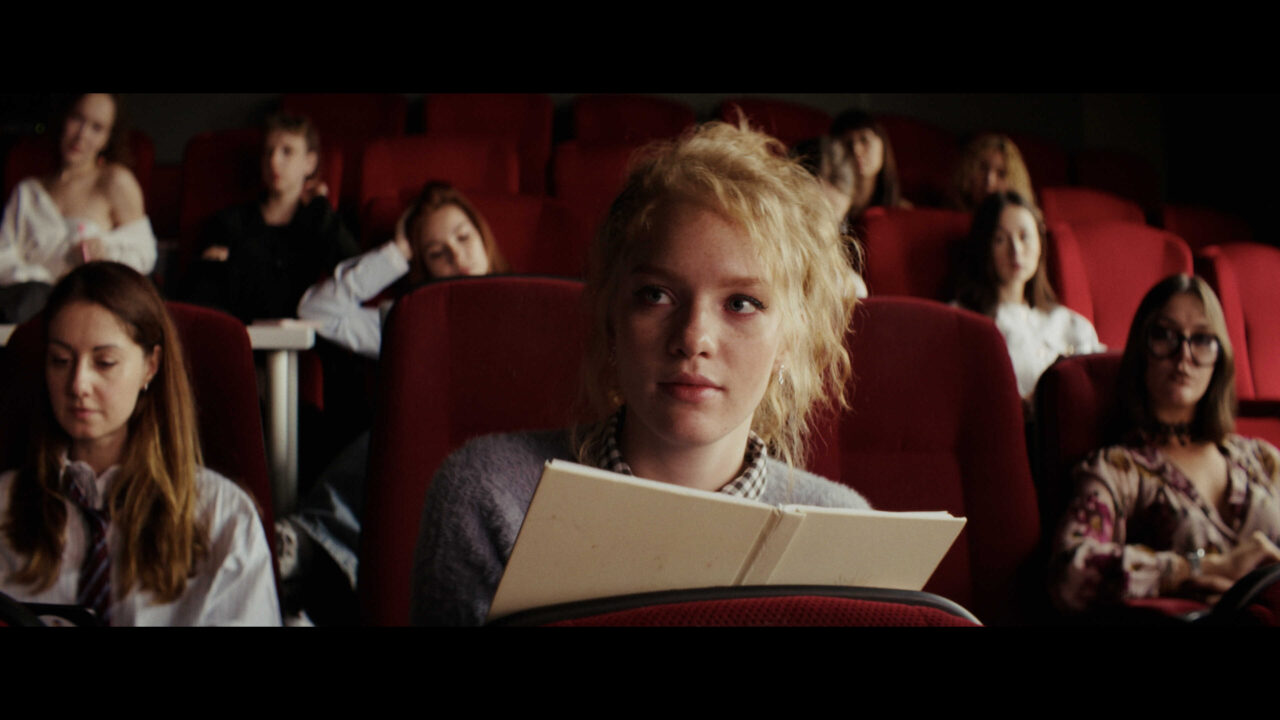
'Pickup' Review: A Soviet-Style Quest for Love
Sometimes the best things come in small packages. So is true in director Viktoriia Lapushkina's micro short Pickup. Running just 3 minutes long, Pickup is a Russian dark comedy about gaining romantic attention through unexpected circumstances.
Testing the Formula for Love
The film begins in the middle of a lecture on femininity and attaining the male gaze. The speaker is a beautiful woman, confident and alluring. She makes direct contact with Di (Elizaveta Ishchenko), a shy girl who seems out of place in the hyper-sexualized environment. The professor continues with her lecture, reminding the women that they need to present themselves in a certain way if they want to attract a man. Some pointers include having good posture and flashing a "Mona Lisa smile" (also known as a sly grin with no teeth).
Putting these theories into practice, the women are given individual tasks; Di's assignment is to get a man to buy her a coffee. Sounds simple enough. However, during her attempt to complete this goal, she ends up on a rooftop where she finds a suicidal man about to jump. Unfazed, she blatantly asks him to buy her a coffee. He seems stunned. Doesn't she see that he is in the middle of ending his life? What follows is a twist that turns this otherwise awkward encounter into a hilarious ending.
Capturing a Soviet-Style Love Story
This indie short explores an interesting rising trend in Russia: courses that promise fast love. However, as seen in Pickup, many of these programs rely on psychological manipulation by exploiting people’s fears and insecurities. What could have been a more melancholic outlook is instead seen through a humorous lens. Filmmaker Viktoriia Lapushkina approaches this subject through satire rather than moral judgment. Her dedication to capturing the Soviet aesthetic brings another layer of authenticity to the film. By shooting with vintage Soviet lenses and using an old Soviet factory as the main location, we are transported into Lapushkina's carefully-crafted universe. Furthering the film's commanding presence is the performance by Elizaveta Ishchenko. Her charisma is transfixing, and her comedic timing is spot on.
Director's Statement
"Pickup began as a small comedic idea inspired by today’s constant informational noise. It quickly grew into a script that turned out to be more personal than I initially expected. That’s why it resonated so much with my team, cast, and, hopefully, the audience. Through this work, I want to convey a sense of loneliness and the fear of being an outsider – the feeling that you are the only one who can’t make it work. Pickup shows how endless instructions on what to do and say to be loved pull us away from what people actually fall for: ourselves."
Takeaway
This bite-sized dark comedy is the total package and has the makings of an excellent feature-length film. Pickup will have its World Premiere at the 2026 Slamdance Film Festival.
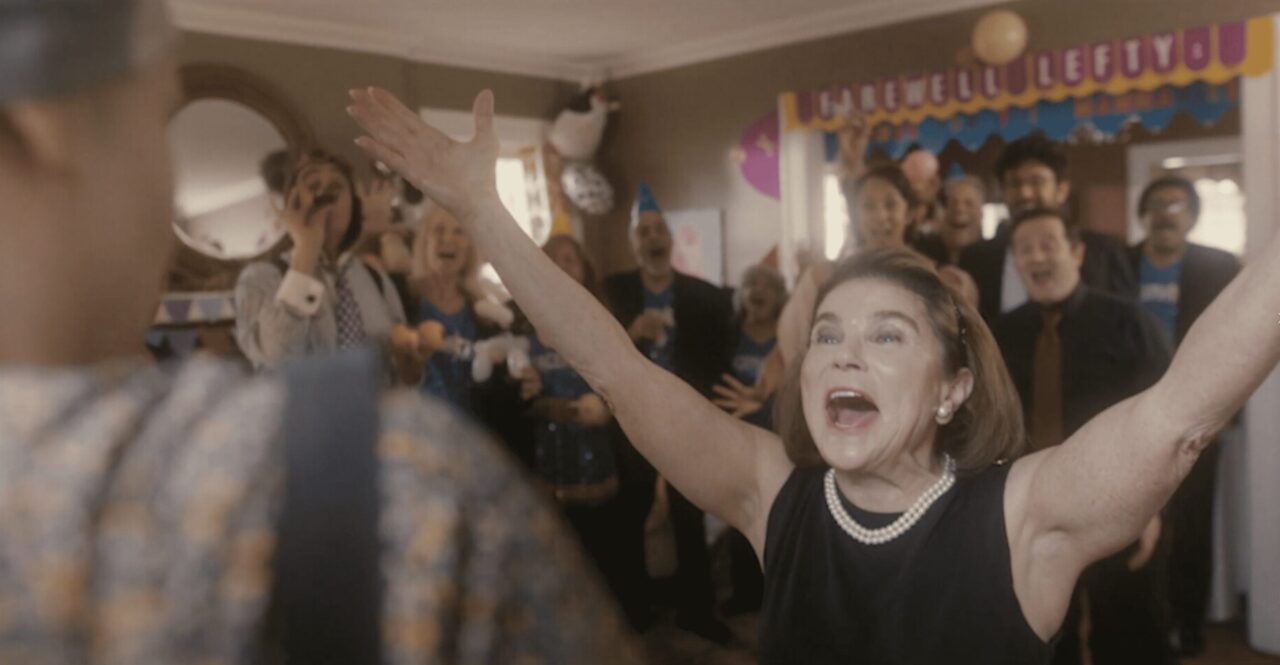
'Lay Lefty Down' Review: Turning Tragedy into a Dark Comedy
When confronted with the life-changing news that she had cancer, filmmaker Traven Rice decided to turn tragedy into dark comedy. The result is Lay Lefty Down, a charming short film about facing difficulty with a smile. As the co-writer/director, Rice embraces the discomfort that usually surrounds a cancer diagnosis and makes it ok to laugh at the circumstances. Lay Lefty Down is a heartwarming watch that aims to inspire people to face personal challenges with a sense of humor.
Bye Bye, Boobie
Abby (Alexandra Seal), a middle-aged woman, vapes in her car as she works up the nerve to go inside her Aunt Eudora’s (Tovah Feldshuh) house. Little does she know that she is walking into a surprise party celebrating her recent mastectomy. A "Boob Funeral," Aunt Eudora calls it, as Abby stares at the unexpected party guests in disbelief. The party favors don't disappoint either. Boob cupcakes and cookies line the tables, as do pizzas with pepperoni nipples. This celebration of life for "Lefty," aka her left boob, has everyone reminiscing about her former physical asset, including her old college roommate and estranged husband.
Horrified, Abby tries her best to avoid participating in the mock funeral; however, Aunt Eudora eventually finds her. In a moment of vulnerability between them, Aunt Eudora opens up about her own previous relationship with cancer. She explains that she, too, had breast cancer and a double mastectomy. This gives Abby the courage to face her fears and tell her story. In doing so, she also acknowledges the cultural taboos about breast cancer that surround her.
Using Humor to Face Life's Challenges
For a film about reconciling with cancer, Lay Lefty Down is a hoot. A real gem of an indie comedy, Traven Rice portrays serious subject matter in an authentic and easily digestible way. The performances are the anchors of the film; both Alexandra Seal and Tovah Feldshuh are phenomenal. They have the presence of big-screen talent, which catapults the film as a whole. Their comedic timing is spot on, and their ability to transition into a deeper emotional state is quite effective.
Director's Statement
"This is a story about the importance of talking about hard things, and especially laughing about hard things... I found going through the process of breast cancer treatment to be an isolating and scary experience. Quickly, I learned it wasn’t a topic people felt comfortable talking about or even asking me about, even though it’s known as one of the more common types of cancer to be diagnosed with. I believe laughter leads to healing. So one of the first things I did after diagnosis was ask for jokes because if you can’t laugh... (you’d stab your eyes out)."
Takeaway
A perfect blend of humor and heart, Lay Lefty Down is a great achievement by all involved. The film makes its World Premiere at the 2026 Oxford Film Festival.

'After That' Review: Visual Poetry Dedicated to a Life That Was
Poignant memories of one man's past are examined in filmmakers Xinhao Lu & Mufeng Han's short drama, After That (在那之後). An affirming story expressed in a lyrical fashion, After That feels like a time capsule from decades prior. Prepare to get swept away in the film's gorgeous, moody aesthetic and retrospective narration. Even at a swift 11 minutes long, the film's expansiveness is deeply felt.
A Reflection on a Former Life
Set in the future, an older man named Xinhao (Jim Lau) wanders through his now uninhabited homeland. As he travels through the city and the suburbs, he reminisces about his former life. He visits the park, the riverbank location of the Third World War, the space center, and the ocean. He reflects on his past, one that was full of love and life. Now, he is surrounded only by the ghosts of his memory. After this mental journey, Xinhao lies motionless and sheds a single tear. Eventually, he melts into his bed and says goodbye to the world, disappearing from this life forever.
Visual Poetry Dedicated to a Life That Was
Produced by Savory Liu, After That details the nuances of one man's anxiety about the future. Through minimalist and simplistic production design, the film is propelled by a strong voiceover narration by the protagonist and sharp sound design. From a craft perspective, After That shows how a film's impact doesn't require a large production budget. Jim Lau gives a strong and convincing performance as a lonely, melancholic man. We sympathize with his sadness and can't help but see ourselves reflected in his pain.
Directors' Statement
"I want to use Super 8mm film—a video format from the past that feels like a private video diary—to tell the story of a future version of myself, Xinhao, on the last day of his life. Through this short film, I want to express my anxiety about the past depicted in the film (which is, in fact, the present), as well as my lost imaginings of the future. Ultimately, I want to use moving images to write a testament from the future."
Takeaway
The decision to shoot on film feels symbolic; just as celluloid fades over time, so do memories. After That is a lyrical and meditative viewing experience that will awaken the spirit inside you. The film makes its World Premiere at the 2026 Slamdance Film Festival.
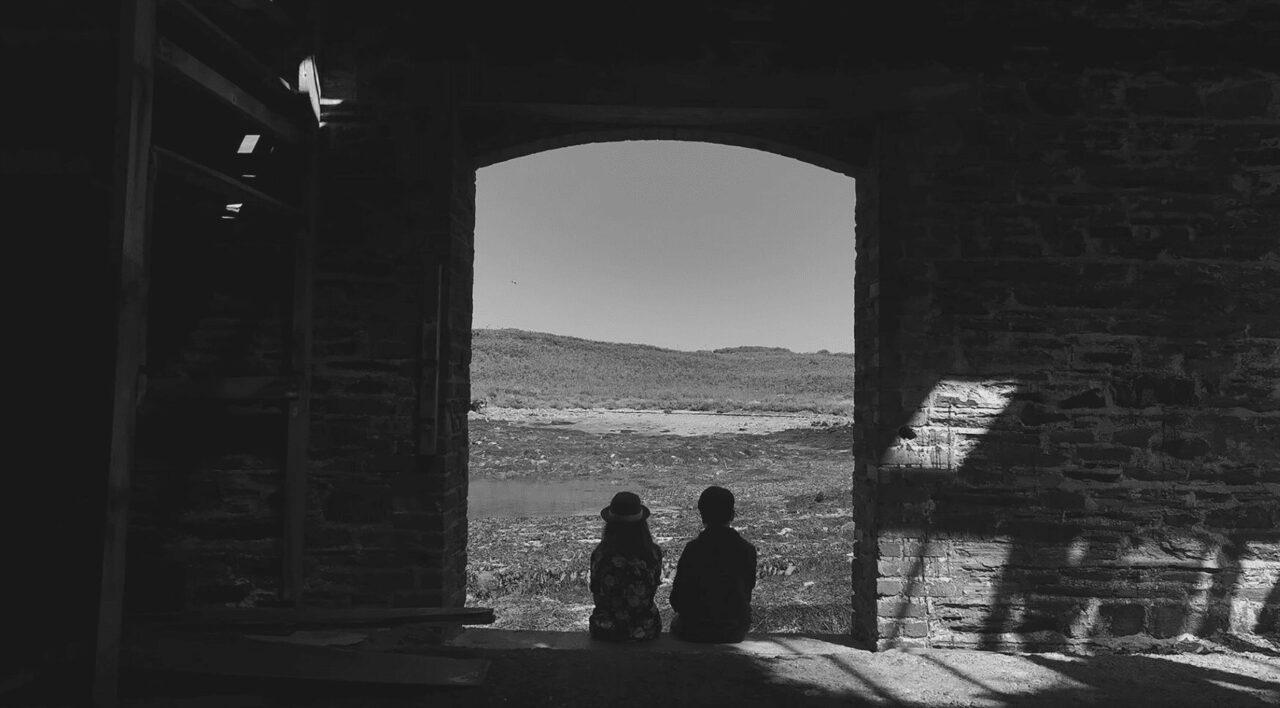
'Perennial Light' Review: An Intimate Portrait of Grief and Healing
Filmmaker Colin Hickey's artfully crafted, minimalist indie feature Perennial Light is a mesmerizing viewing experience. From the start, it's easy to get swept up in the film's soothing aesthetic and experimental nature that Hickey portrays through poignant animation, an emotive score, and moving performances. This silent lyrical film is shot in black and white with a heavy emphasis on craft, much like Victor Kossakovsky's Gunda or Michel Hazanavicius's The Artist. Running 1h 22m, Perennial Light is masterful artistry on display.
We Don't Remember Days, We Remember Moments
There are no truer words than those expressed at the beginning of the film, which sets the scene for what's to follow. The opening montage shows hand-drawn animation set against the film's rich black and white palette. After juxtaposing the animation with moments from the natural world, we are suddenly inserted into coastal Ireland, where we witness a young boy's close relationship with his best friend. Her sudden death devastates him and plunges him into overwhelming grief. Making sense of these big emotions at such a young age is difficult, and so the boy retreats into isolation.
As he grows older, the memory of her continues to be an important part of his life, and the result is somewhat detrimental to his personal growth. The boy continues to grapple with existential questions and struggles to form meaningful relationships. Eventually, he marries and becomes a father. His heartache lessens somewhat during middle age, but this early childhood trauma continues to affect his daily life. Struggling to be fully present, his wife is eventually able to gently pull him out of his self-protective shell. Through her love and unwavering support, he begins to confront the pain he has always avoided.
A New Perspective on Grief
Perennial Light interprets a young boy's grief through the interweaving drawings, which reflect visual manifestations of his daydreams and thoughts. This creative decision to move between the stunning cinematography and animation is a poignant choice. The heart of the film lies in the performances, which carry a palpable emotional heaviness. This is accompanied by a beautiful, long-running score that incorporates symphonic orchestral moments, field recordings, and more.
Takeaway
If you're looking for a quiet, meditative, and thought-provoking film, Perennial Light is for you. Director Colin Hickey successfully crafts a powerful yet incredibly intimate portrait of grief and healing.
'Silence = Death' Review: A Look at Dr. Fauci’s Legacy Through a Queer Lens
Many people considered Dr. Anthony Fauci, a pinnacle figure during the COVID-19 pandemic, as a hero. His expert advice was viewed as a guideline for the health and safety of society. His words were interpreted as gospel, and many believed he could do no wrong. However, his status as a hero in healthcare remains questionable to some. In filmmaker Trace Pope's short drama Silence = Death, Pope shows the early days of Dr. Fauci's more divisive views during the '90s AIDS epidemic.
The Fight Against Dr. Fauci
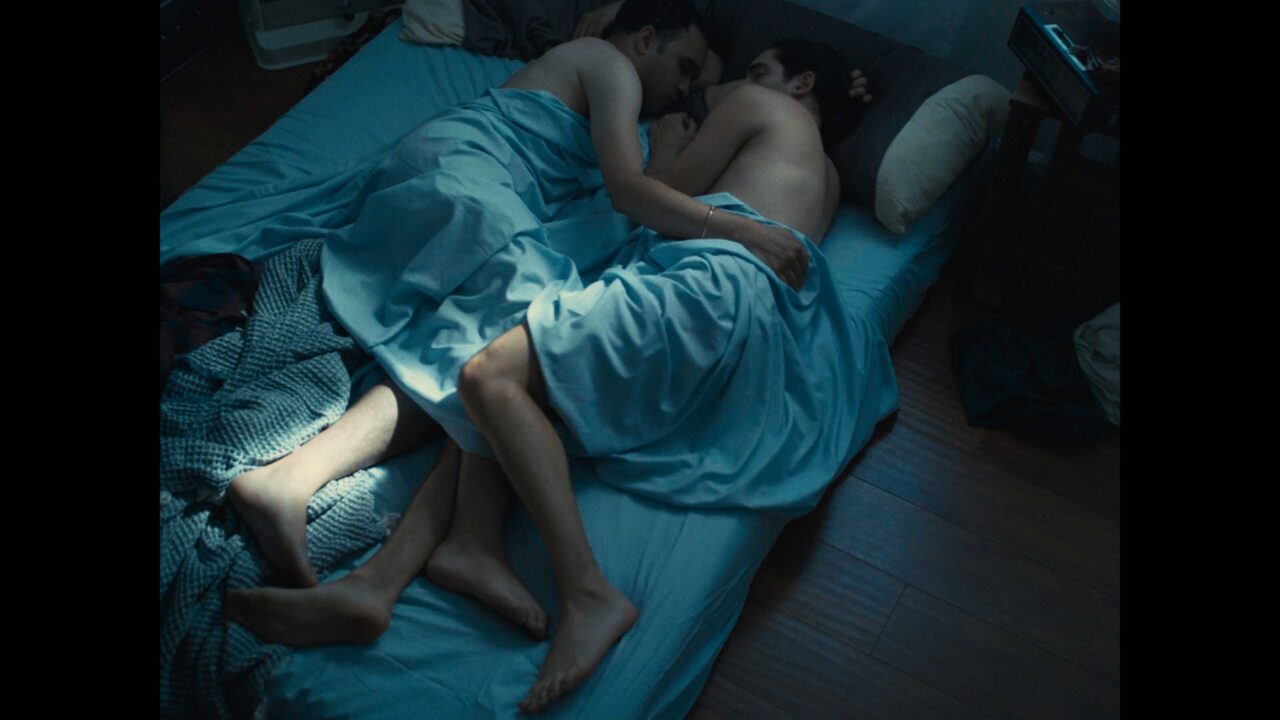
The year is 1990, and Jamie (Elliot Roy Rensky), a young, queer activist and filmmaker, prepares to confront Dr. Fauci. Jamie is tired of watching his partner, Patrick (Shane Campayne), suffer from complications from AIDS, and knows he needs to get proactive. Using his camera as his tool, Jamie joins an upcoming protest to storm the DC campus of the National Institutes of Health (NIH). This event, led by the AIDS Coalition to Unleash Power (ACT UP), is protesting the lack of available drugs to treat AIDS, a cause clearly very personal to Jamie.
While protestors ascend the building, Dr. Fauci (Henry Storrs) can only watch. They scream for his resignation and threaten to upend his work. Jamie, however, remains measured and calm. When he spots Dr. Fauci behind a glass door, he attempts to hand him a package that contains a video of his partner. The hope is that this will humanize the image of the AIDS crisis and change Dr. Fauci's mind. Despite the effort and intent, Jamie's effort can only go so far. At the end of the day, it is Dr. Fauci alone who must reckon how he will utilize with his power and privilege.
"You Are a Murderer"
"Anthony Fauci, you are a murderer," Jamie says defiantly in the opening scene. This divisive statement hits hard, especially when followed by the slogan "One AIDS death every 12 minutes." Filmmaker Trace Pope doesn't hold back as he shines a light on this historical moment. Most notable is the strong editing, which blends archival footage from former protests. This is an incredibly effective decision that displays Pope's creative control. The performances in Silence = Death are incredibly intimate and moving. Initially, I mistook the film for a documentary (that's how convincing Elliot Roy Rensky is on screen).
Director's Statement
"When ACT UP was founded in 1987, the world witnessed the birth of one of the most influential activist groups in history. Because of their direct action and protests, the NIH (led by Dr. Anthony Fauci) accelerated the production of drugs that have significantly limited the reach of this horrible disease... Last year, the NIH terminated almost all of its grants that fund HIV/AIDS research, effectively ending the search for a vaccine and endangering the lives of millions of people. This film is my attempt to immortalize the bravery of the activists who fought for our survival 40 years ago and caution against complacency as this cycle of discrimination spins on."
Takeaway
Silence = Death makes a strong statement that intends to educate and alert its audience. Through powerful storytelling and convincing performances, Silence = Death carries a loud message. The film received a nomination for Best Narrative Short at the March on Film Festival.
'Time Helmet' Review: A Modern Sci-Fi Comedy with Vintage Flair
Filmmaker Mike Jackson brings sci-fi nostalgia to the big screen in his throwback genre comedy, Time Helmet. As the director, writer, and editor, Jackson time-travels back to the 70s and 80s to tell the story of a kooky inventor's creation gone wrong. Buzzing with charisma and bold visuals, Time Helmet is a lighthearted watch with vintage flair. The film recently screened at the 2025 Gen Con Film Festival in Indianapolis, IN.
The Hunt for the Time-Traveling Patent Troll
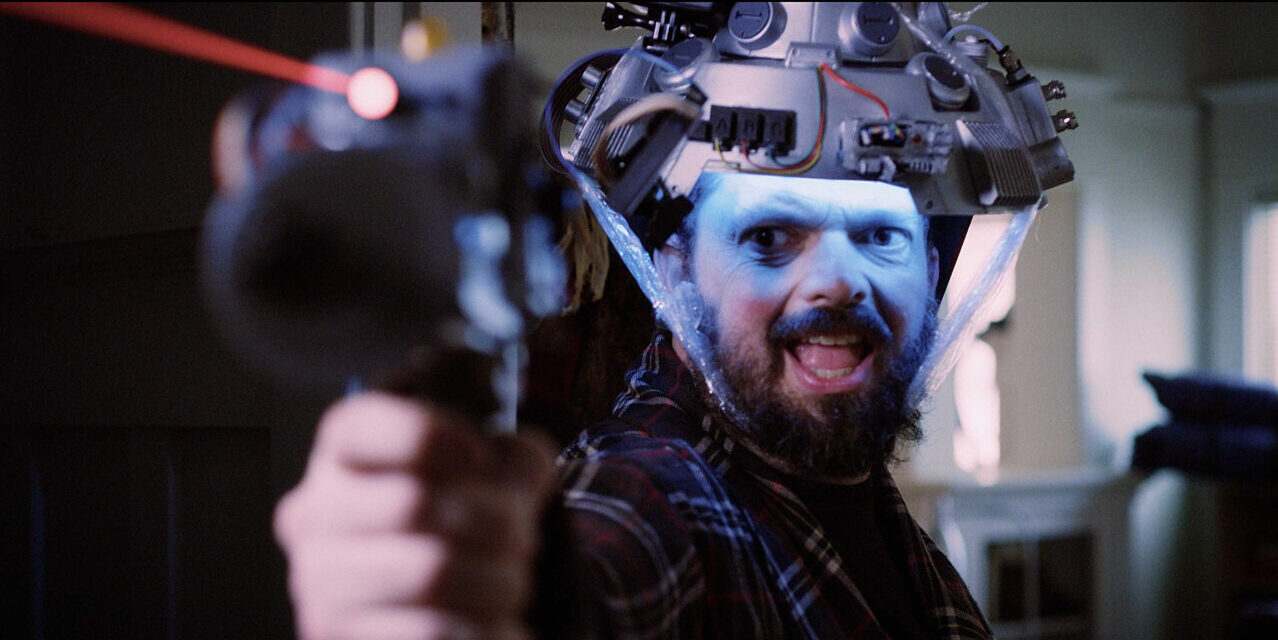
Donald Voltmann (Peter New) is a man whose frenetic energy matches that of a lightning bolt. Dubbed a "Boy Genius" in his younger years, Don talks a mile a minute as he shows off his latest invention to his neighbor, Ferris (Lou Ticzon). Don proudly demonstrates his Time Travel Helmet, a device that can transport him into the future. Initially, Don views the helmet as a way to turn his life around by consulting with his future self on how to live a good life. However, his future self has a more sinister trajectory. Future Don realizes that this ability is also an opportunity to mess with his ex-wife (Rhona Rees) by stealing the patent to Tube Monkey, a product she has worked incredibly hard to create.
Current Don and Future Don are now at odds with each other, as they also find themselves fighting other external battles. In addition to engaging in a bitter feud with his ex, Don is also on the run from Officer Prudence Slaughter (Camryn MacDonald) of the Time Police. Officer Slaugher catches wind of Don's patent-stealing "time crime," and makes it her mission to bring him to justice no matter what it takes.
A Love Letter to Old Science Fiction Films
Reminiscent of the Back to the Future trilogy, Time Helmet is a clever and cheeky sci-fi comedy that all ages can enjoy. There is a commendable DIY spirit that emanates throughout the film, as seen in the heartfelt performances and thorough production design. It's no easy feat to pull off a time-traveling feature film on an indie budget, but filmmaker Mike Jackson makes this squeeze look effortless. As an Emmy-nominated editor, Jackson's work in post-production is on full display here. The hyperness of Don's character is matched in the edit, creating momentum so visceral that you can't help but get sucked into the film.
Director's Statement
"This movie was ‘The Little Engine That Could’. Constantly pushing the limits of its small budget and limited resources, battling countless obstacles, but somehow always pulling through. The COVID lockdowns started three weeks into our shoot, and it was several months before we could resume. Post-production (and over 570 VFX shots) took almost four years to complete. This film only exists because a huge number of people gave it their all, every day for weeks at a time. It was a labor of love and a dream come true. I hope audiences feel that love when they watch it, and also get some good laughs in the bargain."
Takeaway
Equally kooky and heartfelt, Time Helmet is a love letter to the glory days of rough and ready sci-fi. Impressively, the film also marks Mike Jackson's first feature as a director. Prior to this, he directed numerous award-winning shorts and music videos and was a renowned sci-fi illustrator before transitioning to film.

'Atropia' Review: Love is a Battlefield
Sundance 2026 may be in full swing, but the best of the 2025 festival is finally making its theatrical debut. Releasing in theaters nationwide last Friday is Atropia, a satirical indie comedy from director Hailey Benton Gates. Winner of Sundance's U.S. Grand Jury Prize: Drama [2025], Atropia is a kooky comedy that infuses humor that is as dry as the titular fake Middle Eastern desert.
Welcome to Atropia
Imagine The Truman Show set in fake Iraqi and Afghan villages, and you'll have a sense of the world of Atropia. This town, situated in the middle of the desert in Barstow, California, is home to the most sophisticated urban warfare simulation: Fort Irwin. Built by Hollywood set designers, Atropia is the closest one can get to the feeling of being in the Middle East without leaving the United States. To adequately prepare soldiers for deployment overseas, troops enter a 3-week immersion training program that can also be described as a 24/7 military role-play scenario. Complete with realistic battlefield situations and hired professionals acting as villagers, Atropia sets out to, and successfully creates, an uncanny sense of “authenticity.”
Fayruz (Alia Shawkat) is an aspiring actress who takes her job as a villager very seriously. Despite being miles away from Hollywood, she dreams of catching her big break on the set of Atropia. It doesn't matter if she's drowning in a hijab or screaming in the streets; she gives every performance her all. As dedicated as she is to her profession, she risks derailing her performance when she falls in love with Abu Dice (Callum Turner), a fellow actor cast as an insurgent. Fayruz learns quickly that love is a battlefield, and if she's not careful, her heart could wind up in pieces.
Artistry on the Front Lines
Filmmaker Hailey Benton Gates does a phenomenal job creating the bizarre world of Atropia. While we can laugh at some of the ridiculous elements of this make-believe town, the film itself never feels like a joke or that it lacks the serious nature of its content. Alia Shawkat and Callum Turner perfectly embody their roles, both bringing a grounded sense of humor and emotional grit to their characters. The supporting cast further aids this performance-focused film, with special appearances by Tim Heidecker, Chloë Sevigny, Lola Kirke, and Channing Tatum.
Director's Statement
"Atropia is the story of a real fake place. After 9/11, the U.S. government lured Hollywood with lucrative contracts to construct fake Iraqi and Afghan village sets on military bases across America. These hyper-realistic villages, designed to train soldiers before deployment, are populated by civilian role players hired to live and act in the towns for weeks at a time. Initially, I set out to make a documentary about the mock villages–how this dystopian community theater was blurring lines between training and performance, reality and artifice. I spent years interviewing role players and military personnel, but eventually, the Department of Defense would not grant access to the parts of the training I was interested in documenting. So I decided to write a satire instead! A comedy in the tradition of Robert Altman’s M*A*S*H and Ernst Lubitsch’s To Be or Not To Be.
[Alia] Shawkat was just as obsessed with this world as I was. Her only stipulation…that it be a romance. We met our match in the deeply talented and generous Callum Turner, who somehow made this military-industrial-screwball-romance all make sense. The film is many things: a love story, a satire, and a commentary on the strange intersection of theater, war, and humanity, but ultimately, I hope it’s a 'movie movie'."
Takeaway
A unique blend of comedy and social commentary, it's no surprise that this indie darling won over crowds at Sundance. Atropia is a fresh take on an obscure but very real government program that, at times, seems too silly to be true. The energy in front of the camera and behind the scenes is palpable, keeping the audience engaged and making for a very fun watch.
'1981' Review: When Boys Become Men
A teenager inadvertently leaves boyhood behind in the slightly provocative, mostly precious coming-of-age short, 1981. Making its World Premiere in the Animated Short film program of the Sundance Film Festival, 1981 tells a nostalgic story with strong artistic capability. Filmmakers Andy and Carolyn London bring the laughs to the screen in this delightfully charming indie film.
A Birthday Surprise He'll Never Forget
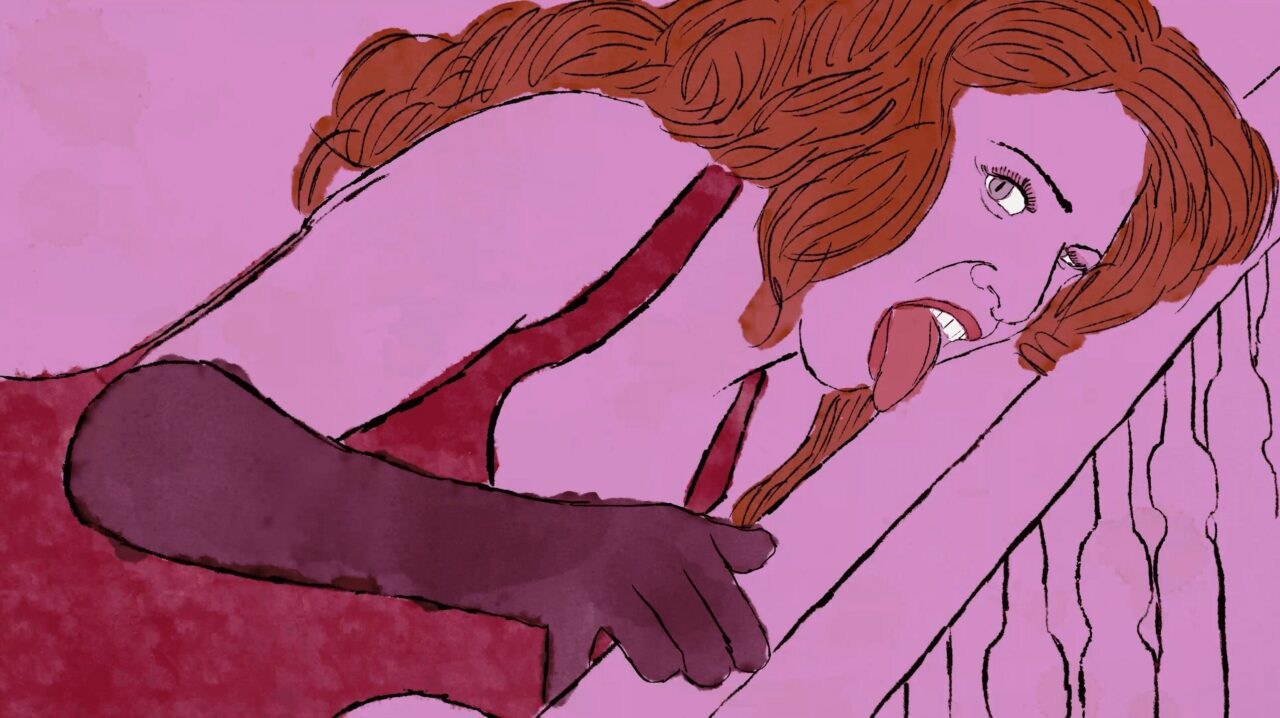
In this rotoscope film, which brings hand-drawn and painted images to life over live action footage, a teenager named Douglas gets ready for his upcoming birthday party. It's 1981 in suburban Long Island, New York, and every inch of Douglas' appearance is a reflection of the times. Dressed in metal band t-shirts along with mullets and acne, the 14-year-old appears very unenthusiastic about the day's festivities. As his friends begin to arrive at his parents' house, Douglas remains apathetic. After spending some time roughhousing in the basement, Doug's mother and father interrupt with some news.
His father shares that it's time for Doug and all of his friends to transition from boys to men. What happens next plays out like every teenager's fantasy. The lights dim, and a woman descends the stairs to the Tommy James & the Shondells song 'Crimson and Clover.' She performs an erotic, yet tasteful striptease that leaves Douglas more traumatized than entertained. This birthday surprise is one he'll never forget.
Directors Statement
"Our work begins with story, often the kind that feels dangerous, uncomfortable, or too personal to ignore. We are drawn to lunatics, misfits, and damaged people, mining family history, obsession, addiction, and childhood cruelty. No one is off limits... Since 1999, we’ve worked as writers, directors, animators, and co-founders of London Squared Productions, creating award-winning films that have screened at festivals including Tribeca, Annecy, and Ottawa, and at MoMA’s Talk to Me exhibition. Our latest work, 1981, will premiere at the Sundance Film Festival. We push toward the edge in search of honesty. The balance we strive for is cringeworthy awkwardness paired with heartbreaking beauty. We want you to laugh, and we want you to be devastated." - Andy London, Carolyn London
Takeaway
The 80s truly come alive in this animated short, largely due to the stunning artistry. Using palette knives, markers, ballpoint pens, and real textures, the filmmakers recreate a world from 1981 that is incredibly authentic. It's easy to feel as if we're in the room with Douglas and internalizing his embarrassment second hand. The film's simple strokes and clean lines evoke a visceral sense of feelings and emotions that harken back to the universal experience of early teen years. In the most succinct way, 1981 effortlessly captures the beauty and sometimes complicated reality of teenage desire.
'The Quiet Time' Review: Success Meets Solitude
What would you do to carve out a little quiet time for your passion? This is the root question of filmmaker Matthew Paris's new short film, The Quiet Time. The writer/director/producer/actor takes a minimalist approach in this ultra-indie film, using one location in this pared-down production. It's a simple film that complements its simple message: Quieting external input can give way to creative output.
Success Meets Solitude
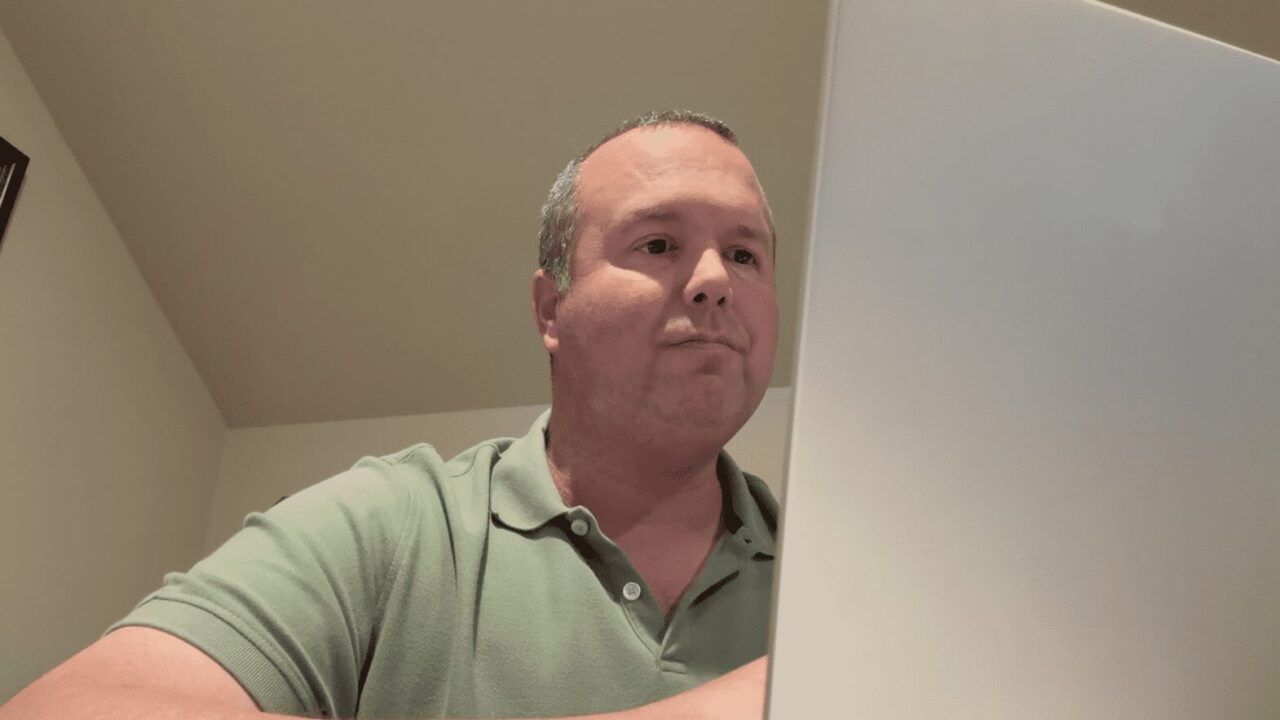
The film opens with close-ups of Americana-inspired home decor. A framed photo of a bald eagle, a perfectly steamed recliner chair, and a Mount Rushmore book are among these sentimental items. The silence is loud as the camera then cuts to a blank computer screen. As the monitor stares back at Jonathan (Paris), who hovers his hands above the keyboard, he appears deep in thought. He finds that the endless possibilities of a blank page can be overwhelming and daunting.
Writer's block gets the better of Jonathan as he struggles to voice his thoughts. "Why is the first page always the hardest?" he says aloud. Cut to 20 minutes later, Jonathan has removed himself from his office and sits quietly and contemplatively in the living room. This seems to unlock a creative spark, as the next scene shows Jonathan deeply focused on creating his new draft.
Takeaway
Sometimes, removing oneself from an overwhelming situation is the only way to get through a roadblock and move forward. In The Quiet Time, Matthew Paris explores this coping mechanism in a very intimate setting: his home. The production is very minimal; two music moments and a short monologue make up the entirety of the film's audible moments. The camerawork is static, giving a sense of groundedness and stability. For a short film that is less than two minutes long, there is only so much "story" to tell. However, Paris successfully creates a simple call and response that serves as a gentle reminder to find the beauty in taking things slow.
'Legend Has It' Review: A Raunchy and Riotous Affair
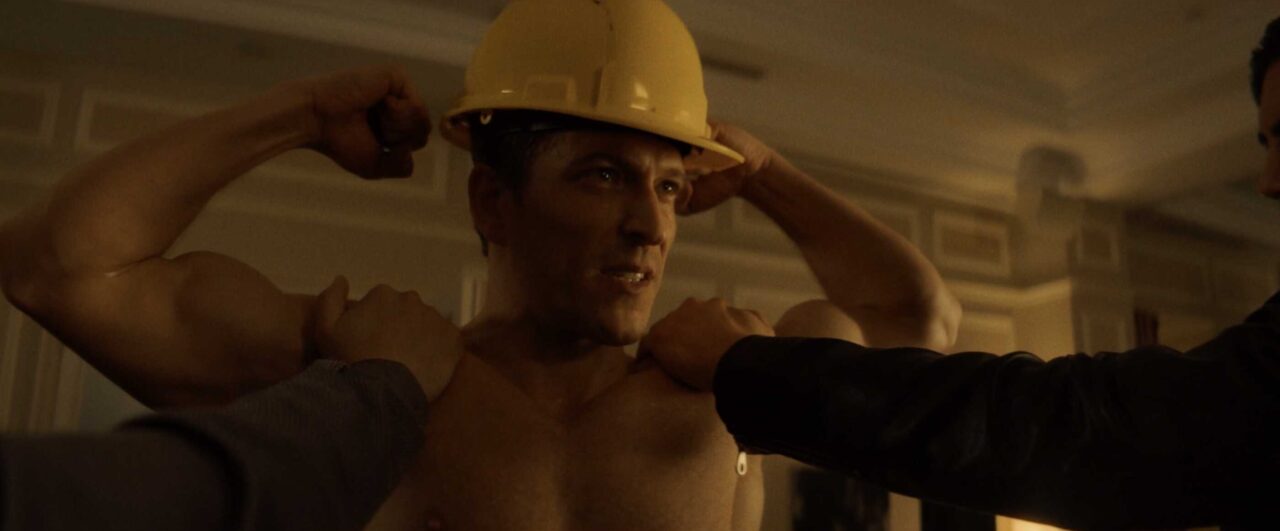
A simple mistaken room number lands a stripper in hot water in filmmaker Thomas Lorber's short film, Legend Has It. Packed with a witty script and commanding performances, this raunchy and riotous action comedy short is a hoot and a half, making its World Premiere at the 2025 Sapporo International Short Film Festival.
Locked and Loaded
Legend Has It stars Jon Cor as a male stripper who shows up at the wrong hotel room, finding it filled with French criminals rather than the expected group of females looking forward to his edgy entertainment. The film begins with a mob boss (Tom Morton) interrogating a group of men, desperately seeking out who among them is a rat. Intent on finding the source, the boss calls for reinforcements in the form of an armed assassin. Coincidentally, Adam (Cor) receives a late-night text from his boss that his "services" are requested at the same hotel. Adam is a stripper and assumes that he will be entertaining a room full of ladies for the night. However, when he arrives at room #1414, a middle-aged man answers the door. Adam is confused, but goes along with it. Quickly, he realizes this is not going to be a typical evening.
Assuming Adam is the hit man, the mob boss, confusingly, tries to make sense of why this assassin is grinding and unbuttoning his shirt. Comedy ensues as the audience figures out that this is a case of mistaken identity before the characters do. Adam was actually supposed to go to room #1404, not #1414. The rest of the film is a humorous battle between a male stripper and a mob boss. Despite the unusual circumstances, this may be Adam's best performance yet.
Using a Simple Misunderstanding as a Comedic Tool
Legend Has It pulses with electricity, due in large part to the phenomenal performances. Jon Cor exudes confidence and leading man energy, reminiscent of Brad Pitt in Apple TV+'s Wolfs. Director Thomas Lorber assembles a stellar cast and crew to bring this short film to life. He presents a tight-knit story that packs a big punch, making the film seem much bigger than its seemingly limited indie budget.
Director's Statement
"I grew up in France, and when I moved to North America, I spent years trying to blend in — softening my accent, adjusting how I worked, hiding the parts of me that felt “too foreign.” Over time, I realized my strength wasn’t assimilation, but collision: the clash of cultures, languages, humor, and identity. Today, I stand proud of both my heritage and my new home. I wanted this film to feel like a cinematic handshake between the two. With Legend Has It, I want to give the audience an action comedy where the heart hits just as hard as the punches. This isn’t just a film I want to make, it’s the story of who I’ve become."
Takeaway
Unapologetically bold and laugh-out-loud funny, Legend Has It fully embraces both spectacle and absurdity, and will most definitely keep you engaged during its 17-minute run time.
'Jamarcus Rose & Da 5 Bullet Holes' Review: A Promising Future Cut Short
A young and aspiring baseball player's dreams are horrifically dashed in the short drama, Jamarcus Rose & Da 5 Bullet Holes. Director Marcellus Cox emphasises the unpredictability and fragility of life by showing how it can change in an instant. Inspired by true events, Jamarcus Rose & Da 5 Bullet Holes serves as a reminder to live life to the fullest.
A Promising Future Cut Short
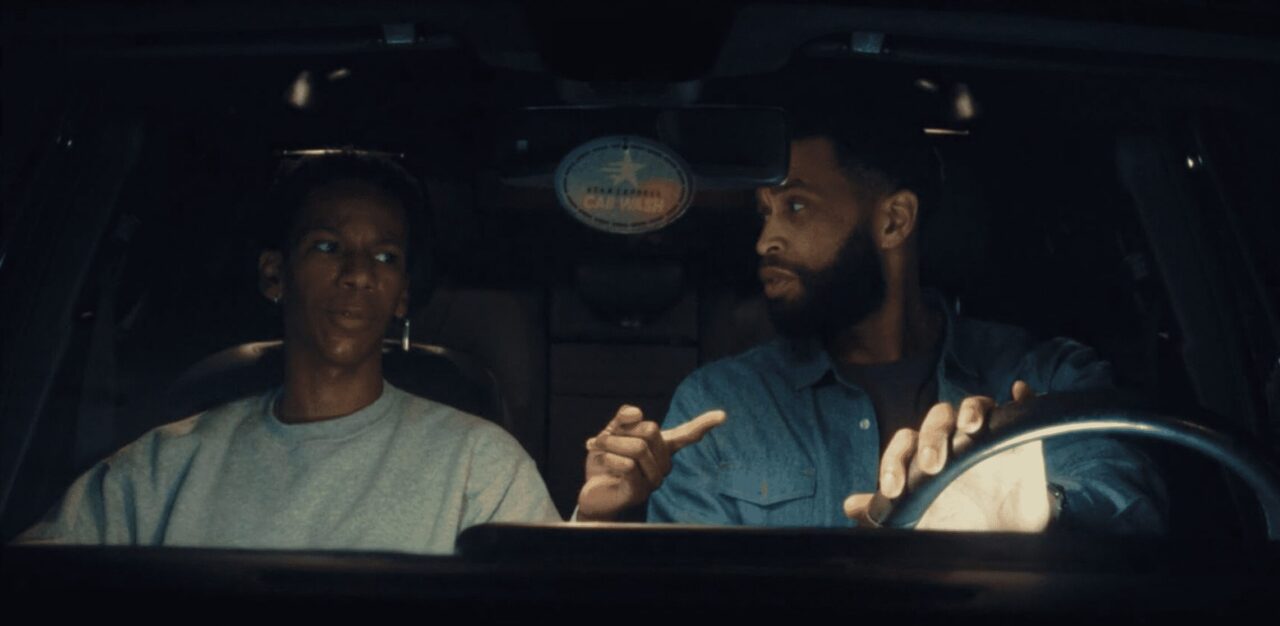
Jamarcus (Duane Ervin) is a talented high-school baseball prospect who must deal with instability in his family life. After losing his grandfather and subsequently having no parents to speak of, he is solely cared for by his grandmother (Ruthie Austin). She is Jamarcus's biggest supporter and source of encouragement, and it's her strength that carries him through the hard times. Despite her love and affection, she is limited in her ability to fully provide the guidance her grandson needs as he navigates the complexities of adulthood. This is why she encourages Jamarcus to spend the day with his new mentor from the Big Brothers Big Sisters of America program.
Initially, Jamarcus is less than enthusiastic. He doesn't think talking to Jasper (Stephen Cofield Jr.) will do any good, and it will only distract him from baseball. However, after meeting Jasper, Jamarcus realizes that his life is about to become much more enriched by having him as a mentor and friend. Jasper not only sets up Jamarcus with a Dodgers talent scout contact, but he also relates to his new younger friend on a deeper level. The two become vulnerable and introspective, and it's a welcome conversation that inspires Jamarcus. However, this lovely day is met with unthinkable tragedy. A brutal attack outside of Jamarcus's grandmother's house claims a life, and this senseless act of violence leaves devastation in its wake.
A Meditative and Humanist Film
Writer/director Marcellus Cox crafts a meditative and humanist film that beautifully pays homage to the original story. The pacing is slow and breathy, almost ethereal. Duane Ervin gives a phenomenal performance as Jamarcus, highlighting both his sensitivities and strengths. Playing opposite is Stephen Cofield Jr., who equally commands the screen with his grace and confidence. Cox expertly blends performance and craft in Jamarcus Rose & Da 5 Bullet Holes, resulting in a powerful cinematic statement.
Takeaway
The shocking loss of an innocent young black man due to violence is a frighteningly common pattern in America. Jamarcus Rose & Da 5 Bullet Holes shows how these tragedies ripple through a community, leaving unthinkable devastation in its wake. No young person should have to worry about not living long enough to realize their dreams. Marcellus Cox's portrayal of this tragedy is a sobering reflection of humanity. It also serves as a reminder to try to seek out the good amidst the ugliness and chaos of the world.
'Better Together: Furman’s Championship Quest' Review: Dream Big
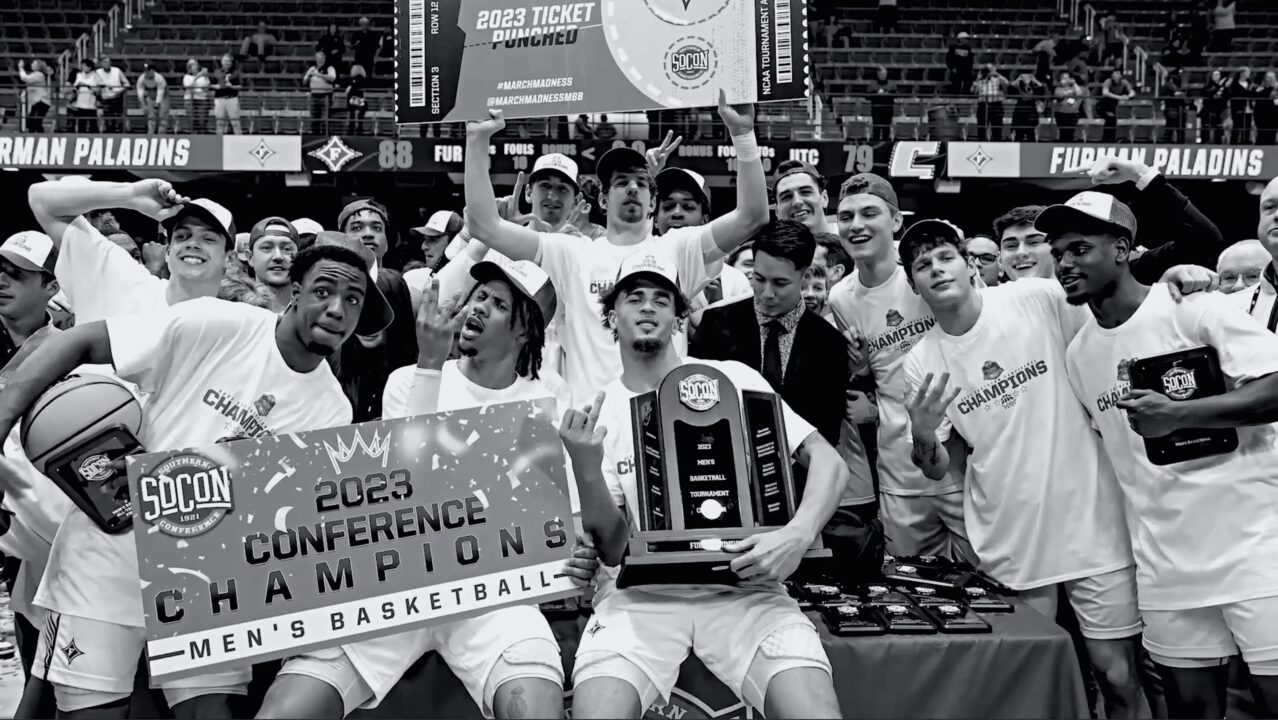
There truly is no better feeling than watching a classic underdog success story, especially when it takes place on the basketball court. If you agree, then get ready to get hyped in filmmaker Richmond Weaver's five-part docuseries about the Furman University men's basketball team, Better Together: Furman's Championship Quest. A winning combination for sports fans and cinephiles alike, Better Together brings an electric story of triumph and perseverance to the small screen.
Dream Big
Each episode of Better Together runs roughly 25-minutes long. The first episode kicks off dramatically with Furman and their rival, Chattanooga, tied 61-61 in overtime. A Furman player makes a crucial layup, putting the team ahead by two points. But then, the unthinkable happens. A Chattanooga player runs down the court with three seconds left and sends up a Hail Mary shot at the three-point line. Much to the shock, awe, and utter disbelief of the players and crowd, it goes in. Furman loses by a single point. It's a devastating loss that knocks Furman out of the Southern Conference Tournament Championship, which they haven't won since 1980.
The rest of the episode, as well as subsequent episodes, focus on the team's rebuilding after such a startling loss. At the time of filming, Furman is in the middle of one of the longest droughts in college basketball history. Despite this incredible frustration, the team is determined to have a different outcome next season. Led by their inspiring head coach Bob Richey, whose on-court knowledge is just as impressive as his locker room talk, these underdogs once again find themselves on the cusp of a SoCon Tournament Championship after 43 years as a Cinderella team.
Turning Pain into Purpose
Better Together: Furman's Championship Quest is a fast-paced, high-quality series that hooks you from the very beginning. It's an engaging viewing experience that equally focuses on team dynamics both on and off the court. Tensions rise, emotions flow, and energy soars throughout the entire 144-minute runtime. Director Richmond Weaver doesn't reinvent the wheel as far as the typical documentary production style; his choices are traditional. But this familiar format works well here, as the surprises and action moments come from the story itself. Further aiding the intensity is the score by Adam Tune, which is anthemic and bold.
Takeaway
If you loved HBO's Winning Time or Netflix's Last Chance U, you'll find much to enjoy in this 5-episode limited series. The series recently received a Southeast EMMY Nomination for Best Sports Documentary.
'Them That's Not' Review: Breaking Through Emotional Avoidance
The feeling of isolation can be painful, especially during the holidays. Even when surrounded by family and friends, a sense of disconnect can overpower an otherwise joyous occasion. In filmmaker Mekhai Lee's powerful short film, Them That's Not, this identity of being an outsider is told through the lens of empathy and grace. The film, running a concise 18 minutes, won the Gold Hugo award for Best Live Action Short at the 2025 Chicago International Film Festival.
Breaking Through Emotional Avoidance
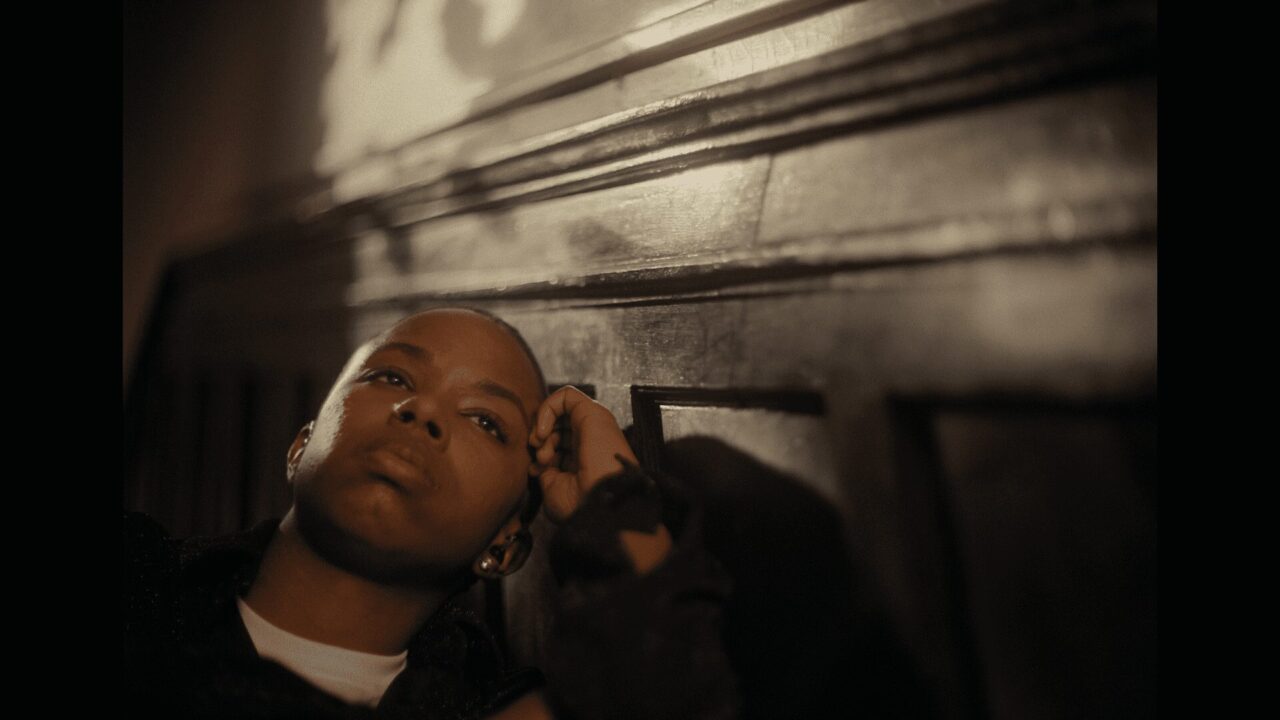
Drea (Angel Theory) is a struggling poet, sensitive to the world around her. Her quiet demeanor is in stark contrast to her family's larger-than-life personality, which is vividly on display during a wake at her grandmother's house. Drea, an introspective and proud queer, artistic, and deaf young woman, can't help but feel distanced from her relatives. Furthermore, her family's lack of effort to become knowledgeable in ASL makes it difficult to engage in even the most basic communication. Drea interprets their nonexistent effort as a symbol of her self-worth, prompting her to self-isolate to numb the pain.
During this time at her grandmother's, Drea unexpectedly encounters her estranged father, Samuel (Biko Eisen-Martin). He is 20 years into a 25-year prison sentence, released for the day on a furlough to say goodbye to his late mother. Drea and Samuel are essentially strangers, but their blood connection and shared love for the family matriarch are the catalyst that gives them a path toward reconciliation.
Stunning Attention to Detail and Craft
What stands out most in writer/director Mekhai Lee's film is the overall craft. Impressive sound design thoroughly articulates Drea's experience of being hard of hearing. Conversations between her and her family members sound as if she's underwater and struggling to make sense of every word and syllable. Them That's Not is a film driven by sound, both its presence and absence. The final scene ends with a cover of Billie Holiday's "God Bless the Child" performed by Lo Steele, which hits all the right notes.
Director's Statement
"I set out to tell this story at the passing of my own grandmother when faced with how isolating grief in a family setting could be, especially for those who are closer to the deceased. I found connective tissue in that isolation amongst communities, i.e., identifying as queer in your heteronormative family, identifying as Hard of Hearing in your entirely Hearing family. Thus, Billie Holliday’s song, “God Bless the Child,” commissioned to this film by Concord Publishing and Newfest Film Festival, became the quintessential tune to bring this film to life. “God Bless the Child” heralds that isolation, and I was keen on flipping the message of the song to be one that instead reminds its listener of a trusted community. That “our own” can rest in those around us whom we love... even if they’re the most unexpected source of solace."
Takeaway
Anchored by strong performances that reach a climax in a stunning final scene, Them That's Not is full of empathy and warmth. Sharp visuals by cinematographer Sade Ndya create an absorbing viewing experience, as well as a highly memorable film.
'Nothing Solid' Review: A Mystery Illness Gets the Hollywood Treatment
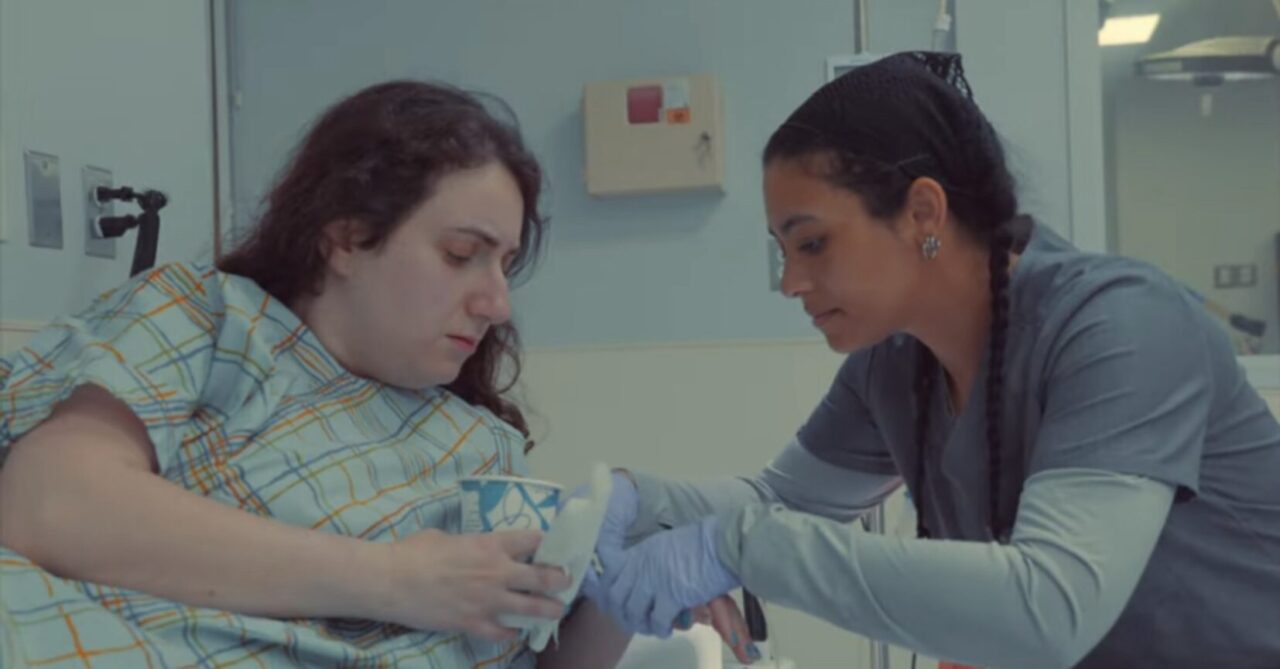
Art imitates life in filmmaker Sharisse Zeroonian's feature-length medical mystery, Nothing Solid. The writer/director draws inspiration from her battle with cyclic vomiting syndrome–yes, a real disorder–to create a truly unique and personal exploration of living with an incurable illness. This unexplained disorder, which is characterized by recurrent, prolonged attacks of severe nausea and vomiting, is now getting the Hollywood treatment. In the first film of its kind about this specific disorder, Nothing Solid is a no-frills independent film that highlights the messiness of young adulthood.
Growing (Up) Pains
Nikki, played by Zeroonian, is a 25-year-old woman who battles mysterious vomiting episodes linked to her anxiety. Her demeanor is similar to Lena Dunham's "Hannah" in Girls, meaning she's a late bloomer struggling to get her life together. As if living with an uncontrollable illness isn't bad enough, Nikki simultaneously deals with increasing family tension. This includes an overprotective mom who believes her daughter lacks the maturity and ability to be truly independent. But Nikki is an adult and realizes that it's time for her to start acting like one.
Her support system comes in the form of her therapist, who helps her see the connection between her emotions and her physical symptoms. Through frank and candid conversation, he challenges Nikki to address the issues that are within her control to improve her situation. However, Nikki continues to vacillate between facing her demons and remaining in her familiar cycle of distress.
An Education on a Rare Condition
Zeroonian's medical condition is so rare that its cinematic portrayal has made national headlines. For more context, read the article from TODAY, "Woman, 29, Lives With Mysterious Vomiting Illness, Throws Up For Days." While this headline may read as the logline of a horror film, Nothing Solid is no such movie. There is a heavy dependence on dialogue and intimate character interactions, and (thankfully) limited visual sickness. Generous screen time is given to Nikki and her therapist, whose scenes involve more word vomit than actual vomit. To this end, the script does a wonderful job of highlighting raw and authentic moments between an anxious patient and her wise clinician.
From a production standpoint, Zeroonian makes the most of her microbudget. Her portrayal of Nikki is empathetic; despite her dire situation, she seems to find the humor in the little things. This makes her character an easy one to root for and not just sympathize with as a victim of her circumstances. On the technical side, Nothing Solid would benefit from a more thorough sound mix, as some scenes suffer from poor audio. To that point, a stronger or more utilized score would have also been a nice touch to complement the abundance of dialogue.
Takeaway
While filmmaking may not be the cure to Sharisse Zeroonian's real-life illness, it can definitely act as a therapeutic release. As a viewer, witnessing Nikki's world and her struggles makes for an eye-opening experience. Despite the protagonist's (and filmmaker's) harsh reality, this semi-autobiographical film leans into its inherent dark comedy genre. Zeroonian crafts a film that is not only educational but also fun to watch.