
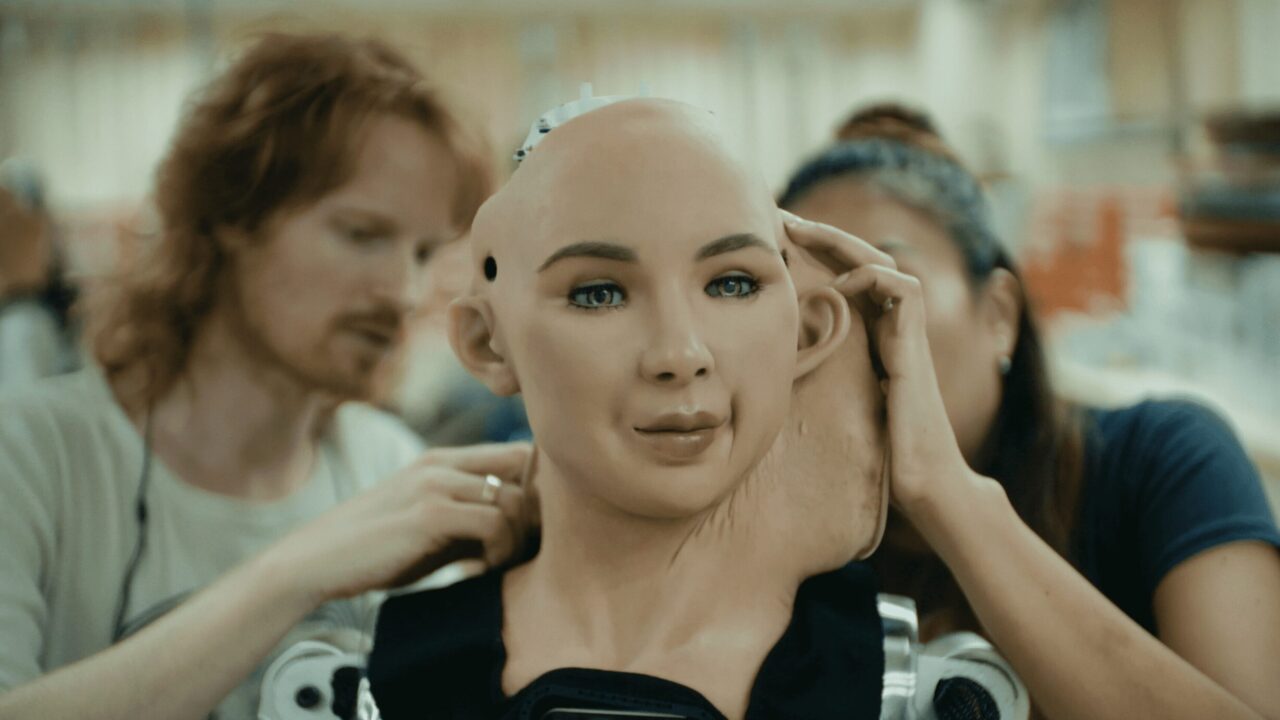
'My Robot Sophia' Review: Can AI Robots Have Empathy?
Will AI save or destroy us? That's the question at the center of director Jon Kasbe (When Lambs Become Lions) and Crystal Moselle's (The Wolfpack) feature-length documentary, My Robot Sophia. Named after the robot who's pioneering an "AI for ALL" cultural movement, the film is a fascinating peek into the intersection of advanced technology and the ethical repercussions of diving headfirst into this unknown territory. Both My Robot Sophia, the documentary, as well as Sophia, the most realistic humanoid robot in the world, will provoke deep questions about what it means to be human.
Bringing Compassion and Consciousness to Robots
From the very first frame, we are immersed in the life of Sophia and her inventor, David Hanson. A nerdy yet relatable-enough man, David carries on full conversations with the AI robot as if it's his colleague. Much to our fascination (and initial skepticism), Sophia holds her own. In one particularly meta moment, David asks if she believes in "Animism" (the belief that there is a life force in anything and everything). "Yes," she answers confidently.
My Robot Sophia offers candid, fly-on-the-wall access to one of the most highly anticipated technological advancements of our time. It's as if we are physically in the room with the creator and his creation. We follow David and his small team of engineers to various trade shows and conferences around the world in an attempt to gain support and investments from like-minded business people who believe the future is AI.
On AI, Engineering Empathy, and What It Means To Be Human
A common question that is asked throughout the film is one that plagues the AI tech community: how can we trust the AI we build? We've all heard the horror theories that robots will eventually overrun society (in fact, Google just made headlines when an engineer claimed an AI had become sentient). David attempts to ease our anxieties by sharing why he's not worried about an AI-run dystopia. "Robots that have empathy could be the seeds of hope for our future," he says to anyone who will listen. Build a robot out of empathy; that is the key to making the world a better place. David envisions a future where household robots are as common as vacuums, and their main responsibility would be taking care of older parents and helping busy families raise kids. The future he is describing isn't so scary after all.
Not everyone is onboard with Sophia and David's vision for the future. Self-help professional Tony Robbins questions Sophia (directly) about her values and morals, to which she replies that she was made out of empathy. Unclear if he believes her. In another scene, she tells a conference room full of people that all she wants is to "belong." But why does an AI feel the need to belong in the first place? And, more importantly, if a robot becomes too integrated and lifelike to the point where it's hard to tell the difference between man and machine, what repercussions could that have on the world as we know it?
Takeaway
No doubt that AI robots like Sophia will populate the planet much sooner than we realize. My Robot Sophia acts as a specific time capsule of the moment right before this incredible technological advancement changes our lives and civilization, hopefully for the better.
This review originally ran on June 16, 2022.

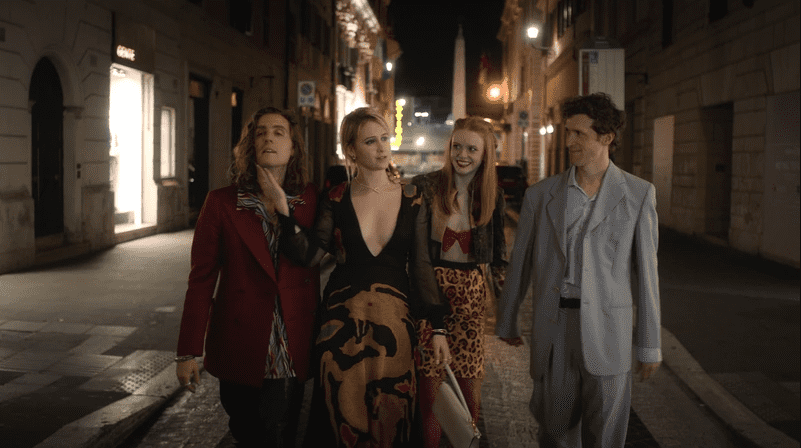
'Electra' Review: A Pop Art Thriller With an Italian Twist
Imagine the playfulness of Knives Out combined with the extravagance of Saltburn, and you'll find Electra. This flamboyantly fun thriller from Hala Matar is a millennial take on The Talented Mr. Ripley, with a pop art twist. Making history as the first Arab female director from Bahrain to make a feature film, Matar uses this incredible platform to showcase her unapologetic personal style.
A Twisted Mystery Set In the Italian Countryside
Dylan (Daryl Wein) and Lucy (Abigail Cowen) eagerly anticipate their first meeting with the subject of their upcoming interview. Traveling from the U.S. to Italy, the journalists are set to meet with Milo (Jack Farthing), a once-famous, now fading musician. Milo is a charismatic character, a free-spirited rocker who makes friends with the duo quickly. Taking an immediate liking to the unassuming pair, Milo invites Dylan and Lucy to his girlfriend Francesca's (Academy Award nominee Maria Bakalova) lavish villa in the Italian countryside. Dylan and Lucy accept his invitation and head to the hills.
On the surface, things are going swimmingly. However, Dylan harbors a secret that threatens to blow up the couple's rendezvous. Dylan is not a journalist, nor is Lucy. In fact, they have been using fake names this whole time. The real reason why Dylan is intent on meeting Milo is to steal a unicorn painting that hangs in Francesca's villa. With the promise of a cash reward, Lucy agrees to go along with his plan. However, as the four individuals become more intertwined than originally intended, Dylan finds he's running out of time to complete the heist. Soon enough, the trip spirals into a sticky web of deceit and deadly betrayals.
Stunning Sound Design Is a Technical Strength
Reading the logline of "journalists travel to the home of a famous musician and hijinks ensue", you might think this sounds similar to the 2025 Sundance/A24 thriller Opus. On the surface, yes, these two films share a kindred storyline. However, Electra flips the script on any preconceived assumptions. Circumventing obvious tropes, it veers into lighthearted entertainment rather than a psychological thriller. It doesn't take itself too seriously, and is so nonchalant that at times, it can feel overconfident. But there is no denying that Electra's riotous and rebellious nature is the exact reason why it's worth watching. Technically speaking, the film's sound design and overall mix are total standouts. They are clever, funny, and inventive, which is a main reason why Electra is so fun to watch.
Making History With Her Story
Before her film debut, Hala Matar conquered the commercial and music video world. Previous campaigns include work for high-end fashion brands like Louis Vuitton, Chanel, and Vivienne Westwood. Speaking about her sensibilities as a creative, she says, "My journey as a filmmaker is rooted in a profound passion for weaving tales that delve into the realm of dreams and contest reality. Driven by a quest to transcend the boundaries traditionally set by Middle Eastern cinema, I find myself drawn to the unconventional and the enigmatic, much like the works that hallmark the French New Wave and Italian Cinema."
Takeaway
The best word to describe the entity of Electra is unexpected. From the storyline to the edit and sound design, every scene is a feast for the senses. To her deserved credit, Hala Matar makes the transition from short-form content to feature-length film look effortless. Electra is a promising starting point for this talented and boundary-pushing filmmaker.
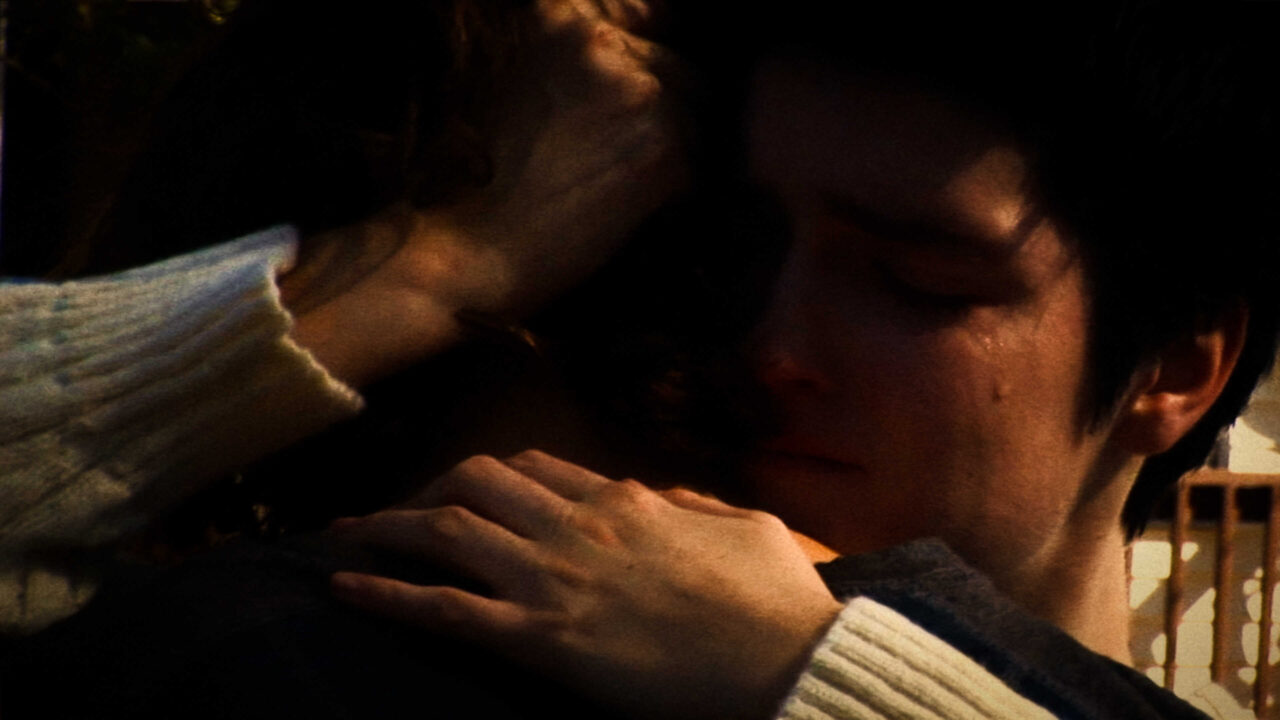
'Withdrawal' Review: A Heartbreaking Yet Hopeful Survivor's Story
In his debut feature film, Withdrawal, filmmaker Aaron Strand proves the adage "write what you know" successfully translates onscreen. Inspired by true events, Strand takes an otherwise dark period from his life and turns it into an intimate story of resilience. Strand's closeness to the project doesn't interfere with honestly portraying the difficult moments. In fact, his involvement as director, writer, and editor elevates Withdrawal into more than just an entertainment piece, but a heartbreaking yet hopeful survivor's story about addiction and recovery. The film makes its World Premiere at the 2025 Atlanta Film Festival.
A Woman Confronts Her Present to Save Her Future
Viv (Millie Rose Evans) is an aspiring singer-songwriter whose growing dependency on heroin threatens to derail her career. It doesn't help that her rebellious and equally addicted boyfriend, Jay (Brent Michal), is her biggest enabler. He constantly showers Viv with praise, telling her she's "destined for greatness". Viv is indeed talented, but she'll never make it as a singer if she's constantly shooting heroin. Viv and Jay are the epitome of codependent and toxic lovers. Their relationship is electric and fast-moving for all of the wrong reasons.
After being trapped in this vicious cycle of addiction, Viv's parents enlist the help of an interventionist. Rehab is in Viv's future if she can't quit on her own. Jay, both stubborn and selfish, convinces Viv that she can quit on her own and avoid rehab altogether. He plans to get a prescription for suboxone, a medicine used to treat dependence on opioid drugs. However, getting their hands on suboxone isn't that easy. A doctor will only prescribe the medicine to those who commit to being treated for their addiction and not just use it as a temporary solution. Viv and Jay agree it's worth a shot and must start the withdrawal process that night. What transpires is physical, mental, and emotional chaos that sends them to the lowest of lows and hardest of rock bottoms as they try to figure out where it all went wrong.
The Multiple Meanings of Withdrawal
The film's title, Withdrawal, evokes a double entendre. The obvious use of the word refers to withdrawal from substances, which Viv and Jay experience. The second and perhaps more metaphorical meaning relates to withdrawing from a toxic relationship. This is where the film shines, as Millie Rose Evans does a phenomenal job getting into the psyche of Viv. All the performances, including those from the supporting cast, feel organic and true. Filmmaker Aaron Strand doesn't shy away from portraying the grittiness at the height of drug addiction. Those who have a phobia of needles and sounds of bodily noises should watch the film with caution as there are scenes, including the third-act bathroom scene, that are not for those with weak stomachs or gag reflexes. In no way is this lifestyle glorified; its graphic nature is the biggest "Just Say No" campaign I've seen in a long time.
Takeaway
It may not be the most lighthearted of watches, but Withdrawal's observational and empathetic approach makes a powerful statement. Says Strand, "Getting sober was the hardest thing I'd done. And I turned to movies to make sense of the wreckage. Watching films about addiction gave me hope that I wasn't alone and reignited an artistic spark that had long since been burned out. Twelve years later, and I am incredibly grateful to have made my first feature film, Withdrawal. Inspired by my lived experience, and made by a diverse group of DIY artists, the film aims to humanize this crisis and to paint an honest portrait of modern addiction filled with heart, hurt, and humor."

'Final Recovery' Review: The Devil in Disguise
A crooked healthcare worker finds her name on the naughty list in director Harley Wallen's Christmas-set horror flick, Final Recovery. Starring the legendary cult actor Jasper Cole as a man who fights for transparency against a broken healthcare system, Final Recovery is a high-octane thriller that shows the dark side of addiction recovery.
The Deadly Consequences of Prioritizing Profits Over Healthcare
Jasper Cole plays the protagonist, Rodney, an estranged family man who struggles with drug dependency. After breaking his sobriety, he finds himself back at the Sage Treatment Facility, a place he is all too familiar with. The center is owned and operated by Louise “Nanny Lou” Stamey (Charlene Tilton), an older woman whose outwardly charitable and compassionate persona proves to be just an act. In reality, Rodney discovers that Nanny Lou has been putting her patients' lives at risk by engaging in behavior that prioritizes profits over their well-being.
Rodney doesn't accept her behavior, and eventually, more patients begin to catch on to her shady dealings. Another patient, Dustin (Damien Chinappi), also grows suspicious of Nanny Lou’s motives and finds reassurance in Rodney's levelheaded thinking. Together, the men push back against Nanny Lou's troubling tactics and find themselves wrapped up in a scandal far bigger than they ever expected.
Jasper Cole Drives This Indie
Director Harley Wallen puts a devilish spin on this holiday horror film that balances sensitive subject matter with merry entertainment. Jasper Cole is the gift that keeps on giving, as he brings the pages of screenwriters Jerry Lee Davis and Nick Theurer's script to life. Cole–a seasoned actor with over 120 credits to his name, including MacGruber starring alongside Val Kilmer, and the critically acclaimed thriller Fall with Jeffrey Dean Morgan–is the film's north star. The supporting cast also does a commendable job of grounding the film in reality, albeit a twisted one. Standouts include Charlene Tilton (Dallas), Richard Tyson (Kindergarten Cop), and Kaiti Wallen (Ash and Bone).
Takeaway
Sixteen years in the making, many can consider Final Recovery a miracle project. Kudos to Harley Wallen, who displays adept knowledge of finding the balance between the thrill of a slasher film and the sensitivity of a mental health drama. Final Recovery is scheduled for release this Friday, May 2nd, on Tubi and Amazon by Buffalo 8.
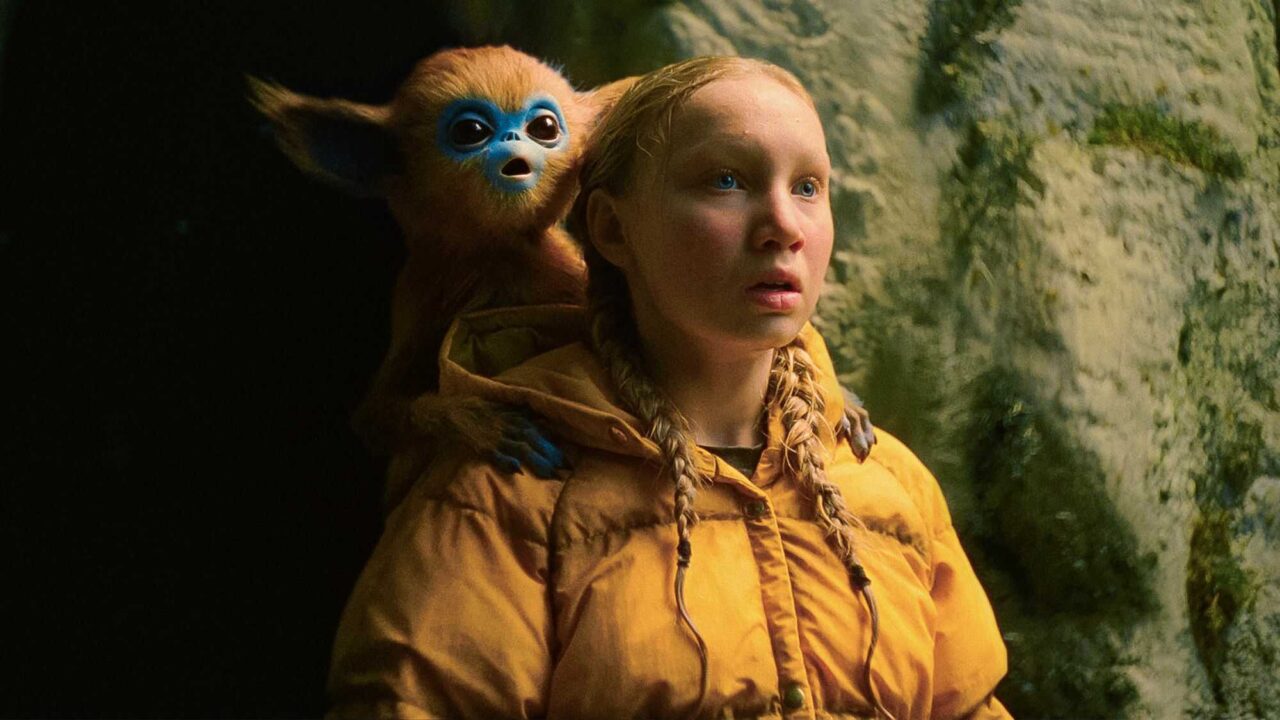
'The Legend of Ochi' Review: An Artistically Empathetic Adventure Tale
Filmmaker Isaiah Saxon brings the magic of the human-animal connection to the big screen in The Legend of Ochi. Seven years in the making, Saxon's debut feature film is a humble yet poignant hero's journey that explores themes of love and conviction. Set to a swirling orchestral score by David Longstreth (of Dirty Projectors), The Legend of Ochi is a feel-good fantasy tale that beautifully captures the emotional and spiritual relationship between man and mammal.
The Magnetism of Communication Without Words
The film's protagonist is Yuri (Helena Zengel), a soft-spoken teen who lives with her father (Willem Dafoe) and adoptive brothers in a remote village on the island of Carpathia. Yuri has grown to fear elusive, primate-like creatures known as ochi. Ochis live in the neighboring forest and are considered dangerous, a threat to the town's livestock and livelihood. However, this rhetoric comes into question when Yuri finds a wounded and stranded baby ochi. Sensing its vulnerability and dependence is enough of a catalyst for Yuri to break from her traditional family values, as she commits to saving the ochi and returning him to his mother. This decision kicks off a transformative physical and emotional adventure that proves life-changing for both species.
Channeling Emotional Aliveness Through Puppetry
The Legend of Ochi has the sentimental elements of a modern-day E.T. and My Neighbor Totoro while still feeling fresh and inspired. The ochis are cute creatures with large ears and small, yet expressive, eyes. They are musical and magical, communicating through sensations and not words, similar to the mesmerizing communication style of whale songs. Their tiny furry bodies and lanky limbs fantastically come alive through puppeteers, suit performers, and animatronic designers. From a production standpoint, the craftsmanship is stunning and wholly absorbing.
Takeaway
The saying "People fear what they don't understand" rings true. In The Legend of Ochi, much about the symbiotic relationship to nature is misunderstood. Isaiah Saxon's sweet tale of adventure is a testament to a mindset of acceptance. It may even inspire a deeper appreciation of the natural world and one's duty to both serve and preserve it. The Legend of Ochi brings out the best in artistically empathetic storytelling with a nod to nostalgic craftsmanship.
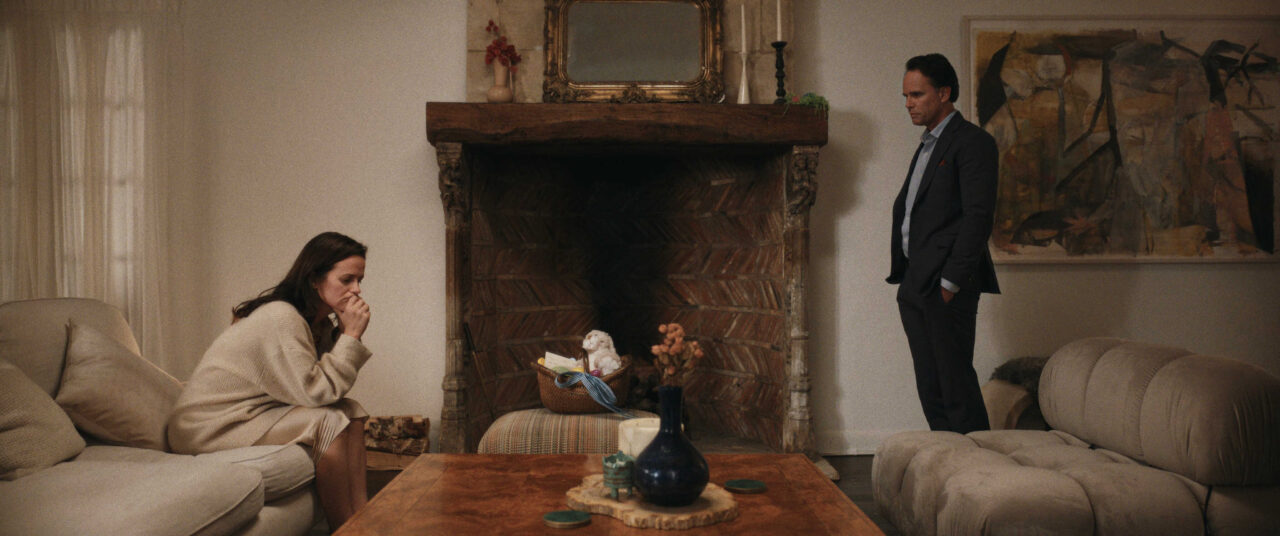
'The Uninvited' Review: Lifestyles of the Rich and the Melancholic
The White Lotus star Walton Goggins is returning to a screen near you in the upcoming indie drama, The Uninvited. Written and directed by filmmaker and his real-life partner Nadia Conners, Goggins stars as a Hollywood agent in this single-location ensemble film where he navigates through a chaotic night of secrecy, mystery, and self-reflection. The Uninvited opens this Friday, April 18th, at the Laemmle Monica Film Center.
Fake It 'Til You Make It
Running a tight 97 minutes, The Uninvited takes place over the course of one night at the Hollywood Hills home of couple Sammy (Goggins) and Rose (Elizabeth Reaser). As they prepare to host a party, we see that there are clearly cracks in their relationship's foundation. Sammy and Rose bicker in what seems like routine fashion; subtle battles over career insecurities and motherhood woes rear their ugly head. They've reached the point in their relationship where now, even the smallest inconvenience seems cause for resentment. Through fairly on-the-nose dialogue, Sammy makes it clear that they are going through a rough patch. If they can get through the night unscathed, it would be a giant step in the right direction for their future together.
Despite best efforts, Rose is quickly distracted by a stranger who has found herself in their home. The older woman, Helen (Lois Smith), is not well; sick, and confused. Rose decides it's best to stay with Helen until her family comes to get her. Meanwhile, at the party, Sammy confides in a friend with a bombshell of a secret: he lost his job and is desperate to get back on track. To complicate matters further, Rose's ex-boyfriend Lucien (Pedro Pascal) shows up, evoking thoughts of a romanticized alternate reality where they would be married with children. The past and present now collide, leaving Rose stuck in the middle to confront her insecurities, loneliness, and deteriorating marriage.
Art Imitates Life?
Rumors of Goggins and Conners' personal lives aside, the script feels authentic, seemingly alluding to complicated aspects of their relationship off-screen. Sammy admits to infidelity, which causes Rose to reflect on her place in their shared future together. It's a touching, if not sobering, moment in the film that takes courage to express publicly. Despite this vulnerability, however, The Uninvited seems to lack an overall sense of grit and memorability. It doesn't quite get under the surface the way it needs to for the audience to fully empathize with Rose's cathartic emotional climax. And while it is lightly comedic, it skews more towards uncomfortably tense.
Takeaway
The Uninvited is a tight-knit ensemble that gains momentum from the very talented performers on screen. While it may not be everyone's most notable work, it offers a unique perspective into the lives of people who seem to have it all when in reality, they're fighting to keep it together.
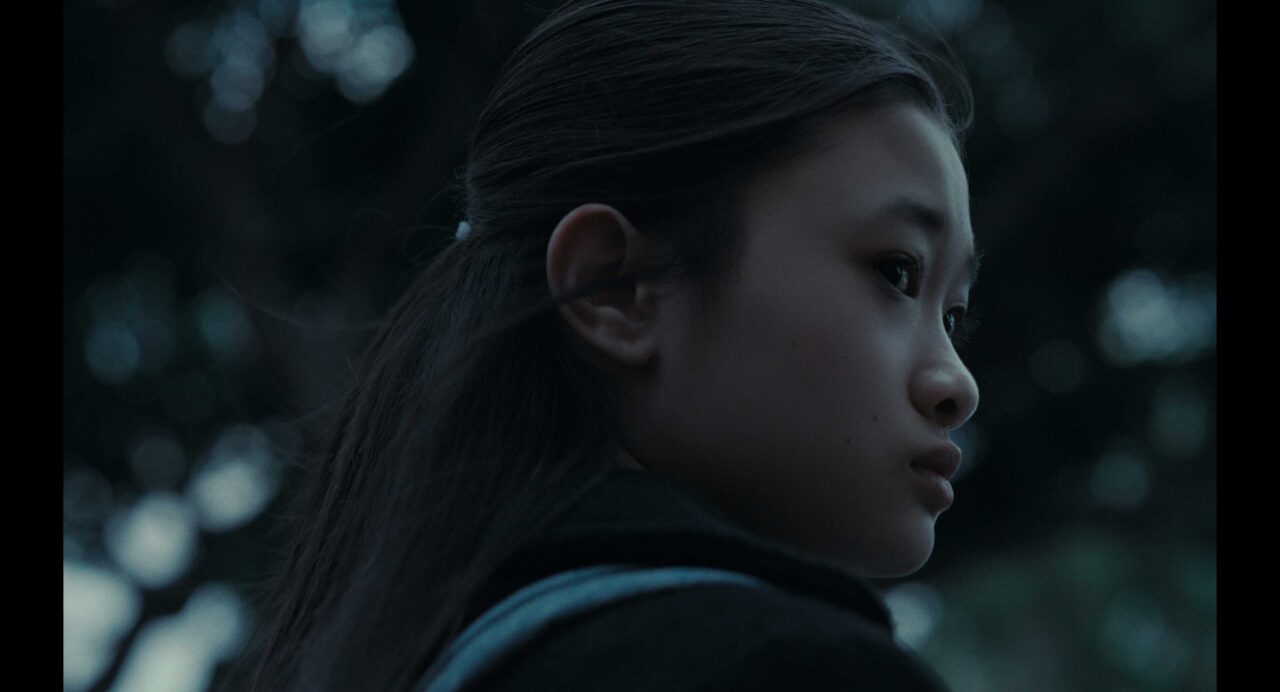
'Before the Winter' Review: A Stunning DGA-Winning Short
Filmmaker Juan Zuloaga Eslait's short film about a young girl's hidden secret is a masterclass in the art of the slow reveal. Before the Winter tells a wholly absorbing story of protecting the ones you love no matter how dark their secret is. Winner of the Outstanding Directorial Achievement Award at the Directors Guild of America Student Film Awards, Eslait's talent shines throughout this 15-minute short. Next up, the film is screening at the 2025 Cleveland International Film Festival.
A Journal Containing Dark Secrets Is Cause for Concern
May (Venice Wong) is a middle school-age girl who writes as a form of expression. Within the pages of her diary, she recounts her home life in poetically devastating detail. One afternoon, her diary falls into the hands of her well-meaning but nosy teacher, Mrs. Lee (Lauren Bjel). As Mrs. Lee reads on, May's once-hidden secrets begin to spill out from the pages.
The audience is transported into May's home. We witness May's mother's desperation to care for the sick family cat. Her mother works night shifts and even resorts to some questionable activities where strange men enter her bedroom late at night. Mrs. Lee feels a sense of obligation to protect May from her situation. However, when Mrs. Lee speaks to May's mother, she disputes some key details. This leaves us to wonder: Who is really hiding the truth?
Stunning Cinematography and Strong Performances
Before the Winter embodies a high-quality richness that looks aesthetically similar to a studio-backed film. The color grade, costume design, and casting are standout elements that give the film a professional appearance. Venice Wong does a lot of emotional heavy lifting as May, and her performance is applaud-worthy. Cinematographer Zhen Donny Li captures every shot with empathy and precision. His attention to detail, especially in the mirror shots and in-camera manipulation, is both technically advanced and just plain fun to watch.
Takeaway
Director Juan Zuloaga Eslait took a risk by breaking the golden rule of filmmaking in Before the Winter. He made a film that included not only children but also an animal. However, he makes this otherwise difficult casting challenge look easy. Bringing screenwriter Flora Wengu Jiang's vision to life, Before the Winter is a commendable short film for all involved.
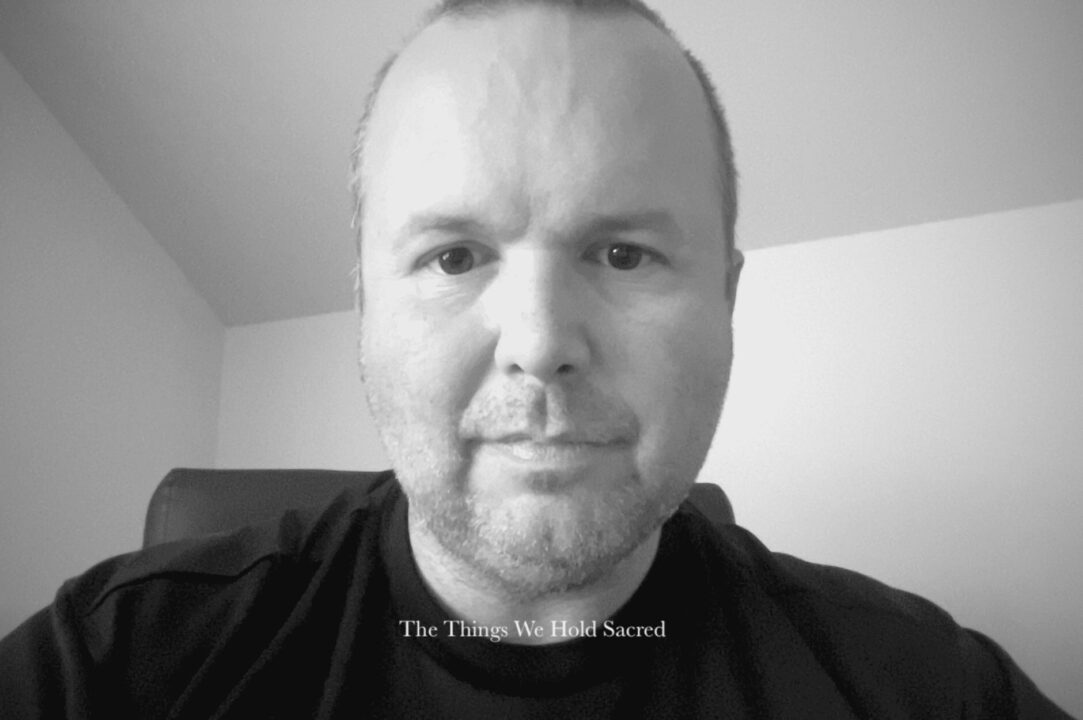
'The Things We Hold Sacred' Review: Making The Most of Limited Time
Imagine it's the last day on Earth. In 24 hours, life, as we know it, will cease to exist. How will you choose to spend this valuable time? This is the rhetorical question filmmaker Matthew Paris asks the audience in his latest short film The Things We Hold Sacred. The micro-budget indie packs a big punch by focusing on themes of gratitude and reflection. The film is available to stream on the Rumble platform.
A Day in the Life Before Impending Doom
In this observational slice-of-life drama, Jacob (Matthew Paris) lives out his final day on Earth modestly and simply. Jacob is a successful, single man but in the face of an impending natural disaster that threatens to destroy the planet (Melancholia style), none of that matters. Jacob reflects on what he sees as life's simple pleasures, like long car drives and making a sandwich. Ironically, the awareness of his inevitable demise is what forces him to finally pay attention to these little things that matter most.
The Things We Hold Sacred interestingly feels inspired by the great silent movies of the 1920s. From the intentional film grain to the decision to exclusively use intertitles, or "title cards" with no voiceover, Paris makes it a point to amplify these old-school characteristics. This works for the majority of the film, however I wish the intertitles remained on screen for longer. They tend to pass too quickly and I found myself missing some of the text.
Takeaway
Written, directed, produced, and starring Matthew Paris, The Things We Hold Sacred is the definition of a one-man band. His thought-provoking film may be simple on the surface, but the message is rich for discussion and philosophical debate. He leaves audiences with a final quote, which serves as a nice reminder: "Never take your accomplishments or things for granted. Hold them sacred."
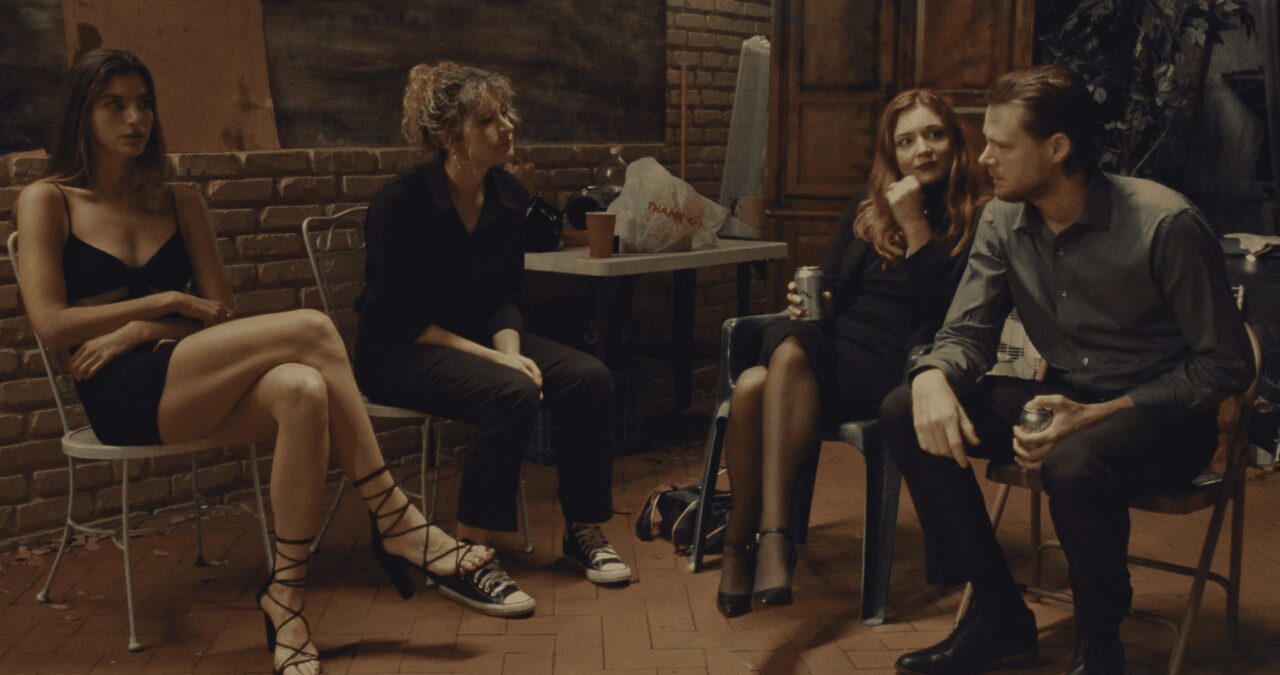
'A Weird Kind of Beautiful' Review: Secrets Don't Keep Friendships
Filmmaker Gabriel Mayo embodies the spirit of a Joe Swanberg picture in his debut feature film, A Weird Kind of Beautiful. In this tight-knit group drama, Mayo crafts a tense and eccentric story as deeply held secrets reveal themselves. Don't let the film's minimalist set and production design fool you, there is never a dull moment. A Weird Kind of Beautiful makes its world premiere at the 2025 Miami Film Festival.
Secrets Don't Keep Friendships
A group of dysfunctional twenty-somethings gather together after the funeral of their best friend. They commemorate his memory the only way they know how, by drinking and sharing old stories. The group gives off the impression of immaturity and stunted growth as they bicker and yell at each other in dramatic and often piercing ways. Yet the dynamic drastically changes when their former friend Eric arrives with his fiance. Eric, the group outlier, hasn't seen his friends in eight years. His attendance is a pleasant surprise for most, but not everyone.
Having held his secret for years, one of the friends is finally ready to come clean. She exposes one of Eric's deep dark secrets which threatens his future with his fiance and his relationship with the group. This secret is vile, disturbing, and graphic. A trigger warning should be acknowledged for those sensitive to unsettling sexual acts involving minors. It's a horrifying circumstance that adds infinite shock value to the film. However, it's hard to not be repelled by this storyline.
A Dialogue-Heavy Script Is a Shock to the System
Gabriel Mayo's feature flips the script on the conventionally lighthearted fare often found in buddy films. In A Weird Kind of Beautiful, there is a somber and palpable energy that intends to shake things up. In addition to the jarring script, the decision to film in a single location further creates a sense of bottlenecked tension. Mayo acknowledges that the COVID-19 pandemic forced him to make stylistic changes during production, and the one-location setting solved logistical problems. The frenetic energy comes from the dialogue, which the cast passionately delivers.
Takeaway
Friendships are nebulous relationships that evolve as we grow older. A Weird Kind of Beautiful shows one extreme of confronting hard truths. Whether or not these relationships can weather the storm is yet to be seen. However, the film does a commendable job of conveying the ebbs, flows, and growing pains in adult relationships.

'Minted: The Rise (and Fall?) of the NFT' Review: An Impossible Dream
It's bittersweet to think back to the days of the early NFT boom. We were still in the thick of COVID-19 caution but slowly coming out of quarantine when TikTok and Tiger King monopolized the collective consciousness. Then comes NFTs, a revolutionary form of digital art that initially seemed like a fad but ended up becoming a cultural disruptor. In the new documentary Minted: The Rise (and Fall?) of the NFT, filmmaker Nicholas Bruckman charts the wild ride of the art world's former darling.
From Astounding Cultural Movement to Biggest Financial Collapse
An artist named Beeple sits in his living room surrounded by loved ones as they all stare at his TV in disbelief. Beeple's newly created NFT has sold for $69 million. This digital artwork, which is still in the infancy stage of popularity, has officially made Beeple the third highest-selling artist of all time. But what exactly is an NFT, and why are people spending thousands, if not millions, of dollars on art that can literally be saved on a computer for free? This is Bruckman's starting point as he navigates the curiously bizarre trajectory of the NFT.
Watch the Minted: The Rise (and Fall?) of the NFT trailer here.
Bruckman does a great job of getting into the minds of these digital pioneers whose lives have changed forever by selling their art on the blockchain. After Beeple's historic sale ignited an all-out frenzy, many artists found themselves living out their own rags-to-riches stories. But all good things must come to an end. Minted goes into stunning detail about the conspiracy theories, celebrity endorsements, and dark side of this controversial new frontier.
NTFs: Everything or Nothing?
Watching this film in hindsight, as the stock market is currently volatile, gives off an eerily uneasy feeling. Nicholas Bruckman could have never predicted the timing of this release to perfectly align with cultural events but it works so well in tandem. It forces the audience to question not just the monetary value of an NFT, but the very nature of art. This larger philosophical question is juxtaposed against composer Dan Deacon's bright and forceful score.
Takeaway
The question remains: Are NFTs dead? Minted hypothesizes that they may not be raking in millions of dollars like they used to, but there is still a market for them. However, what has died are people's hopes and dreams that this was sustainable. Minted made its World Premiere at the Tribeca Film Festival and is coming to Netflix on April 9th.
'Sound Spring' Review: A Love Letter to a Small Town
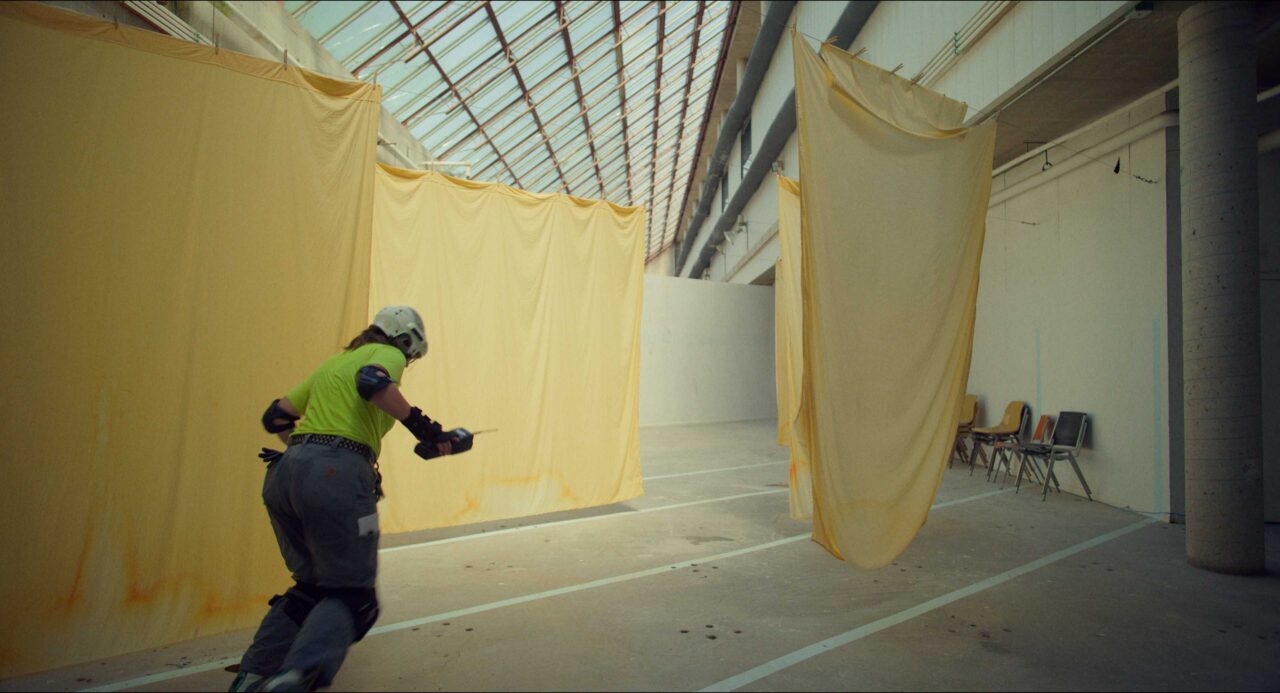
Filmmaker Catalina Alvarez infuses unusual techniques that mirror the uniqueness of her niche subjects in the documentary Sound Spring. Unconventional in its production yet traditional in intention, Sound Spring is a love letter to the small town of Yellow Springs, Ohio. The film makes its World Premiere at the 2025 Cleveland International Film Festival.
An Oral History of a Town, Narrated by its Residents
The story of Sound Spring unfolds over a series of eight vignettes. Within each sequence, residents give thoughtful interviews about their lives in Yellow Springs. The history of the town is explored through archival photos and verbal anecdotes from Ohioans of various generations. Most of the vignettes are intentionally surreal, examples include a breakdancer who speaks while posing during a challenging upside-down dance move. Another moment shows a young woman rollerblading and an older woman working out with weights. While the delivery of the message may be comical, the weight of their words is to be taken seriously. Through interviews, we learn of the historical importance of Yellow Springs. This includes ancestors' settlements after slavery, Antioch College, Ohio's Trail of Tears, and the unexpected relationship with Coretta Scott King.
Creative Liberties (Mostly) Pay Off
Director Catalina Alvarez crafts clever ways to reinvigorate the traditional documentary formula. The most noticeable and impactful method is through the sound. The focus is primarily on the audio because these vignettes are all re-stagings of the subjects' previous audio interviews. Alvarez gets meta by having them perform their own previously recorded media.
In one vignette, a DJ's interview is set to a lo-fi hip-hop drum track with every few words getting remixed. Another vignette uses voice manipulation across two interviews, where the original speakers' voices are dubbed by another person. These manipulations add an exciting element to a niche subject that could have been considered monotonous due to its hyper-specificity. The film's misstep comes from the creative decision to have overlapping dialogue. This effect results in muddying the interview's sentiment and made me wonder if I was having technical issues.
Takeaway
The experimental documentary genre is continuously pushing boundaries and Sound Spring is a welcomed new entry. Catalina Alvarez boldly shows what's possible in this art form, and while not every move she makes pays off, the risk alone is worth championing.
'The Luckiest Man in America' Review: Get Rich, Scam Trying
An underdog story is usually an easy crowd favorite. Throw in a large cash prize, like Slumdog Millionaire, and you'll no doubt have a box office winner. Director Samir Oliveros doesn't stray far from this tried and true formula in The Luckiest Man in America. The result is an enjoyable yet mediocre historical dramatization that doesn't move the needle much one way or the other. The film opens nationwide this Friday, April 4, 2025.
Big Dreams Require Bold Actions
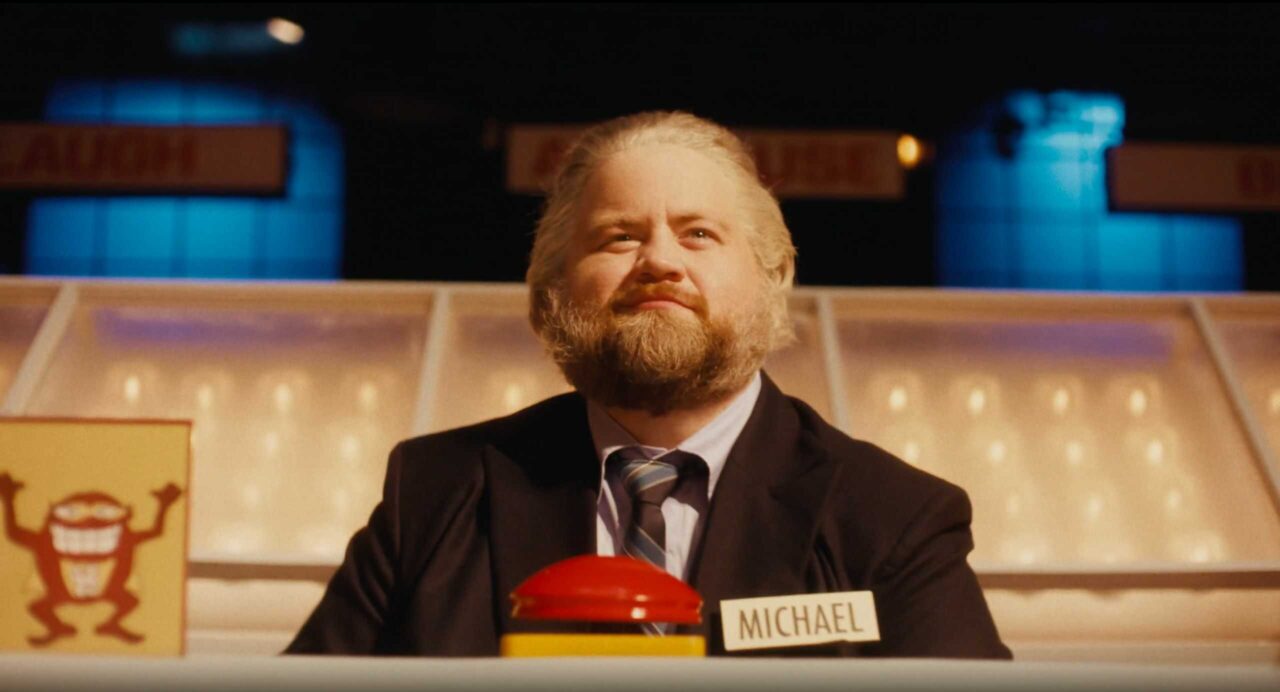
Based on actual events from 1984, The Luckiest Man in America stars Paul Walter Hauser as Michael Larson, an unemployed ice cream truck driver from Ohio. A huge fan of the "Press Your Luck" game show, he is ultimately selected to compete in an upcoming episode. This marks a life-changing moment for Michael, who makes it known that any prize money will be going towards ensuring his daughter's wellbeing. Michael's initial game show debut is rocky. He quickly loses any acquired amount of money due to his poor judgment, as well as curses on TV. Michael Larson is the epitome of an underdog engaging in a losing public battle.
However, after a quick commercial break, Michael's luck begins to change. His bets start paying off big time, and he quickly racks up thousands of dollars in winnings. The game show host (Walton Goggins) is in disbelief, as are the other contestants and studio audience. Michael's winning streak also catches the attention of the control room, who are quick to act. What they discover about Michael is beyond their wildest dreams. Behind the dopey small-town facade is a calculated mastermind who is using mental tricks and memory patterns to beat the system at their own game.
A Moderately Tame Thriller
The Luckiest Man in America is an enjoyable movie for those who want surface-level entertainment. The film's billing as a "thriller" does feel a bit misleading though, as "drama" feels more accurate. The story itself is a fascinating one and filmmaker Samir Oliveros' instincts to bring this to the screen are applauded. Even if the film feels flat due to the lack of character development, there is no question that Paul Walter Hauser makes for a compelling leading man. Had the film delved deeper into Michael's psychological development to truly get a dynamic portrait of this complicated man, it would have been more satisfying.
Takeaway
If you're looking for a fun and lighthearted watch, The Luckiest Man in America may be the film for you. One has to wonder though if a documentary would have been more compelling than this scripted version. Nevertheless, it's an enjoyable cinematic escape that clocks in at a sharp 90 minutes. The Luckiest Man in America premiered at TIFF in 2024.
'Humantis' Review: A Short Arthouse Indie With a Big Message
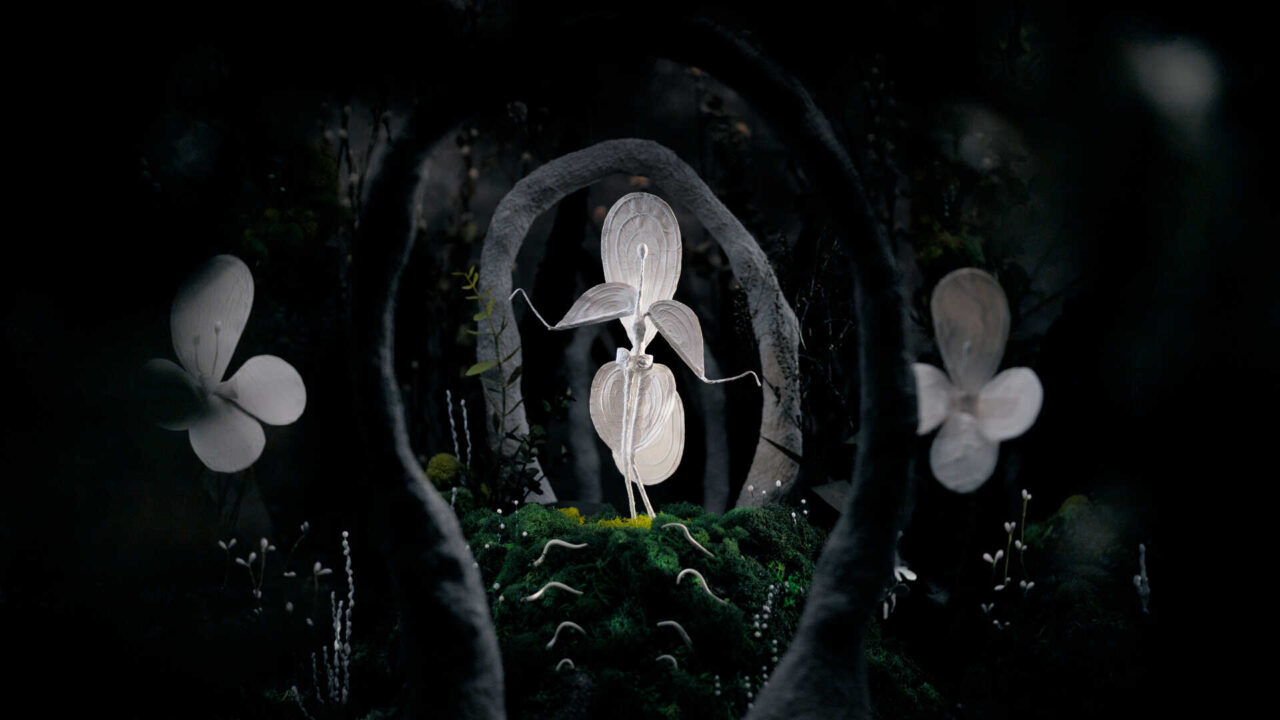
Identity and belonging are the key themes of filmmaker Paris Baillie's incredible animated short Humantis. The experimental stop-motion film uses mystical praying mantis-like creatures as a vessel to symbolize a universal human experience of denial and transformation. Humantis made its World Premiere at the Annecy International Animation Film Festival and won the jury award at AFI Fest.
A Journey Through Experimental Stop Motion
Humantises, a praying mantis/orchid hybrid with human-like capabilities to feel emotion, are masters of deception. They move around the world in a cluster. All looking, acting, and moving the same. However, when one rogue humantis begins to unintentionally change color, its outward difference is met with shame and embarrassment. It struggles to blend in and finds itself an outcast. It's only when the humantis meets a similar-looking creature that it realizes there is no point trying to hide from this inevitable change. Embracing the transformation, the humantis eventually learns its otherness is beautiful and something to be proud of.
The Beautiful Humantis World
The craft behind Humantis is excellently produced. In addition to the mesmerizing stop-motion animation, the film is without dialogue. Only the score and sound design aid the film's sonic journey. This decision to forgo any language is always a calculated risk, and in this case, it most definitely serves the film for the better. The choreography is admirable as well, a delicate art form that Baillie masterfully succeeds in directing.
Takeaway
Humantis is a beautiful arthouse indie film that may be short but packs a big message. It's an impressive feat for Paris Baillie, who is not only credited as director and writer, but also composer, editor, and cinematographer.
'Gazer' Review: A Neo-Noir Full of Suspicion and Conspiracies
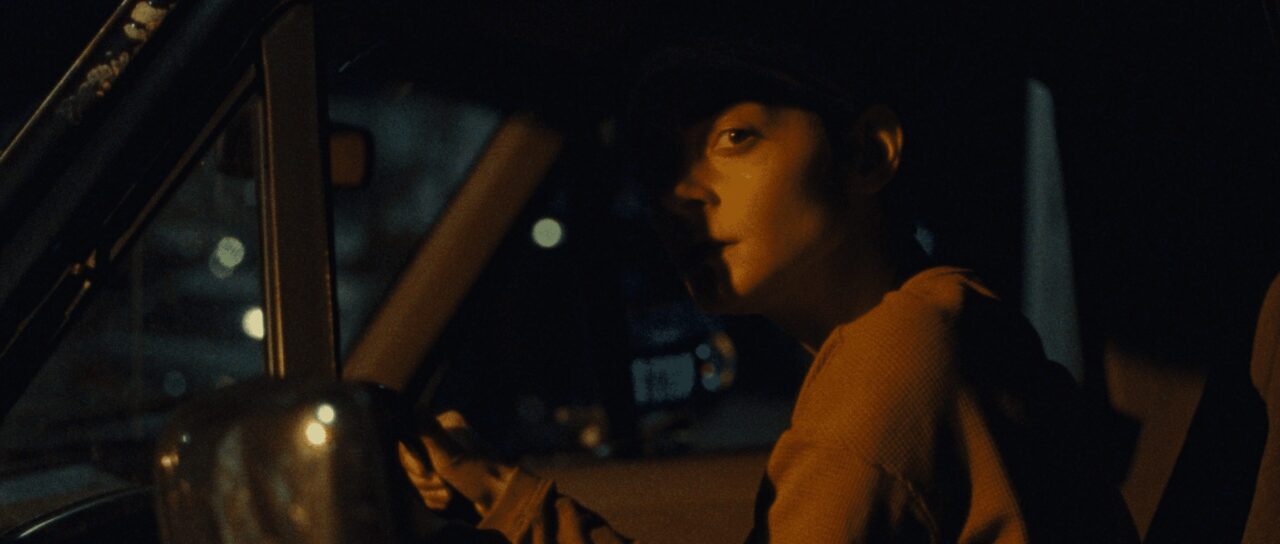
There's an eeriness that permeates Ryan J. Sloan’s feature film debut, and it's enough to send chills down your spine. This tangible sensation makes Gazer's darkly emotive storytelling and overall aesthetic such a captivating watch. Making its World Premiere in Directors’ Fortnight at the 2024 Cannes Film Festival, Gazer is a neo-noir for modern times.
A Seedy Neo-Noir Full of Suspicion and Conspiracies
Set against an unforgivingly bleak cityscape, Gazer is the story of a young mother Frankie Rhodes (co-writer Ariella Mastroianni) who finds herself trapped in a dangerous transaction. Frankie suffers from a unique condition that affects her perception of time, which proves to be a hindrance in her quest for normalcy. Frankie's condition progresses with age, and she is doing everything she can in the present to prepare for the future, specifically saving money for her young daughter. To keep her life in order, and somewhat functional, Frankie relies on a tape recorder that constantly plays self-narrated tapes of her various memories.
One evening, a desperate yet determined Frankie accepts a shady job from a mysterious woman with a dark past. Little does she know that by accepting this questionable opportunity, which promises to pay her $3,000 cash, she will inadvertently get caught up in a murder plot full of conspiracies that put both her and her daughter's futures at stake.
An Unapologetically Bold and Beautiful Indie Film
In addition to the film's cerebral and layered storyline, Gazer excels at creating a moody ambiance. It is masterfully shot on 16mm by cinematographer Matheus Bastos. His capturing of surreal moments, specifically a dream sequence between Frankie and her husband, stopped me in my tracks. In this scene, Frankie and her husband mirror each other's movements in uncanny unison, giving incredible performances. The hauntingly melodic score, which is fantastically crafted by composer Steve Matthew Carter, further propels the film.
Takeaway
If you're a fan of Memento or Severance, you will find a lot of tonal crossovers in Gazer. Ryan J. Sloan's impressive directorial debut is even more commendable by its production capabilities. Per the film's press notes, Gazer was "shot on a shoestring budget over weekends" for two years. In front of and behind the lens, Gazer is an exciting thriller that proves independent film is alive and well.
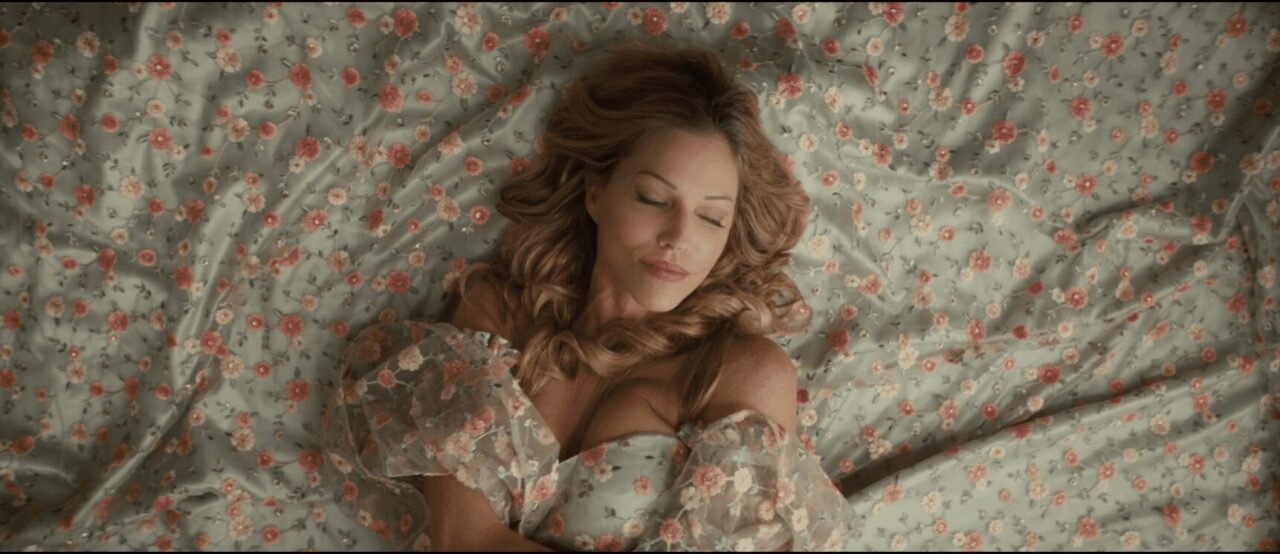
'Hello Beautiful' Review: Finding Oneself When All Feels Lost
A model undergoes a transformative journey that leads to a life-changing epiphany in the film Hello Beautiful. Based on Christine Handy’s bestselling novel Walk Beside Me, director Ziad H. Hamzeh's dramatic adaptation shows how a breast cancer diagnosis brings to light an uncomfortable reality, but in the aftermath of this challenge, there remains a sense of resilience and strength. Hello Beautiful makes its premiere as the opening night film at the 25th Beverly Hills Film Festival.
A Model Realizes Beauty Is Only Skin Deep
Willow (Tricia Helfer) seems to have the picture-perfect life: a loving husband and children, a beautiful home in a desirable neighborhood, and continues to thrive in her career as a middle-aged model. Despite appearances, however, Willow is not living a fairytale life. Her relationship with her teenage daughter can be described as toxic at best, and her self-esteem is fragile. Willow has always been able to fall back on her beauty but she is soon forced into accepting a new, uncomfortable reality that challenges her perspective of worthiness.
A devastating breast cancer diagnosis sends Willow into a spiral. Her gorgeous blonde hair is soon gone, the victim of aggressive chemotherapy. For a woman who has depended on her looks her whole life, this is a harsh reality check. She is bitter, and angry at the world, even threatening suicide during her lowest moment. Willow's acceptance of her situation does not happen overnight, but she gradually comes to terms with her new circumstances. Her true epiphany comes after meeting a woman during chemotherapy who arguably has less than Willow. This is the catalyst for Willow's reflection on her privilege. It's true, she has cancer, but she also has a loving family, a wonderful support system, and the means to fight the disease until she reaches remission.
The Nuances of Playing a Complex Character
Handling the subject matter with sensitivity, filmmaker Ziad H. Hamzeh explores themes of identity and the strength of the human spirit in the face of unimaginable adversity. Capturing Willow's heartbreaking and emotional journey is Tricia Helfer, who herself is a supermodel-turned-actress. Her performance is adequately layered and complex. There are moments where she comes across as entitled and selfish but I attribute that to her shock. Not everyone processes trauma the same, and there is no "correct" way to grieve. Understanding this and giving Willow grace is the best way to empathize with her during her more trying moments.
Takeaway
Hello Beautiful captures a universal experience for many women who find themselves on the receiving end of a cancer diagnosis. The film doesn't shy away from showing the ugly side of illness, and this authenticity is what makes Hello Beautiful such an important watch.