
'BitterSweet' Review: An Inclusive and Inspiring Look at Neurodivergence
Writer-director-actor Steve Martini shows that leading with vulnerability is the secret to creating an effective film. Centering on mental health and the painful misunderstanding stemming from having undiagnosed neurodivergence, Martini crafts an inclusive and inspiring dramedy in BitterSweet. The award-winning feature-length film concludes a successful festival run by making its way into limited theaters on July 10, 2025. It is also available on VOD, including Apple, Amazon, and Fandango at Home, on July 11, 2025.
On Juggling Fatherhood, Love, and Neurodivergence
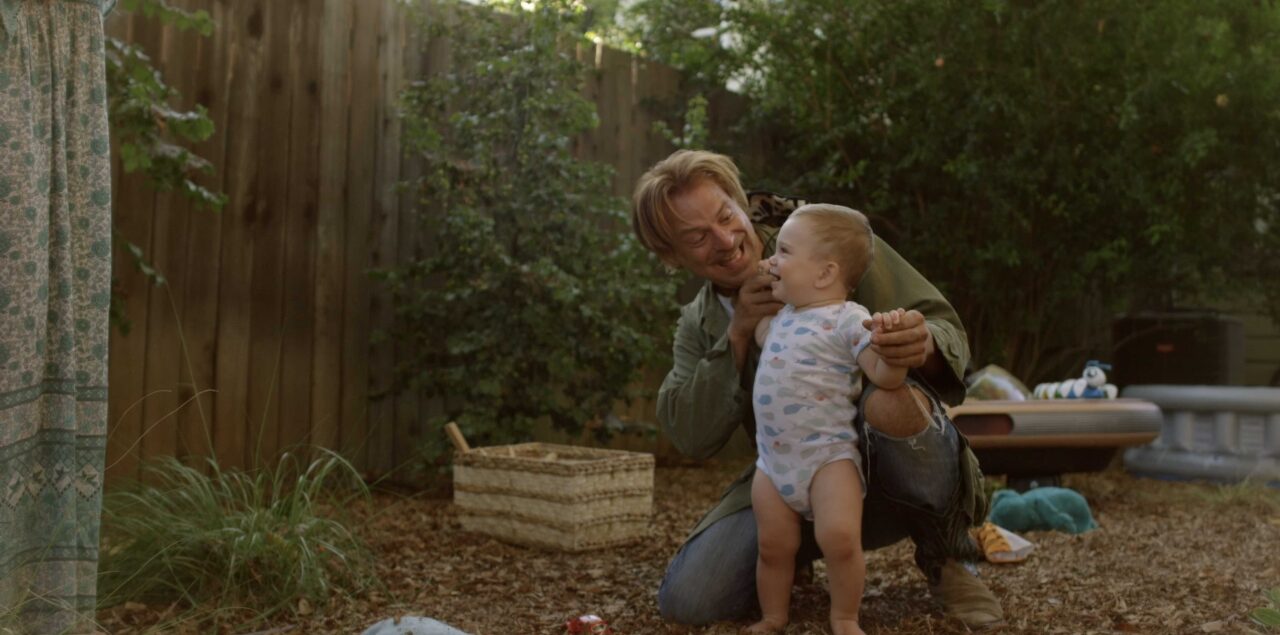
Inspired by real-life events, BitterSweet follows Sam (Martini) as he navigates first-time fatherhood and a rocky relationship with his partner, Gigi (Gabriela Kulaif). An innocent misunderstanding involving some rowdy foreplay leads to a police visit and a subsequent bureaucratic nightmare. Sam has undiagnosed autism and routinely struggles with everyday tasks that others seem to do with ease. The police arrive at their house and place Sam under arrest for domestic violence. They go a step further and issue a restraining order that forces him to stay away from Gigi and their new baby.
Sam is devastated by this misjudgment of his character and attempts to do everything he can to fix it. It's not for a lack of trying, but Sam doesn't have the skills others take for granted. Unfortunately, the system feels stacked against him. Various officers on the case, lawyers, and even the judge don't seem to understand that his neurodivergence requires special consideration. Sam even goes so far as to attend a seminar hosted by Zimmerman (William Baldwin), a poster child of toxic masculinity. As expected, the testosterone-filled environment proves too much for Sam, but he doesn't lose hope just yet. Sam has one more trick up his sleeve that he hopes will redeem his character and save his relationship with Gigi.
Making Systemic Change Through Filmmaking
BitterSweet uses humor to address the painful occurrence of undiagnosed disorders. As the director, writer, and lead actor, Steve Martini puts everything into this charming indie film. His intention of spreading awareness about the need for systemic change through film is an honorable one. Production quality-wise, the film utilizes a bright color palette and even pacing. The only technical issue that tends to disrupt the film is the audio recording. In some scenes, the sound is quite fuzzy and would have benefited from a cleaner take.
Takeaway
Steve Martini's story is a heartfelt look at perseverance amidst an unjust system. He tackles delicate topics with humor and heart, making BitterSweet an enjoyable and necessary film for those who may be on the spectrum or not.

'Bygones' Review: Love, Redemption, and Basketball
Two-time Olympic gold medalist and WNBA star Angel McCoughtry brings her expansive knowledge of the game to the big screen in the short film, Bygones. McCoughtry makes her directorial debut with an emotionally stirring sports drama about forgiveness, both on and off the court. The film will screen at the 2025 Raindance Film Festival this week.
Long-Buried Secrets Emerge Off the Court
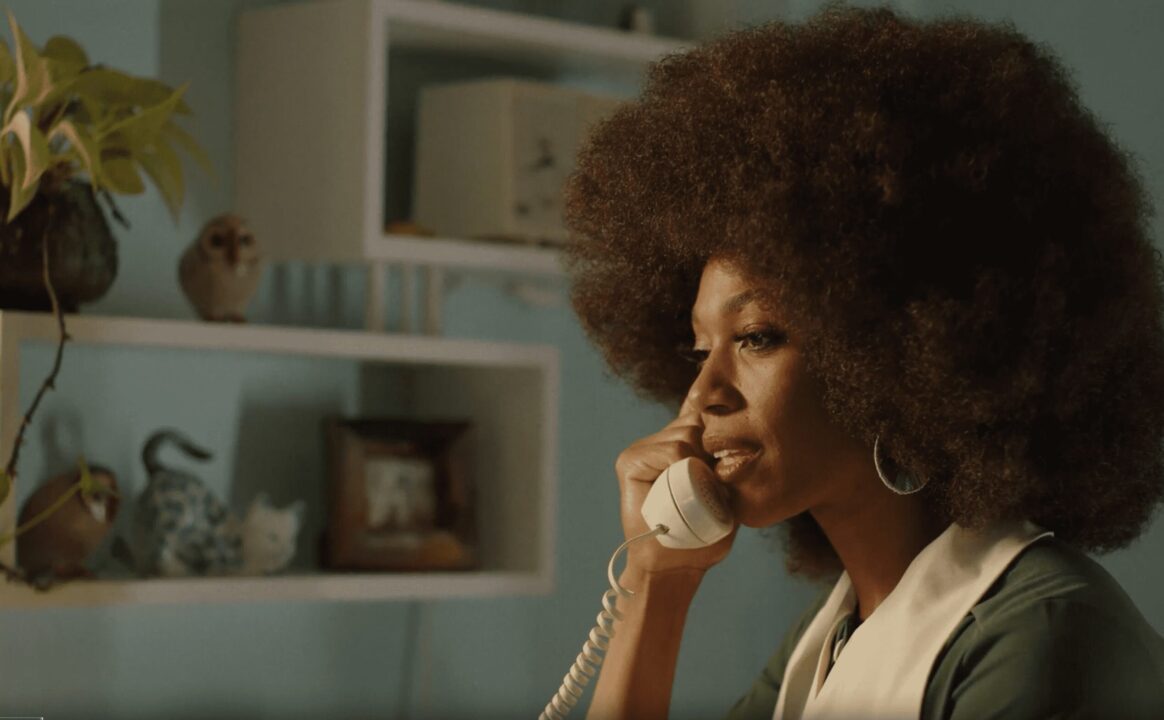
Bygones opens with a house party in Atlanta, 1969. A small group of friends celebrate their recent basketball championship, dancing and singing the night away. Leon (Jordan Pressley), the game's MVP, eventually calls the night early and heads home to his wife, Qunis, and young daughter. The film then jumps to the present day, where a young woman named Charissa (Malyah Glover) is shooting hoops in a local gym. Her athletic potential catches the attention of JJ (Kelly Shapiro), a middle-aged white man who gives her a few unsolicited pointers. Their relationship effortlessly evolves into a mentor/mentee dynamic, and it's not long before JJ finds himself at Charissa's family's house for a BBQ.
It's here where JJ meets Charissa's grandma, Qunis (Le'coe Willingham). "Do I know you from somewhere?" she asks him earnestly. He shakes his head no. It isn't until Charissa shows JJ a photo of her grandpa that JJ faces the ugly truth. He connects the dots and realizes that her grandfather is Leon, the young man he killed in 1965. The clues are subtle, but once realized, they cause our hearts to sink. Another strategic flashback shows a young JJ with his group of friends viciously attacking Leon years ago. It's revealed that Leon and JJ were rivals, and JJ couldn't stand that his team lost the championship game. The result of this racist and horrific violence ended up killing Leon, widowing Qunis, and leaving Charissa without a grandfather.
Delves Beneath the Surface of Competition and Camaraderie
The prevailing message that Angel McCoughtry aims to get across is that redemption, no matter how terrible an act, is possible. Charissa is rightfully devastated to discover JJ's connection to her late grandfather and decides to cut him out of her life for good. It's Grandma Qunis who encourages Charissa to give him another chance. She reminds her that no one is perfect and hatred has no place in her family anymore.
For an already gripping storyline, the cinematography complements the drama. Handheld shots and the utilization of close-ups on the basketball court draw the audience into the competition. Both Malyah Glover and Le'coe Willingham give layered performances, sometimes outshining actor Kelly Shapiro. Nevertheless, the ensemble cast has good chemistry together, and their dynamic is rooted in realism.
Takeaway
Bygones proves that the love of the game has the potential to trump evil. A strong film with an equally strong message, Bygones is a successful directorial debut. Here's hoping that Angel McCoughtry has more sports stories to tell.
'If You Should Leave Before Me' Review: Not Your Average Ghost Story
If David Lynch had an independent film budget, the result would be similar to the Anderson Brothers' If You Should Leave Before Me. Directed by brothers J. Markus and Boyd Anderson, this drama-fantasy hybrid is a creative and poignant exploration of trauma, grief, and letting go. Running two hours long–quite effectively, I should add–If You Should Leave Before Me made its World Premiere at the 2025 Raindance Film Festival.
Good Intentions Lead to Undesirable Consequences
Mark and Joshua are a queer couple deeply in love, and the epitome of opposites attract. Mark (Shane P. Allen) is a neat-freak, orderly, and disciplined. Joshua (John Wilcox) is more of a free spirit with childlike curiosity. Having spent the majority of their lives together, their relationship is one of deep trust, understanding, and acceptance. However, Mark and Joshua are not a "normal" couple, as they have a unique ability to access the spiritual realm from within their house. Doors appear from all corners of their house and act like a portal to other worlds and universes. It is Mark and Joshua's job to assist the souls on the other side of the door.
Each door uncovers a ghost who is living in a world of purgatory, neither joyful nor devastating. Mark and Joshua work together to help the ghosts resolve their past hangups and regrets before entering the afterlife. These conversations are all deeply impactful and moving; it's empathetic to witness. For as helpful as they are to the ghosts, there is an elephant in the room that neither Mark nor Joshua wants to acknowledge. Joshua is sick and dying, and he begins to look for his own door to pass through. Mark, terrified of losing his partner and best friend, plans to do whatever it takes to prevent Joshua from crossing over. It's here where tension runs high, and good intentions lead to undesirable consequences.
A touching story of love and loss
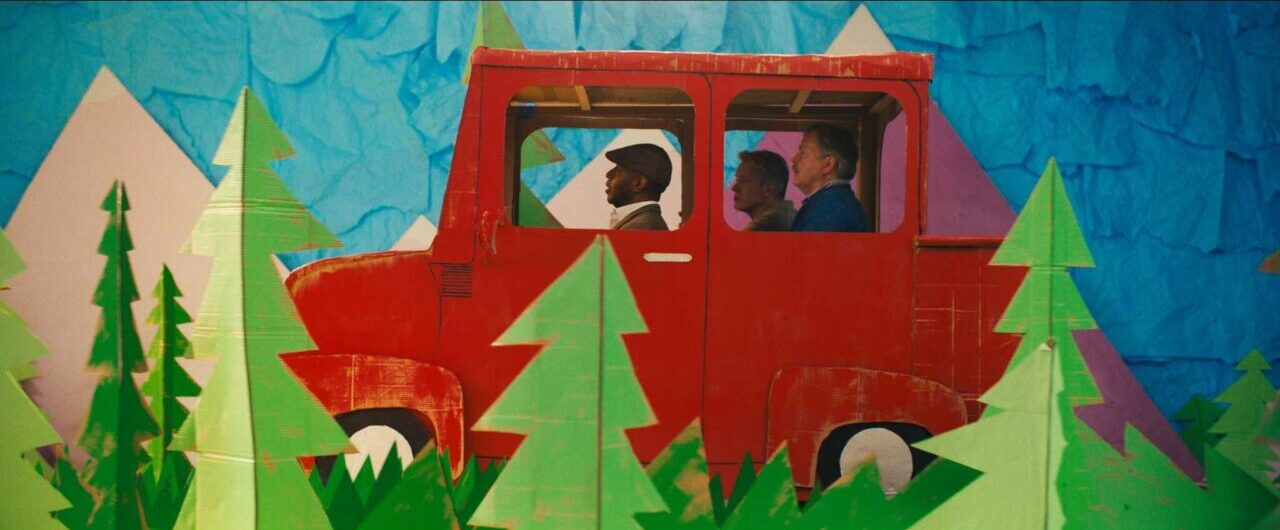
If You Should Leave Before Me is a surprisingly emotive and reflective work. The film enlists a unique storytelling process, successfully realized by the Anderson brothers. Using impressively budget-friendly set designs, the film flows through many different vignettes, each with its own set of filmmaking rules and sound. For example, one door reveals a Narnia-inspired fantasy land of colorful construction paper and a whimsical score. Another door is eerie and dark, and this portal houses a former Nazi. The overall feel is more kooky and fun than expected, given the heaviness of the subject matter. Shane P. Allen and John Wilcox give phenomenal turns as the co-leads. Their performances seal the deal in making If You Should Leave Before Me the knockout it is.
Takeaway
Joyfully enriching with the ability to pull on the same emotional heartstrings as episode three of The Last of Us, If You Should Leave Before Me is a filmmaking feat.
'Thin Places' Review: Never Far From the Ones We Love
Filmmaker Brit Hensel beautifully captures the essence of heartbreak and hopefulness in the short film Thin Places. Making its World Premiere at the 2025 ImagineNATIVE Film Festival, Thin Places explores the spiritual connection of two sisters as they navigate the liminal space between life and death.
Navigating the Liminal Space of this World and the Next
Birdie (Shelby Factor) struggles to accept the sudden passing of her sister Tama (Quannah Chasinghorse) and nephew Junior (Roman Romero). One moment, they are leaving for school drop off, and the next, they’re gone forever. Their memories linger, and Birdie grasps tightly onto the moments they shared, like dancing together in the living room. Despite these welcome flashbacks, she still longs for a tangible connection.
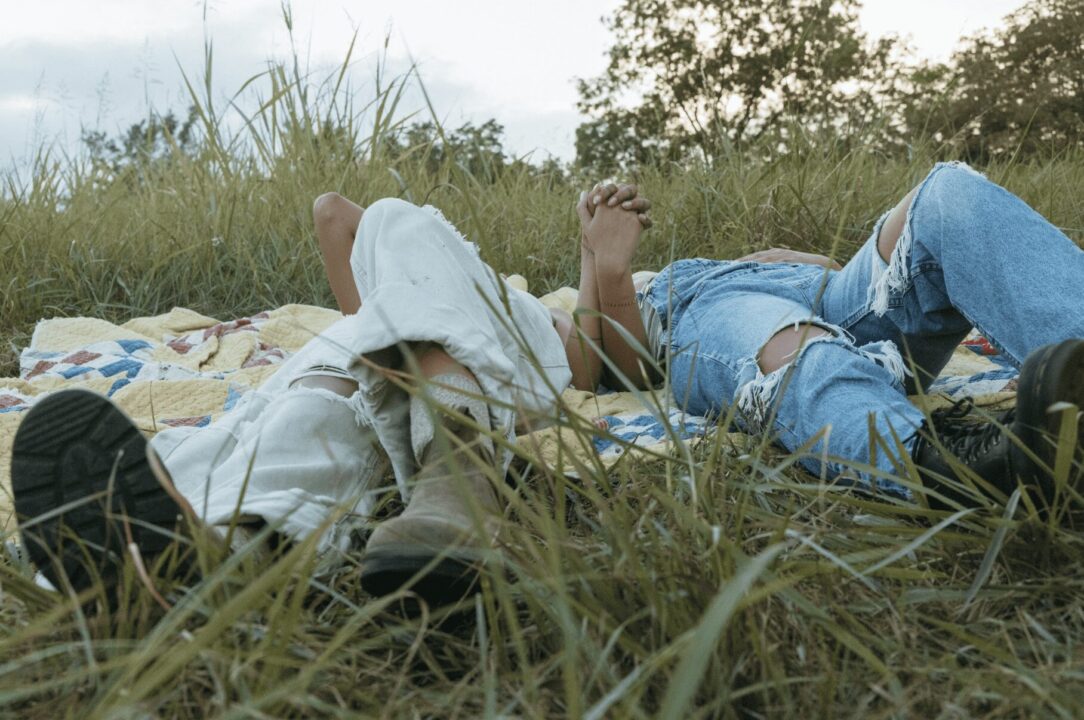
One afternoon, Birdie takes to an open field near her house and attempts to reconnect with the nature around her. In this meditative space, she begins to have a vision of her sister. Tama is dressed in all white, but not in the typical “angelic” sense. She is wearing a white tank top and ripped jeans, looking like any casual millennial. The two sisters use this sacred experience to reassure each other that they will always be there, in this life and the next.
Celebrating the Bond of Sisterhood
Thin Places is a delicate and intricately crafted drama celebrating the bond of sisterhood and the spiritual realm. Portraying Birdie and Tama, Shelby Factor and Quannah Chasinghorse do so with such empathy and heart. Thin Places is quite an accomplishment for Brit Hensel, who crafts a simple yet powerful statement on finding peace and comfort post-death.
Takeaway
Says Hensel, “I started writing the script for Thin Places about three years ago when I was moving through a loss of my own... I feel blessed to come from a community of people who view death differently than most. Our teachings allow me to believe that those we’ve lost are never far from us and there are ways we can connect to them despite a physical absence. For Kituwah people and many other Native communities, death is not the final stop. I’ve heard elders talk about places in our world where the veil between this life and the next is much closer, and I’ve found that to be true in my own experience.’
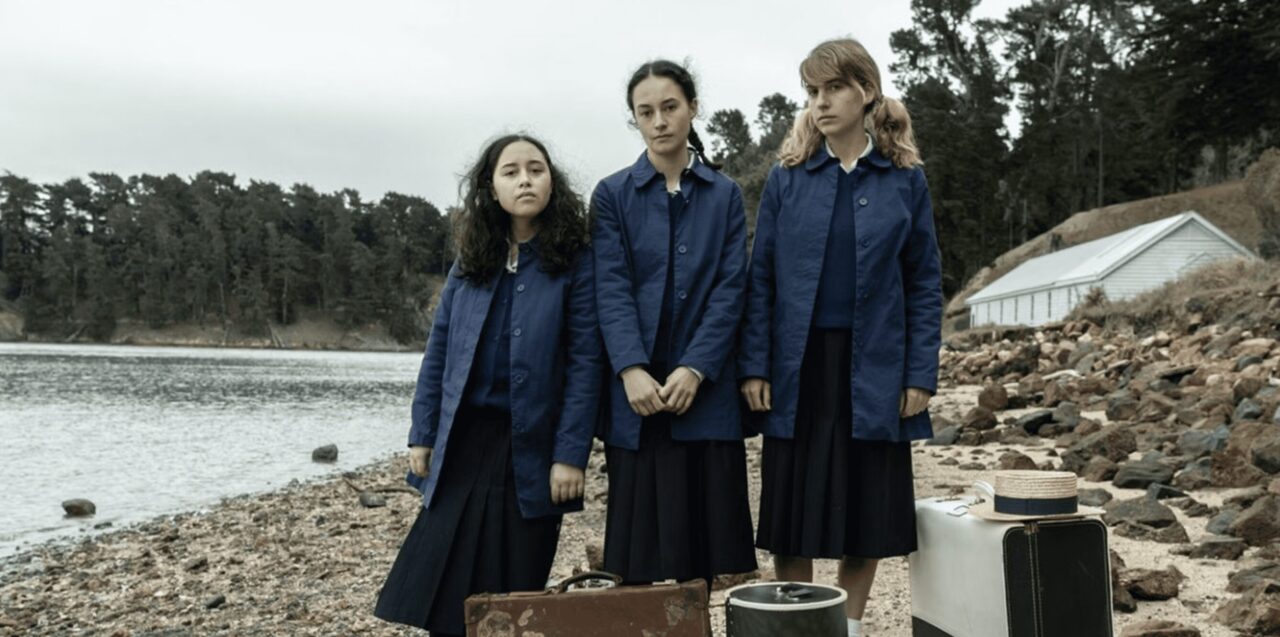
'We Were Dangerous' Review: Resistance, Girlhood, and Sticking It to the Man
A trio of strong-willed, rebellious Māori girls are pushed to their breaking point in filmmaker Josephine Stewart-Te Whiu’s ensemble drama, We Were Dangerous. Set in 1950s New Zealand, We Were Dangerous charts the lives of a group of young women living in seclusion at a boarding school for delinquent girls. Whiu shows much wisdom and strength in her directorial debut, with New Zealand native and Oscar-nominee Taika Waititi (Jojo Rabbit) as executive producer. The film is currently available to watch on VOD.
Fighting Out Against Indoctrination
Nellie (Erana James), Daisy (Manaia Hall), and Louisa (Nathalie Morris) have found solace with each other as students and survivors of the Te Motu School for Incorrigible and Delinquent Girls. Having recently relocated to a remote island due to a failed attempt at escaping, the school is more than just a reformer for “troubled teens.” Most, if not all, of the girls would equate their time here with being in prison. The headmaster (Rima Te Wiata) is a strict woman who preaches Christianity as the answer to their problems.
The teachings don’t sit right with the girls, who all feel unjustifiably vilified for just existing. After discovering the school’s plans to medically intervene in their fertility, the girls decide that enough is enough. Using their collective smarts, they concoct a plan that intends to send a message to the hierarchy of their abusive school system.
A Stunning New Voice Enters the Arena
It’s exciting to see a new voice like Josephine Stewart-Te Whiu’s in We Were Dangerous. Her direction and visual style feel like a breath of fresh air. There are some sartorial nods to the filmmaking of Wes Anderson. Most notably, the use of monotone and witty voiceover narration. The score is another element that stands out, especially the use of choral vocals. It’s lively, electrifying, and the perfect complement to the New Zealand environment.
Takeaway
Many films highlight the special bond of female friendship, but none quite capture the spirit that We Were Dangerous has. Equally comedic, heartfelt, and inspirational, We Were Dangerous proves that you can overcome anything with close confidants.

'Hold Me, Softly' Review: The Art of the Slow Burn
Now streaming on virtual platforms, Hold Me, Softly is a restrained romance film that captures the art of the slow burn. Co-directors Ina Tiernan Bailey and Carlos Berber create an intimate environment where the success of the film hinges on solid performances from lead actors. Making its World Premiere at the La Femme International Film Festival, Hold Me, Softly is a solid attempt at an emotionally dense drama. However, the result feels in need of energetic resuscitation.
Shattering the Monotony of an Isolated Existence
The film opens with a young woman named Snow (Jasmine Berber) who sits disoriented on the side of the road. A police officer makes contact with her, asking if she needs assistance. Their conversation takes place over the course of an impressive one-take, which sets the film up for future slow pacing. Melancholy piano music swells as we then see Snow in her home environment. Clearly depressed and mourning the loss of her marriage, Snow struggles to find joy in daily life. Then, like a sudden spark of lightning, she notices the new neighbor who has moved in across the street. Calvin (Andrei Kogolenok) is a conventionally attractive man around her age, and it's not long before the two strike up a conversation.
Snow opens up to Calvin almost immediately, and he reciprocates the vulnerability. His calming presence quells Snow's anxiety and offers her the courage to break free from her self-imposed isolation. It's alluded to that Snow's former relationship shattered her confidence and self-esteem. Despite being a gifted video game artist, she now doubts herself and her abilities. Meeting and connecting with Calvin is therapeutic for Snow, but she has expectations he cannot fulfill, and when he can't show up for her in the way that she needs, Snow must learn to find solace on her own.
Portrayed Through a Romantic Lens, Technical Issues Aside
Visually, the production has an airbrushed quality that feels nostalgic of soap operas from the 1990s. Portraying the film in this style makes sense, as this is a romance film after all. That said, there are some obvious technical issues. Most notable is the sound mix and ADR, which can be quite distracting. In an outdoor scene, for example, Snow and Calvin's voices create a distinct echo, making it obvious that this dialogue was re-recorded in a separate room and later edited into the scene. These types of inconsistencies, unfortunately, pull the viewer out of the world of the film and into the reality of the filmmaking process.
Takeaway
Hold Me, Softly has a delicate quality that, while heartfelt, ultimately never quite gets off the ground. However, those who gravitate toward films that are simpler and character-driven rather than technically savvy can still find much to admire in Hold Me, Softly.
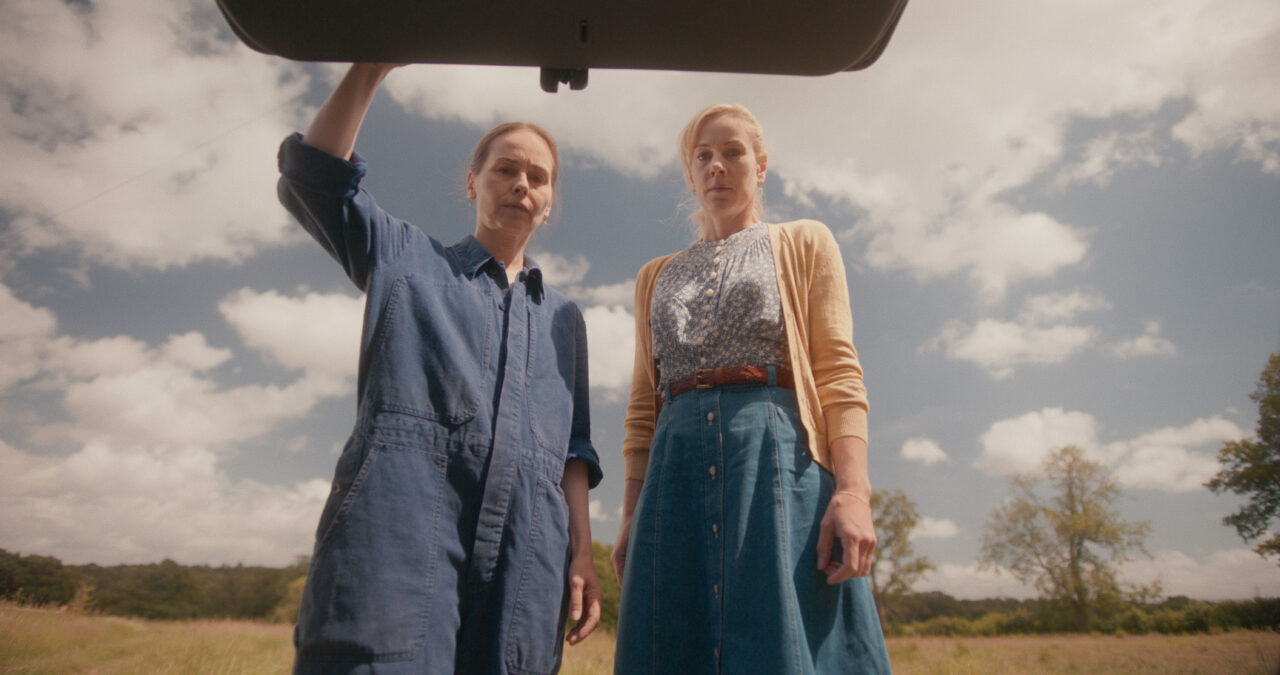
'Portraits of Dangerous Women' Review: A Wry British Ensemble Comedy
Filmmaker Pascal Bergamin brings together an absolutely fabulous cast of heroines in the ensemble film Portraits of Dangerous Women. The dark comedy creatively draws inspiration from Peter J. Cohen’s book “Snapshots of Dangerous Women,” a curated collection of found photographs centering women who broke the boundaries. This quietly rebellious and charming British black comedy makes its North American debut on July 11 via VOD.
A Quietly Rebellious British Ensemble
Starring Tara Fitzgerald (Game of Thrones), Jeany Spark (The Lord of the Rings: The Rings of Power), Yasmin Monet Prince (Supacell), and Mark Lewis Jones (Gangs of London), Portraits of Dangerous Women is set in modern-day rural Britain. The lives of three strangers collide, quite literally, during an accidental road crash. Steph (Spark) and her father, John (Jones), are bickering in the car when she gets blindsided by a dog in the middle of the road. She is going too fast to avoid a collision and ends up hitting the poor canine. Shocked to her core, Steph is also surprised to see another woman, Tina (Fitzgerald), distraught and acting as if she ran over the dog. It's slightly confusing, as who actually hit the dog is never revealed. Nevertheless, this is the incident that brings the women together.
Rounding out the trio is a young woman named Ashley (Prince), who claims the dog is hers. It turns out–again, for reasons not entirely clear–the dog isn't actually hers. It's a bit of a jumble, but ultimately, the film moves past these stodgy screenwriting moments and allows the characters to explore their rather unusual connection and unlikely bonds.
Crafting Uncomfortable Disconnection
Portraits of Dangerous Women attempts to blend absurdist humor with emotional depth, and there are moments where this is dually felt. It’s clear what writer-director Pascal Bergamin wants to convey in this wry comedy. However, the end result ultimately falls a bit flat. The performances, however, are thoroughly engaging and commendable. Each character is so devoted to their individual quirks, it’s fun to see them interact with their complete opposites.
Takeaway
Portraits of Dangerous Women should be celebrated for bringing out the best in its wonderful cast. As a whole, however, it doesn’t quite nail the landing. Perhaps it’s the unclear narrative or the general sense of disjointedness. The film is being embraced as an “odd collage of people who really shouldn’t be in the same room." This statement is true, and unfortunately, the awkwardness tends to translate off the screen too.
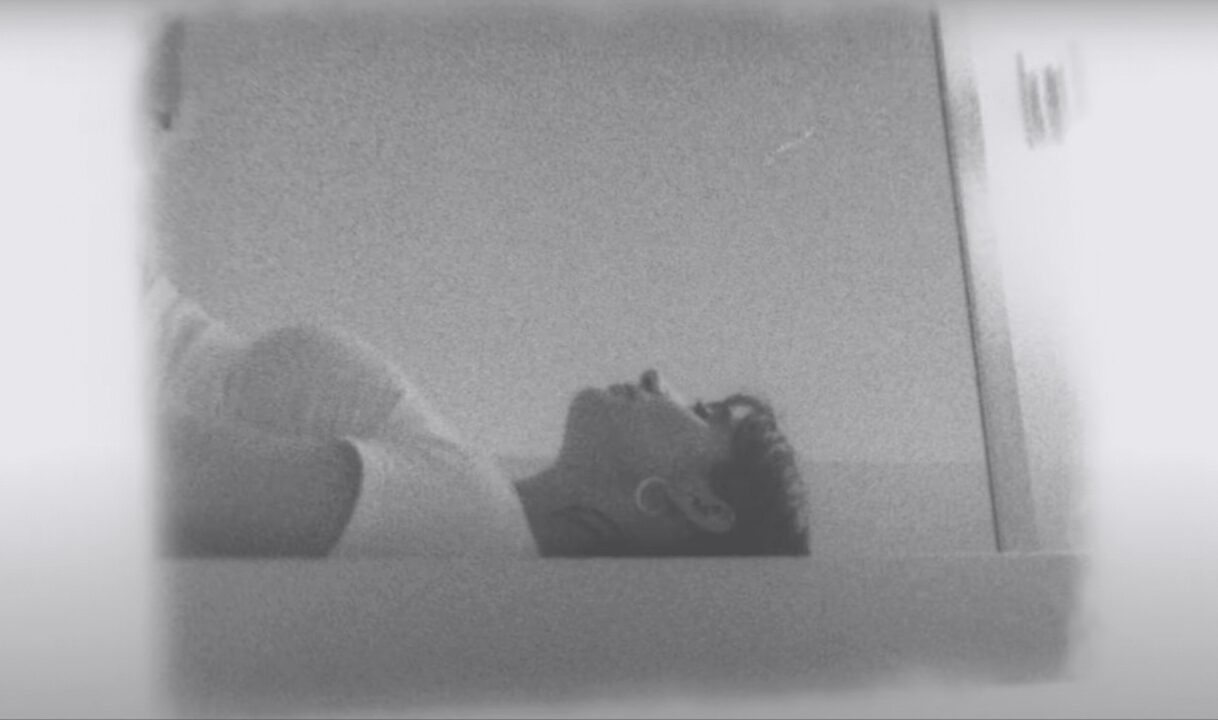
'Dear Kevin' Review: A Love Letter, a Goodbye Letter
Filmmaker Kate Ferguson crafts an intimate portrayal of longing in the short film Dear Kevin. This video art-inspired experimental drama shows a woman's special relationship with the titular Kevin, an entity we only hear about and never see. Since its release two years ago, Dear Kevin has achieved an impressive festival run, notably winning "Best Imagination" at the Short Film Factory's February Award Showcase.
A Metamorphosis into Womanhood and Independence
Shot on a Canon Super 8 camera with Kodak black and white film, Dear Kevin is a poetic look at a woman's attempt to realign with her true self. Layered voiceover and whimsically observational footage enforce her burning desire for connection. Through her stream of consciousness narration, it becomes clear that we're listening to the musings of a woman in love with a fantasy. But does she really love this man, Kevin? Or does she love the person she is when she's with him?
About Kate Ferguson
Kate Ferguson is a photographer, writer, and filmmaker based in Mexico City. Her multidisciplinary practice is rooted in an appreciation for the threshold moments where transformation occurs and realities blur. The spiritual and mystical play a large influence, both as a topic of observation and a way of being. Through her work, she considers nostalgic liminality, the sensation of memory, and decisions that lead to psychological and spiritual evolution, particularly in regard to self-actualization.
Takeaway
Dear Kevin reflects the psyche of a woman coming into her own independence. A metamorphosis, of sorts. Despite its short runtime, Dear Kevin packs a deeply profound and alluring punch that will resonate with anyone on their own self-realization journey. The film stars Stevie Marceaux, with a voiceover by filmmaker Kate Ferguson, who also acts as the director of photography and editor.
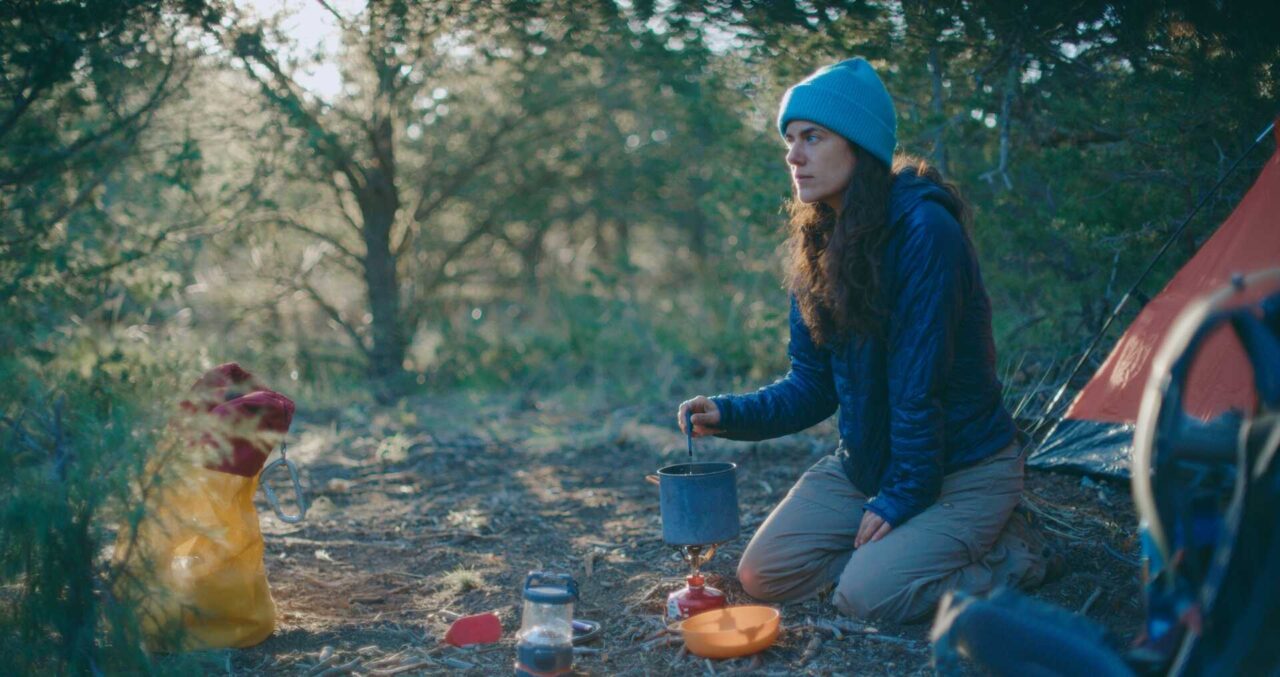
'Dead Weight' Review: Trust Thy Neighbor?
There is a hypothetical question that has been circulating on the internet recently. It asks, "If you were alone in the woods, would you rather encounter a bear or a man?" There is no wrong answer, per se, but filmmaker Virginia Root's short film Dead Weight leads us to believe a bear is the wiser choice. Written and directed by Wood, with support from the George R. R. Martin Literary Foundation, this dark comedy will have its World Premiere at the 2025 Dances with Films Festival.
"It's Not Personal, It's Just Survival"
Grace (Alexandra Renzo) is a solo traveler who finds herself alone in the wilderness. Having survived a nondescript apocalypse back home, she has since become one with nature and adjusts to her new reality of isolation. The silence is peaceful, a welcome change from the hustle and bustle of city life. One afternoon, as Grace walks back to her campsite, she spots a man attempting to steal her food supply. Instead of retaliation, Grace senses his desperation and hunger. She quickly befriends the man, Aaron (Griffin Newman), and shares her rations.
Being the only two survivors, Grace and Aaron inadvertently begin to adventure together. However, there is something about Aaron that Grace can't quite trust. She is a seasoned backpacker, and he is a recreational hiker at best with an air of mystery surrounding him. Grace feels an uneasiness, especially knowing that society as she knows it has collapsed, and the rules no longer apply. Her intuition turns out to be right, with Aaron inevitably turning on her in a callous way, revealing his true character. However, he finds out the hard way that his emotional outburst and naivete are no match for a seasoned pro.
Grounded Performances Nail the Tone
Dead Weight nails the dark comedy tone with a standout performance from Alexandra Renzo. She plays Grace with a stoic groundedness which perfectly complements Griffin Newman's more "devil in sheep's clothing" persona. Given that the entirety of the film is shot outside with natural lighting and practical effects, special acknowledgement goes to cinematographer Austin Madrid. He captures the landscape with such precision and attention to detail, much like a virtual postcard from the great outdoors.
Takeaway
Written and directed by Virginia Root, this short film is a tight and cohesive apocalyptic thriller that hits all the right notes.
'Gaku: One Last Round' Review: Down But Not Out
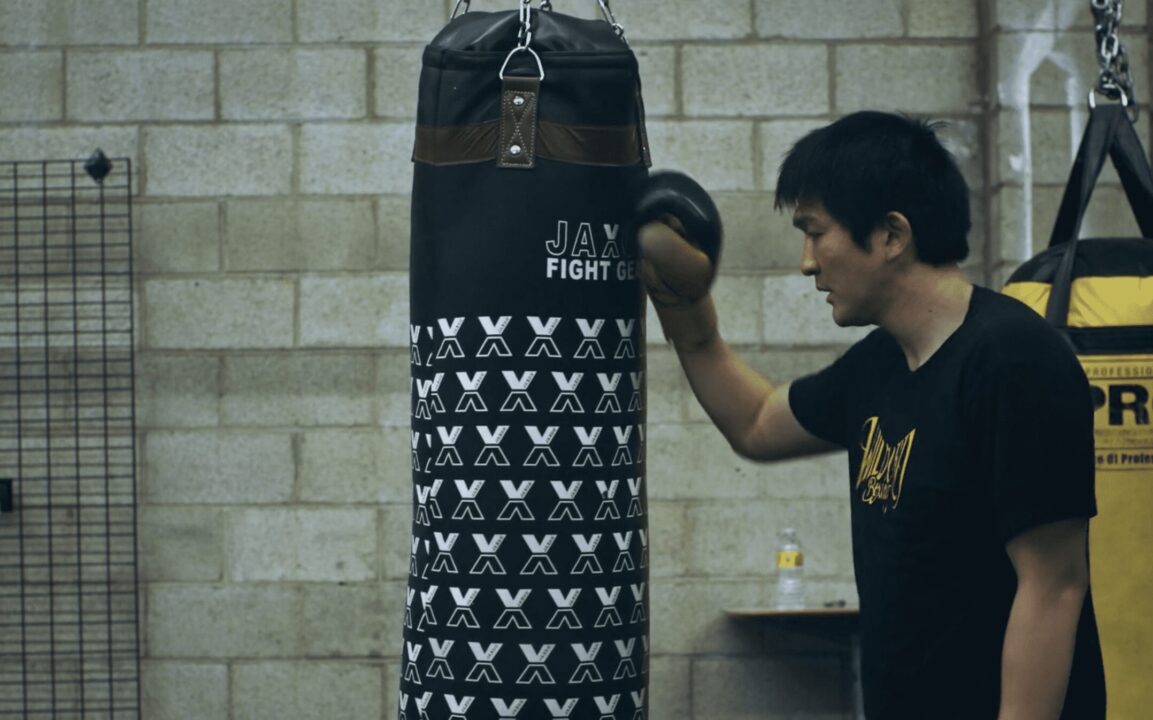
For many of us, 2020 was a year of hardship. For professional boxer Gaku Takahashi, it became the year his life imploded. In filmmaker Taige Shi's short documentary, Gaku: One Last Round, we witness the aftermath of a tragedy that cut short the once-prosperous career of the Japanese boxer during a time when racism against the Asian community was at an all-time high. The 12-minute film made its World Premiere in May at the 2025 LA Asian Pacific Film Festival.
A Professional Boxer, Sidelined
Before 2020, Gaku's future looked bright as he trained with some of Los Angeles's most in-demand boxing trainers. However, a road rage incident and violent anti-Asian hate crime left Gaku with devastating chronic pain and emotional distress. Gaku fell victim not just to his attacker, but also to the U.S. justice system that showed him no empathy or respect. America may have been sold to Gaku as the place where dreams come true, but the actual reality was that his dream was now dead.
Gaku: One Last Round follows Gaku post-injury, as he continues down the road of recovery. In true cinéma vérité style, the camera acts as a fly on the wall as we watch Gaku attempt to reach the FBI to report his incident, only to be met with ambivalent ignorance from law enforcement. Impactful editing and clever sound design portray Gaku's overwhelming sense of dread and sadness. Despite having to give up his boxing career, Gaku's conviction to return to the ring one day acts as a beacon of hope. He is a true hero, both inside the ring and out.
Resilience is Met With an Unforgiving Reality
Director Taige Shi captures these intimate and vulnerable moments with dignity and grace. The tone of the film is quite somber. It's discouraging to focus on how cold-hearted the system often is toward immigrants. But Taige's intent isn't to shame the system. Rather, his ultimate goal is to inspire viewers to stand in solidarity with the Asian community.
Takeaway
It says a lot about his character that Gaku, a professional boxer, did not fight back. Even though he was well within his rights to protect himself against physical abuse and racist slurs, his restraint showed his character as the bigger person. Gaku: One Last Round acts not only as Gaku's statement, but his rallying cry and his anthem.
'Sugar' Review: A Sweet Take on an Unconventional Dynamic
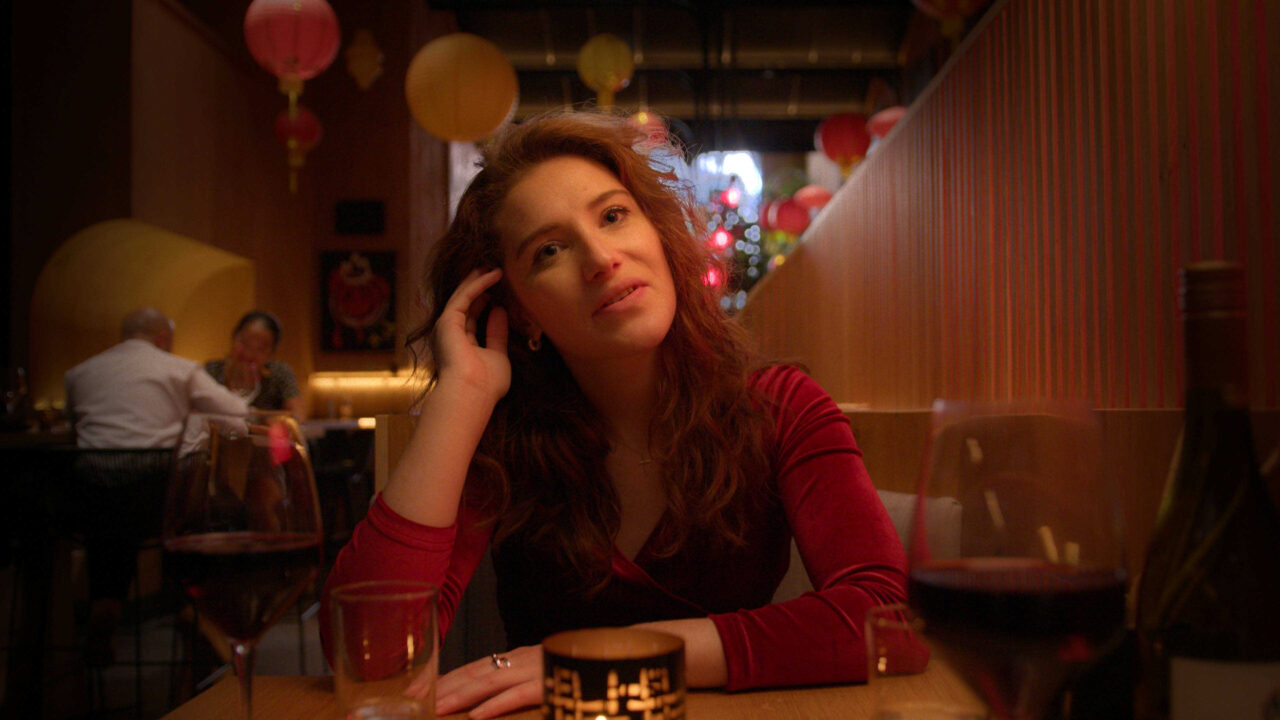
Filmmakers Eden Ohayon & Alexandra Nedved's short film Sugar offers a sweet glimpse into the life of a rookie sugar baby. Those who have a stigma against this type of transactional relationship will be hard-pressed to critique the film's portrayal of this good-natured and unique bond. Billed as a dark comedy (think Fleabag style), Sugar shows how one woman's act of desperation turns into the unexpected beginning of a beautiful friendship.
An Unexpected Connection Derails a Young Woman's "Get Rich Quick" Scheme
Maeve (Molly Ehrenberg-Peters) is a broke Brit living in Brooklyn, who struggles to make ends meet. Having recently separated from her live-in boyfriend, Maeve is desperate to regain a sense of financial security. This leads her to the Upper West Side, where she prepares to "shag an old bloke" on her first outing as a prospective sugar baby. Maeve's voiceover informs the audience that she will be meeting Frank (Larry Pine), an older gentleman and first-time sugar daddy, for dinner. They get off to a good start, but quickly break the cardinal rule of first date topics by discussing religion. Maeve feigns interest in Frank, keeping her eye on the prize.
After dinner, Frank suggests they take a walk around the park. He wants to continue their conversation, and she desperately wants to lock this down, so she agrees. Their conversation organically becomes personal and intimate while staying completely platonic. It's at this point that Maeve sees past the dollar signs and begins to understand the man in front of her: a grieving widower who, like her, loves the ballet. The money becomes secondary as Maeve shifts into a happiness mindset. She begins to realize that we all have a basic human need for connection and vulnerability, regardless of wealth, status, and gender.
Engaging Use of First-Person POV
Visually, Sugar uses engaging POV shots to drop the viewer into the film. Filmed almost entirely in the first-person perspective, this intimate technique inserts the audience into the scenes with the characters. Leading the film is Molly Ehrenberg-Peters, who is definitely one to keep on your radar. Her charm and effortless performance are captivating and memorable. She also doubles as one of the screenwriters alongside Ohayon and Nedved.
Takeaway
Sugar explores an alternate side of the sugar baby/sugar daddy dynamic, making for a wonderfully thought-provoking short film.
'The Wanderer' Review: A Mysterious Martyr Barters With Her Life
Is there life beyond death? We may never know for sure, but filmmaker Michael Lavine explores the possibility in The Wanderer. The 10-minute short film is a beautifully lensed visual expression that artfully captures themes of immortality and death. The Wanderer will be screening at the 2025 Sydney Film Festival in early June.
Making a Deal with the Devil Angel
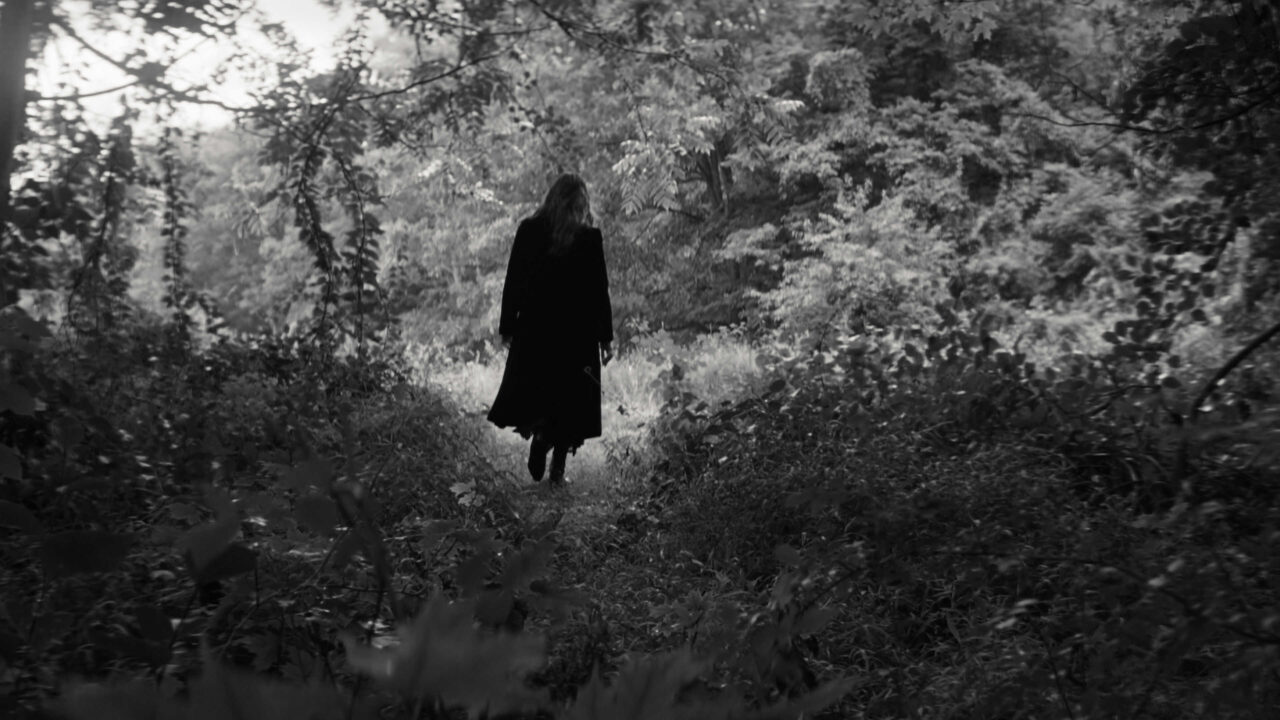
Shot in cinematic black and white, The Wanderer opens with the sound of gunshots. A man, smoking a cigarette, falls to the ground, dying. The score, anchored by electric guitar, slowly builds as we see a mysterious figure cross the screen. Dressed in a full-length black coat, her movement is direct yet ethereal. The woman, Morana (Alice Kremelberg), makes her way over to the man, Hopper (Cody Kostro), and offers him a form of salvation. Through stimulating conversation, Morana explains that she is immortal and tries to convince Hopper to take her place in her cursed existence. Ultimately, she wants him to trade his death for hers. As she encourages him to sign a 100-year contract and seal the pact, Hopper can't help but second-guess this bizarre situation. Bartering his life could come with unintended consequences, and he doesn't trust this mysterious martyr.
A Brooding Sense of Mystery
Writer-director Michael Lavine captures a brooding sense of mystery in The Wanderer. Dealing with topics like mortality and fate, the film doesn't go too in-depth on these themes, given the time restriction. Running just shy of ten minutes long, the film does end on a slight cliffhanger, but this only confirms that The Wanderer easily has feature-length potential. I want to see what happens next! Alice Kremelberg is captivating as Morana, her performance could effortlessly translate to a network cable show like Supernatural or The Witcher.
Takeaway
Lavine brings The Wanderer to life after growing up in an atheist/non-religious household. He says, "As a filmmaker, I’m drawn to myth-making. I thought it would be cool to invent my own version of the afterlife, so I wrote The Wanderer. I wanted to tell a short story that challenged traditional religious beliefs in a thought-provoking way and invite the viewers to come up with their own conclusions."
'Finding Nicole' Review: Breaking a Pattern To Piece Life Back Together
A couple's once-perfect relationship turns tragic in filmmaker Harley Wallen's biographical drama, Finding Nicole. Based on the true story of Nicole Beverly, the film portrays her tumultuous relationship with her high school sweetheart turned abusive husband. Nicole's story was explored in the show "Inside Evil with Chris Cuomo" and "Til Death Do Us Part," including a top-selling book of the same name. Her story will now get the cinematic treatment in this edge-of-your-seat, empowering indie feature.
Bravely Putting an End to the Cycle of Domestic Abuse
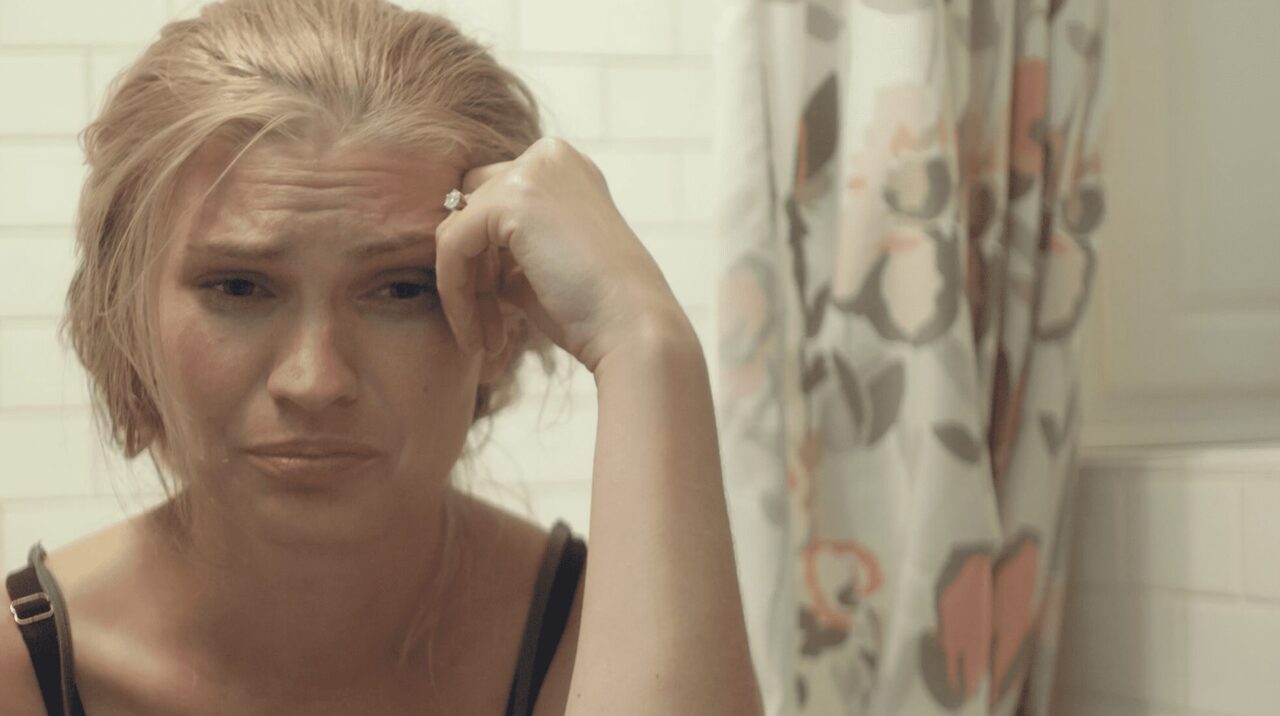
Nicole (Kaiti Wallen) has been with her partner Warren (Mari G.) since high school. She's a track star and he's a football player, and the two seemed destined for a happy and healthy marriage. Their relationship, however, is the furthest thing from a happily ever after. Two children and a decade or so later, Nicole is in a courtroom. She is testifying against Warren, who sits next to his lawyer in a state-issued orange jumpsuit. As the narrative jumps between the past and present, we quickly come to understand why Nicole is now in this battle, and we learn that Warren's increasingly worrisome and violent actions against her and their children have reached a breaking point.
At first, the signs of domestic violence are subtle. Warren's jealous outburst over Nicole's male friend, despite him being gay, is an example of his wild overreaction. Warren spins his behavior as caring too much, but Nicole knows that is an excuse. The more comfortable Warren becomes in his aggressive behavior, the more intimidating his presence is. He kills a baby bird, gaslights Nicole, and even threatens to kill her and the children. Fast forward to the present: even with Warren in police custody as he is on trial, Nicole still doesn't feel safe. But with the help of her family, community, and a very thorough lawyer, Nicole finally begins to see a light at the end of this very dark tunnel.
An Empowered Lead Performance Sets the Tone
Finding Nicole blends the best of a courtroom drama with an enthralling crime thriller. Backed by an emotional performance by Kaiti Wallen, the film is a powerful, never-exploitative homage to all survivors of domestic violence. The pacing is measured and controlled, making the jumps in time feel effortless. The music can feel a little too overpowering at times. Nevertheless, the anthemic sounds create an environment that swells with tension. Visually, the film is bathed in a warm hue. This style offers a nice juxtaposition to the film's darker themes.
Takeaway
Finding Nicole does an incredible service to Nicole Beverly and the countless women who share her story. This empowering tale, taken from Nicole's book and written for the screen by Harley Wallen and Geoffrey D. Calhoun, proves that domestic violence does not have to be a life sentence. Nicole and her children successfully escaped their abuser, and women in similar situations may find comfort and inspiration in watching her story.
'A Trip Elsewhere' Review: The Unexpected Journey of a Lifetime
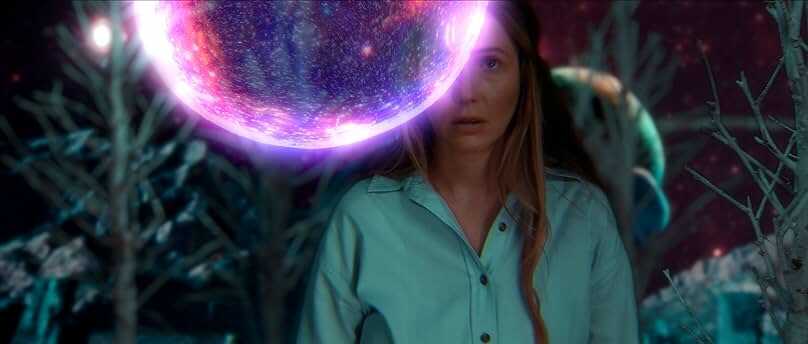
Filmmaker J.R. Sawyers captures drug-induced anxiety through a kaleidoscopic lens in the dramedy A Trip Elsewhere. Set against the Covid-19 backdrop, four friends circumvent the stay-at-home orders by journeying to the outer limits of reality. Winner of Best Comedy at the Creation International Film Festival, A Trip Elsewhere is a riotous and redemptive hero's journey that emphasizes the impact of camaraderie and friendship.
To Escape Reality, Four Strangers Embark on a Journey of a Lifetime
It's April of 2020 in Los Angeles, the beginning of the pandemic, when the lives of four strangers are forever changed. Desperate for a break in the monotony, single mother Sorina (Andrea Geones) and her friend Amy (Maura Mannle) get the adventurous idea to take a little LSD. If they can't physically travel, what's stopping them from taking an acid trip? On her way to Amy's house, Sorina runs into her old friend/former flame Lenny (Hayes Dunlap), a struggling actor who has taken up food delivery to make ends meet during these "unprecedented times". Their chance encounter catches the attention of Amy and her neighbor, Dale (J.R. Sawyers), and with spirits high all around, Sorina invites Lenny and Dale to partake in the LSD adventure.
The group is eager to get a little high and forget about the pandemic blues for a while. Instead, they accidentally end up ingesting a record-breaking dose of LSD, which quickly turns their chill acid trip into a psychedelic nightmare. While tripping, all four find themselves forced to face fears and confront unresolved issues. The only way out of these hallucinations is to seemingly find solace in personal redemption before they can return to the real world.
Striking the Right Balance of Entertaining and Poignant
A Trip Elsewhere, co-written by J.R. Sawyers and Jay Gutierrez, is an absurdist and fantastical independent film that feels much larger than its production budget. Music drives a lot of the film; at times, it's a little too overpowering, but the result is an eclectic mixtape of high-octane bangers. Another standout element is the special effects, which Sawyer relies on heavily during the various acid trip scenes. The ensemble cast strikes the right balance between comedy and drama, giving the story the necessary emotional depth required to feel poignant and purposeful.
Takeaway
Lighthearted on the surface but with a deeper meaning at its core, A Trip Elsewhere is a wonderful achievement for J.R. Sawyers & Company. The film explores universal themes of death, loneliness, and depression in a way that encourages audiences to get introspective. A Trip Elsewhere challenges us, moves us, and, most of all, entertains us.
'Bound' Review: Facing Demons to Find Freedom
A young woman fights to break free from the devastating chains of oppression in writer/director Isaac Hirotsu Woofter's Bound. This award-winning drama explores the depths of resilience through the eyes of an introvert who must confront her dark past to finally be free. Backed by a forceful and controlled performance from actor Alexandra Faye Sadeghian, Bound is a ruthless yet compassionate story of perseverance in the face of adversity.
Rebuilding Your Life, Piece By Piece
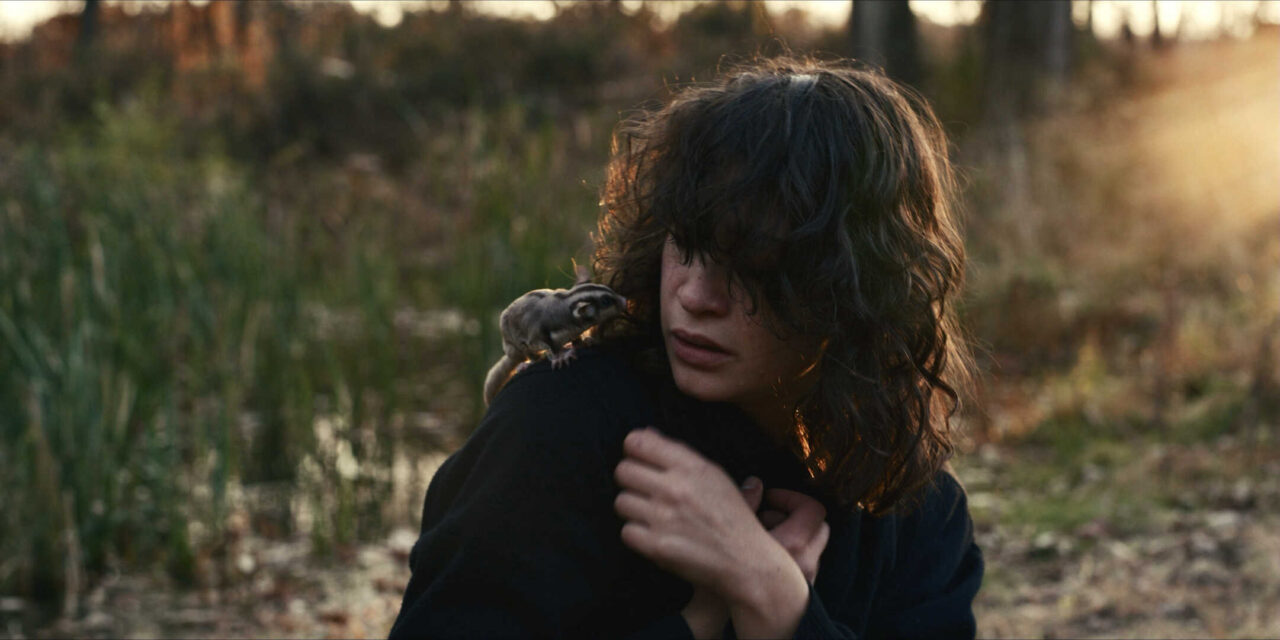
Bella (Alexandra Faye Sadeghian) sits alone, staring at a piece of paper that once had the potential to change her life. The college acceptance letter that she was waiting for, but never received, now appears in front of her eyes. It's no surprise to Bella why she never received the letter. She knows it was purposefully hidden by her controlling and drug-dealing stepfather, Gordy (Bryant Carroll). Vowing not to let Gordy interfere with her life ever again, Bella flees to New York City with nothing more than her person and pet flying squirrel, Bandit.
Bella's problems don't immediately disappear once in NYC. With no money, friends, shelter, or clear direction, she takes this opportunity to start over. She befriends a local bartender, Marta (Jessica Pimentel), and a few other misfits who quickly become her "chosen family." As the days pass, Bella's confidence grows, and she finally feels at peace. However, it doesn't last long, as Bella soon discovers that Marta and Gordy have a relationship that threatens to disrupt her livelihood again. This prompts Bella to devise a plan to take Gordy out of her life forever.
Emotion is the Driving Force
Bound has all of the elements of a grounded and gritty dramatic thriller. Cinematographers Maximilian Lewin and Jake Simpson take the audience into the trenches as we observe Bella in the depths of her depression and struggle. This is amplified by the handheld camerawork, which makes up most of the film. The production design is another standout. At the beginning of the film, there is a close-up on a sign that reads "Bella's Treehouse + Zoo". It hangs on the structure where Bella first discovers the hidden college acceptance letter. The sign itself evokes memories of childhood innocence, presumably a simpler time for Bella. At the peak of her frustration, she throws the sign in the river, which signifies an immediate coming of age. Bella is not a child anymore. She has to take her life–and what happens to her–into her own hands.
Takeaway
It's a scary thing to face your demons. As filmmaker Isaac Hirotsu Woofter portrays in Bound, sometimes that is the only way to truly break free. Says Woofter, "I wrote Bound to remind people that no matter what level of adversity we face, it’s OK to cry, to admit defeat, to ask for help; because we are not alone. With the right kind of support, things can and will get better."
Bound will open theatrically in select markets Friday, May 16, including Los Angeles and New York City, for weeklong runs. The same day, audiences across North America can rent or own Bound on VOD, including Apple TV, Prime Video, Fandango at Home, iNDEMAND, and Vubiquity.