
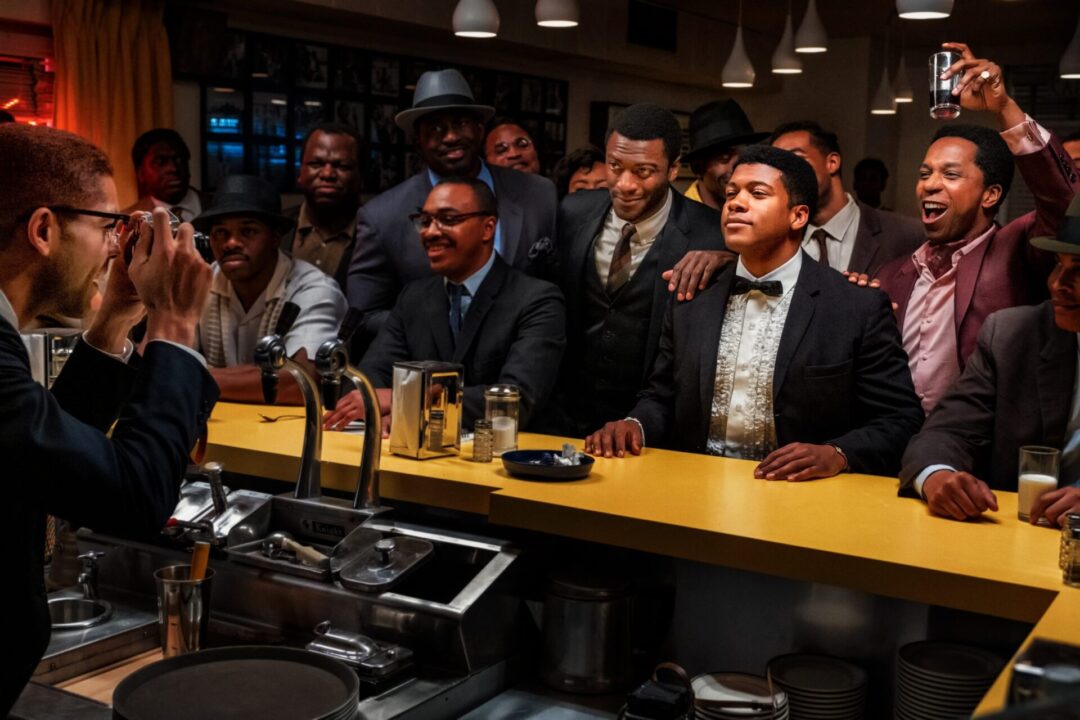
'One Night in Miami' Review: When Four Towering Figures Came Together
This seems to be the year of turning historically significant stage plays into strong feature films, and I am here for it. Hot off the heels of Netflix's homage to the "Mother of the Blues," Ma Rainey's Black Bottom, comes the Amazon Original One Night in Miami, a dazzling interpretation of Kemp Powers' play about the infamous night four formidable figures spent together, passionately discussing race, religion, and philosophy through monologues and music.
Miami, 1964. Friends gather to celebrate a surprising post-victory win for Cassius Clay aka Muhammad Ali (Eli Goree), the underdog who was all but guaranteed to lose his fight against heavyweight champion Sonny Liston. Reveling in glory and fame, Cassius is quickly humbled when his friends arrive at his hotel room– a room he was forced to book because Jim Crow-era segregation laws wouldn't allow him to stay in Miami Beach. Over the course of one night, Cassius and his friends, activist Malcolm X (Kingsley Ben-Adir), singer Sam Cooke (Leslie Odom Jr.), and football star Jim Brown (Aldis Hodge) passionately talk about their roles as leaders in the Black Power Movement and how they can better represent their community on the streets, on the stage, on the field, and in the ring.
While One Night in Miami is a fictitious account, it doesn't negate the fact that the brotherly bond shared between these four icons was monumental...
Proving that her creative talents extend far beyond her on-screen performances, first-time filmmaker Regina King delivers a solid directorial debut in One Night in Miami. Granted, the shooting script is pretty straight forward with most of the filming taking place in one room over one night, but she has the thespian's golden touch when it comes to coaxing the best performances out of her actors. Kingsley Ben-Adir's passionate monologues as Malcolm X will shake you to your core, and Leslie Odom Jr.'s soulful rendition of Sam Cooke's "A Change is Gonna Come" will cause the hairs on the back of your neck to stand up straight.
Watching this interpretation of how four of the original Black Power Movement influencers could have spent that infamous night is incredibly inspiring. While One Night in Miami is a fictitious account, it doesn't negate the fact that the brotherly bond shared between these four icons was monumental, both that night and evermore.
Distributed by Amazon Studios, One Night in Miami is in select theaters on Friday, December 25, 2020. Coming to Amazon Prime Video on January 15, 2021.


'Promising Young Woman' Is a Twisty Tale of Female Revenge
It was the haunting orchestral arrangement of Britney Spears's "Toxic" that did it for me; I knew at that moment that Promising Young Woman was something special. Both a cautionary tale about the dark side of bro culture and how repressed trauma can turn into boiling vengeance, Promising Young Woman tackles a sensitive conversation with sprinkles of irreproachable charm to create an intoxicatingly dark comedy.
Not all superheroes wear capes. In this case, it's just pink lipstick. When Cassandra (Carey Mulligan)–a once aspiring medical student– isn't working behind the bar at the local coffee shop, she's living a double life as a single, helpless frequenter of dive bars and nightclubs. Much to the surprise of the pervy men who try to take advantage of her in her drunken state, Cassandra's disheveled appearance and slurred speech aren't the results of too much liquor. This is all an act; sober as a judge, Cassandra gets men to their most vulnerable before unveiling herself as a fully functioning feminist who highjacks the night by teaching these men a valuable (and sometimes violent) lesson about their ignorance of rape culture.
But why go through all of this trouble every night? It's clear that she gets some satisfaction from teaching these creeps how to treat a woman with decency and respect, but Cassandra doesn't bear this cross for herself; her justification is something she keeps close to the vest. As she continues to go through the motions of her "questionable" daily routine, Cassandra hesitantly entertains a real relationship with her old medical school classmate Ryan (Bo Burnham), a sweet guy who seems like the perfect complement to her introverted self. However, his re-emergence in her life brings up a traumatizing event from her med school days which reignites Cassandra's deep-rooted desire for revenge, making her double down on her savage antics in an attempt at retroactive retribution.
Under Promising Young Woman's poppy bubblegum surface is a story so dark and twisted, it makes Nurse Ratched look tame. Director Emerald Fennell's genre-blending world finds the right balance between entertaining romantic comedy and horrifying revenge thriller, which is even more impressive considering it's her feature film debut. Also doubling as the screenwriter, Fennell's confidence in creating a story so sensitive yet relevant in today's dating culture and #MeToo movement is an unforgettable cinematic experience. Carey Mulligan's Cassandra is an untraditional heroine. She's quiet, cold, and suffers from mental anxiety, yet her determination to rid the world of misogynists is admirable. She is a flawed individual with pure intentions, the underdog of her own story, but not for long.
Bursting with wall-to-wall vibrance and violence, Fennell & Co have created a gritty tale of revenge in the modern age. Phenomenal performances aside, also worth noting is the film's soundtrack which is exclusively made up of female artists, including Paris Hilton's infamous debut single "Stars Are Blind." If there's a succinct message to take away from Promising Young Woman it would be this: don't underestimate the strength of a woman, quiet doesn't equal weakness, and you can always count on an ex-nursing student to give offenders a taste of their own medicine.
Distributed by Focus Features, Promising Young Woman is playing in select theaters on Friday, December 25, 2020. Coming soon to VOD.
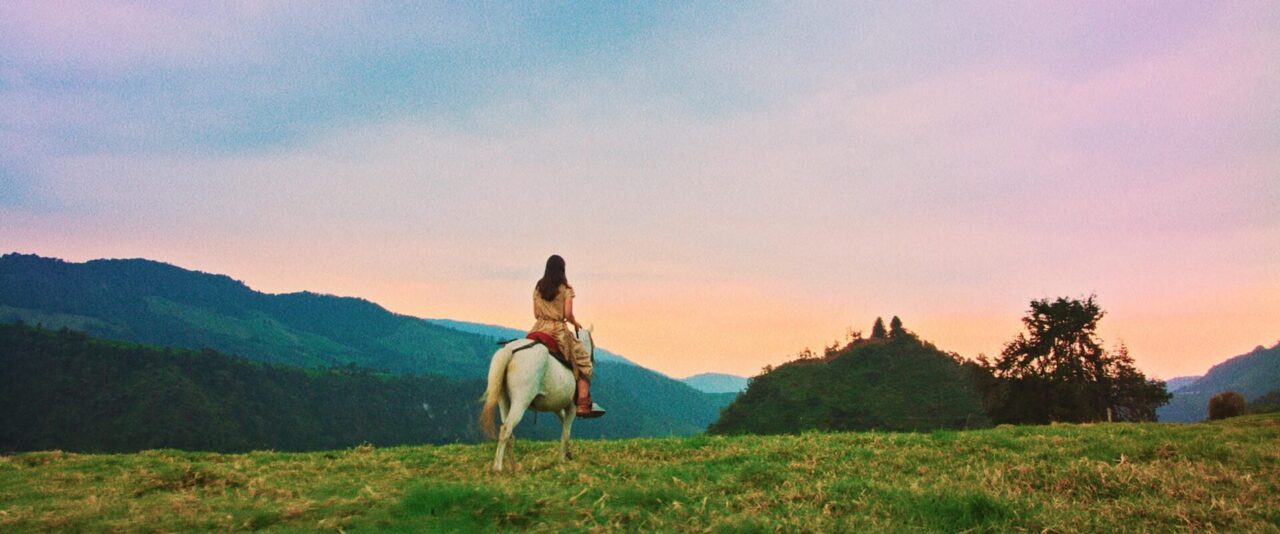
'Luz: The Flower of Evil' Review: A Mesmerizing Faith-Based Fever Dream
When the press release for Luz: The Flower of Evil popped up in my email, my jaw dropped. A quick scan through the beautiful images led me to the film's description: "The Witch meets Jodorowsky’s El Topo meets The Sound of Music landscapes and with a sort of Terrence Malick tone..." Whatever this movie was, I knew I had to see it for myself. This was either going to be the biggest cinematic accomplishment of all time or a total letdown.
Director Juan Diego Escobar Alzate delivers a visual feast in this trippy fever dream, where good battles evil in an overly saturated mountain town. Alzate's highly-ambitious fantasy horror film may sound like an explosion of genres-which it is- but it's one of the most unique and bold expressions from a filmmaker I've seen recently.
Blurring the lines between heaven and hell, the leader of a small religious cult reigns over his community. El Señor (Conrado Osorio) is an overly protective, single father of three girls Uma (Yuri Vargas), Laila (Andrea Esquivel), and Zion (Sharon Guzman), and considers his word to be gospel. One night, he returns to his mountainous village with a young blonde-haired, blue-eyed boy who he claims to be the new Messiah. But not everyone believes this child is the second coming of Christ, especially when death and destruction suddenly befall El Señor's own family. This causes his daughters to question the existence of God and the dangers of their blind faith.
It's gory and graphic and, yes, there is a demonic goat, but Luz: The Flower of Evil is more than just shock value antics.
The desire for freedom lies at the heart of Luz: The Flower of Evil. For El Señor's daughters, they long to be able to make their own choices regarding their faith, their hobbies, and their budding sexuality. It's only when freeing themselves of the societal religious chains they proclaim, "by letting go of Jesus, I finally understood the true meaning of God."
In this incredible trip to heaven and hell, Alzate is ultimately showing the duality of mankind. We as humans are all part good and part evil, much like how some religions preach that God and the devil co-exist. The imagery that goes along with this message is nothing short of inspiring, every scene has a beautiful composition and texture. Kudos to the colorist Felipe Martinez and color grading company We Make Color for creating such aesthetically rich and unforgettable visuals.
It's gory and graphic and, yes, there is a demonic goat, but Luz: The Flower of Evil is more than just shock value antics. It carries a powerful message of unnecessary harm we endure due to manmade problems. Much like Nomadland's take on the power of the natural world's restorative healing capabilities, this film reminds us that nature doesn't cause pain. Appreciate miracles, don't go chasing them. And always remember that harmony brings peace and light. After playing in 34 festivals and winning 14 awards, Luz: The Flower of Evil is finally available to stream on Shudder next Monday, December 21st.
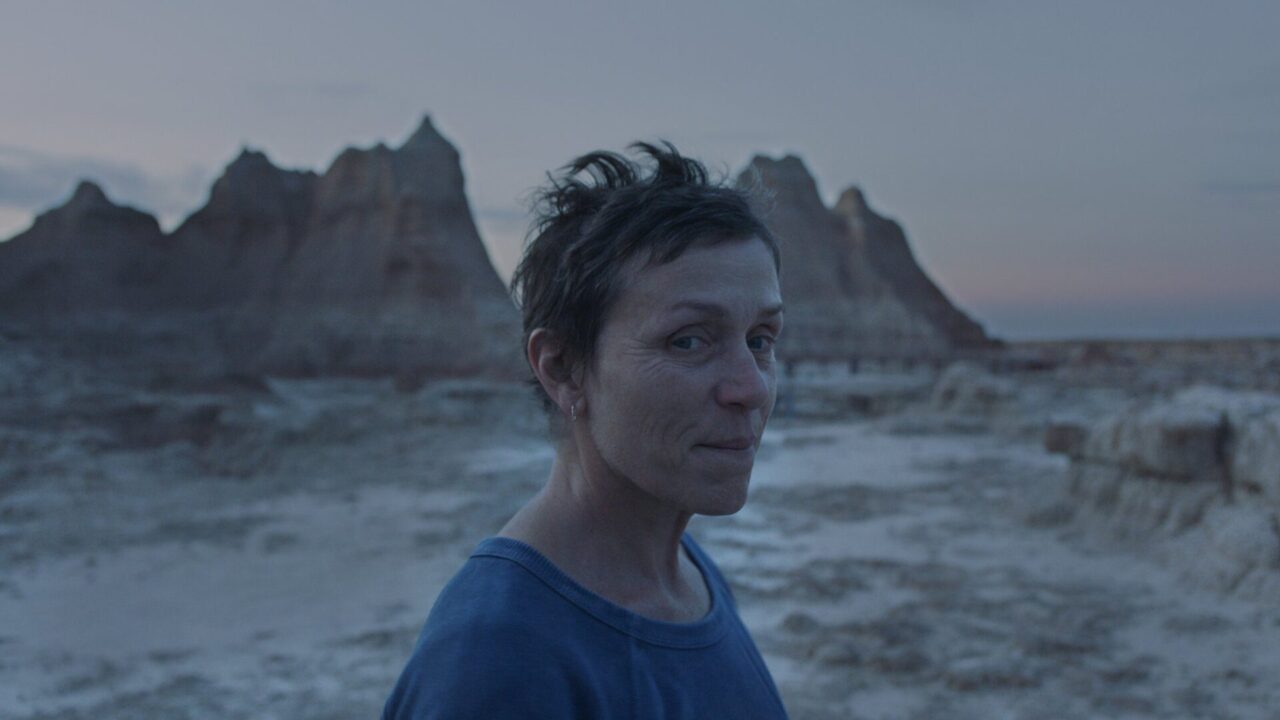
'Nomadland' Review: A Fresh Look at the Evasive American Dream
It takes a truly magical film to transcend its onscreen presence and hibernate inside your soul. That may sound lofty but since I first saw Nomadland, I haven't stopped reflecting on its gorgeous interpretation of alternative Americana living. Not only have I reveled in the beauty of the vast desert plains and saturated sunsets, but I'm finding myself meditating on the film's larger rhetorical question: what does it mean to feel "whole"?
Nomadland is no accidental knockout. With technical skill, a creative vision, and collaboration with some of the most respected artists in the game, director Chloé Zhao's third feature film is a love letter to nature's restorative energy and to the pioneers who brave their own trails
Set against a backdrop of economic hardship and an unsteady future, Fern (Frances McDormand) perseveres. She is a prideful woman who-despite losing her husband and more recently, her house and steady employment–accepts no handouts or sympathy. Seasonal gigs and living out of her camper van (named Vanguard) support a minimalist, albeit lonely, lifestyle. She quickly becomes intrigued by a community gathering of like-minded people and it's not long until Fern integrates herself into their tribe, which kick-starts her exploration into living among nature and discovering her holistic identity.
Compared to her new friends Linda May, Swankie, and Bob Wells (who are, in fact, real-life nomads) Fern is a "beginner nomad." She quickly adapts to life on the road as a single, middle-aged woman, constantly saying hello and goodbye to the strangers and friends she sees on her open-ended journey around the American West.
Throughout her time on the road, Fern gains independence from self and from society. Her life is atypical from most, a criticism echoed by her suburban-dwelling brother-in-law, but at this point in Fern's life, the stagnation of daily routines isn't her priority. Becoming more and more reflective and honest about what she wants out of life, Fern begins to find her peace. Her peace doesn't look like the pre-packaged "American Dream" that we've all been told to strive for, but it's aspirational nonetheless. A life of new experiences, a smorgasbord of interactions with various characters, and the opportunity to chart her own path offer simplicity and contentedness that a traditional life never could.
The character of Fern could only be brought to life by Frances McDormand, whose natural charm and undeniable talent are channeled in a steadily sentimental manner. Director Chloé Zhao and McDormand bring out the best in each other, creating something so pure like a perfectly in-tune duet. Visually, Nomadland is breathtaking. The poster alone gives a perfect peek into the film's peaceful warmness; you can almost feel the desert breeze sweeping across your face. Accompanying this rich aesthetic is the piano-centric score from composer Ludovico Einaudi, whose emotionally charged composition adds another element of nostalgia.
Nomadland humbly feels larger-than-life, observing man and nature in symbiotic harmony. It encourages us to look inward and examine where we can be more fulfilled, remembering to waste no time because life is short.
What makes you happy? Great. Now, do that thing.
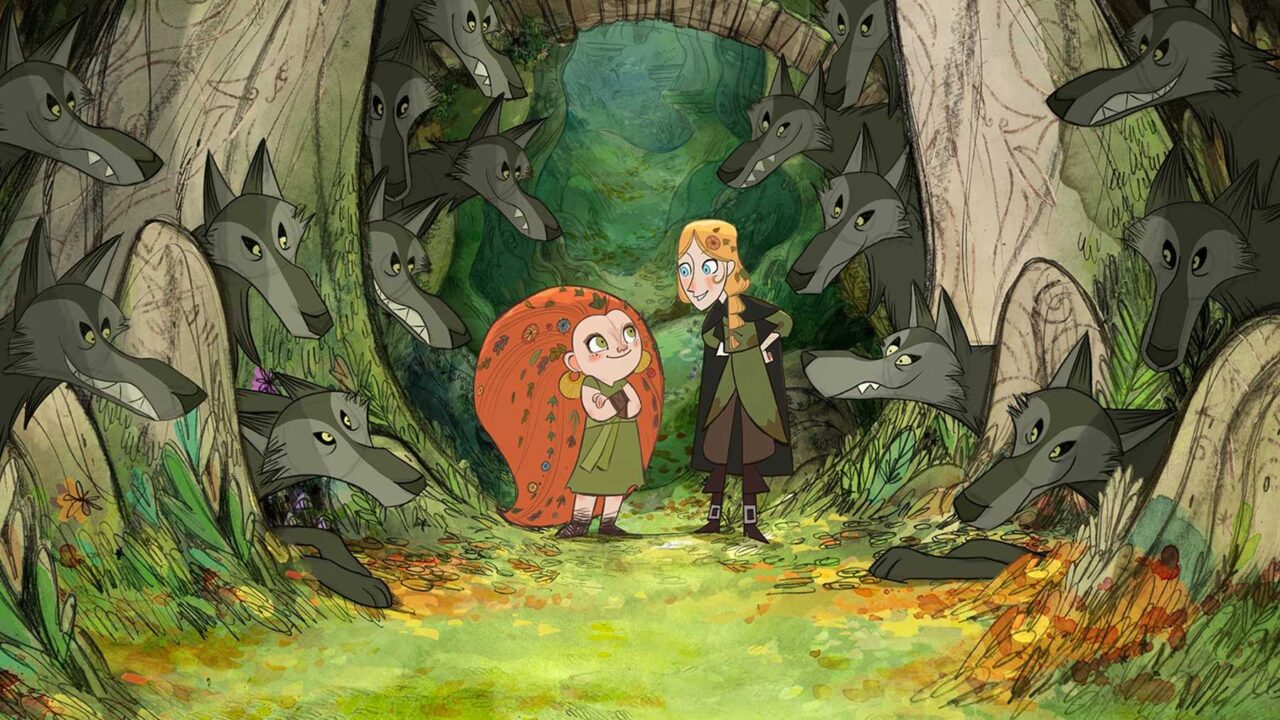
'Wolfwalkers' Review: A Visually and Spiritually Spellbinding Tale
I'm calling it now: Wolfwalkers will take home the Academy Award for Best Animated Film.
Even though I sit here manifesting a win for a film that turned out to be a breakout hit during this year's unusual film festival landscape, Wolfwalkers most likely won't need any metaphysical help from me to be recognized by even more critics and audiences alike.
Directed by Tomm Moore and Ross Stewart, the film is a reimagining of an Irish folklore tale about the mythical creatures called Wolfwalkers. These half-human/half-wolf hybrids have special powers that allow them to communicate with–as well as transform into– wolves when their human form falls asleep.
Wolfwalkers, however, are feared by the townspeople of Kilkenny, Ireland, which is where our film's young heroine, Robyn (Honor Kneafsey) lives with her father. As the town’s newly appointed head wolf hunter, Robyn’s father commits to conquering more land for the King by ridding the surrounding forest of the beasts. One day, defiantly ignoring her father's orders to stay home and out of trouble, Robyn enters the forest armed with her bow & arrow, determined to prove that she has what it takes to hunt these problematic creatures, too.
An unexpected kerfuffle leads to an encounter with a young Wolfwalker, Mebh Óg MacTíre (Eva Whittaker), and Robyn ends up bonding with, rather than capturing, the forest-dweller. Mebh, a free-spirit with bright red hair and an even louder personality, introduces Robyn to her enchanting world–the world of the Wolfwalker (in a beautifully choreographed scene set to the film's anthem, "Running With The Wolves" by Norwegian singer-songwriter AURORA).
Touching on topics like deforestation, man vs nature, and spirituality, the film puts a child-like filter on the very real and very mature situations happening around us today.
A beautiful friendship develops; secrets are shared and vulnerabilities are embraced. Robyn has never felt more seen, but this forces her to make a decision. Torn between her judgmental upbringing towards the forest creatures and her loyalty to save Mebh and the wolves, Robyn must decide if protecting her newfound tribe is worth losing her father's respect and trust for good.
Wolfwalkers, the latest film from award-winning studio Cartoon Saloon, has a darker undertone than the typical “cartoon." Touching on topics like deforestation, man vs. nature, and spirituality, the film puts a child-like filter over a mature world that is very much happening around us today.
Technology and A.I. continue to push the creative boundaries of animated filmmaking (just take a look at the dazzling illumination in Netflix's Over the Moon, whose 3D-animated lighting is a skilled achievement). But to me, there is no replacing the beauty of a hand-drawn world–whose every line rings intentional and heartfelt–and which Wolkfwakers showcases magnificently.
Perhaps the purest of the film's intentions, however, is the belief that we all have a wild spirit animal inside of us, which can only be accessed when in tune with the natural world. Wolfwalkers is an entertaining hour and a half, sure; but its commentary on compassion, environmentalism, and genuine friendship is the film's greatest gift.
Distributed by AppleTV+, 'Wolfwalkers' is available to watch on Apple TV+ this Friday, 12/11.
'Wander Darkly,' A Pseudo-Surrealist Drama About Life and Death
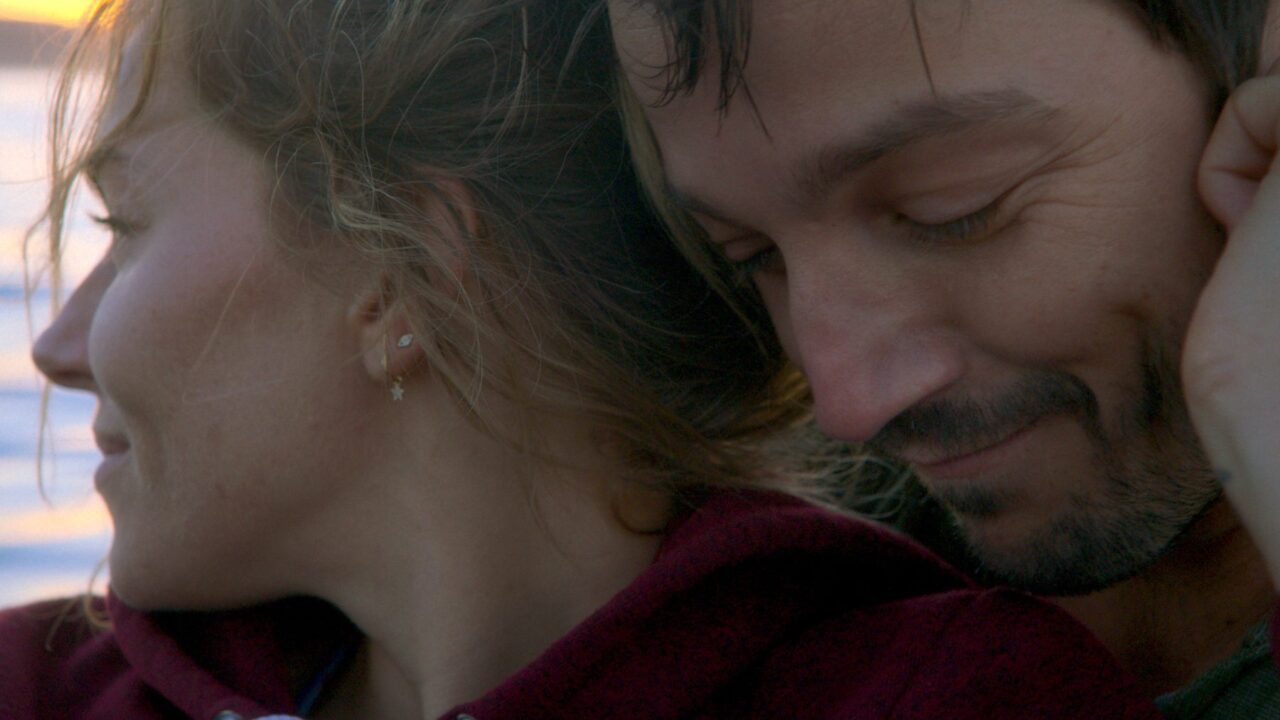
Wander Darkly first came onto my radar at this year's Sundance Film Festival after interviewing composer, Alex Weston. His description of the film's artful intention and bold direction definitely piqued my interest. After bouncing around film festivals, the latest showing being at AFI FEST, Wander Darkly is finally making its way onto VOD this Friday.
Memories make us who we are; our personalities are, undoubtedly, shaped by our experiences. Without them, we're lost. This is what Adrienne (Sienna Miller) struggles to understand after a traumatic incident leaves her questioning everything she thought she knew.
Adrienne and her partner, Matteo (Diego Luna), have a lot to be thankful for. The recent birth of their daughter and their role as soon-to-be first-time homeowners is exciting, but a lot to process all at once. Emotions are heightened after a night out, and a petty argument puts Adrienne and Matteo on the verge of breaking up. Then, a life-changing tragedy strikes.
The effects are devastating, initially rendering Adrienne unconscious. When she finally comes to, albeit with a hazy memory, she is convinced that she died and is living in a purgatory-world. Unexplainably, Matteo is the only one who can see her and, in an effort to get Adrienne to remember her life and the life they shared, the two embark on a spiritual journey through timelines and special moments as they try to make sense of her alternate reality.
Opposite of Eternal Sunshine of the Spotless Mind, Adrienne and Matteo desperately try to retain the memories they have by encouraging each other to share the thoughts and feelings they were too afraid to say to each other years ago.
Like Adrienne, we're also caught in a grey area of blurred reality vs fantasy. She is simultaneously living through and processing her trauma by revisiting relationship milestones with a new perspective. Opposite of Eternal Sunshine of the Spotless Mind, Adrienne and Matteo desperately try to retain the memories they have by encouraging each other to share the thoughts and feelings they were too afraid to say to each other years ago.
Director Tara Miele's take on remembrance and spirit is something to be celebrated. She begs the audience to question what makes one "alive"– a conscious spirit or an unconscious body? Visually, Wander Darkly is stunning; every scene is wrapped in sun-soaked imagery like something out of a Terrence Malik film. Adding to the film's strength is Sienna Miller's devastatingly stark portrayal of a woman dying to be seen. Her pain is powerfully felt and her vulnerability makes for one remarkable performance.
Wander Darkly is an emotionally-charged trip through life's highs and lows. It also offers a poignant commentary that, although we are born and die alone, we don't feel so alone when sharing our life with those we love.
Distributed by Lionsgate, Wander Darkly is streaming on VOD on Friday, December 11, 2020.
'Black Bear' Review: A Twisty Thriller Worth Following Into The Woods
If you've already watched the trailer for Black Bear, and think you know what this film is about, I can already tell you, you're wrong.
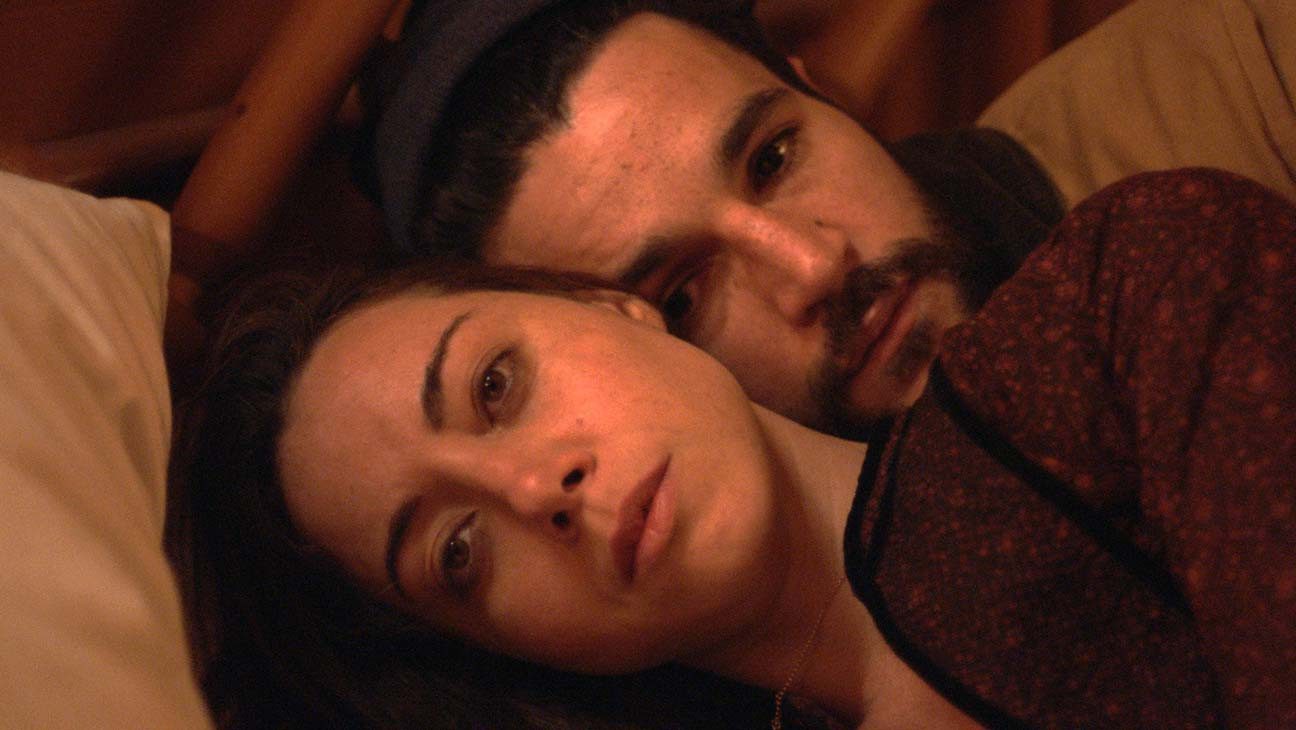
In what I can only describe as a more consumer-friendly version of a Charlie Kaufman story, Black Bear is a twisty drama that blurs the boundaries between reality and fantasy.
Aubrey Plaza anchors the film as Allison, a washed-up actress-turned-film director, who, in an attempt to beat writer's block, arrives at the remote cabin of Gabe (Christopher Abbott) and his pregnant girlfriend, Blair (Sarah Gadon).
The creative compound, inherited by Gabe, is meant to serve as a breeding ground for artists to work on their craft, and Allison seems to be lacking the inspiration that the cabin could offer.
Allison's first interaction with Gabe and Blair is pleasant enough, but it's clear that their own relationship is hanging on by just a thread. Bickering, fragile egos, and messy accusations eventually lead to a jealousy-based blowout, pitting baby mama against house guest in a competition for male attention.
Allison is like a splinter in between your fingers (in this case, Gabe and Blair's relationship); you don't know how it got there, but it hurts like hell. Inserting herself in their private life seems irresponsible, but is drama the inspiration that Allison is after? Or is it something more?
The chaotic energy between the characters bubbles until it's just about to burst and that anticipation is calculated cinematic masochism at its finest.
It takes about 45 minutes for the film to reveal a major twist that makes you rethink everything you just saw. The patience in writer/director Lawrence Michael Levine's approach to this cerebral drama is well worth the wait. The chaotic energy between the characters bubbles until it's just about to burst and that anticipation is calculated cinematic masochism at its finest.
For Aubrey Plaza, Black Bear feels like her first "grown-up" film. She stays true to her dark humor, while also offering a depth that I haven't seen before. She gets vulnerable and, in turn, relatable. Christopher Abbott is the perfect counterbalance to Plaza, his performance being another knockout. Abbott has never disappointed in a role, he always seems to mold into his characters and the same is true here.
If you're looking for a smart, sharp film with a strong vision, Black Bear is for you. This confident feature will keep you guessing all the way up until the end credits roll. In short, it's bear-y good.
Distributed by Momentum Pictures, 'Black Bear' is available in select theaters this Friday, 12/4.
'Billie' Review: Billie Holiday Doc Reveals the Pain Behind Her Voice
Her unique voice could bring grown men down to their knees, and women to tears. But behind her ethereal stage presence and soulful melodies was a deeply unhappy, tortured artist.
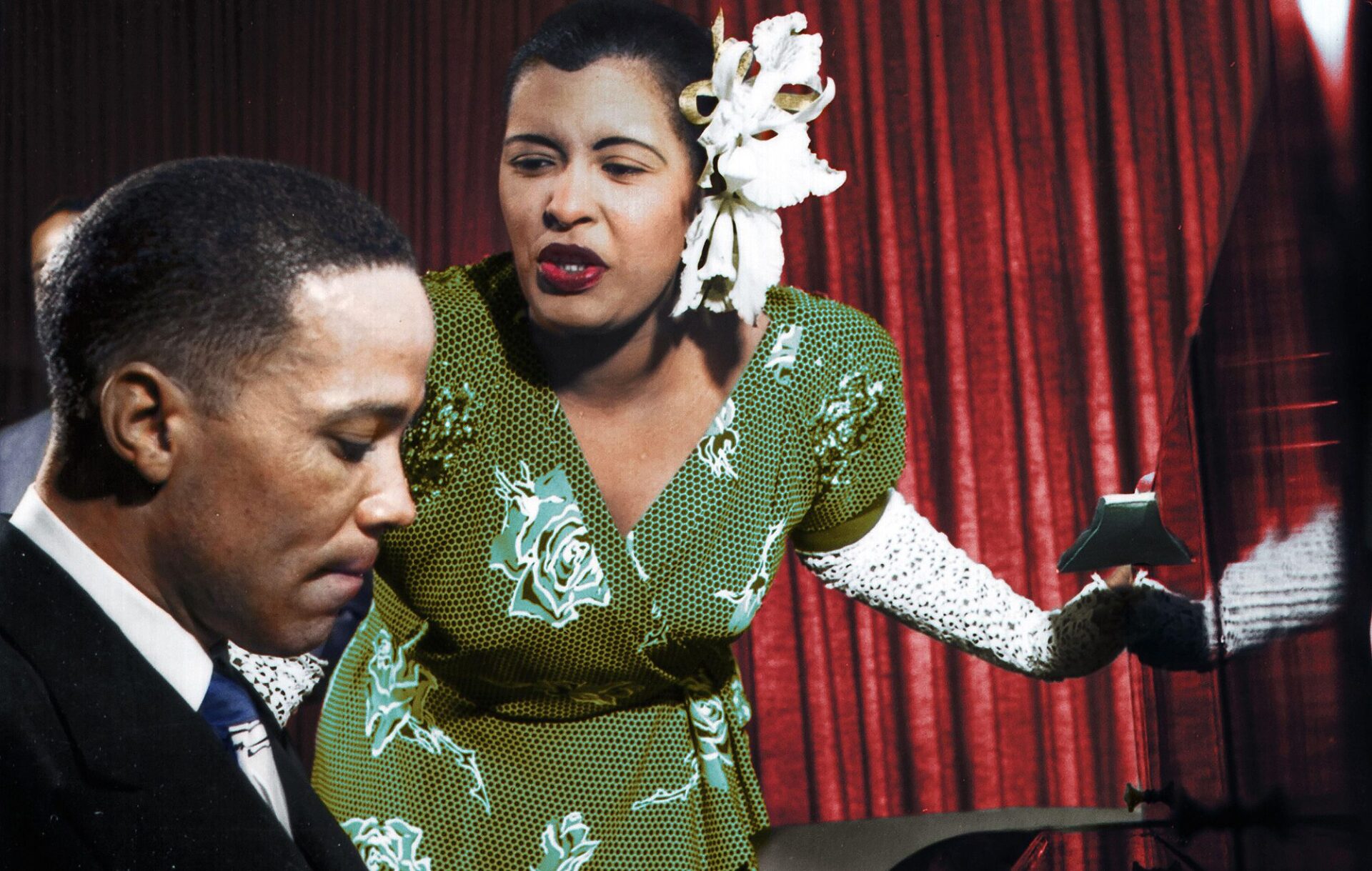
Director James Erskine presents a startling exposé about the heartbreaking life and death of legendary Jazz singer, Billie Holiday, in the documentary, Billie (in select theaters and VOD this Friday).
Considered to be "the world's greatest Jazz vocalist," Billie Holiday's story is told through recorded interviews that were discovered and recovered from journalist Linda Lipnack Kuehl, who, in the late 1960s, set out to create the definitive Billie Holiday biography by interviewing her closest friends and associates. However, Kuehl never got the chance to finish her project, as she died under unusual, mysterious circumstances in 1978.
(The question still remains if her prodding and poking into Billie's past had anything to do with Kuehl's untimely death, and director James Erskine does little to squash that theory.)
The film's primary focus, however, is to showcase the interviews and work that Erskine was never able to show herself. Over 200 hours of tapes reveal incredibly intimate testimonies of Holiday's early years, with family and friends revealing her "fast and loose" lifestyle, her relationship with local pimps and drugs, and even her favorite curse words ("motherfucker" & "cock sucker," in case you're wondering).
She wanted to sing how Louis Armstrong played; she wanted her voice to sound like an instrument.
Billie's rough upbringing was expressed through her music, which oozed with heartache and pain. For as sensitive as she was, Billie never played into the "victim narrative," even when faced with blatant racist acts like being forced to sleep in the tour van while her white bandmates were allowed to stay in hotels. To say she was a pioneer for racial and gender acceptance is an understatement. The documentary briefly touches on Billie's bisexuality and her racial rebellion song “Strange Fruit,” both highly controversial topics for the times.
In one pre-recorded interview, Billie, also known as "Lady Day," shares that she wanted to sing how Louis Armstrong played; she wanted her voice to sound like an instrument. Listening to her now, I think we can all agree that she nailed it.
Professionally, Billie was undefeated. But personally, she suffered to keep her drug addiction and money-grubbing "yes men" at bay. In spite of being one of the highest-paid Black artists of her time, when Billie died in 1959 (at age 44), she only had $750 to her name.
Billie shows parallel tragedies of both a journalist and her subject's short, tumultuous life. Reminiscent of another legendary musician gone too soon, Amy Winehouse, Billie is a bittersweet showcase of one of the world's most infamous artists and icons.
Distributed by Greenwich Entertainment, Billie is in select theaters and VOD this Friday, 12/4.