
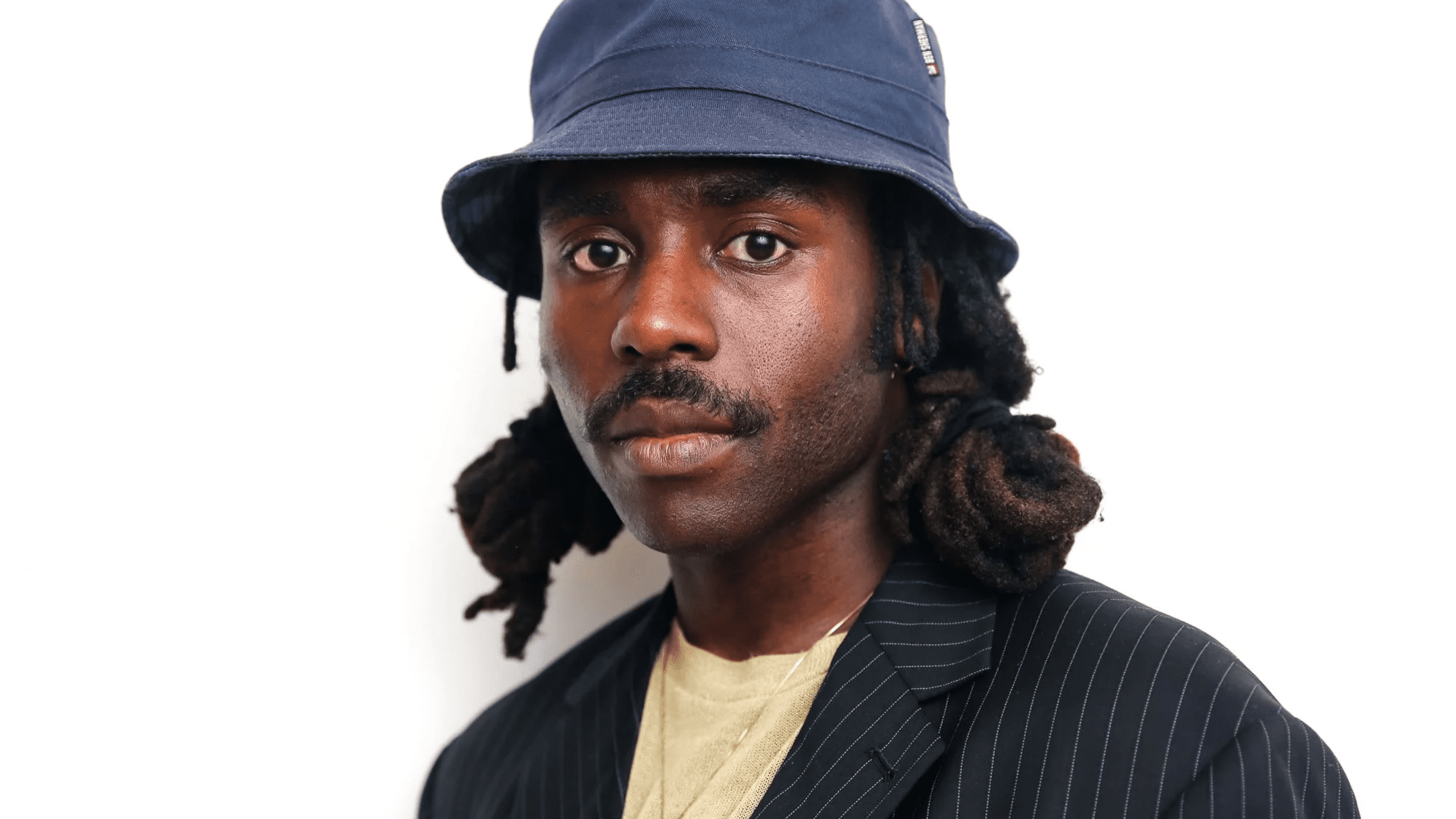
The Standout Composers of Sundance 2021
One of the first things I look for when planning out my Sundance selects are the composers of Sundance, who contributed to the music, and who is the music supervisor.
I've worked in music supervision full-time for over six years, and I've grown accustomed to seeking out my colleagues' names first. Just like directors can have a distinct "style," so can composers. After falling in love with the score from The Last Black Man in San Francisco at the 2019 Sundance Film Festival, I now seek out any project that composer Emile Mosseri is attached to, knowing that it will most likely be a film I'm interested in (a theory that has proven true so far, see: Minari, Kajillionaire).
To me, the sound of a film is just as important as the person directing it or the actors involved. After scouring the Sundance slate, here are some of the musical standouts from this year's festival and, going forward, I'd love to see more women in this space.
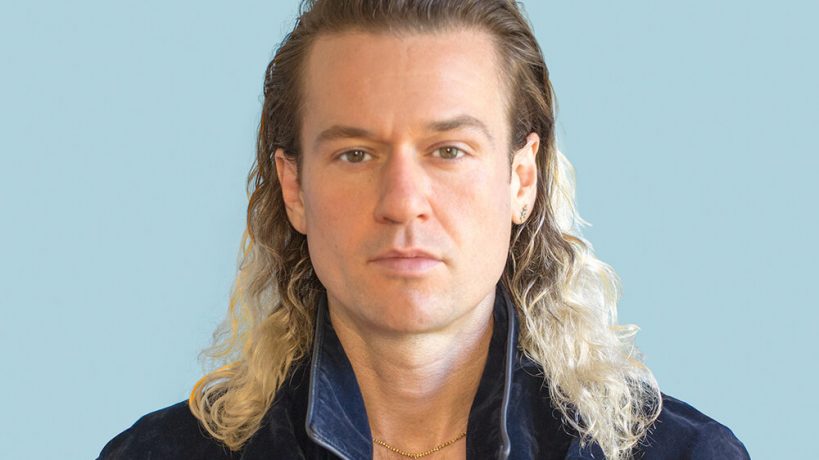
John Carroll Kirby (Cryptozoo)
John Carroll Kirby's album My Garden singlehandedly got me through quarantine last year. He's a pianist, producer, and composer from Los Angeles who creates beautifully meditative tracks, as well as being the go-to collaborator for Solange and Frank Ocean, among others.
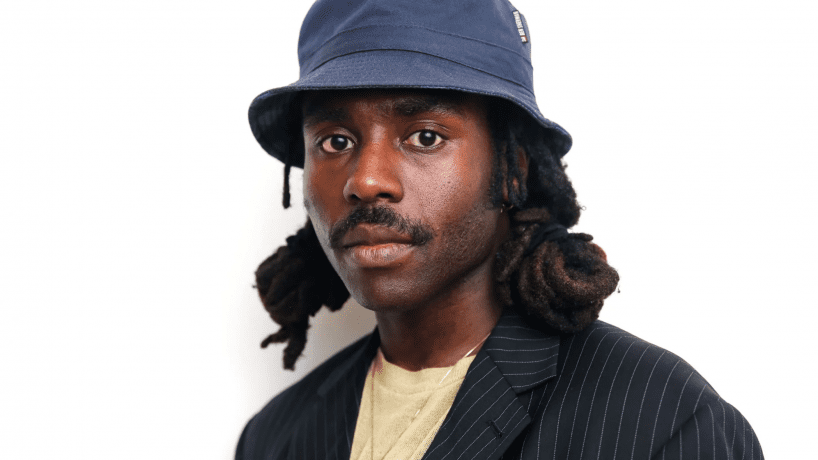
Devonté Hynes (Passing)
You might know him better as his moniker Blood Orange. Dev, described as a "polymath musician" by the New York Times, is one of the most dynamic and interesting artists working today, blending the gritty and melancholy to create a sound unique to him.
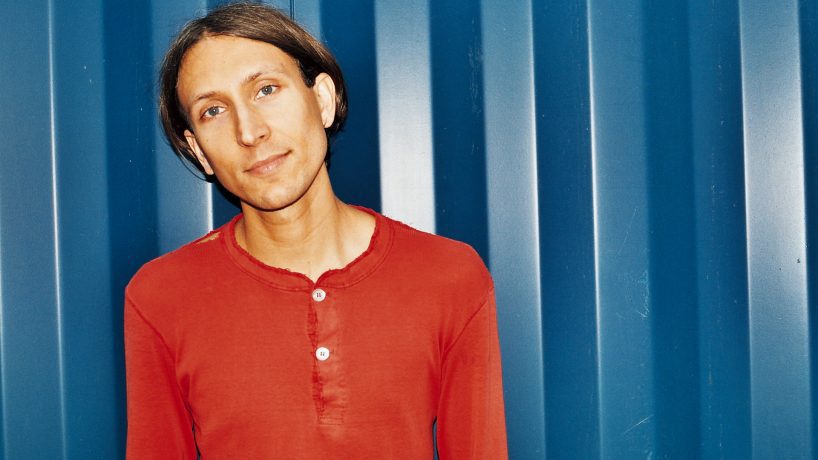
Alex Somers (Together, Together)
Having composed the playfully introspective soundtrack to one of my favorite films last year, Honey Boy, Alex Somers returns to Sundance with what I can only imagine will be another heartfelt and transcending score.
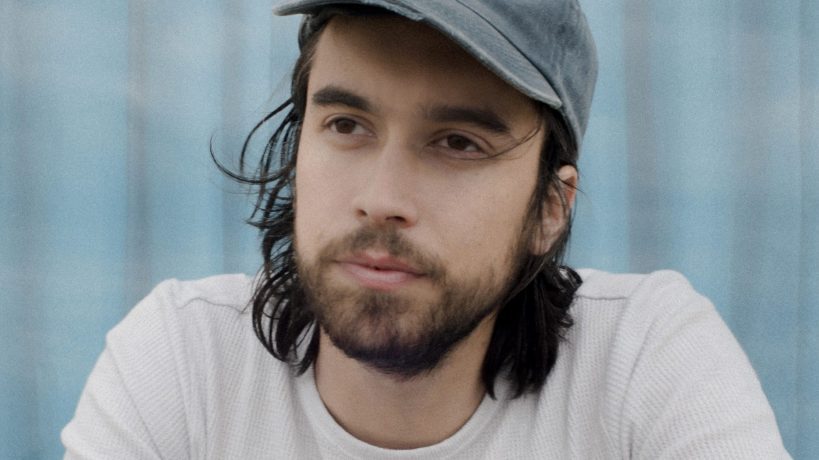
Alex G (We're All Going to the World's Fair)
A self-described singer-songwriter, dreamer, visionary, and leader, (Sandy) Alex G creates indie bedroom pop that feels like a modern-day Elliott Smith. Ryan and I are both excited to see what he does in a cinematic setting.
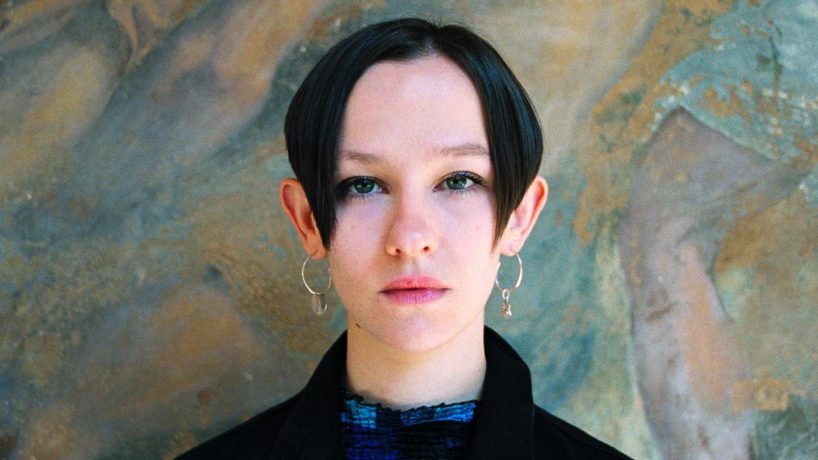
Caterina Barbieri (John and the Hole)
Caterina is an Italian composer and musician who explores themes related to machine intelligence. Pitchfork describes her synth-heavy sound like music that bends time and space.
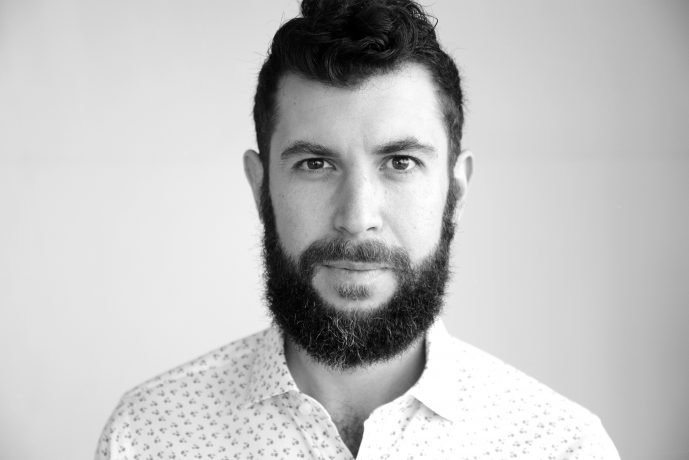
Mike Tuccillo (Homeroom)
Probably best known for scoring the Hulu/A24 series Ramy, Mike is also a producer and mixer. Tuccillo has mixed and contributed additional production to the majority of VÉRITÉ’s records which have more than 100 million plays on Spotify.
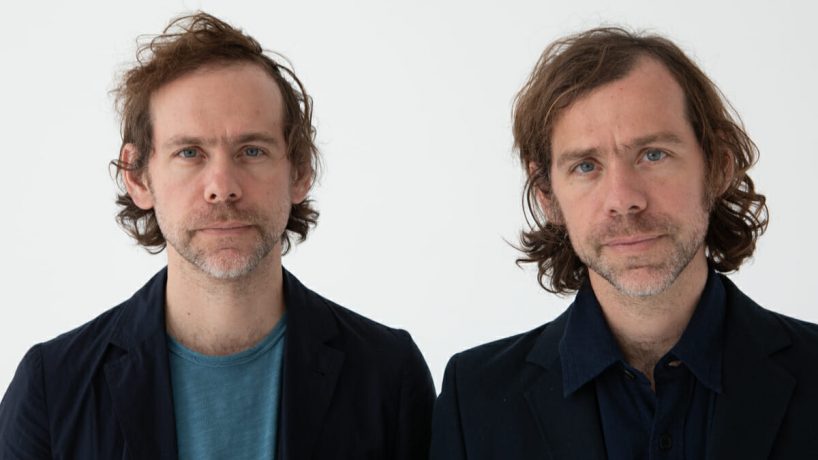
Aaron Dessner & Bryce Dessner (Jockey)
The Dessner twins may be better known as half of The National but did you know that they, along with my absolute favorite Justin Vernon (of Bon Iver), helped launch the 37d03d (PEOPLE) collective in 2016? 37d03d produces multi-artist events and operates an independent record label, all with the goal of supporting and encouraging spontaneous collaboration.
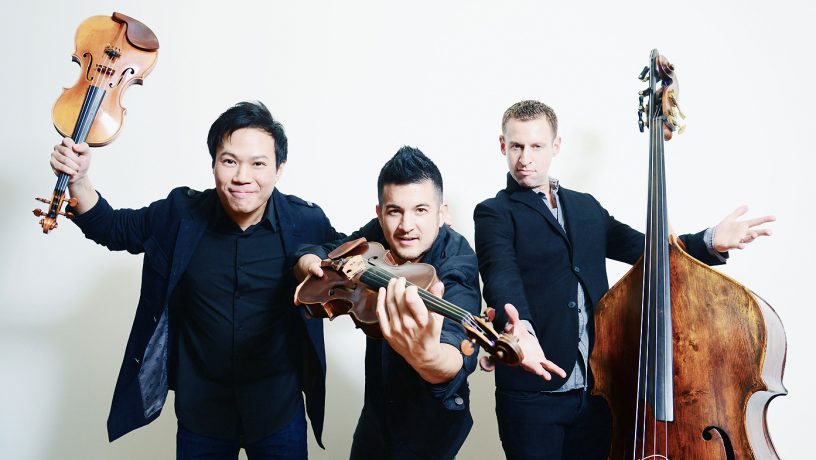
Time for Three (Land)
Guests of NPR's Tiny Desk, Time For Three is an unconventional trio that blends Americana, modern pop, and classical music genres to create a sound all their own.
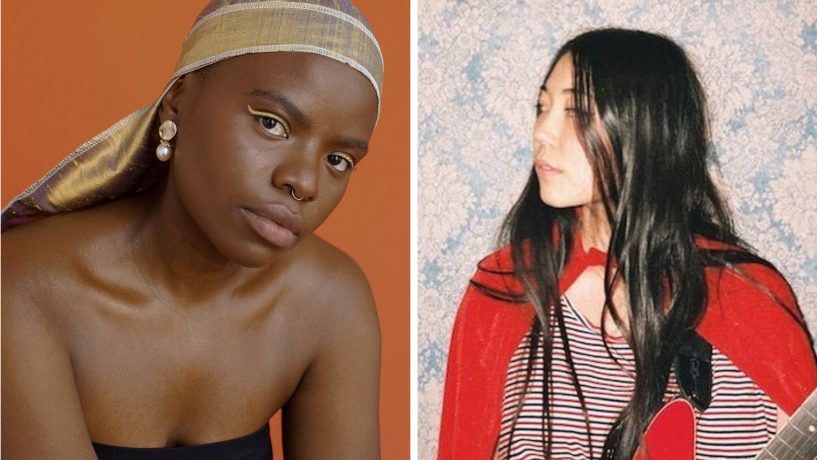
Vagabon, SASAMI (Weirdo Night)
Not composers, per se, but I couldn't not talk about the performers in Weirdo Night, the brainchild of performance artist Jibz Cameron aka Dynasty Handbag. What used to be a monthly stage show at Zebulon in Los Angeles (that I miss so much), this homage to Weirdo Night includes performances from SASAMI, Vagabon, and more.
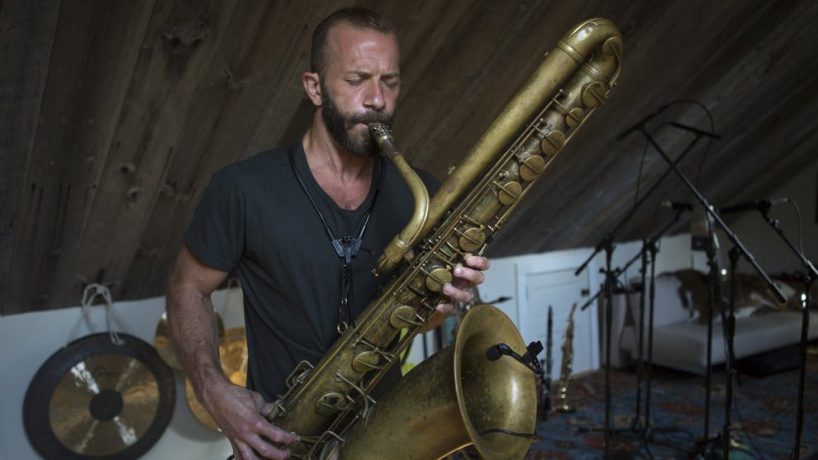
Colin Stetson (Mayday)
Probably best known for his haunting score in Hereditary, Colin's bass and alto saxophones produce emotionally rich and polyphonic compositions that transcend expectations of what solo horn playing can sound like.
PLUS:
Highlights from past years have been seeing Dark Rooms, Ethan Gruska, Brett Dennen, and more at the ASCAP Music Café, an intimate performance space that also serves as our recharging station in between screenings. Experiencing artists' showcases in this setting has always been one of my favorite parts of the festival experience, and as I (and the rest of the world) patiently wait for live music's highly anticipated return, a virtual venue promises to recreate this unique ASCAP lounge.
This article was updated 1/28/2021

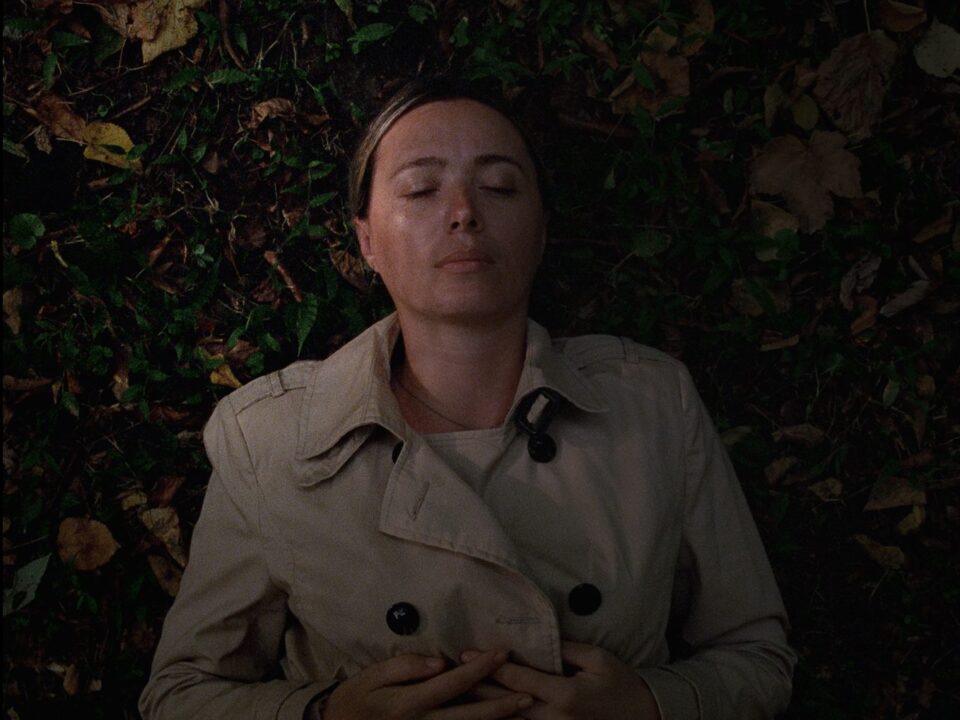
'Beginning' Review: Georgian Arthouse Film is a Provocative Experience
You can be religious yet still be soulless, as evidenced in director Dea Kulumbegashvili's slow-burning drama, Beginning. Executive produced by Carlos Reygadas (Our Time), Beginning takes patience and a steady eye to fully get wrapped up in its intricate character complexities, but those willing to immerse themselves in the unsettling are in for a provocative cinematic experience.
Set in a remote village outside of Tbilisi, Georgia, a sect of Jehovah’s Witness missionaries come under attack when arsonists burn down the community's church, leading David (Rati Oneli) and his wife Yana (Ia Sukhitashvili) to reevaluate their roles as leaders in the organization. Going to the police proves uneventful, as the authority's ambivalence towards the group only makes the situation more devastating. With David pre-occupied rebuilding the church, Yana becomes the target for a local detective (Kakha Kintsurashvili) who abuses his power in various sexual and physical ways. It breaks her spirit, leaving Yana questioning her role as a wife, mother, and spiritual believer.
Beginning will be remembered for its 35mm scenes comprised heavily of single-take shots lasting minutes long...
In her debut feature film, Dea Kulumbegashvili commands the screen with confidence. Beginning will be remembered for its 35mm scenes comprised heavily of single-take shots lasting minutes long, a convention that lags at times, but ultimately gives the film a sense of authenticity. Ia Sukhitashvili's performance as a woman at odds with herself is revelatory, in which her pain is seen and felt even without uttering a single word.
Beginning is a true art film; its untraditional structure of mostly one-take scenes won't be for everyone, but if you can carve out the two hours and ten minutes of watch time, the payoff is worth it. Plus, if Beginning gets a nomination for the Best International Feature, it will make history as the first Georgian Oscar nominee.
'Beginning' is available to watch on MUBI this Friday, January 29, 2021.
'Notturno' Review: What's Left When The War Stops?
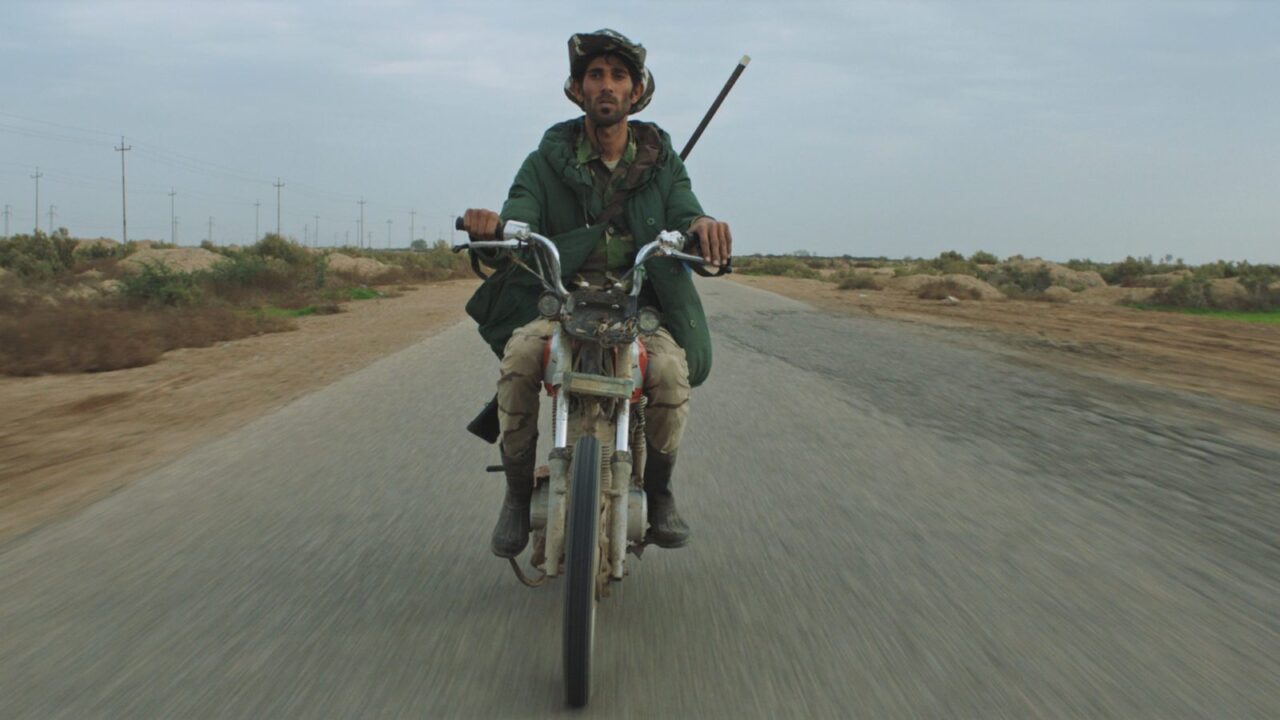
Academy Award-nominated director Gianfranco Rosi (Fire at Sea) delivers another richly cinematic documentary with Notturno, and this time we’re transported to the heart of the Middle East where communities are still reeling from past and future wartime chaos.
Rosi and his crew shot Notturno–Italy's official Oscar entry for Best International Feature–over the last three years along the borders of Iraq, Kurdistan, Syria, and Lebanon. The beauty in the mundane, the heartache of reality, and the perseverance in the face of an unknown future are at the heart of this film, which lends itself to be a heavy, but highly-rewarding, watch.
The opening shot shows small groups of men running laps around a track at what looks like dawn. The image is jaw-dropping, beautiful in its simple composure. It feels eerily reminiscent of Claire Denis’s Beau Travail or Andrey Zvyagintsev’s Leviathan where the camera is steady and the subjects that run in and out of frame provide the spontaneous artistic direction. The rest of the film follows suit, where long takes create drawn-out scenes that give the audience the sense of being there too.
... [It] makes me want to reach through the TV screen and give them all a big, tight hug.
In one of the more devastating scenes, we observe a child therapist asking different children to express, through drawings, their various experiences under ISIS control. Listening to these innocent children describe beheadings, watching people get burned alive, and sharing that they still cry when they think about those moments makes me want to reach through the TV screen and give them all a big, tight hug.
Notturno gives a face and a voice to the human struggle in the Middle East. For as much as we might want to look away and not face the sick reality of violence and hardship, it is our duty as brothers and sisters of the world, and fellow humans, to acknowledge these tragedies. Watching this film and becoming aware of their daily struggles is a great first step.
Distributed by The Match Factory, available in select virtual theaters this Friday, January 22, 2021, and on Hulu January 29, 2021.
'MLK/FBI' Review: The Extreme Measures Taken to Silence a Hero
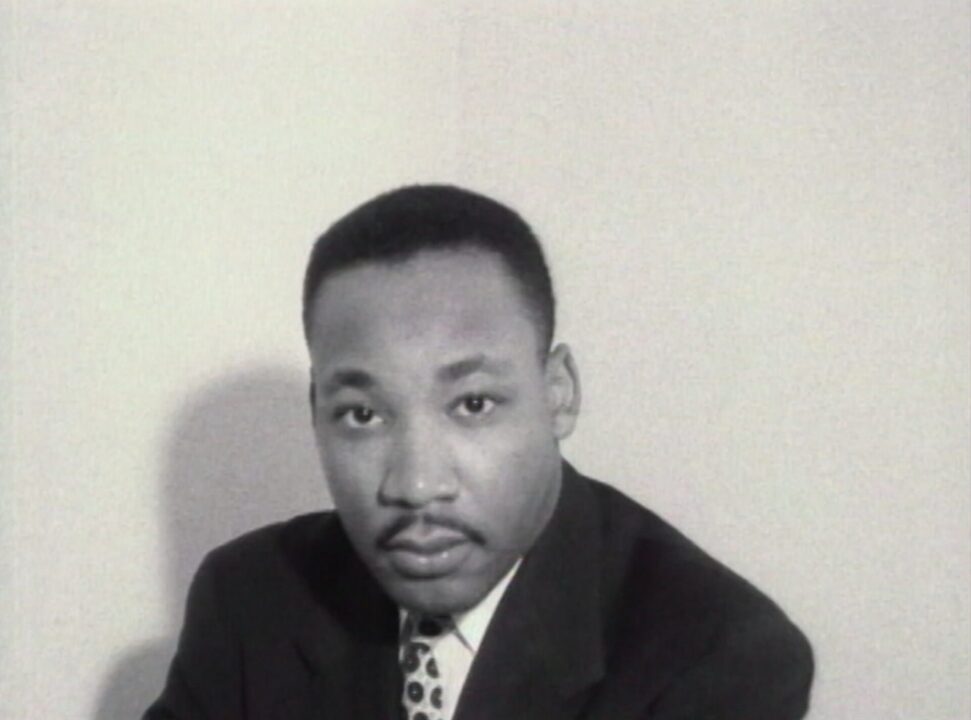
With all of the political unrest and never-ending news cycles populating our feeds and our minds as of late, another "charged" documentary may not sound like the type of film you'd want to spend your free time watching. I can relate to the feeling of utter exhaustion, but I hope you'll make MLK/FBI an exception. Sam Pollard's revelatory documentary exposes not just the private emotional hardships suffered by Dr. Martin Luther King, Jr. at the hands of then-FBI director J. Edgar Hoover, it stands as an eerie mirror to our current state of political manipulation and ongoing bias and violence toward the BIPOC community.
We all know Dr. Martin Luther King, Jr.'s life-changing contribution to American society through his March on Washington, the "I Have a Dream" speech and other inspirational, peaceful demonstrations that led to the desegregation of black people. What caught me by surprise was the FBI's many attempts to discredit his leadership by surveilling him with wiretaps, undercover photos, and bugging his family home. These findings from the early 60s have now been uncovered and are the basis of MLK/FBI.
Dr. King's rising success scared Hoover, the documentary claims, as a now-declassified memo sent around the FBI headquarters stated, "We must mark [Dr. King] now as the most dangerous Negro in the future of this Nation..." Hoover also thought Dr. King was "morally unfit" to be a leader for Black America, a hilariously ironic and completely ridiculous statement given the obvious example of what an actual morally unfit leader looks like.
Hoover also thought Dr. King was "morally unfit" to be a leader for Black America, a hilariously ironic and completely ridiculous statement given the obvious example of what an actual morally unfit leader looks like.
Educators and historians provide voiceovers that carry MLK/FBI and unanimously agree this was the "darkest part of bureau's history." The film is comprised of archival footage showing how they surveilled him, in addition to footage of political events, KKK rallies, interviews with Dr. King, and more. But for as shocking as this story is, at times, the film feels repetitive in its visuals. Perhaps seeing the narrators' faces throughout would provide a better human connection instead of watching scenes from a Buster Keaton or scripted Universal Pictures FBI film multiple times.
America has an ugly past; we can't ignore that. The only way to truly make progress towards a more inclusive future is to acknowledge past inequalities and make substantial changes so the attitudes and behaviors of the past don't bleed into the future. Dr. Martin Luther King, Jr. is remembered for many things, but right now, it's so important to revisit his message of fighting back with love, as "violence will not succeed in changing this nation."
Distributed by IFC Films, opening in select theaters, including the Arena Cinelounge Drive-In in Hollywood, and on-demand January 15, 2021 (MLK Weekend).
Nainita Desai Premieres Music Video from 'The Reason I Jump'
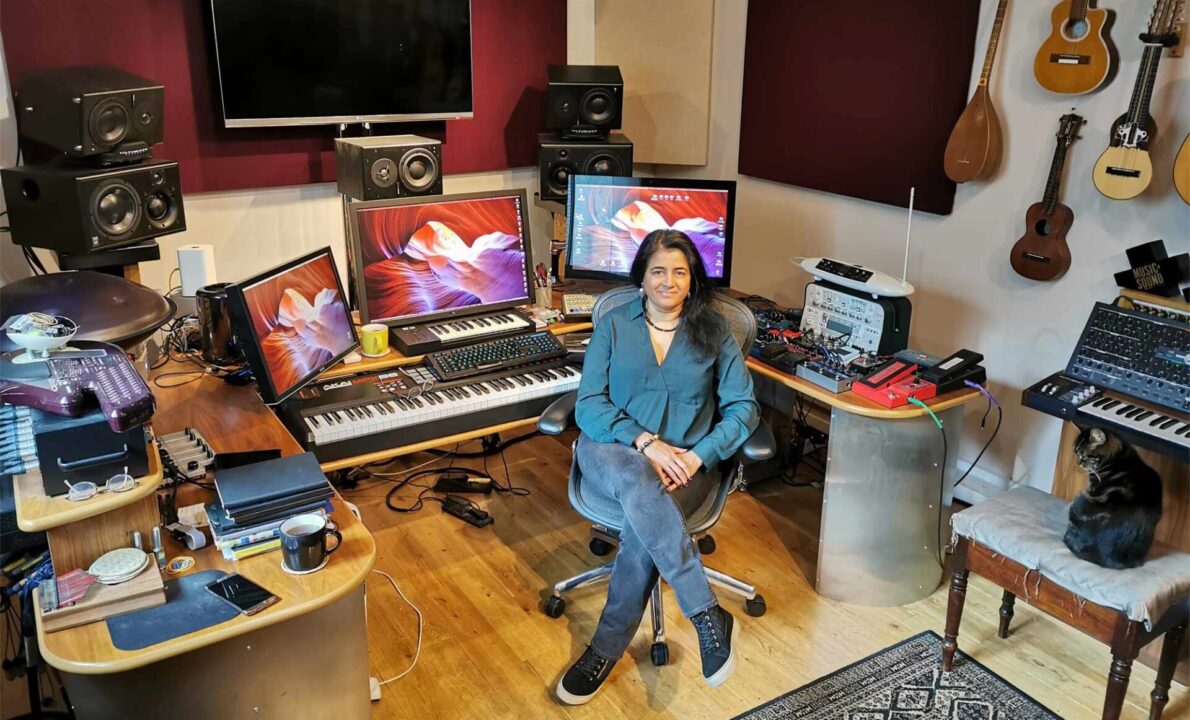
After last year's successful Sundance premiere, the award-winning documentary The Reason I Jump has finally made its way into virtual theaters. Directed by Jerry Rothwell and based on the book written by the young autistic artist Naoki Higashida when he was 13-years-old, The Reason I Jump celebrates the beauty of being different. Composer Nainita Desai further illustrates this sentiment in her companion music video "Beauty Is In The Detail," exclusively premiering on Cinemacy.
The central theme of the film is communication and all of its interpretative forms. With this in mind, Nainita's biggest challenge was illustrating and amplifying what it feels like to be autistic. Nainita successfully communicates intense sensory worlds into song by using orchestral strings, custom-made instruments, electronics, and found sound.
"The song represents the beauty of the neuro-diverse world and how the characters perceive the detail in objects before seeing the whole picture unfold before them," says Nainita. Plus, to keep the soundtrack inclusive and authentic to the film, Nainita reached out to Elisabeth Wiklander, a cellist with the London Philharmonic Orchestra who is autistic as well as a cultural ambassador for the National Autistic Society. Daniel Pioro (Phantom Thread) is the featured violinist on the track.
Nainita's contribution to the film continues to gain accolades from industry professionals. Most recently, she was recognized by the British Independent Film Awards and Cinema Eye Honors with best score nominations.
The soundtrack to The Reason I Jump will be released by the London-based label Mercury KX on April 16, 2021.

'Acasa, My Home' Review: Trying to Domesticate a Free Spirit
Set in a barely-livable compound in the middle of the untamed Bucharest Delta lives the Enache family. The nine children and their parents have called the decrepit shack and the surrounding wildlife their home for 18 years, a miraculous feat considering the circumstances and extreme weather conditions they face every season in Romania. Their incredible story of adaptation is told by first-time filmmaker Radu Ciorniciuc in the cinematically striking documentary Acasa, My Home.
If you liked 2019's Honeyland, and 2015's The Wolfpack, then you'll be blown away by the thematic similarities in this film. Winner of the Special Jury Award for Cinematography at the 2020 Sundance Film Festival, Acasa, My Home is a searing portrait of humans' symbiotic living with nature, and the devastating effect of trying to domesticate a free spirit.
While it is certainly not ideal conditions to raise a family in, the elder Enache–a strong-headed, stubborn drunk who doesn't listen to authority–chooses this life for himself and his family. He ignores pleas from social services and refuses government intervention until he cannot turn a blind eye any longer. A highly anticipated urban nature park, in which Prince Charles was the guest of honor at the groundbreaking ceremony, is set to start construction on the land, forcing the Enaches to adapt to urban living in city-sanctioned housing.
For all of the children (some teenagers), this is their first time attending school, making friends outside of their siblings, and learning how to spell their own names.
Acasa, My Home feels distinctly split into two acts; Act 1 consists of the family's daily struggle to survive in the Romanian wilderness, and Act 2 shows their attempt at acclimating into society. For all of the children (some teenagers), this is their first time attending school, making friends outside of their siblings, and learning how to spell their own names. Pressure builds within the family, and their selfishness, ignorance, and defiance further splinter already delicate relationships.
Visually, Acasa is stunning. Incredible drone shots capture the vast freedom that the Enache's had for 18 years, while more observational close-ups show the intimate dynamics between siblings and parents. Their move to the city feels obviously more constrained, both emotionally and physically. Paired with bold and investigative direction from Radu Ciorniciuc, Acasa, My Home is a sweeping, powerful watch.
One moment I haven't been able to forget is the scene where a park ranger educates spectators on the newly constructed nature park. In talking about its native plants and animals, he reminds the group to not disturb the wildlife. People used to try to catch the wild birds and domesticate them, but they would die because they're not meant for captivity. Their home is in nature, we cannot force a wild creature to adapt to our definition of "acceptable living." Even if it's an allegorical story, it's fittingly applied here.
Distributed by Zeitgeist Films, in association with Kino Lorber, the film is available to stream via Kino Lorber virtual marquee on Friday, January 15, 2021.
'The Reason I Jump' Review: Celebrating the Beauty of Differentness
The ability to effectively communicate through words is something that comes so naturally to most of us that we don't even have to think about it. From early childhood, it's reinforced that if we want something, we need to ask for it. But imagine for a moment, that the words you want to say can't escape your throat. Instead, they bounce around your mind like a ping pong ball in a match that you can't win.
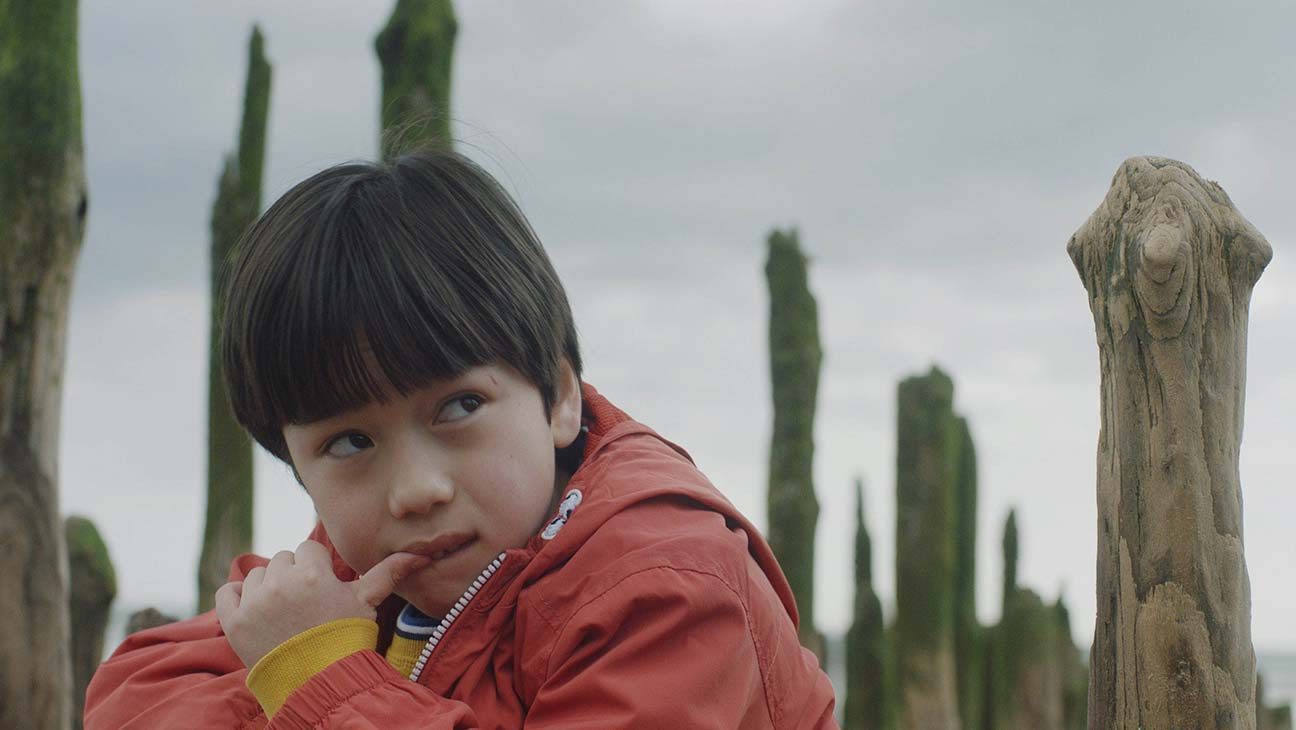
That's the reality for nonspeaking autistic people, whose struggle is seen in director Jerry Rothwell's intimate documentary The Reason I Jump. Based on the best-selling book written by 13-year-old autistic teen Naoki Higashida, The Reason I Jump profiles incredible young adults from around the world who prove that they are so much more than just a label.
For too long, being "different" has been seen as a problem in our society. Through interviews with five autistic people and their families, they show how beautiful it is to feel so much. Trying to exist in an overstimulated world can be extremely overwhelming at times, which is why many in the documentary have turned to the arts (or jumping on a trampoline) to express themselves. Innate attention to detail adds a unique depth to their understanding of natural sounds and art and the results are humbling and joyous.
Of course, this beautiful view of the world is not without daily hardships. Many in the film express how uncomfortable it is to feel like a prisoner trapped in your own body, a feeling that I can't even begin to comprehend. For some, their concept of time is scrambled. One young boy's parent describes his memory as a pool instead of being chronological or in a linear fashion. For example, running through sprinklers as a toddler feels just as familiar and recent as celebrating a 16th birthday.
Winner of the World Cinema Documentary audience award at the 2020 Sundance Film Festival, The Reason I Jump is a modest yet inspiring watch, offering a new perspective in our continuous quest for total inclusivity.
Distributed by Kino Lorber. Opening at Laemmle Virtual Cinema on Friday, January 8, 2021.
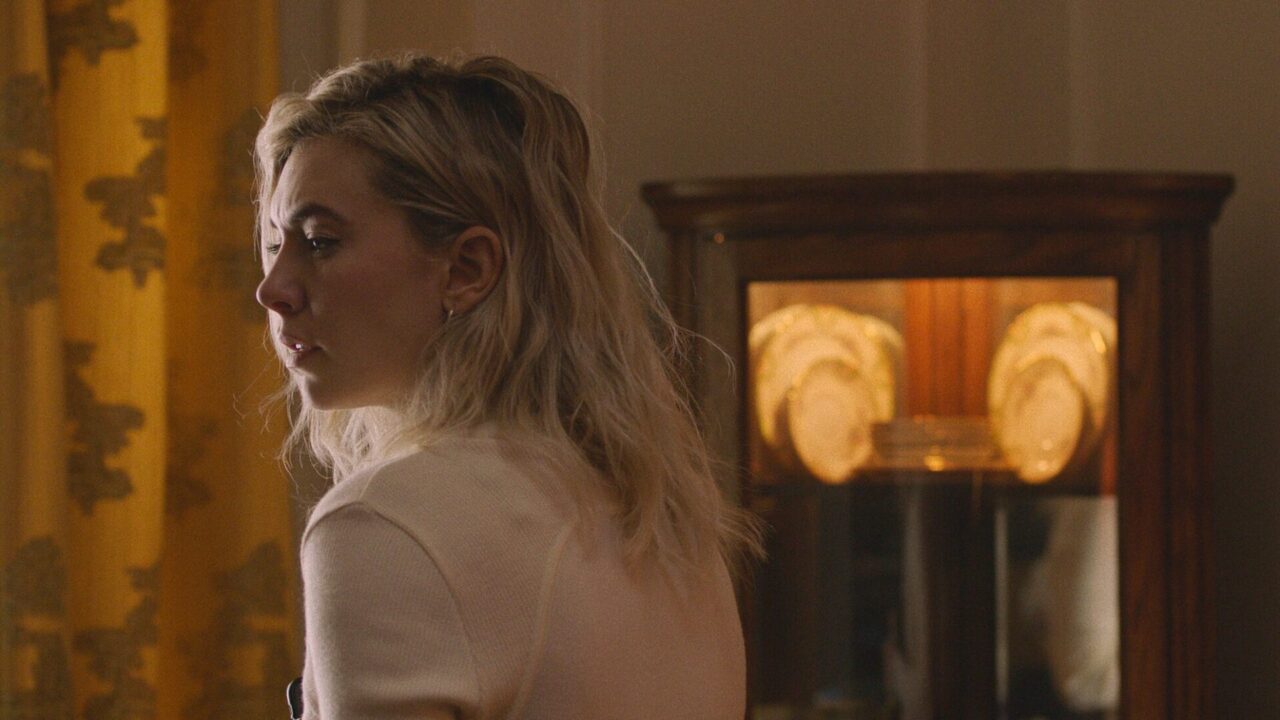
'Pieces of a Woman' Review: An Aching Portrayal of Grief
Between the emotional rollercoaster of that nearly 30-minute one take and Vanessa Kirby's sensational performance, Pieces of a Woman is mesmerizing cinema through and through. Award-winning Hungarian director Kornél Mundruczó, who last shook me to my core with the politically charged dog-based drama White God, presents a skillfully-crafted observation of a woman regaining control of her life after a traumatic loss.
Before diving in, I feel the need to note that this film and its portrayal of infant death could be triggering.
The film takes place in Boston, mid-September. Young couple Martha (Vanessa Kirby) and Sean (Shia LaBeouf) anticipate their daughter's arrival; looking at minivans, decorating the nursery, and preparing for the home birth are just some of the tasks left to accomplish before welcoming their baby girl. They could never have imagined that the future they so joyously mapped out was charting drastically off course.
Despite frantic attempts to resuscitate the fastly-declining newborn, the couple's midwife Eva (Molly Parker) is unable to save the baby in what can only be described as a fluke. It's an unexpected shock for everyone, most of all for Martha, who expresses her heartache, anger, and apathy in various ways. This stillbirth has not only stolen her future, but it also stalls her relationship with Sean and presents personal challenges she must face head-on to move on.
As humans, we try to find (or create) answers to problems to justify why bad things happen to good people. It's easier to comprehend bad news if we feel like there is a reason for it; we flounder in uncertainty. This psychological dilemma is seen when blame is immediately placed on Eva, despite the very plausible possibility of the baby's death being of natural causes. Instead of picking out car seats, Martha is picking out headstones, a reality that her mother Elizabeth (Ellen Burstyn) will not accept. One scene-stealing monologue, where Elizabeth chokes back tears of anger and remorse, is the definition of heartbreaking. Although she comes from a place of love, her overbearingness only frustrates Martha more. Elizabeth wants to take Martha's pain away but doesn't realize that her overprotectiveness is only making the pain worse.
The 24-minute, uninterrupted home birth scene... This one-shot is impeccable, the choreography is both fluid and chaotic, and I found myself holding my breath in anticipation of what was to come.
Written by Kata Wéber and executive produced by Martin Scorsese, Mundruczó's Pieces of a Woman is a performance-driven tour de force. The film consists of small details that create a tsunami of emotional catharsis. The result is a raw glimpse at the physical and psychological after-effects of a loss that is rarely portrayed onscreen. Martha is a layered character who isn't always likable as she goes through her grieving process. She becomes emotionally reckless, detached, and selfish, but we never feel compelled to villanize her. Here, Mundruczó shows there is no right way to grieve, and Vanessa Kirby's embodiment of a shattered woman trying to put the pieces together is powerful.
Now, the scene you've probably heard about: The 24-minute, uninterrupted home birth scene. This one-shot is impeccable, the choreography is both fluid and chaotic, and I found myself holding my breath in anticipation of what was to come. Kirby and Parker's dynamic in this scene is the epitome of feminine strength and is by far the most unforgettable scene in the whole film. Personal controversy aside, Shia LaBeouf gives an expectedly herculean performance as Sean. However, it's difficult to separate the art from the artist, especially when he gets sexually aggressive, physically abusive, and verbally degrading towards Martha.
In addition to the top-billed cast, appearances by Benny Safdie, Sarah Snook, and Jimmie Fails are fun surprises. Complementing the onscreen visuals is Howard Shore's score, whose composition of light piano strokes and harmonic vocals play like a baby's lullaby.
Kornél Mundruczó once again doesn't shy away from the reality of human existence. It can be gritty and hard and unfair, but life will only beat you down if you let it. Pieces of a Woman shows that resilience is the only way forward, and there is light just on the other side of the darkness.
Distributed by Netflix, Pieces of a Woman is available to stream on Thursday, January 7, 2021.