
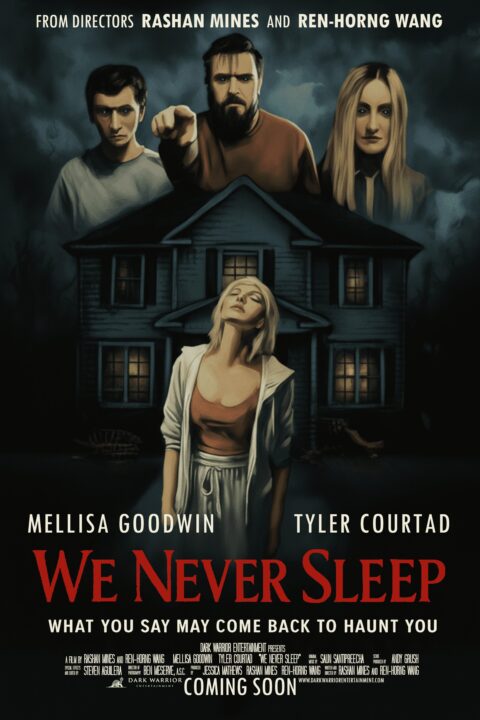
Runtime13mGenreShort, Horror, ThrillerDirected byRashan Mines, Ren-Horng WangWritten byRashan Mines, Ren-Horng WangStarringMellisa Goodwin, Tyler CourtadRelease DateCurrently playing in the film festival circuit
‘We Never Sleep’ Review: The Horrors of Living in the Digital Age
The indie short 'We Never Sleep' is a darkly dystopian tale about the horrors of living in the digital age.
There is a growing shift from the comfort of using social media as a trusted tool to connect with friends and share personal life updates. Nowadays, it’s not uncommon that this information is used to weaponize someone’s faults and deepest insecurities virtually. The devastating effects of this type of digital assassination are explored through a sinister lens in the short film We Never Sleep by filmmakers Rashan Mines and Ren-Horng Wang. Acknowledging the current surveillance state of social media, We Never Sleep is a darkly dystopian tale about the horrors of living in the digital age.
On Watching and Being Watched
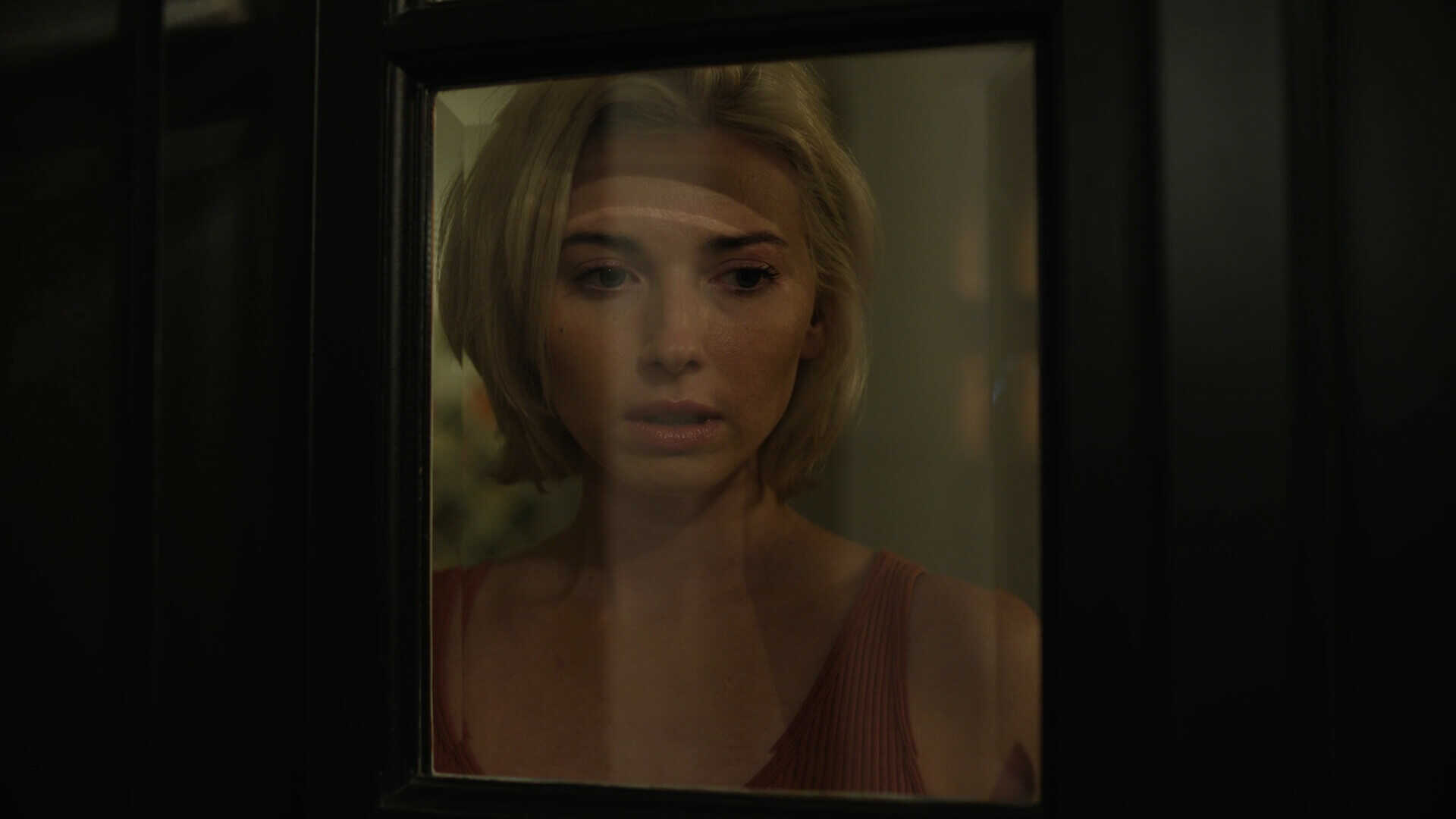
The film opens with Mikaela (Mellisa Goodwin) and her partner, Austin (Tyler Courtad), chatting about the future of AI. Standing around their kitchen counter, their casual conversation quickly turns intense. Mikaela asks Austin if he’s familiar with the “Mob,” a rogue AI that she claims kills people in their sleep. Laughing it off as an outlandish joke, Austin doesn’t give her question much thought. However, he can’t help but wonder if there may be a hint of truth to it. Later that evening, weird disturbances catch Mikaela off guard. She starts getting recurring calls from an “Unknown” number, and all of her smart devices begin playing mind games with her. It isn’t until she sees Austin that she realizes that the mob is closer than she thinks. In other words, the call is coming from inside the house.
The post-credit scene explains the events leading up to Mikaela and Austin’s dire situation. One week prior, the couple attended a cocktail party where Austin told a harmless, yet inappropriate, joke to one of the guests. They all laughed at the twisted nature of the punchline, but others who overheard were less than pleased. Their faces clearly reflected disgust, resulting in the need for Austin to over-explain his reasoning for finding the joke funny. This moment, it turns out, was the beginning of the end for the unsuspecting couple.
Personifying Cancel Culture
Filmmakers Rashan Mines and Ren-Horng Wang personify the echo chamber of online communities in this bite-sized horror short. The monster, in this case, is something we all encounter in today’s world. In We Never Sleep, the paranoia of being on the receiving end of online backlash is given a name: the mob. Utilizing a familiar horror soundscape and suspenseful editing, We Never Sleep conjures up a real sense of terror. The performances by Mellisa Goodwin and Tyler Courtad intentionally blur the line between kitchy and dramatic. They excel at keeping audiences on the edge of their seats.
Director’s Statement
“At its core, this film explores accountability, empathy, and the humanity we risk losing when we can no longer disagree, forgive, or believe people can change. How can we create a society that encourages responsibility while allowing room for growth? How do we engage with one another without losing nuance? Our monster is not just a source of fear; it reflects digital anxiety infiltrating our bedrooms, our friendships, and our sense of self.”
Takeaway
Like an episode of Black Mirror, We Never Sleep shows the repercussions of living a life online. While the film aims to make a statement about this ongoing threat, it also hints at how taking accountability can stop issues before they even begin. We Never Sleep will have its World Premiere at the 2026 Cleveland International Film Festival.

