
'The Shape of Water' Review: Let Yourself Be Swept Away in Del Toro's Fantasy Romance
Imagine the timeless love story Beauty and the Beast set in 1960s Cold War America, and the beast is an amphibian-man desired by the U.S. and Russia for weapon-utilizing purposes.
Here you have director Guillermo Del Toro's latest film; the lovely, The Shape of Water, or the basic outline, at least. The special ingredient in this affectingly heart-filled film is its achingly dutiful ode to classic romantic movies of the past. The Shape of Water feels like the ever-magisterial Del Toro was swept up in the same intoxicating aroma that spellbound director Damien Chazelle with his Hollywood backlot-homage, La La Land. Del Toro, of Mexican heritage, is also fully channeling not just the American Studio romance movie but waves of French cinema as well, fully-embracing the cinema of old to tell this story of new. This holiday season, let the feel-good, achingly beautiful The Shape of Water color your heart anew – even if that color is a sea-foam green much like our fin-filled friend.
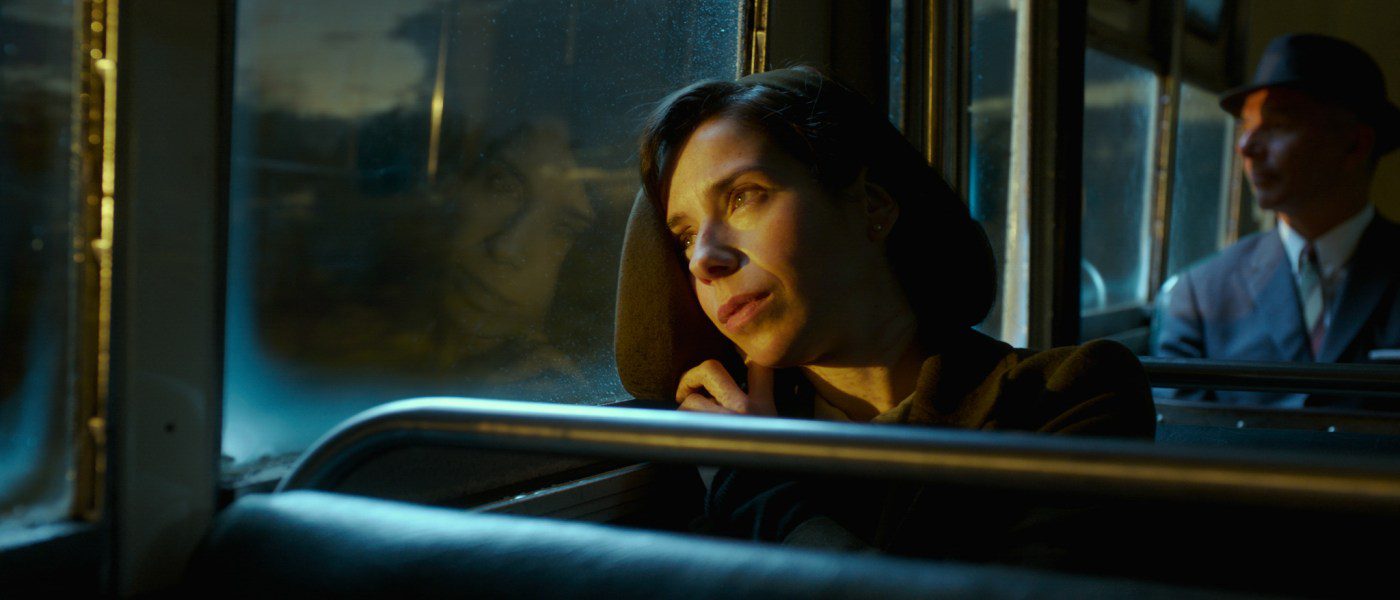
Audiences should know (and not mind) that in the classical tradition, this period piece does away with an intricate storyline for a more classic, familiar one. And why should it be anything but a simple tale of two star-crossed lovers? Anything more would weigh down this otherwise beautifully buoyant film, whose best quality is its lightness which keeps the fireplace warm. This tone and spirit stem directly from the performance of Sally Hawkins who plays Elisa, a mute (not deaf) janitor who works at an underground facility in 1960s Baltimore. Meek in demeanor as she works alongside her co-worker, Zelda (Octavia Spencer), she's clearly gotten comfortable with her unnoticed lifestyle. She silently and deftly soft-shoes through the halls to the film's beautifully cinematic score (Del Toro has said that The Shape of Water was first designed to Jon Brion's score for Punch-Drunk Love, his favorite Paul Thomas Anderson film, if that clues you in on what Del Toro is trying to do here.)
The film is about two creatures who won't let anything or anybody stand in their way. And in this day and age, that's something that should be applauded.
Living her routine lifestyle, which includes waking up in her one-bedroom apartment, enjoying herself in the tub, and clocking in for work, suddenly become upended when Elisa actually meets "the asset" – the Amphibian Man resembling the creature from the Black Lagoon. A timid courting begins between both silent creatures. She teaches him to sign simple phrases to communicate while the Amphibian is chained in his iron-cast tank while also enjoying late-night lunches of hard-boiled eggs and jazz records.
But as we all know, the kindred-spirits-finding-companionship story needs its villain, which Michael Shannon deliciously delivers as Strickland, a hell-bent overseer of the facility and self-appointed torturer of the asset. The film plays to its expected path – Elisa sets in motion a plan to break the creature free with help from her also sheepish illustrator neighbor (played by a wonderful Richard Jenkins – seriously, this whole cast rocks!). Conventional and comforting, but also adventurous and erotic (sensual scenes between Elisa and the Amphibian man are not shied away from), The Shape of Water is everything we wish the film would be.
Del Toro has shown with his previous work that he can create some of the best fantasy-creature movies ever made, like the aforementioned modern-day masterpiece Pan's Labyrinth which showed his dark extraction of children's fantasy, as well as comic book shoot-em-ups like Hellboy. But where those films were considerably more action-filled, The Shape of Water is decidedly affection-filled and sure to imprint a soft smile on doting audience's faces. Do yourself a favor this holiday season, and let yourself get swept away in the lyrical and loving The Shape of Water with a loved one in theaters. For a film about two creatures who won't let anything – politics, danger, or the fact that they're two different species – stand in their way, in these otherwise cynical times that's something that audiences should let themselves snuggle up to.
119 min. 'The Shape of Water' is rated R for sexual content, graphic nudity, violence, and language. Opening this Friday at the Landmark and ArcLight Hollywood.
https://www.youtube.com/watch?v=368_ovPsJk8

'Jim & Andy: The Great Beyond': Jim Carrey Conjures Kaufman
Jim Carrey has played a lot of out-of-this-world characters in his lifetime, but devoted audiences are likely unaware of the one role that Carrey committed so deeply to playing that he remained in character for the entirety of the film’s shoot (even when the cameras stopped rolling). Such a thing would be nearly impossible to imagine. Right?
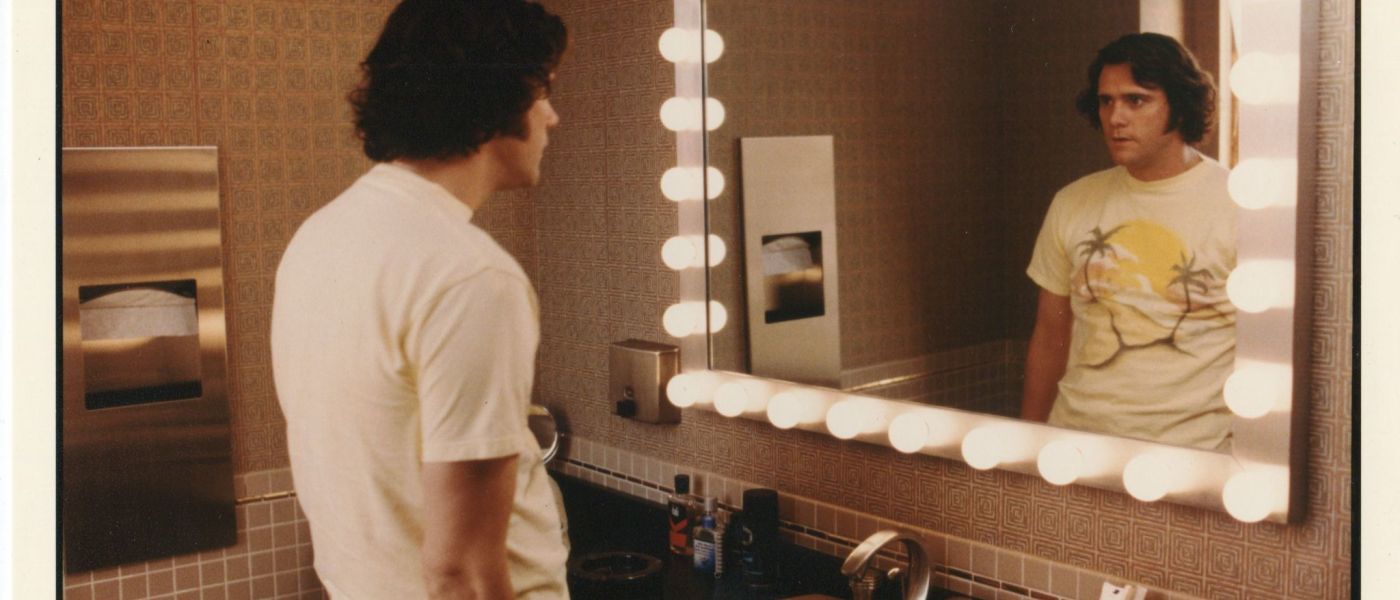
Audiences will now be able to witness this feat in the new documentary, Jim & Andy: The Great Beyond - Featuring a Very Special, Contractually Obligated Mention of Tony Clifton. Jim & Andy captures the period of time after the newly minted A-list movie star wrapped three iconic movies that would define his career: Ace Ventura: Pet Detective, The Mask, and Dumb and Dumber. Carrey followed those hits by transforming (with Herculean might) into Andy Kaufman in the 1999 biopic, Man on The Moon.
The film reveals that Carrey simply let Andy "take over" to make Man on the Moon and that he was merely "the vessel" channeling the spirit of Andy Kaufman. It's amazing to see the accompanying footage of Carrey uncut, as he upends the production at every turn as the antic-prone Kaufman, torturing the crew to our gleeful delight. It's more than a treat to see every shade of Kaufman that Carrey conjures up: there's bashful and trepidatious Andy, meek and bumbling as Latka the Foreign Man ("Thank you very much"), there's tantrum-throwing Andy who bemoans Man on the Moon director Milos Forman as well as Studio execs to their faces, there's rabble-rouser Andy who tortures Kaufman's former faux-foe, wrestler Jerry Lawler, incessantly (which Lawler takes in stride, until he doesn't), and of course, his most taxing persona, the repugnant lounge-act and drunkard Tony Clifton, who stirs the most agitation of all – much to the audiences delight and Kaufman's giddy.
Accompanying the on-set footage is a long-form interview with present-day Carrey. Wearing a leather jacket and Burning Man beard, he recounts this chapter of his past with enough distance to provide worthy insight. The juxtaposition of seeing the Carrey of now recount the antics of the Carrey of then proves an interesting mind shift. The new Carrey is seemingly content with his place in the universe and attempts to rationalize the weight of human depression and ego. This makes for a profound meditation on celebrity and ego perception, a fitting study for this internet age.
Ultimately, 'Jim & Andy' is a reflection of a time spent in a sandbox, safely; but now the toddler is wise enough to realize that there's no stopping the sand from slipping through the hourglass, and finally trying to come to peace with that.
The events leading up to Carrey's inevitable stardom left him so spiritually unfulfilled that battles with depression soon followed. So it comes as no surprise that the lure of playing Kaufman (who deconstructed and dismantled the idea of comedy itself) provided solace and the opportunity to exercise all of the things Carrey was conflicted about, fame and performance, within a performance itself. This escape play-therapy vanishing act doesn't appear to be stroking his own ego as much as it shelters it, hiding it away entirely.
Perhaps just as amazing is the accompanying behind-the-scenes footage and that so much of it exists. We learn that Universal (the film's studio company) commissioned the footage to be shot for press kit use but ended up shelving it after they thought that people seeing Carrey wreak havoc on set would make him look like "an asshole." Ultimately, the footage was found in Carrey's private Los Angeles office by filmmaker Spike Jonze (a producer on the film) who recognized that there was a movie to be made in this mad peek behind the curtain.
Much like the actor, the role the actor played, and the means the actor took to play the role, Jim & Andy: The Great Beyond is either an indulgent, self-satisfying work, or it gets exactly at the heart of how we construct our identities and who we believe we are. It's profound to see any one person disappear into a character and questions our beliefs of where performance ends and where truth exists. Maybe this documentary is nothing more than the self-inflicted tortures laid upon by a comedian, already an oddly-wired species of people whose displays of entertainment are fueled by their insecurities. Nonetheless, Jim & Andy is part satiating behind-the-scenes movie, part psychological study of the ego, and an endlessly fascinating watch. Ultimately, Jim & Andy is a reflection of a time spent in a sandbox, safely; but now the toddler is wise enough to realize that there's no stopping the sand from slipping through the hourglass, and finally trying to come to peace with that.
'Jim & Andy: The Great Beyond - Featuring a Very Special, Contractually Obligated Mention of Tony Clifton' is not rated. 94 minutes. Now streaming on Netflix.
https://www.youtube.com/watch?v=kB15UFO5ebA
'Titicut Follies' Review: Harrowing Doc Depicting Institutional Failings Remains Relevant
Fifty years ago, one documentary exposed the systemic shortcomings within an institution and not only led to the correcting of its internal failings, but became one of the most important films ever made by doing so.
Today, the act of exposing institutional failings remains an act as relevant as ever before, given the events of widespread sexual misconduct within the entertainment industry. In Titicut Follies, celebrated documentary director Frederick Wisemen's film debut, Wiseman explores the shortcomings of Bridgewater State Hospital, a correctional facility for the criminally insane in which abuse and neglect for the inmates' health and well-being was captured to shocking effect. In fact, the film was met with so much shock upon its release that it was banned to the general public for twenty-three years and made available only to the medical community for educational purposes. Today, Titicut Follies can be viewed in the public sphere and was most recently programmed at this year's AFI Film Festival upon its anniversary.
In this day and age where we're all so aware of our own digital footprints and the presences we leave behind, it's an odd thing to see the officers in charge appearing so unaware of how compromising their actions are and how they will be read on camera. The techniques and behaviors used throughout the film range from questionable to outright mortifying, including the incessant verbal abuse inflicted towards the inmates as well as the altogether bypassing of hygienic or safety protocol in numerous instances. Witnessing these moments as a collective audience makes it clear that the facility not only keeps people trapped in their madness but actively added to the decline of their mental health, a point that one inmate rationalizes out loud to a review board before he is simply prescribed an increased dose of tranquilizers as treatment.
While it's uncomfortable to watch, 'Titicut Follies' is not only one of the most controversial documentaries of all time, but an extremely important film and essential piece of history for how it ultimately influenced social justice movements in the legislation it created.
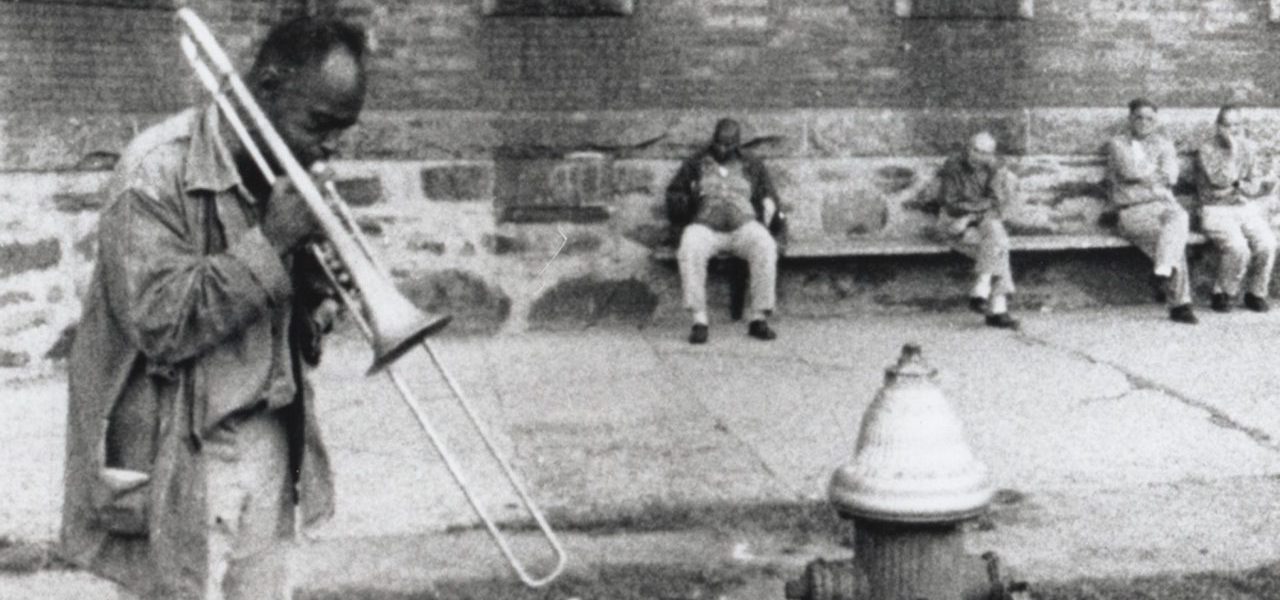
Shot on black and white film-stock, Titicut Follies is fully engrossing, much of that being in the way of how Wiseman captures the inmates on camera in both of-the-moment field recordings and in interviews. Zooming in tight on their faces – vacant, toothless, glassy-eyed, and altogether lost in thought – Wiseman successfully challenges the audience to see them as more than just criminals and as humans desperately in need of legitimate professional treatment. This makes for compelling viewing that shows the underlying tragedy to it all.
While it's uncomfortable to watch, Titicut Follies is not only one of the most controversial documentaries of all time, but an extremely important film and essential piece of history for how it ultimately influenced social justice movements in the legislation it created. Perhaps its greatest achievement is how it demands that we acknowledge the issues that may have previously been overlooked and unknown before, leading to the greatest universal lesson that it ultimately evokes: empathy for those that suffer from institutional malpractice and for those who are still victims of it behind closed doors.
'Titicut Follies' is not rated. 84 minutes. Available to purchase here.
https://www.youtube.com/watch?v=FlKUYY9MYQM&t=10s
'Sweet Virginia' Review: Powerful Performances Ground this Pulpy Thriller
Sweet Virginia isn't so much sweet as it is deadly serious as the film's two lead actors – a gritty Christopher Abbott and Jon Bernthal – fully tap into. Which is what makes the whole thing so damn fun.
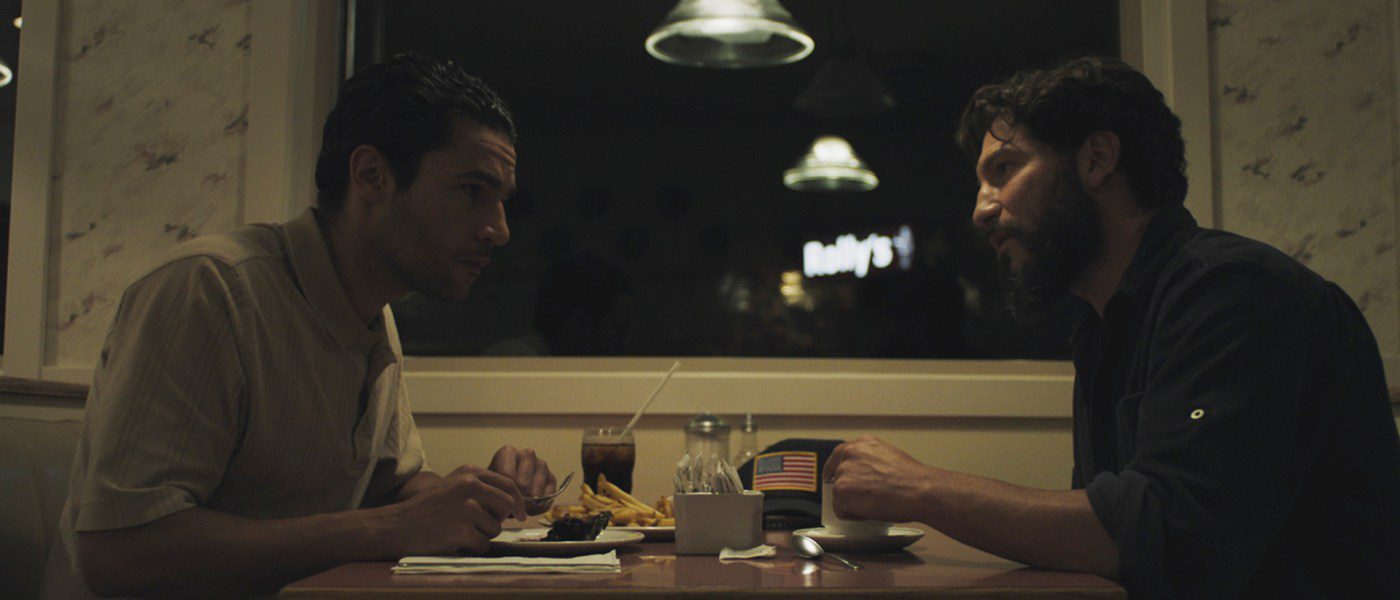
These macho men get to play two troubled dudes whose lives intertwine when a murder leaves a messy trail behind. Bernthal stars as Sam, a former rodeo champion who controls his shaking hand and normal life while dating Bernadette (Rosemarie Dewitt) and managing a motel. His life changes when he rents a room to Elwood (Abbott), a young man whose violent introduction in the film's opening scene leaves us wondering what sort of danger he won't put himself in. The film is a moody piece of pulp thriller action and fun to squirm in your seat through. Audiences seeking out this dark and gritty filmmaking will likely get their fix of tense action.
It's a subdued slugfest between Bernthal, who will soon come to be best recognized in his starring role as the Marvel Comics vigilante in Netflix's "The Punisher" and Abbott, best known as the actor who walked away from the hit HBO series "Girls" to pursue more dramatic art-fare like James White, which showed his Brando-reaching ambitions. When these two share the screen, which is the film's biggest draw and likely the best part, it feels both intense, like panthers circling each other waiting for the other's guard to slip so they can attack, and also a bit wooden, as if their performances keep bumping into each others'. What might better distinguish their relationship is if Bernthal as Sam played up his former stuntman struggling to live a normal life to counter Abbot's Elwood, who could have also turned the dial up a bit to play a more unpredictable live-wire character.
Come for the pulpy thriller that you know you're going to get, stay for the unexpected pairing of powerhouse performances.
Written by Benjamin and Paul China, the film is tight but there's not a lot inherently happening that makes it deep besides these actors tussling it up a bit. The last bit of life force not drained by Abbott and Bernthal goes to the combined efforts of Rosemarie Dewitt and Imogen Poots, who both shine in these dark worlds. You won't see them holster any guns or command any scenes, as their passive characters both defer to Sam and Elwood respectively.
In only his second feature film, Jamie M. Dagg gets the tone down right – it feels so dense and full of tension with what little he's really doing here. Dagg proves he knows how to utilize production restraints to what is an essential element of the genre with, more often than not, a micro-budget. This includes a nondescript location in the middle of nowhere, a handful of characters (seriously, where is everyone else in this town?), and a whole lot of silence. But these elements are handled so well that it makes watching from start to finish a fine time. In Sweet Virginia, come for the pulpy thriller that you know you're going to get, but stay for the unexpected pairing of powerhouse performances.
93 min. 'Sweet Virginia' is rated R for violence, some strong sexuality, language, and drug use. In theaters today.
https://www.youtube.com/watch?v=Jz3E_CCaAXo

Greta Gerwig's 'Lady Bird' Will Easily Win Your Heart
There's a word that describes the infectiously lovable Lady Bird, and it's one that best characterizes the film's writer and director as well: original. Delightfully, achingly original.
Having won over art-house audiences after starring as Noah Baumbach's flighty blonde muse in films Frances Ha and Mistress America, indie darling Greta Gerwig asserts herself as an equally gifted storyteller with her loose but confident directorial debut, Lady Bird. Gerwig manages to do more than just tell the story of a spunky and spirited high school youth entering young adulthood in small-town Sacramento. She also validates the "Dilemma of the Young Person" as more than just a teenage angst-filled journey, but a constant striving for identity and the self-inflicted struggle of one's calling to be original, or, to be "an original."
I'll just go ahead and say it now – Lady Bird is one of the most spirited and enjoyable films of the year, and you would be doing yourself a favor to see it at your soonest opportunity.
Lady Bird is a laugh a minute – sometimes even quicker – as we follow our punky protagonist, high school senior Christine McPherson (Saoirse Ronan). Her restless nature colors the whims of her world as much as her dyed red-streaked hair colors her quirky appearance (the film takes place in 2002, so the look and fashions are one step delayed). The film weaves through all of the moments of Lady Bird's life – auditioning for the school musical, the butterflies of a budding relationship and becoming intimate with a boy (Lucas Hedges), and applying to liberal arts schools on the east coast. The latter is an essential escape Lady Bird feels she needs to break out of her confining and lifeless environment. All this is experienced with her best friend (Beanie Feldstein) and under the critical eye of her mother (Laurie Metcalf) who, when not criticizing each of her quirks, reminds her of the family's financial constraints and its effect on her dreams.
If directorial debuts are the best revelation of the true spirit of the filmmaker, then it should come as no surprise that Greta Gerwig's first feature film soars.
Saoirse Ronan, who swaps her native Irish accent for a NorCal attitude, is ferociously fun as Lady Bird, a sort of female equivalent of Max Fischer from Rushmore. They don't set out to necessarily upset the establishment, but do so out of necessity to their natures. Like Fischer, precociously punky and unapologetically flawed, Lady Bird's shortcomings stem from trouble with friends and family and her unwillingness to blend into the background.
Lady Bird is infectiously funny and so pure-spirited that it will leave you emotionally complete. The laughs ring true, and so do the heartache and despondency. If directorial debuts are the best revelation of the true spirit of the filmmaker, then it should come as no surprise that Greta Gerwig's first feature film soars.
'Lady Bird' is rated R for language, sexual content, brief graphic nudity and teen partying. 93 minutes. Now playing at AMC Century City, The Landmark, and ArcLight Theaters.
https://www.youtube.com/watch?v=cNi_HC839Wo
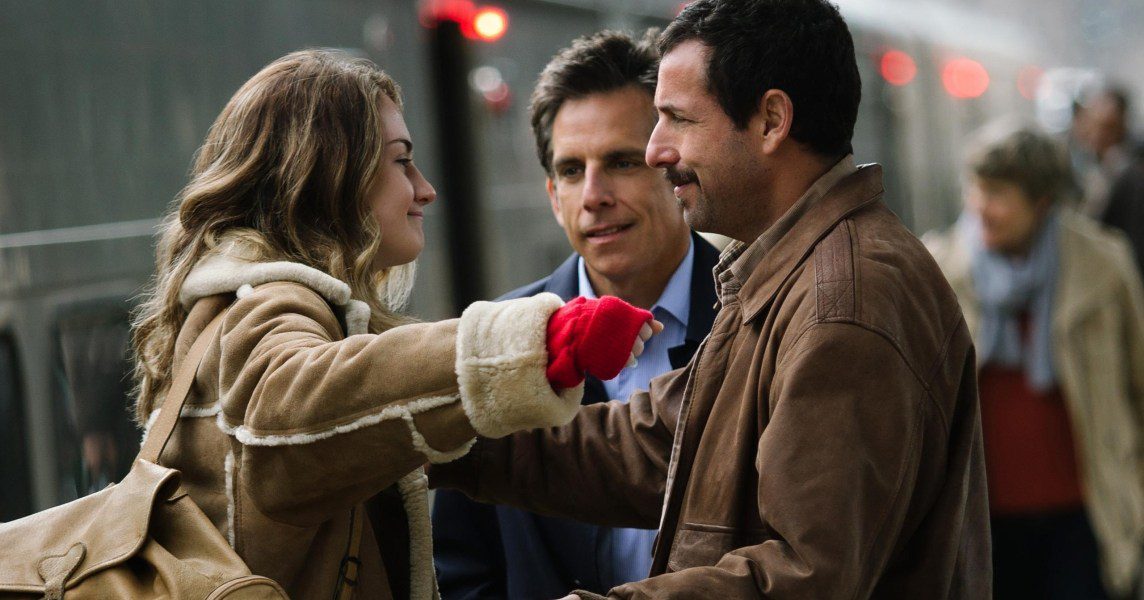
'The Meyerowitz Stories (New and Selected)' Review: Adam Sandler Shines in Baumbach's Latest
Noah Baumbach has lept from the artsy French New Wave Frances Ha to the comedy Mistress America to a fully indulgent comedy/drama in The Meyerowitz Stories (New and Selected).
In the typical Baumbach movie, it's clear that he admires the liberal arts socialite life as much as he likes to poke at with its nose in the air. The Meyerowitz Stories (New and Selected) is a familial drama centered around three adult children and their father who come together in New York for an event that celebrates his artistic work.
Dustin Hoffman is fantastic as Harold Meyerowitz, the stubborn bygone man of self-given importance who would never let the rest of the world see him as struggling. Ben Stiller, returning to another Baumbach production after last seeing him as anxiety-laden Roger Greenberg in Greenberg, plays Matthew, Harold's thriving businessman son who isn't bogged down by his father's troubles. Elizabeth Marvel plays Jean, the mousey and reserved yet artistically inclined sister.
Taking the lead amongst the players is Adam Sandler as Danny, who is always a delight to see in a more seriously-taken role. His failed marriage aside, he also struggles with a chronically worsening condition that he ignores. Sandler's character construction is one of an unfulfilled middle-ager, un-pretension, and on the verge of rage.
...Baumbach commits to the joke that the more intelligent the family, the more they wrap themselves up in their own minutia and make even greater dysfunction.
The Meyerowitz Stories is chaptered with shared scenes showing the personal relationships of each son and father. It feels like the kind of movie that would take place if the kids from The Squid and the Whale grew up and sprouted their own dysfunctional families, and could also be a cousin to Wes Anderson's The Royal Tenenbaums (which perhaps Baumbach has made his version of children grown under the roof of bohemian socialites who, now adult, struggle to connect with their parents and themselves). The dialogue feels stageplay screwball, like a Woody Allen film, with cyclical jokes drawing attention to the farce. Finally, player piano accompaniment from Randy Newman keeps the whole thing whimsical.
Baumbach's film is smart, funny, tender and affecting. If it doesn't tire you out that, again, Baumbach commits to the joke that the more intelligent the family, the more they wrap themselves up in their own minutia and make even greater dysfunction. The film should play cozy for those who will be watching from the comfort of their couches, which is now available to stream on Netflix.
The Meyerowitz Stories (New and Selected) is a film that's equally high and low art, which Baumbach seems to knead and bend in play-dough fashion, perhaps secretly grappling with a sense of art that imbues importance without being too self-important.
'The Meyerowitz Stories (New and Selected)' is rated TV-MA. 112 minutes. Now streaming on Netflix.

'The Florida Project': Treat Yourself To This Moving, Magical Testament To Childhood
In 2014, Boyhood stunned audiences by showing a boy growing up and coming of age over a 12-year span.
The film's depiction of childhood captured these universally familiar moments so simply, so beautifully. The naturalness of such well-chosen non-actors conjured up a sense of cinema verité magic in a way that most movies cannot. Another indie film that re-captures this sense of magic is this year's The Florida Project, in theaters this Friday. Writer/director Sean Baker, whose previous film Tangerine (which was shot on an iPhone), tells the story of childhood and the theme of limitless boundaries that either dance around reality or run straight into it.
Quite simply, The Florida Project is a story about kids being kids. Taking place at an extended stay motel where folks and families of all types live while they scrape together next month's rent, the kids scurry through the stairs and parking lot with a sense of boundless energy that leaps off the screen and into audiences' hearts. We follow one precocious six-year-old girl, Moonee (Brooklynn Prince), and friends over one mostly-unsupervised summer. They run, play, and cause mischief throughout a string of motels (called the Magic Castle motel and Wonderland Inn) where they live with their financially-strapped single mothers. Their general safety is overseen by the motel's manager Bobby (Willem Dafoe), who, despite needing to clean the grounds and the bed bugs, keeps an eye on the group of little ankle biters before they zoom off.
To execute a film like this, putting your trust in one largely unproven young star for the audience to follow, would seem like an impossible task – and yet it's not for Baker, whose casting of Brooklynn Prince makes the film soar. Prince as Moonee is a petite package of rambunctiousness and non-stop energy (which I can attest is her real-life self, seeing her run aimlessly while playing "Marco Polo" at an after party for the film). But although she's sugar-hopped and manners-deprived, it's not Moonee's fault. She is being raised by Halley (Bria Vinaite), a single mother who could easily pass as her older sister.
'The Florida Project,' a beautifully photographed film with such natural performance, is a gentle reminder that while wonderland might be a myth, it's the wonder of childhood that makes living magical.
Halley is pierced, tattooed, and stoned, and encourages her child's untethered ways– for who is she but a grown up child herself? Moonee is always brimming with life and charisma, which makes her interactions with Bobby heartwarming ones. This beautiful guardian from afar relationship is brought to life by Willem Dafoe, whose often manic-obsessed performance is dialed all the way down, and he shines in such a humanist light that it must be remembered come Awards season. Dafoe also navigates working with the non-actors beautifully, lending the soft and patient heart that sees him stand as paternal to young Moonee when things go south for her parent.
Director Sean Baker stages these otherwise ordinary moments to give the whole thing fantastic and cinematic flair. We get sucked into the point of view of these kids, where pinks and purples artfully illustrate a depressed artificiality, a run-down fantasy that can't help but draw attention to itself as the decaying American dream.
Baker, whose previous film Tangerine so eloquently captured and celebrated the fringe society that lives outside the middle-class, does so again here on an even grander scale. The Florida Project even more artfully compels audiences to recognize what Baker is showing as the most glaring hardship of all: the tragic conflict of expectation versus reality in this American life. These motels, so seedy under the weight of once-wonderful facade, live on the outskirts of Disney World itself – road signs, disheartened tourists, and knock-off merchandise further illustrate how they all live in this B-dream of a country.
These snapshots of scenes, stitched together to show the life of these characters day-in and day-out, all culminate and crash down in the film's tear-jerking final sequence that reminds us that the dream ends, and in the eyes of a child that is nothing short of heartbreaking. The Florida Project, a beautifully photographed film with such natural performances, is a gentle reminder that while wonderland might be a myth, it's the wonder of childhood that makes living magical.
115 minutes. 'The Florida Project' is rated R for language throughout, disturbing behavior, sexual references and some drug material.
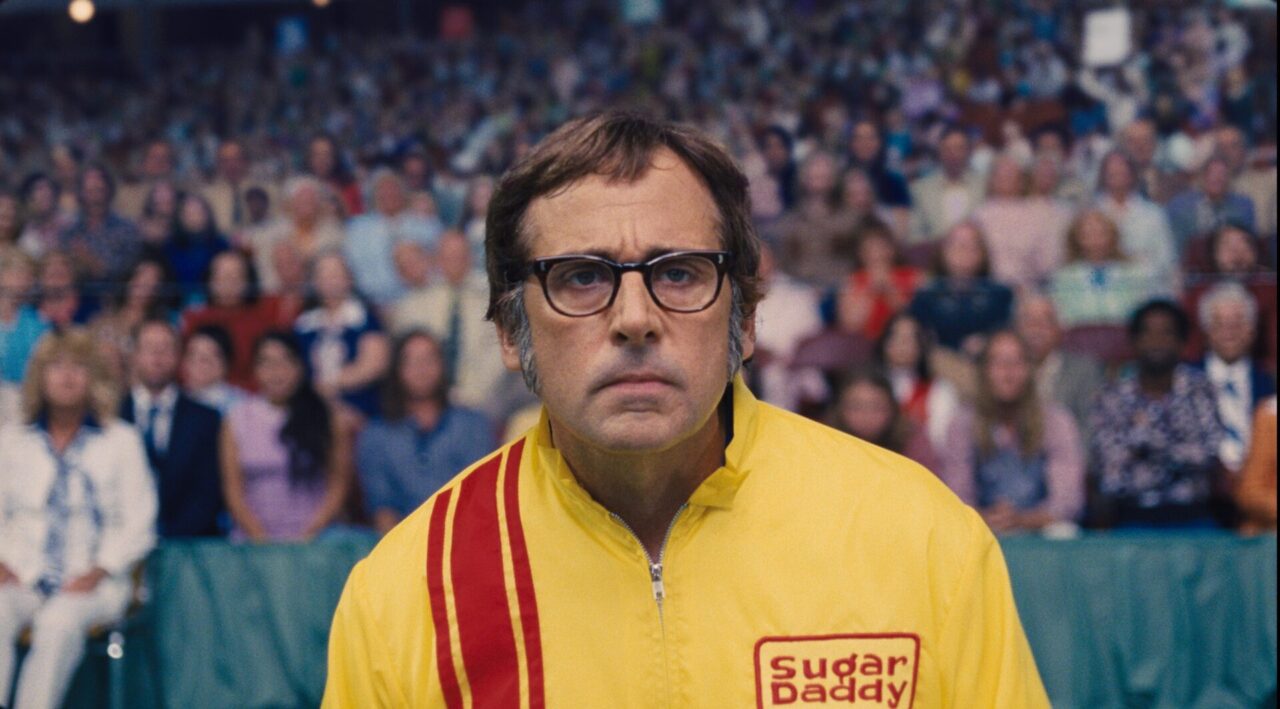
Steve Carell's feminist role model: his late mother, a psychiatric nurse
Former female tennis champion Billie Jean King is one of the most influential athletes to ever live.
Her story is the subject of the new film "Battle of the Sexes," starring Emma Stone as King and Steve Carell as Bobby Riggs, the man who challenged her to a gender-competing tennis match on nationally broadcast television. King's skillful ability to play the game, in addition to her being a female athlete, helped reshape social feminist conventions.
Attending a press conference for the film, I was lucky enough to ask select cast members and the filmmakers who their most influential female heroes and mentors were. Read their answers below before seeing "Battle of the Sexes" this Friday to see whose influences helped inspire not only their performances and artistry but their perspective and outlook on life.
Steve Carell (Bobby Riggs): His Mother
It was my mom [Harriet Carell]. I got asked a question yesterday, 'During this period of time, when you were eleven, did the [King vs Riggs] match affect you in terms of your ideas of feminism and chauvinism?' I said I wasn't really aware of it because of my mom and her relationship with my dad. There was such equity in their relationship. They were equal breadwinners and equal child raisers. She was a psychiatric nurse so definitely, my mom was the template of empowerment for me.

Elisabeth Shue (Priscilla Wheelan): Her Daughter, Billie Jean King
I have two. The first person who popped into my mind was my 11-year-old daughter, Agnes. She's so loving towards everyone and very open and very comfortable in her own skin. And to be honest, after going through this experience on this movie, Billie Jean King has become a really important role model for me because I don't like pressure. I get very anxious. Even just being here makes me have anxiety! But getting to know her and her openness and lovely generosity towards everybody, always wanting to build everybody up and not really worried about herself. I play tennis, and hopefully one day I'm going to be on a tennis court where there's going to be tense pressure and I'm going to be calm and relaxed.

Valerie Faris (Co-Director): Her Teacher
I had a teacher at UCLA, Shirley Clarke, who was an experimental documentary filmmaker, and she was a total inspiration. There are a lot of [mentors], but she was a good one.
Jonathan Dayton (Co-Director): His Mother
I would have to say, my mother. She was a school teacher, a brilliant person, and she was lucky to have a career but I know at a different time she could have done even more with her life. She was a great mother as well.

Sara Bareilles (Original Song): Billie Jean King, writing partner Jessie Nelson
I have a few as well. Billie Jean King [for one], especially after getting to meet her. That has been such a profound experience. Someone who's closer in my life is my writing partner Jessie Nelson, who I met writing a musical called "Waitress." She's really changed my perspective on what it means to be a woman in business and how to hold each other up and how to root for and enlighten each other along the way. She's been a great role model and kind of my hero these days.
Eric Christian Olsen (Lornie Kuhle): His Mom
That's easy. My mom. She's a non-denominational Chaplin which means you don't have a specific religion you use for healing. It's funny because my dad is a professor and he was always the smartest guy in the room until my mom walked into the room, and then she was the smartest person in the room. Watching this movie and as you do research, realizing what she grew up in, and how she turned out to be this incredibly articulate, powerful, loving, and empathetic creature just doubles down on how amazing and inspiring she is.

Nicholas Britell (Orchestrator): His First Piano Teacher
My first piano teacher inspired me a lot. I remember in my first music classes, she would just be playing the piano for the room and I thought that would be pretty cool to [learn how] to do.
Bill Pullman (Jack Kramer): An Artful Bohemian
I think of Gennie DeWeese, an artist from Montana. When I was young, in my twenties, I went to Montana to live there and do theatre for awhile before I got into the business. She was a true bohemian who really lived an artful life. Everything from how she perceived the day was a sort of mirror that I looked into and realized that there was quite a bit of fraud in my bohemian life. Partying, and what not. She really taught me a lot about what it is to be an artist.

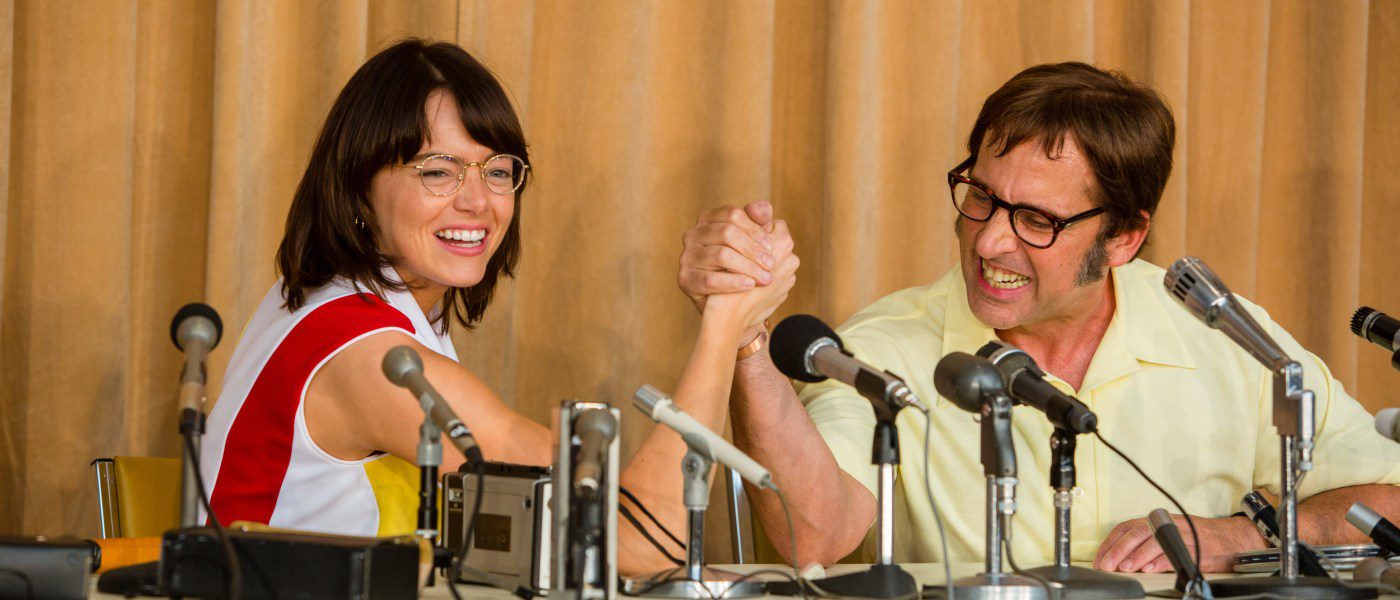
'Battle of the Sexes' Review: This Famous Tennis Match is a Timely Message on Misogyny
In 1973, 29-year-old Women's tennis champion Billie Jean King was publicly challenged to a match by former Men’s tennis champion and ego-centric chauvinist, 55-year-old Bobby Riggs.
What was on the line for this playful yet all-but patronizing match differed for each athlete. For the self-obsessed showman, Riggs looked to reaffirm not only his own greatness but the unequivocal superiority of male athletes over female athletes.
For King, however, the outcome of this match was anything but light-hearted– she was fighting on behalf of women everywhere to gain the respect from male counterparts not only in the sport of tennis but in daily life. The famous match, which was broadcast around the world by ABC and to this day remains one of the highest-watched sports events of all time, is the subject of Battle of the Sexes, directed by the filmmakers of Little Miss Sunshine and starring Emma Stone as the steely-focused King and Steve Carell as the piggish Riggs.
Not-so-side note: if this premise of a misogynistic media-ham belittling women in the public eye for his own gains sounds strangely familiar to the headlines that dominated the American news-cycle during last year's presidential election, you wouldn't be wrong. That makes this tennis drama as timely as it is a necessary a reflection of how far we've come and how far we still have to go in securing equal rights for all.
Battle of the Sexes uses the tennis match as a vehicle to tell a much larger story that centers around King and her struggle for acceptance and equality in the sport. Stone is more than ready and game to slip into King’s court shoes, exuding a strong inner confidence in the film’s opening. Here, King, the reigning champion of the official Women's league, is met with the flippant sexism of being told the Women's prize will be a smaller purse than the Men’s from league President Jack Kramer (Bill Pullman). Not thinking twice, she drops out to form her own tournament, with hurt but unshaken confidence carrying her onward. The film goes deeper into King’s backstory when it’s revealed that she is doing this as a closeted yet married woman at a time when LGBTQ rights were significantly less than they are today.
Like a tennis player who knows when to soften a backhand lob or directly nail a line hit, Emma Stone as Billie Jean King is exacts her emotions with precision, pitting between moments of triumph and defeats in self-acceptance.
Coming off of last year’s Best Actress Oscar win for La La Land, Emma Stone as Billie Jean King is effortlessly good, covering all spots on the emotional court that this character demands. She plays the stone-faced and determined competitor as much as the insecure reluctant hero and everything in between. Like a tennis player who knows when to soften a backhand lob or directly nail a line hit, Emma Stone as Billie Jean King is exacts her emotions with precision, pitting between moments of triumph and defeats in self-acceptance.
Battle of the Sexes alternates with Riggs’ B-story, as he comes to terms with being once a winner but now a debilitated gambler with trust issues. The filmmakers develop Riggs into a man suffering from his own insecurities and Steve Carell’s trademark “lovable-in-spite-of-himself” character work makes Riggs not your stereotypical “villain.”
The performances and story arc make Battle of the Sexes a universally appealing film but it’s the lush and beautiful cinematography, compositions, and mood-building that directors Valerie Faris and Jonathan Dayton have created that make this an aesthetically strong and greatly packaged one. But what else would you expect from the filmmakers of Little Miss Sunshine who won audiences over in that Sundance classic? The message behind Sexes, like Sunshine, strives to strip away facade and inaccuracy in order to expose the human condition and a love of people for who they really are.
https://www.youtube.com/watch?v=o5ykcuAS1F4
"Battle of the Sexes" is rated PG-13 for some sexual content and partial nudity. 121 minutes. In select theaters Friday.
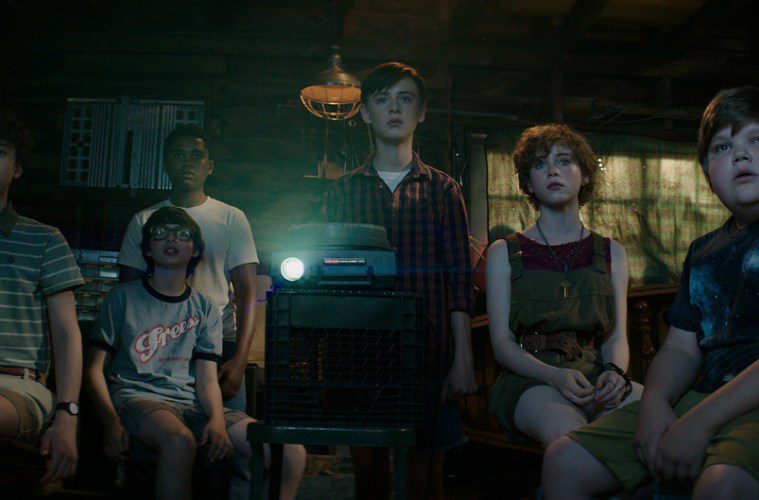
'It' Review: Borrowing Nostalgia to Induce Nightmares
In theaters now is the horror movie It, adapted from the 1,138 page Stephen King novel of the same name.
The story of a small town tormented by a demon in the form of a killer clown has already broken box office records, scaring up an estimated $117.1 million. This has made It not only the largest opening for a horror movie ever, but the largest opening for any film debuting in the month of September.
It opens on a foreboding rainy night, where older brother Bill (Jaeden Lieberher) dispatches out to young Georgie (Jackson Robert Scott) via walkie-talkie as the two track a sailing paper boat floating down their neighborhood's street gutter, which then falls down a storm drain to a pair of unblinking eyes and curious voice alluring Georgie inside. This is the presence of the unsettling Pennywise the clown (Bill Skarsgård), whose blood-red lipstick runs up the corners of his mouth and under his eyes. Pennywise befriends Georgie and then suddenly, the two disappear. A year later, Bill is still preoccupied with finding his younger brother who he can't admit is gone for good. When it's realized by Bill and his friends that other kids in town also went missing that year – along with other freaky occurrences – the group decides to take matters into their own hands and hunt down the clown.
If kids going missing due to other-worldly evil brings to mind images of Netflix's streaming smash-success, Stranger Things, you wouldn't be wrong. I'd bet more than a few Pennywise pennies that this movie's filmmakers (directed by Andy Muschietti) didn't exactly shy away from tapping into the Emmy-nominated hit (and yes, the kid in the telescopic eyeglasses is the main kid who hides "Eleven" in his basement from Stranger Things). To say that It benefits from Stranger Things would be more generous to say then that it flat-out lifts the same pop-eighties look and feel of the show (which itself took inspiration from E.T. and The Goonies). This made me think I was just re-sold a bloodier version of the streaming series a few months before season two came out. However, Jaeden Lieberher as the stuttering Bill gives an unexpectedly fine performance, delivering not one false note in this otherwise campy kid-flick (Lieberhar stands out in the sci-fi drama Midnight Special as well). And as Pennywise the clown, Bill Skarsgård (the youngest Skarsgård brother) is able to craft an iconic character all his own, drooling out a balloonist voice that squeaks with cheer before filling with jokery dread that proves to be as scary as any clown we've seen on the big screen.
For a movie about kids' disappearances and a killer clown, this freak-out horror flick ultimately feels more like a kids movie with good heapings of gore and kid-hurled F-bombs than it does an actual adult scary movie...
For a movie about kids' disappearances and a killer clown, this freak-out horror flick ultimately feels more like a kids movie with good heapings of gore and kid-hurled F-bombs than it does an actual adult scary movie – which is an odd tone to achieve given its R-rating. There's a certain level of maturity missing here, but what would you expect since the film's point of view is from protagonists on the cusp of puberty? In fact, the movie probably attributes a large part of its R-rating to the young boys' expletive-laden buddy banter, which from start to finish provides a lighthearted and humorous counterbalance to the shocking blood-spurting scariness.
It should be said that this reviewer hasn't read the novel or seen the previous TV-movie, so I came into the movie unaware of Pennywise the clown or what made "It" so memorable that it turned up once more in pop culture. Unfortunately, this adaptation doesn't do much in the way of showing why it's become a pop-culture cornerstone in horror. What's ultimately lacking here, is that past the eighties dress-up, there's not a cohesive story underneath that really makes sense, or worth the audience even caring what the reason for the evil that exists is except for the fact that it does. There's a city curfew in place (or one shot of a sign of it), but never any sign of law enforcement in the movie actually ensuring this. In fact, the only adults who we even see in the movie or have a line to speak are all very noticeably weirdo-creepos – country-kooks who make you want to stay away. Are they really in no way tied to the happenings of this clown who only abducts children?
What's ultimately lacking here is past the eighties dress-up, there's not a cohesive story underneath that really makes sense, or worth the audience caring why this evil even exists. Maybe we'll delve deeper in the next outing (a sequel is already being developed), but while It may be lacking in depth, it is still a scarily fun time at the movies.
"It" is rated R for violence/horror, bloody images, and for language. 135 min. Now playing in theaters everywhere.
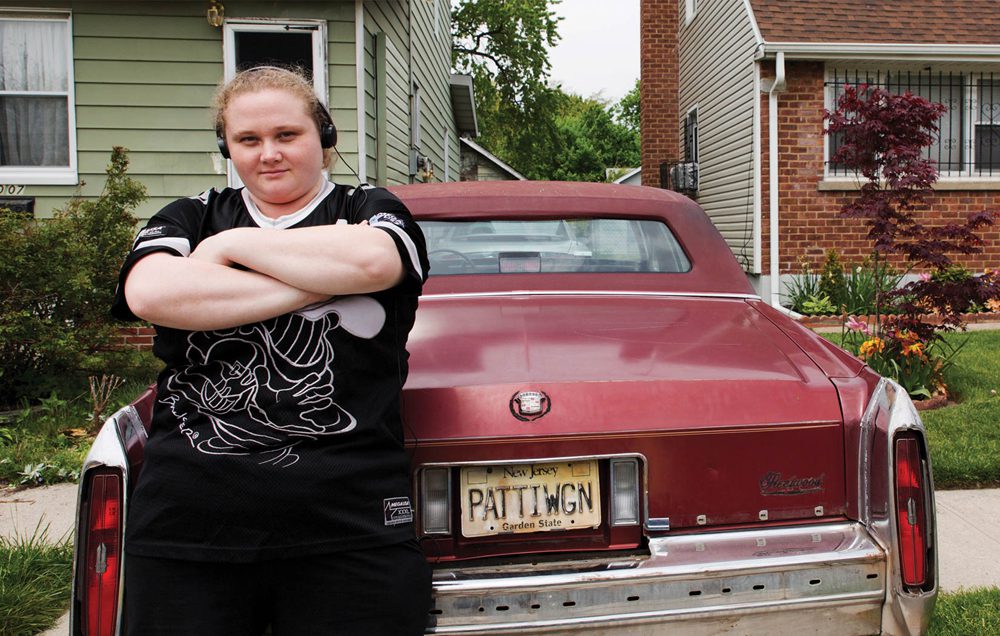
'Patti Cake$' Review: Don't Miss this Underdog Rap Musical and Sundance Favorite
What if 8 Mile starred a girl?
This is essentially Patti Cake$, a Cinderella story of an over-weight underdog who tries to up-end herself from a dead end life in her New Jersey hometown by following her dream of becoming a rap superstar. Premiering at this year's Sundance Film Festival and acquired by Fox Searchlight, the rap musical is now playing in theaters, including the Landmark and ArcLight Hollywood.
Patti Cake$ is a certain kind of wonderful– a refreshing breeze into your life that only indie cinema can offer. The movie is essentially another follow your dreams journey but is made all the better and worthwhile by its stylish, street-savviness and fresh flair. Patti Cake$ will delight and re-ignite you to be your baddest self.
Our lead hero Danielle Macdonald is a beautiful new star to fill the screen. As Patricia Dombrowski aka Patti, she smirks and stunts through the streets with her gangsta-exterior, but balances her toughness with sensitivity, flinching when she's shamed by others over her appearance. Macdonald's star is one that alternates between shimmering and shining, and really owns this movie.
It’s a bad girl story that will re-inspire audiences of all ages to follow their dreams no matter the odds.
This is the work of the film's writer and director Geremy Jasper (a music video director who wrote all of the rap lyrics to the film). And, oh boy, do these songs kick, especially when it comes time for Patti to do her thing. These well-written moments, whether it's a freestyle rap-off in a gas station or in the makeshift studio, give the lo-fi rap tracks a hard rock swagger of a Sleigh Bells metal meets the MC-queen authority style of Nicki Minaj. Half the reason I enjoyed Patti Cake$ so much is because the tunes transport you to this concert world.
(In fact, if you want to get a flavor of the music now, the Original Motion Picture Soundtrack is available to stream on Spotify. While 'PBNJ' may be the film's single, 'Hunger Gamez' is a real fun one.)
Of course, you can't have a party without pathos, or in this case some sort of story that fuels Patti to strive for this dream (which she takes seriously) without some real motivating forces that try to inhibit her at every turn. For each brash in-your-face moment of riled energy, there are equal balances of tender and affecting human moments. These include watching her washed-up alcoholic mother sing a karaoke tune, an intimate moment with mysterious anarchist, and being hospital-bound with her sickly but snappy grandmother. These are all instances that make Patti Cake$ more than just a fun time, but one of deeper insight and understanding.
While it ultimately follows a more conventional story arc than I thought it would, if you're looking for a movie to shake you out of your more familiar viewing patterns, Patti Cake$ will do just that. It offers music that rocks and moments that connect. It’s a bad girl story that will re-inspire audiences of all ages to follow their dreams no matter the odds.
'Patti Cake$' is rated R for language throughout, crude sexual references, some drug use and a brief nude image. 108 min. Now playing at select ArcLight theaters.
https://www.youtube.com/watch?v=L-591Dqa48g

'Lemon' is Head-Scratching, and Hilarious
If you're paying attention to the comedy that comes out today, you'll notice the genre has gotten pretty weird.
And how could it not? Comedy has always survived by standing an arm's-length distance away from reality, which itself has become so sensational that it plays like surrealist theater. Thus, comedy has had to move ever-nearer into absurdism, where heady wit reigns king.
This generation's comedy nerds, fringe-group geeks of too-cool tastemakers that eschew normalcy and dare you not to laugh at their impossible wit on display, are not unlike the Salon artists of post-realism Paris, who previously pissed off their predecessors for seemingly disrespecting the craft by dismantling the art from itself in the great pursuit of revealing the meaning behind it. Both camps revel in showcasing a dear cleverness and irony, which in both cases, is held as the highest currencies to the art forms, respectively.
In the age of the internet, there are collectives of alt-comics who have further developed a cool-kids language for the new school comedy scene – and among them are a pretty talented group of folks called JASH. As stated by their YouTube page, "JASH is a comedy collective featuring original content by partners Michael Cera, Tim & Eric, Sarah Silverman and Reggie Watts with additional contributions from their many friends." Under this no-meaning-moniker, it's all wacky and weird short films and other video content that circumvents conventional short films.
One such filmmaker of the JASH family (a previous short being "Gregory Go Boom" in which Michael Cera stars as a suicidal paraplegic) is writer and director Janicza Bravo, whose first feature film Lemon premiered at this year's Sundance Film Festival as well as in Los Angeles at this year's NEXT FEST.
The self-staged seriousness of one man's spiral-diving life has enough fun by a host of comedians (Jon Daly and Jeff Garland also cameo) – if neurosis-obsessed humor is your thing.
Lemon has been getting reviewed as a cringe-inducing comedy, which is exactly what writer and director Janicza Bravo would like. Making her feature film debut, Lemon is the story of sad-sack Isaac (Brett Gelman, Bravo's real-life partner), a struggling L.A. actor whose life begins to slowly unravel when his girlfriend of ten years Ramona (Judy Greer) decides to leave him. The break-up is more or less the driving center of this absurdist comedy, of which a number of other nonsensical and low-stakes events orbit around. Some instances include amateurish theater scenes in which Isaac workshops Chekhov's "The Seagull" with two self-serious actors (Michael Cera and Gillian Jacobs) as well as celebrating Passover with his pregnant sister (Shiri Appleby) and quirky parents (Fred Melamed and Rhea Perlman).
All of the characters in Lemon suffer from the same flaw, either too confused or unable to read the emotional needs of their partners or own needs, which mirrors the way in which this generation has lost touch with basic connection to others, as well as our own self-serving needs, and unable to navigate these pithy life moments (which makes for fun, and these comedians' composure never cracks).
The movie is intentionally disjointed, disposing of each scene quickly when it's over. When the second act of Passover ends and we cut right back to Isaac in L.A., who has now met Cleo, a woman of interest (Nia Long), and takes to meeting her family (where the film more or less fizzles out). When "Lemon" inevitably finishes with poop comedy (Isaac not even thinking twice to fish a flung phone out of an excrement-filled toilet), the dumb humor only serves to remind you that nothing is meant to be precious.
While it's all utter nonsense, Lemon is still delightful and fun throughout its relatively short eighty-three-minute run-time. The self-staged seriousness of one man's spiral-diving life has enough fun by a host of comedians (Jon Daly and Jeff Garland also cameo) – if neurosis-obsessed humor is your thing. Lemon both challenges its audience to keep up with it as much as it does lazily move from beginning to end, a tension that remains in tact from beginning to end. If you want to see a movie that may make you as uncomfortable as it does make you laugh, and if you like your comedy brainy and re-wired for the IQ as "the cool kids" would have it, Lemon will tickle you in just the right way.
83 mins. 'Lemon' is not rated. Opening this Friday in select theaters including the Nuart.
https://www.youtube.com/watch?v=pq-AHDVukoA

Sundance NEXT FEST Brings Festival Hits 'Lemon' and 'Gook' to Los Angeles
Every summer, the Sundance Film Festival brings a handful of films directly from Park City to Los Angeles to make their L.A. debut at Sundance NEXT FEST.
This diverse selection of films played in Sundance’s NEXT category – a category that showcases bold films by up-and-coming talents of tomorrow. The festival is held at the beautiful Ace Hotel Theater in Downtown L.A. and pairs comedy and musical acts with each film, making for a full night of entertainment.
This past weekend, Morgan and Ryan Rojas attended NEXT FEST and caught Lemon and Gook, two films that made our heads spin (along with musical acts Lizzo and Sleigh Bells – two female-fronted bands who brought the Ace Hotel Theater’s roof down).

Lemon (2017) Review by Ryan Rojas
Lemon has been getting reviewed as a cringe-inducing comedy, which is exactly what writer and director Janicza Bravo would like. Making her feature film debut, Lemon is the story of sad-sack Isaac (Brett Gelman, Bravo's real-life partner), a struggling L.A. actor whose life begins to slowly unravel when his girlfriend of ten years Ramona (Judy Greer) decides to leave him. The break-up is more or less the driving center of this absurdist comedy, of which a number of other nonsensical and low-stakes events orbit around. Some instances include amateurish theater scenes in which Isaac workshops Chekhov's "The Seagull" with two self-serious actors (Michael Cera and Gillian Jacobs) as well as celebrating Passover with his pregnant sister (Shiri Appleby) and quirky parents (Fred Melamed and Rhea Perlman).
While it's all utter nonsense, Lemon is still delightful and fun throughout its relatively short eighty-three-minute runtime. The deadpan seriousness of Isaac’s spiral-diving life is a fun time – if neurosis-obsessed humor is your thing. Lemon both challenges its audience to keep up with it as much as it does apathetically stroll from start to finish. It is an interesting tension that is kept intact from beginning to end. If you want to see a movie that may make you as uncomfortable as it does make you laugh out loud, and if you like your comedy brainy and re-wired for your IQ, then Lemon will tickle you in just the right way.
Lemon is not rated. 83 min. In select theaters this Friday.

Gook (2017) Review by Morgan Rojas
Writer/Director/Actor Justin Chon was just a boy during the L.A. Riots of 1992. He since took to filmmaking to express his experience as a Korean-American living through one of the city’s most infamously tumultuous times which, until now, has generally been considered a black/white issue. Chon’s latest film, Gook, gives audiences a fresh perspective of how the Rodney King riots affected the Asian population living in Los Angeles at that time. From destroyed businesses to strained cross-cultural relationships, this Sundance award-winning drama uses black and white cinematography to tell a truly unique story that celebrates the artistry in diverse voices.
Gook tells the story of two Korean American brothers, Eli and Daniel, who struggle to make ends meet by working in their late father’s shoe store, located in the South Central neighborhood of Paramount (a stone’s throw from Compton). The brothers’ tough exterior of gold chains and foul language may seem intimidating to outsiders, but that doesn’t deter 11-year-old Kamilla from hanging around them any chance she gets. Kamilla is a street smart, orphaned black girl whose own dysfunctional upbringing has her searching for the security of a family in unconventional ways. As racial tension runs at an all time high, the special bond between Kamilla, Eli and Daniel is put to the test in a major and life altering way.
Gook is not rated. 94 min. In select theaters this Friday.

'Brigsby Bear' Review: Kyle Mooney's Other-Worldly Fairy Tale
Isolated weirdos have always felt special in their own personally-built bubbles, in their own make-believe worlds of fantasy, so as not to feel the pains of real world living.
Their uber-oddness certainly would compound to the nth degree, no doubt, if that person was a social shut-in for their entire formative life, raised on the wacky Saturday morning adventure episodic's featuring a guy in a bear suit.
What kind of person would they be, and what kind of person would they be forced to become?
This is the premise of "Brigsby Bear." This comedy/drama tells the story of James Pope (Kyle Mooney), a young man who, years after he was abducted from his family by a pair of nutball wannabe-parents and raised on their public-access style television show about a time and space traveling bear, was released back into real world suburbia to make sense of real human relationships.
The awkward bubble-boy is played by Saturday Night Live's new kid Kyle Mooney, who came up with Brigsby Bear as a child and let the idea percolate into his mind. Mooney, who broke it big with internet videos from the comedic sketch group Good Neighbor, also brings his childhood pals in to direct and act in this unique film.
As a Mooney fan and Good Neighbor fan myself, I must say I was slightly disappointed and wish that there was some more comedy in it from their own sensibilities.
Mooney's brand of alt-comedy is awkward-irony and mixed with the heavy VHS-style nostalgia of the eighties and nineties. In "Brigsby Bear," he turns that ironic character into an innocent and deprived one, one that we feel sympathetic towards.
"Brigsby" is clever in a lot of ways. In other ways, not so much. After Mooney escapes the confines of prison life, he must learn what is out there in the real world, dealing with his parents as well as Detective Vogel (Greg Kinnear). Mooney's sole wish is to re-create and share Brigsby Bear with the world in a sort of "Me Earl and the Dying Girl" aesthetic. By its premise alone, it's clear that this film is more a family feel-good than a comedy for college kids. But hey, maybe if you'd spent your amateur career living in the absurd (as well as professional SNL life), you'd want to bring things back to reality. Or maybe you just played it a little too safe. Anyways, that's how the movie plays.
Mooney's passion project played at Sundance and it feels like a well-crafted festival hit. As a Mooney fan and Good Neighbor fan myself, I must say I was slightly disappointed and wish that there was some more comedy in it from their own sensibilities. Ultimately, "Brigsby Bear" is as conventional and heartwarming as a sit-com episode would be, which Mooney – like his characters – seems to live and love.
"Brigsby Bear" is rated PG-13 for thematic elements, brief sexuality, drug material and teen partying. 100 minutes. Now playing at ArcLight Hollywood, Sherman Oaks, and Pasadena.
https://www.youtube.com/watch?v=JEohOb38hhs

The Hermosa Beach Summer Movie Series Kicks Off This Weekend
This article was originally published in print in The Easy Reader
The city of Hermosa Beach is proud to bring back its Summer Movie Series, screening a series of films every Saturday throughout the month of August right on the beach under the summer night’s sky.
Presented by Subaru Pacific and produced by Saint Rocke, the movies are screened just south of the pier and are free to attend for people of all ages. Each film has a 6 p.m. start and a 7:30 p.m. screening start, so bring your picnic basket and blankets and sink your beach chairs into the sand for a fantastic selection of films.

The Karate Kid – August 5
The classic coming-of-age kung-fu movie The Karate Kid is the first film to kick the summer series off. This 1984 classic is the story of a bullied teenager, Daniel (Ralph Maccio), and the martial arts master, Mr. Miyagi (Pat Morita), who agrees to teach him the art of karate. With such unforgettable movie moments such as Miyagi’s curiously mystical training methods — making Daniel paint fences and wax cars (“on” and “off ”) — the film continues to be discovered by new generations and remains beloved. Need proof the movie’s a classic? The late Morita earned a nomination for Best Actor in a Supporting Role as the wise sensei Miyagi and the movie has spun two sequels and a major studio remake of the same name in 2010 starring Jaden Smith and Jackie Chan. (Rated PG. 126 min.)

Moana– August 12
What better movie to watch at the beach with the kids than an animated movie about the beach whose title, in Hawaiian, means “ocean”? Released last year, Disney’s Moana is the story of a young Polynesian sea voyager named Moana (Auli’I Cravalho) who, when she learns that her island has been cursed by the demigod Maui (Dwayne “The Rock” Johnson), sets off on an epic journey across the Pacific to re-capture the heart of the goddess Te Fiti with the hopes of saving her island. Drawing on ancient Polynesian and Maori mythology, Moana is sure to delight and amaze people of all ages with its incredible hybrid-animation (while the film is computer animated, all of Maui’s tattoos are hand-drawn!) as well as original music (written by “Hamilton” creator and star Lin-Manuel Miranda). (Rated PG. 107 min.)

Ferris Bueller’s Day Off – August 19
The ultimate slacker film about the perfect day of hooky will make you feel like a fun-times loving high schooler all over again. Starring Matthew Broderick as Ferris, the movie has become a classic tale of light-hearted teenage rebellion and coming-of-age since it first came out in 1986. Written and directed by the legendary John Hughes (The Breakfast Club), Ferris Bueller’s Day Off captures one cleverly-devised day when Ferris plans the ultimate sick day, getting his girlfriend Sloane (Mia Sara) and best friend Cameron (Alan Ruck) to join him for a day out-on-the-town in Cam’s father’s prized Ferrari — much to the irritation of sister Jeanie (Jennifer Grey) and Principal Rooney (Jeffrey Jones). So SAVE FERRIS and relive the movie that will make you remember that “life moves pretty fast. If you don’t stop and look around once in awhile, you could miss it.” (Rated PG. 103 min.)

La La Land – August 26
Wrapping up the summer movie series is a film so near and dear to the city of Hermosa that you – quite literally – won’t even have to turn your head to see the pier when it pops up onscreen mid-way through the movie. The movie is La La Land, the dazzling modern-musical and love letter to big studio movies of yesteryear. La La Land tells the story of two artists who struggle to follow their dreams while falling in love, all while soft-shoeing across iconic landmarks the “city of stars” – Los Angeles. Come watch Ryan Gosling and Emma Stone (in a performance that landed Stone last year’s Best Actress Oscar) evoke the very best of Fred Astaire and Ginger Rogers as they ballroom-dance across the Griffith Observatory night sky and hammer out jazz tunes at Hermosa’s legendary Lighthouse Café. (Rated PG. 128 min.)