
'Secret Mall Apartment' Review: The Power of Art and Rebellion
Secret Mall Apartment tells the stranger-than-fiction true story of a group of friends who lived in a hidden space inside a mall for four years—completely undetected. Blending intimate interviews and self-shot archival footage, this wildly entertaining and poignant documentary depicts an act of rebellious artistry in an era of consumerism that will make you appreciate the fleeting nature of life.
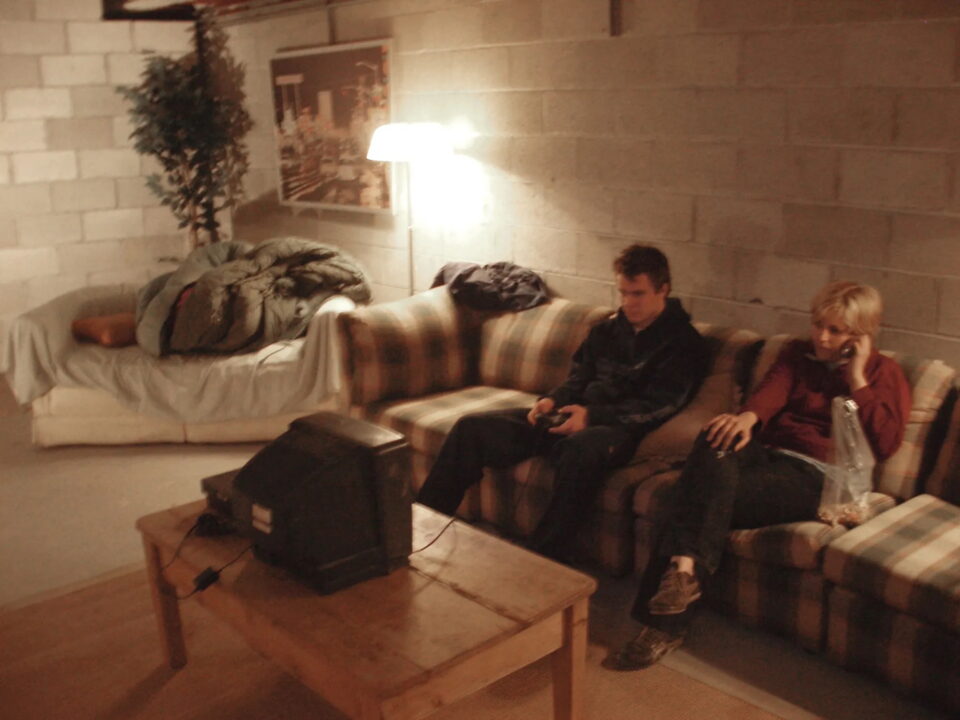
The film opens with humorous news segments that show how, in 2003, eight young Rhode Islanders built a secret apartment inside the newly opened Providence Place Mall, where they lived undetected for four years. However, they weren’t just rebellious squatters—they were RISD students and artists, part of a thriving underground scene.
Before this, we learn that this quirky artistic bunch, led by the group’s eccentric and visionary leader Michael Townsend, was displaced, losing their creative and living spaces to redevelopment. Their mall apartment was more than a shelter; it was a statement—an artistic rebellion against capitalism’s grip on public space.
And so, they smuggled in furniture, ran electricity, and installed a locked door that only they had the key to. What began as an experiment in survival became a meditation on public versus private space, consumer culture, and the audacity of turning a corporate mall into a personal sanctuary.
Director Jeremy Workman (who also produced and edited the film) tells this bizarre and brilliant story with a creative and sharp eye. The film’s unconventional style blends sit-down interviews with low-res, old point-and-shoot video footage that the friends all shot, plus re-creations that immerse the audience in the era. The very existence of this footage is incredible, making the documentary feel like a time capsule of an impossible moment.
Secret Mall Apartment also shows how the group’s creativity extended into the world. They pioneered large-scale tape art installations, decorating Hasbro Children’s Hospital with intricate murals. After 9/11, they brought public art to New York, offering a moment of beauty amid devastation. These projects reinforce the film’s themes—art as resistance, as expression, and as a way to make the impermanent feel permanent, if only briefly.
While Secret Mall Apartment is a fascinating and well-crafted portrait, one lingering question remains: beyond celebrating these artists, what does it truly reveal about them? The film touches on Michael’s struggles, including the unraveling of his marriage, but doesn’t fully explore the long-term consequences of their lifestyle, or what they may have been running from.
Ultimately, Secret Mall Apartment holds a secret of its own. Beneath its humor and spectacle lies a meditation on impermanence—on lives hidden in plain sight and on a world that, much like the apartment itself, was never meant to last.


Alex Kaplan Reflects on Childhood and Healing
What happens when a teddy bear costume becomes the starting point for a profound exploration of adulthood, childhood, and self-discovery? In this exclusive interview, filmmaker Alex Kaplan opens up about the creative journey behind Safe, a short film that started with a playful idea but quickly evolved into something much more profound. Alex reveals how the film's narrative and tone took shape through his collaboration with co-writer and actor Caleb and his quest to reconnect with a lost sense of play. It’s a thought-provoking look at how something as simple as a teddy bear can uncover raw vulnerability and the complexities of being human.
Beyond Safe, Alex also shares his vision for Of Substance, the distribution company he founded to turn short films into tools for mental health healing. Through this initiative, films like Safe are helping to foster conversations around mental health, trauma, and self-acceptance in therapeutic settings. This interview delves into how Alex’s unique approach to filmmaking and distribution is making a real-world impact, and how he hopes to continue shaping the future of short film as a catalyst for social change.
Cinemacy: Great to meet you, Alex! I hear Safe started with a teddy bear costume. How did that idea become a film exploring adulthood, childhood, and self-discovery?
Alex Kaplan: Hey Ryan! Thanks for having me. And HA! Oh boy, that teddy bear costume…
Caleb and I had already been talking about exploring the sheer weight and overwhelm of just being a person today. We both struggle with ADHD, so we instantly bonded over how chaotically our minds work and knew we wanted to capture that—but in a way that felt playful and unexpected.
At the same time, my wife had recently challenged me to reconnect with my childlike sense of play, something I’d totally lost touch with. Safe to say, I’ve been taking life way too seriously these days.
So when Michael, during a creative meeting, slyly mentioned, “I do have a teddy bear costume,” something just clicked. The contrast of a grown man, worn down by life, confiding in his childhood teddy bear was so simple, honest, and correct. I pitched it to the guys, and they immediately said, “Yep. That’s it. Let’s do it!”
Cinemacy: You mentioned the concept for Safe came together quickly with Caleb, your co-writer and lead actor. How did your collaboration shape the film’s tone and direction?
Alex Kaplan: Caleb is unlike anyone I’ve ever met. He calls everyone “Human”—as in, “What’s up, human?”—which is just so perfectly him. Actually, even though you never hear or see his name, Caleb insisted that his character be named Hugh—for human. I love that!
He’s deeply compassionate, naturally vulnerable, and embodies the idea that we’re all in this together.
So the juxtaposition of his childlike warmth against his long hair and grizzly beard made this film an absolute breeze—it was obvious what we needed to do. His ability to talk so freely about things we all struggle with but rarely admit out loud shaped the film's entire tone. He doesn’t just act vulnerable—he is vulnerable, and that makes everything feel effortless.
We never had to force anything; we just let it be what it wanted to be—and that’s what made the collaboration so fluid, easy, and fun.
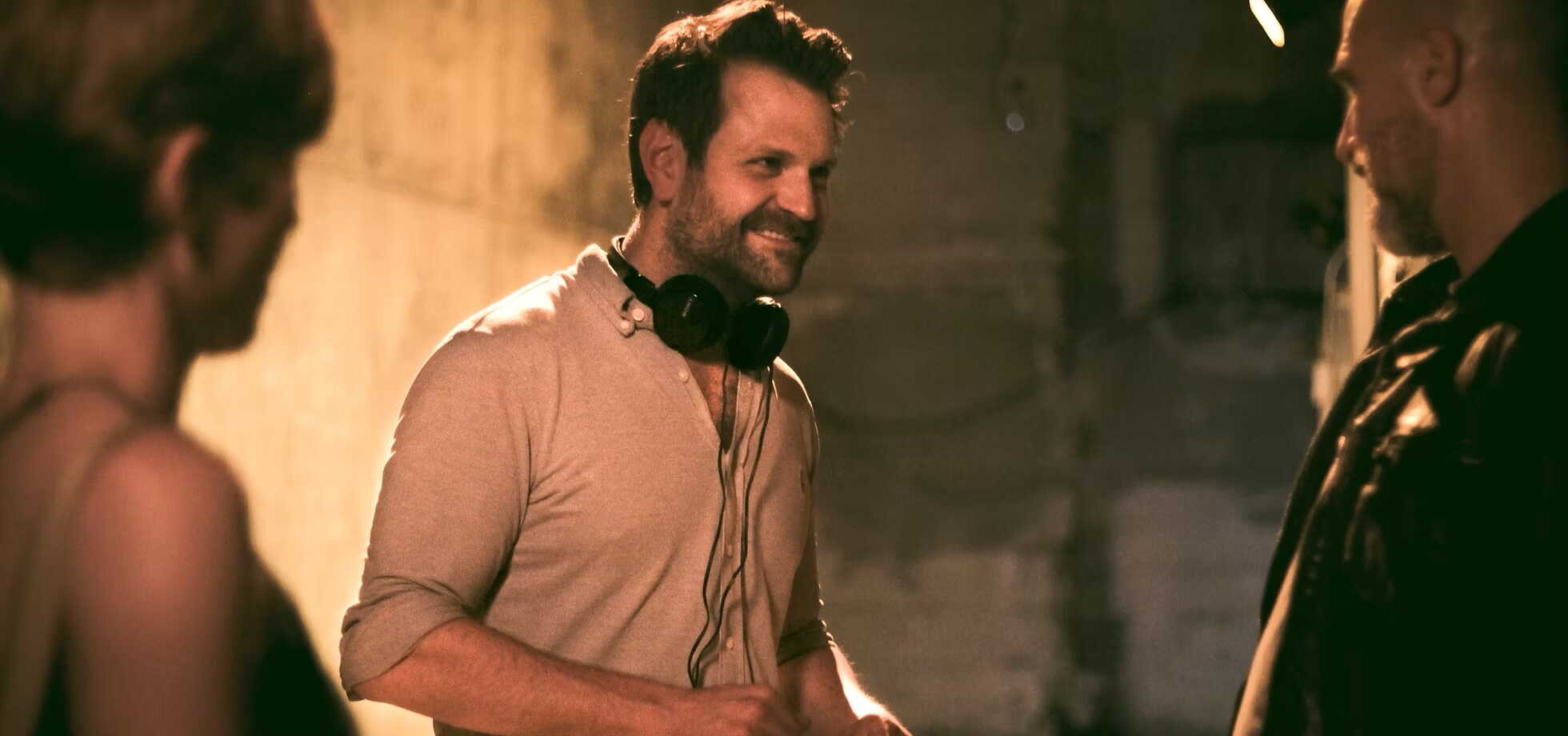
Cinemacy: How did you decide on the visual style and tone for Safe? What choices did you make to evoke nostalgia and the magic of childhood?
Alex Kaplan: We only had a teddy bear at first, but on set, the film became much bigger than I’d imagined. I initially saw it as a simple, grounded moment—Caleb beside his teddy bear, revealing that he’d imagined it as larger than life. Then Michael said, “Let’s shoot through the peephole.” Suddenly, the bear wasn’t just imagined—it had a home of its own.
That took the film from a metaphor to a magical little world. Then Sarah sealed the nostalgia, suggesting 4:3 framing to mirror the peephole, making it feel like a frozen childhood memory. Her color work gave it that soft, faded, dreamlike feel.
None of these choices were planned to evoke nostalgia—we just trusted the story, and it naturally found its way there.
Cinemacy: What did you learn about yourself while making Safe, both as a filmmaker and personally, given its deeply personal themes?
Alex Kaplan: To tell the truth, I don’t think of myself as a great filmmaker—that’s not my focus. My focus is impact. I love taking half-baked ideas that might help others and collaborating with talented people to bring them to life.
That said, I learned I can make my film style in 60 seconds. But I’d rather not. (laughs) One minute is so short—you barely get into something before it’s over. We pulled it off, but I prefer letting stories breathe a little more.
Personally, Safe reminded me I still have it in me. I hadn’t directed my own piece since before COVID-19, and honestly, I wasn’t sure if I could do it without my longtime creative partner, Brian. But this film showed me I bring something real to the table, no matter who I work with.
I mean, it helps that the people I worked with were wildly talented and supportive. (laughs)
Cinemacy: The core message of Safe is about rediscovering childhood magic and unconditional love. How do you hope viewers will respond to this, and what do you want them to take away?
Alex Kaplan: I hope Safe triggers a memory—that one special thing from childhood.
Maybe it’s a teddy bear, a blanket, a hiding spot, or a person who made them feel safe. Whatever it is, I want this film to spark that thought and make them pause.
More than that, I hope it permits people to reconnect with that part of themselves. Life gets heavy, but we all have moments from our past that remind us of who we were before the world got too loud. If Safe helps someone tap back into that—even for a second—then we did something right.
Cinemacy: With Slamdance’s 6XTY category’s one-minute limit, how did you distill your message so quickly? What challenges did you face in the short timeframe, from writing to filming in just an hour?
Alex Kaplan: Constraints can be liberating. When you only have an hour to shoot, you can’t overthink—you just have to trust the process and commit to the moment.
And we didn’t ask, How do we shrink this story to 60 seconds? We asked, What kind of story fits within 60 seconds? It had to be one focused emotion, monologue, and surprising reveal—anything more would’ve been too much.
Still, Caleb practiced that monologue like his life depended on it, delivering it at lightning speed while making every moment count. And a huge shoutout to our editor, Umar Malik, who worked magic to cut lines and restructure it without losing a single ounce of impact. Even I couldn’t tell what was missing after his cuts!
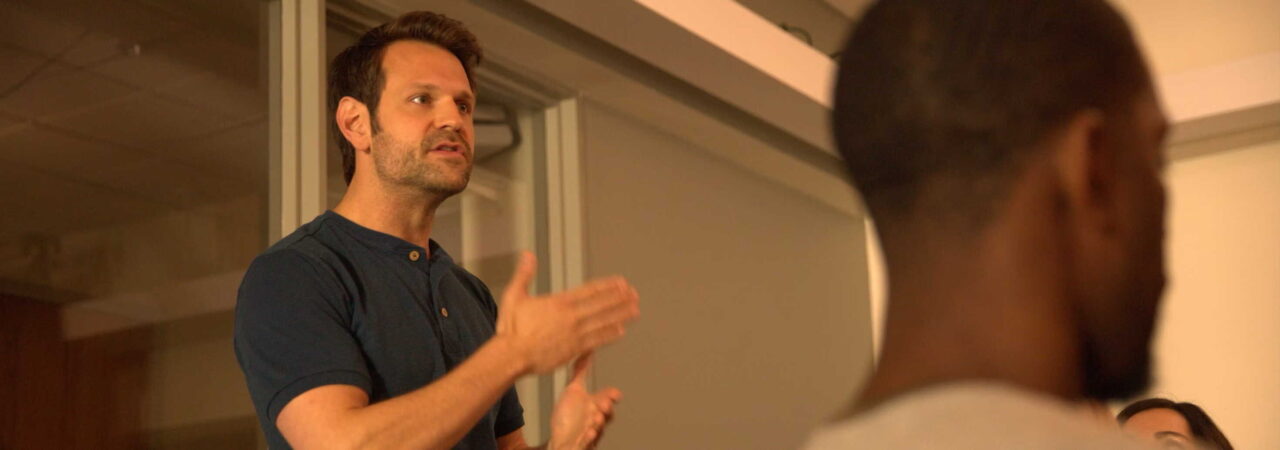
Cinemacy: Safe will premiere at the 2025 Slamdance Film Festival. What does this milestone mean to you, and what are you most excited about for the premiere?
Alex Kaplan: This is the first film I’ve written and directed that I’ve ever submitted to a festival.
I’ve made over a dozen films for Of Substance that are actively used in treatment, but I never played the festival game. It takes time, money, and effort, and since I wasn’t trying to break into the industry, it never felt like the right move.
But I also knew visibility and recognition matter. Having a film at Slamdance is a massive milestone—for me, for Of Substance, and for our work. It validates that we can tell powerful, gripping stories WHILE using them as tools for healing in treatment.
We’re simply over the moon about it.
Cinemacy: As the founder of Of Substance, a distribution company turning short films into tools for transformation, how has your approach to distribution evolved, and how do you see short films like Safe driving social change?
Alex Kaplan: There’s just so much noise out there—so much content, so many platforms, all fighting for attention. We realized early on that we didn’t want to compete in that space. Instead, we created our lane—turning short films into utilitarian tools used by mental health professionals in therapy, treatment centers, prisons, schools, and beyond.
And now, Of Substance is an award-winning organization providing short films—comedies to thrillers touching on mental health, addiction, trauma, and shame—to mental health professionals to enhance therapy, spark introspection, and accelerate healing.
Instead of chasing festival runs or streaming deals, our films go where they can make a direct impact. And that’s where Safe belongs, too—in places where it can help people process emotions, open up, and heal.
Cinemacy: What role do you envision Of Substance playing in the future of short film distribution and sparking conversations or action in society?
Alex Kaplan: We’re working to get our platform into the hands of treatment professionals worldwide, normalizing the value of Cinema Therapy—using movies as a tool for healing and growth, eventually getting insurance to cover them as an Evidence-Based Practice, which has never been done.
And–Big news for short filmmakers–We’re starting to invite other short films to join our platform!
There are incredible short films out there with nowhere to go, so we built a place for them!! We want Of Substance to be the home for impactful short films—where they don’t just sit in a digital graveyard but actively help people in therapy, education, and beyond.
So if you have or know of a film that would be a great fit, PLEASE reach out through our website—ofsubstance.org.
But beyond that, we want to bring this approach into the mainstream—especially in a time of such intense cultural division. Films can bring people together, help us hear one another, and develop empathy for those we see as different from ourselves.
There’s so much untapped potential in using film as a tool for transformation, and we’re committed to leading that charge.

Cinemacy: What advice would you give fellow filmmakers looking to make short films or work under tight deadlines and constraints?
Alex Kaplan: We launched Of Substance by making eight films in eight months—because we knew that if we got stuck trying to make each one perfect, we’d never get anything done.
You’ll never get it right—but that’s not the point. The point is to make it, learn, and make the next one better.
So trust yourself. Be bold. And just make the damn thing.
For more about Alex Kaplan, 'Safe' and Of Substance, visit https://www.alexkaplanfilms.com/ and https://www.ofsubstance.org/
Jessica Perlman Bridges Worlds Between the Deaf and Hearing
Being a CODA (Child of Deaf Adults) herself, filmmaker Jessica Perlman knows the challenges of navigating between the Deaf and hearing worlds. In her new short film, Talk, Perlman offers an intimate and thought-provoking exploration of the complex nature of communication, especially for those constantly translating between two worlds. Vividly portraying how even the most straightforward situations can be layered with meaning and miscommunication, Talk will resonate deeply with everyone seeking it out.
In our exclusive interview, Perlman opens up about her personal experiences and how they influenced her creative process, bringing a unique perspective to filmmaking. As the film's writer and director, Perlman, shares, "For a Deaf audience, I hope the film makes them feel seen, their lives centered, and even find humor in the relatability of difficult situations like this."
Cinemacy: It’s a pleasure to meet you, Jessica! I’d love to hear more about what inspired you to create your new short film, Talk.
Jessica Perlman: One of the hardest things for me to explain about being a CODA, is the management of all the conversations happening at once and how they funnel through you. So I decided to show it! By putting the audience within the layers of words, meanings, and contexts– I believe it gets across how difficult it is to manage, yet still hold your place in all of it.
Cinemacy: The film’s premise involves a seemingly mundane issue—a broken air conditioner—but it evolves into much more. How did you decide to use this particular scenario as the foundation for the tension in the story?
Jessica Perlman: This scenario came from wanting to use the line about D. R. Horton. It was an experience I had when I was translating for my stepdad about his home, and I thought he signed “Doctor” Horton instead of the name of the home manufacturer. One of those embarrassing moments you can't forget, but that’s how I learned what D. R. Horton is!
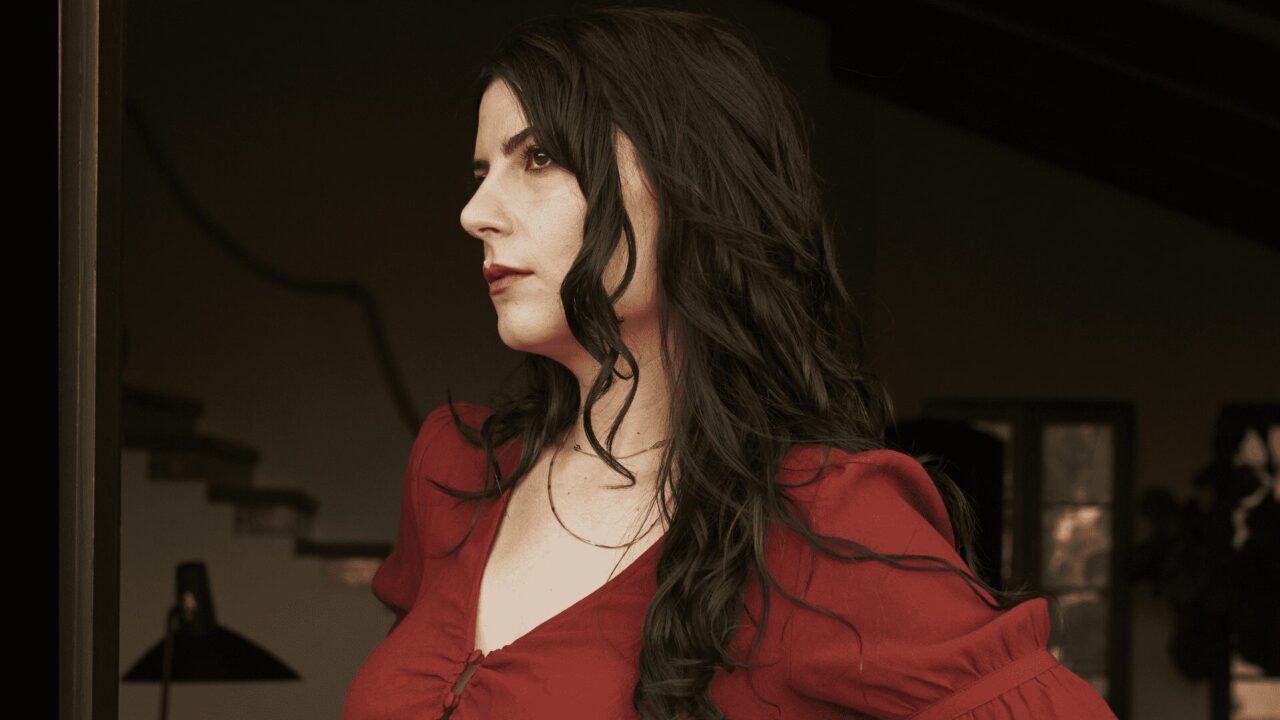
Cinemacy: Talk explores the breakdown in communication through the lens of a Deaf man and his translator. As the film’s writer, can you talk about the challenges you faced in conveying this complex story visually, without relying heavily on dialogue?
Jessica Perlman: That was the fun part for me! I chose to frame up the Deaf character in ways that felt confined, pressed up against, and stifled. A few shots even frame out his hands. A fluent speaker can still understand what he’s signing, but he’s cut off from communicating with the repairman. That also meant performances were key in capturing the frustration seeping through so that you didn’t need to understand the words to understand the character.
Cinemacy: Talk focuses on the challenges CODAs often face when navigating between the Deaf and hearing worlds. Can you discuss how these experiences shaped your perspective as a filmmaker and storyteller?
Jessica Perlman: As a CODA, I have a unique point of view in my storytelling. Being able to hear and sign placed me directly in the middle of two different worlds, often having to translate between the two. So this translator role I grew up with was one of my biggest draws to directing. A director has to translate from page to screen, and from their vision to their collaborators. Additionally, the nature of ASL is not just visual but performance-based. I think this has allowed me to identify and craft great performances. With every story I tell, I harness these inherent skills and the desire to center stories from unexpected places.
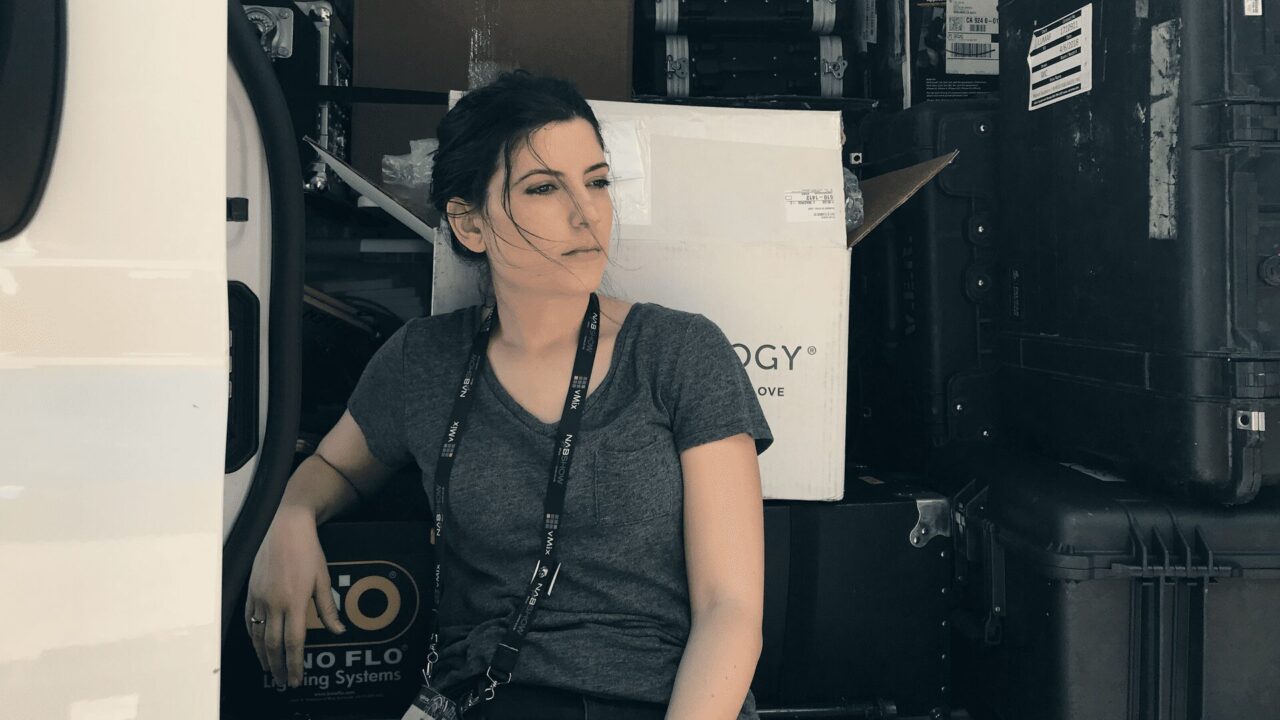
Cinemacy: As a director, what did you learn during the making of Talk that surprised you or challenged your expectations?
Jessica Perlman: My experience making Talk was quite extraordinary. This was the first time I could work with Deaf talent, and I couldn’t believe how quickly Jacob and I adapted. We came up with our signs for film-specific words. I was directing the performance from behind the monitor while signing at the same time. It felt like speaking my native language on set for the first time. Something I never thought could be possible. It opened my mind to what could be accomplished in this dynamic.
Cinemacy: What is the one key message or feeling you hope audiences walk away with after watching Talk?
Jessica Perlman: I hope this film will engage hearing audiences in a conversation without their usual tools– putting together the clues to understand not only the words but the characters' individual experiences. For a Deaf audience, I hope the film makes them feel seen, their lives centered, and even find humor in the relatability of difficult situations like this.
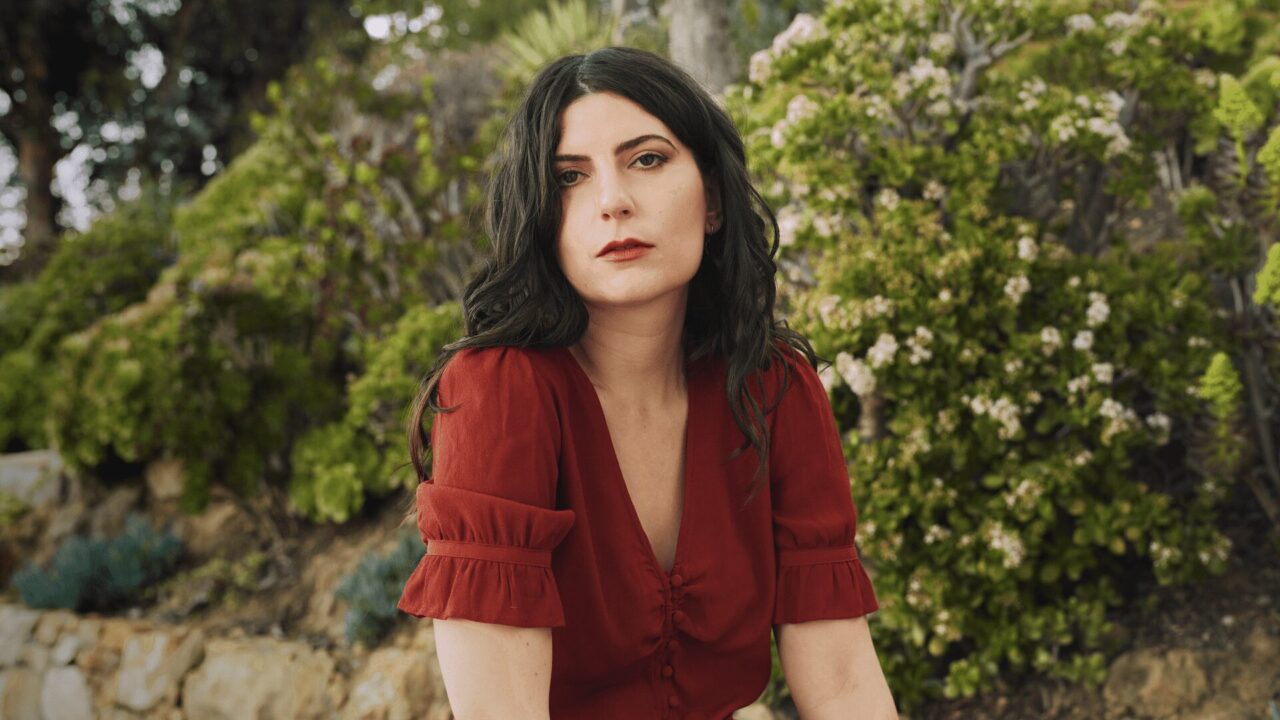
Additionally, for all the CODA’s out there, this film is from our point of view. We are often involuntary witnesses to discrimination and prejudice at young ages, which can form a strong impact leaving them to deal with uncomfortable situations on their own. Even though we have a quick moment with our characters, I believe this short film will make a lasting impact on audiences of all types.
Cinemacy: Finally, do you have any future projects planned or dream goals?
Jessica Perlman: I’ve developed a feature based on the short film that would be a dream to shoot. I also have a couple of other shorts I’ve written and developed that I’m looking to shoot this coming year; specifically one about language acquisition in Deaf children.
For more about Jessica Perlman and 'Talk,' visit https://www.jessicalperlman.com/talk-short-film
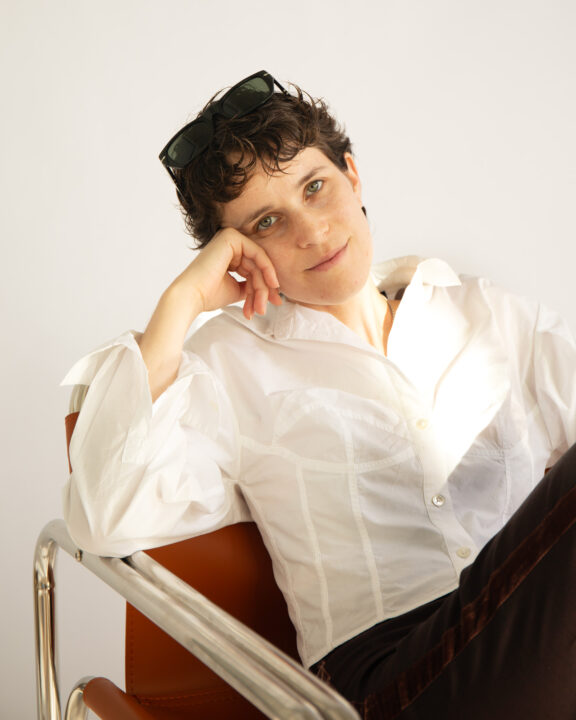
Carolina Perelman Embraces Truth Without Shame
Not many directors would weave reality and fiction together in their feature debut, let alone do so by exploring deeply personal secrets through a "docu-fiction" lens. But Carolina Perelman did just that with Confesiones Chin Chin. The film, which will have its world premiere at the 2025 Slamdance Film Festival, delves into the blurred lines between truth and persona, capturing the raw, unfiltered nature of human emotion and vulnerability.
In our exclusive interview, Perelman shares the inspiration behind the film’s unique approach, how jazz shaped its chaotic energy, and the balance between humor and serious topics like trauma and fidelity. What does she hope audiences take away? A reminder that honesty can bring freedom and connection, allowing us to embrace our truths without shame.
Cinemacy: It’s a pleasure to meet you, Carolina! You describe your feature film, Confesiones Chin Chin, as a "docu-fiction" that draws from real secrets and confessions. Where did the idea to intertwine the line between reality and fiction come from, and how did you balance these elements during the writing and filming process?
Carolina Perelman: It’s a pleasure to meet you too! The idea of intertwining reality and fiction in Confesiones Chin Chin emerged from a fascination with how these elements already blur our everyday lives. It’s impossible to reveal the rawest truth because sometimes we don’t even know it. I think deeply personal or uncomfortable questions, especially about society's morality, values, family, and friends, often force us to pretend who we are. That’s why… by the way, I love “Be Yourself” by Frank Ocean because he says, “Be yourself and know that that’s good enough.” It’s difficult to understand that, and that is why I wanted to explore that tension, that line between reality and fiction in this film.
My main inspiration for this film was Jason Holliday in Shirley Clarke’s film, Portrait of Jason, where the lines between the character—Jason Holliday—and the person blur as layers of a persona are peeled back. We similarly embraced the absurdity of our nature while probing the question: where does the character end, and the person begin? And that is pure jazz!!!
To balance reality and fiction in both the writing and shooting process, I began by interviewing cast members and collecting secrets and confessions from people I knew, using these as inspiration to ground the narrative in authenticity. I also involved non-actors by creating spontaneous situations before filming and giving them complete freedom to speak and act as they wished. The writing process unfolded alongside the research and before, allowing us to craft dialogues that resonated with the themes and realities we explored. On shooting days, I introduced an element of surprise by giving actors small notes with opposing secrets before certain scenes.
Cinemacy: The film features a diverse ensemble of characters. How did you go about casting the actors, and did any of them share personal confessions or stories that directly influenced their performances?
Carolina Perelman: It's difficult to pinpoint an elaborate answer because the process was simple: I chose actors who shared a meaningful connection with some aspect of the project or that I genuinely really like because I think they are either fun or creative.
Some cast members contributed personal experiences that influenced their performances, while secrets and confessions guided others I had collected from other people during my research. Of course, these stories were shared anonymously to respect the privacy and identity of the participants, ensuring a safe and respectful creative process.
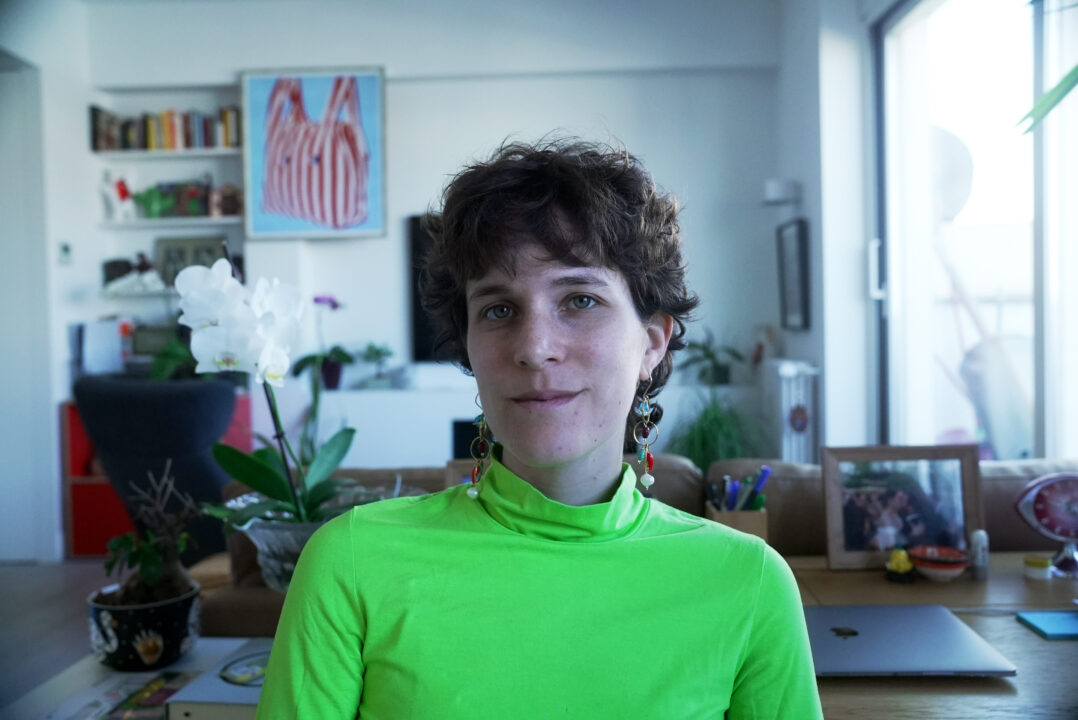
Cinemacy: Jazz plays a crucial role in the film, not just as a soundtrack but as a thematic device. How did you collaborate with the composer or sound team to ensure that the music captured the frenetic, free-form energy of the characters’ emotions?
Carolina Perelman: Jazz was essential in shaping the film’s atmosphere, and, OF COURSE, Charlie Parker and Miles Davis were our core inspirations. The conversations in the film don’t have clear beginnings or endings, which, in my opinion, is characteristic of the nightlife in Madrid and jazz.
It’s like having a deep conversation with a random person in a bar—you may not remember how it started or how it ended, but it resonates with a kind of chaotic harmony. When I read Julio Cortázar’s short story “El Perseguidor,” I remember feeling intense energy and adrenaline, as Parker’s jazz also inspired him. I wanted to capture that same sensation in the ambiance of Cazador bar…or something similar to that energy.
Cinemacy: Given that the film explores both the absurdity and the pain of human relationships, how did you approach the tone? Was it challenging to find the right balance between humor and the more serious moments of the story?
Carolina Perelman: Not at all. I think it was like opening and closing drawers. In real life, you can cry and end up laughing. The same thing happened in Confesiones Chin Chin.
Cinemacy: The "chin chin" toast symbolizes relief and unburdening. How did you use this concept symbolically throughout the film, visually and narratively, to underline the theme of confession and honesty?
Carolina Perelman: "Chin Chin" is like saying “cheers.” Without planning, I realized that “chin chin” is like breathing out when you get something off your chest—something you really wanted to say but were too embarrassed or scared to, fearing it might hurt someone. Then you finally say it and exhale. In the film, we’re in a bar, so instead of feeling like a yoga class, we celebrate people’s flaws and virtues, because no one is perfect or an angel.
That’s why I wanted to start closing the film and the chaos with archival materials of some cast members as kids, to remind ourselves where we come from—a genuine and innocent place, the “unburdened place.”
Cinemacy: You mention using humor to address complex topics like sexuality, abuse, and fidelity. Can you speak more about how you approached writing and directed those scenes to maintain respect while allowing for moments of levity?
Carolina Perelman: I approached people’s secrets and confessions with deep respect, ensuring their essence was preserved. Meaning that if the person who confessed to me something with humor, I wanted to respect that. For instance, Roberto’s confession about being abused in a hotel in Peru was inspired by the real person’s ability to weave humor into their vulnerability.
Also, in my personal experience, the best way to cope with trauma is with a little bit of humor. Why is humor disrespectful? I think it is the best way to break the ice and allow people to share. But that is my opinion relying on the research I did.
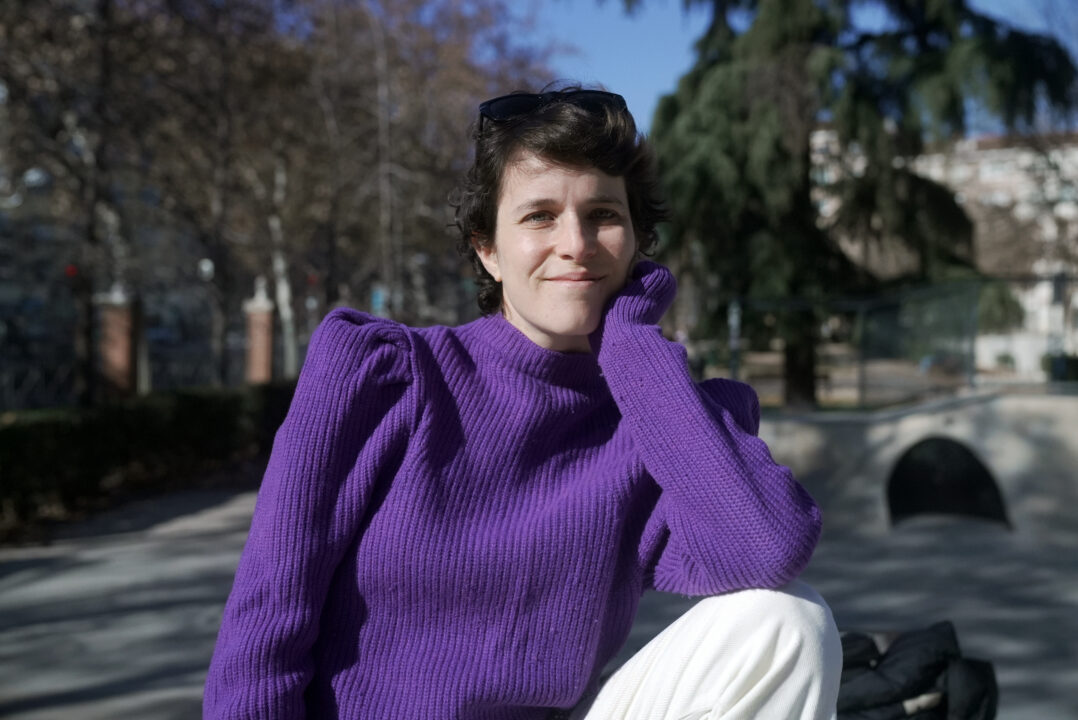
Cinemacy: You’ve spoken about the idea of “self-conscious behavior” in the film. What direction did you give the cast to encourage them to embody this self-awareness, especially since many characters reveal deeply personal, often uncomfortable truths?
Carolina Perelman: The less information I gave them, the better because it allowed for a rawness to emerge—the nakedness of the soul. I had the opportunity to have long conversations and interviews with some of them for 3-4 months. I think it was enough information, and during the shoot, I wanted the actors to shed their defenses and preconceived notions about their characters.
I didn’t want to rehearse or give any direction, just a preamble or a little secret to some of them before each scene... Often, I withheld key details until the moment of filming, so their reactions carried a genuine immediacy. This demanded immense trust, but it allowed them to embody vulnerability in its truest form, where the deeply personal and uncomfortable could surface authentically.
Cinemacy: What is the most important thing you learned after making this film?
Carolina Perelman: The most important thing I learned is that instinct—that thing you sometimes don’t fully understand but drives you to create art or take action—is what you have to follow when making a film or any kind of art. Listen and observe what’s around you…and most importantly, listen to yourself.
Cinemacy: What do you hope audiences take away from the film?
Carolina Perelman: Nothing in particular, but perhaps a little less alone and embarrassed when they think about their dark secrets (if they have any). And toast to the freedom found in honesty! Fuck it, we are gonna die one day…might as well say and do what we want when we feel like it.
Cinemacy: What advice would you give fellow filmmakers who want to make their first feature film or break into the industry?
Carolina Perelman: Do it no matter what! Don't be preoccupied with having the best camera, which is very expensive! Try to create genuine and honest art… be organized and efficient, and try to have fun! Try to avoid taking things personally. Just know it’s challenging to manage people’s egos. Breathe and find the patience inside you.
For more, visit https://produccionesnau.com/

Carol Polakoff Knows No Boundaries
Not many directors would make their directorial debut simply after hearing the book read aloud at a book reading, and fewer would decide to make a movie in a non-native language. However, Carol Polakoff did both with her feature film debut, Speak Sunlight. The film tells the life of American writer Alan Jolis as he awakens to a vivid, sensual world and grows up emotionally.
In our exclusive interview, Carol Polakoff discusses the inspiration behind making the film, the many challenges she faced along the way ("Children, animals, and historical period!"), and what the message that she hopes will endure: "Secrets and shame drag our spirits down, and transparency with those you love and who love you is hard to overcome, but the benefits are for a lifetime."
It’s a pleasure to meet you, Carol! What inspired you to create Speak Sunlight? Was there a specific event or moment that sparked the idea?
Carol Polakoff: Yes, very much so. 22 years ago, I met the author, who became a dear friend on the occasion of a book reading at a Paris bookstore. Within minutes, I was in tears. The story hit me so raw and powerful. I never had such a reaction before (or since) at a book reading.
I made a vow many years ago that I would make this movie, not knowing it would be my directorial debut. A vow that was made as the very young (45) author was diagnosed with cancer and subsequently passed away. I promised him his life would be memorialized on the screen.
Memory and exile are central to the story. How did you explore these themes in the film, particularly in the scenes set in Spain and Paris?
Carol Polakoff: I think that is carried by the characters Maruja and Manolo. They have exiled themselves from a country they loved but did not love them back. Manolo fought in the resistance against Franco, and Maruja was running for more personal reasons She was ashamed about her actions during the war, i.e., getting out of her small town to Pamplona by “stealing” her sister's fiancee.
How did you collaborate with the cast to bring the nuances of these complex characters to life? Were there specific moments or performances that surprised you during filming?
Carol Polakoff: There are always surprises with great actors, and Carmen and Karra are legends and masters. There was a language barrier (my Spanish was way under par), so we had translators. But, it made the burden of great communication with our hearts and minds more important and rewarding.
How did your process differ as a screenwriter from when you were directing the film? Were there moments during the writing phase that changed once you were on set?
Carol Polakoff: Yes. I had the freedom to improvise and see what worked in real time. Actors often know best what feels authentic for them and their range, and writers should be flexible and not married to their own words. You take on actors to add a layer to the material, not reproduce it.
Filmmaking is always a collaborative process. How did you work with your cinematographer, production designer, and other key team members to create the visual and emotional tone of the film?
Carol Polakoff: I had the best team in the world. The cinematographer and editor were my heroes, having made films with Almodovar, and they helped me more than I can say. The designers, both set and costume, were brilliant, and all of the above were suggested by my producer, who had worked with them on many productions, large and small.
Every film has its challenges. What were some of the biggest obstacles you faced during production, and how did you overcome them?
Carol Polakoff: The language! The pandemic. Fires in our locations and 110-degree weather. And the usual… first-time director, directing in a language other than her own… and the three cardinal rules for a first-timer: Children, animals, and historical period! Not to mention staging the bull run with our bulls and stunts.
What do you hope the audience takes away from the film? Is there a particular feeling or insight you want viewers to experience, especially about the themes of love, loss, and healing?
Carol Polakoff: Yes. I hope they see themselves in Alanito, Maruja, and Manolo and forgive the past and people so that the present and future can be as rich and rewarding as possible. Secrets and shame drag our spirits down, and transparency with those you love and who love you is hard to overcome, but the benefits are for a lifetime. Realize that the time you spend together creates future memories and is the currency you bank on when they are no longer here. Love and loss are part of life. Honor them.
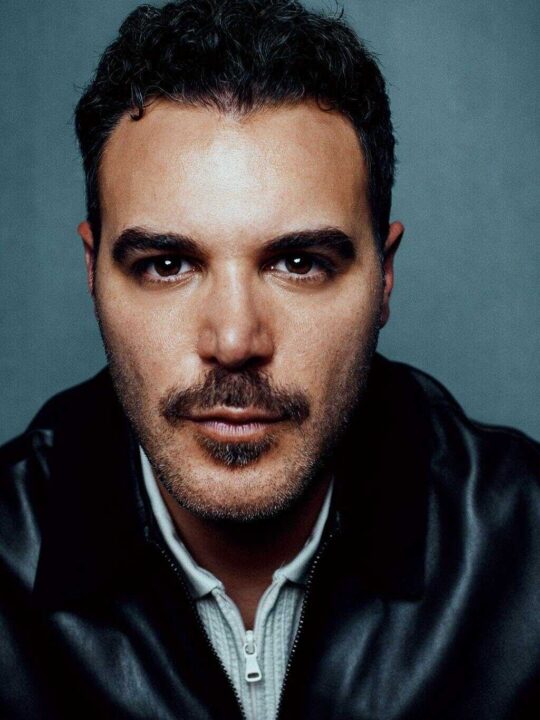
Zayn Alexandre Overcomes Oppression By Defying Limits
Growing up in a small town outside of Beirut, Lebanon, where he witnessed the cultural repression of women firsthand, filmmaker Zayn Alexandre has gone on to write and tell stories that celebrate humans overcoming oppression. His debut short film, the intimate sociopolitical drama Abroad, tells the story of a Lebanese immigrant couple. His second directorial effort, Manara, debuted during the 76th Venice Film Festival in the Giornate degli Autori section.
Now, Alexandre returns with his new film, Saint Rose. In our exclusive interview, the writer-director discusses how seeing the women in his life confined influenced the story, working with his mother on a personal experience, and how the film is about "the human desire for freedom and self-actualization."
What inspired you to create Saint Rose? Could you talk about the personal experiences that led to the creation of this story?
Zayn Alexandre: Saint Rose was inspired by the women I grew up around, who navigated societal norms and expectations by succumbing to them or through quiet defiance. Seeing my mother and other women in my life unable to reach their full potential because of roles imposed on them profoundly influenced me.
Life became a state of confinement for them, with moments of joy reduced to small, fleeting pockets of freedom they had to seek. My mother and sister, in particular, inspired me with their resilience and strength in the face of rigid norms. This project is deeply personal and rooted in what I witnessed growing up.
The film deals with control, oppression, and breaking free from societal expectations. How did you approach weaving these heavy themes into a short film?
Zayn Alexandre: I focused on telling an intimate and relatable story. Every detail, from the setting to the characters, was designed to subtly reflect these struggles. I wanted the themes to emerge organically through Rose’s daily life.
Much of the story lies in what’s not being said. I hope the audience can feel Rose’s sense of confinement through these nuances. I would describe the film as both subtle and restrained.
The relationship between Rose and her housekeeper, Becky, is central to the film. How did you portray this relationship, and what did you want each character to represent?
Zayn Alexandre: Despite their different backgrounds, Rose and Becky are trapped by their circumstances. They are prisoners in their ways, shaped by societal expectations and personal struggles, and they’ve developed a mutually dependent relationship.
What might seem like a typical employer-employee dynamic reveals more profound similarities. Their shared sense of entrapment blurs the lines between wealth and privilege, creating a complex and deeply human bond between these women.
You mentioned this film was a love letter to your mother and sister. How did working on such a profoundly personal project affect you emotionally throughout the filmmaking process?
Zayn Alexandre: Tapping into deeply personal issues, which are still ongoing, was very challenging. Working with my mother on a story so closely tied to our own experiences added another difficulty—I had to constantly navigate separating my role as “director” from my role as “son.” It was emotionally taxing for everyone.
The film features crucial roles played by non-professional actors. How did you approach working with them, and what challenges or advantages did that bring to the production?
Zayn Alexandre: Working with non-professional actors is challenging but rewarding. Intuition is a pretty powerful tool. Because the story was close to home to both actors, their performances came from a place of passion. Rehearsals were minimal.
It was important to create a safe environment where they felt comfortable and were not camera-conscious. Their performances needed to feel raw and genuine.
You mentioned using symmetrical and polished cinematography at the start of the film to represent Rose’s entrapment, which becomes more chaotic. How did you collaborate with your cinematographer to achieve this visual shift, and what was your intention behind it?
Zayn Alexandre: My cinematographer, Karim Kassem, and I intentionally used symmetry and rigidity in the film’s early scenes to amplify Rose’s controlled, stifling world. As the story unfolds, we opted for handheld movements and less polished framing to reflect her emotional unraveling and eventual chaos.
The film's tone shifts from severe to almost campy and satirical by the end. How did you balance these tones, and why did you choose to end the film in such a way?
Zayn Alexandre: Life is rarely one-note, and I wanted the film to reflect that. The tonal shift mirrors Rose’s breaking point. By leaning into the satire, I aimed to highlight the situation's absurdity and life in general.
Rose’s relationship with alcohol, particularly her secret consumption of vodka, is a significant element in the film. What does alcohol represent in the context of her emotional journey, and how did you want audiences to interpret her use of it?
Zayn Alexandre: Alcohol is both a form of rebellion and escape. It’s Rose’s secret act of defiance in a life otherwise dictated by control and appearances. At the same time, it’s a coping mechanism, a way to numb herself to her reality.
Finally, what do you hope audiences will take away from Saint Rose? Is there a specific emotion or thought you want them to leave the theater with after watching Rose’s story unfold?
Zayn Alexandre: I hope audiences leave with empathy and reflection. Rose’s journey is deeply personal but universal. It’s about the human desire for freedom and self-actualization. I want whoever sees the film to question the societal structures that limit us and feel inspired by the resilience of the many women in their lives.
'Wicked' Review: Cynthia Erivo and Ariana Grande Bring The Magic
Wicked, the long-awaited film adaptation of the beloved Broadway musical, has finally arrived more than two decades after its debut. With legions of fans—including myself—eager to see if it could live up to the hype, I’m happy to say it more than defies expectations.
Directed by Jon M. Chu, who brought boundless energy to Lin-Manuel Miranda's 2021 movie musical In the Heights, Wicked dazzles with a fresh, thrilling reimagining that will captivate audiences everywhere.
A New Take on Oz
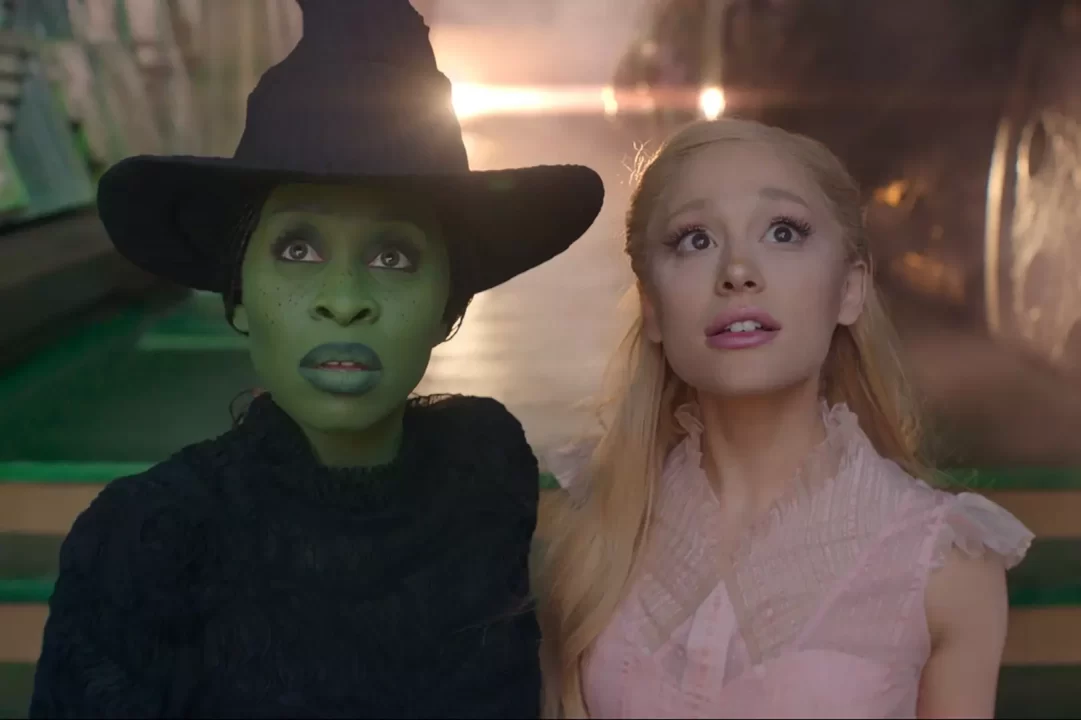
The film opens in the iconic land of Oz, where the Munchkins joyfully sing, "Good news! She’s Dead!" after the Wicked Witch of the West’s demise. Glinda the Good Witch (Ariana Grande) arrives and reveals she once knew the notorious witch, sparking a flashback to their time at Shiz University. There, the popular, bubbly Glinda meets Elphaba (Cynthia Erivo), a green-skinned, ostracized student with magical powers far stronger than anyone’s.
What follows is an unlikely friendship between Elphaba and Glinda, who must both navigate a world of magic, danger, and betrayal. Alongside Madame Morrible (Michelle Yeoh) and a journey to the Emerald City to meet the Wizard of Oz (Jeff Goldblum), they soon discover that not everything is as it seems.
Epic Musical Numbers, Emotional Moments
Impressively, the film also balances its exuberance with emotional depth. Elphaba’s bond with Dr. Dillamond (Peter Dinklage), a professor who speaks out against the oppression of talking animals, offers one of the film’s most poignant moments.
A Faithful Adaptation
Screenwriters Winnie Holzman and Dana Fox succeed in staying true to the original musical while making the story feel fresh. The film is a faithful, immersive experience at nearly two hours and forty minutes. The standout number, "The Wizard and I," sung by Elphaba (Erivo), is a tour de force, leaving the audience in awe of Erivo’s powerhouse vocals.
Likewise, "What Is This Feeling?" and "Popular" offer a new take on the rivalry-turned-friendship between Elphaba and Glinda. "Dancing Through Life," led by Jonathan Bailey’s charming Fiyero, is thrilling. And, of course, the climactic "Defying Gravity" is breathtaking and everything fans could hope for.
Stellar Performances
At the heart of the film’s magic are its leads. Ariana Grande shines as Glinda delivers her trademark charm and wit, while Cynthia Erivo’s portrayal of Elphaba steals the show. Erivo brings an extraordinary depth to the character, blending vulnerability and strength in a performance that is nothing short of masterful.
Erivo’s portrayal of Elphaba is a career-defining performance that warrants serious award consideration. While Grande is excellent, it’s Erivo who indeed commands the screen.
Minor Criticisms
While the film remains faithful to the original script, this sometimes leads to pacing issues, with certain scenes feeling drawn out. The cinematography is striking, but the color grading occasionally feels flat, detracting from the vibrant, magical world that Wicked should evoke.
Conclusion
Wicked is a triumph. Jon M. Chu’s direction, combined with standout performances from Ariana Grande and Cynthia Erivo, captures the heart and magic of the stage musical while infusing the story with new life. This is a film that fans will want to celebrate—and sing along to while we anticipate the upcoming sequel.

Ben Tan and Alexis Felix Capture Raw Emotions of Teenage Life
"The LA rave scene exposes you to all kinds of new, often dangerous experiences. But as a teenager, I was always drawn to that danger—it felt rebellious and offered a way out of the mundane," says Ben Tan, a filmmaker who, in his youth, navigated the magnetic yet dangerous world of LA raves. For Tan, it wasn’t just about seeking thrills; it was about escaping the anxiety and pressures of adulthood. His debut short film DOG, which he wrote and directed, tells the story of 19-year-old Summer, who takes her blind younger sister to a rave, only to see the night spiral into chaos.
In our exclusive interview, Ben Tan and star Alexis Felix share insights into the making of DOG and their own experiences that they brought to the making of the film. As Ben reflects, "DOG is a reflection of my adolescence—those nights in Los Angeles filled with raves, music, and drugs. It’s about chasing fleeting moments of ecstasy, only to be met with despair. Ultimately, it’s a story about the unavoidable reality of growing up."
Congratulations to you, Ben, on your short film, DOG, which tells the story of a 19-year-old girl taking her blind younger sister to a rave, only for chaos to ensue. In your director's statement, you say how you spent your adolescent years in Los Angeles, “Chasing moments of ecstasy. Arriving at despair.” What inspired you to tell this story?
Ben Tan: I wanted to capture my anxieties growing up and confronting adulthood. The LA rave scene exposes you to new things that might be dangerous, but as a teenager, I was always drawn to danger because it was rebellious and offered an escape from normalcy.
But the dread starts to creep back in when you’re back home lying in bed. Parents never fully know what’s going on in their kids' lives, and the secrets we keep are painful.
Ben, what was your creative process for writing the script and the character of Summer? When did you first meet Alexis and know she was the one for the role?
BT: Alexis and I met in high school. A single mother raised her, and she has a sister. We both shared a love for electronic music and had rebellious childhoods.
When I started writing, I made location and casting decisions early because I knew that if Alexis played Summer, I could cast her real mom and shoot at her childhood home. This made writing natural because I wrote with actors and locations in mind.
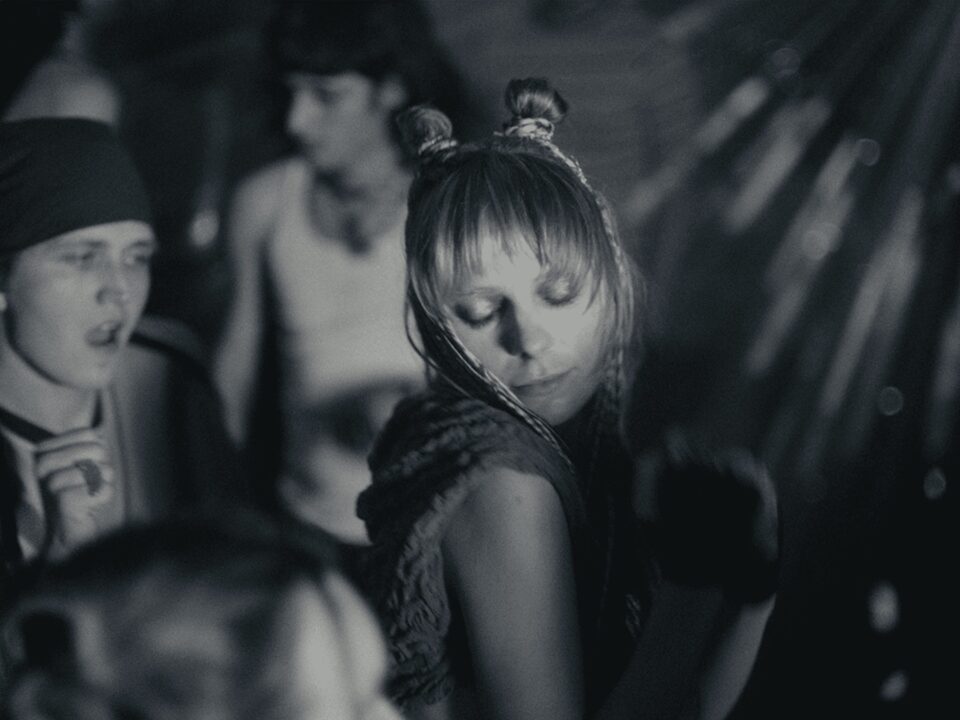
Alexis, what were your first thoughts while reading the part of Summer in the script? What was the most alluring part of the character, and what were you most excited to bring to the performance?
Alexis Felix: I knew Ben was in the works of writing this script, and initially, it was a story with two brothers. One day, he came home from work, told me he changed some things, and asked if I wanted to read it. My face lit up when I started reading the script about two sisters. I immediately knew I could play Summer. The character resonated with me a lot because I had grown up as a younger sister with a single mom in my own life.
I always wondered what being our family's older sister would be like, which allowed me to explore that. Summer’s mom in DOG is my mom in real life. I was so excited to share the movie-making magic with her and show her all the hard work I had been doing behind the scenes.
Ben, the film looks beautiful and distinct, with its black-and-white photography and 4:3 aspect ratio. How did you decide upon this look for this story?
BT: I chose a narrow aspect ratio to emphasize teenagers' claustrophobia when surrounded by family and friends but needing an escape. Black and white was an aesthetic that had character motivation. Lex is blind, so she’s missing a sense. Stripping away the color helps the audience see through her perspective. It also adds to the theme of growing up and the dark cloud of angst that looms over our heads.
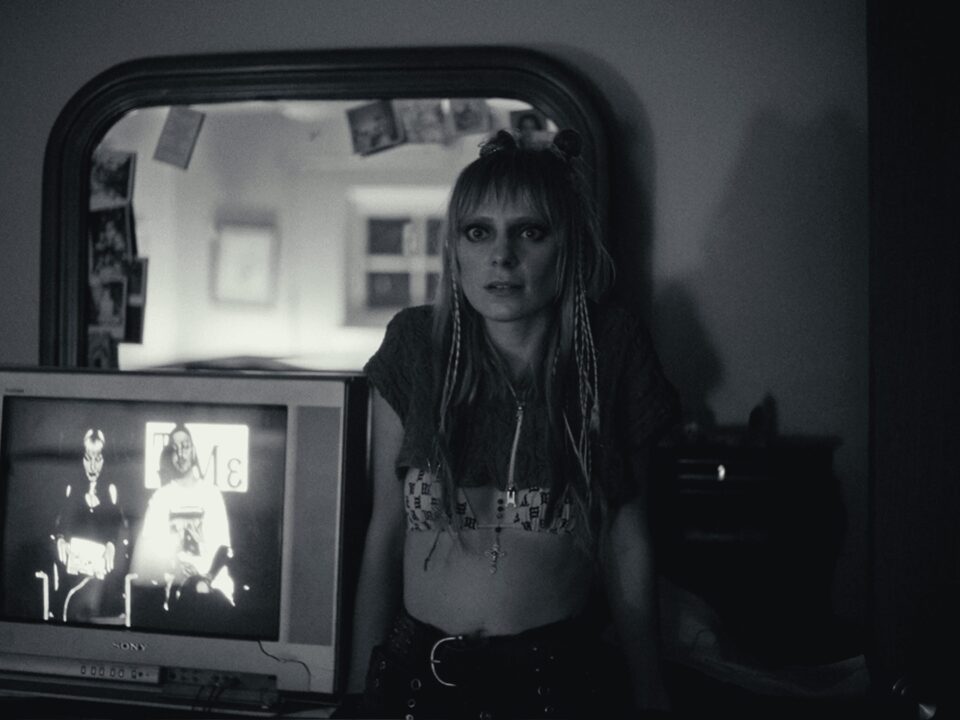
Alexis, can you talk about your creative process with Ben on set? What challenges did you face in this rave-set film?
AF: Ben and I have very similar tastes, so working with him creatively was fun. I loved that he gave all the actors on the set free range to be themselves and creatively mold the characters as they imagined them to be. He’s the writer and director of the project; however, he was interested in seeing how we all perceived the characters that he wrote.
As for challenges, I think everything ran very smoothly. Because we were on a time crunch, we only had 2-3 takes per scene, so we all had to be on our game.
Ben, can you share any challenges you faced during production, especially when shooting in a rave environment?
BT: We filmed the rave throughout an overnight shoot. A dozen or more friends donated their time to be background actors. We weren’t supposed to have fog at the location, but the lasers and strobes didn’t pick up in the camera without it. We ended up triggering the fire alarm three times. The third time, a squad of firefighters came to set, and they told us that if the alarm were triggered again, they’d shut our production down.
Luckily, the fog stayed in place, and we could finish those scenes. There was a moment in the night when I thought it was over and we’d have to scrap everything. Without the rave scenes, there would be no film.
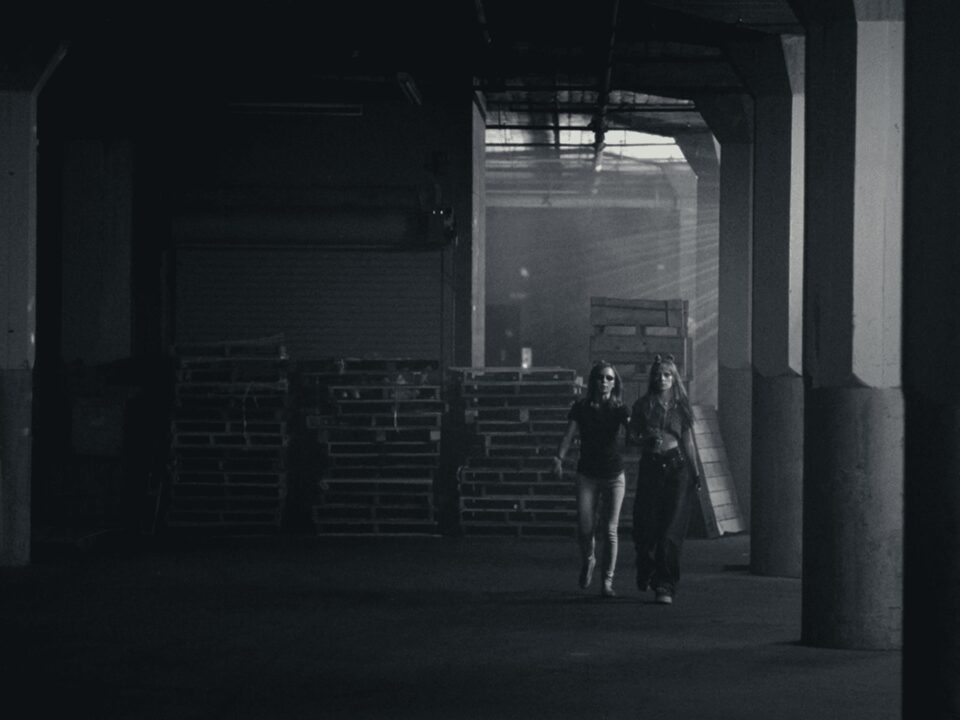
How do you think the film speaks to the universal experience of growing up and the struggles that come with it?
BT: DOG is set in a specific time and place. Growing up, I watched films like Larry Clark’s Kids or Catherine Hardwicke’s Thirteen. Both of these films highlight a particular subculture, making them believable.
They’re time capsules, and those films make me feel understood. No matter where you are in the world, the struggles of a teenager are universal.
AF: Morality plays a huge part in becoming an adult. As a teenager, you constantly make decisions and choose right from wrong. Whether dealing with peer pressure, navigating the people you choose to hang out with, or the situations they can put you in. As much as our parents try to teach us right from wrong, teenagers must go through life experiences to determine the consequences for themselves.
It’s like when you were a toddler, and your mom tells you not to touch the fire because it’s hot, but you do it anyway. We instinctively need to experience something to learn. I think this film does an excellent job of exploring that.
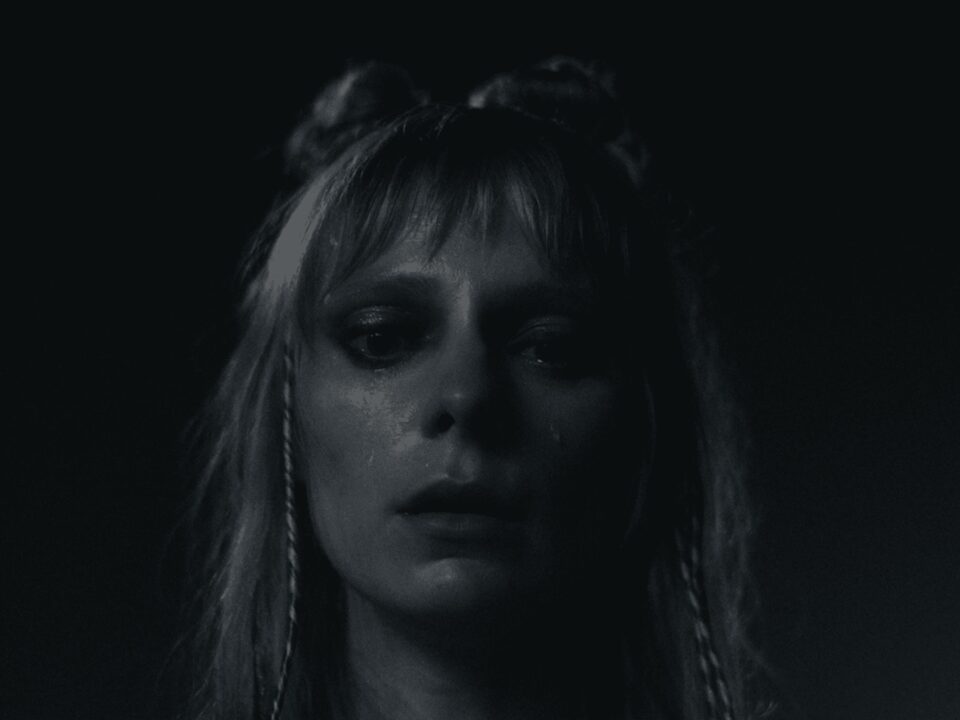
What are your hopes for DOG's future and how it might impact discussions around youth culture and coming of age?
BT: I’m always interested in coming-of-age stories that are specific and illuminate the subcultures we cultivate as teenagers. I’d love to see more of that.
AF: I hope people can see DOG and that it sparks a discussion of morality and the decisions we make as teenagers.

Muneeb Hassan Shines A Light On Closeted Love
Many people view being closeted as entirely negative. Still, filmmaker Muneeb Hassan sees it in a different light—one that is often shaped by the relationships and cultural expectations of others. In his new short film All the Men I Met But Never Dated, Hassan explores how the decision to remain closeted can express love, particularly toward more traditional family or community values. "I wanted to capture the nuance that, for many, the closet can serve as a safe space rather than just a place of oppression—a perspective often overlooked in the Western world."
Read on to learn how Hassan brought this delicate subject to life, from portraying complex emotions to casting his two lead actors. He also discusses the unique challenges of being an independent filmmaker and what he hopes viewers take away from the film. "I hope viewers leave with a deeper empathy for those navigating similar paths and a greater appreciation for the courage it takes to honor oneself, even when doing so requires balancing cultural expectations."
Follow All the Men I Met But Never Dated on Instagram for more updates.
All the Men I Met But Never Dated is inspired by the unspoken experiences of closeted Gay Muslims. What motivated you to pursue this story, and how did you envision bringing it to life on screen?
Muneeb Hassan: The motivation for this story came from the need to shed light on a reality that is often hidden and misunderstood—the unspoken experiences of closeted gay Muslims who navigate the complexities of identity, faith, and family expectations. I wanted to capture the nuance that, for many, the closet can be a safe space rather than purely a place of oppression, a perspective often overlooked in the Western world. For many men, Muslim or not, the closet represents a complex balance of identity and safety.
Interestingly, after a screening, some audience members from Fort Worth, Texas—even self-identified cowboys—shared that they saw themselves in this story and felt validated by its message. Hearing that it’s okay to date someone in the closet and that this experience can be relatable across diverse backgrounds reinforced my vision. I aimed to bring this story to life with subtle, intimate visuals and restrained dialogue, capturing these journeys' vulnerability, resilience, and quiet strength.
Your film explores the complexities of love, identity, and familial duty. How did you balance these themes while developing the script?
MH: Balancing these themes was essential because they’re deeply intertwined for many people, especially those who feel divided between personal identity and family expectations. David Stokes, my co-writer, and I wanted to show that love, identity, and duty aren’t mutually exclusive but parts of a complex reality for someone like Ali. We worked to weave them naturally into Ali’s story so his decisions and conflicts would feel genuine and universally relatable, even if the specifics are unique to his experience.
David Stokes: Muneeb wrote the first draft, and I took over the writing from that point and did all of the subsequent drafts. As the story was pretty much there, my job was to rewrite Muneeb's script to make it flow better, rewrite all of the dialogue so that it felt more realistic and authentic to the characters as well as some narrative changes that sped up the script and made sure that we always got to the heart of the scene and the emotions the characters were trying to convey.
Dialogue plays a significant role in your film. How did you approach writing those conversations to convey the characters' emotions?
MH: Dialogue is powerful, especially when exploring things that are left unsaid. For Ali and Oliver, we wanted conversations that were raw and honest but also reflective of the hesitation and fear that comes with vulnerability. I approached the dialogue by focusing on subtext—sometimes, it’s what the characters avoid saying that reveals the most about their emotions. Writing these moments was about balancing tension and intimacy to bring the audience closer to their inner worlds.


What challenges did you face in portraying Ali's internal struggles, especially regarding his decision to stay in the closet?
MH: Portraying Ali’s internal conflict was challenging because it’s a silent struggle that many people, especially from conservative backgrounds, can relate to but rarely express openly. It was about capturing his moments of isolation, self-doubt, and reflection without making them feel overly dramatic.
We relied on small visual cues and body language to communicate his tension, and I worked closely with Ahmed to capture the weight of these unspoken battles in his performance. Ahmed also brought his struggle into the character as a journalist and actor; he spoke not about his struggles but represented every single gay Muslim who prefers to live in a closet.
What qualities did you look for in Ahmed Shihab-Eldin and Jared P-Smith, the actors who portray Ali and Oliver, and how did you find the right fit for their roles?
MH: I was looking for actors who could embody the emotional complexity of their roles with authenticity. Ahmed’s real-life experiences and empathy made him a perfect fit for Ali; he understood the character’s depth and struggle.
With Jared, I needed someone who could bring warmth and openness to the role of Oliver—a character who contrasts with Ali’s guarded nature. The chemistry between Ahmed and Jared was essential, and their dynamic truly brought the relationship to life.
Can you talk about working with Cinematographer Nicholas Pietroniro on the visual style you wanted to evoke? And what did your editor, Wyatt Smith provide?
MH: Nicholas and I wanted to create a visual style that reflected Ali’s internal state—soft, intimate, and sometimes isolated. We used muted tones and close framing to evoke a sense of closeness and introspection.
Wyatt Smith, ACE, our editor, brought an incredible sensitivity to the project. His precision in pacing and transitions helped amplify the emotional undercurrents without overstating them. He understood the rhythm needed to convey Ali’s journey subtly but powerfully.

As an indie filmmaker, what unique challenges did you encounter during production, and how did you navigate them?
MH: Indie filmmaking is always a balancing act between vision and resources, and with our modest budget, every decision had to be incredibly intentional. We had only 1.5 days to shoot—one day in Cold Spring and half a day in New York City—so time constraints were a significant challenge.
We focused on meticulous pre-planning to make the most of every moment on set. I had a shortlist and storyboards ready. The passion and commitment of our cast and crew were essential; everyone was fully invested in telling this story, and that collective dedication allowed us to overcome our limitations.
How has this film influenced your perspective on your own identity and the stories you want to tell in the future?
MH: Creating this film has been an incredibly profound journey that’s challenged and reshaped my understanding of my identity. In exploring Ali’s character, I reflected deeply on my experiences, the intricacies of cultural expectations, and what it means to navigate the space between personal truth and family loyalty.
It’s awakened a stronger desire in me to tell stories that don’t just entertain but also illuminate the unseen struggles and resilience within underrepresented communities. I’m more driven than ever to bring forth narratives that honor the complexities of identity, belonging, and strength—stories that break down stereotypes and give voice to often overlooked experiences.
What do you want the audience to take away from Ali’s journey and his choices regarding his relationship with Oliver?
MH: I want the audience to understand that Ali’s challenging choices are rooted in love and a deep sense of duty. His story isn’t one of rejection or shame but rather a complex balance between personal happiness and familial loyalty, a theme that resonates across cultures.
I hope viewers leave with a deeper empathy for those navigating similar paths and an appreciation for the courage it takes to honor oneself, even when it means balancing cultural expectations. Ali’s journey shows that self-acceptance and family loyalty don’t have to be mutually exclusive—they are intertwined in ways that deserve compassion and respect.
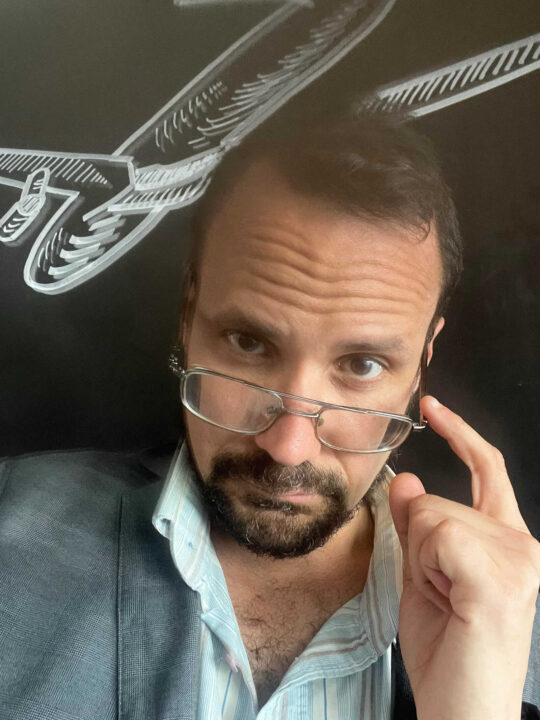
Victor Fraga Busts The Myth of Balance In Media
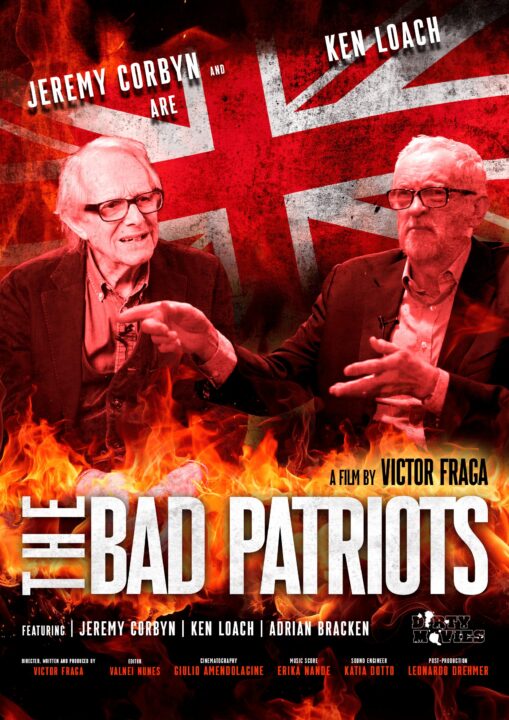
Born and raised in Brazil but has spent his entire adult life in the United Kingdom, Victor Fraga possesses a unique perspective on the political landscapes of both nations. Witnessing the erosion of Brazilian democracy beginning in 2016, he became acutely aware of the mainstream media's crucial role in both demonizing progressive leaders and facilitating the rise of the far-right. This realization prompted him to produce and direct The Coup d'Etat Factory, a hard-hitting documentary that exposes the manipulative tactics employed by the media. Now, Fraga returns with his latest film, The Bad Patriots.
In this exclusive interview, Fraga—also the founder of indie film publication Dirty Movies—shares insights into his new project, which collaborates with social realist filmmaker Ken Loach and former Labour leader Jeremy Corbyn. He also delves into his unyielding commitment to challenging the myth of "balance" in the British media. "It’s tragic," he asserts, "that the same shocking manipulation and censorship tactics I witnessed in Brazil are now rampant in the UK, the US, and other so-called 'developed' nations. Perhaps we're not as developed as we like to think."
It’s a pleasure to meet you, Victor! What inspired you to create The Bad Patriots, and what personal connections do you have to its topics?
Victor Fraga: I had previously made a film about media manipulation and censorship in Brazil, my birth nation. It was called The Coup d’Etat Factory. So, this topic has been close to my heart for a long time. After my film was finished, I realized that—contrary to belief—the UK is not quite a role model of media balance and democracy. The manipulation techniques are far more sophisticated here.
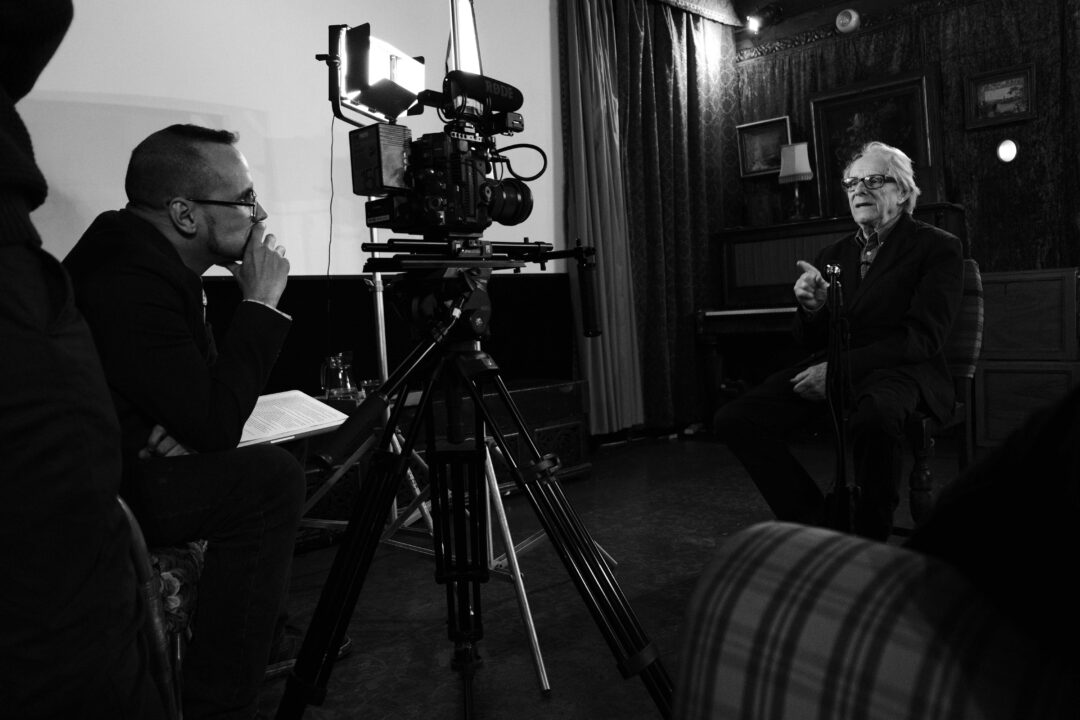
I first met Jeremy in 2016, when he was the Leader of the Labour Party, and I was campaigning against the coup that removed President Dilma Rousseff in Brazil. Jeremy has a close and personal association with Latin America, consistently visiting the continent and campaigning for international solidarity. His wife Laura is Mexican. He identified himself with my film so much that we did four or five panels together and became very close. I interviewed Ken three times in the past, and he, too, knew my work. So Jeremy and I insisted that he join the untitled The Bad Patriots.
You’ve mentioned witnessing the collapse of democracy in Brazil and the mainstream media's role in that process. How has this experience shaped your understanding of media's influence in the UK, particularly regarding figures like Ken Loach and Jeremy Corbyn?
VF: I have left Brazil, yet Brazil has never left me. I feel a duty towards both countries, where I was born and raised, and where I have resided for roughly a quarter of a century. These two films resulted from my activist and artistic commitment to both nations.
My experience with both countries is constant; one does not come after the other. I am intimately and consistently connected with both. I think I’m well-informed and have connections to influential personalities on both sides of the Atlantic, so I can comment on and compare the two countries.
Your films often explore themes of character assassination and censorship. How do you think the narratives around Loach and Corbyn serve as a microcosm of broader societal issues regarding free speech and dissent?
VF: Loach and Corbyn are much more vulnerable than the average citizen because they are well-known. Corbyn points out in the film that it’s much easier to attack individuals than ideas. The average British person might suffer micro gestures of censorship or perhaps even lose their job due to their political inclinations (in more extreme cases).
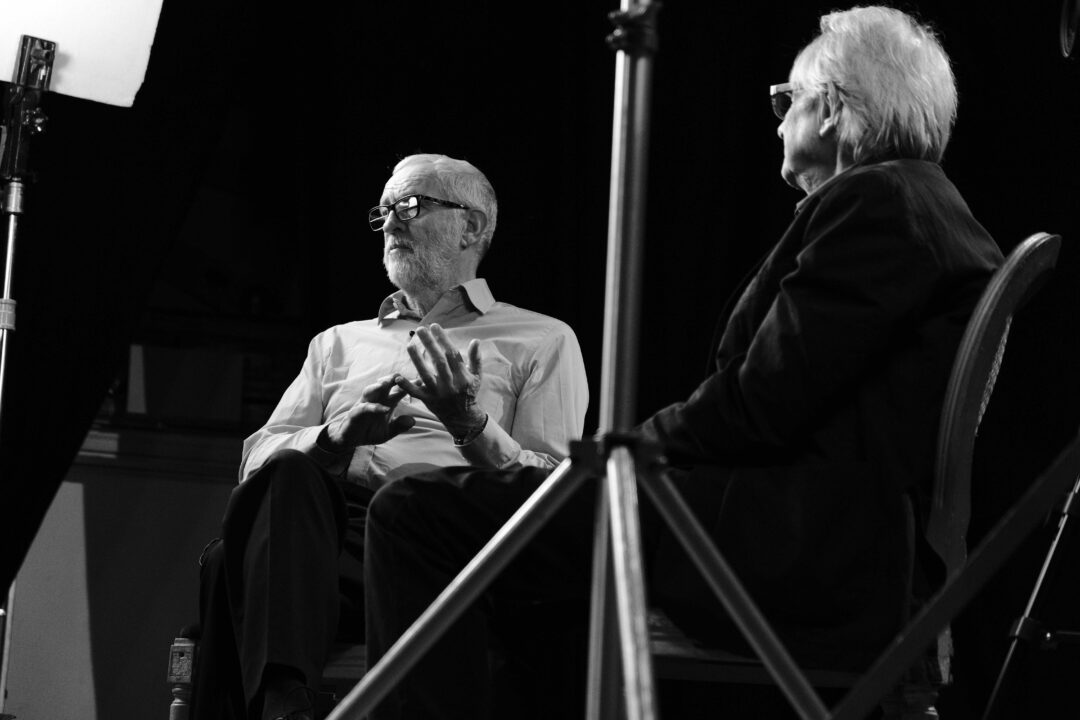
Very few people are subject to character assassination, defamation, and lawfare to the same extent as Ken and Jeremy, particularly the latter. The attacks are so fierce that despite being such outspoken and courageous people, they, too, have to self-censor on occasion. Freedom of speech is but an illusion.
Can you explain the central thesis of the documentary? What myths are you aiming to bust?
VF: The film's central thesis is that the British media are highly biased and hostile to voices vaguely critical of capitalism and the establishment. The UK is a very conservative country. I’m a pacifist, and I’m not a Marxist. Yet my political views and those of Corbyn and Loach are often viewed as “extremist.”
I set out to bust the myth of media balance in the British media, the facile pseudo-patriotism disseminated by the British establishment (including Keir Starmer’s rotten Labour Party), and the weaponization of antisemitism, among others.
How did you approach the research for this film, particularly in gathering diverse perspectives on Ken Loach and Jeremy Corbyn?
VF: Ken, Jeremy, and I met a few weeks before the shooting (which was done in a single day), and I asked them to collate anecdotes of media bias and censorship to which they were subjected. I researched newspaper articles that demeaned and insulted Ken and Jeremy - which wasn’t a particularly difficult job. There’s so much hate against these guys out there.
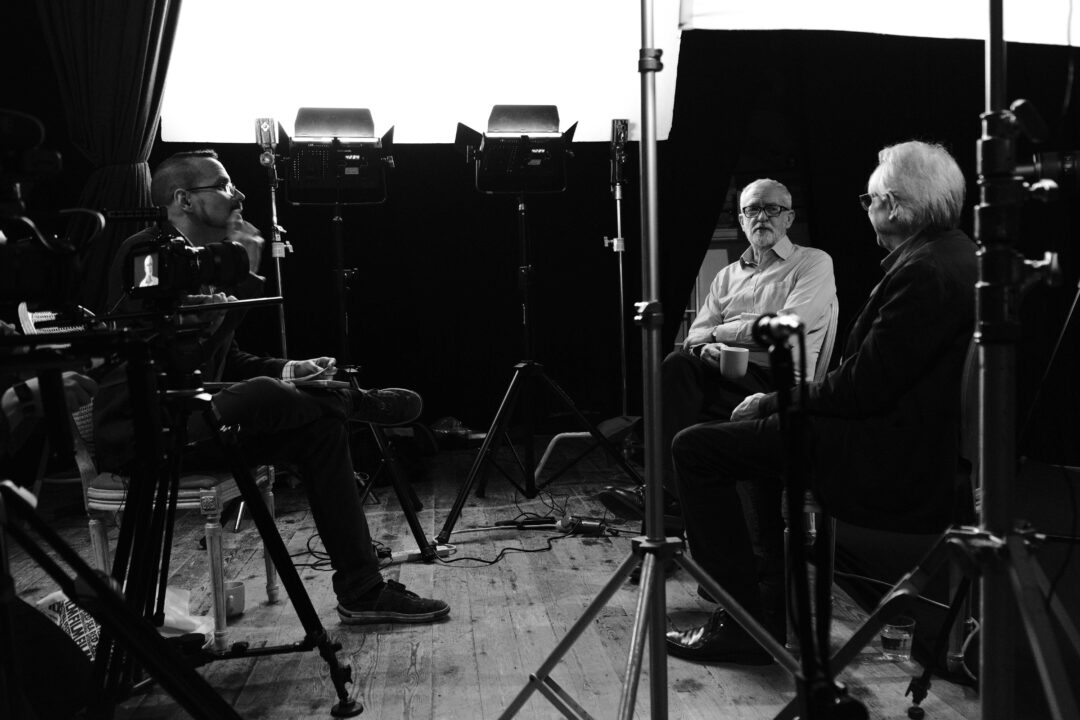
Finally, I was familiar with Ken’s filmography, which helped me structure the movie with his clips. It was a relatively simple process, a straightforward project. I would call it politically audacious yet aesthetically unpretentious (I’m not embarrassed by my microbudget and by exposing the informality of the movie, such as the failing microphone, which I intentionally chose to leave in the film).
What were some of the biggest challenges you faced while filming, especially regarding accessing sources or differing viewpoints?
VF: There were no significant issues. We are super grateful to our friends at Sands Studios, who provided their incredible facilities in kind. Christine Edzard and Olivier Stockman are committed to activist cinema—films that make a difference. Ken and Jeremy, too, were super open and relaxed.
Were there any surprising revelations or moments during the production that changed your perspective on the subjects?
VF: The most significant change came during post-production, on October 7th, when Hamas attacked, and Israel retaliated with the most shocking genocide in modern history. We recorded the film a few months before, and the topic was already present. I decided to make it much more prominent and close the movie with a pertinent reflection.
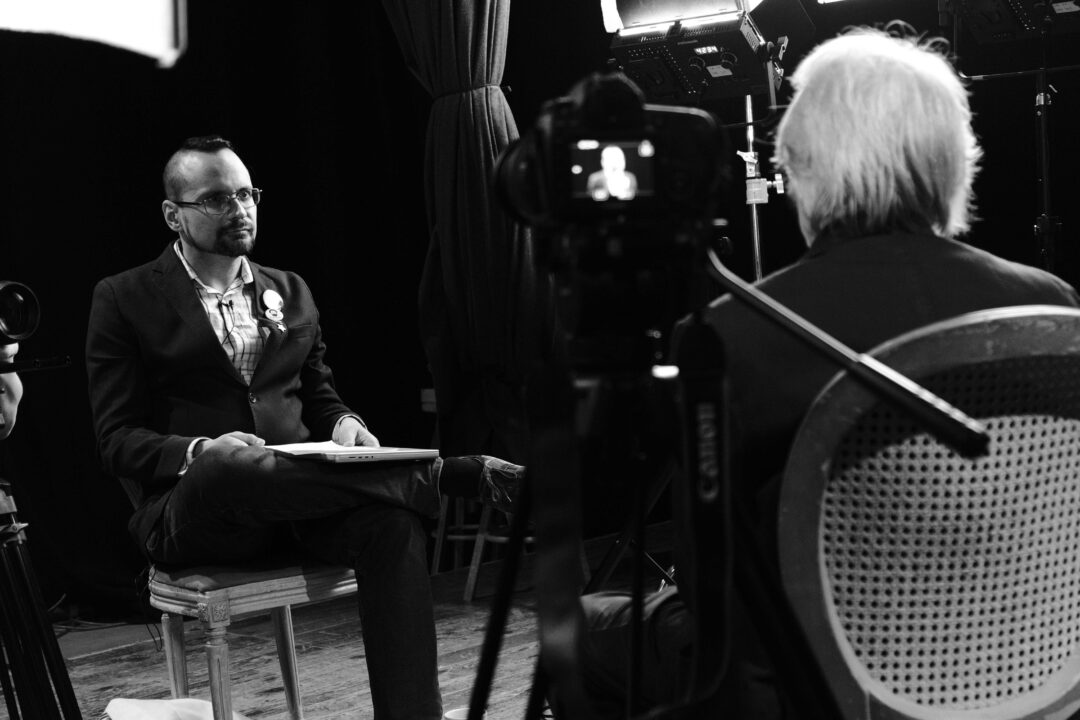
There were no major surprises during the filming. Instead, some of the anecdotes are hilarious in their absurdity, such as comparing The Wind That Shakes the Barley to Mein Kampf and Jeremt Corbyn riding a Mao Zedong bike.
Are there any particular moments in the documentary that resonate most strongly with the audience? Why?
VF: Hopefully, the part on Britain’s inability to self-reflect and recognize its past atrocities (the British Empire). The tub-thumping patriotism that our media disseminates is perhaps the most significant root cause for the defamation of progressive voices. Those who dare to challenge the establishment and refuse jingoism are not traitors. Quite the opposite: they are the ones who care about the average citizen. Hence, the ironic film title.
What are your plans after this project? Are there other topics or themes you’re interested in exploring next?
VF: I am currently a producer on a much larger project for a well-known filmmaker, a close friend of mine. Fingers crossed that comes to fruition. And I’m working on the third movie in the Dirty Media trilogy (the first two being The Coup d’Etat Factory and The Bad Patriots).
It features a very outspoken and energized Noam Chomsky in his penultimate interview before health issues prevented him from talking and writing. Maybe I will call it The Bad Jew.
Amanda Deering Jones and Kitty Edwinson Treat Addiction With Compassion
Addiction is a deeply complex issue, and it becomes even more challenging when a loved one is affected. Director Amanda Deering Jones and screenwriter Kitty Edwinson approach this sensitive topic with compassion in their short film Little Mother Lies, inviting audiences to engage with the realities of addiction more empathetically.
It’s a pleasure to meet you both, Amanda and Kitty! I’d love to hear how you first became involved with your new short film, Little Mother Lies. Kitty, being the screenwriter, when did this story’s idea first come to you? Amanda, when did you become involved with this project as the director?
Kitty Edwinson: Hi Ryan, it’s a pleasure to meet you! The idea for this short came from the feature on which it's based, Mother Lies. I found a letter my grandmother had written in 1955 to her sister’s psychiatrist describing what the sisters endured as children when they fled Russia during the 1917 Revolution. My mother did not know this story. I showed the letter to my sister and said, "There’s a movie in here."
Amanda Deering Jones: Thank you for talking with us! As a producer, I have been with the feature since 2020. However, at the end of 2022, we discussed creating a short as a proof-of-concept. At the same time, I had personal revelations about wanting to enter the directing seat in my career. The stars aligned, and I was able to dive in with this short.
What were each of you most excited to bring to the screen, and how did you approach these sensitive subjects?
KE: This story gave me a chance to portray the fallout of a horrific choice parents of addicted children often face and then play with what might happen if the son, in this case, caught even a tiny inkling of what that fallout was, how it was shaping the decision he’s making in this very moment.
We approached this by gradually revealing the extremity of the situation to the audience and then having the son and audience learn what the choice was at the same time. This way, the audience’s reaction would be compounded by caring how the son responds.
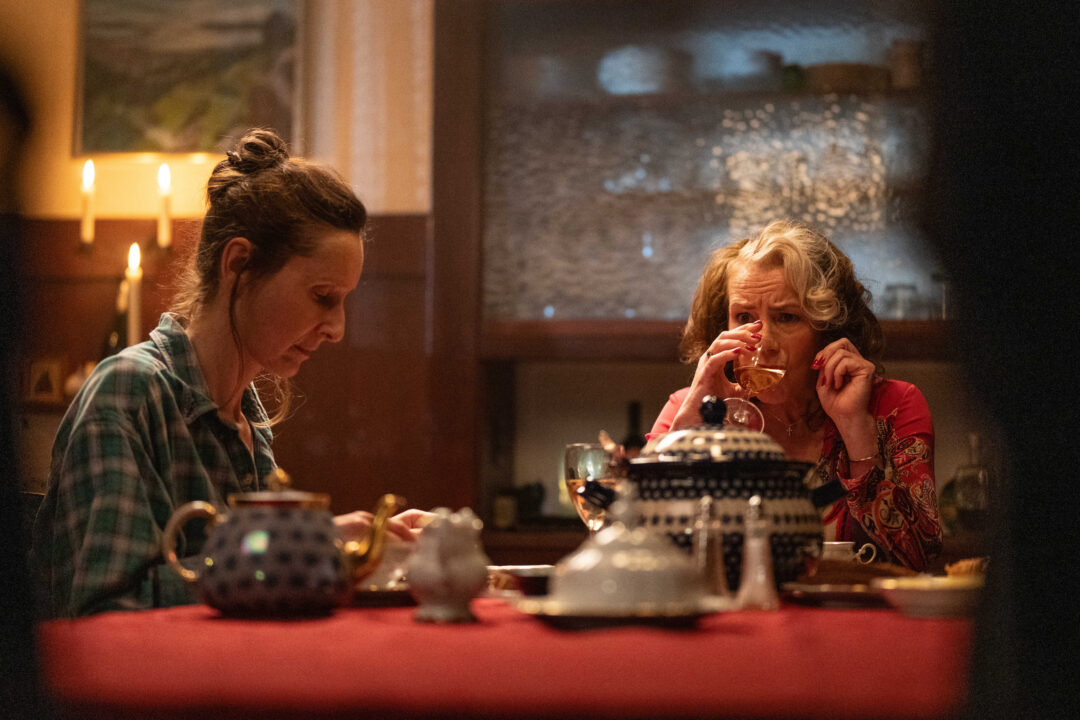
ADJ: Two things excited me from the feature that Kitty crafted. I wanted the world to meet these complex sisters. I always thought their dynamic was fascinating as well as deeply relatable. And I wanted to show a mother willing to face her darkest fears to save her son. Much thought and care was put into the story around what we wanted to highlight, poke at, and elevate in the world of addiction.
The same goes for the pitch material when we approached investors. Kitty did a beautiful job sculpting the dialogue around what was said and what wasn’t said. We only moved forward once we all felt the script was truly ready.
Kitty, what did you want to highlight when writing the roles of sisters Dorie, Marinka, and her son?
KE: I wanted Dorie to embody the fear, worry, and exhaustion of a parent in this situation, layered over with tension and ambivalence around being with her sister. Pascale Roger-McKeever did this brilliantly. I wanted Marinka, her sister, to be this mesmerizing force of nature who embodies the allure of the family’s particular approach to life while also dramatizing the destructive core of that same approach–Emilie Talbot did this brilliantly.
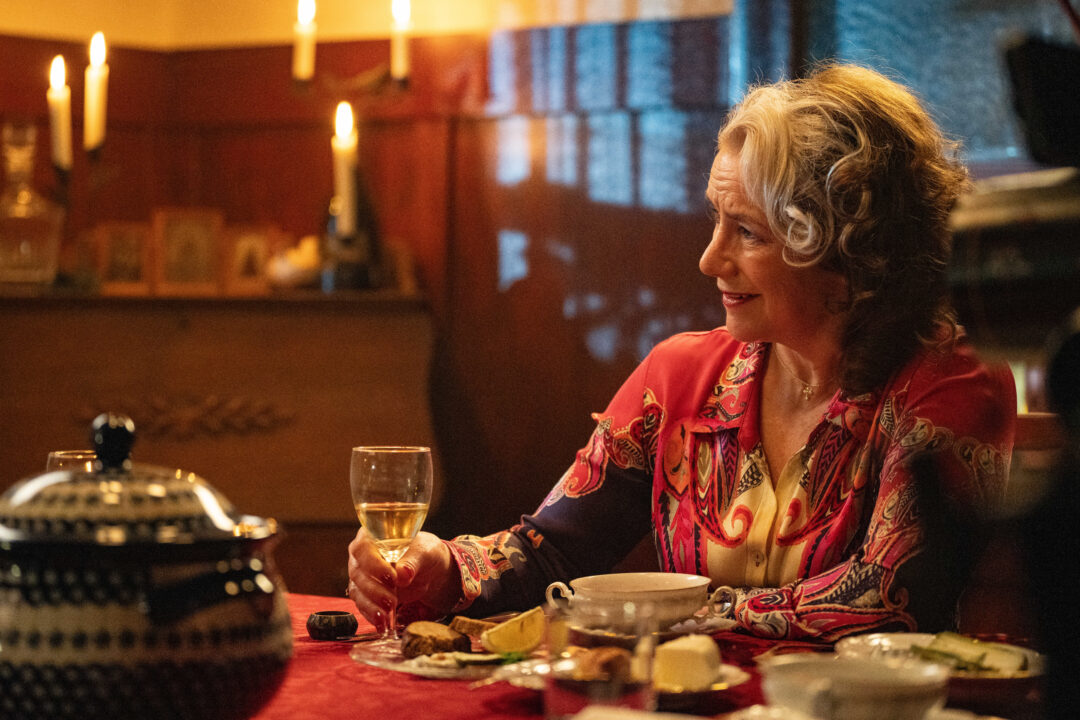
I wrote the son to be in the throes of heroin withdrawals, a state he’s familiar with while being in a situation that is literally foreign, suffering in this weird room. Elliott Thomas West perfectly captured the son’s curiosity, rising and falling with the waves of sickness and his primal need to escape while also being a beloved son who has not been lost.
Amanda, what was your process for casting these characters? Did you have specific actors in mind?
ADJ: We had actors in mind for the feature, but the short was a different beast. We brought on a brilliant local SF Bay Area casting director, Kim Donovan, and decided to look for local actors first. We lucked out for both of the sisters. Pascale Roger-McKeever and Emilie Talbot sparked us immediately. Elliott West from LA also quickly rose to the top as a standout.
Amanda, how did you approach directing actors in such emotionally charged scenes?
ADJ: Time is often more squeezed with a short, but I met with each of them individually because I wanted us to get to know each other as people first. I wanted to hear more about their process and how their brains work. This was supremely valuable going into the shoot.
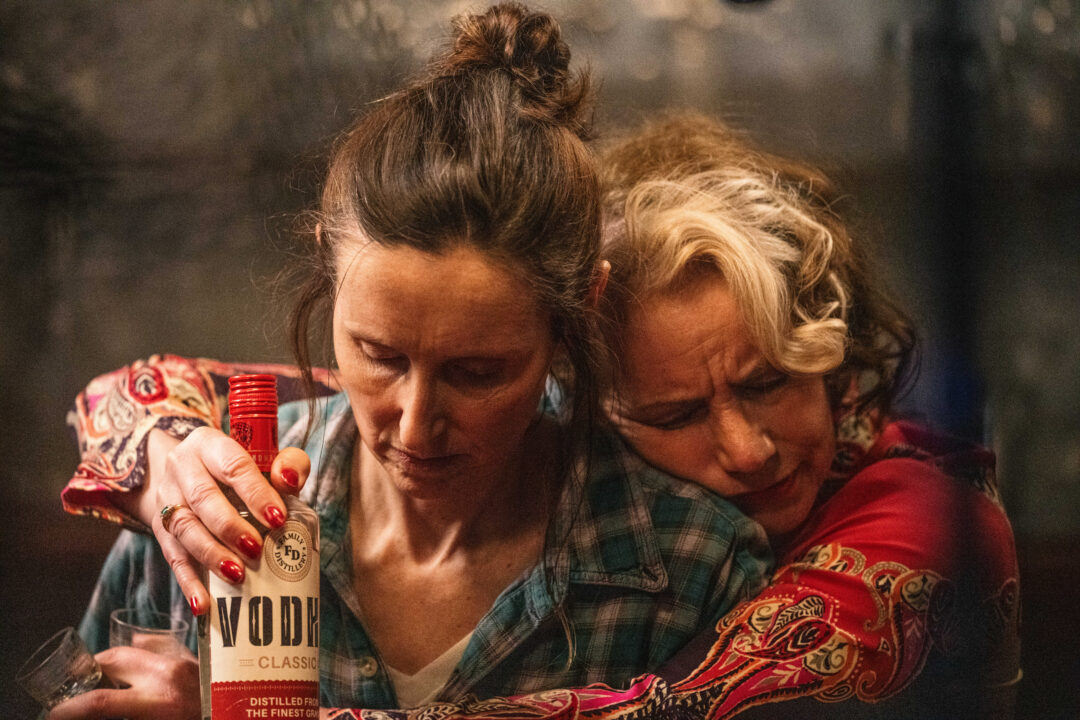
I knew these would be tough roles, but I wanted them to feel they could lean on me for emotional support and to feel safe throughout the entire process. This preparation served us all as we navigated the hardest scenes, and in the end, they blew me away.
What were some of your biggest challenges in making Little Mother Lies as an indie film?
KE: My confidence flagged sometimes. On days when we hit some bump, I’d feel certain that the project would never come together, much less be superb. I had to work on restoring my faith. I was also worried about funding, which came together after all, but boy, that was a nail-biter.
ADJ: Kitty said it: Fundraising is high on that list. We approached investors and utilized crowd-funding. The great news is we got there, but it was a lot of work and a rollercoaster. Looking back, I realize that so much felt deeply hard while we were in it. Still, I am also blown away at the number of things that fell into place to support this project, particularly the incredibly talented people we pulled together.
Can you discuss your collaboration with the crew and how you brought everyone’s ideas together to shape the final product?
KE: We have been a tight bunch since the idea's inception for a short. We gradually honed our goals over the time the script was finalized so that by the time we had to shoot, Amanda could be the shepherd, as she says, and everything zipped together. The communicativeness and focus with the crew were a delight to experience.
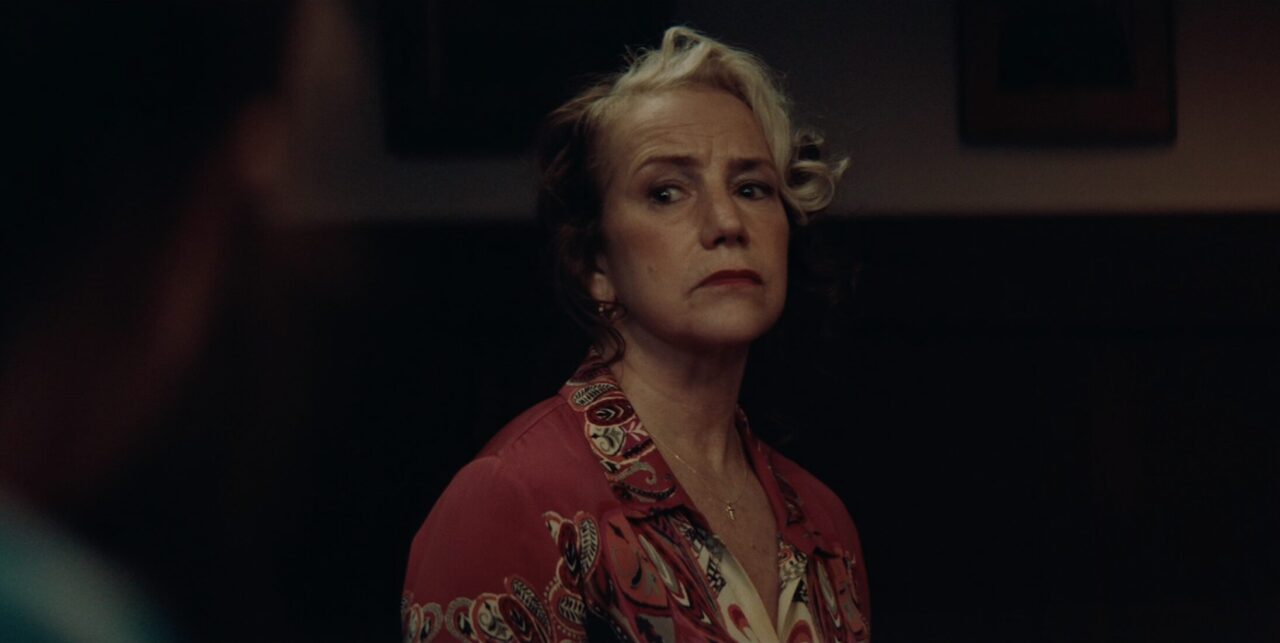
ADJ: I care deeply about each person feeling they can contribute. You do this by declaring it from the start with your team and how you respond when they offer a thought or note. You will not take every idea, but if you’ve done your homework as a director, you will know what to take and what not to take. When I didn’t take a note, I at least acknowledged it and often explained my reasoning. Yes, this can be more work, but it creates a dialogue and builds trust. If we had not set this tone intentionally, we would have missed out on gold, and the short would have suffered.
Amanda, did you employ specific filming techniques or styles that were particularly effective for this story?
ADJ: In my research, I found an image from another film that I knew was the exact tone I was aiming for, and it became my guiding light. It utilized an anamorphic lens, and that cinematic feel was vital to convey a bit of mystery, a deep focus on the subjects, exposing their vulnerability, with a touch of absurdity and chaos at times.
Then, lighting was essential to bringing in all the conflicting tones; a warm background meant to tell us that there was love amongst the chaos, but blue lighting reflected the current state of the relationships. The opening scene has the sisters mostly isolated in shots, demonstrating how disconnected they are, but with a few wide two-shots for moments of connection. We were fortunate to utilize 2 Alexa Mini cameras for those isolated shots, allowing seamless filming where we could capture full performances with fewer takes.
What do you hope audiences take away from Little Mother Lies? Have you received any feedback that particularly resonated with you?
KE: People in recovery are all around us, and people struggling with addicted loved ones or addiction themselves are, too. Before we began shooting, crew members conveyed to me how important it was to them that this story be told. It has already generated critical conversations. This means everything to me.
I want the audience to come away with a deepened understanding of what being in this situation might be like from each perspective: parent, sibling, addicted loved one. I want them to soften or suspend judgment. If they do know something about addiction, I want them to gain the courage to have a different kind of conversation with people who matter to them (including themselves).
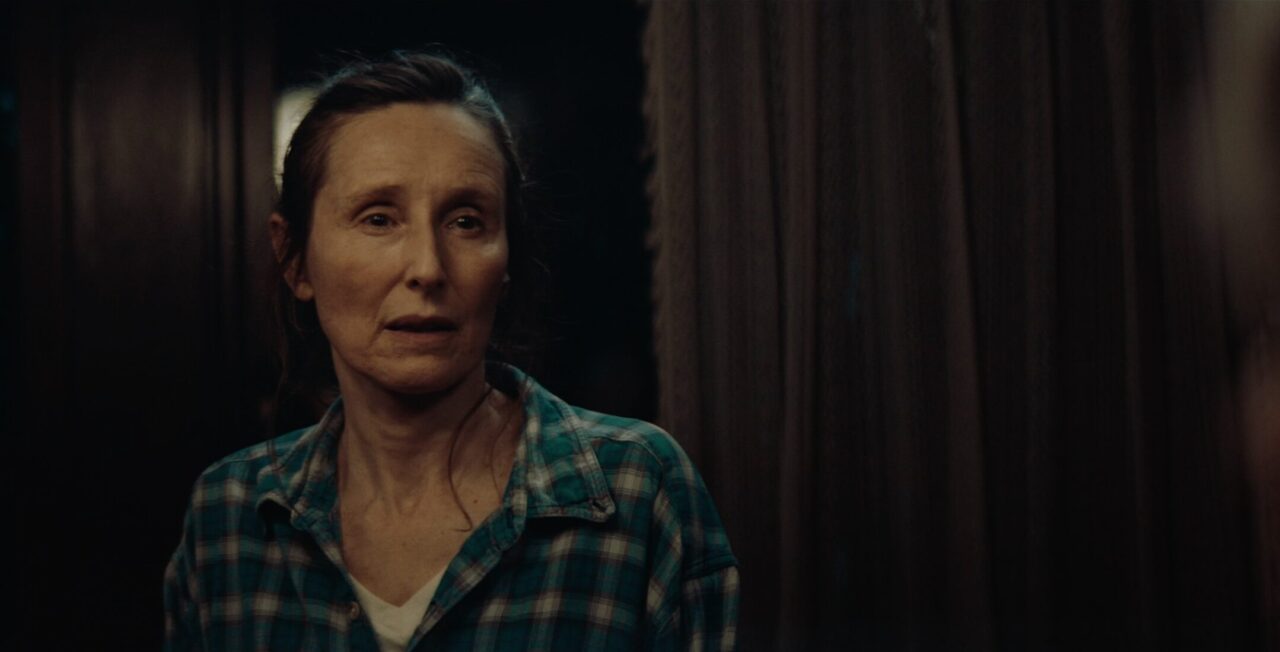
ADJ: Most feedback has been powerful and moving because it resonates. Like Kitty said, it’s sparked meaningful conversations at times. Each person's interpretation of the ending is unique, but they’ve certainly felt its weight with each viewing. I hope it creates more understanding for families struggling with addiction. If just one person walks away with a perspective shift on their situation, we will have won.
Do you have plans for future projects after Little Mother Lies? Will they explore similar themes or different ones?
KE: The feature Mother Lies is about the sisters within the richly textured, disappearing community of descendants of Russian exiles in San Francisco. Addiction is just one thread weaving throughout. So we want this film made. I am completing another screenplay set in San Francisco in 1976, based on the true adventures of a rock-concert-crazed teen at the Cow Palace.

Michael Husain Fights For ABA Basketball Players' Rights
Basketball fans often view the NBA as the sole professional basketball league. However, to do so overlooks the significant contributions of the American Basketball Association that preceded it. The ABA introduced groundbreaking elements such as the three-point line and the slam dunk competition and entertainment features like player fashion, sneakers, halftime shows, and cheerleaders—elements we often take for granted today. The ABA enriched the game and laid the groundwork for the modern NBA, making basketball more enjoyable and dynamic.
What inspired you to create your new documentary, The Waiting Game, about the ABA-NBA merger and the struggles of former ABA players?
Michael Husain: The Waiting Game initially arose from being a sports fan and learning a story I had no idea about. But quickly, it became bigger than sports—about injustice and wrong that must be exposed and corrected.
The guys who played in the old ABA innovated the modern game of basketball, which is now worth billions. How could anyone see them struggling now as older men and not want to help? That was the question that kept coming back to me.
Can you walk us through your research process for this documentary? What challenges did you face in uncovering the ABA's legal history?
MH: There were several key research threads. First, I needed to understand the impact of the ABA on basketball. Terry Pluto’s book Loose Balls is the go-to on that material and other books on the ABA. Next, I needed to understand the deal that went so badly – often called “The Merger” – that it left former players unable to care for themselves in their later years. It happened in 1976, and all those documents were in the possession of Scott Tarter, the lawyer in the film who co-founded The Dropping Dimes Foundation, which was set up to assist struggling ABA players.
Then, I needed to understand the social/cultural impact. The ABA was created in 1967, during the apex of the civil rights movement in America. In some ways, it reflected the changes that were afoot in society. Black cultural influences in the modern NBA are plain to see and celebrated. Much of that came from the ABA, and renowned sports sociologist Dr. Harry Edwards helped me understand it.
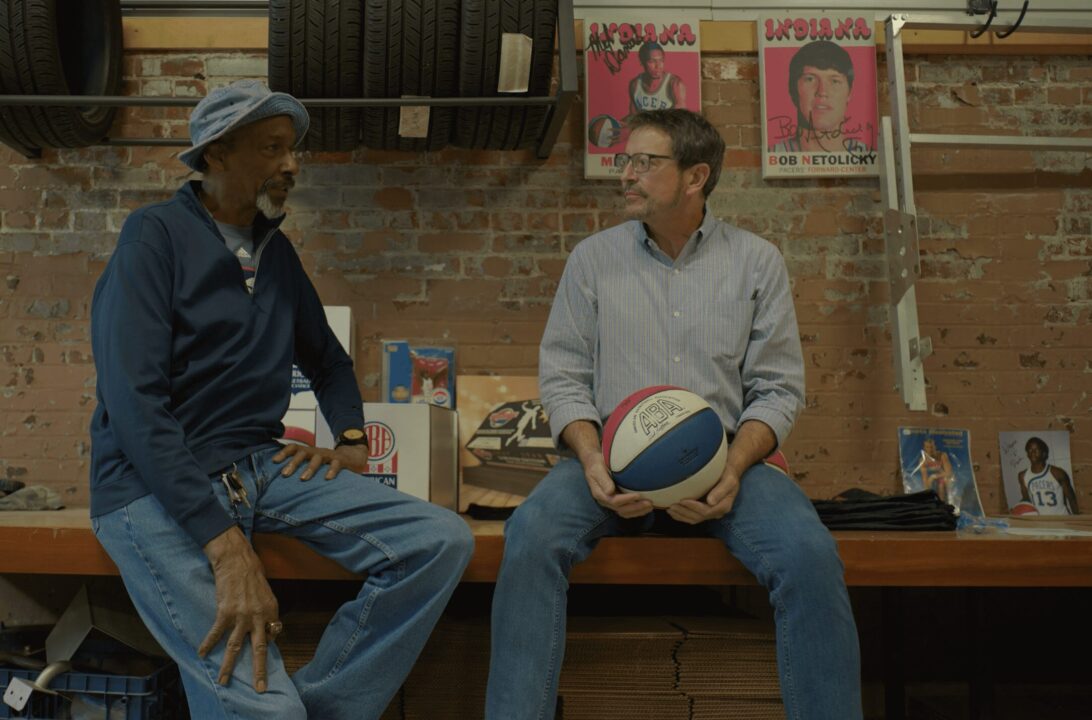
You mention the ABA's significant innovations, like the three-point shot and the slam dunk competition. How do you think these contributions are perceived today, especially by newer generations of basketball fans?
MH: I think they are no longer seen as innovations; they are seen as “basketball." That’s the game we all love these days, myself included. So part of the challenge in storytelling was to unfold the story for fans, say, 55 and above, who might recall the ABA, and those under that age who may have no idea it existed.
And, yes, remind them that the ABA innovated many aspects – including entertainment features like player fashion, sneakers, halftime shows, cheerleaders, and more – that we take for granted. The ABA created massive value for the modern NBA and simply made the game a lot more fun.
Who were some of the most impactful people you encountered while making this film?
MH: I appreciated the contributions of legends like Dr. J, Julius Erving, Bob Costas, and others, and they were great interviews. Dr. Harry Edwards, who was active in the civil rights era, invented sports sociology as an academic discipline, is just generally brilliant, and was very impactful in framing the story more widely than basketball.
James Jones and Ralph Simpson, who were extraordinarily gifted as ABA players and now struggle because of how this deal was structured, greatly impacted me. Their strength and honesty in discussing their situations/frustrations hit everyone on the team pretty hard.
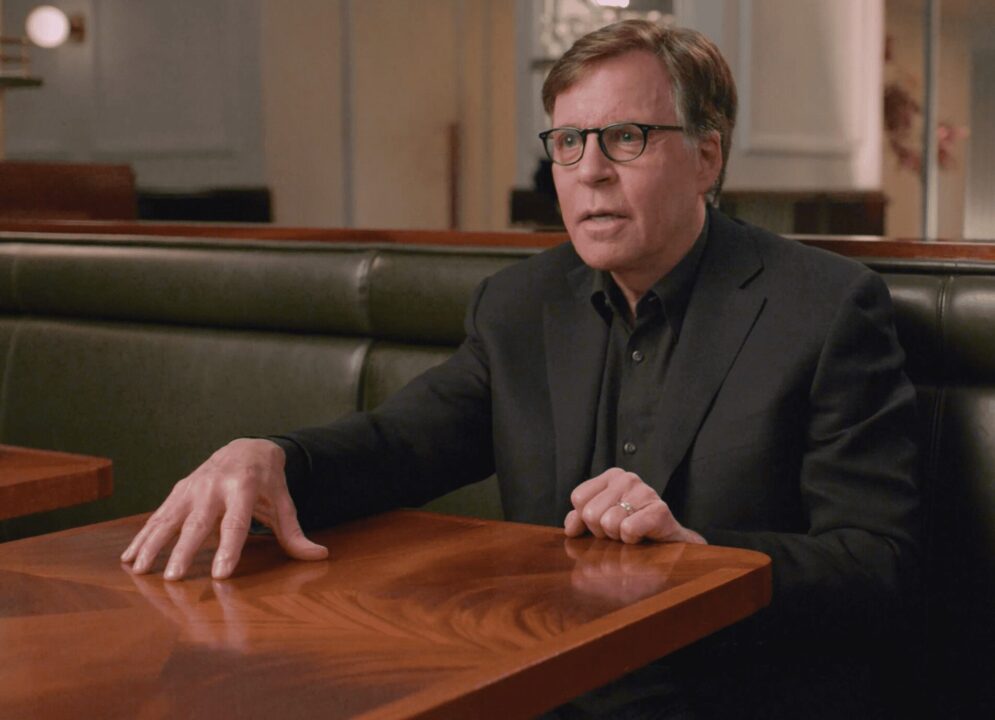
Were there any particularly memorable interviews or moments you had while shooting?
MH: Oh yes. We traveled to San Jose State University to interview Dr. Harry Edwards. It was an important shoot for us. We booked a room in their beautiful library, set up for a couple of hours, and were ready to go. Ten minutes before Harry arrives, an announcement comes over an intercom to evacuate immediately. There is an active shooter situation in the building!
We exited to SWAT teams and other law enforcement streaming into the building while I was frantically trying to reach Dr. Edwards to tell him to stay away. We left all our gear in the room. It was very, very stressful. Thankfully, the situation was resolved several hours later, and no one was harmed. We were able to return the next day - all the gear was there and untouched, and Dr. Edwards was a phenomenal interview.
What was the most challenging aspect of bringing this documentary to life, both creatively and logistically?
MH: Our approach involves a very layered story. Therefore, we needed to ensure the audience got enough information and/or emotional impact from each layer we revealed.
While more challenging from a story perspective, I hope the payoff in the last third of the film – which becomes more verité in style as the tiny not-for-profit takes on the Goliath of the NBA – is more rewarding because of the approach.
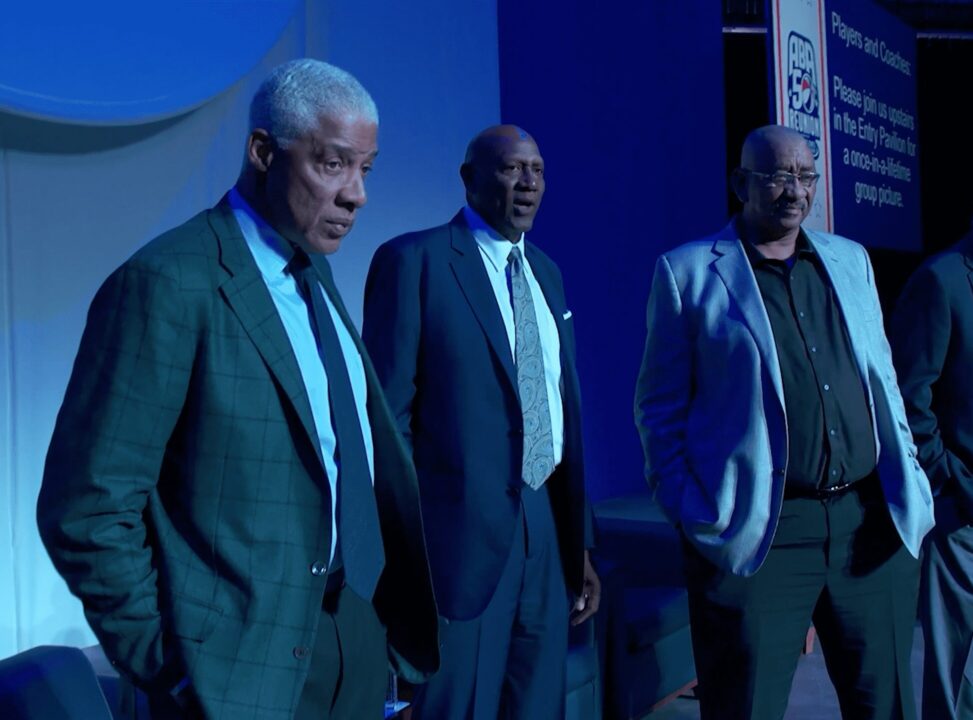
Why do you believe the story of the ABA's players is important to the history of basketball and sports?
MH: It is important to sports history because the story of the innovations of the ABA is being lost. Having a heart-wrenching set of circumstances allows us to remind people of just how incredible the ABA was. That was very important in why I pursued this.
In what ways do you think this documentary might influence ongoing discussions about athlete rights and corporate responsibility in sports? What do you hope your documentary will achieve regarding advocacy for these individuals?
MH: From a narrow NBA / NBA players union perspective, I hope it reveals to them that some were left out and still need help. It would be a relatively meager sum to the powerful but life-changing to the guys left out or the widows who saw no benefits.
From a broader perspective, I hope it reminds corporate leadership of the terrible consequences when basic humanity isn’t present in the boardroom. Actuaries, accountants, and lawyers are smart and must be informed in decision-making. But if they are not tempered by someone advocating for “golden rule” decency in corporate behavior, what happened to the ABA guys seems to be the result. Real people get hurt.
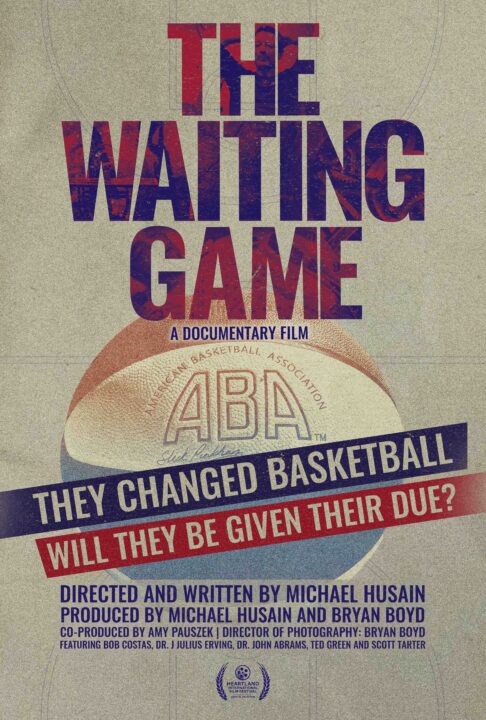
What message or feeling do you hope audiences take away from The Waiting Game?
MH: I hope they understand these men's immense impact on what has become a multi-billion dollar sports/entertainment juggernaut. Also, the recognition that there is a social justice aspect to how they were treated should not be ignored. Lastly, I hope audiences feel some outrage. As well as a desire to put some pressure on the powers that be to fix a very fixable situation.
Are there any other subjects or issues you’re passionate about that you’re considering for your next documentary?
MH: I’m a big fan of redemption stories. And I’m following a story of a prison re-entry program. In its pilot, it started to empty the lock-up where it was being used. People were getting out of jail and staying out, charting their redemptions. That documentary should be complete in 2025.

Francisco Ordonez Explores Cosmic Karma Through Film Noir
The karmic relationship we have with the universe interests filmmaker Francisco Ordonez. With his new noir film, The Low End Theory (co-written by the film's lead, Sofia Yepes), Francisco found a way to explore this universal idea through genre filmmaking. "Mainly, I was interested in exploring the question of whether there is such a thing as a cosmic order—whether you call it God or karma. I really wanted to bring the latent mysticism or spirituality of film noir to the surface, to the text level."
READ MORE: ‘The Low End Theory’ Review: A Neo-Noir Set in LA’s Music Scene
In our exclusive interview, Francisco discusses how his Catholic upbringing informed his making movies "about" religion, his film's representation of LGBTQ+ and Latinx voices, and his Scorsese-an style to capture a new type of spiritual film noir.
Cinemacy: It's a pleasure to meet you, Francisco! You've stated that the idea for The Low End Theory came to you when your co-writer, Sofia Yepes, brought you a personal story of hers, told as a film noir. What idea did she initially share with you, and what resonated with you enough to want to make it a feature film?
Francisco Ordonez: I’ll have to leave it to Sofia to decide how much detail she is willing to share, but I can tell you that it was the type of story that just makes you think: Wow. There are some really wild and manipulative people out there! And it’s just baffling what willing participants we can be when we’re in love or think we’re in love.
We can go as far as to put ourselves in physical danger. And we’re capable of violating what we know is right from wrong: our moral codes. And if you throw trauma in there, anything is possible. If you’ve experienced a violation but never received justice, it can really torment you. We’ve all experienced this in small ways. We’ve all experienced situations where someone insults you, and that night, you lie in bed, brooding and fantasizing about what you should have said or done.
In the case of our film, Raquel, the protagonist, has experienced a much deeper violation, one that she never addressed. This combines with this toxic relationship with our film’s femme fatale and results in some extreme noir-level decisions. Sofie mainly wanted to explore toxic love and betrayal. And that’s where I said: “Oh, that’s a noir.” Then we met in the middle, with the themes that she brought to the table on the one hand and the things that interested me on the other.
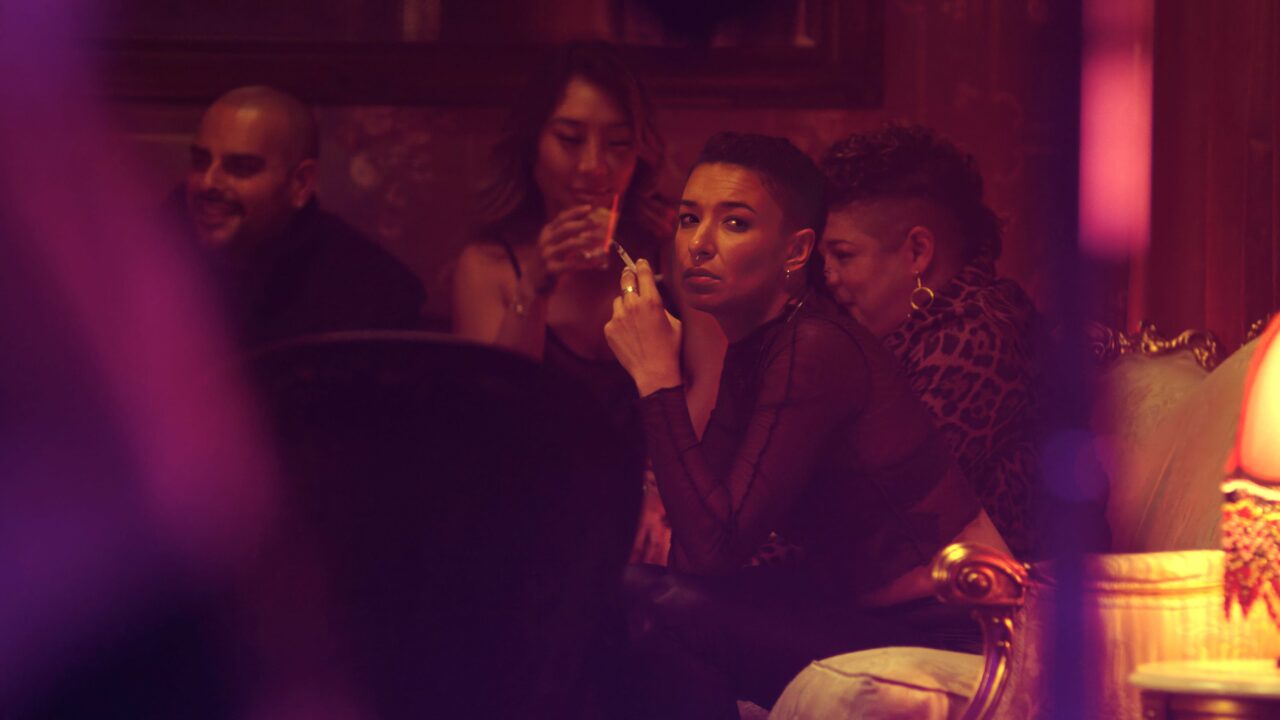
Cinemacy: What was the collaborative process between you and Sofia – who also stars – in writing the film? Can you talk about what incorporating Latinx and LGBTQ+ characters and ideas about fate and destiny into the story meant to you?
Francisco Ordonez: In terms of the writing, Sofia supplied the pieces of the story and the initial emotions, and I started writing a treatment. I would write and then send it to her. She’d give me notes, and I’d revise them. I did this for about a year. The final treatment that we wrote the script from was about 25 pages, single-spaced. I always write a treatment. I like the freewriting of it. And I like the way it allows me to see the entire film from a birdseye perspective, that is, all the acts and movements. A treatment is almost as good as an outline or post-it beat sheet in this respect.
When I’m writing in screenplay format, I find that I can only “see” the scene before the one I’m working on. And maybe I can see one or two scenes ahead. At least, that’s the way it works for me. Once we got to the script stage, I would send Sofia the script as well as our other producer, Dan Ragussis. I’d get notes and keep revising. As I kept writing, Sofia’s initial ideas morphed into more hyperbolic versions of the original circumstances. It got to the point where the story took on a life of its own and had its own requirements. Like all great actors, Sofia asks great questions about the narrative and the characters. During the writing process, she called me on nuts and bolts logic, as well as emotional logic and motivation.
Mainly, I was interested in exploring the question of whether there is such a thing as a cosmic order—whether you call it God or karma. I really wanted to bring the latent mysticism or spirituality of film noir to the surface, to the text level. People who know my work will recognize the spiritual themes (I guess you can call it “spiritual”) that I often return to. I don’t think anyone would call my films “religious films” or “religious scripts” but instead, films that are about religion.
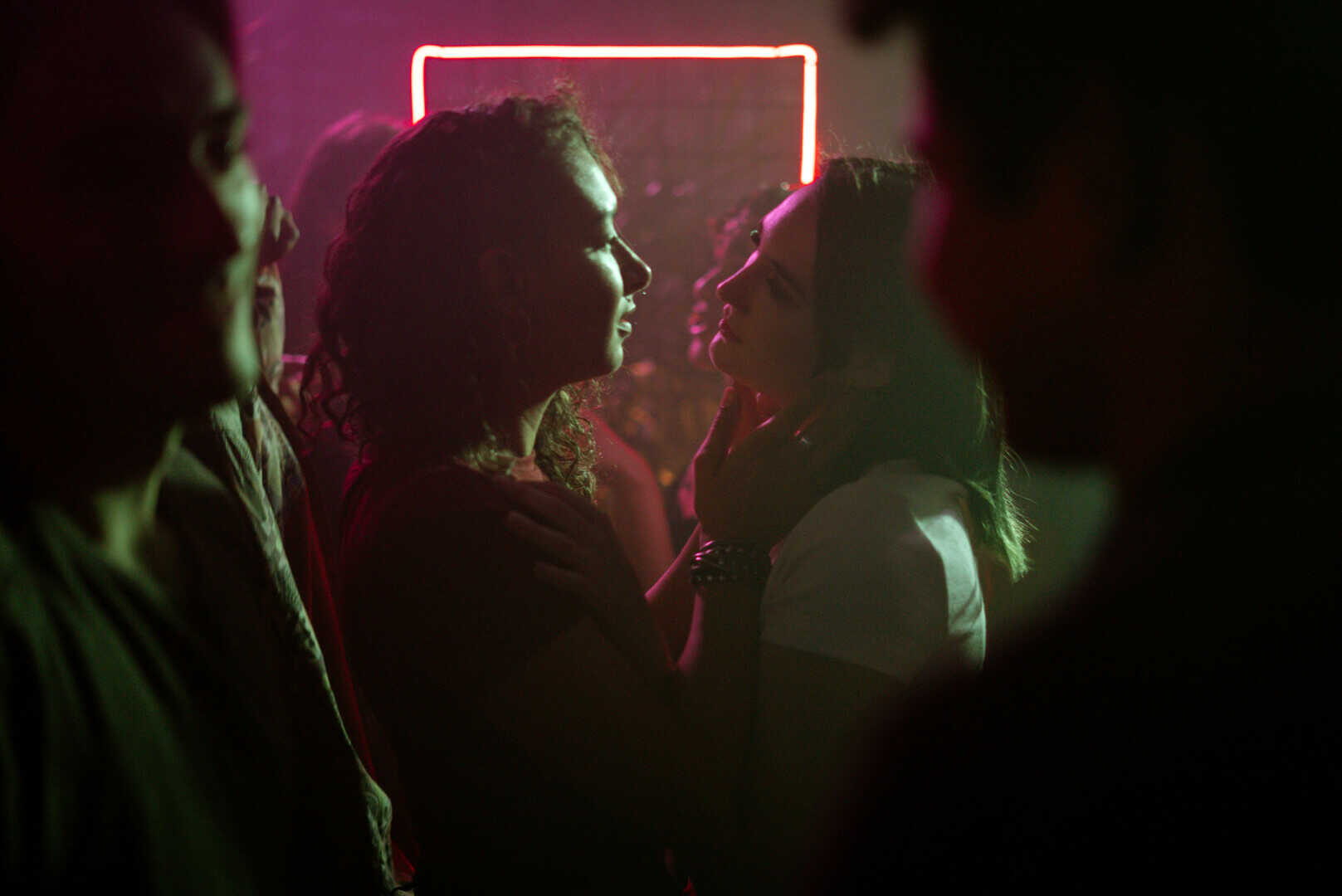
My theory is that I’m drawn to these themes because I went to a Catholic school starting from kindergarten. I remember being marched into confession after my first communion every Wednesday. I must have been about 7 or 8 years old. At a young age, I was obliged to think about Hell, sin, and salvation. Today, I consider myself a lapsed Catholic, but those themes and questions are hardwired into my brain. I can’t shake them. They’re in there, they’re potent, and they keep coming out in my work. When Sofia and I discovered that our main character had a fixation with karma, that was an a-ha moment for me; that’s when I found my own personal way into this story.
My parents are from Ecuador. Sofia was born in Medellin and moved to New York as a baby. We’re both Latino, so in that sense, it’s only natural that we’d incorporate Latinx characters into the writing even while not necessarily making an effort to make a “Latino film.” Same with LGBTQ+. Sofia identifies as pansexual and while this film has helped her navigate through that journey, we never necessarily set out to make an LGBTQ+ or Latinx film, per se.
Our objective was to take people we are familiar with, put them into a classic genre we love, and show the industry what we, as underrepresented people, can accomplish if given the opportunity. Actors like Robert Deniro and William Hurt solidified their stardom in neo-noirs, Deniro in Taxi Driver and Hurt in Body Heat. Noir anti-heroes are wonderful and challenging roles to play, and Sofia has shown that she can deliver and hold an entire film on her shoulders.
Behind the camera, you have me, a Latino director, a female Latinx producer, and a star in Sofia. Our director of photography (Gemma Doll-Grossman), Production Designer (Marina Pérez Ramirez), and film editor (Miriam Kim) are all women. We had a real presence of women, LGBTQ+, and people of color in front and behind the camera in key positions. That was one of our big goals, and we succeeded. Hiring from underrepresented communities is activism. It sounds like a slogan, but I believe it to be true, and I will continue to live by it.
Cinemacy: What were the first steps you took to begin production after the script was complete? Who were the first key crew members that you brought on?
Francisco Ordonez: Once the script was complete, we started a crowdfunding campaign. We needed seed money to open an LLC, to hire a lawyer to create the LLC, and such. We teamed up with an associate producer, Juan Gil, and a crowdfunding consultant and raised about $25K. The 3 of us, Sofie, Juan, and myself, ran the campaign under the guidance of our consultant, Avenida Productions. (Which are great, by the way.) It was around this time, at the commencement of the fundraising phase, that our Assistant Director, Matt Marder, came on board. He started helping us think about actually making the film, scheduling it, and all of that while we were still tweaking the script.
Once we had a company/LLC formed, then we partnered with actor/executive producer, Ricky Russert and Dan Ragussis and his company Atomic Features. Both Dan and Ricky were instrumental in helping us to raise the private equity and of course, Dan produced the film through his company, Atomic. Sofia and I were blessed to work with them.
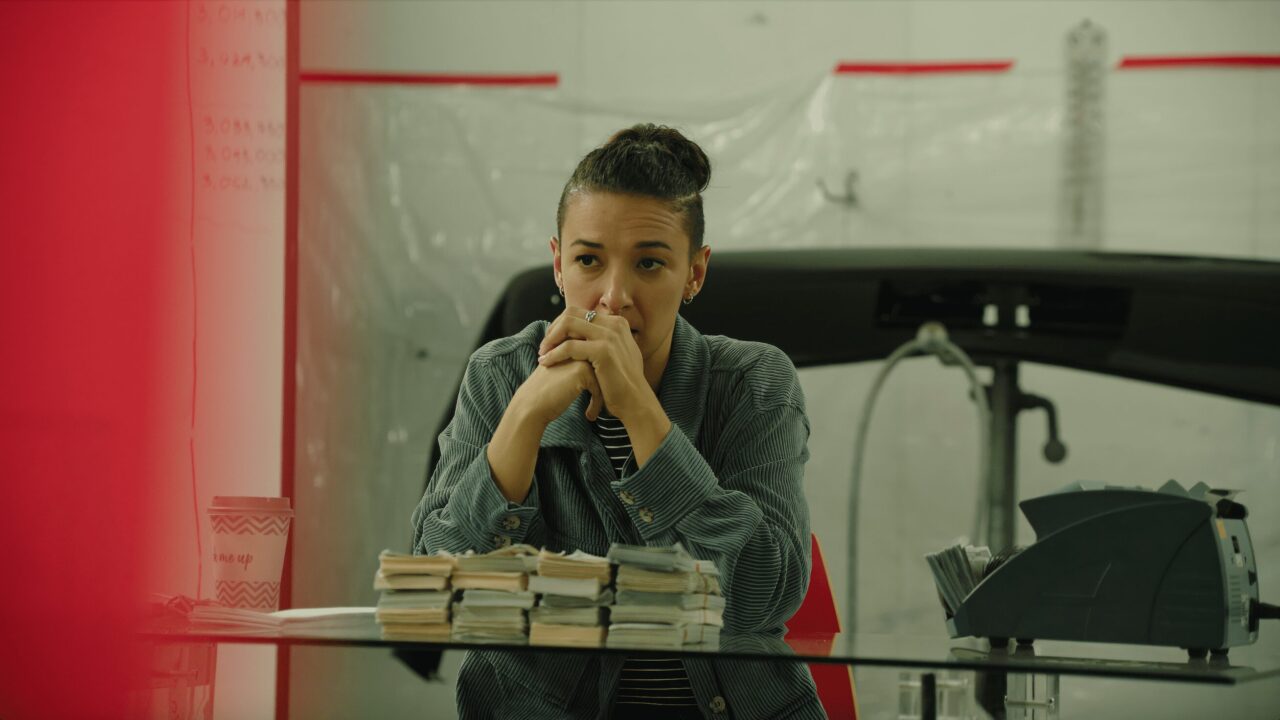
Very early on, we brought in actor Rene Rosado. Sofie, Rene, and I have been working together since I was in film school, 19 years now. Both Sofie and I knew that we wanted Rene to play the pivotal role of “Efraim,” Sofie’s best friend in the film. We knew that their real-life chemistry as long-time friends would work great in the film. I think it does.
Also, originally, Rene came in exclusively as an actor, but then he and I formed Shakti Sol Productions along with our third partner, Krishna Tewari. Shakti Sol helped produce and finance the film and consequently, our company has an ”in association” credit. Once we were officially in pre-production, we found our amazing Director of Photography, Gemma Doll-Grossman, her team and production designer, Marina Pérez Ramirez, and her awesome Art Director, Marian Wood.
Cinemacy: How did you find the right actors to embody these complicated characters, and what was your casting process like?
Francisco Ordonez: Working with the legendary casting team of Susan Shopmaker and Matthew Lessall was a blessing. They made incredible suggestions for all the roles or were pivotal in securing actors that I had targeted. For example, I had seen Sidney Flanigan in Never Rarely Sometimes Always and was blown away like everyone else. Same with Ser Anzoategui from the show “Vida.” Ser, like Sidney, was amazing to work with in terms of Ser’s commitment to the role. They’re such a nuanced and intense actor—intense in the best way.
Like Rene Rosado, there were a few actors cast among our friends. For example, Eddie Martinez plays “Uly,” Scotty Tovar plays “Nico,” and rapper and entrepreneur Berner plays “Tino.” They’re friends but they’re also amazing actors that we knew would deliver. It’s really important for me to know that everyone I’m working with is committed to the material, and it’s not just a paycheck. You need that, especially in independent films where paychecks are not necessarily exorbitant. I made sure that everyone we cast had that passion for playing the role and being part of the film.
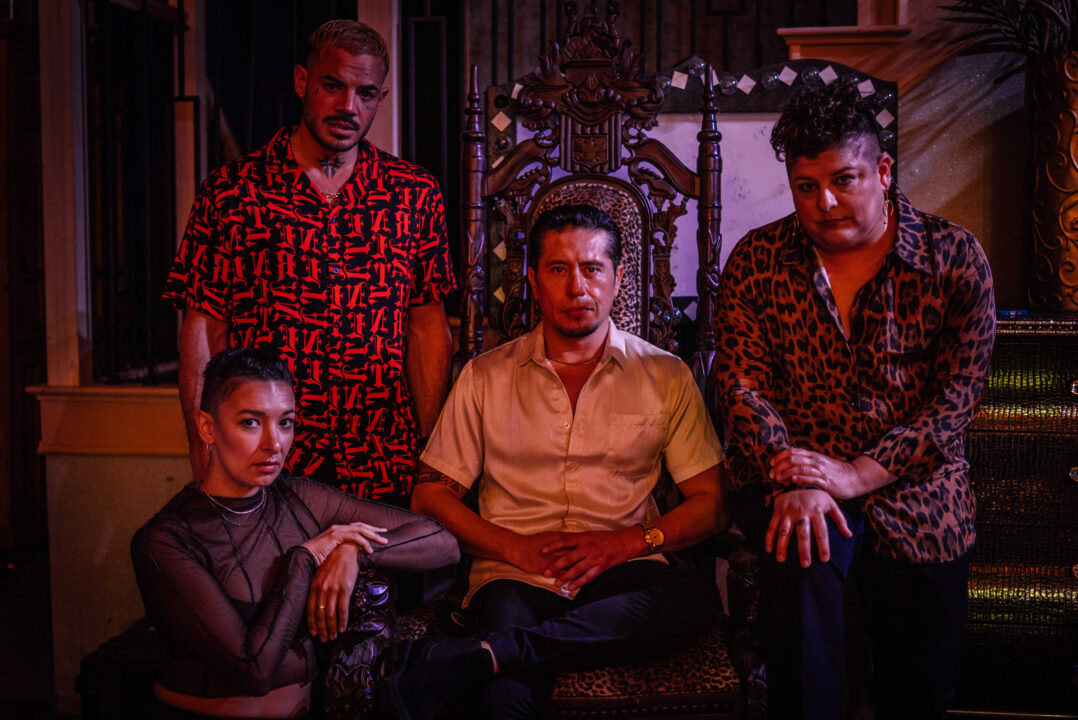
Cinemacy: Can you describe The Low End Theory's visual style and how it aligns with traditional noir aesthetics while incorporating your unique perspective? Were there any particular films or filmmakers that inspired you?
Francisco Ordonez: For the most part, The Low End Theory doesn’t directly align with a traditional visual noir aesthetic. That was intentional. A lot of classic noir films are rooted in German Expressionism. Given that we filmed in color, I didn’t want to try that style because I felt it would be compromised.
One of the things that I find really fun about neo-noirs, from Chinatown to neo-noirs made today, is that they don’t necessarily have a unifying visual style. They deliver echoes of classic noir via hairstyle or wardrobe (The Last Seduction is a good example of this), but overall, there’s a real eclecticism to the visual aesthetic in neo-noirs. What unifies neo-noirs is the experimentation with the narrative elements of the genre.
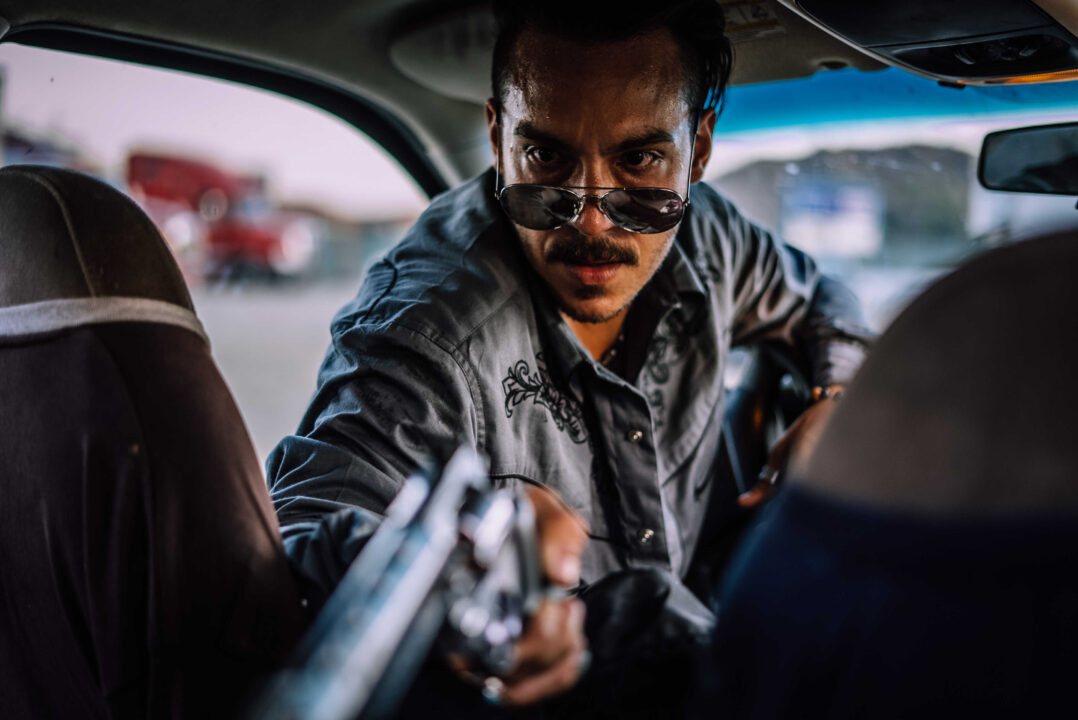
With this film, I was looking forward to filtering those narrative elements through my own visual instincts. While I didn’t go for German Expressionism, I was influenced by what I’ll call “Scorsese-an expressionism,” as well as the surrealism of Jacque Audiard’s Un Prophete. Scorsese comes into play via slow motion at certain moments when Raquel is faced with a big decision. We decided that we’d use slow-mo in those pivotal moments combined with tripod shots in what is otherwise a mostly shakey handheld film.
To really pull off Scorsese-an expressionism, you need a preponderance of fluid Steadicam and dolly shots, which I knew we couldn’t pull off based on our schedule. I knew we had to shoot fast, so we opted to shoot 85% of the film with a handheld camera (combined with a lot of available light) and relegate the smoothness of tripod shots to a few well-chosen moments so that those moments really mean something when the audience experiences them.
As far as Un Prophete, our film’s “ghosts” are inspired by Audiard’s film. I love the way that in Un Prophete, the apparition is really an effortless manifestation of guilt versus being explicitly supernatural, you know, a “ghost.” And yet, in Un Prophete, there is nonetheless a kernel of something supernatural about the ghost that I can’t put my finger on. The ambiguity is really nice and resonant for me in that film, so I wanted to play with that in a noir context. This was, for me at least, another way to pull the mysticism of noir up from the subtext to the text.
Cinemacy: The setting can significantly impact a film's tone. How did you choose the locations for this story, and what atmosphere were you aiming to create?
Francisco Ordonez: Independent films have to be very practical about locations. We had to shoot in places we could secure. And yet, we were able to get some great-looking locations. And by “great,” I mean they look visually appealing but also real to the story and the characters. Our production designer, Marina Pérez Ramirez, was instrumental in this via her artistry and vision and by generously devoting untold hours to scout with me. She really helped to ensure that we secured locations that she could make look striking and narratively appropriate.
Another consideration was the fact that I love showing parts of a town that don’t get enough screen time in most movies. For me, that was places like the downtown Los Angeles alley where two characters have a conversation or the bus that Raquel rides to work. We don’t really see the inside of L.A. buses in movies. That was fun shooting in those buses, let’s say, unannounced, even though it was tricky to shoot. Shout out to Sofia and our director of photography, Gemma, who were great sports about getting on those buses and shooting stuff guerrilla.
Cinemacy: How did you secure funding for The Low End Theory, and what advice would you give to other indie filmmakers looking to finance their projects?
Francisco Ordoñez: Three things: First, Tailor your budget to the amount of financing you can raise. Whether you write it yourself or find a script, get behind one that you absolutely adore. You have to be 1000% passionate about any story if you’ll have any chance of success. But do your best to tailor your budget to the financing that you can realistically raise. It’s a tricky thing to decide in advance how much you can raise before you’ve done it. But what’s the point of trying to raise, say, $20 million for your first film when it’s practically impossible to ever get it off the ground?
Nothing, of course, is impossible, but when you’re starting out, there’s so much to learn about the business of raising money, and the more you’re trying to raise, the more you don’t know. It behooves aspiring directors to make their film, to “get on the board,” because there’s just so much to learn about the craft of directing. It’s a mistake to ignore that the outliers are directors with debut films that are masterpieces.
Many think that Scorsese’s first film is Mean Streets, while it was his third. (Or fourth, if you count The Honeymoon Killers, from which he was fired.) Many people think that Tangerine is Sean Baker’s first feature, while it was his fourth. The only way to practice your craft is to make a movie, one you believe in. Therefore, it's absolutely critical to make one, so get behind a doable project, one that you love, and bring it to life.
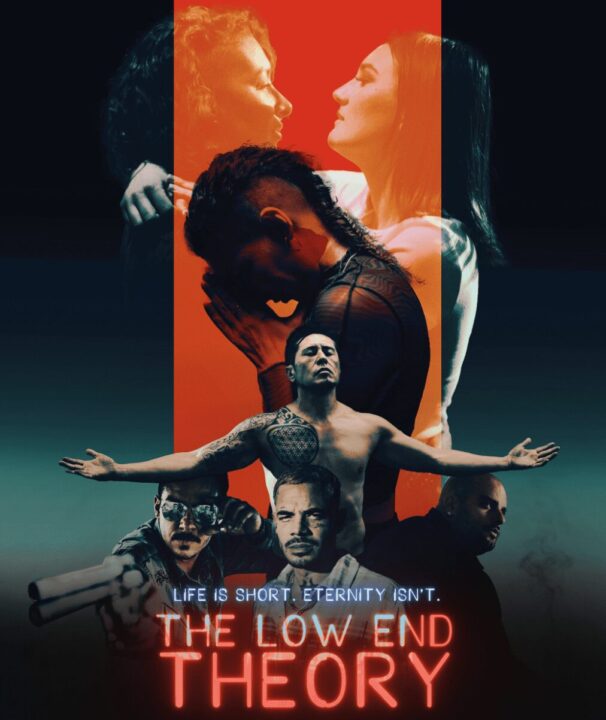
Second: Don’t try to produce by yourself. Find a producer, one that is as passionate about your project and about becoming a producer as you are in becoming a director. The key is finding partners to help you raise money that are as incentivized to see the film made as you are. Our initial crowdfunding raised $27K. I couldn’t have raised that amount without Sofia and our associate producer, Juan Gil. Same with the equity we raised. My producers and exec producers, several of which were also actors, were pivotal in raising the money. I could not have done it by myself.
Third: Pick one project and throw yourself behind it like an obsessive maniac. There’s a reason why so many people want to make a film but never do. The answer is that it is so damn hard to pull off. Unless you have a trust fund, you won’t do it as an afterthought. You can’t dabble in producing an independent film. It’s just impossible. I found that I had to stop doing everything else other than “work-work,” that is, work to keep the lights on. Once I realized that I had to put down all the side pet projects, music videos, short films, and devote utter focus to The Low End Theory, that’s when things started to move, that’s when money started to move into our account.
Cinemacy: What emotions or questions do you hope audiences take away from the film, and how do you see it resonating with them?
Francisco Ordonez: Our noir hero really struggles with whether it’s right or wrong to do what she does in the name of love. She’s someone who walks around believing that “what comes around goes around,” and she interprets events through that lens. She’s in a transactional relationship with the universe—trying to do good so it comes back to her and avoiding transgression for the same reason.
I think most of us live this way to some degree, even if it’s at a subconscious level, which makes it a universal film. I hope that, however you see Raquel’s ultimate fate, it entertains you and that you think about these questions at least a little about how they relate to your own life.
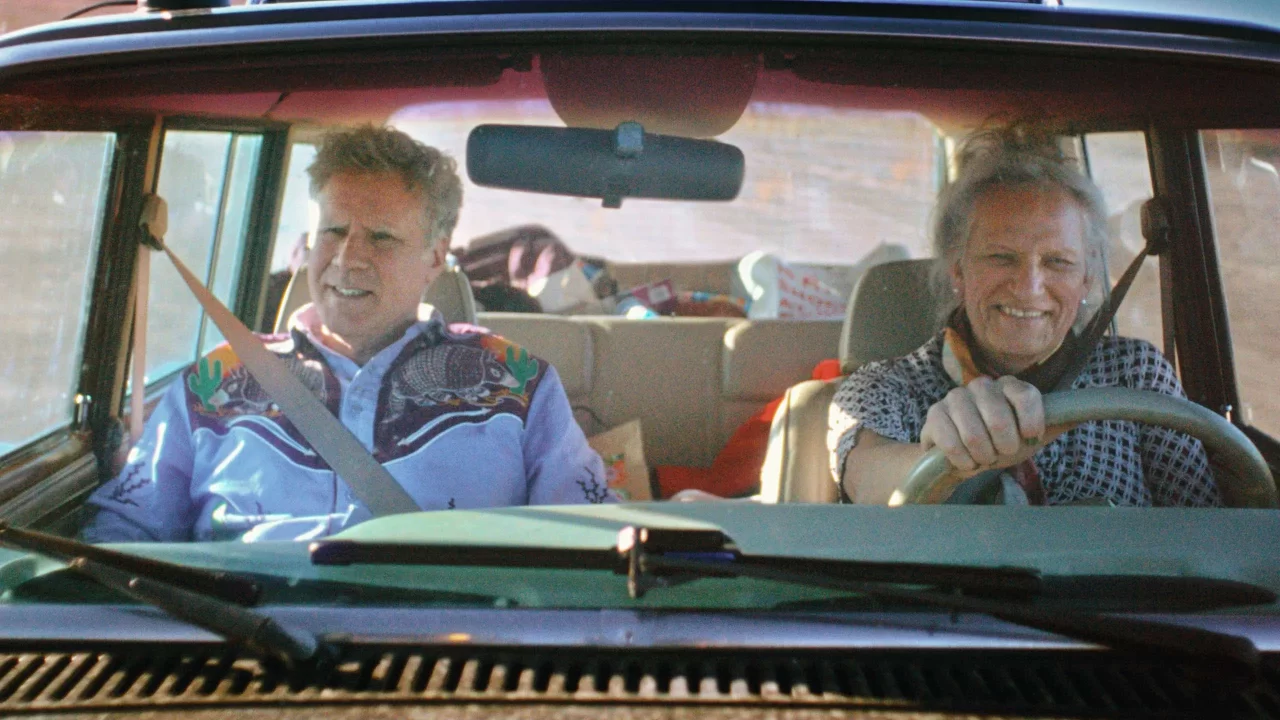
'Will & Harper' Review: The Road to Rediscovering Yourself
The new documentary Will & Harper is more than a feel-good, hilarious buddy road trip movie. It's also an emotional, heartfelt film about the courage to reinvent yourself amid uncertainties, discomfort, and danger in the face of the unknown. Starring old friends Will Ferrell and Harper Steele, Will & Harper is a film about rediscovery, support, and fearlessly embracing new beginnings through friendship.
Old friends exploring new beginnings
We're all familiar with funnyman Will Ferrell, best known for his starring roles in Achorman and Elf. However, Andrew Steele, an Emmy award-winning former head writer at Saturday Night Live, contributed to his earliest successes. Steele helped Ferrell create some of his most memorable characters during their time on SNL, which resulted in a long-running creative partnership and personal friendship.
Will & Harper opens with Will Farrell sitting for the camera while recounting his decades-long friendship with Andrew while iconic SNL clips play. Will then shares that, years after leaving the show, he received an unexpected email from Andrew: that he was coming out as a trans woman named Harper. Initially stunned, Ferrell reached out to reconnect and explore this new dynamic in their friendship. And so, the pals set out on a road trip across America's heartland to spend time together, gain new perspectives, and help them work through this new and confusing future.
Supporting friends through tough times
From their first reuniting, it's clear how close Will and Harper were then and remain now. Will hops into Harper's four-runner, and the two immediately return to being their old selves, doing bits about Pringle's chips, Walmart, Pabst Blue Ribbon, and more. But as familiar as it is, it's not the same. Even though Harper still loves drinking PBR beer and enjoying shamelessly trashy pop culture, she asks herself, is she still the same person she was before? Will wonders the same; is this a new person before him? What does their new friendship look like?
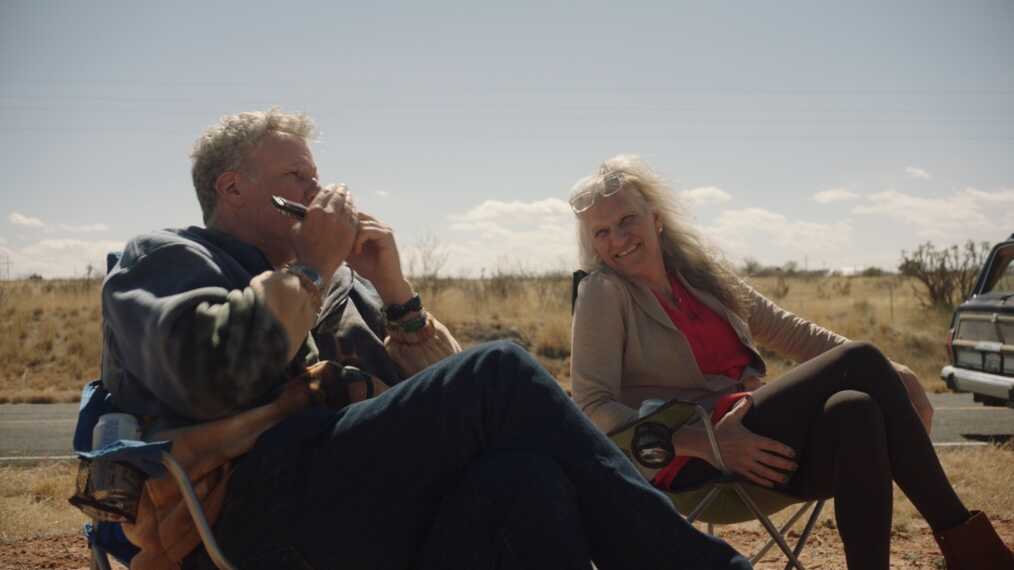
Will Ferrell is the perfect person for any audience to navigate this new experience with. He provides an endless stream of lightheartedness and laughter to keep the situation fun (asking Harper if she's now a worse driver than before). However, the doc's most memorable moments arise when real life stops the comedy. When Will meets the mayor of Indiana courtside at a Pacers game, Harper shares that he signed anti-trans laws in the state, putting Harper in an uncomfortable position. But the most painful, borderline dangerous moment was during their stop in Texas, where an all-you-can-eat steak challenge turned into a scary affair where locals chastised them, and social media harassed them, leading them to both acknowledge the frightening situation through tear-filled shock.
Embracing new unknowns
At its core, Will & Harper is a movie about embracing the unknown. Seeing Harper and Will confront change despite scary futures is genuinely inspiring. The journey of self-discovery as we age is a theme anyone can relate to. Directed by Josh Greenbaum (Barb and Star Go to Vista Del Mar), Will & Harper is a terrific documentary that promotes tolerance and should be a must-watch for all audiences. Life can be scary, but it's less so with a little help from our friends.
1h 54m. Will & Harper is rated R for language.


Jonny Caplan Redefines the Gangster Narrative
You don't typically hear the term "moralistic gangsters," but Jonny Caplan is a filmmaker dedicated to chronicling one such individual whose life story is too wild to believe. In his new documentary, LAST MAN STANDING: The Chronicles of Myron Sugerman, Caplan interviews Myron Sugerman, a charismatic Jewish American whose life in organized crime challenges the typical gangster stereotype.
LAST MAN STANDING is fascinating because of how Caplan paints an empathetic portrait of the eighty-five-year-old Sugerman. Using archival footage, Caplan illustrates how Sugerman's life of crime emerged in a context where Jewish communities were often excluded from broader societal participation. He shows that Sugerman's involvement in organized crime was driven by necessity and a desire to protect his community. With over fifty hours of interview footage, Jonny Caplan reveals the challenges of getting a tough gangster to share his life story, providing insights into making his documentary and the aspects you might not know.
Cinemacy: What initially drew you to Myron Sugerman's story, and how did you decide to focus your documentary, LAST MAN STANDING: The Chronicles of Myron Sugerman, on it?
Jonny Caplan: Myron's story was highlighted to us by a mutual friend who thought it would interest us. After reading Myron’s book and watching some of his interviews with the Mob Museum and Patrick Bet David of Value Entertainment (which had millions of views), we immediately loved the unique and iconic angle of Myron’s story and a side of the American Mob which isn't usually told, of the charming, humorous and ‘moralistic’ gangsters, having to do what they needed to do to protect their communities.
Myron is a one-of-a-kind individual who, at the ripe age of 85, still has immense passion and vigor and manages to take up all the air in any given room. Myron's story is utterly iconic, and we immediately agreed on a deal to acquire the life rights to his story so that we could initially cover it in the factual feature doc, which additional scripted dramas will follow.
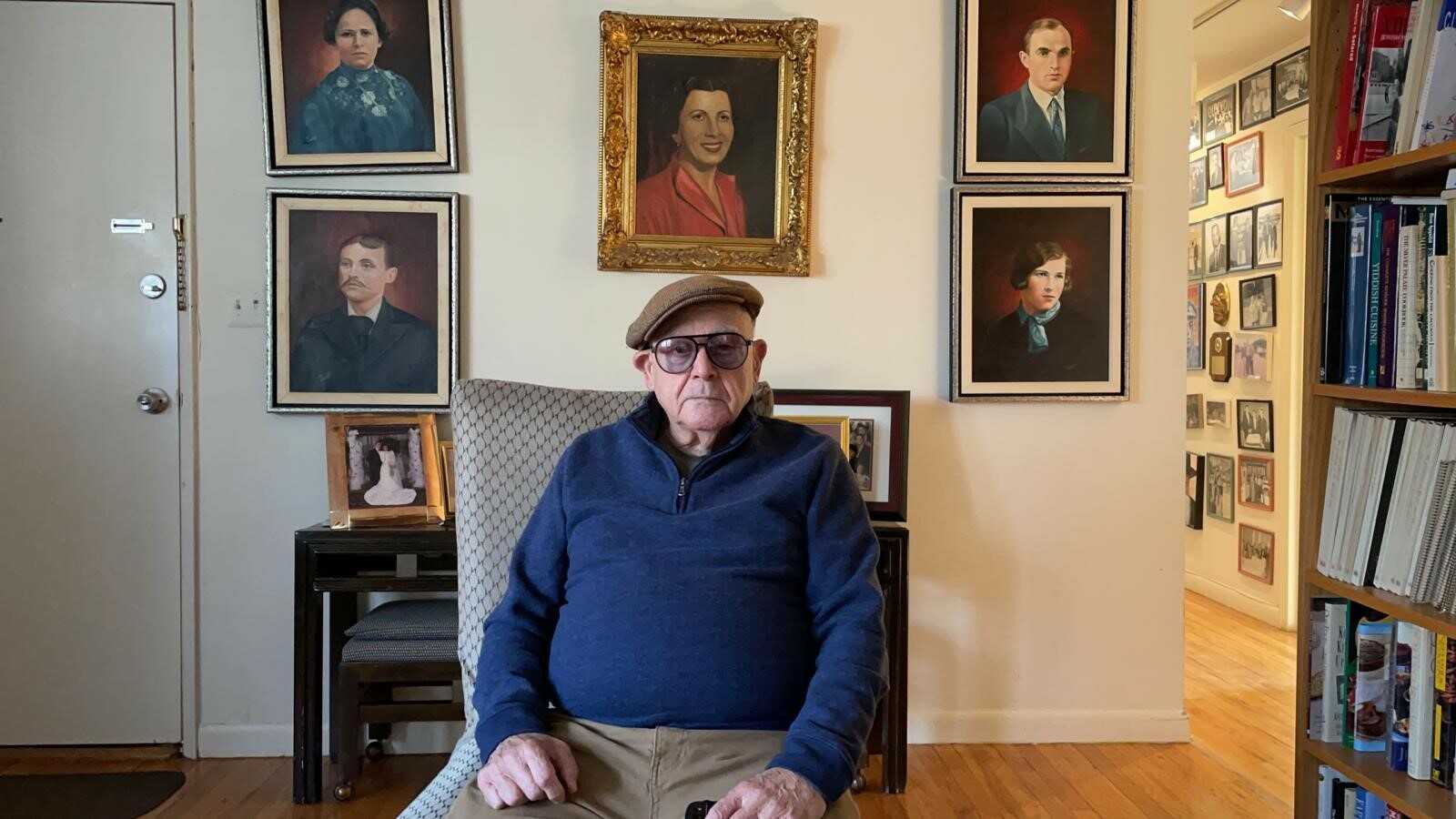
Myron Sugerman's life spans multiple significant historical periods and events. How did you approach structuring the documentary to balance these elements while maintaining a coherent narrative?
Jonny Caplan: We initially filmed over 50 hours of interviews with Myron discussing his life story and the many twists and turns of his covert missions across 80 countries around the world; however, it was crucial to have a coherent storyline and a straightforward, definitive narrative of Myron family upbringing and experiences without going too much into detail in any of the twists and turns.
Part of building the feature documentary was structuring Myron's life in a 90-minute storyboard that clearly outlines how vast his endeavors were and allows for details of each of the extensions to this in our upcoming scripted productions.
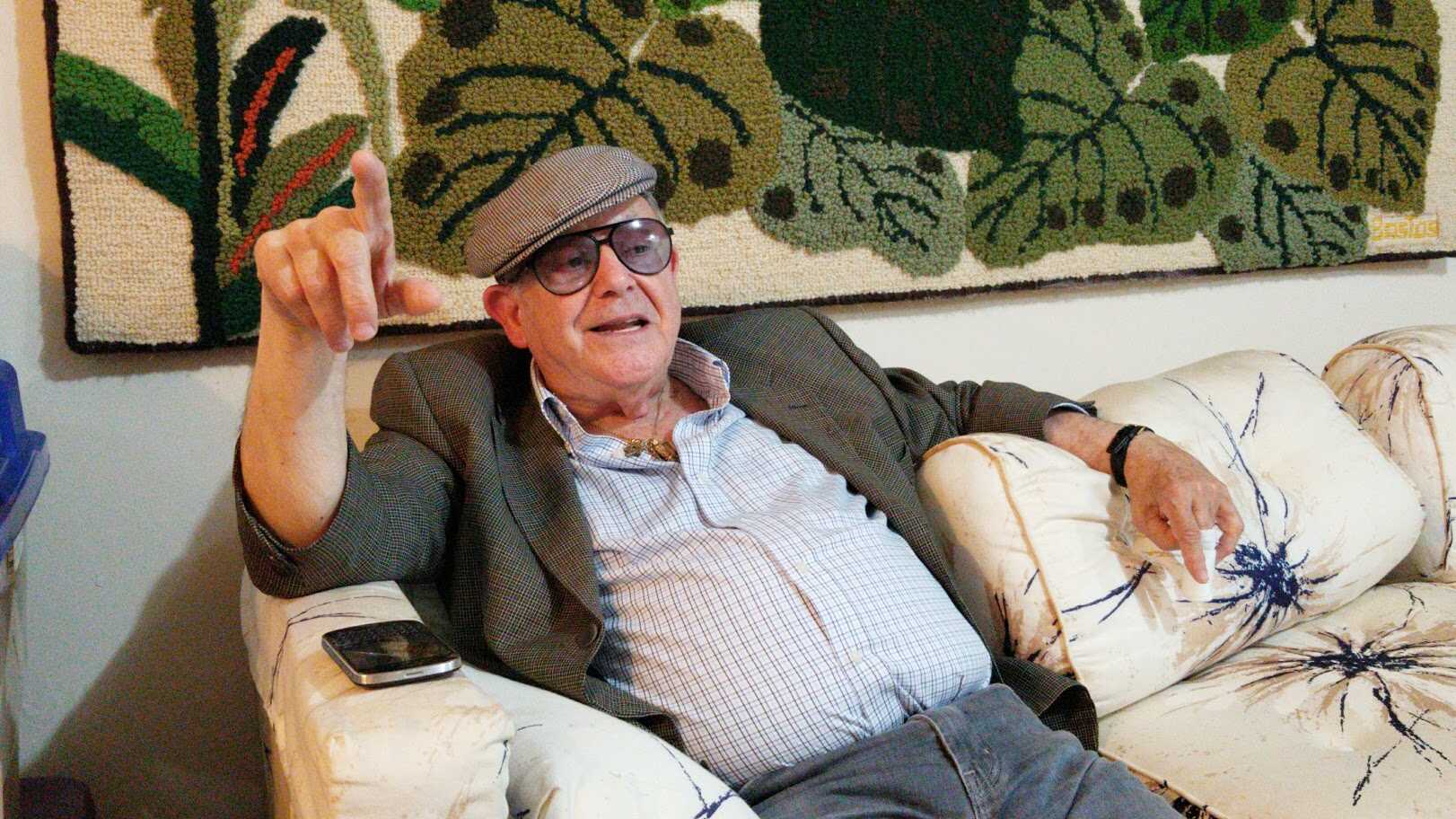
Given Myron Sugerman's complex background involving Jewish and Italian mobs, how did you navigate the potential challenges of portraying these aspects authentically and sensitively?
Jonny Caplan: Myron's life story is the real deal, a firsthand account from a second-generation gangster who experienced it all himself and is still here to tell the tale; this makes his story unique and authentic. Most know the story of the Italian Mob, but others do not know the story of the Jewish Mob and the tight allegiance between these two underground parties.
They worked together to ensure succinct and synergistic business and assisted each other with domestic and social issues. For research and diligence, we visited many of Myron's family, colleagues and associates, scholars, legal experts, and journalists.
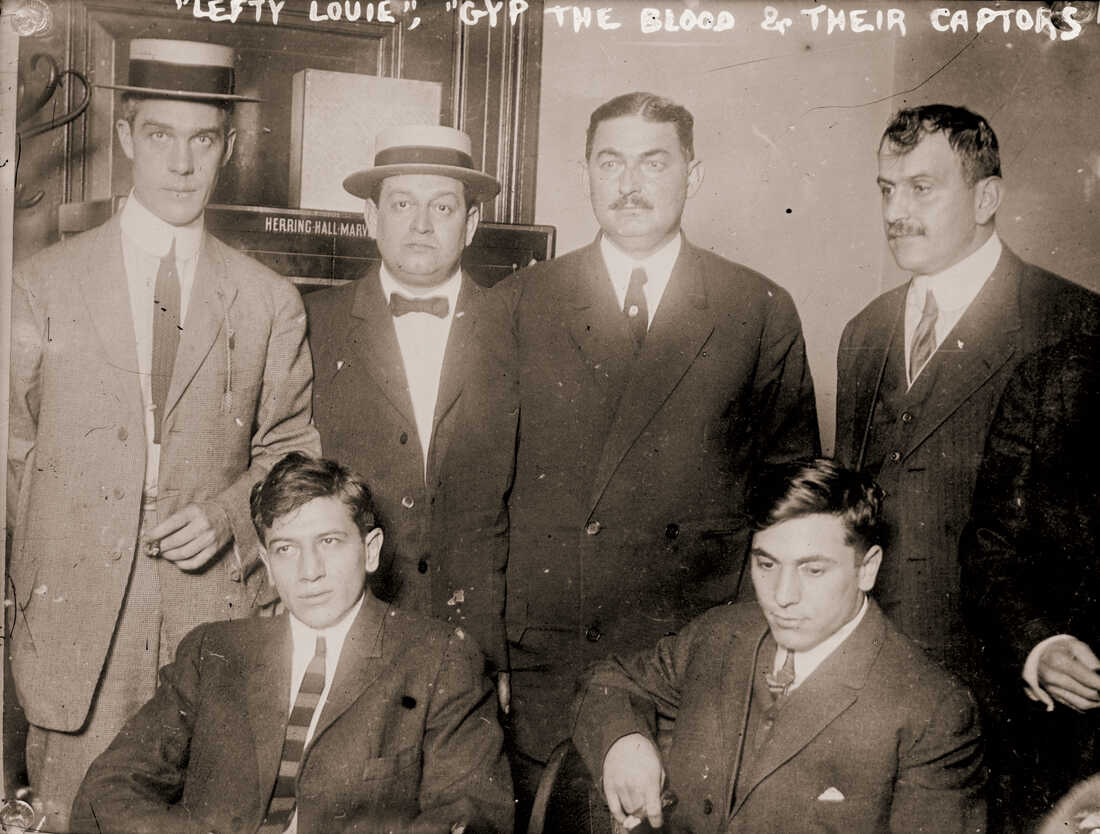
The documentary explores Sugerman's role in combating antisemitism. Can you discuss how you highlighted this aspect of his life and why it’s particularly relevant today?
Jonny Caplan: As with many of our cutting-edge documentaries, our timing happens to be impeccable, and in the case of Myron‘s story, we happened to tell the story at a time when anti-Semitism is as rife on the streets of the US as it’s ever been including in the 1930s when there were Nazi rallies and pogroms on the streets of New York and New Jersey.
Unfortunately, the antisemitism problem has been spiraling out of control, which is why it’s so important to understand the root of this problem and what some of the tough Jews did back in the day to thwart it.
What was the most surprising or unexpected revelation you encountered while researching Myron Sugerman’s life and work?
Jonny Caplan: Myron has incredible energy, panache, and charisma. He also has unsuspecting morals, which may not have been expected from a gangster. As Myron puts it, they weren’t gangsters; they were just opportunist entrepreneurs and pioneers carrying out business activities that were prohibited at the time but are regulated and approved today.
Remember, many of the Jewish mobs had become outlaws because they were banned due to their race from having other professions at the time.
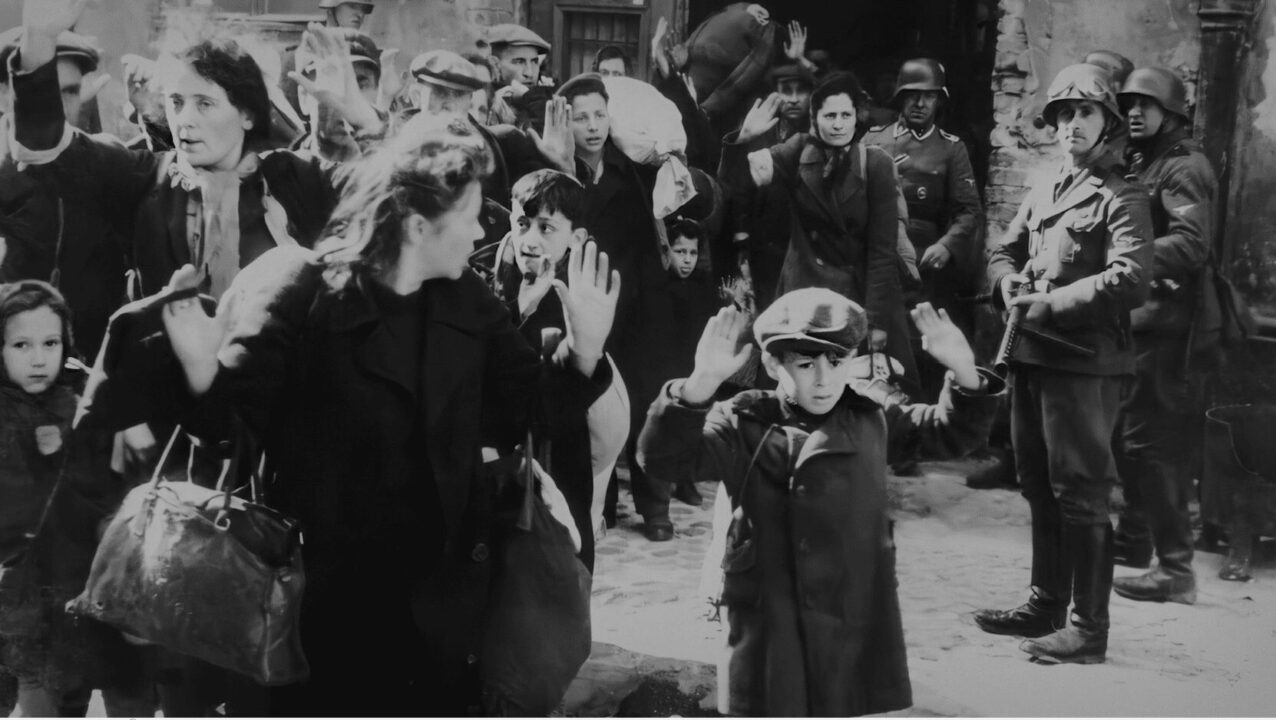
How did you approach interviewing Myron Sugerman and other key figures involved in the story?
Jonny Caplan: When the documentary was slated to begin filming, Myron was hit with two bouts of Covid 13 and pneumonia in the week leading up to filming. We thought that this 83-year-old man at the time would be down and out for the count, and we would have to postpone filming if we ever made it happen. Several days later, I got a phone call from Myron telling me that I had better not change any of the arrangements and that he was preparing to film.
Unfortunately, restrictions prevented me from crossing the Atlantic and boarding a plane to sit with Myron throughout the filming. Hence, we had to use a minimal Covid-safe film crew who set up remote directing for me with huge monitors and AI robots. I had to interview Myron remotely from the UK, and I only met him personally several weeks after we completed filming.
Indie films often involve a hands-on approach from directors. Can you share some insights into the specific roles you took on yourself during production, from shooting to editing?
Jonny Caplan: I always try to take a hands-on approach to our productions; I find that in the creative process, if the director themselves isn’t explicitly involved in every element of it, then they cannot possibly understand what is required and provide the production team with direction and clarity on what needs to be done.
Like a showrunner, I am involved with all production elements, including design, storyboarding, casting, logistics, sound, lighting, cameras, Call editing, and more.
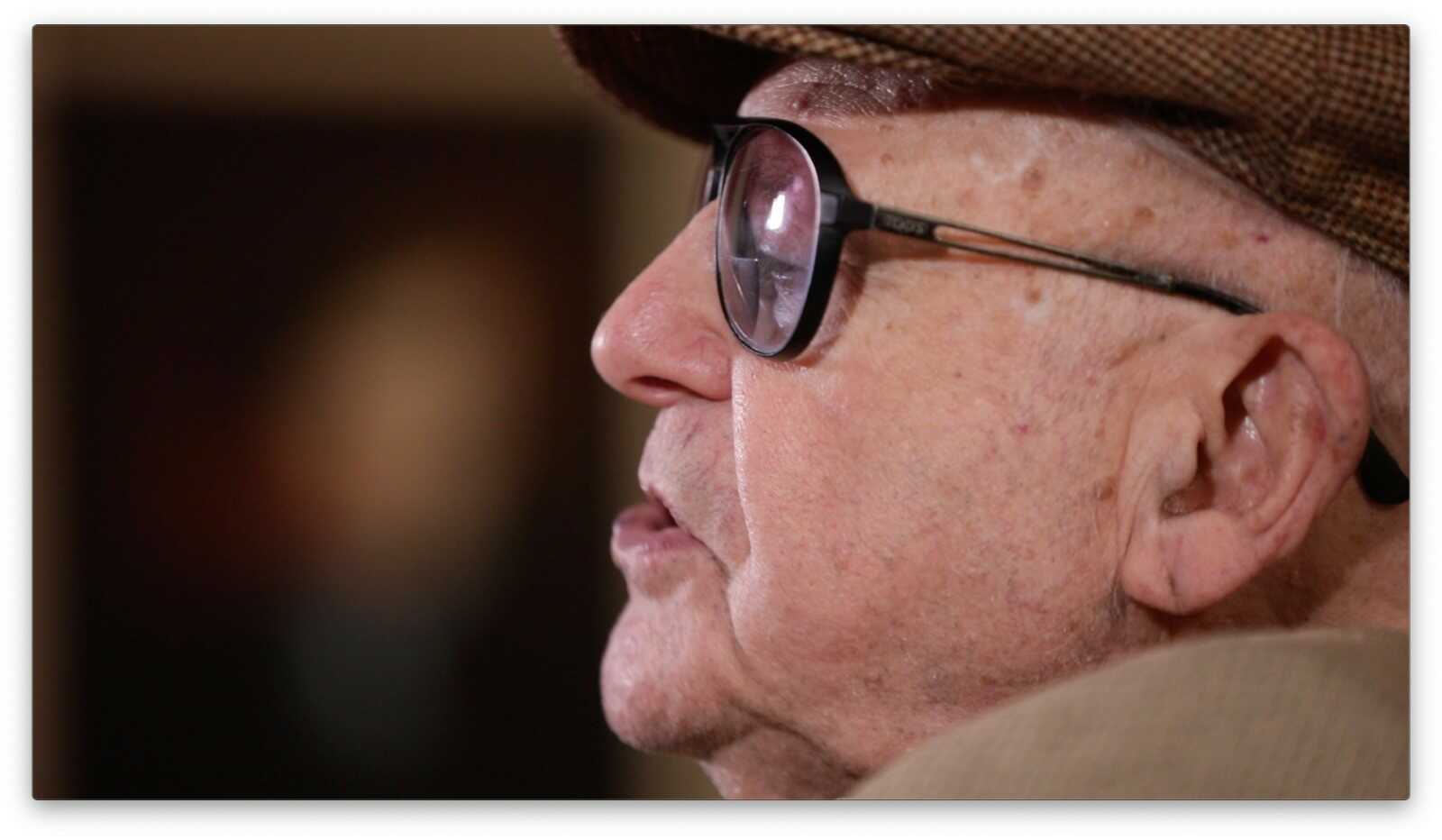
Were there any challenges or memorable moments from these interviews?
Jonny Caplan: Oh, yes. Often, interviewing a tough gangster is not the most straightforward feat as he doesn’t like to listen to instructions, doesn’t understand the production process, and just really wants to tell his story.
So often, getting Myron into the basement wearing what we would require and asking him to sit under the spotlight in a particular manner would receive a response like “Jonny, cut the bullcrap, turn on the cameras, and record, I'm ready to talk.”
The documentary follows Sugerman's best-selling book. How did you integrate elements of the book into the film, and did you make any significant changes or additions to enhance the narrative?
Jonny Caplan: The book has a vast narrative about many aspects of Myrons' life. With only 90 minutes to tell the story, we had to build one clear path through his life, which reads differently from the book but is complementary in every way.
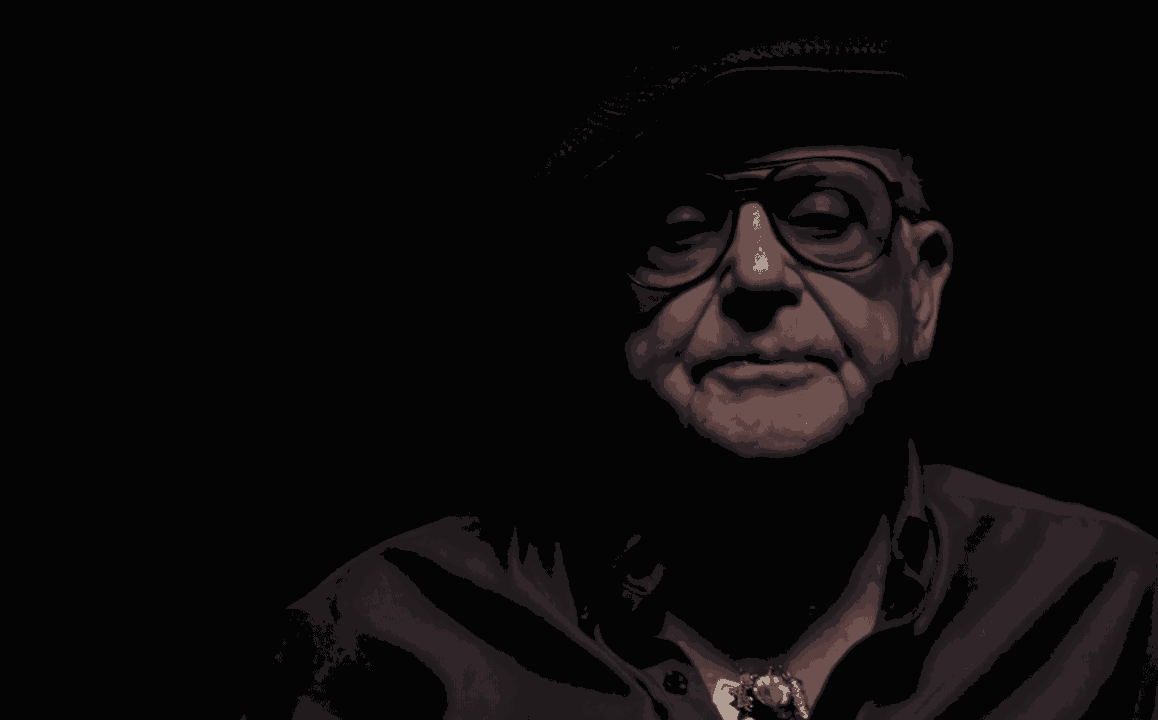
What impact do you hope the documentary will have on viewers, particularly regarding their understanding of antisemitism and the Jewish mob’s role in American history?
Jonny Caplan: From what I’ve been able to understand, the Jewish Mob was made up of tough Jewish family guys who were middle-class and unable to get the sort of jobs and the lives they wanted and had to resort to a little bit risky professions. There was also burgeoning antisemitism from the nazi bund. They had to take a chance to do things that weren’t strictly legal to save their families and communities.
I believe the Jewish Mob is largely unknown, and the minutemen who stood up to the Nazis on the streets of the US. Meyer Lansky and Benjamin “Bugsy Siegel,” for instance. They were pioneers of Las Vegas as we know it and the gambling and resort phenomena that have taken the world by storm. Jewish gangsters werent just tough, they were also smart, pioneering and well intended.