
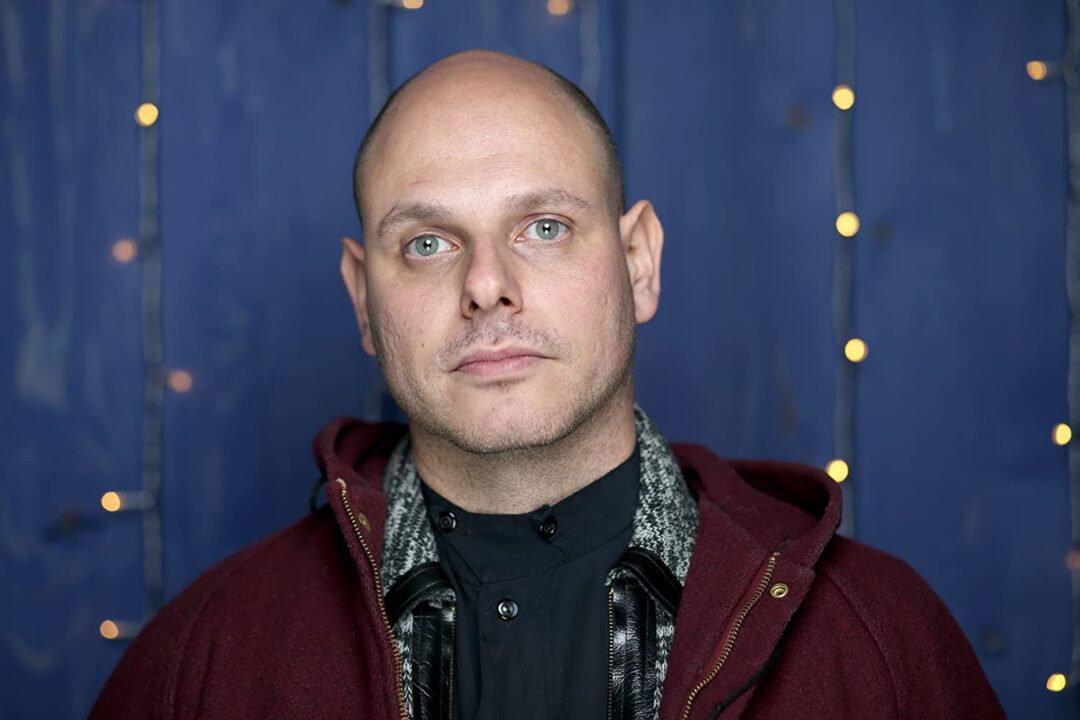
Eugene Kotlyarenko: "There can only be two relationships: Off-social media and On-social media"
Already known as a filmmaker in which audiences should expect the unexpected, Spree follows suit in its boundary-pushing style. This is one film you're likely never to forget. In our exclusive interview, Kotlyarenko talks about his relationship with social media, working with actor Joe Keery, and how he would describe the film in emojis. Spree is now in select theaters, drive-ins, on digital and on-demand.
Many people can take social media too seriously with overly curated and artificial profiles, especially in LA. In Kurt's case, it's the only source of validation he craves. What is your relationship with social media and influencer culture like?
There can only be two relationships: Off-social media and On-social media. I’m still on, which makes me a participant in the sort of attention economy the film is indicting. Not that I’m doing anything horrific like Kurt, but maybe like Jessie, I’m complicit in the system, while trying to think of myself as “different” from everyone else.
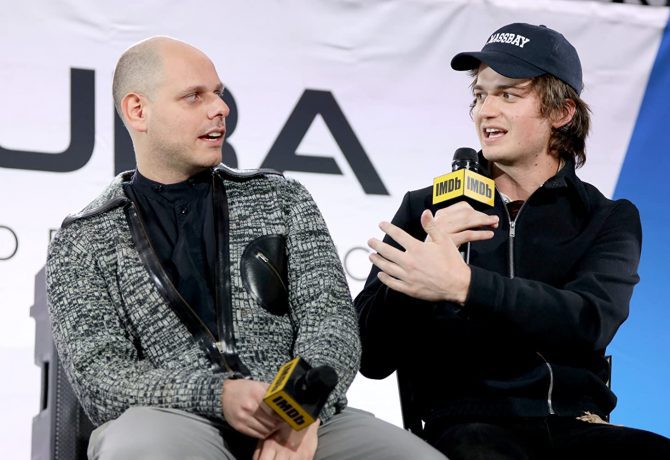
Joe Keery nails the role of the struggling pseudo-influencer, which is hilarious because he has over 7 million Instagram followers "IRL." What was your dynamic with Keery like on-set, how did you two collaborate and help him come into this deranged character?
Joe is the sweetest and most creative person. We began collaborating months before the shoot - watching reference videos and making some Kurt reviews and tutorials of our own. He brings an enormous level of respect, enthusiasm, and diligence to set and once we start shooting he’s able to modify beats and improv in a really inspiring way. Many of the lines he made up, ended up in the movie.
This film is such a visual whirlwind, what did your mood board look like while writing the script, and in the general pre-production process?
I don’t really believe in mood boards or visual references because I don’t want anyone, including me, to get bogged down in how stuff used to look or some cool thing someone else did. I’m trying to encourage everyone on the crew to help me come up with a new language to make films and be formally adventurous. That being said, I did provide the cast and crew with a Google Drive of 10 movies I found to be influential and said “let’s try to capture this spirit.” A few in that drive were Taxi Tehran, The King of Comedy, Dossier 51, Henry: Portrait of a Serial Killer. For the bigger set pieces like the freeway chase and the junkyard, we did make storyboards because I knew there was very specific coverage we would need to make that work in terms of blocking and choreography and camera manipulation.
What do you hope people take away after watching Spree? And what impact do you as a filmmaker hope to leave on the independent film community?
I hope the first thing you experience is just excitement, laughter, tension, and joy while watching it. I know the subject matter can be intense and reflective of horrific stuff, but usually, when I step away from a movie that has a great energy to me I sort of soak that in, regardless of the themes. Then when you step away from it, I’d like people to reflect on their relationships to their phone, their virtual identities, and their thirst for social media validation.
As a filmmaker, I hope we are all inspired to expand the relatively narrow language of cinematic storytelling up until now. And to keep in mind that if we are being experimental with form, it doesn’t mean we have to alienate viewers from a story well told. I would also say that 10 years ago, I made a movie entirely by screen-capturing Skype and Gchat video conversations I was having with friends, who didn’t know I was acting and then edited it together over the course of two weeks. It technically cost me $0, beyond my frugal survival... So if you don’t have the resources to stage high-speed chases or get access to established actors or even have high-end equipment, don’t let that stop you from telling stories with the resources that you do have all around you.
And finally, what emoji(s) would you use to describe Spree?


'Tesla' is Not the Biopic That You’d Expect It To Be
Quick Take: A mostly whimsical retelling of the life of Nikola Tesla through humor, electronic music, and Ethan Hawke singing karaoke.
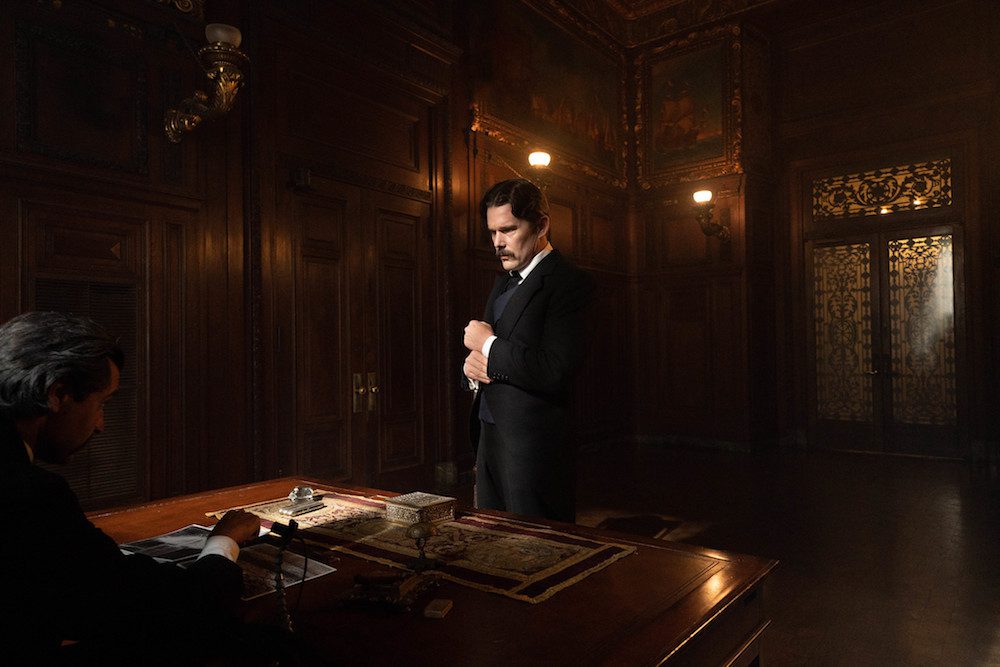
Based on the film's logline, Tesla may sound like a standard historical biopic about the engineer, scientist, and inventor credited with devising the first practical application of alternating current (AC) to generate and distribute light and power. And while yes, I'll admit that does sound rather dry, Tesla is anything but a bore. Writer/director Michael Almereyda (Marjorie Prime) takes full creative control and presents a whimsical, vibrant retelling of the life and accomplishments of Nikola Tesla through humor, electronic music, and breaking the 4th wall with Ethan Hawke singing karaoke to the Tears for Fears song “Everybody Wants to Rule the World.”
Hawke shines (pun intended) as Nikola Tesla, the iconic inventor whose big ideas and projections for the future left him entangled with fellow inventor Thomas Edison (Kyle MacLachlan). The film follows their shaky partnership and Tesla's eventual success, as well as his complicated relationship with Anne (Eve Hewson), daughter of financial titan J.P. Morgan (Donnie Keshawarz).
Rollerskating scenes and self-aware one-liners are sprinkled throughout factual narration and serious moments, a clear indication that Almereyda did not want Tesla (which premiered at the 2020 Sundance Film Festival) to be perceived as a typical biopic. The freewheeling and neon-soaked nature of the film is the main draw, and it plays much like an extended episode of Comedy Central's ‘Drunk History.’ However, there are scenes that seem disassociated with this otherwise unique style which throws off the balance of the film. Had the surreal moments carried consistently throughout, there's no doubt that Tesla would have made big sparks on its release day.
Distributed by IFC Films, Tesla is available to rent on VOD this Friday.
Gen Z and Wanna Be Influencers, 'Spree' Was Made For You
Some people believe that your social media "status" directly correlates to your worth as a human being. Clearly, this is ridiculous, but in a city like Los Angeles, where numbers and followers mean everything, some people will do whatever it takes to raise their profile. Director Eugene Kotlyarenko pokes fun at influencer culture in the dark comedy Spree, a story about how one man's desire for fame turns deadly.
A Fame-Obsessed Rideshare Driver Takes Reality TV Stars on a Deranged Joyride
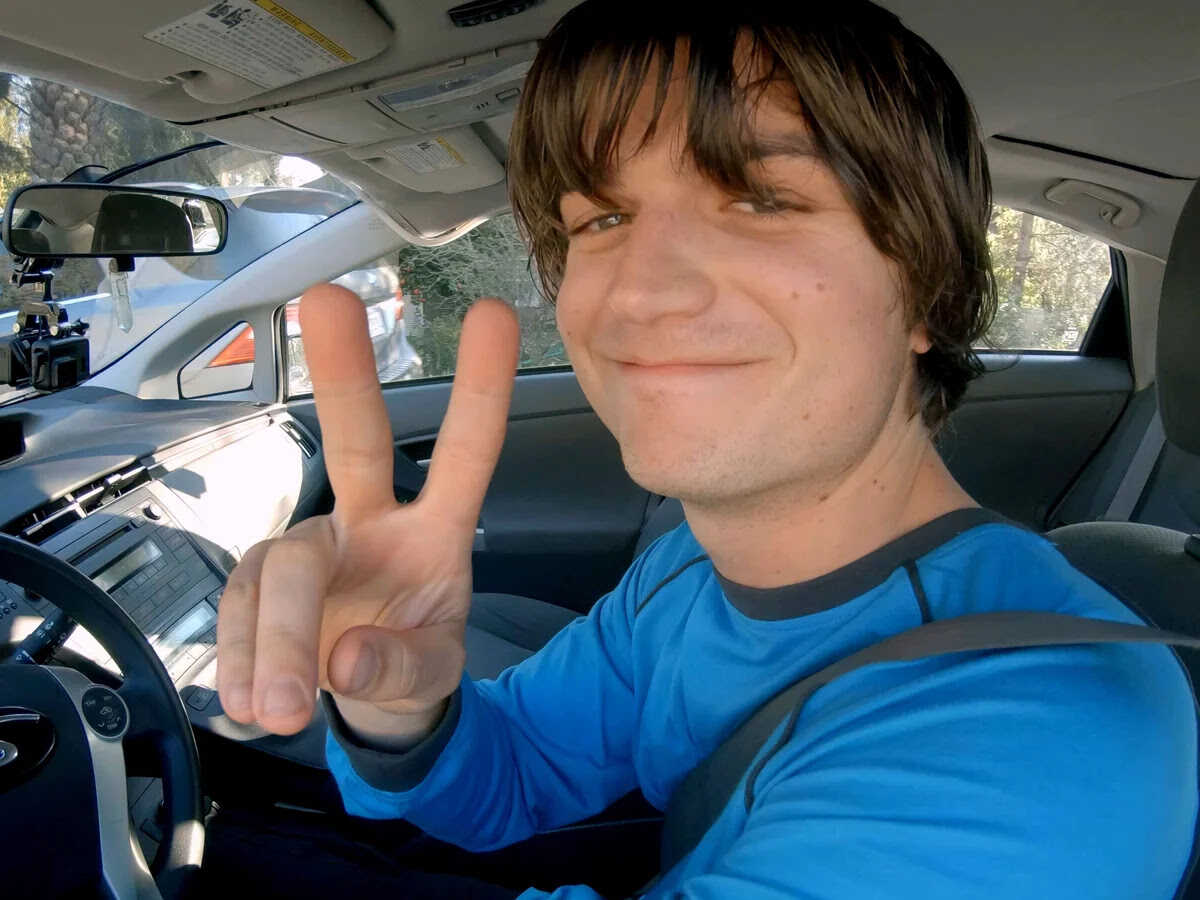
On 4/12/19, Kurt Kunkle (Joe Keery) aka @KurtsWorld96 finally went viral. In a desperate attempt to raise his followers and, in turn, self-esteem, Kurt concocts a plan which he brands #TheLesson. His goal? Kill as many people as possible, all while live-streaming during his shift as a rideshare driver. Kurt subscribes to the belief that "If it bleeds, it leads," and throughout the night, unsuspecting passengers fall victim to Kurt's antics; the more gruesome the kill, the more his viewer count increases. It's sick and twisted, and frighteningly, doesn't seem so far-fetched in today's wacky world.
However, his plan takes a turn when he crosses paths with stand-up comedian Jessie (Sasheer Zamata). Shot and edited in a similar format to 2018's Searching, where the story is told through technology only, Spree is a visual whirlwind of desperation. For 90 minutes, we watch Kurt (in an incredible performance from Joe Keery) unravel into a demented loose cannon.
Takeaway
What The Rental did for Airbnb, Spree does for Lyft (semi-spoiler alert: You may think twice about drinking that backseat bottled water). In addition to being a somewhat cautionary tale about trusting the convenience of technology, Spree is mostly a character study on the effect of social media on the mentally unstable. Whereas 2017's dark comedy Ingrid Goes West is an uncomfortable look at stalker behavior and mental illness, Spree is all of that amplified by 100%. You're in for a wild ride, dare you take it...
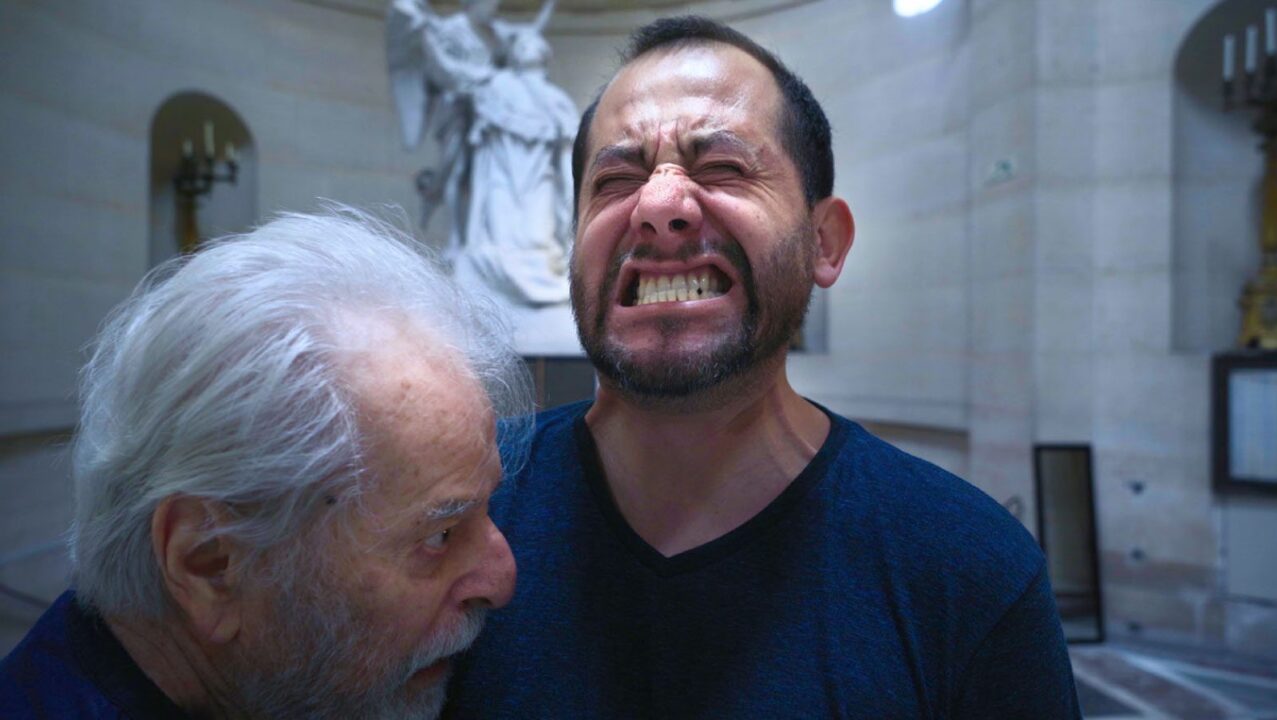
Wondering What Trauma Healing Performed by Jodorowsky Looks Like? 'Psychomagic, A Healing Art' Reveals
Quick Take: I want to believe but Jodorowsky's method of healing deep-rooted trauma through provocative performance art therapy brings out my inner skeptic.
91-year-old Alejandro Jodorowsky–surrealist filmmaker and "Father of the Midnight Movie"–is here to prove that you can heal deep-rooted trauma through performative art therapy. Let's get one thing clear, Jodorowsky is definitely not your typical therapist. On the surface, his method can look a bit questionable, like painting self-portraits with menstruation blood and smashing pumpkins that represent problematic people with sledgehammers. If you think this sounds a bit "Burning Man woohoo," well you're not wrong, but for those who are willing to trust Jodorowsky's intentions as a healer and surrender to the process, his provocative challenges can change your life.
In the fascinating documentary Psychomagic, A Healing Art, also directed by Jodorowsky, he puts patients through a myriad of different simulations by stoking the subconscious to unlock their deepest thoughts and achieve enlightenment. This process we witness was created by Jodorowsky and inspired by his life-long study of philosophy, psychology, ethnology, and world religions. Patients confront traumas head-on by re-enacting them quite literally, from burials to re-births (and lots of nudity in between). The documentary is also intercut with scenes from some of his most famous films, which further demonstrates Psychomagic’s principles.
If you believe in the transformative power of the mind and the unconscious, Psychomagic, A Healing Art will be a fascinating watch. Plus it's cheaper than a therapy session.
Distributed by ABKCO Films, Psychomagic, A Healing Art is available on VOD this Friday.
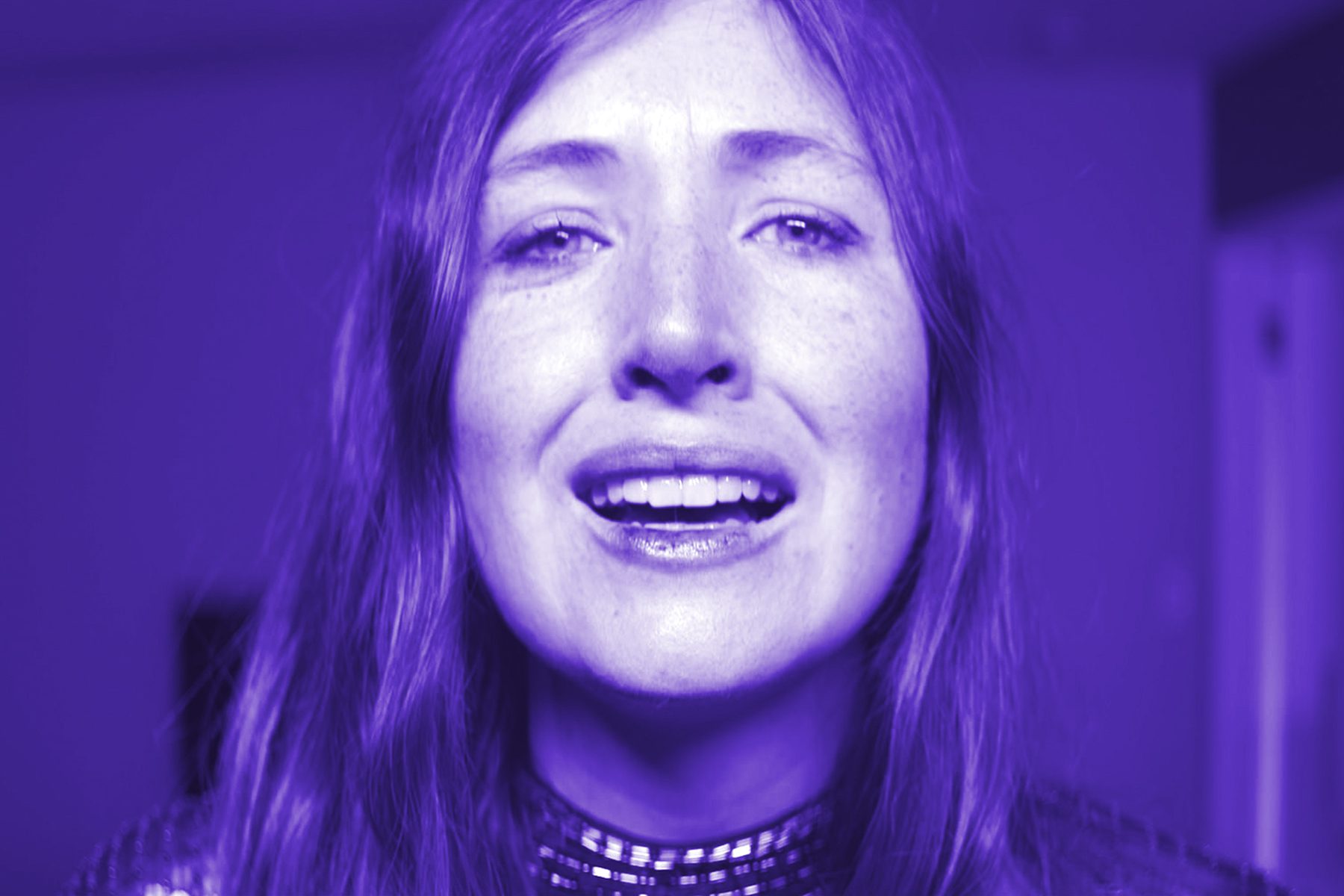
'She Dies Tomorrow' Pretty Much Nails the Anxiety You'd Feel When Facing Your Impending Doom
Quick Take: This high-concept art house thriller imagines a reality where there is no escaping tomorrow's impending death.
Amy Seimetz has death on her mind. In the writer/director's second feature film, a young woman is–without a doubt–convinced that she is dying tomorrow. There is no context to assume why she believes this, it's an easy guess that Amy (Kate Lyn Sheil), who struggles with alcohol dependency, is suicidal and severely depressed. However, as She Dies Tomorrow progresses, we realize that Amy's self-imposed death sentence isn't of her own volition, rather a mysterious power has overcome her. And the worst part is, the self-fulfilling premonition is contagious and passes to everyone she comes into contact with.
From Amy (Sheil) to her friend Jane (Jane Adams) to Jane's brother (Chris Messina) and sister-in-law (Katie Aselton), the paranoia and then ultimate acceptance of death rapidly spreads. Despite its heavy subject matter, She Dies Tomorrow is a dark comedy in every sense of the word. The absurdist humor is rampant, much like the Greek weird wave films of Yorgos Lanthimos. The film also feels like a nod to the psychological thrill of David Robert Mitchell's 2014 It Follows, as both films rely heavily on the imaginary superhuman power that torments the protagonists.
Seimetz is a fan of the long take, which works extremely well in adding suspense to the story. The naturalness of the long takes plus the restrained performances from the cast make the supernatural moments even more unexpected and shocking, leading us to question how far-fetched is this, really? By the film's end, we're left with a head-scratcher: We all have to die at some point. Why not tomorrow?
Distributed by NEON, She Dies Tomorrow is available on VOD this Friday.
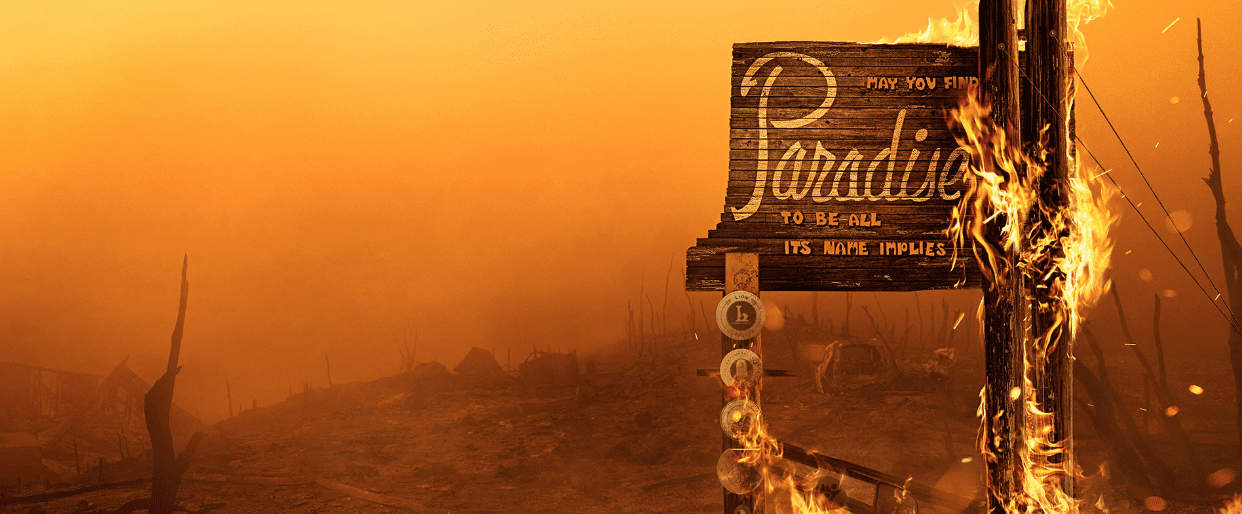
In 'Rebuilding Paradise', Ron Howard Remembers California's Deadliest Wildfire
Quick Take: While not an easy watch for the times we're in, the film's message of resilience and strength after tragedy is incredibly timely.
On November 8, 2018, the once prominent gold-mining town of Paradise, California was overtaken by uncontrollable fire, heavy smoke, and the chaos of a community leaving everything behind. The Golden State is no stranger to the occasional forest fire in the summer months, but the Camp Fire was different. It was much, much worse.
Ron Howard's documentary Rebuilding Paradise shows the fateful day when a malfunction from a Pacific Gas & Electric electrical transmission ripped through this humble community, torching 95% of the town, killing 85 people, and leaving 50,000 residents displaced. The first twenty minutes are really difficult to sit through with dry eyes. Horrifying footage from survivors fleeing the fire, people saying goodbye to their houses, hospital patients being wheeled out on stretchers during the evacuation, and intimate 911 calls are hard to stomach. The film takes on a bit more of an optimistic tone post-fire, with determined residents banding together to get through their shared devastation in hopes of returning to Paradise again.
Ron Howard's masterful direction re-enforces the fact that nothing humanizes us more than a tragedy. His interviews with survivors are heart-wrenching and empathetic. Watching them, we are reminded that disasters don't discriminate. The film's release in 2020 is, perhaps, not ideal, as we're still in the middle of the global pandemic. However, the silver lining we can take away is the steadfast resilience and strength from Paradise residents, which is proof that we can overcome anything when we look out for each other.
Distributed by National Geographic, Rebuilding Paradise is available this Friday via Laemmle Virtual Cinema.
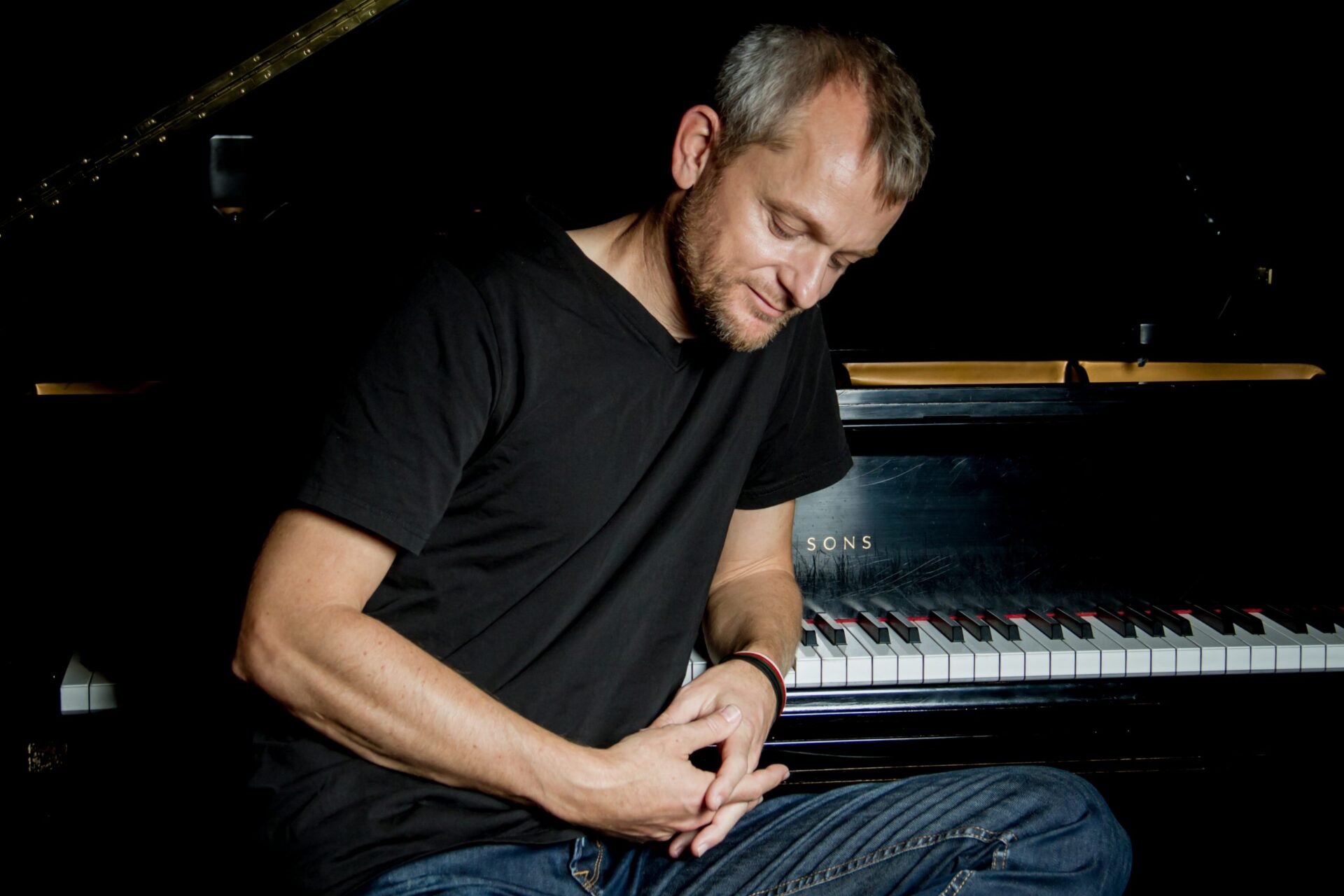
Patrick Kirst’s Score For 'The Kissing Booth 2' Might Just Make You Fall In Love
Ever since it was dubbed Netflix's most rewatched movie of 2018, The Kissing Booth has become something of a cultural phenomenon. Fans couldn't get enough of Elle (Joey King) and Noah's (Jacob Elordi) incredible chemistry and fun-loving relationship onscreen (and off). Since its release, King went on to star in–and receive an Emmy nomination for–Hulu's The Act, and Jacob Elordi skyrocketed to fame on HBO's Euphoria. In true Hollywood fashion, it's no surprise that the teen rom-com has returned for a sequel, The Kissing Booth 2.
Back in the director's chair is Vince Marcello, who assembled his original cast and crew, including composer Patrick Kirst. Fans will be thrilled to hear the nostalgic sound from the first film and we're excited to premiere the soundtrack "Reunion," which plays like a modern-day John Hughes rom-com drenched in romantic optimism.
Kirst explains, "Following Elle’s, Noah’s, and Lee's journey led to further developing their themes from the first installment. I wanted to embody director Vince Marcello’s concept of recapturing a nostalgic, sun-kissed vision of late 1970/80s vintage Los Angeles. We, therefore, decided to give the score vintage retro charm through strings, 80s synths, beach drums, and guitars. The score embodies the soul of the movie: a fun, heartfelt, youthful, and sincere story about love, coming of age, and true friendships."
As well as a film composer, Kirst also teaches a Screen Scoring course at USC's Thornton School of Music. He says, "Mentoring the next generation of musicians is a wonderful challenge. I am trying to teach my students values in music, not just in film music." Fun fact: Kirst first met The Kissing Booth director Vince Marcello when they were both film students at USC. It's apparent in his music that Kirst pours his heart into his scores, and that passion is felt through and through in his latest.
Listen to "Reunion" in The Kissing Booth 2, out today on Netflix.
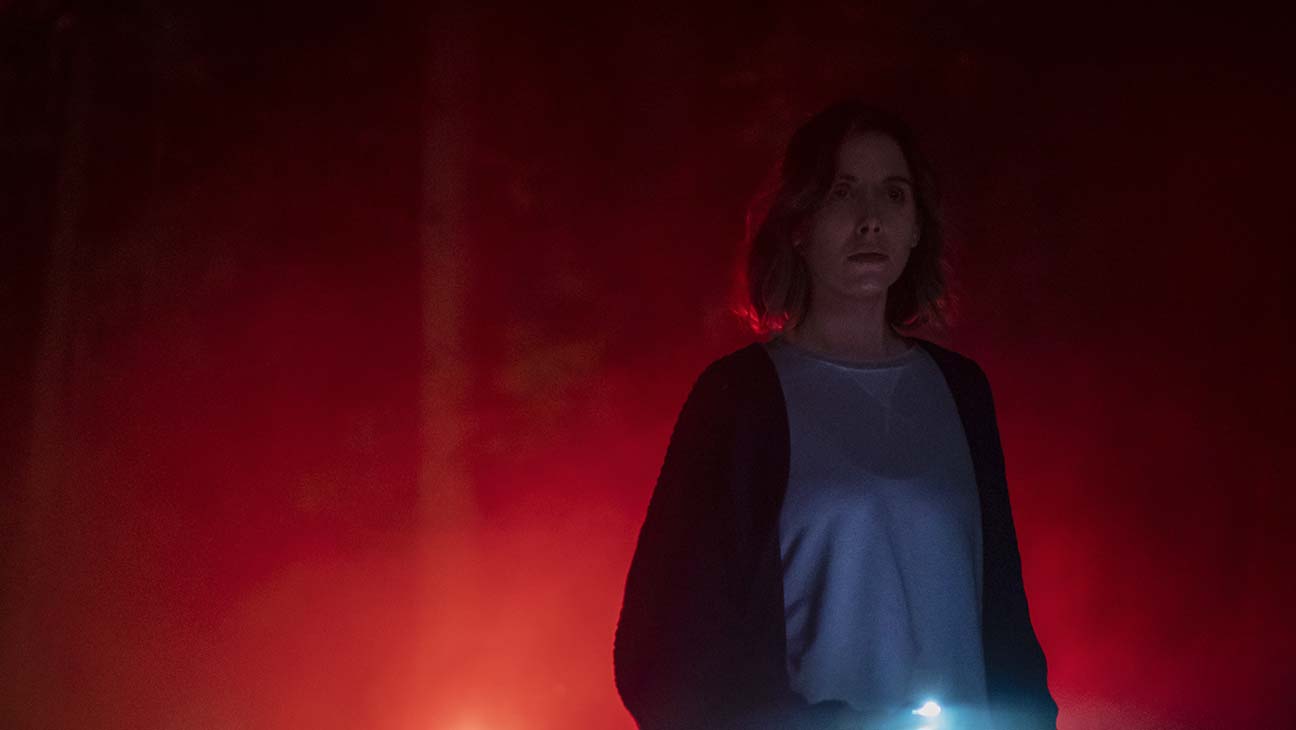
Dave Franco's Directorial Debut 'The Rental' Will Make You Rethink Booking Your Next Airbnb
Quick Take: Dave Franco's psychological thriller is a paranoid traveler's nightmare, prepare for your heart rate to skyrocket.
Dave Franco wants you to rethink your summer vacation plans. Or at least, prepare you for the worst: your rental is not as safe as you think it is. In his impressive directorial debut, The Rental, Franco and his co-writer Joe Swanberg have not so subtly planted the seed that privacy is not guaranteed. Using classic horror tropes to tell a modern story, this unsettling thriller is a paranoid traveler's nightmare and perhaps a much needed cautionary tale that we should all be double-checking our next Airbnb for cameras and wire-taps.
What was supposed to be a celebratory weekend getaway to the Oregon coast turns into the trip from hell when two couples make a sinister discovery in their house rental. A couple of red flags appear when married couple Charlie (Dan Stevens) and Michelle (Alison Brie), Charlie's brother Josh (Jeremey Allen White), and Josh's girlfriend Mina (Sheila Vand) first arrive at the house but things just seem odd rather than illegal. Charlie and Mina also have a business relationship that, not surprisingly, has led to some sexual tension and predictable mishaps. Their one-time indiscretion risks getting exposed when Mina discovers a camera in the house, threatening their secret and ruining the lives of their partner's and themselves. Unfortunately for them, this discovery is just the tip of the iceberg, as the "oh shit" moments grow bigger, more invasive, and even deadly.
A fantastic ensemble cast and a clever script gave me the chills, although I initially felt unsatisfied with some of the film's ambiguity. It seemed like an easy way out of an otherwise well-executed and sticky plot. But as the credits rolled, something clicked. Ambiguity and anonymity are just as much of a threat -if not more so- than an "obvious" villain. Feeling on-edge without the ability to grasp hold of something tangible is an awful feeling, as seen in the mental unraveling of the protagonists. The psychological effects from The Rental will fall outlast the instant gratification of shock and awe horror films, making Franco's first foray into the director's chair a success.
Distributed by IFC Films, The Rental is available on VOD and over 250 drive-ins and theaters. For more information, click here.