
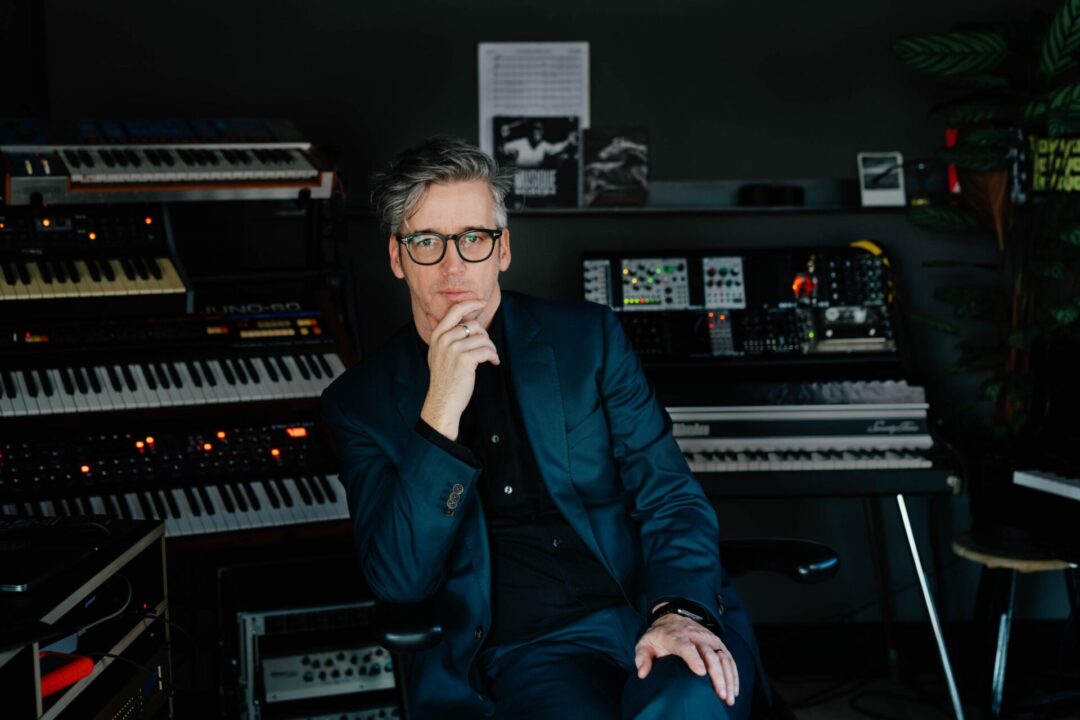
Peter Baert Premieres Track from David Oyelowo's ‘The Water Man’
The Water Man is a film of firsts for both Golden Globe, BAFTA, and Emmy-nominated actor and producer David Oyelowo, as well as Belgian-born composer and commercial sound studio founder Peter Baert.
The family adventure film marks Oyelowo's directorial debut and Baert's first foray into composing for an English-speaking, major Hollywood feature. But despite their "inexperience," when you have Oprah Winfrey serving as co-producer, it's safe to assume that both men are in good hands.
The film tells the story of Gunner (Lonnie Chavis), a young boy who sets out on a quest to save his ill mother (Rosario Dawson) by searching for a mythic figure who possesses the secret to immortality, the Water Man. He befriends a mysterious local girl, Jo (Amiah Miller), along the way and the deeper into the forest they go, the more dangerous it becomes. Their only hope for rescue is his father (David Oyelowo), who will stop at nothing to find them.
Reflecting the film's ethereal soundscape, Baert's score is a mix of classical orchestra, piano, percussion, and electronics. Leaning into the electronic/synth side, he processes certain cues, like the Water Man’s screams and sighs, through long delays, modular tools, and tape echoes to create what he calls “The Water Man Synth.” In the exclusive track "Gunner's Theme," Baert mixes fantasy-like notes with sweeping strings to create an emotionally triumphant arrangement.
On working with the first-time director, Baert shares that “David Oyelowo is such a wonderful human being and a gifted storyteller. He took a giant leap in choosing me as a composer and I felt his trust and guidance throughout the time we worked together.”
The feeling is mutual. When asked about working with Baert, Oyelowo says, “Music and sound in film have always been important to me, which is why I consider myself lucky to have met composer Peter Baert when I did. While in post-production on The Water Man, I was working with another composer and had initially cut Peter’s music in as an experiment, and it all just worked perfectly. Within a week, he flew over, sat next to me in the edit, and that's how he became my composer.”
Lakeshore Records is releasing the OST of 'The Water Man' Friday, May 7, 2021. It is available to stream and purchase here.

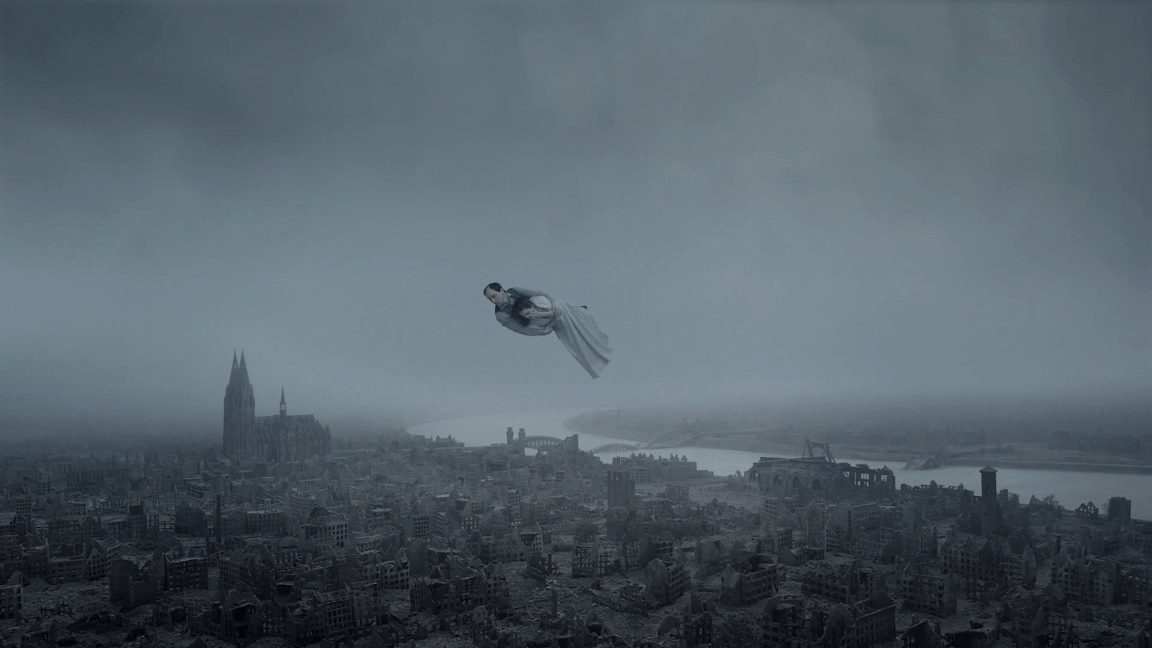
'About Endlessness' Review: A Beautiful Look at Life's Mundane Moments
Famed Swedish director Roy Andersson likes getting deep. Best known for his philosophically-charged films like A Pigeon Sat on a Branch Reflecting on Existence and A Swedish Love Story, the auteur is back with another introspective work about the mystery and mundanity of life. About Endlessness is a collection of vignettes that show the inconsequential moments of daily living – which Scandinavians make look all too beautifully depressing – and is delivered in a slow burn fashion that feels a bit too lifeless to be life-changing.
Expression
Andersson clearly has an emotionally curious nature about him, and his unique perspective at the splendor and banality of life gives About Endlessness an interesting angle. It plays much more like an art piece than a traditional narrative feature; there is no plot or main characters, just snippets of everyday, highly stylized, moments of life. Death, dancing, and questioning the existence of God all come into play here (and I'd be lying if I said I didn't relate to many of these seemingly taboo thoughts). If you want to feel less alone in your thoughts about the purpose, or lack thereof, of life, About Endlessness will reaffirm your struggle to make sense of the world isn't a singular one.
Expression: 3.5 out of 5 stars
Daring
I'd imagine Andersson went into this project knowing that his target audience would be pretty niche, like his previous films. His commitment to vision won't alienate his biggest fans, especially those who appreciate the film's slow paced nature, and may even catch the eye of those who are wanting a reprieve from the typical sensory overload type of film. About Endlessness doesn't stray too far from Andersson's past work – stylishly speaking – and so while it's not technically daring in a cinematic sense, a case can be made for the subject matter being somewhat controversial for very uptight or ignorant viewers. But let's be honest, uptight people won't have this on their radar anyway.
Daring: 2.5 out of 5 stars
Craft
The visual aesthetic of this film is beautiful, every scene looks inspired by a Renaissance painting. Staying true to his personal style, Andersson loves a long take and every vignette is comprised of just one shot. The choreography is on point as actors move in and out of frame in a tragicomical way, giving this pseudo-documentary an. The whole piece gives off Greek weird wave vibes but less "weird" and more "pondering the vulnerability of existence."
Craft: 4 out of 5 stars
Impact
For as absurdist and boundary-blurring as this film is, I personally felt underwhelmed when the screen cut to black and the credits began to roll. Maybe my expectations were too high as I sat waiting for existential enlightenment to hit me over the head, but I can't say I left the film with much of a takeaway. Unfortunately, despite its stunning cinematography and bold thematics, About Endlessness isn't a film that will stick with me long term.
Impact: 2 out of 5 stars
Conclusion
While this film won't be for everyone, there is no denying the genuine intention behind it. Especially in these times when we're slowly reemerging from our COVID-19 cocoons and re-evaluating what's important in our lives, About Endlessness offers a poignant reflection on human life in all its beauty and cruelty. Roy Andersson says it best, "The main theme of my work is the vulnerability of human beings. And I think it is a hopeful act to create something showing vulnerability. Because if you are aware of the vulnerability of existence, you can become respectful and careful of what you have."
Conclusion: 3 out of 5 stars
'About Endlessness' opens in theaters and on-demand this Friday, April 30th.

'Gunda' Review: A Wordless Film of a Mother Pig Stuns in Black and White
Extreme animals rights activist Joaquin Phoenix has teamed up with director Victor Kossakowsky and NEON to bring the arthouse film Gunda to the big screen. Taking on an executive producer role, Phoenix's passion in support of the film is clear, stating, "Kossakovsky has crafted a visceral meditation on existence that transcends the normal barriers that separate species. It is a film of profound importance and artistry.”
Shot in black and white and with no dialogue or soundtrack, Gunda chronicles the unfiltered lives of a mother pig, a flock of chickens, and a herd of cows with masterful intimacy. This observational documentary sits in a class of its own with its quietly commanding message of animal symbiosis in the natural world.
Expression
Nothing pulls at my heartstrings more than a good animal documentary that is authentic in it storytelling and not set up to create maximum emotional impact. On the contrary, Gunda's lack of any narrative whatsoever is what makes the film so devastatingly beautiful. It requires some mental stamina to sit through, at times I had to wonder if the camera was left accidentally rolling for minutes on end before any sort of action or movement appears in frame. Confident in its directorial choices and unique sensibilities, it's no surprise that Viktor Kossakowsky calls Gunda his most personal and important film he has made as a filmmaker and as a human being.
Expression: 4 out of 5 stars
Daring
Gunda is the definition of an experimental film, and I've never seen anything quite like it. It's not really comparable to the beloved David Attenborough BBC documentaries because there is no dialogue whatsoever here. It stands apart from the nature docs on Disney+ because of its drastic black & white look. Gunda's stark beauty resembles that of a high-fashion Vogue film, but instead of watching waif-like models describe what they eat in a day or give us a tour of their home, we're literally following a pig around a barn. It's not the most daring or visually stimulating film I've ever seen, but what gives Gunda its cinematic strength is the commitment to a bold aesthetic.
Daring: 3 out of 5 stars
Craft
Gunda was apparently a 25-year project for Kossakowsky, and not once did his dedication to the project, or his vision, waiver. What he's created is an innovative documentary that breaks the traditional rules of making movies, notably to never work with animals to save unnecessary headaches and stress. Any film that relies on a wild animal as its protagonist is indebted with risk, regardless if it's a documentary or not. In Gunda, Kossakowsky's entire film rests on the presence of these animals. Plus, the absence of additional music or voice overs leaves so much up to chance, and capturing that unpredictability in its raw, authentic state is the film's biggest strength. The decision to shoot in black and white was intentional for an interesting reason, and seemingly in opposition to how many filmmakers would have approached a film like this. Kossakowsky states, "I didn’t want to show cute pink piglets –and believe me, they are very cute indeed. I didn’t want to seduce the viewer in that way. It felt to me like black and white makes us focus on their soul rather than their appearance."
Craft: 3.5 out of 5 stars
Impact
Unlike some animal rights documentaries that are overly graphic and attention seeking, the message behind Gunda isn't forceful or political. It's a simple message that asks us to slow down and experience life as the animals do. Gunda asks us to meditate on the mystery of animal consciousness and think about how we contribute to their way of life. Can we do better?
Impact: 4 out of 5 stars
Conclusion
I think the best conclusion can be summarized by Paul Thomas Anderson, who so perfectly captured its essence and cinematic importance: "This is a film to take a bath in -it’s stripped to its essential elements, without any interference. It’s what we should all aspire to as filmmakers and audiences -pictures and sound put together to tell a powerful and profound story without rush.” - Paul Thomas Anderson
Conclusion: 4 out of 5 stars
93 min. ‘Gunda’ is now playing at The Landmark theater.
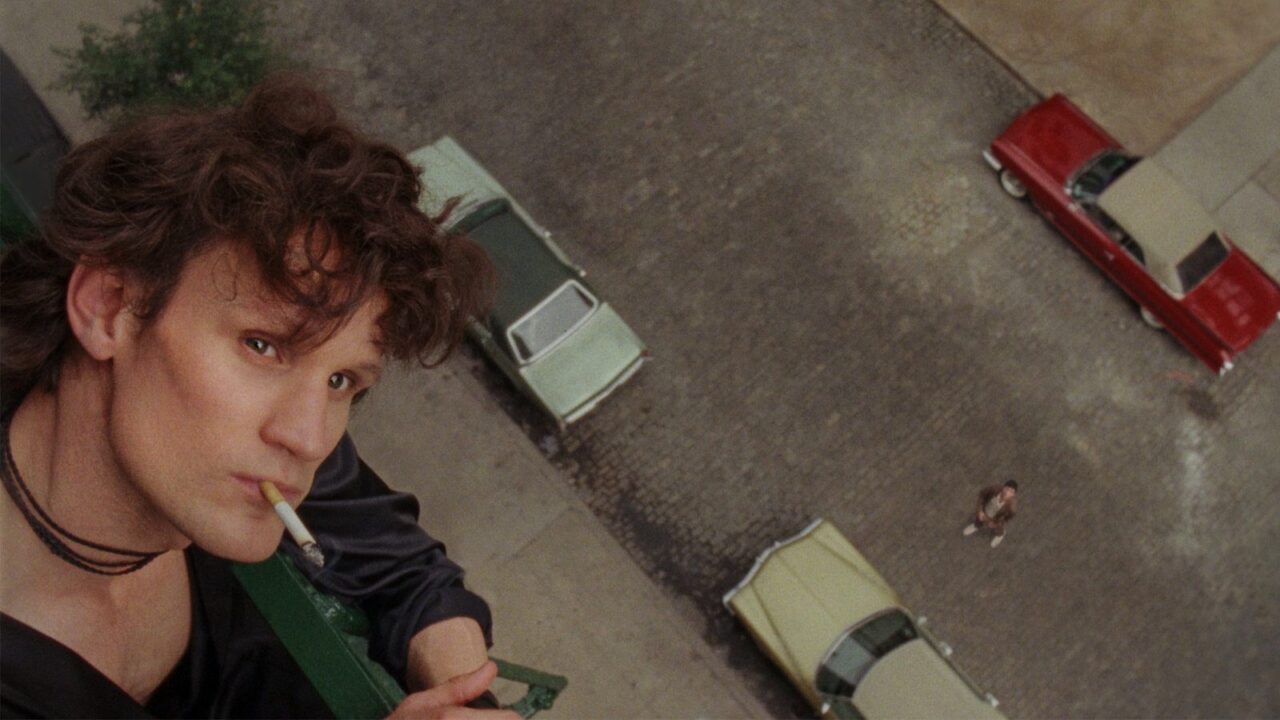
'Mapplethorpe: The Director's Cut' Review: This Second Take is Still Shaky
If you've ever seen a photograph taken by famed artist Robert Mapplethorpe, chances are high that it stopped you in your tracks, and for a moment, took your breath away. The stark images of naked men intertwined with each other, limbs in knots, are clearly provocative and bold–this is apparent even to the untrained eye. But it's the subtext of sexualized flowers within them that really shows off Robert's innate artistic genius. How he is able to take something so ordinary and add such deep, emotional meaning is why his is considered one of the most celebrated and controversial artists of the 20th Century.
Director Ondi Timoner attempts to breathe new life into her 2018 artist bio-pic Mapplethorpe with her new The Director's Cut (now streaming on digital platforms), featuring an all-new soundtrack and previously unseen footage of Robert’s childhood. Seeing the 2018 film's Rotten Tomatoes score may make you hesitant to invest two hours into watching this new version, and unfortunately The Director's Cut doesn't add enough to improve that thought.
Shot on both super 16mm and 8mm, we are transported to the grungy NY art scene where Robert Mapplethorpe (Matt Smith) and his partner Patti Smith (Marianne Rendón) are just getting their start. It's not long before Mapplethorpe, who has been suppressing his sexually curious nature since childhood, feels comfortable enough to embrace his authentic self. This act of self-acceptance is the catalyst for Mapplethorpe "The Artist" to thrive. So begins his journey, where he forms a relationship with powerhouse art collector Sam Wagstaff (John Benjamin Hickey), conquers the art world, and ultimately succumbs to AIDS at 42-years-old.
The film itself feels stale in comparison to its lively and flamboyant subject, which is the biggest disappointment here. The performances are risky, especially for Matt Smith who is naked in a handful of scenes, but it feels like there's a layer of Saran Wrap over the film that's keeping everything from fully expanding. What's missing is an organic fluidity–scenes feel overly scripted and rehearsed in a soap opera sense, which is a shame given the loose cannon nature of Robert's life.
If you're looking for more insight into Robert, his life, and his career, you'd have better luck with the HBO documentary Mapplethorpe: Look At The Pictures. This Director's Cut, unfortunately, proves that sometimes bigger isn't always better.
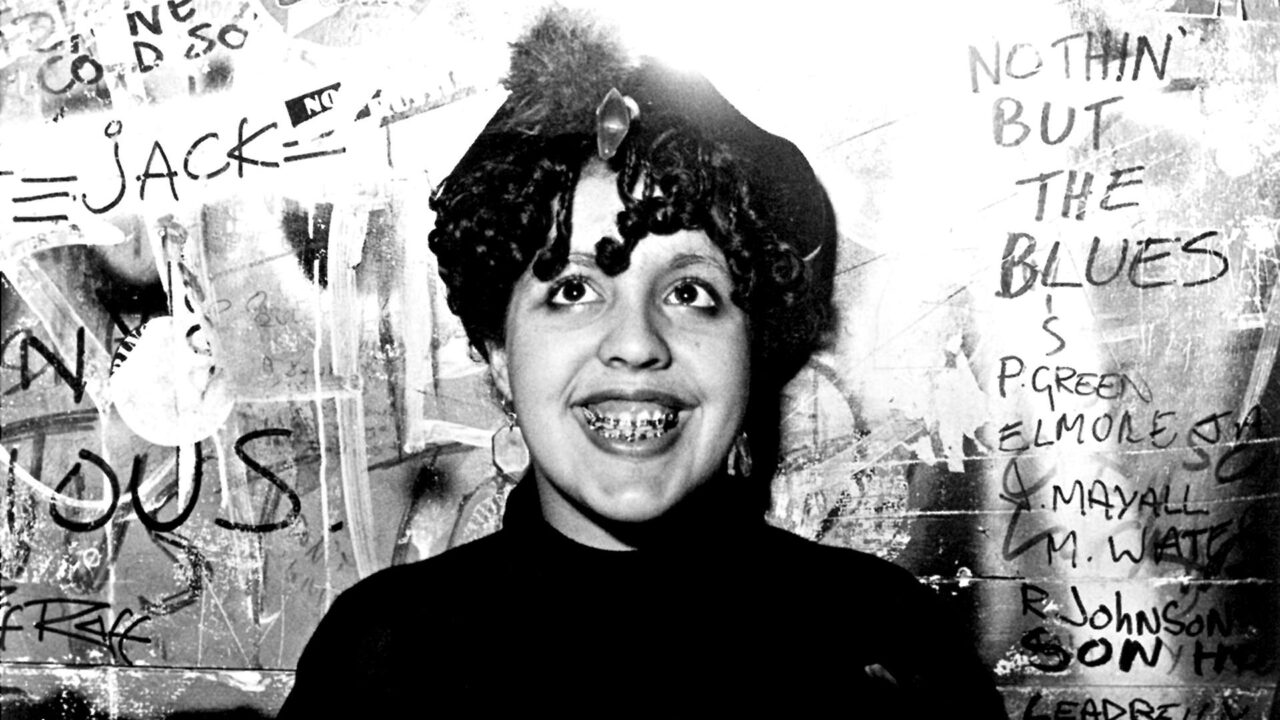
'Poly Styrene: I Am a Cliché' Review: A Tribute to a Rocker and Mother
Marianne Joan Elliott-Said, aka Poly Styrene, was a British punk rock icon who is credited as one of the first mixed-race front-women in the underground music scene. But beyond that, she was also a loving mother–a role that wasn't as flashy as "rockstar," but one that she loved just as much.
In the documentary Poly Styrene: I Am a Cliché, Marianne's story is told through her diary entries, voiced by actress Ruth Negga, her daughter Celeste Bell, and some of Poly's industry peers. All pay tribute to the irreplaceable new wave punk artist who left her mark on music forever.
Poly Styrene is best known as the lead singer of the band X-ray Spex, an English punk rock band formed in 1976. As Poly Styrene: I Am a Cliché shows, growing up in London was difficult for her, who was of mixed race. She was half-English, half-Somalian, and was always categorized as "half-caste." Her rough childhood followed her throughout her adolescence and adulthood, giving her a hard edge, but to those who really knew her, Poly is described as a sensitive sponge. She absorbed everything around her both good and bad, including the success and the side effects of fame.
In 2011, Poly Styrene passed away from breast cancer. She was just 53-years-old. As the self-described caretaker of Poly's legacy, her daughter Celeste beautifully pays homage to a perfectly imperfect woman. The documentary acts as a memorial to the feminist trailblazer who proudly rocked braces, embraced her fuller figure, and shaved her head when she felt that people were paying more attention to her looks instead of her music. Directed by Celeste, Poly Styrene: I Am a Cliché is a touching tribute to a musical maven, courageous woman, and dedicated mother that will inspire you to rock out and share love.

William Basinski On Recording the Sounds of 9/11 in 'Disintegration Loops'
Everyone's lives changed on the morning of September 11th, 2001. While most of us flocked to TV screens and descended into chaos and confusion, William Basinski went up to the roof of his NYC apartment building and started filming the aftermath of the morning's catastrophic events. When his tape ran out, it was just after sunset. He took the footage and imported it into iMovie, laying it over the track he was working on at the time, which was constructed from decaying twenty-year-old tapes of his earlier music. What transpired was called "The Disintegration Loops," and it became an unintentional yet historical time capsule and masterpiece of an unforgettable moment in time.
Directed by David Wexler, the new film of the same name, Disintegration Loops, is a quick 45-minute snapshot of a complex, long-awaited resurgence from one of ambient music's most revered artists. William Basinski is best known for "The Disintegration Loops," but his repertoire extends as far back as 1998. It wasn't until Pitchfork scored The Disintegration Loops albums a perfect 10 (which is incredibly rare) for his career as an experimental ambient artist to become revered in the music industry.
Technically speaking, the pandemic filmmaking style in The Disintegration Loops is very apparent in the film, which allows us to connect to the film even more. Most, if not all, interviews take place over Zoom: the sound quality isn't perfect, but none of that matters compared to the story at hand.
This year will mark the 20th anniversary of 9/11, a reflective time for both Basinski and all Americans, no doubt. While quarantining in Los Angeles, Basinski released "Lamentations," an album that transforms operatic tragedy into abyssal beauty. Although Disintegration Loops left me wanting more in terms of its story (and Basinski interviews), I've since jumped on Spotify and listened through his numerous ambient albums to feel that sense of sonic connection. And after you check out the documentary, I highly recommend you do the same.
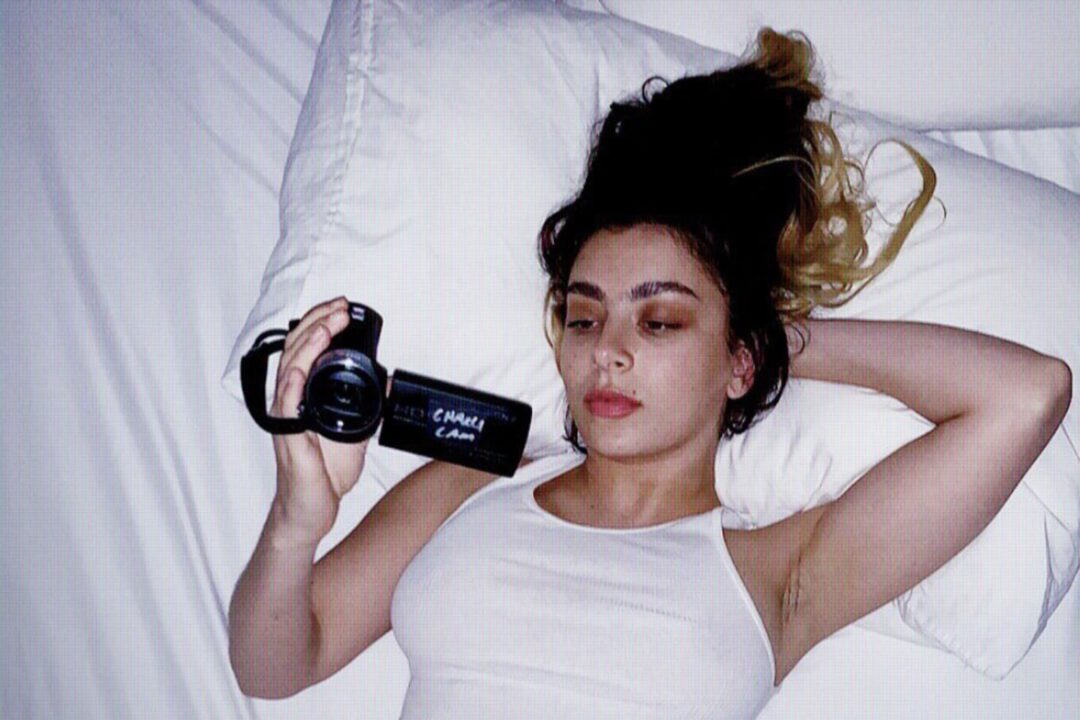
'Alone Together' Review: Charli XCX Makes an Album Amidst a Pandemic
What's a pop star to do when their world tour gets canceled, and life as they know it feels like a horribly unpredictable nightmare? For Charli XCX, the only way out is through. In place of her Covid-dashed plans for 2020, Charli XCX channeled her creative energy into creating a new album, which she accomplished in quarantine and with the help of some of her biggest fans, which the new documentary Alone Together captures.
As documented in the SXSW closing night film Alone Together (directed by Bradley Bell and Pablo Jones-Soler–professionally known as Bradley & Pablo), Charli XCX adopts a total DIY approach in order to write, produce, and release an entire album and accompanying music video in a matter of weeks. Taking to social media and everyone's favorite video conference app, Zoom, Charli XCX encouraged fans to submit lyrics, artwork, and other ideas that ultimately helped bring her album "How I'm Feeling Now" to life. As the doc shows, this not only served as a way for Charli XCX to connect to the outside world when she needed it most, but it also gave her globally-reaching fan club a sense of shared purpose and belonging during a time of uncertainty and isolation.
Scored by Alex Somers (Honey Boy), the music doc uses a hybrid of mixed media to tell this far-reaching story, including Instagram, digital avatars, and self-shot footage by Charli XCX herself. This intimate documentary captures everything from the romanticizing of the early stages of quarantine to the effects it takes on her mental health (and that of many others). By sharing her vulnerability with her fans in real-time and throughout this film, the film acts as a life-raft for those who feel as if they've been wading through the physical and emotional turmoil that 2020 brought. Charli XCX proves that despite life's disappointments and hardships, music will always have the ability to connect us, and that's something COVID-19 can never cancel.

'Demi Lovato: Dancing With the Devil' Review: A Pop Star is Born Again
If the opening night showcase film at this year's SXSW film festival set out to prove anything, it's that sharing our struggles with strangers can be a cathartic and positively-affirming experience. When you're former Disney star/recovering addict/and newly "out" artist Demi Lovato, it can also be quite vulnerable and scary.
Drawing comparisons to the recent New York Times-produced documentary Framing Britney, which revealed a troubling, unacknowledged history of one of the world's most famous pop stars (Britney Spears), Demi Lovato's own story–Dancing with the Devil–sounds hauntingly similar.
Demi's catapult to stardom first launched as a child in Barney & Friends, then Disney Channel, and quickly led to deep-rooted insecurities, teenage rebellion, and addictions of many kinds. Demi candidly talks about her eating disorders, losing her virginity as a teenager in a sexual assault, and her tumultuous relationship with drugs and alcohol; it's the last topic that is covered most in-depth, and serves as the genesis behind making this film.
Dancing with the Devil shows that this wasn't Demi's first attempt at shooting a documentary to show her struggles. In fact, the initial shoot shut down in 2018 after Demi suffered a near-fatal overdose in which, as she reveals now in the doc, she was mere minutes away from dying. Removing herself from the public eye for a few years to recharge and reset (as well as rest her voice), Demi attributes 2020's forced quarantine with her family and ex-fiancé to keeping her alive. For many, 2020 was a brutal year; but as her family and close friends share in the film, it was the best thing that could have happened to Demi.
Directed by Michael D. Ratner, Dancing with the Devil joins the ranks of other docs made by former young pop culture icons who want to tell (and own) their stories, including Justin Bieber: Seasons and This is Paris. While Dancing with the Devil is itself, an engaging work, it feels as though its purpose is a thinly veiled beg for forgiveness from her peers and fans. I don't feel like it's my place to judge someone's past and their explanation as to why they did certain things, but the audience's only requirement here is to sit and listen. Demi's hope is that we allow her the chance for a fresh start, and this is her explanation as to why she deserves one.
So, the big question: is the struggle over for Demi Lovato? The film doesn't leave us with a confident answer either way, but one thing it hammers home is that the Demi who is going to reemerge in 2021 is not the same woman we've seen before. This new woman has the power to come out on top, and we should all be rooting for her much-deserved comeback.
'Demi Lovato: Dancing With the Devil' is available to stream on YouTube on Tuesday, March 23, 2021.