
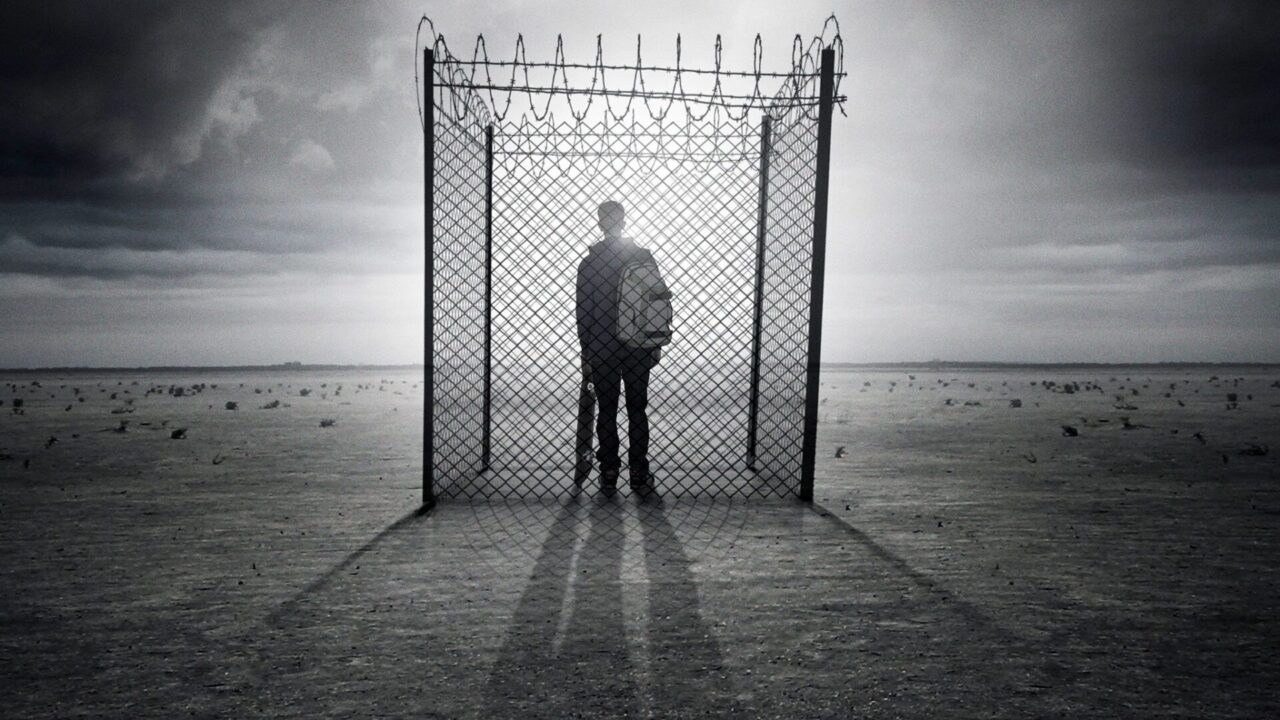
Review: 'Kids For Cash'
It’s the scandal that rocked the nation: 3,000 kids vs. 1 judge who had the capability to ruin their lives forever. In 1995, Mark Ciavarella was elected judge in Luzerne County based on his “tough love” policies. He won the county over and was elected for another 10-year judicial term in 2005. However, in January 2009, Judge Ciavarella is caught up in a scandal so shocking, it makes national headlines. What became known as the "Kids for Cash" scandal piqued the interest of director Robert May, who captures this real life dramatic event in his latest documentary, appropriately titled Kids For Cash.
It seems like a scenario straight out of a Lifetime movie, but to the residents and kids of Luzerne County, PA, the "Kids for Cash" scandal was all too real. Judge Ciavarella was hell-bent on sending kids to juvenile detention centers to “think about what they did.” During his term as judge, Ciavarella sent away almost 3,000 kids, but what makes this story a unique one is discovering why. It didn’t matter if it was talking back to an adult, creating a fake MySpace page, or buying a scooter that, unbeknownst to the buyer, happened to be stolen, Judge Ciavarella showed no mercy. Parents of children who were incarcerated knew that the punishment didn’t fit the crime, and knew they had to do something about it. Teaming up with lawyers and investigators, Ciavarella is eventually found guilty of fraud and tax evasion; it turns out that he was receiving money from the privately owned jail he was sending the juveniles to, hence, the name “Kids for Cash” was born.
The end song perfectly summarizes the vibe of the film: Skala & Kolacny Brothers' cover of "Creep".
Robert May acts as a fly on the wall while making the film, the very existence of this documentary was even kept secret from the FBI. However, the tone of the film does not seem rushed or anxious, in fact, May takes his time developing the story by introducing the audience to five kids who stood before, and were ultimately sentenced by, Judge Ciavarella. The film breaks down walls by getting personal and capturing their depression, heartache, sadness, and confusion. And while the story is ripe with emotion, May remains impartial in his storytelling; whatever direction the audience will find sympathy towards is not forced by the filmmaking, as May gives equal screen time to both the judge and those affected by him.
Part educational, part drama, Kids For Cash is not the average social awareness documentary. Feelings will be evoked, and engage the audience to form an opinion about this real life event. The end song perfectly summarizes the vibe of the film: Skala & Kolacny Brothers' cover of "Creep". The eerie voices of choir children singing one of Radiohead's most popular songs, "Creep," is the audible equivalent of the sensation you feel in your gut. Full of shocking revelations, verdicts, and death, Kids For Cash is an eye-opening, important film that should be seen.
https://www.youtube.com/watch?v=IHWcgYDvJng

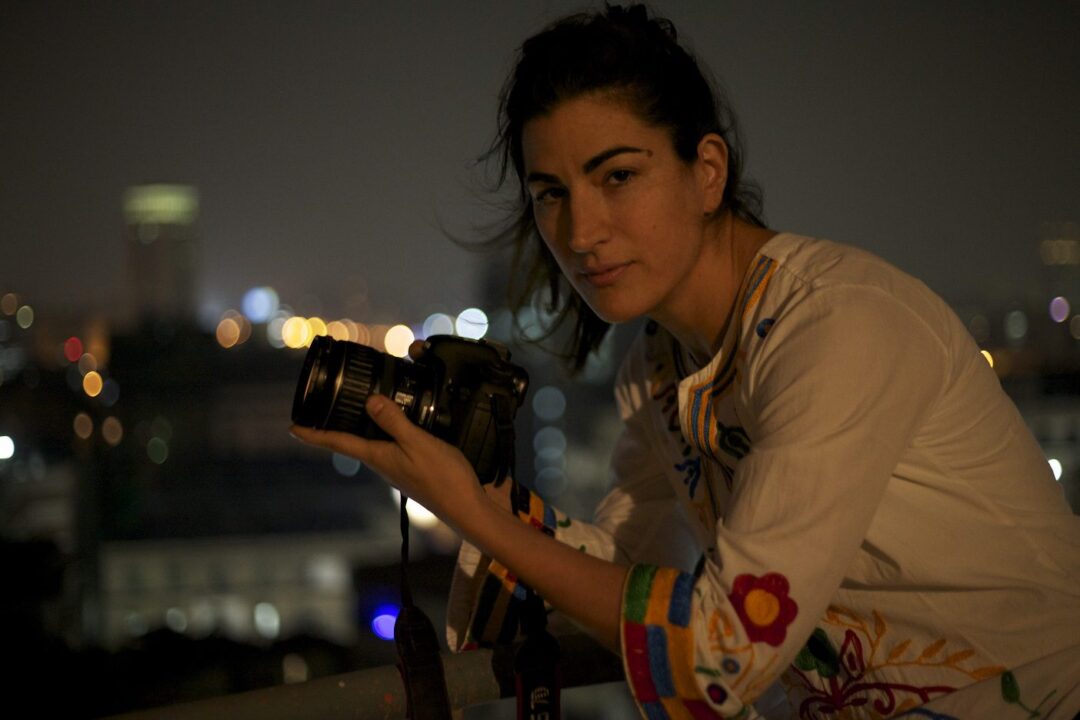
Director Jehane Noujaim on 'The Square'
 [soundcloud url="https://api.soundcloud.com/tracks/134614231" params="color=ff5500&auto_play=false&hide_related=false&show_artwork=true&show_comments=true&show_user=true&show_reposts=false" width="100%" height="100" iframe="true" /]
It’s the poster you’ve seen everywhere, the long-talked about documentary that has campaigned through social media and Netflix has finally been released and its impact is making waves through Hollywood. Sitting down with director Jehane Noujaim during her whirlwind press tour was inspiring both as a cineophile and a human being; her dedication to her Egyptian community and her graciousness about her Academy Award nomination made our time together enlightening. Across the giant wooden table at the Netflix Headquarters, Jehane sits down and smiles. We begin:
I LIVE IN LA AND JUST DRIVING DOWN THE STREET YOU SEE BILLBOARDS AND POSTERS FOR YOUR FILM EVERYWHERE, WHAT HAS THAT BEEN LIKE FOR YOU?
It’s incredible; making a documentary, you never know if anybody’s going to ever see it. This has been a dream come true, I’ve worked on many films but this has been the film that has come out in the biggest way, and we really attribute Netflix to that. [Netflix] has gotten the film out to 47 countries and the idea that this film is coming out is so widely seen and supported by an international community now… is so important for the ongoing struggle in Egypt right now. Those people who you see in the film are still fighting, everyday.
WAS IT DIFFICULT TO BE BOTH A FILMMAKER AND A PROTESTOR WHILE FILMING?
I was there first as an Egyptian and a protester; I grew up in Egypt, 10 minutes away from the square, and I had a huge stake in what was going on. I followed [the revolution] because I saw magic and beauty in this unrelenting desire to put everything on the line to change the country, and that I wanted to share with the rest of the world. It’s not easy, but overall you’re telling the story of change.
WHEN YOU WOULD GO TO BED AT NIGHT, WHAT WOULD YOU THINK ABOUT? WAS YOUR MIND RACING FROM FILMING ALL DAY?
For a long time we had an office 5 minutes away from Tahir Square and we were filming and editing at the same time, and we had to keep remembering that we were telling this character driven story. So, for example, there was a massacre that happened in a town a few hours away and [my] team said ‘we have to go there, we have to film it’ but none of our characters were there and I said no. I said someone can take one of the cameras and go if you need to film it for evidence, and we did a lot of that kind of filming, but you really do have to keep concentrated on the character storyline.
WHAT WAS THE CASTING PROCESS LIKE, HOW DID YOU FIND YOUR CHARACTERS?
We were following about 8 people at the beginning, but why we ended up concentrating on Ahmed [Hassan], Magdy [Ashour] and Khalid [Abdalla] was because of their fascinating personalities and because they also were dedicated to using that square, that public piece of land as a political tool for change… When we told Ahmed that the film was Oscar nominated he just said ‘I wanna cry for joy because this means our story will never be able to be silenced’.
WHO DID YOU USE TO SHOOT FOOTAGE?
I always shoot my own stuff because it’s one of my favorite parts of making a film. Mohammed Hamdy was our main Director of Photography and he taught us all how to use these Canon cameras. We got a couple of protestors to be sound guys and they learned how to use the sound equipment and Ahmed learns how to use the camera halfway through the process and so a lot of the footage from the front lines is Ahmed shooting, the camera became a weapon for him.
WHAT WAS THE INSPIRATION FOR THE POSTER?
I fell in love with the work of Omar, the graffiti artist and he is, to me, the embodiment of some of the most exciting change that has happening out of Egypt. The success or failure of this uprising in the last three years cannot only be measured by political outcomes, but also by the incredible art that has emerged from this movement: poetry, art and song. The tear gas would be flying and Omar would be continuing to paint on the walls. A person would be killed and that person’s face would be spray painted around all the walls of downtown Cairo basically saying, ‘you may not write about this, this may not be on television, but we will make sure that you see this person.’
WAS THERE A MOMENT WHEN YOU WANTED TO STOP MAKING THE FILM BECAUSE IT WAS JUST TOO MUCH?
No, when I started on this process, we asked these characters to open their lives and to trust us and that we would tell this story to the world, and they did. When you make that decision, you’re making a commitment to everybody that has given blood, sweat and tears to this film.
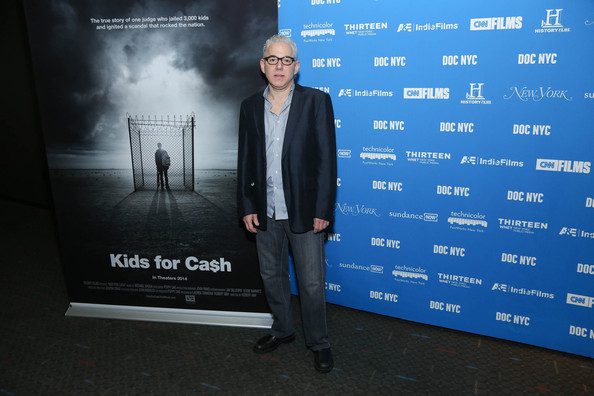
Director Robert May on 'Kids For Cash'

Robert May is a veteran when it comes to film, both as a director and producer. The former President of an industry security firm, May's credits include nationally recognized films such as "The War Tapes," "Bonneville," and the Oscar-winning film "The Fog of War." As the founder of the production company SenArt Films, his latest achievement may be one of his proudest yet. The shocking documentary "Kids For Cash" exposes the 2009 scandal in Luzerne County, PA, when Judge Mark Ciavarella sentenced over 3,000 kids to jail for petty crimes. Running on the stance of "tough love," Ciavarella was eventually caught receiving money from the privately owned juvenile detention center where he was sending these kids, raising questions of bribery and fraud. For as petty as the crimes were, for example, creating a fake MySpace page, these kids didn't stand a chance when up against Ciavarella. It was always the same scenario: jail time. I talk exclusively with Robert May about capturing this scandal, his interviews with the kids affected as well as Ciavarella himself, who did not even tell his lawyer he was participating in the film. We begin:
WHAT WAS THE MOTIVATION FOR MAKING THIS FILM? BECAUSE IT WAS A GOOD STORY, OR TO RAISE AWARENESS OF THE SITUATION?
ROBERT MAY: Certainly not raise awareness of the situation, in fact I don’t like “issue” films. I don’t go to see them… I know there are a lot of issues in the world, but I have enough issues in my own life, you know? Why do I want to take on others? So that wasn’t my intent at all. My producing partner and I were actually developing another story about greed, power and kids. It was a fictional story… and then the scandal broke… and we were like ‘what is this story?’ and literally that’s what started it, this scandal of epic proportions that involved greed, power and kids and millions of dollars and I just thought if there were ever an entertaining concept, there it was right in front of us.
ONCE THIS WHIRLWIND OF “KIDS FOR CASH” IS OVER, ARE YOU GOING TO GO BACK TO THE NARRATIVE?
Yes, we certainly will.
YOU HAD TO BE VERY SECRETIVE WHILE MAKING THIS FILM…
Oh yeah, the idea for the judges was that they’d interview with us but they didn’t want to tell their lawyers… because the lawyers would tell them NO! So the judges didn’t want [the lawyers] to know, we definitely didn’t want them to become part of the story, I mean this is a Federal investigation. There isn’t that many federal investigations people have been documenting behind the scenes. In all of our documents, everything, there was never a trace of their name. The team that we had was “need to know” basis; the research team had no idea we were filming the judges. All of our interviews had transcripts but the transcripts for the judges were done in a whole different place, and it was always “Subject number such-and-such.” Ciavarella was #9 and Conahan was subject #15.
WHAT WAS THE BIGGEST HURDLE MAKING THIS FILM, BUT ALSO THE BIGGEST REWARD?
The biggest hurdle was getting the judges to talk because we wouldn’t have made the movie at all, and it seemed like an impossible idea. In fact, I told my producing partner Lauren Timmons ‘we’re absolutely not doing it if we can’t get the judges.’ It turned out to be much easier than I thought to get them and I thought ‘Holy crap, we have the judges, now we’ve gotta make this movie,’ and I’d say that was the most astonishing thing. So far, the biggest reward is to have people say things that are much bigger than the film, like when [critics] talk about it as a "fiction film" which it isn't, it's a non-fiction film. I never intended to make a movie like that but I'm very grateful that it is like that.
WHAT WAS CIAVARELLA LIKE?
Well it’s interesting because everybody loved him! He ran for judge in 1995 on his personality… and was elected for two 10-year terms. He certainly was an arrogant guy, people knew that too, because he was so defined and determined but people like that. He certainly had a personality you could like, and Judge Conahan same thing. Conahan was very smooth and charismatic, manipulative and always tried to keep a few steps ahead of you.
DID YOU FEEL ANY SYMPATHY TOWARDS HIM?
You know, I saw the trauma the kids and families went through and how the kids may never get over what happened to them. The first thing they talk about is shackles and handcuffs, they don’t talk about the scandal. I also saw the trauma the families of the judges went through too, and how their families were destroyed as well. The fact is that Ciavarella destroyed his whole family is an awful thing to see. There are no winners in stories like that.
WAS THERE ONE KID FOR YOU THAT STUCK OUT?
I’ve been affected by all of these stories; I feel like for the rest of my life I’m going to be carrying and concerned about every one of them. It’s hard to shake that. [The kids] have connected with me and I’ve connected with them. In documentaries, after the movie comes out they can’t stay far enough apart, for lots of reasons, or sometimes they get really close, and sometimes I feel like it’s a problem because I have two kids but now I feel like I have five kids, plus the kids that aren’t even in the movie that we filmed, PLUS the kids of the judges. I care for them all. So to say that I care about one over the other… I could tell you how I care about each of them.
FOR THE ENDING SONG, "CREEP" BY SCALA & KOLACNY BROTHERS, HOW DID YOU CHOOSE THAT?
I was familiar with the original song by Radiohead, there was "Sweet Child of Mine" which was one of the songs we thought of also, and I was thinking 'wouldn't it be interesting if it was a children's choir' and there was. I couldn't get "Creep" out of my mind… it would just sear into me, but I thought we'd never get the song. Radiohead never plays the song anymore and our music supervisor Season Kent helped us get it and it wasn't easy. It didn't cost us a lot of money like we thought it might… but it took six members of Radiohead to sign off on it individually and we thought it was never going to happen.
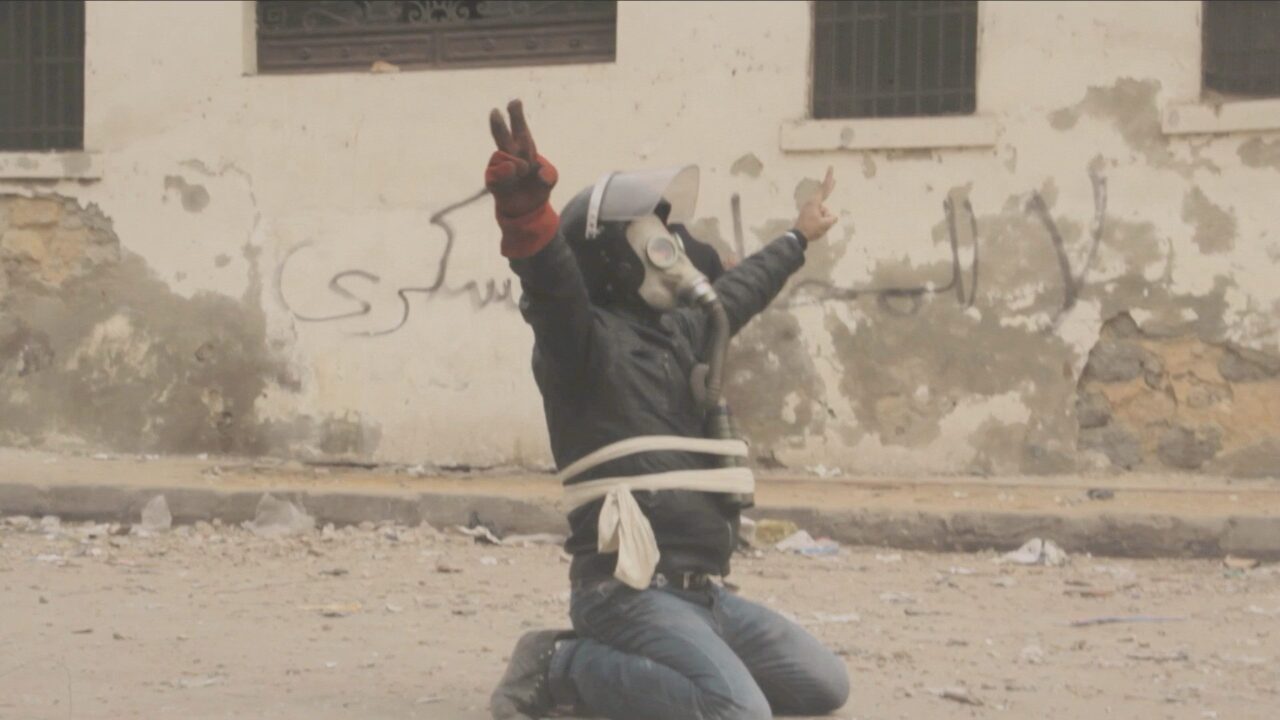
Review: 'The Square'
You’ve heard the buzz, and seen its title proudly promoted by Netflix. A beautiful but haunting image of an angel with colorful wings, rising from a grey cloud captures your attention, a juxtaposition that perfectly describes one of the most powerful documentaries of the year to date. From beginning to end, the film is a heavy, emotional journey through the Egyptian political revolution and for as much blood being shed, twice as much optimism for the future is seen in The Square.
While it would help to have a general understanding of Egypt’s politics, it’s not necessary to jump right into the film. The beginning starts off heavy, delving right into the protest of President Mubarak and his ultimate fall from office. The celebration doesn’t last long as once thought hero Mohamed Morsi is elected President, and soon becomes the people of Egypt’s worst nightmare. The rise and fall of political leaders in a country struggling to have civil rights is a heavy subject to tackle, but director Jehane Noujaim makes this issue easy to understand and connect to, even from watching half a world away.
The Square is receiving critical acclaim for its journalism because of the urgency in the subject, and for its incredible, ruthless filmmaking.
The Square is receiving critical acclaim for its journalism because of the urgency in the subject, and for its incredible, ruthless filmmaking. There is no shortage of dark moments, so one needs to be mentally prepared to watch this film. The camera gets so close to bullets and blood that the audience feels as if they’re in the middle of the revolution too. It doesn’t get too graphic with the death scenes, although there is one scene that captures an incident when a group of protestors get run over by a tank. While it may be hard to watch, ultimately that’s what makes The Square a boundary-pushing, Academy Award nominee.
Aside from the obvious effects of raising awareness, The Square is an inspirational journey showing an unprecedented number of young people getting involved in their government. The main subject Ahmed Hassan is such a relatable, charismatic character; he serves as the perfect guide throughout the film. The Square doesn’t just follow a historical timeline of facts and politics, it delves much deeper than that; it observes the connection between people, regardless of religion, gender, etc, and the unity of working toward a greater good, which everyone can relate to. We can’t all relate to war, but we can relate to human connections.
When the film is over and the credits roll, we can discuss our thoughts and nod to the fact that this film opened our eyes to a situation we may not have been informed about. It’s heartbreaking to think that the film may span only 2 hours for us, but for the people fighting in Egypt, their struggle continues today. What we witness on-screen is a daily occurrence with danger lurking at any moment for Ahmed and Jehane and their families; for this reason and countless others, The Square should be on your list of must-see documentaries.
https://www.youtube.com/watch?v=bvVvDYv-4AM
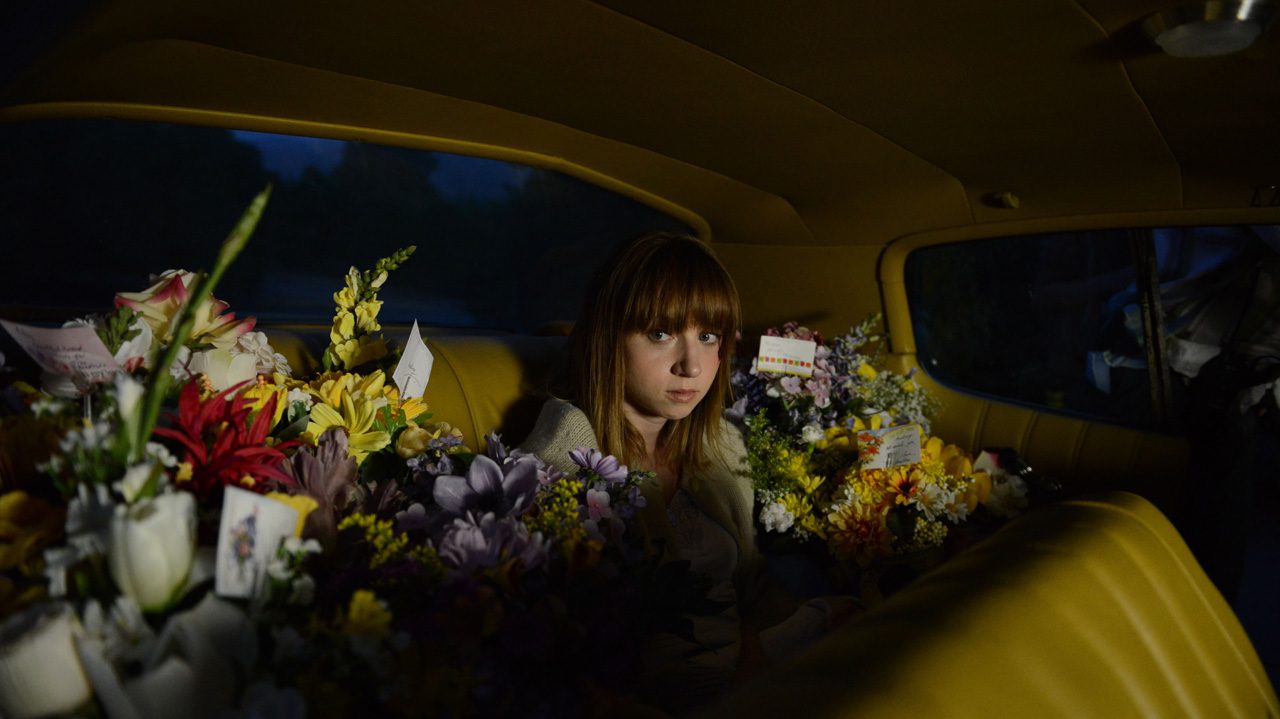
Review: 'The Pretty One'
The genre “dark romantic comedy” usually piques my interest, and while the packaging of Jenée LaMarque’s film The Pretty One seems colorful and elementary, its thematic tone is anything but; dealing with identity struggle, death, and coming of age, The Pretty One is a comical, yet emotional journey about a wallflower's struggle with breaking out of her shell, even if the shell isn't really hers.
Audrey (Zoe Kazan) and Laurel (again, Zoe Kazan) are identical twin sisters with personality differences. Audrey is into the glamorous lifestyle- she’s the type of girl you would see walking down the fashionable streets of West Hollywood. Her sister, Laurel, isn’t necessarily “anti” glamor, but her naive demeanor makes her more socially awkward, with no effort put into her appearance. Differences aside, they get along great, wearing BFF heart necklaces with the other’s name that, when combined, form a perfect heart as a symbol of their unity. However, the broken half-heart is an obvious foreshadowing of literal heartbreak as LaMarque leads into the next scene.
Kazan’s range is on display playing both girls, and her performances are equally convincing and charming.
As a gesture for their shared birthday, Audrey decides to treat Laurel to a makeover day, their first stop being the hairdresser. Laurel decides to mimic her sister’s style and takes a good 10 inches off of her hair, leaving the two looking like their own reflections. Their special moment doesn't last long; after an unforeseen tragedy strikes, Laurel wakes in a hospital room to Dr. Rao (Danny Pudi) and her father (John Carroll Lynch), crying. “Where’s my sister?” Laurel asks in a daze. “Laurel’s dead,” they say. First it's confusion, but then it hits her; everyone thinks she’s Audrey, meaning they think “Laurel” is dead. It’s at this realization when Laurel is at a crossroads; tell everyone they are wrong and that Audrey is the one who died, or live life as her sister, which means new friends, a new life, a fresh start.
Zoe Kazan brings her years of theatrical acting to this film, engagingly portraying the twins a la Lindsay Lohan in The Parent Trap or more recently, Armie Hammer as the "Winklevii" twins in The Social Network. Kazan’s range is on display playing both girls, and her performances are equally convincing and charming. It doesn’t hurt that she shares the screen with "New Girl's" charming Jake Johnson, who plays Audrey’s neighbor and tenant Basel. While Audrey was rude and wrote off the funny-man, Laurel gives him a chance and romantic sparks fly. Co-starring as Audrey’s secret on again, off again, boyfriend is the comedic Ron Livingston, whose screen time is short but impactful.
The Pretty One serves as director Jenée LaMarque’s directorial debut, and while her style isn’t revolutionary, it is a fun movie. You need a suspension of disbelief to enjoy the film, though, it’s not necessarily a realistic scenario all around, but isn’t that what seeing films is all about?
https://www.youtube.com/watch?v=hNx_R6LdB9o
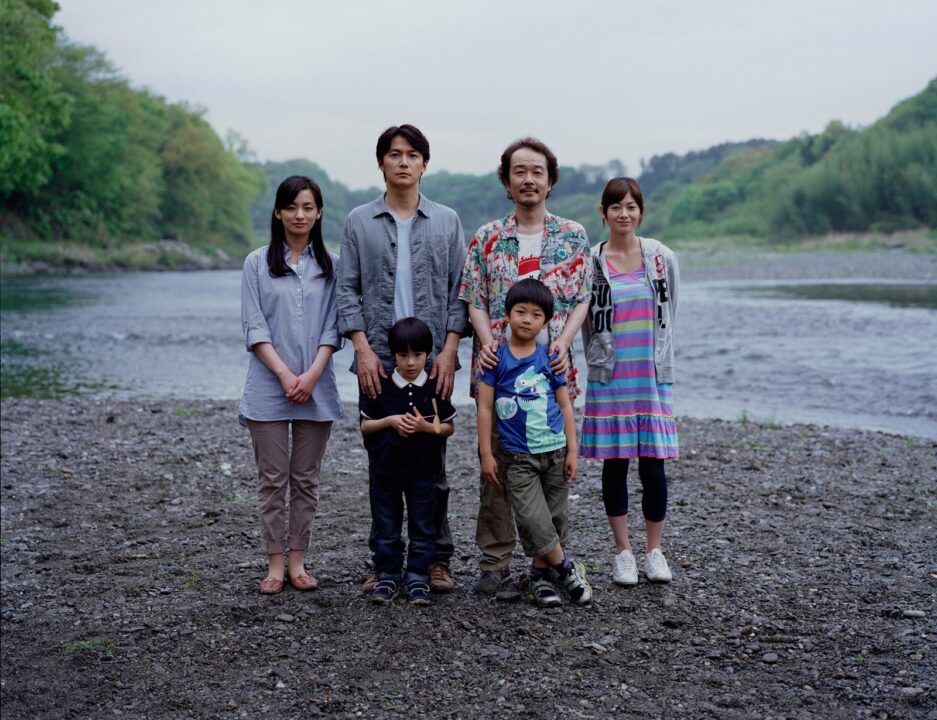
Review: 'Like Father, Like Son'
Imagine raising a child, your only child, for six years until one day, a devastating phone call changes everything you thought you knew about your family. The little things you take for granted, like the way he looks while sleeping and seeing his artwork hanging on the walls, suddenly take on a whole new meaning. As a parent, you suddenly feel unjustly stripped of your feeling of contentment and security. In acclaimed director Kore-eda Hirokazu’s poignant family drama Like Father, Like Son, love is put to the test as two families discover that the son they’ve raised for six years is not biologically theirs, but the result of a switched-at-birth scandal.
The protagonist of the Japanese drama is Ryota; a stiffly portrayed businessman whose priority is his career and, consequently, allows his family to fall by the wayside. His wife Midori and their six-year-old son Keita share a special bond, similar to that of a single mother raising her child. Although their parenting styles differ, both of their worlds are rocked when they are told by an ashamed hospital lawyer that Keita is not their "real" son. They then learn that their biological son is being raised by the true parents of the child they have been raising. Upon meeting each other, it’s also evident that their parenting and lifestyles are completely different, which further throws them into a whirlwind of emotion. “Like Father” stays firmly grounded on the internal struggles of the respective families and ultimately asks the question, what really is family?
His style is minimalistic and natural; tightly composed shots give the film a meditative quality that leaves audiences in a state of reflection after the film’s end.
Director Kore-eda finds his strength in Like Father, Like Son not only as the director but also as the writer and editor. His style is minimalistic and natural; tightly composed shots give the film a meditative quality that leaves audiences in a state of reflection after the film’s end. The cinematography is another element that should be praised; the juxtaposition between sterile and natural plays against each other for a powerful look. One shot that stands out is the moment when Ryota and Yudai, the father who has been raising Ryota’s biological son, sit next to each other on a rock next to a flowing creek. It’s a wide shot; Ryota sits in tailored yet casual attire, his posture reinforcing the fact that he is the predominant character in the scene. His clean, brown loafers rest next to Yudai’s worn-in grey New Balance tennis shoes. The subtleness explains so much about the lives of these men. It’s a telling image portrayed without words.
The debate between what makes “a father” encourages the audience to think about our own fathers and, for better or worse, find sympathy with the protagonist Ryota. Is it purely one's bloodline that makes a family, or is it the time spent during childhood that gives accreditation to the word “father”? Kore-eda quite literally examines nature vs. nurture with top-notch acting from well-known Japanese actors Masaharu Fukuyama and Machiko Ono. Along with an authentically great performance from child actor Keita Ninomiya, this film is packaged to perfection. It's provoking storyline won over critics at the 2013 Cannes Film Festival, earning the coveted jury prize. A festival favorite, Like Father, Like Son opened in New York January 17th and Los Angeles on January 24th and is not to be missed.
https://www.youtube.com/watch?v=B5ZuMKj-QBA

Review: 'The Wolf of Wall Street'
A flying midget, aimed at a velcro target and surrounded by a throng of middle-aged frat boys in ties, is wildly cheered on as booze, cocaine, and hookers flood the office. A shot of the circus' ringleader, a smiling Jordan Belfort (Leonardo DiCaprio) amidst the chaos escalating behind, sets a perfect stage for what's about to unfold in the next three hours in this Martin Scorsese neo-gangster film: sex, drugs, and a whole lot of laughs.
The Wolf of Wall Street is the unbelievable true story of a young money-hungry stockbroker, Jordan Belfort, and of his meteoric rise to the top of the New York financial game. Scorsese packages this comedic crack-epic in the vein of Goodfellas, a genre and tone that he single-handedly defined in the cinematic language, which is also sure to be an Awards contender. Dicaprio's portrayal of Belfort begins as a wide-eyed freshman; a newbie to the financial world. After meeting with a very charismatic stockbroker Mark Hanna (Matthew McConaughey), Belfort resorts to trading penny stocks to get his taste of the fast-paced world of trading. With his natural salesmanship, go-and-get-it attitude, Belfort turns into an overnight success. It's not long after he leaves the low reward penny stocks game to run with the big boys on Wall St., teaming up with Donnie Azoff, played by a preppy and cap-toothed Jonah Hill.
From there, the money, and booze start flowing.
Dicaprio and Jonah Hill make an oddly perfect on-screen duo, as their dryly humorous performances throw contrast to the film's real comedic bread and butter, all of the eccentricities flying around them. When Jordan and Donnie take drugs that they think are duds, leaving them temporarily paralyzed and left to dragging their gimp bodies across the floor, their loss of motor function make for hilarious slow-rolling gibberish. Also praiseworthy is newcomer Margot Robbie who plays DiCaprio's trophy wife Naomi, the typical blonde hair, big-chested prototype with a defiant edge. As a whole, the cast is spot on and deliver strong, strong, theatrical performances. If you look closely, you can even spot a cameo from fellow acclaimed director Spike Jonze.
Scorsese packages this comedic crack-epic in the vein of Goodfellas, a genre and tone that he single-handedly defined in the cinematic language, which is also sure to be an Awards contender.
Everywhere you look, Martin Scorsese's film is packed with A-listers in front of and behind the camera, but then again, who would expect anything less? Veteran screenwriter Terence Winter, known for such classics as Boardwalk Empire and The Sopranos, adapts the screenplay from the memoirs of the book of the same name, The Wolf of Wall Street, written by the Jordan Belfort himself. The adaptation feels seamlessly natural, unlike more stiff or apprehensively handled book adaptations seen before. Cinematographer Rodrigo Prieto, who includes Argo and Brokeback Mountain on his resume, captures Scorsese's classic vision in a new, dynamic fashion, keeping the audience guessing and wanting more.
The Wolf of Wall Street is definitely a guy's-guy type of movie, raunchy in the most chauvinistic yet hilarious ways. It's a fast paced, hard-R film, that actually needed to cut out even more of the sexuality and nudity then what's already included to stave off an NC-17 kiss of death rating. The irony runs further; on par with Jordan & Co.'s fast paced lifestyle, which is laughable to the average moviegoer, the gratuity on display might even serve as an of inspiration to some of Hollywood's young up and coming players.
It's a home run for both Scorsese and his cast, and will certainly be popular come Awards season. The Wolf of Wall Street may not be to everyone's taste. Depending on which side of the aisle you identify with, the "have's" or the "have not's," you'll definitely walk out of the theater blown away, from both the mastery in filmmaking and having witnessed the all too true real-life happenings of Wall Street's wildest.
https://www.youtube.com/watch?v=iszwuX1AK6A
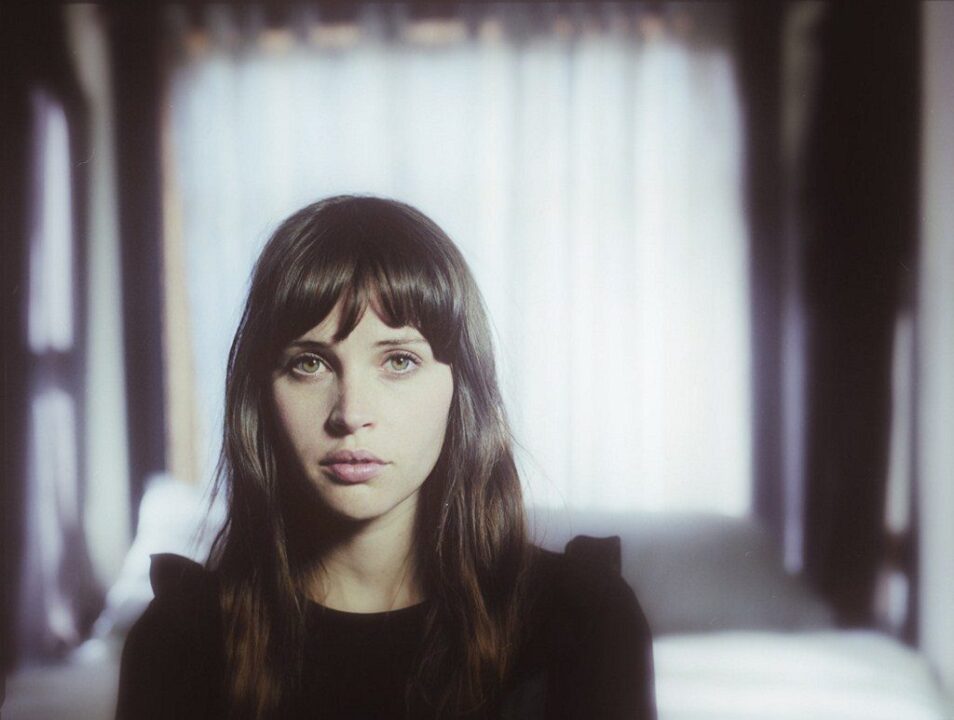
Felicity Jones on 'The Invisible Woman'

[soundcloud url="https://api.soundcloud.com/tracks/124880670" params="color=ff5500&auto_play=false&hide_related=false&show_artwork=true&show_comments=true&show_user=true&show_reposts=false" width="100%" height="100" iframe="true" /]
She's been dubbed the new "it-girl, " and by all means British darling Felicity Jones is making that title her own. From her movie choices to her daily wardrobe, Felicity impresses critics as Nelly Ternan, the naive mistress to a much older Charles Dickens in Ralph Fiennes' period drama The Invisible Woman. On the day of our interview, Felicity walks into the interview room in a chic A-lined dress, which subtly contrasts her shaggy bob and smoky eyeliner. “Somebody is anything but invisible today,” says one journalist. “I AM the visible woman,” Felicity exclaims, a giant smile covering her face. We begin:
WHAT IS THE MOST INTERESTING ASPECT OF NELLY THAT YOU WERE ABLE TO TAP INTO?
I think for Nelly, there was a real conflict in her; I don’t think she wanted to be a floozy mistress, that was so antithetical to her identity, but at the same time she fell in love with someone who had a very particular way of living and so it was this battle between wanting to be with [Dickens] but at the same time, obtain her own dignity and identity. I felt like my job was trying to portray that conflict.
NELLY IS STAR STRUCK WHEN SHE MEETS DICKENS, WAS THAT THE SAME FOR YOU WHEN YOU MET RALPH FIENNES AND KRISTIN SCOTT THOMAS?
With Ralph, I was slightly intimidated; I thought he was going to be a bit like Voldemort.
[Laughter]
But Ralph is actually very sweet, a kind and lovely person and nothing like Voldemort at all. More like Ron Weasley! Kristin Scott Thomas is so tremendous; I mean it was so surreal, when I was in the read through I was sitting in between Ralph and Kristin and it was like being in “The English Patient.”
HOW WAS RALPH AS A DIRECTOR?
He’s very honest, so he would come up and say ‘That was awful, do it again but better.’
[Laughter]
So he was very focused on the performances as you can imagine, being an actor. He had a very strong idea about being totally true to the period, which I thought was really fascinating about his direction. Often when you make period films, you make them more appealing to contemporary audiences by being a little more lenient with the truth; Ralph was very particular about us retaining truth… and the austerity of the period.
YOU'RE NO STRANGER TO PERIOD PIECES, ALTHOUGH THIS IS AS FAR BACK AS YOU'VE GONE. YOU PLAYED MARGOT FRANK ["THE DIARY OF ANNE FRANK"]... IS THERE SOMETHING SPECIAL ABOUT THIS ERA THAT APPEALS TO YOU?
I love the aesthetic; I love the sternness of the way women presented themselves. It’s interesting; I think English people are obsessed with telling stories from the past.
[Laughter]
I don’t know quite why that is, maybe that’s when England thought it was great.
CAN YOU TALK ABOUT PLAYING NELLY THROUGH THE AGES, YOU PLAY HER AT BOTH 16 AND HER LATE THIRTIES.
Interestingly, she pretended to be a lot younger than she actually was. When she met [her husband] George Wharton Robinson, she was in her late thirties, but pretending to be twenty-three. This was a way of almost reliving her life, really. She didn’t tell anyone, she didn’t tell her husband or kids about her relationship with Dickens, it was very much kept a secret. It was much more fun [playing] older than younger, that’s one thing I realized.
THERE'S ONLY ONE SEDUCTION SCENE IN THE FILM, HOW DID YOU GO ABOUT DEVELOPING THE PACING AND THE EMOTION TO CARRY THAT AND BUILD TO THAT ONE CULMINATING SCENE?
I think you try and play each scene before that with truth and honesty; [Ralph and I] didn’t want it to be cheap in any way, we felt like they were very careful about their connection to each other. With Nelly, there’s something quite puritan about her because she’s having these sexual feelings for this older man but has no one to talk to about it, she doesn’t live in a world where that can be discussed with friends or family, and there’s this sort of guilt with it. It’s very important that [the build] is gradual and the audience is on both their sides and doesn’t judge them for it.
IN THIS FILM YOU PLAY THE OTHER WOMAN AND IN "BREATHE IN" YOU'RE ALSO THE MISTRESS, IS IT CHALLENGING FOR YOU TO PLAY THESE TYPES OF ROLES?
I do feel like I’ve played a lot of serious roles recently so I’m looking forward to something a little lighter, because I find that I take home that character as I’m playing them. I try to take each project as it comes to you rather than trying to contrive it. If I like the director and I think there’s something interesting that I can get my teeth into then I’m drawn to it.